
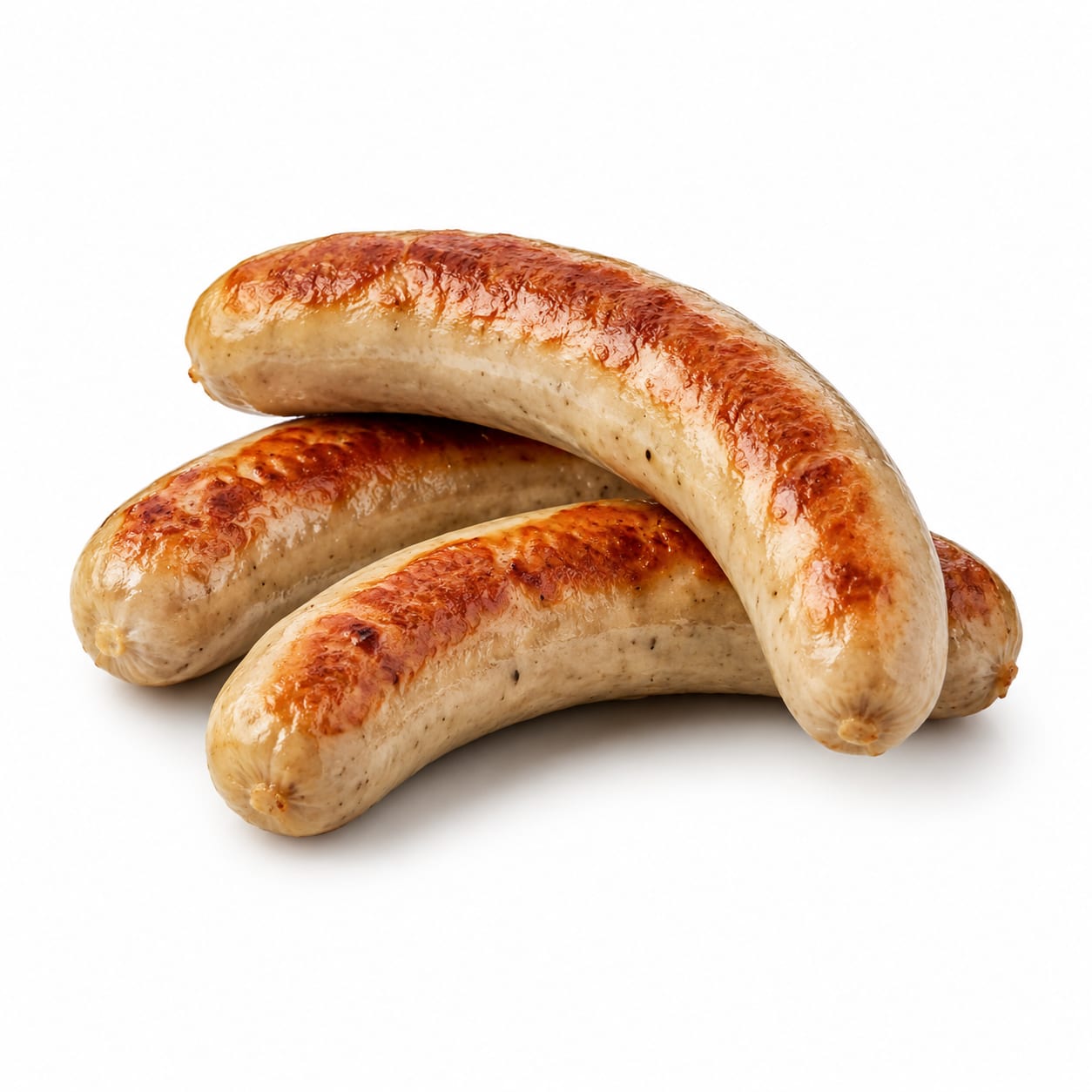
Processed Meat
Bratwurst
A seasoned German sausage made primarily from pork or veal, known for its high fat content and savory flavor.
A type of German sausage typically made from pork, beef, or veal, seasoned with spices like nutmeg, ginger, and caraway, and commonly grilled or pan-fried.
high-fat processed meat source
Typical serving · 85g
Common varieties · fresh pork bratwurst, veal bratwurst, beer bratwurst, smoked bratwurst, chicken bratwurst +1 more
Overall context score across nutrition, safety, and diet fit
At a glance
Quick facts
Simple indicators based on nutrition, processing, and diet fit.
The story
What makes it unique
Bratwurst is a high-fat, moderate-protein processed meat with minimal carbohydrates. Its digestion is slowed by high fat content, which provides prolonged satiety but delays gastric emptying. Commercial varieties contain added sodium and preservatives, classifying them as ultra-processed foods with distinct metabolic impacts compared to fresh meat.
Varieties: fresh pork bratwurst · veal bratwurst · beer bratwurst · smoked bratwurst · chicken bratwurst · turkey bratwurst
Per 100g
Nutrition breakdown
Macro balance and key metrics at a glance.
Energy
Density 2.97 kcal/g
Protein
Carbs
Fat
Fiber
Sugar
0.5 g
Sodium
820 mg
Potassium
230 mg
Glycemic index
0
Glycemic load
0
Water content
57%
Standout compounds
Nutrient highlights
Vitamin B12
highSupports nerve function and red blood cell formation
Selenium
moderateActs as an antioxidant and supports thyroid function
Sodium
highCan cause fluid retention and increase blood pressure
Saturated Fat
highRaises LDL cholesterol and increases cardiovascular risk
Protein
moderateSupports muscle tissue repair and maintenance
Wellness map
Health scores & processing
NOVA processing scale
highly processed · Ultra-processed
Commercial bratwurst undergoes grinding, emulsification, and curing with added sodium, preservatives, and flavor enhancers, placing it in the ultra-processed category.
Diet compatibility
- Weight loss
- Muscle gain
- Diabetes
- Gut health
- Low carb
- High protein
- Heart health
Relative standing
Food rankings
Qualitative ranks compared to similar whole foods.
- Satietymoderate
- Blood sugarexcellent
- Nutrient densitypoor
- Fitness fuelpoor
- Processing qualitypoor
Eat with confidence
Food safety profile
Raw bratwurst poses a moderate risk for bacterial contamination, requiring thorough cooking to an internal temperature of 160°F (71°C). Processed meat consumption is linked to long-term health risks.
Evidence confidence 85%
- Pesticideslow
- Antibioticsmoderate
- Heavy metalslow
- Contaminationmoderate
Watch for
- salmonella
- trichinella
- listeria
- nitrates
Safer choices
Organic or pasture-raised bratwurst without synthetic nitrates or nitrites.
Prep tips
Do not wash raw sausage; cook thoroughly until juices run clear and no pink remains. Use a meat thermometer to verify safe internal temperature.
Standard concerns regarding antibiotic use in conventional pork and beef farming, plus limits on nitrate/nitrite preservatives.
Deep dive
Health analysis
How this food may fit different goals and preparation choices.
Weight loss
High energy density and fat content make it easy to overconsume calories, hindering weight loss efforts.
Blood sugar
Virtually zero carbohydrates result in no glycemic impact, making it blood-sugar friendly in the short term.
Fitness & energy
Provides protein for muscle maintenance but high fat slows digestion, making it a poor choice for quick pre-workout fuel.
Gut health
Lacks dietary fiber and contains emulsifiers and preservatives that may negatively alter the gut microbiome over time.
Processing quality
Ultra-processed meat containing additives, high sodium, and potential nitrites, which are associated with increased disease risk.
Food safety
Must be cooked thoroughly to mitigate pathogens like Salmonella and Listeria. Frequent consumption of processed meat is classified as a carcinogenic risk by the WHO.
Common mistakes
Assuming it is a high-protein, lean option when it is actually predominantly fat by calories. Boiling in beer and then grilling can also cause unsafe temperature fluctuations if not monitored.
Best preparation
Grilling or pan-searing over medium heat until the internal temperature reaches 160°F (71°C), ensuring the casing is fully cooked and safe to eat.
Practical guide
Best use cases
When and how this food fits real eating patterns.
Keto diet staple
Fits perfectly into a strict ketogenic macronutrient profile due to high fat and near-zero carbs.
Occasional backyard grilling
A culturally traditional food for outdoor barbecues and summer gatherings when consumed mindfully.
Low-carb camping meal
Portable and shelf-stable when cured, providing dense caloric energy for outdoor activities without carb-loading.
Balance sheet
Pros & cons
Upsides
- Very low carbohydrate content
- Good source of Vitamin B12 and selenium
- High fat provides prolonged satiety for keto dieters
- Convenient and quick to cook
Trade-offs
- Very high in saturated fat and calories
- Extremely high sodium content
- Classified as ultra-processed meat linked to health risks
- Lacks dietary fiber
- Contains potential allergens and preservatives like nitrates
Fit check
Who is it for?
Great match
- strict ketogenic diets
- low-carb cookouts
- occasional traditional meals
Consider alternatives
- heart-healthy diets
- low-sodium diets
- weight loss programs
- frequent daily consumption
Side by side
How it compares
Open the full head-to-head analysis for nutrition, safety, and practical tradeoffs.
This food
Bratwurst
VS95% alike
Compare with
Italian Sausage
Italian sausage is slightly higher in calories and fat, often featuring fennel or anise flavor, while bratwurst is milder and slightly lower in fat.
Bratwurst is slightly lower in calories and fat than Italian sausage, making it the marginally better choice for weight loss, though both are high-fat processed meats.
This food
Bratwurst
VS85% alike
Compare with
Hot Dog
Hot dogs are more heavily processed and emulsified, while bratwurst has a coarser texture and is generally lower in sodium and preservatives.
Bratwurst is less processed and more filling than a hot dog due to its coarser meat and larger size, though both are high-fat, low-carb options.
This food
Bratwurst
VS90% alike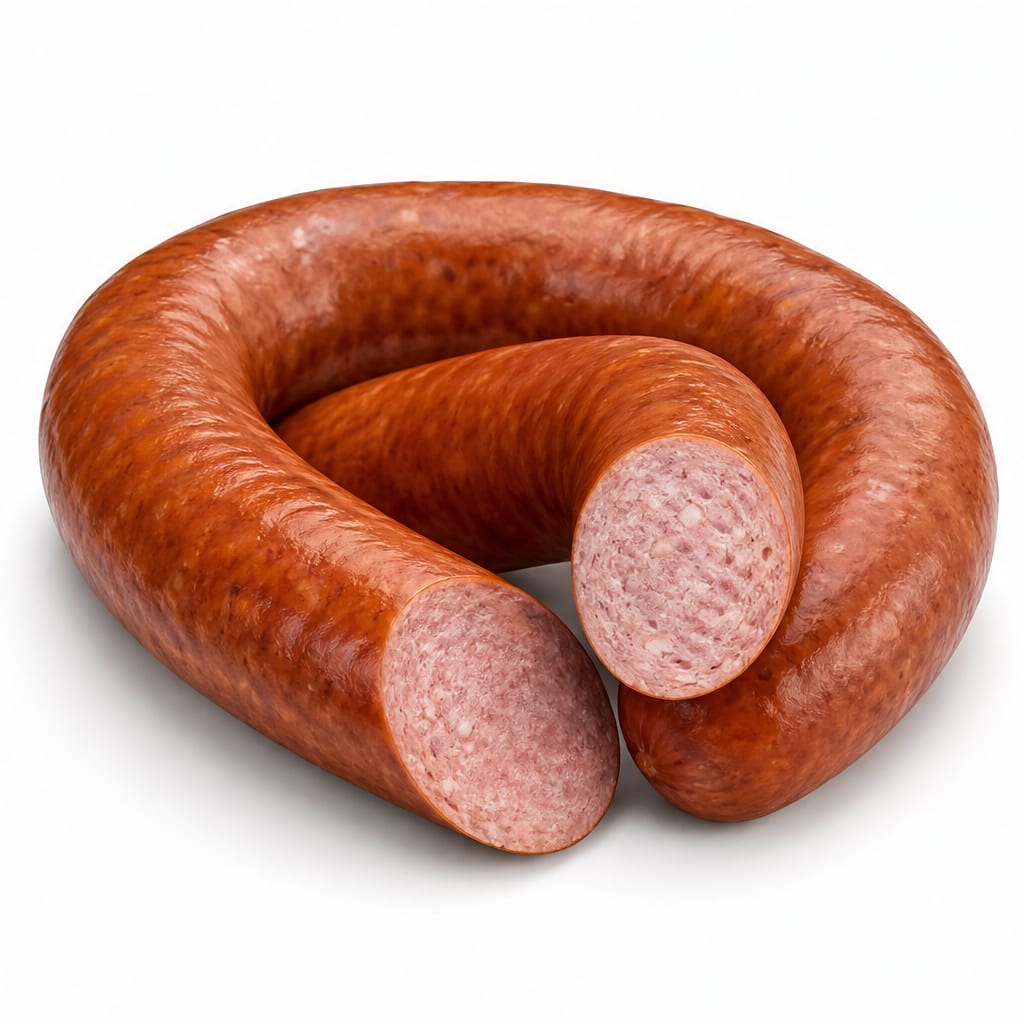
Compare with
Kielbasa
Kielbasa is typically smoked and has a slightly higher sodium content, while bratwurst is often sold fresh and has a milder flavor profile.
Bratwurst is usually fresher and milder than smoked kielbasa, with slightly less sodium, making it a marginally better choice for blood pressure management.
This food
Bratwurst
VS80% alike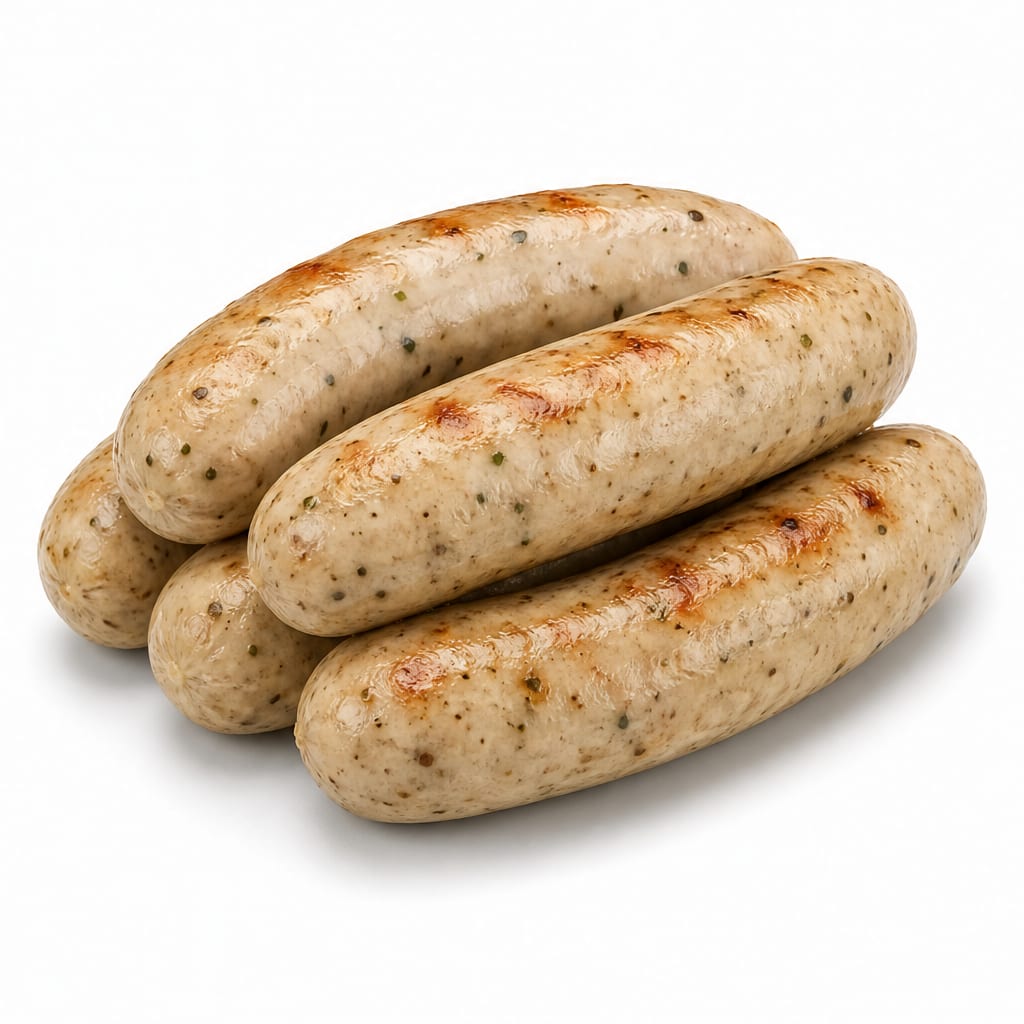
Compare with
Chicken Sausage
Chicken sausage is significantly lower in fat and calories while providing similar protein, making it a much healthier alternative for daily consumption.
Chicken sausage provides the same savory flavor with far fewer calories and less fat than pork bratwurst, making it the clear winner for weight loss and heart health.
This food
Bratwurst
VS85% alike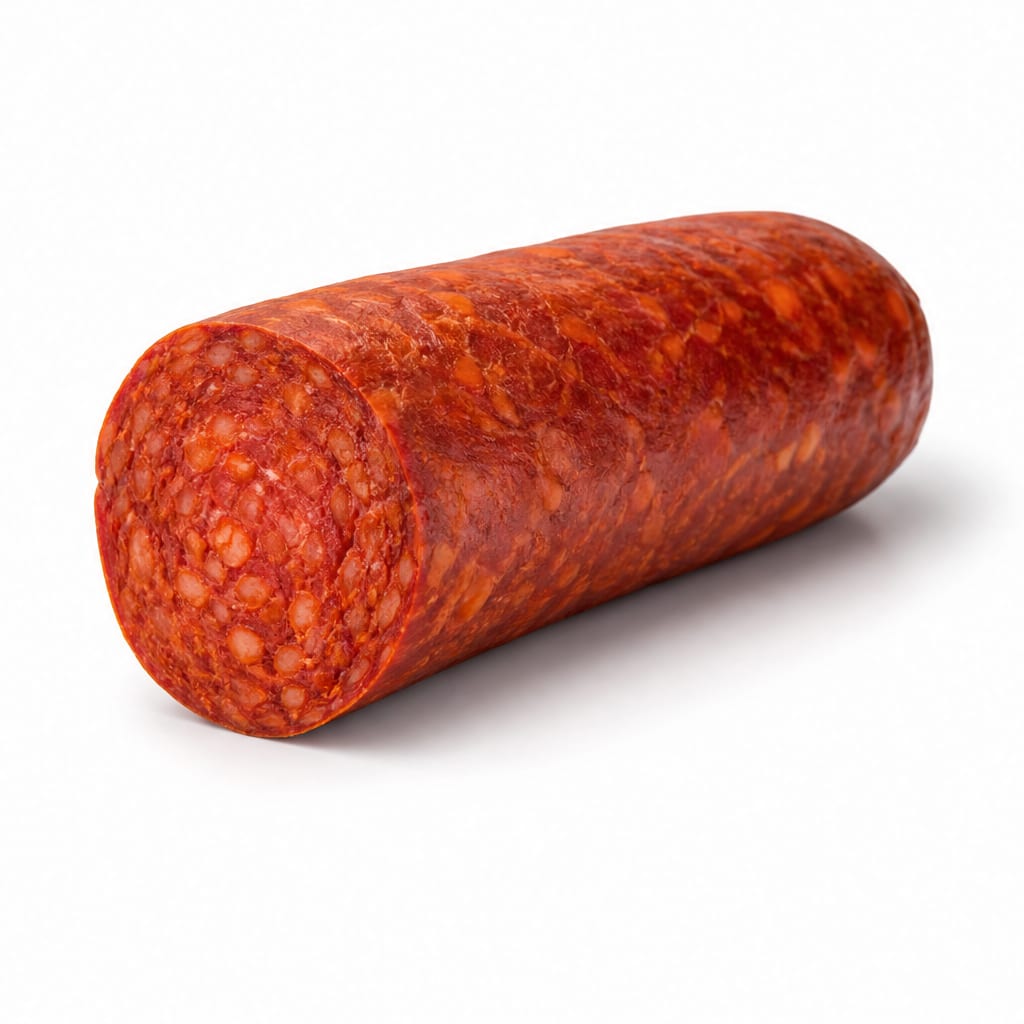
Compare with
Chorizo
Chorizo is much more heavily spiced and generally higher in fat and calories than bratwurst, with a stronger, spicier flavor.
Bratwurst is lower in fat and calories than chorizo, making it a slightly leaner choice, though both are high-fat sausages best enjoyed in moderation.
This food
Bratwurst
VS75% alike
Compare with
Bacon
Bacon is much higher in sodium and saturated fat per ounce, while bratwurst offers more protein and a denser, more satiating bite.
Bratwurst provides more protein and better satiety per calorie than bacon, which is mostly fat and sodium, making bratwurst the slightly better option for a keto meal.
This food
Bratwurst
VS70% alike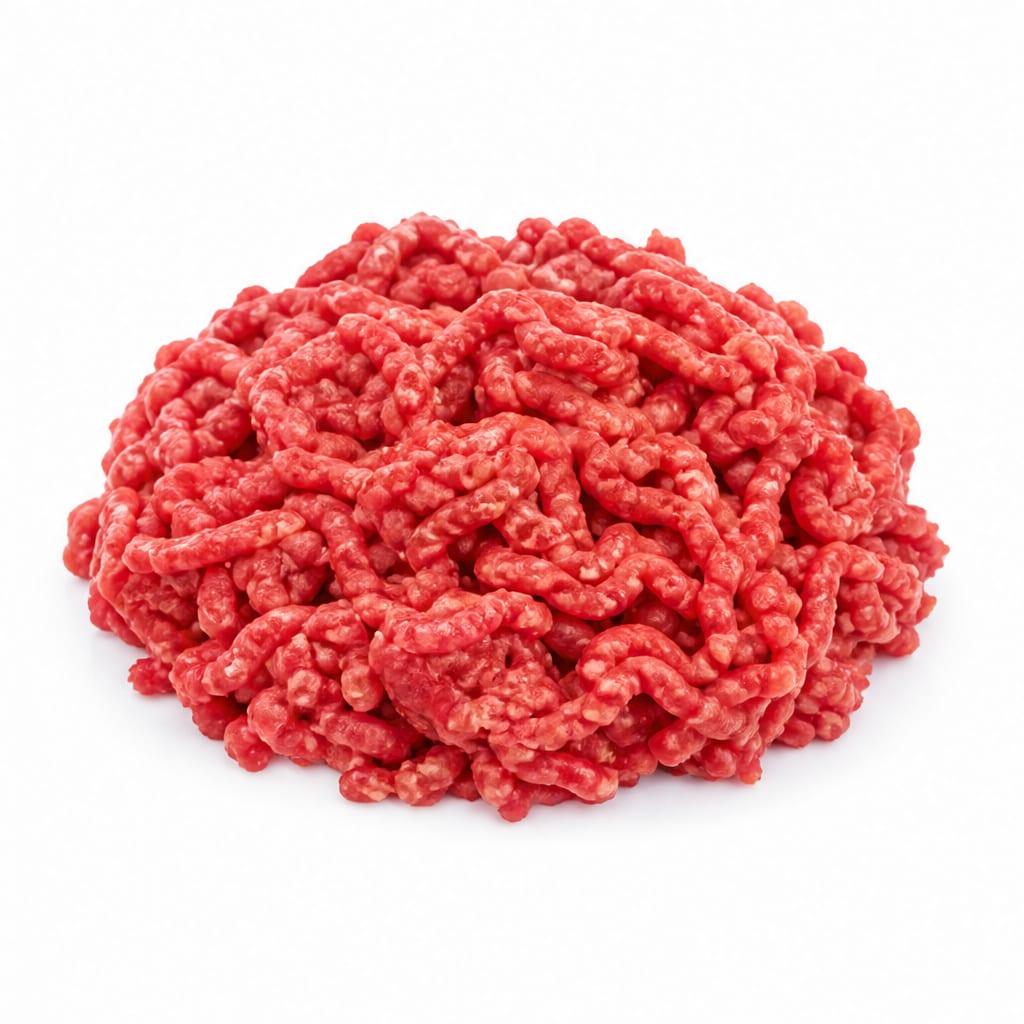
Compare with
Ground Beef
Ground beef is unprocessed and offers more iron, while bratwurst is pre-seasoned and contains added sodium and preservatives.
Ground beef is unprocessed and free of added sodium and nitrates, making it a healthier whole-food choice compared to processed bratwurst.
This food
Bratwurst
VS80% alike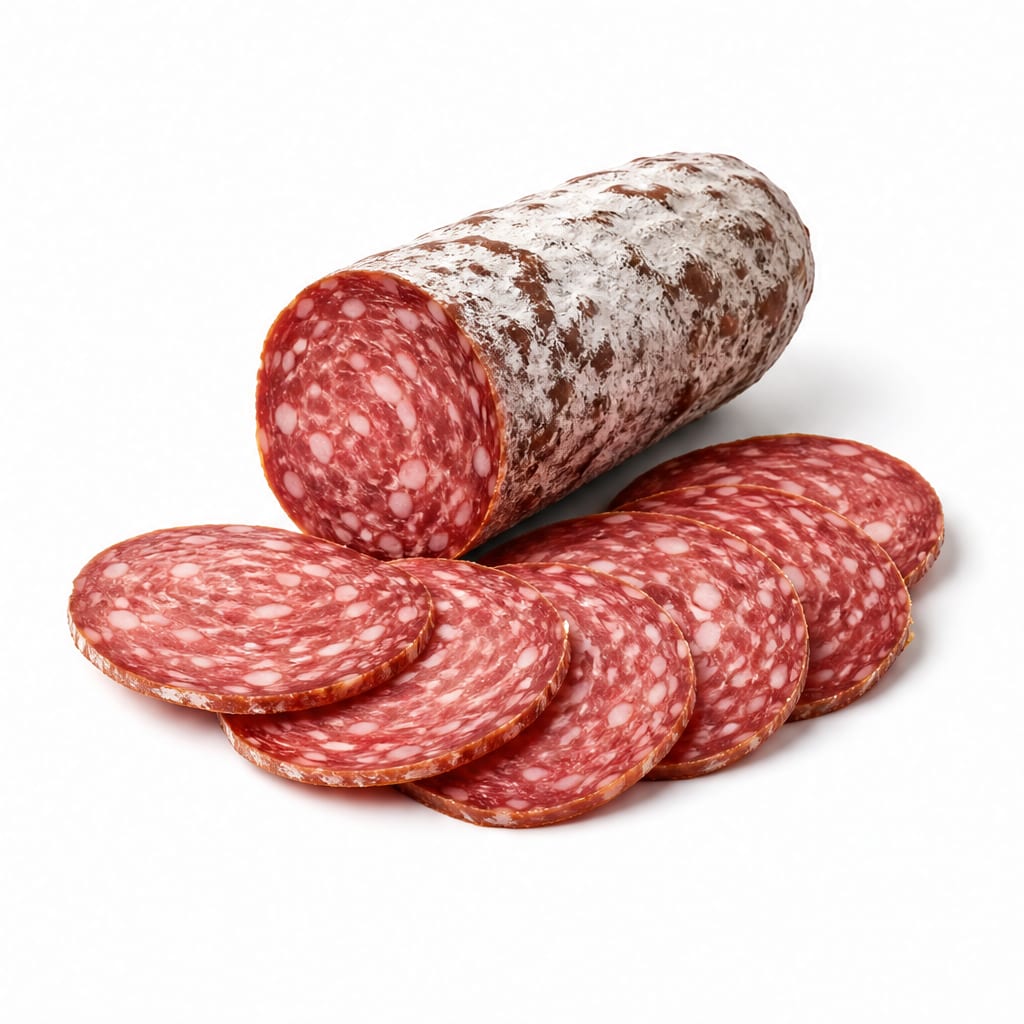
Compare with
Salami
Salami is a dry-cured, fermented sausage that is much higher in sodium and typically eaten cold, while bratwurst is cooked fresh and slightly lower in salt.
Bratwurst is lower in sodium and less processed than dry-cured salami, making it a better choice for blood pressure and overall processing quality.
This food
Bratwurst
VS80% alike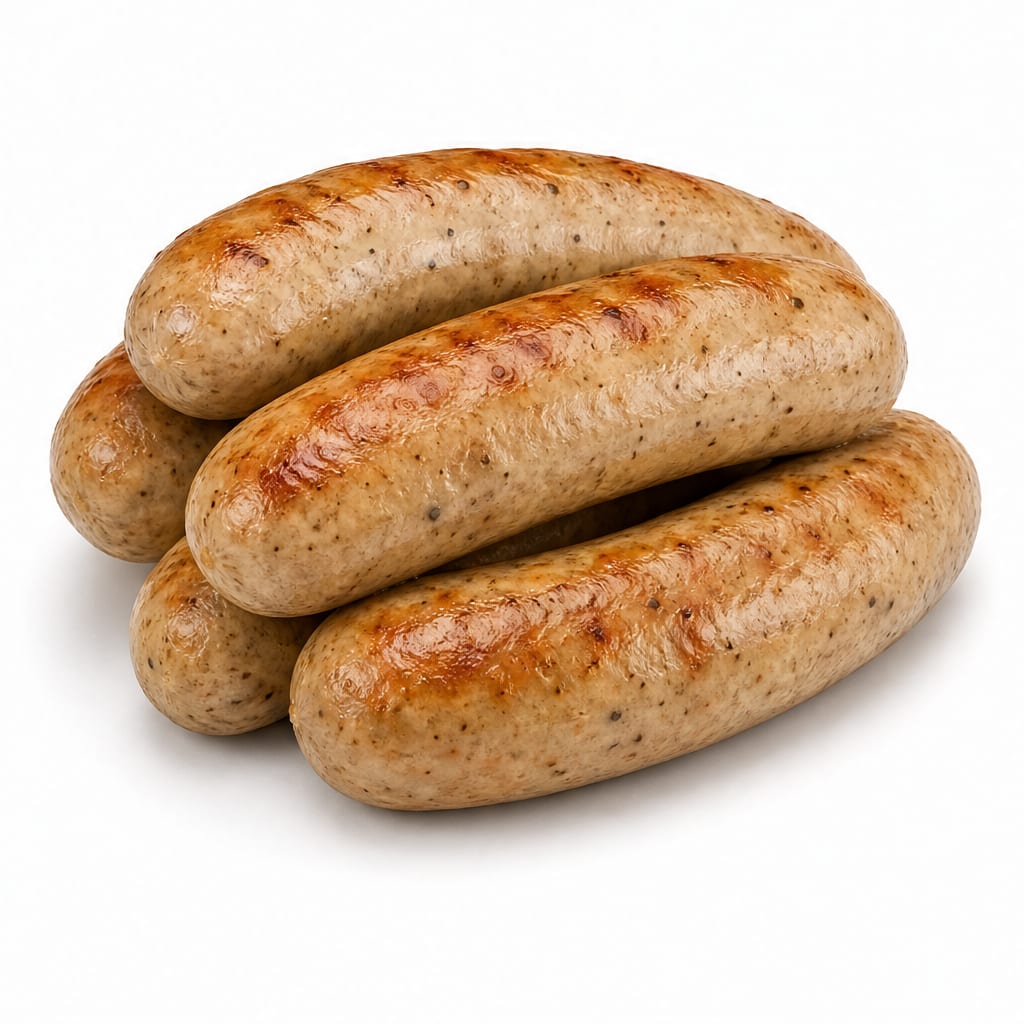
Compare with
Turkey Sausage
Turkey sausage is significantly lower in fat and calories while offering higher protein density, making it nutritionally superior.
Turkey sausage is much leaner and higher in protein than pork bratwurst, making it the better choice for muscle gain and weight management.
This food
Bratwurst
VS85% alike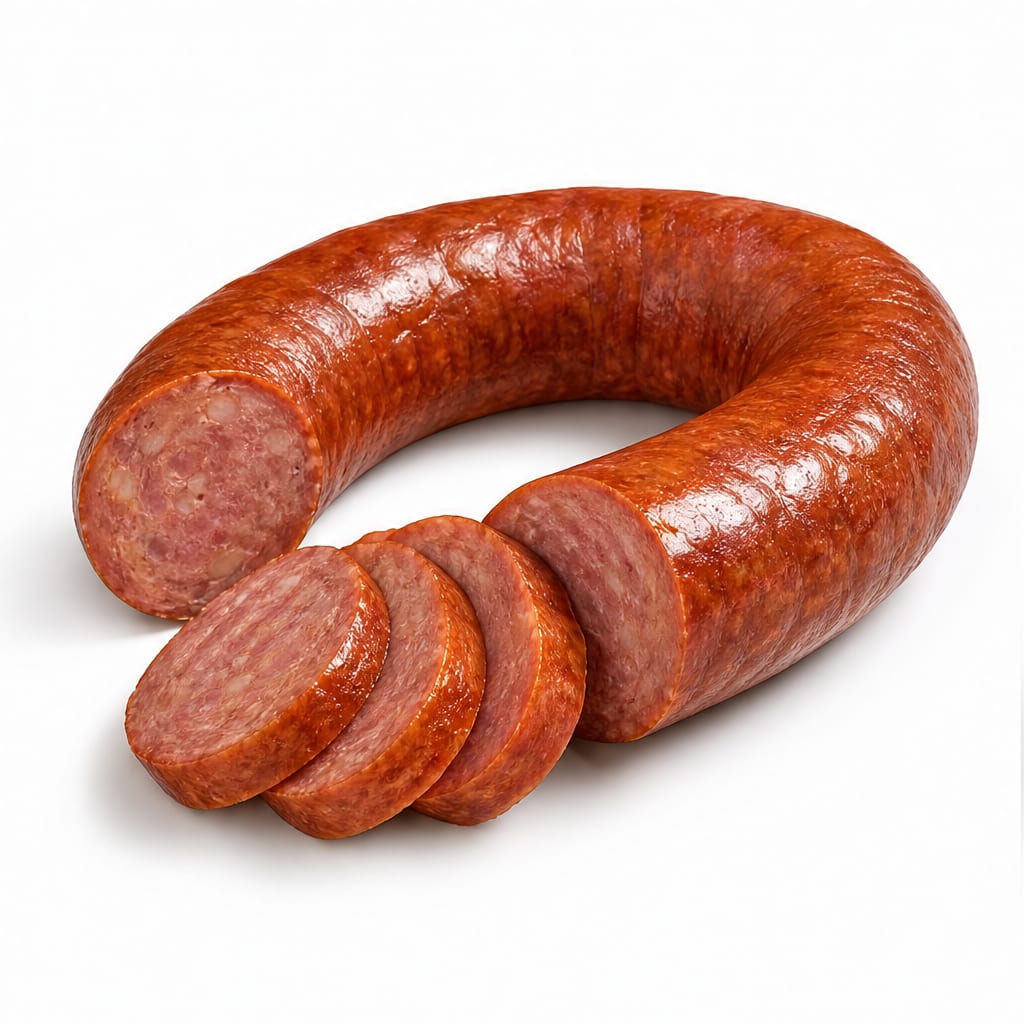
Compare with
Andouille
Andouille is heavily smoked and spicier, typically higher in sodium, while bratwurst is milder and often fresher.
Bratwurst is milder and generally lower in sodium than smoked andouille, making it a slightly better option for those watching their salt intake.
Common questions
FAQ
Answers aligned with how people search for this food.
Are bratwurst keto friendly?
Yes, bratwurst is keto-friendly because it contains less than 2 grams of carbohydrates per serving, while providing high fat for ketosis.
How many carbs are in a bratwurst?
A standard 85-gram bratwurst link contains about 1.5 grams of carbohydrates, making it a very low-carb food.
Is bratwurst good for weight loss?
No, bratwurst is not ideal for weight loss. It is highly calorie-dense with nearly 27 grams of fat per 100 grams, making it easy to overconsume.
What is the difference between bratwurst and a hot dog?
Bratwurst is typically thicker, made with coarser ground meat (usually pork or veal), and seasoned with ginger, nutmeg, and caraway. Hot dogs are finer emulsified sausages, usually made from beef or pork trimmings, and smoked.
Can diabetics eat bratwurst?
Diabetics can eat bratwurst without worrying about blood sugar spikes due to its near-zero carb content. However, the high saturated fat and sodium should be consumed in moderation for heart health.
How to cook bratwurst safely?
Cook bratwurst over medium heat on a grill or stove until the internal temperature reaches 160°F (71°C) to ensure harmful bacteria are destroyed.
Is bratwurst considered processed meat?
Yes, bratwurst is a processed meat. It is ground, seasoned, cured, and often contains preservatives, classifying it as an ultra-processed food.
Does bratwurst have nitrates?
Many commercial bratwursts contain sodium nitrates or nitrites as preservatives and color fixatives. Check the label if you want to avoid them.
Which is healthier: bratwurst or Italian sausage?
They are nutritionally similar, both being high-fat processed meats. Italian sausage often has slightly more calories from fat, while bratwurst can be higher in sodium. Choosing poultry versions of either is healthier.
Can you eat bratwurst on a low sodium diet?
No, bratwurst is very high in sodium, containing over 800mg per 100g. It is not suitable for a low sodium diet.
Transparency
Data confidence
Estimated confidence for nutrition data, interpretation, safety notes, and comparisons.
Nutrition data
Health analysis
Food safety
Comparisons