
Nutrition comparison
Bratwurst vs Chorizo: Which Sausage Is Healthier?
Compare Bratwurst and Chorizo on sodium, fat, preservatives, and flavor. Find out which sausage fits your health goals and cooking style better.

Bratwurst
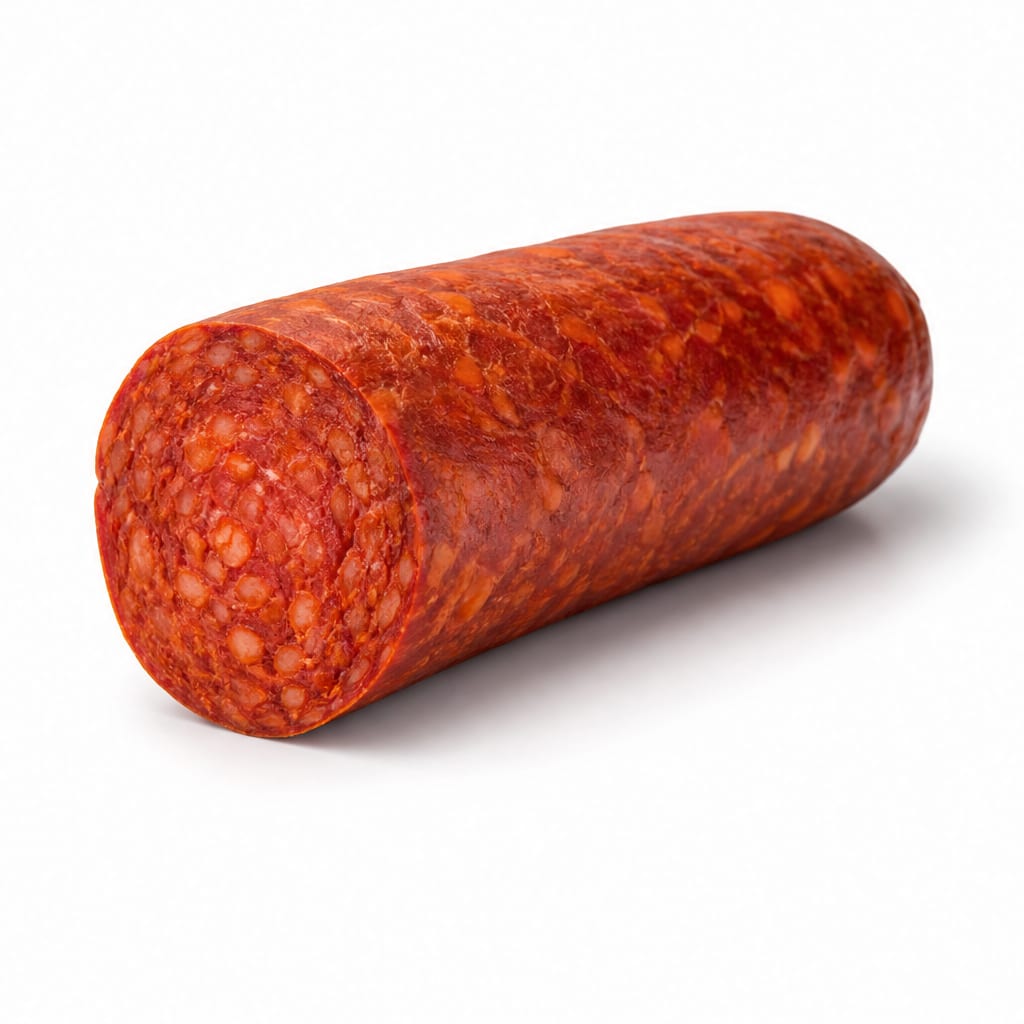
Chorizo
Neither is a health food, but Bratwurst generally has less sodium and fewer preservatives, while Chorizo delivers more flavor per bite so you can use less overall.
Both score low because they are processed meats with established health risks. Bratwurst edges ahead with lower sodium and fewer curing agents, but the margin is slim. Chorizo loses points for higher sodium and preservative exposure but partially compensates with flavor efficiency.
Bratwurst is the milder choice with lower sodium and simpler ingredients, but Chorizo's intense spice lets a little go a long way in recipes.
At a glance
Executive summary
Overall
It depends
Healthier
Bratwurst
More practical
Chorizo
Daily use
Bratwurst
Key comparison lenses
processed meat health tradeoffs
Both are processed pork sausages with significant sodium, saturated fat, and preservative concerns that dominate any health comparison
sodium and blood pressure impact
Chorizo typically packs substantially more sodium than Bratwurst, making this a critical differentiator for heart health
flavor intensity vs portion control
Chorizo's bold spice means you often need less to flavor a dish, while Bratwurst is typically eaten as a standalone protein
curing and preservative exposure
Spanish chorizo is cured with nitrates and preservatives, while fresh Bratwurst and Mexican chorizo have different risk profiles
cooking versatility and meal integration
Chorizo works as a flavor base in dishes while Bratwurst is usually the centerpiece, affecting how each fits into meals
Best choice for
Bratwurst
- Grilling and outdoor meals where sausage is the main event
- People watching sodium intake closely
- Those who prefer milder, more versatile flavors
- Families wanting a simpler ingredient list
Chorizo
- Adding big flavor to eggs, soups, stews, and rice dishes
- People who use small amounts as a seasoning rather than a main protein
- Those following low-carb or keto who want bold taste without carbs
- Cooking Spanish or Mexican cuisine authentically
Least suitable for
Bratwurst
- Anyone needing bold flavor on a sodium-restricted diet since you'll eat more of it
- Dishes where you want the sausage to dissolve and infuse throughout
- People avoiding pork or seeking leaner protein options
Chorizo
- People with hypertension or sodium sensitivity
- Children due to high spice and sodium levels
- Anyone avoiding nitrates and cured meats
- Daily or frequent consumption due to cumulative health risks
Deep comparison
Dimension by dimension
Each lens scores both foods and breaks down who each option suits.
- Dimension 1 · Priority 95Bratwurst
Sodium Load
Bratwurst · 35Chorizo · 18Bratwurst typically contains 500-700mg sodium per link, while Chorizo can hit 800-1200mg per equivalent serving.
Tradeoff
Chorizo's salt is part of its curing and flavor profile, so you can't easily find low-sodium versions. Bratwurst gives you more room in your daily sodium budget.
Why it matters
If you eat sausage even once a week, sodium adds up fast. One Chorizo serving can use over half your daily recommended sodium intake.
Real-world impact
After a Chorizo-heavy meal you might feel bloated and thirsty. Bratwurst is less likely to cause that puffy, salt-loaded feeling.
Bratwurst
- Blood pressure management
- Kidney health
- Avoiding water retention
Better for
- May need added salt in recipes to compensate for milder flavor
Worse for
Chorizo
- Flavor intensity per gram
Better for
- Hypertension risk
- Post-meal thirst and bloating
- Straining daily sodium limits
Worse for
- Dimension 2 · Priority 88Bratwurst
Preservative and Processing Risk
Bratwurst · 40Chorizo · 25Spanish Chorizo is cured with nitrates and nitrites. Fresh Bratwurst and Mexican Chorizo skip the curing but still carry processed meat risks.
Tradeoff
Cured Chorizo has longer shelf life and deeper flavor but introduces nitrate compounds linked to cancer risk. Fresh Bratwurst avoids nitrates but still counts as processed meat.
Why it matters
The WHO classifies all processed meats as Group 1 carcinogens. Curing adds another layer of concern on top of that baseline risk.
Real-world impact
Eating cured Chorizo regularly means more exposure to compounds that form during curing and cooking. Occasional consumption is less concerning than daily habits.
Bratwurst
- Fewer nitrate-related concerns
- Simpler preservation process
- Less cumulative preservative exposure
Better for
- Shorter shelf life means faster spoilage risk
- Still classified as processed meat
Worse for
Chorizo
- Longer refrigerator shelf life
- Deeper developed flavor from curing
Better for
- Nitrate and nitrite exposure
- Higher processing classification
- Potential formation of nitrosamines during cooking
Worse for
- Dimension 3 · Priority 82Chorizo
Flavor Efficiency and Portion Control
Bratwurst · 45Chorizo · 75Chorizo's smoky, spicy punch means a couple ounces can flavor an entire pot of beans or pan of eggs. Bratwurst is milder and typically eaten in larger quantities as a main.
Tradeoff
You eat more Bratwurst to feel satisfied but it's less intense per bite. You need less Chorizo for flavor but it's harder to stop eating because it tastes so good.
Why it matters
Portion control is often the hidden variable in healthy eating. A food that flavors a whole dish with two ounces can be healthier in practice than a milder food you eat six ounces of.
Real-world impact
Two ounces of Chorizo in scrambled eggs feels like a complete flavor experience. One Bratwurst link might leave you reaching for a second.
Bratwurst
- More neutral flavor pairs with many sides
- Less likely to overpower other ingredients
Better for
- Larger portions needed for satisfaction
- Less impactful as a flavor ingredient
Worse for
Chorizo
- Small amounts transform bland dishes
- Built-in portion control through intensity
- Reduces need for additional seasonings
Better for
- Can overpower delicate dishes
- Hard to stop at a small portion when eating alone
Worse for
- Dimension 4 · Priority 78Bratwurst
Fat Content and Satiety
Bratwurst · 42Chorizo · 35Both are fatty sausages, but Chorizo often runs 30-40% fat compared to Bratwurst's 25-35%. The difference matters more than it sounds.
Tradeoff
Chorizo's higher fat means more calories per ounce but also richer mouthfeel. Bratwurst fills you up with slightly less caloric damage.
Why it matters
If you're tracking calories or managing weight, fat density adds up quickly. Two Chorizo links can easily exceed 400 calories before adding any sides.
Real-world impact
A Bratwurst dinner with sauerkraut feels filling without being excessive. A Chorizo-heavy paella is delicious but can leave you uncomfortably full.
Bratwurst
- Slightly lower calorie density
- More moderate fat per serving
- Easier to fit into a calorie budget
Better for
- Still a high-fat food by any standard
- Less satisfying per calorie than leaner proteins
Worse for
Chorizo
- Higher fat supports keto and low-carb diets
- Rich mouthfeel increases meal satisfaction
Better for
- Easy to overconsume calories
- Greasier cooking experience
- Can feel heavy in warmer weather
Worse for
- Dimension 5 · Priority 72Chorizo
Cooking Versatility
Bratwurst · 50Chorizo · 70Chorizo works as both a main protein and a flavor base. Bratwurst is excellent grilled but has a narrower range of applications.
Tradeoff
Bratwurst shines in its comfort food lane but doesn't travel far beyond it. Chorizo can anchor a breakfast, lunch, or dinner across multiple cuisines.
Why it matters
A versatile ingredient gets used more efficiently and wastes less. If you're buying sausage for the week, Chorizo can show up in more meals without feeling repetitive.
Real-world impact
Leftover Bratwurst sits in the fridge until you reheat it. Leftover Chorizo becomes tomorrow's omelet, taco filling, or soup starter.
Bratwurst
- Grilling and BBQ occasions
- Beer garden and comfort food meals
- Simple preparation with mustard and bun
Better for
- Limited to mostly German-inspired meals
- Doesn't integrate well into most global recipes
Worse for
Chorizo
- Breakfast dishes like eggs and hash
- Soups, stews, and bean dishes
- Tacos, paella, and pasta sauces
- Any dish needing a smoky spicy backbone
Better for
- Not ideal for grilling as a standalone item
- Overpowers lighter summer meals
Worse for
- Dimension 6 · Priority 65Bratwurst
Protein Quality
Bratwurst · 50Chorizo · 45Both deliver solid complete protein from pork, but Bratwurst typically has slightly more protein per calorie since it's a bit leaner.
Tradeoff
The protein difference is modest and shouldn't drive your choice. Both are adequate protein sources but neither is optimal compared to unprocessed options.
Why it matters
If you're choosing sausage as a protein source, you have bigger concerns than the small gap between these two. Both work, but neither is a chicken breast.
Real-world impact
After a Bratwurst meal you might feel slightly more protein-satisfied. After Chorizo you might feel more flavor-satisfied. Neither is your post-workout go-to.
Bratwurst
- Slightly better protein-to-calorie ratio
- Less fat diluting the protein content
Better for
- Not a high-quality protein source by clean eating standards
Worse for
Chorizo
- Still provides solid complete protein
- Protein paired with highly satisfying fat
Better for
- More calories from fat relative to protein
- Less efficient protein per serving
Worse for
Timeline
Health impact over time
Short-term
Hours to days
Bratwurst
- Moderate energy from fat and protein without extreme sodium spike
- Possible mild digestive comfort from higher fat content
- Less thirst after eating compared to Chorizo
Chorizo
- Noticeable thirst and possible bloating from high sodium
- Spice may cause heartburn in sensitive individuals
- Intense flavor can trigger cravings for more
Long-term
Months to years
Bratwurst
- Processed meat consumption linked to increased colorectal cancer risk regardless of type
- Regular intake raises cardiovascular risk through saturated fat and sodium
- Slightly lower cumulative sodium exposure than Chorizo if eaten at same frequency
Chorizo
- Higher sodium intake compounds hypertension and kidney strain over time
- Curing agents in Spanish Chorizo add nitrate-related cancer risk on top of baseline processed meat risk
- Capsaicin from chili spices may offer mild anti-inflammatory benefits that partially offset other risks
Risk profile
Safety & processing
Fresh Bratwurst is ground pork with salt, spices, and sometimes a binder stuffed into casings. Spanish Chorizo adds curing salts, nitrates, and a fermentation step. Mexican Chorizo is fresher but often includes vinegar and more preservatives. Bratwurst has the simpler journey from meat to plate.
Bratwurst
Undercooking contamination
mediumFresh pork sausage must reach 160°F internally. Grilling often chars the outside before the center is safe.
Listeria in pre-cooked varieties
lowPre-cooked Bratwurst can harbor Listeria if stored too long or reheated inadequately.
Chorizo
Nitrate and nitrosamine exposure
highSpanish Chorizo contains nitrates that can form nitrosamines during high-heat cooking, compounds strongly linked to cancer.
Undercooking contamination (Mexican variety)
mediumFresh Mexican Chorizo must be cooked thoroughly like any raw pork product.
Mold on cured varieties
lowSpanish Chorizo develops surface mold during curing. Most is harmless, but improper storage can introduce problematic species.
Who wins for whom
Audience fit
Same foods, different winners depending on your goal.
children
BratwurstMilder flavor and lower sodium make Bratwurst more appropriate for kids, though both should be occasional foods for children.
daily consumption
BratwurstNeither should be eaten daily, but if forced to choose, Bratwurst's simpler processing and lower sodium make it the less harmful regular option.
diabetes
BratwurstBoth are essentially carb-free, but Bratwurst's lower sodium reduces cardiovascular risk that diabetics are already vulnerable to.
elderly
BratwurstLower sodium is critical for older adults managing blood pressure and kidney function. Chorizo's salt load is riskier for this group.
muscle gain
BratwurstSlightly better protein-to-calorie ratio makes Bratwurst the marginally more efficient choice, but both are far from optimal protein sources.
weight loss
BratwurstLower calorie density and sodium mean Bratwurst fits more easily into a calorie-controlled plan, though neither is ideal for weight loss.
Your move
Decision guide
Choose Bratwurst
- You're grilling outdoors and want a satisfying main protein
- Sodium intake is a health concern for you
- You prefer milder flavors that don't dominate the plate
- You want fewer preservatives and a simpler ingredient list
- You're feeding kids who need gentler flavors
Choose Chorizo
- You're cooking a dish where sausage is a flavor ingredient, not the star
- You want to transform eggs, beans, or rice with minimal effort
- You're on a keto or low-carb diet and crave bold taste
- You only eat sausage occasionally and want maximum impact when you do
- You're making Spanish or Mexican recipes that call for it specifically
Either works if
- You're eating sausage once a month or less and just want what sounds good
- You're at a restaurant and both options are available fresh
- Neither food is a regular part of your diet
Avoid both if
- You have colorectal cancer risk factors or family history
- You're managing hypertension and need to minimize sodium
- You're trying to reduce processed meat intake for longevity
- You have gout and need to limit purine-rich foods
Final recommendation
If you eat sausage weekly, Bratwurst is the safer default due to lower sodium and fewer preservatives. If you eat sausage monthly, choose based on the meal you're making and enjoy Chorizo's bold personality when it fits. For either, keep portions moderate and pair with vegetables to balance the plate.
Practical
Consumer tips
- 1
Look for fresh Bratwurst from a local butcher rather than mass-produced brands for fewer additives
- 2
Choose Mexican Chorizo over Spanish if you want to avoid nitrates while keeping the flavor
- 3
Drain cooked Chorizo on paper towels to remove significant excess fat and reduce calories
- 4
Pair either sausage with sauerkraut, roasted peppers, or a big salad to add fiber and reduce the net health impact
- 5
Freeze portions in single-serving bags so you're not tempted to cook the whole package
- 6
If buying Chorizo, check the ingredient list for brands with fewer preservatives and lower sodium
- 7
Parboil Bratwurst in beer before grilling to reduce fat content and ensure even cooking
- 8
Use half the Chorizo a recipe calls for and compensate with smoked paprika for similar flavor with less fat and sodium