
Nutrition comparison
Bratwurst vs Italian Sausage: Which Is Healthier and Which Should You Choose?
Compare Bratwurst and Italian Sausage on sodium, digestion, flavor versatility, and processed meat risk. Find out which sausage fits your health goals and recipes better.

Bratwurst
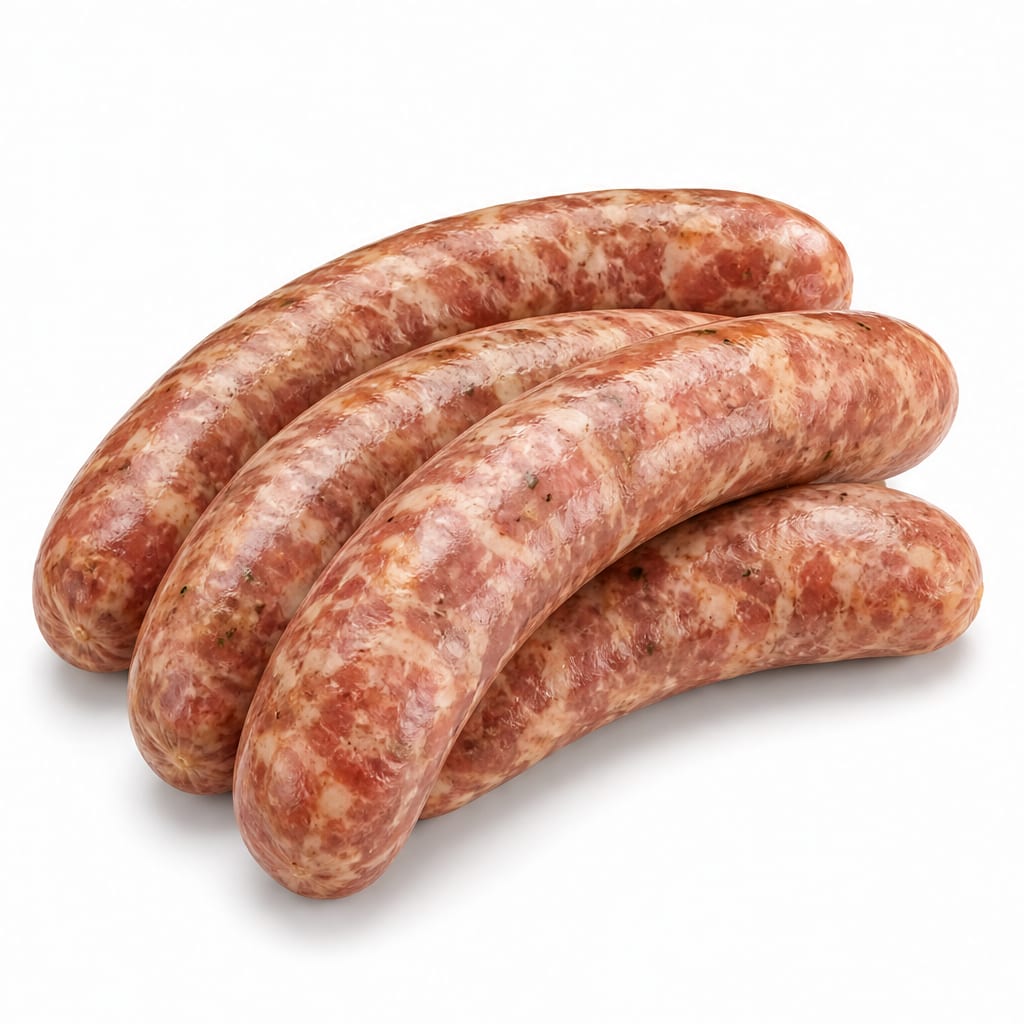
Italian Sausage
These are nutritionally near-identical processed meats where the real decision is about flavor preference and spice tolerance, not health.
Both score low because they are processed meats with well-established health risks. Bratwurst edges ahead slightly due to marginally lower sodium and milder seasoning that is easier on digestion, but the difference is minimal.
Bratwurst is milder and slightly lower in sodium, while Italian Sausage offers bolder flavor and more recipe versatility at the cost of higher seasoning intensity.
At a glance
Executive summary
Overall
It depends
Healthier
Bratwurst
More practical
Italian Sausage
Daily use
It depends
Key comparison lenses
processed meat health tradeoffs
Both are processed pork sausages with similar carcinogenic and cardiovascular risks that dominate any comparison
sodium and blood pressure impact
Sausages are sodium-heavy and this is the most clinically relevant nutrient difference between them
flavor versatility and meal pairing
Users choosing between these often want to know which fits their cooking style and recipe needs better
spice tolerance and digestive comfort
Italian Sausage runs hot or sweet while Bratwurst stays mild, directly affecting who can enjoy each
fat and calorie density for weight management
Both are calorie-dense but small differences in fat content can matter for portion-conscious eaters
Best choice for
Bratwurst
- Sensitive stomachs that struggle with garlic or spice
- Lower-sodium dietary needs
- Traditional German or neutral-flavor recipes
- Kids who prefer milder flavors
Italian Sausage
- Pasta dishes and Italian recipes
- People who want bold flavor without adding extra seasoning
- Meal prep where one sausage flavors the whole dish
- Those who enjoy spicy food and want heat built-in
Least suitable for
Bratwurst
- Italian and Mediterranean recipes where fennel flavor is expected
- Anyone bored by mild flavors
- Spice enthusiasts seeking kick without hot sauce
Italian Sausage
- GERD or acid reflux sufferers sensitive to garlic and fennel
- Low-sodium diets
- Children or adults who avoid spicy food
- People on blood thinners who need consistent vitamin K intake
Deep comparison
Dimension by dimension
Each lens scores both foods and breaks down who each option suits.
- Dimension 1 · Priority 92Bratwurst
sodium load
Bratwurst · 35Italian Sausage · 28Bratwurst typically contains 15-20% less sodium per serving than Italian Sausage, though both are high-salt foods.
Tradeoff
Choosing Bratwurst saves roughly 100-150mg sodium per link, which matters if you eat sausages regularly or have blood pressure concerns.
Why it matters
At 600-800mg per link, Italian Sausage delivers roughly a third of your daily sodium limit in a single serving.
Real-world impact
If you eat sausage weekly, that sodium difference adds up to 400-600mg less per month with Bratwurst — meaningful for blood pressure over time.
Bratwurst
- Hypertension patients
- Salt-sensitive individuals
- People who already eat other high-sodium foods that day
Better for
- Anyone assuming all sausages are equally salty — Bratwurst is still very high sodium
Worse for
Italian Sausage
- Endurance athletes losing sodium through sweat
- People who skip added salt in the rest of their meal
Better for
- Blood pressure management
- Kidney disease patients
- People on sodium-restricted diets
Worse for
- Dimension 2 · Priority 78Bratwurst
digestive comfort
Bratwurst · 55Italian Sausage · 38Bratwurst's mild seasoning is gentler on the stomach, while Italian Sausage's garlic, fennel, and chili flakes commonly trigger heartburn or bloating.
Tradeoff
You get more exciting flavor with Italian Sausage but risk more digestive discomfort, especially at dinner.
Why it matters
Garlic and fennel are common IBS triggers, and hot varieties add capsaicin which relaxes the esophageal sphincter.
Real-world impact
If late-night sausage gives you heartburn, Bratwurst is the safer bet. Italian Sausage's garlic alone can keep you awake with reflux.
Bratwurst
- GERD and acid reflux sufferers
- IBS patients sensitive to FODMAPs
- Late dinners close to bedtime
Better for
- Anyone wanting bold flavor without adding condiments
Worse for
Italian Sausage
- Robust digestive systems that handle spice well
- Earlier meals where reflux is less likely
Better for
- Post-meal heartburn
- Bloating from fennel and garlic
- Sensitive stomachs at any time of day
Worse for
- Dimension 3 · Priority 80Italian Sausage
flavor versatility and recipe fit
Bratwurst · 45Italian Sausage · 72Italian Sausage carries a recipe on its own — the fennel, garlic, and heat flavor everything it touches. Bratwurst needs accompaniments.
Tradeoff
Italian Sausage makes one-pot meals taste complete with less effort, while Bratwurst plays a supporting role that lets side dishes shine.
Why it matters
When a single sausage flavors an entire pot of soup or pasta, you eat less meat overall while still getting satisfying flavor.
Real-world impact
Two Italian Sausage links can flavor a whole pot of lentil soup. Bratwurst would need extra herbs and spices to achieve the same depth.
Bratwurst
- Beer gardens and cookouts where mustard and sauerkraut do the heavy lifting
- Recipes where you want the sausage to stay neutral
- Breakfast pairings with eggs and pancakes
Better for
- Italian dishes where fennel flavor is expected
- Anyone wanting a one-ingredient flavor boost
Worse for
Italian Sausage
- Pasta sauces where the sausage is the primary seasoning
- Sheet pan meals with vegetables that absorb the flavor
- Soups and stews that need a flavor backbone
Better for
- Delicate recipes where garlic and fennel overpower other ingredients
- Breakfast dishes where those flavors feel wrong
Worse for
- Dimension 4 · Priority 95It depends
processed meat health risk
Bratwurst · 30Italian Sausage · 30Both carry identical WHO-classified processed meat risks — no meaningful difference in cancer or cardiovascular risk between them.
Tradeoff
Neither is a healthy choice. The decision is about which unhealthy choice fits your life better, not which one is safer.
Why it matters
The WHO classifies all processed meats as Group 1 carcinogens. Eating either regularly increases colorectal cancer risk by about 18% per 50g daily serving.
Real-world impact
One sausage a few times a month is a reasonable indulgence. One a day meaningfully increases long-term cancer risk regardless of which type you pick.
Bratwurst
- Slightly lower nitrite content in some traditional preparations
Better for
- Regular consumption increases cancer risk just like Italian Sausage
Worse for
Italian Sausage
- No meaningful advantage — risk profile is essentially identical
Better for
- Regular consumption increases cancer risk just like Bratwurst
Worse for
- Dimension 5 · Priority 65It depends
satiety and portion control
Bratwurst · 48Italian Sausage · 50Italian Sausage's stronger flavor satisfies with slightly less volume, while Bratwurst's milder taste can lead to eating more to feel satisfied.
Tradeoff
Bold flavor helps you stop sooner, but Bratwurst's subtlety pairs better with filling sides like potatoes and cabbage.
Why it matters
When food is highly palatable but mild, you tend to eat more of it before feeling done.
Real-world impact
You might eat two Bratwursts to feel satisfied but stop at one Italian Sausage because the flavor intensity hits harder.
Bratwurst
- Meals built around filling sides like potatoes, sauerkraut, or bread
Better for
- Portion control — mild flavor can mean eating more links
Worse for
Italian Sausage
- Smaller portions where the sausage is the star
- Flavor-first eaters who feel satisfied by taste rather than volume
Better for
- Flavor fatigue — intense seasoning can feel heavy after a few bites
Worse for
Timeline
Health impact over time
Short-term
Hours to days
Bratwurst
- Post-meal sluggishness from high fat content
- Moderate blood pressure spike from sodium
- Generally comfortable digestion due to mild spices
Italian Sausage
- More pronounced blood pressure spike from higher sodium
- Heartburn or reflux risk from garlic and fennel
- Possible stomach warmth or irritation from hot varieties
Long-term
Months to years
Bratwurst
- Colorectal cancer risk increases with regular consumption, same as all processed meats
- Cardiovascular risk from sustained high sodium and saturated fat intake
- Slightly lower cumulative sodium exposure than Italian Sausage if eaten at same frequency
Italian Sausage
- Identical processed meat cancer risk as Bratwurst
- Potentially higher cumulative sodium load over years of regular consumption
- Garlic may offer modest cardiovascular benefits that partially offset sodium damage
Risk profile
Safety & processing
Both are processed meats with similar additive profiles — sodium nitrite, preservatives, and binders. Fresh versions from a butcher reduce but don't eliminate processing concerns. Neither has a meaningful naturalness advantage.
Bratwurst
Undercooked pork pathogens
mediumTrichinella is now rare in commercial pork, but always cook to 160°F internal temperature to be safe.
Nitrite exposure
mediumSodium nitrite used for color and preservation forms nitrosamines when cooked at high heat, which are carcinogenic.
Listeria in pre-cooked varieties
lowPre-cooked Bratwurst can harbor Listeria if not reheated properly, especially dangerous for pregnant women.
Italian Sausage
Undercooked pork pathogens
mediumSame as Bratwurst — cook to 160°F. Raw Italian Sausage in pasta sauce needs thorough heating.
Nitrite exposure
mediumEquivalent nitrite content to Bratwurst. High-heat grilling increases nitrosamine formation.
Fennel allergy cross-reaction
lowRare but possible — people with carrot, celery, or mugwort allergies may react to fennel in Italian Sausage.
Who wins for whom
Audience fit
Same foods, different winners depending on your goal.
children
BratwurstMilder flavor is more kid-friendly, and lower sodium is better for developing taste preferences and blood pressure.
daily consumption
It dependsNeither should be eaten daily due to processed meat cancer risk. If forced to choose, Bratwurst's lower sodium makes it marginally less harmful as a frequent choice.
diabetes
BratwurstBoth are near-zero carb, but Bratwurst's lower sodium reduces cardiovascular risk that diabetics are already vulnerable to.
elderly
BratwurstLower sodium supports blood pressure management, and milder spices are gentler on aging digestive systems.
muscle gain
It dependsBoth provide similar protein per link. Neither is optimal — leaner protein sources would serve muscle goals far better.
weight loss
Italian SausageStronger flavor per calorie means you may eat less overall, and Italian Sausage's recipe versatility helps stretch it further in vegetable-heavy dishes.
Your move
Decision guide
Choose Bratwurst
- You have high blood pressure or sodium concerns
- Spicy food gives you heartburn or digestive trouble
- You're cooking German-inspired meals with mustard and sauerkraut
- You prefer adding your own seasonings and sauces
- You're feeding kids who dislike bold flavors
Choose Italian Sausage
- You're making pasta, soup, or one-pot meals where the sausage flavors everything
- You love bold, garlicky, fennel-forward flavor
- You want to use less meat overall by letting the sausage carry the dish
- You're grilling for a crowd that expects big flavor
- Digestive sensitivity is not a concern for you
Either works if
- You only eat sausage occasionally and want to enjoy it without overthinking
- You're at a cookout and both options are available
- Your main health concern is processed meat risk, which is identical for both
Avoid both if
- You have colorectal cancer in your family history and want to minimize processed meat entirely
- You're on a strict low-sodium diet and neither fits your limits
- You have gout and need to limit purine-rich processed meats
- You're pursuing an anti-inflammatory eating pattern
Final recommendation
Pick based on your recipe and digestive comfort, not nutrition — the health difference between these two is negligible. If sodium matters to you, lean Bratwurst. If flavor and cooking convenience matter more, go Italian Sausage. Either way, treat both as occasional foods, not staples.
Practical
Consumer tips
- 1
Look for fresh sausage from a local butcher — it often skips sodium nitrite and uses simpler ingredient lists
- 2
Parboil Bratwurst in beer before grilling to reduce fat content and ensure even cooking
- 3
Remove Italian Sausage from its casing and crumble it into vegetable-heavy sauces to stretch one link across multiple servings
- 4
Check labels for sodium content — brands vary wildly, and some Italian Sausages exceed 900mg per link
- 5
Pair either sausage with potassium-rich sides like roasted peppers or sautéed greens to partially counterbalance sodium
- 6
If you eat sausage weekly, consider making it your only processed meat that week to keep overall exposure manageable