
Nutrition comparison
Bratwurst vs Hot Dog: Which Processed Sausage Is Actually Better for You?
Compare bratwurst and hot dogs on nutrition, additives, cancer risk, and real-world health impact. Find out which sausage is the smarter choice and why it matters.
Overall winner · Bratwurst

Bratwurst
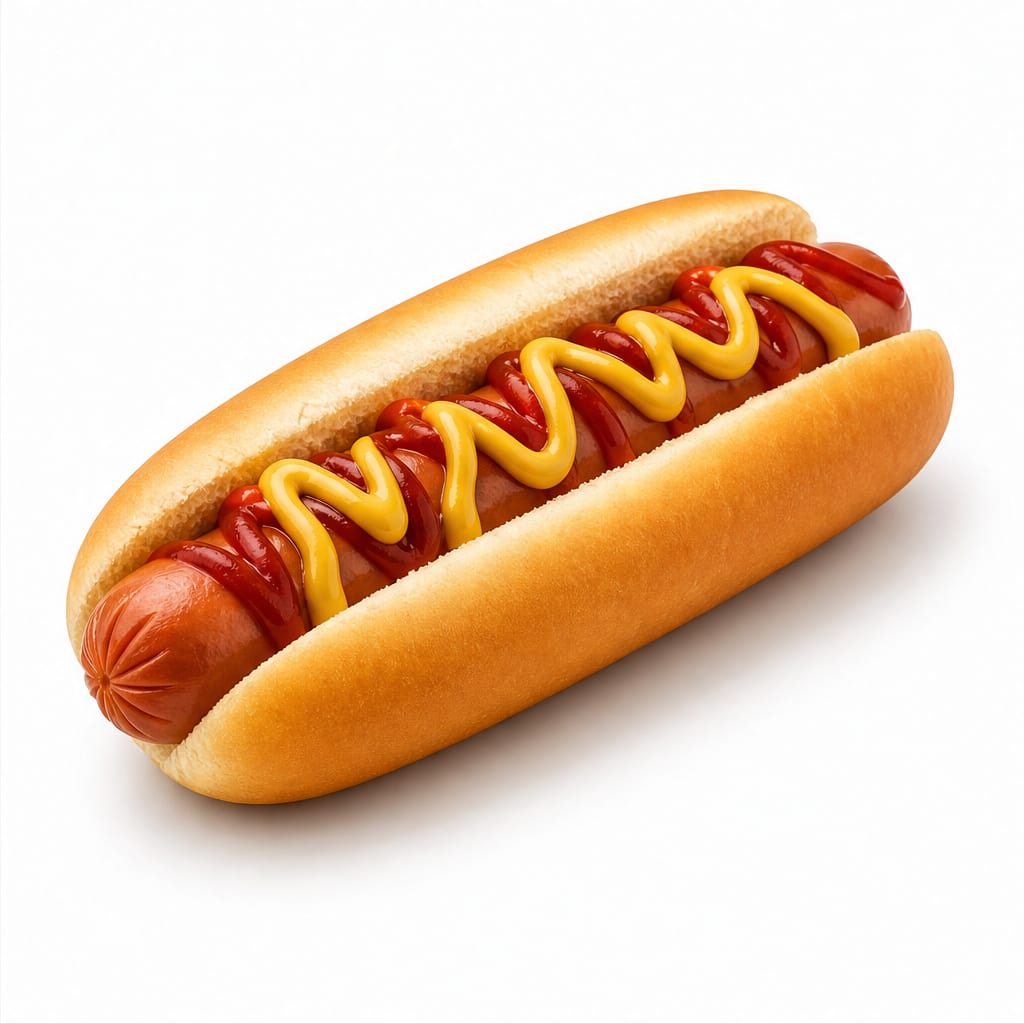
Hot Dog
Bratwurst wins on freshness, protein, and lower additive exposure. Hot dogs win only on convenience and cost.
Bratwurst scores moderately due to better meat quality and fewer additives, but both lose points for high fat, sodium, and processed meat classification. Hot dogs score lower primarily from heavier processing, nitrites, and lower protein quality.
You trade quick preparation and shelf stability for better meat quality and fewer preservatives by choosing bratwurst over hot dogs.
At a glance
Executive summary
Overall
Bratwurst
Healthier
Bratwurst
More practical
Hot Dog
Daily use
Bratwurst
Key comparison lenses
processing level and additives
Hot dogs are heavily processed with nitrites and preservatives; bratwurst is typically fresher with fewer additives
cancer risk from processed meat
Nitrite-cured hot dogs carry stronger carcinogenic concerns than fresh bratwurst
protein quality and satiety
Bratwurst delivers more substantial protein and keeps you fuller longer
sodium load
Both are salty, but hot dogs typically pack more sodium per serving
everyday versus occasional use
Users often wonder which is less harmful for regular consumption
convenience and preparation
Hot dogs are pre-cooked and faster; bratwurst requires actual cooking
Best choice for
Bratwurst
- Backyard grilling where you have time to cook properly
- People avoiding nitrites and artificial preservatives
- Higher protein meals that actually fill you up
- Those concerned about long-term processed meat risks
Hot Dog
- Quick meals when you have literally 2 minutes
- Large gatherings where speed and low cost matter most
- Kids who prefer the familiar mild taste
- Camping or tailgating with limited cooking setup
Least suitable for
Bratwurst
- Anyone strictly limiting fat intake
- Quick lunch breaks with no cooking access
- Sodium-sensitive diets requiring very low salt
Hot Dog
- People avoiding nitrites and nitrates
- Anyone concerned about ultra-processed food risks
- Those seeking high-quality protein with real satiety
- Clean-eating or whole-food dietary approaches
Deep comparison
Dimension by dimension
Each lens scores both foods and breaks down who each option suits.
- Dimension 1 · Priority 95Bratwurst
Processing & Additive Load
Bratwurst · 55Hot Dog · 25Bratwurst is processed but closer to real food. Hot dogs are ultra-processed with nitrites, sodium phosphates, and mystery meat blends.
Tradeoff
Bratwurst still counts as processed meat, but it skips the worst preservatives found in hot dogs.
Why it matters
Fewer additives means less cumulative chemical exposure over years of eating.
Real-world impact
If you eat sausages weekly, choosing bratwurst over hot dogs meaningfully reduces your nitrite intake over a year.
Bratwurst
- Reducing preservative exposure
- Avoiding sodium nitrite specifically
- Eating closer to whole-food principles
Better for
- Shorter refrigerator shelf life
- More variable quality between brands
Worse for
Hot Dog
- Shelf stability for emergency supplies
- Consistent taste every time
Better for
- Daily nitrite accumulation
- More unpronounceable ingredients on the label
Worse for
- Dimension 2 · Priority 80Bratwurst
Protein Quality & Satiety
Bratwurst · 65Hot Dog · 40Bratwurst delivers noticeably more protein per serving and keeps you satisfied longer. Hot dogs feel like a snack; bratwurst feels like part of a meal.
Tradeoff
More protein comes with more fat and calories in bratwurst.
Why it matters
Protein quality affects how long you stay full and whether you reach for more food an hour later.
Real-world impact
A bratwurst with sauerkraut can hold you for hours. A hot dog leaves you hunting for chips within 45 minutes.
Bratwurst
- Post-activity meals needing real sustenance
- Avoiding between-meal snacking
- Feeling like you actually ate a meal
Better for
- Calorie-conscious eating windows
- Anyone tracking macros tightly
Worse for
Hot Dog
- Light snacking situations
- When you want something small before a bigger meal later
Better for
- Recovery meals after exercise
- Any situation where staying full matters
Worse for
- Dimension 3 · Priority 75Bratwurst
Sodium & Heart Health
Bratwurst · 35Hot Dog · 25Both are sodium bombs, but hot dogs typically edge higher. Neither is heart-friendly.
Tradeoff
Bratwurst is slightly less salty, but the difference is not large enough to matter for sodium-restricted diets.
Why it matters
Regular high-sodium meals raise blood pressure over time, even if you feel fine now.
Real-world impact
One hot dog can deliver nearly half your daily sodium limit. Add a bun and condiments and you are easily over.
Bratwurst
- Slightly lower sodium per serving
- More potassium from higher meat content
Better for
- Larger portions may mean more total sodium consumed
- Heavy seasoning traditions add even more salt
Worse for
Hot Dog
- Smaller portion size means slightly less total sodium if you only eat one
Better for
- Higher sodium density per ounce
- Salt is used as both flavor and preservative
Worse for
- Dimension 4 · Priority 90Bratwurst
Carcinogenic Risk
Bratwurst · 40Hot Dog · 20All processed meats carry some cancer risk, but nitrite-cured hot dogs are worse. Fresh bratwurst without nitrites sits lower on the risk spectrum.
Tradeoff
Bratwurst is still classified as processed meat and not risk-free. The advantage is relative, not absolute.
Why it matters
The WHO classification of processed meats as Group 1 carcinogens applies to both, but nitrite content varies significantly.
Real-world impact
Eating hot dogs daily is a different risk calculus than eating fresh bratwurst a few times a month.
Bratwurst
- Lower nitrite exposure if you choose uncured varieties
- Less frequent consumption typically due to cooking required
Better for
- Still a processed meat with colorectal cancer risk
- High-temperature grilling creates heterocyclic amines
Worse for
Hot Dog
- No meaningful advantage here
Better for
- Sodium nitrite is a direct precursor to carcinogenic nitrosamines
- More frequent consumption patterns increase cumulative risk
Worse for
- Dimension 5 · Priority 65Hot Dog
Convenience & Practicality
Bratwurst · 40Hot Dog · 80Hot dogs are pre-cooked and ready in 60 seconds. Bratwurst requires actual cooking and attention.
Tradeoff
Speed comes at the cost of food quality and health.
Why it matters
When you are exhausted or rushed, convenience wins. But daily convenience choices add up health-wise.
Real-world impact
Hot dogs save you 10-15 minutes of cooking. That matters on a Tuesday night, less on a Saturday afternoon.
Bratwurst
- Cooking becomes a social activity at gatherings
- Better texture and flavor reward the effort
Better for
- Cannot eat straight from the package
- Requires pan, grill, or pot cleanup
Worse for
Hot Dog
- Late-night meals when you lack energy to cook
- Feeding a crowd quickly and cheaply
- Road trips and camping with minimal gear
Better for
- Convenience encourages more frequent consumption
- Easy to eat mindlessly without considering portion
Worse for
- Dimension 6 · Priority 70It depends
Fat Content & Calorie Density
Bratwurst · 30Hot Dog · 35Both are high-fat, high-calorie foods. Bratwurst has more total fat and calories per link, but hot dogs are more calorie-dense per ounce.
Tradeoff
Bratwurst fills you more per calorie. Hot dogs are smaller but you often eat more of them.
Why it matters
Calorie density affects whether you accidentally overeat without realizing it.
Real-world impact
Two hot dogs with buns and toppings can match or exceed a single bratwurst meal in calories.
Bratwurst
- Higher satiety per serving helps prevent overeating later
- Fat comes with more protein, not empty calories
Better for
- Single bratwurst can exceed 300 calories before bun or sides
- High fat content triggers overconsumption for some people
Worse for
Hot Dog
- Smaller standard portion if you stick to just one
- Lower total fat per serving if portion-controlled
Better for
- Low satiety makes multiple servings tempting
- Fat is less accompanied by filling protein
Worse for
Timeline
Health impact over time
Short-term
Hours to days
Bratwurst
- Heavy fullness that can last several hours
- Possible sluggishness from high fat content
- Salt may cause noticeable thirst and water retention
Hot Dog
- Quick satisfaction that fades fast, leading to more snacking
- Sodium spike may cause immediate thirst and bloating
- Nitrites can trigger headaches in sensitive individuals
Long-term
Months to years
Bratwurst
- Regular consumption still raises colorectal cancer risk as processed meat
- High saturated fat intake may impact cardiovascular markers over years
- Sodium load contributes to gradual blood pressure elevation
Hot Dog
- More aggressive cancer risk profile from nitrites and nitrosamines
- Higher cumulative sodium exposure from frequent easy consumption
- Ultra-processing may contribute to systemic inflammation over time
Risk profile
Safety & processing
Bratwurst is ground meat with spices and salt, sometimes with a natural casing. Hot dogs are emulsified meat slurry with sodium nitrite, sodium phosphates, sodium erythorbate, and often sodium caseinate. The ingredient lists tell the whole story.
Bratwurst
Undercooking contamination
mediumFresh bratwurst must reach 160°F internally. Undercooking risks trichinosis or other foodborne illness.
Improper storage
mediumFresh bratwurst spoils faster than pre-cooked hot dogs. Refrigerate promptly and use within a few days.
Hot Dog
Nitrosamine exposure
highSodium nitrite in hot dogs can form nitrosamines during cooking, especially at high heat. Nitrosamines are potent carcinogens.
Listeria in some varieties
mediumAlthough pre-cooked, hot dogs can harbor listeria if not reheated properly, especially risky for pregnant women.
Mechanically separated meat
mediumSome hot dogs use mechanically separated meat, which carries different contamination profiles than whole-muscle cuts.
Who wins for whom
Audience fit
Same foods, different winners depending on your goal.
children
It dependsKids often prefer the milder taste and softer texture of hot dogs, but the nitrite exposure is more concerning for developing bodies. Uncured hot dogs or mild bratwurst are better compromises.
daily consumption
It dependsNeither should be eaten daily. If forced to choose, bratwurst a few times monthly is less harmful than hot dogs at the same frequency due to lower nitrite exposure.
diabetes
BratwurstBoth are low-carb, but bratwurst has fewer additives that may worsen insulin resistance. The satiety advantage also helps prevent blood sugar crashes from overeating later.
elderly
BratwurstBetter protein content helps prevent age-related muscle loss. The sodium is a concern for both, but bratwurst offers more nutritional value per serving.
muscle gain
BratwurstBratwurst provides more protein per serving and better leucine content for muscle protein synthesis, though neither is an ideal protein source.
weight loss
It dependsNeither helps with weight loss. Hot dogs have fewer calories per piece but poor satiety. Bratwurst fills you more but packs more calories. Portion control matters more than which sausage you pick.
Your move
Decision guide
Choose Bratwurst
- You care about ingredient quality and want fewer additives
- You are grilling for a meal, not just grabbing a quick bite
- You want something that actually fills you up
- You eat sausages regularly and want the less harmful option
- You are avoiding nitrites and sodium nitrite specifically
Choose Hot Dog
- You need food ready in under 2 minutes with zero effort
- You are feeding a large group on a tight budget
- You only eat sausages a few times a year at ballparks or BBQs
- You want something small and light rather than a full meal experience
Either works if
- You are eating sausages only occasionally as a treat
- You pair either with lots of vegetables to balance the meal
- You are already tracking sodium and fat from other meals
Avoid both if
- You have high blood pressure or are on a sodium-restricted diet
- You have a family history of colorectal cancer
- You are following a whole-food, plant-based eating approach
- You eat processed meat more than twice per week already
Final recommendation
When the choice matters, pick bratwurst. It is the lesser of two processed-meat evils with better protein, fewer additives, and lower nitrite risk. But the real move is eating either one only occasionally and loading your plate with vegetables when you do. Neither sausage belongs on your daily menu.
Practical
Consumer tips
- 1
Look for uncured bratwurst without sodium nitrite for the best compromise between taste and health
- 2
If buying hot dogs, choose brands labeled uncured that use celery powder instead of synthetic nitrites
- 3
Grill bratwurst at medium heat rather than high to reduce carcinogenic compound formation
- 4
Pair either sausage with sauerkraut or cruciferous vegetables to help your body process the compounds more effectively
- 5
Boiling bratwurst before grilling reduces some fat and PAH formation during charring
- 6
Read hot dog ingredient labels carefully. Shorter lists with recognizable words are always better
- 7
Freeze bratwurst if not cooking within 2 days to avoid spoilage, unlike the more shelf-stable hot dog