
Nutrition comparison
Bratwurst vs Kielbasa: Which Sausage Is Healthier?
Compare Bratwurst and Kielbasa on sodium, processing, carcinogenic risk, and convenience. Find out which sausage is the smarter choice for your health goals.
Overall winner · Bratwurst

Bratwurst
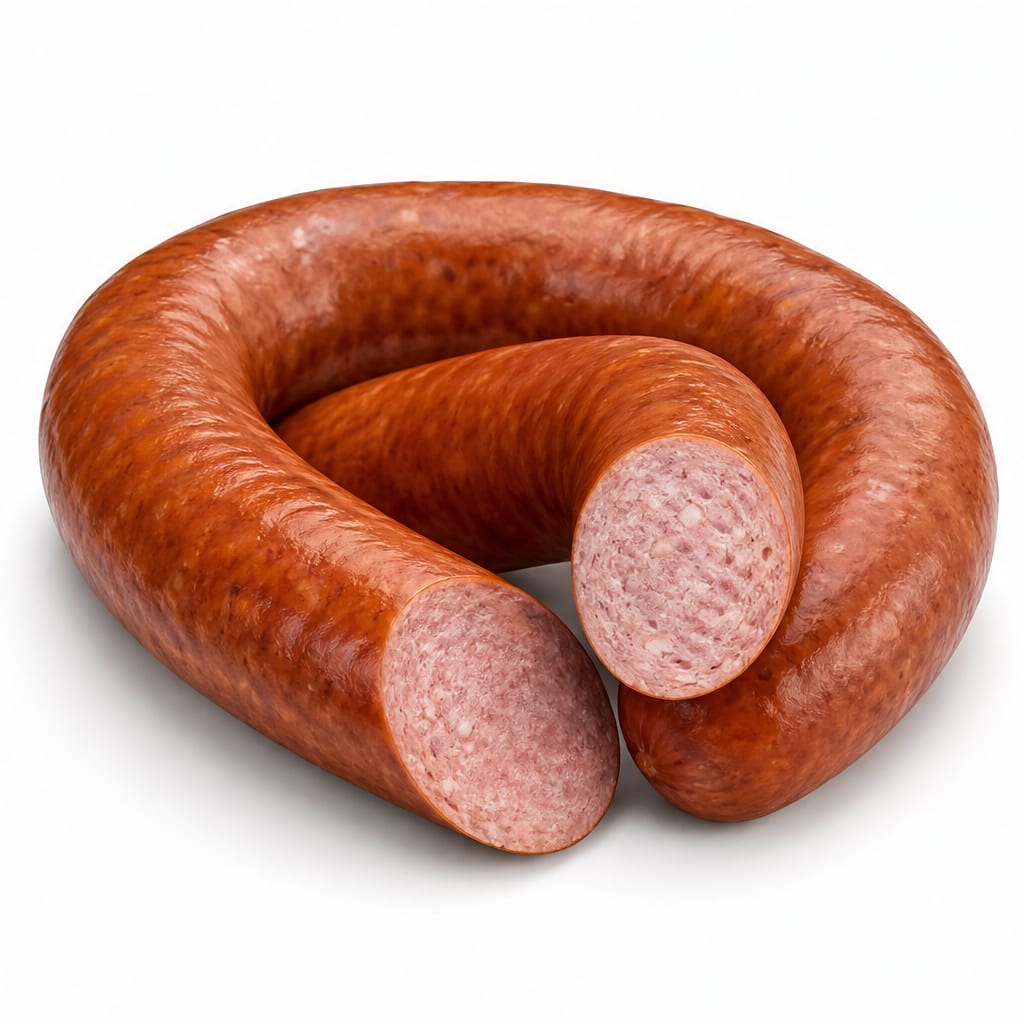
Kielbasa
Bratwurst edges out Kielbasa mainly due to lower sodium and less processing, but neither is a health food.
Both score low because they are processed meats with established health risks. Bratwurst scores slightly higher due to typically lower sodium, less processing, and absence of smoking-related carcinogens. The gap is modest — neither should be a dietary staple.
Bratwurst is fresher and less salty but requires cooking; Kielbasa is convenient and smoky but packs more sodium and carcinogenic risk from smoking.
At a glance
Executive summary
Overall
Bratwurst
Healthier
Bratwurst
More practical
Kielbasa
Daily use
It depends
Key comparison lenses
processing level and carcinogenic risk
Both are processed meats, but Kielbasa's smoking process adds PAH exposure risk that Bratwurst typically avoids
sodium load comparison
Sodium is the single biggest differentiator — Kielbasa is significantly saltier due to curing and smoking
everyday health tradeoffs
Users choosing between these are often deciding between a backyard grill staple and a quick skillet meal — real-world frequency matters
convenience and cooking requirements
Kielbasa is pre-cooked and ready to eat; Bratwurst requires thorough cooking, which matters for meal prep decisions
ingredient transparency
Fresh Bratwurst often has fewer additives than smoked Kielbasa, but this varies heavily by brand
Best choice for
Bratwurst
- Occional grilled dinner where you control the cooking
- Lower-sodium sausage needs
- People avoiding smoked meats
- Fresh ingredient enthusiasts
Kielbasa
- Quick weeknight meals with minimal prep
- Traditional Polish recipes
- Charcuterie or cold serving situations
- Smoky flavor lovers
Least suitable for
Bratwurst
- Hypertension patients who also want convenience
- Quick no-cook meal needs
- Low-fat diet requirements
Kielbasa
- Sodium-restricted diets
- People minimizing carcinogenic food exposure
- Clean-eating or minimally-processed diet goals
Deep comparison
Dimension by dimension
Each lens scores both foods and breaks down who each option suits.
- Dimension 1 · Priority 95Bratwurst
sodium_load
Bratwurst · 35Kielbasa · 18Bratwurst typically contains 500-700mg sodium per link; Kielbasa often hits 700-1000mg per serving due to curing and smoking.
Tradeoff
That smoky Kielbasa flavor comes with a heavy salt tax — nearly half your daily limit in a single serving.
Why it matters
High sodium intake directly raises blood pressure and stroke risk, and processed meat is a top contributor in Western diets.
Real-world impact
Eating Kielbasa regularly can easily push you past 2300mg daily sodium without adding any salt to other meals.
Bratwurst
- People watching blood pressure
- Anyone already eating salty foods that day
Better for
- Still too salty for strict low-sodium diets
Worse for
Kielbasa
- Endurance athletes needing sodium replacement
- People who otherwise eat very low-sodium meals
Better for
- Routinely pushes daily sodium over healthy limits
- Causes noticeable bloating and thirst
Worse for
- Dimension 2 · Priority 92Bratwurst
processing_and_carcinogenic_risk
Bratwurst · 40Kielbasa · 25Both are processed meats (WHO Group 1 carcinogen), but Kielbasa adds smoking-related PAHs and often more nitrites.
Tradeoff
Bratwurst avoids the double-hit of processing plus smoking. Kielbasa stacks both risk layers.
Why it matters
The WHO classification applies to all processed meat, but smoked varieties carry additional polycyclic aromatic hydrocarbons linked to cancer.
Real-world impact
Occasional Bratwurst at a cookout is a calculated indulgence. Regular Kielbasa consumption multiplies that calculation by adding smoke exposure on top of processing.
Bratwurst
- People reducing cancer risk where they can
- Those who only eat sausage occasionally
Better for
- Still a Group 1 processed meat — the baseline risk remains
Worse for
Kielbasa
- No health context makes Kielbasa's smoking advantageous
Better for
- Double carcinogenic exposure: processing + smoking
- Often contains more nitrites and preservatives
Worse for
- Dimension 3 · Priority 80Kielbasa
convenience_and_versatility
Bratwurst · 40Kielbasa · 75Kielbasa is pre-cooked and ready to slice into dishes; Bratwurst requires thorough cooking to safe internal temperature.
Tradeoff
Kielbasa saves 15-20 minutes of cooking time but you sacrifice the fresh-grilled flavor and texture of Bratwurst.
Why it matters
On a busy Tuesday night, the ability to slice Kielbasa into a stir-fry or eat it cold changes whether you actually cook or order takeout.
Real-world impact
Kielbasa turns into dinner in 5 minutes. Bratwurst demands a grill or pan and careful temperature management.
Bratwurst
- Weekend cooking when you have time
- Grilling occasions where fresh sausage shines
Better for
- Cannot be eaten without full cooking
- More food safety risk if undercooked
Worse for
Kielbasa
- Quick weeknight skillet meals
- Camping or travel where full cooking isn't possible
- Slicing into soups, stews, or breakfast hash
Better for
- Texture is firmer and less juicy than fresh sausage
- Less satisfying as a standalone entrée
Worse for
- Dimension 4 · Priority 75Bratwurst
fat_and_calorie_density
Bratwurst · 32Kielbasa · 28Both are high-fat pork sausages, but Bratwurst is slightly leaner on average. A typical Bratwurst link runs 250-300 calories; Kielbasa portions often exceed 300.
Tradeoff
Neither is light eating. Bratwurst has a small calorie advantage, but the difference disappears if you eat two instead of one.
Why it matters
At 25-30g fat per serving, both foods crowd out room for healthier fats and make portion control critical.
Real-world impact
One serving of either sausage can account for a third of your daily fat budget. Going back for seconds is where real damage happens.
Bratwurst
- Slightly easier to fit into a calorie budget
- More satiating per calorie due to fresh texture
Better for
- Still a high-calorie indulgence food
Worse for
Kielbasa
- Denser fat content can be more filling in smaller amounts
Better for
- Easy to overeat because it slices into deceptively small pieces
Worse for
- Dimension 5 · Priority 65It depends
protein_quality
Bratwurst · 45Kielbasa · 45Both deliver solid complete protein from pork — roughly 12-15g per serving — but neither is a protein optimization tool.
Tradeoff
The protein comes wrapped in saturated fat and sodium. You are not eating either of these for clean gains.
Why it matters
If you need protein, there are far better sources. These sausages are flavor-first foods that happen to contain protein.
Real-world impact
After a workout, either sausage will technically deliver protein, but you will also ingest a sodium and saturated fat payload that works against recovery.
Bratwurst
- Fresh Bratwurst may retain slightly more B vitamins since it is not smoked
Better for
- Protein-to-fat ratio is poor
Worse for
Kielbasa
- Comparable protein with slightly more iron from smoking-curing processes
Better for
- Same poor ratio with more sodium baggage
Worse for
- Dimension 6 · Priority 70Bratwurst
satiety_and_satisfaction
Bratwurst · 60Kielbasa · 50Fresh-grilled Bratwurst delivers a juicier, more satisfying eating experience that tends to feel like a complete meal.
Tradeoff
Kielbasa's firmer, smokier texture works better as a flavor accent than a centerpiece, which can leave you wanting more.
Why it matters
Foods that feel like a real meal reduce the urge to snack later. A single Bratwurst in a bun often feels like enough.
Real-world impact
One Bratwurst with sauerkraut feels like dinner. Kielbasa slices in a pan often feel like you need to add something else.
Bratwurst
- Main course satisfaction
- Grilling and social eating occasions
Better for
- Heavy and rich — not ideal when you want something light
Worse for
Kielbasa
- Adding smoky depth to dishes without needing a large portion
- Flavor accent in soups and stews
Better for
- Less satisfying as a standalone meal
Worse for
Timeline
Health impact over time
Short-term
Hours to days
Bratwurst
- Noticeable thirst from moderate sodium
- Heavy fullness after eating due to high fat content
- Slight energy dip 1-2 hours after a large portion
Kielbasa
- Strong thirst and potential bloating from high sodium
- More pronounced salt crash if eaten on an empty stomach
- Possible headache in sodium-sensitive individuals
Long-term
Months to years
Bratwurst
- Increased colorectal cancer risk from processed meat classification
- Elevated cardiovascular risk if eaten weekly or more
- Potential contribution to habitual high sodium intake
Kielbasa
- All Bratwurst risks plus additional PAH exposure from smoking
- Higher cumulative sodium load if consumed at similar frequency
- Greater inflammatory burden from combined processing and smoking
Risk profile
Safety & processing
Bratwurst is a fresh processed meat — ground pork with seasonings in a casing. Kielbasa undergoes additional curing, smoking, and often includes more preservatives like sodium nitrite. The smoking step pushes Kielbasa into a higher processing tier with more additive exposure.
Bratwurst
Undercooking contamination
highBratwurst is raw and must reach 160°F internal temperature. Undercooked pork sausage can carry Trichinella, E. coli, and Salmonella.
Processed meat carcinogenicity
mediumWHO Group 1 classification — the risk is real but manifests over years of regular consumption, not from a single meal.
Kielbasa
Listeria in ready-to-eat form
mediumPre-cooked sausages can harbor Listeria if stored improperly or kept too long after opening. Refrigerate promptly and consume within a few days.
PAH exposure from smoking
mediumSmoking creates polycyclic aromatic hydrocarbons, which are carcinogenic. This adds to the baseline processed meat risk.
Nitrite-derived nitrosamines
mediumCuring with sodium nitrite can form nitrosamines during cooking or in the digestive tract, compounds strongly linked to cancer.
Who wins for whom
Audience fit
Same foods, different winners depending on your goal.
children
BratwurstLower sodium and fewer additives make Bratwurst the better occasional choice for kids, though both should be limited due to processed meat cancer risk and pediatric sodium guidelines.
daily consumption
It dependsNeither should be eaten daily. If forced to choose, Bratwurst once a week is less harmful than Kielbasa once a week, but both exceed what evidence supports for regular intake.
diabetes
BratwurstBratwurst has slightly less sodium and fewer nitrites, which matters because diabetics already face elevated cardiovascular risk. Neither is recommended, but Bratwurst is the lesser burden.
elderly
BratwurstOlder adults are more sodium-sensitive and more vulnerable to carcinogenic exposure. Bratwurst's lower sodium and absence of smoke compounds give it a meaningful edge.
muscle gain
It dependsBoth provide comparable protein with too much saturated fat. Choose leaner protein sources instead for muscle building.
weight loss
It dependsNeither supports weight loss well. Bratwurst is slightly lower in calories per serving, but Kielbasa's stronger flavor means you may use less of it as an accent.
Your move
Decision guide
Choose Bratwurst
- You are grilling on the weekend and want the freshest, juiciest sausage experience
- You are watching sodium intake or blood pressure
- You want to minimize carcinogenic exposure from smoked meats
- You prefer knowing your sausage was not pre-smoked or pre-cooked
- You are cooking for kids and want the simpler ingredient list
Choose Kielbasa
- You need dinner on the table in under 10 minutes
- You are making a traditional Polish dish like bigos or kapusta
- You want smoky flavor without firing up a smoker yourself
- You are adding sausage as a flavor accent rather than a main course
- You are camping or traveling and need shelf-stable protein
Either works if
- You are eating sausage once a month or less — the health difference is negligible at low frequency
- You are serving a crowd and want variety on a platter
- Price and availability are the main deciding factors
Avoid both if
- You have a history of colorectal cancer or high risk factors
- You are on a strict low-sodium diet for heart failure or kidney disease
- You are following a whole-food, minimally-processed eating approach
- You eat processed meat more than twice per week already
Final recommendation
If you are choosing between these two, Bratwurst is the slightly better bet for your body and Kielbasa is the better bet for your schedule. The real decision is not which sausage — it is how often you eat sausage. Keep either to once a week or less, pair it with vegetables and fiber, and the gap between them shrinks to almost nothing.
Practical
Consumer tips
- 1
Check labels: artisanal Bratwurst often has just pork, salt, and spices while mass-market Kielbasa can list a dozen additives
- 2
Parboil Bratwurst in beer or water before grilling to reduce fat content and ensure even cooking
- 3
Rinse Kielbasa briefly under warm water to remove surface sodium — it cuts salt by roughly 10%
- 4
Pair either sausage with sauerkraut or cruciferous vegetables; the fiber and antioxidants help offset some of the damage
- 5
Freeze individual portions so you are not tempted to cook the whole package
- 6
Look for uncured Kielbasa made with celery powder instead of sodium nitrite — it is not risk-free but it is an improvement
- 7
If you have hypertension, one serving of Kielbasa can be half your daily sodium allowance — plan the rest of your day accordingly