
Nutrition comparison
Bratwurst vs Salami: Which Processed Meat is Healthier?
Compare Bratwurst and Salami on sodium, health risks, and nutrition. Find out which sausage is better for your diet and when to choose each.
Overall winner · Bratwurst
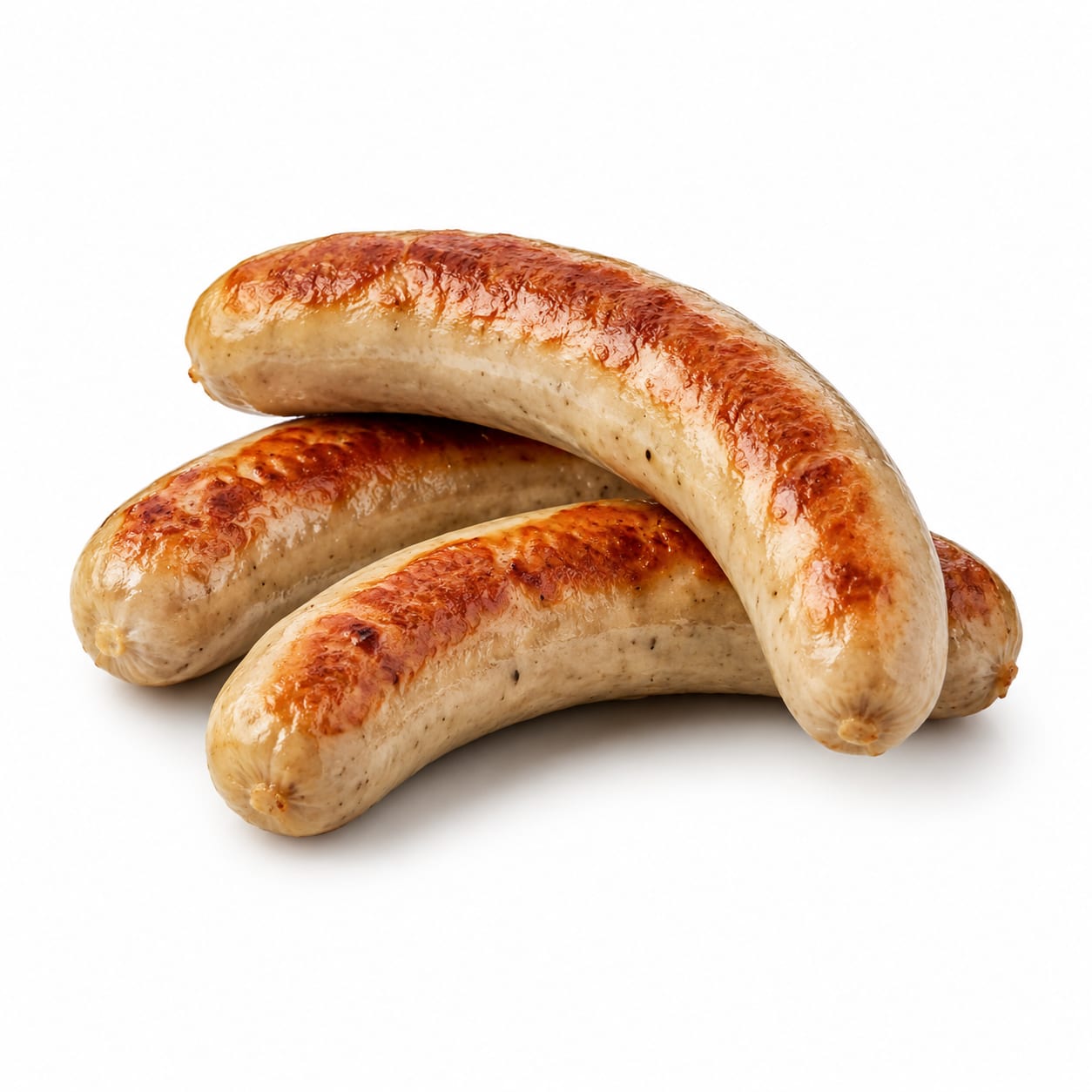
Bratwurst
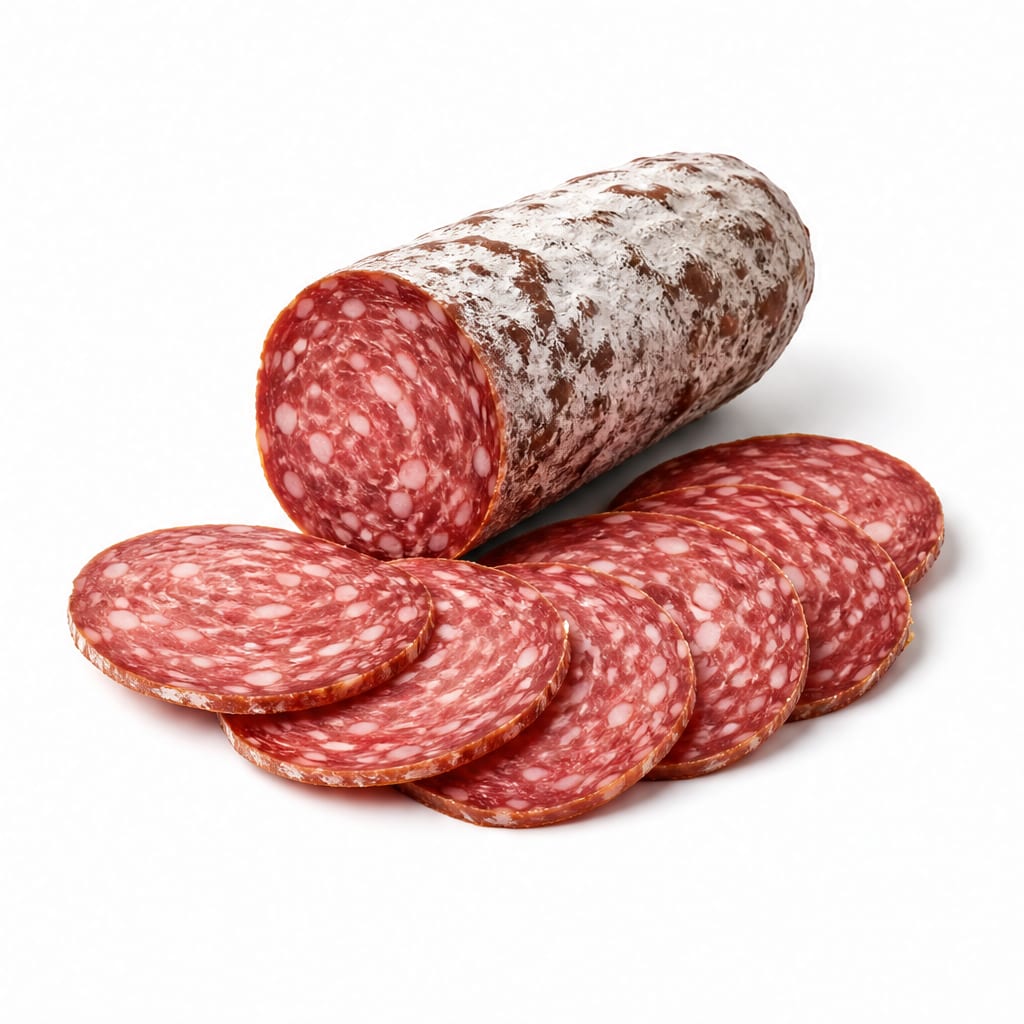
Salami
Bratwurst is the safer choice for regular consumption due to lower sodium and fewer curing agents, while Salami offers unmatched convenience and intense flavor for occasional use.
Bratwurst scores higher primarily due to a much better sodium profile and the absence of curing salts, making it less risky for regular consumption. Salami loses ground on health metrics but remains relevant for specific convenience needs.
You trade the long shelf life and ready-to-eat convenience of Salami for the lower sodium, fewer preservatives, and hot-meal satisfaction of Bratwurst.
At a glance
Executive summary
Overall
Bratwurst
Healthier
Bratwurst
More practical
Salami
Daily use
Bratwurst
Key comparison lenses
Sodium load and blood pressure impact
Salami is extremely high in sodium due to the curing process, while Bratwurst is significantly lower, making this the most critical health differentiator.
Preservatives and curing agents
Salami relies on nitrates and nitrites for preservation and color, raising cancer risk concerns, whereas fresh Bratwurst typically uses none.
Meal utility versus snacking convenience
Bratwurst is a hot, filling meal component, while Salami is a cold, ready-to-eat snack or topping, changing how they fit into daily life.
Calorie density and portion control
Salami is highly calorie-dense due to water loss during drying, making it easy to overconsume compared to Bratwurst.
Best choice for
Bratwurst
- People monitoring their blood pressure
- Those cooking a hot, sit-down dinner
- Anyone avoiding nitrates and nitrites
Salami
- Backpackers needing non-perishable protein
- Hosts building a charcuterie board
- Those wanting intense flavor in small amounts
Least suitable for
Bratwurst
- People without cooking access
- Those needing shelf-stable emergency food
Salami
- People with hypertension or sodium sensitivity
- Those prone to overeating calorie-dense snacks
Deep comparison
Dimension by dimension
Each lens scores both foods and breaks down who each option suits.
- Dimension 1 · Priority 95Bratwurst
Sodium and Blood Pressure
Bratwurst · 65Salami · 20Bratwurst contains moderate sodium, while Salami packs an extreme sodium punch from the curing process.
Tradeoff
Choosing Salami means accepting a massive sodium hit for the sake of preservation and tangy flavor.
Why it matters
High sodium intake directly raises blood pressure and increases cardiovascular strain.
Real-world impact
Eating a few slices of Salami can make you noticeably thirsty and bloated, whereas a Bratwurst feels like a normal, seasoned meal.
Bratwurst
- Keeping blood pressure in check
- Avoiding post-meal thirst
Better for
- Flavor intensity
Worse for
Salami
- Preserving meat without refrigeration
Better for
- Heart health
- Daily consumption
Worse for
- Dimension 2 · Priority 90Bratwurst
Preservatives and Curing Risk
Bratwurst · 70Salami · 35Fresh Bratwurst is typically free of nitrates and nitrites, while Salami relies on them for safety and color.
Tradeoff
Salami gains a long shelf life and signature pink color at the cost of added chemical preservatives linked to cancer risk.
Why it matters
Processed meats with nitrates are classified as Group 1 carcinogens by the WHO when consumed regularly.
Real-world impact
Choosing Bratwurst means you avoid the specific compounds that make processed meats a long-term health concern.
Bratwurst
- Reducing carcinogen exposure
- Cleaner ingredient labels
Better for
- Shorter fridge life
Worse for
Salami
- Shelf stability
- Consistent pink color
Better for
- Long-term health risks
Worse for
- Dimension 3 · Priority 85Bratwurst
Satiety and Meal Satisfaction
Bratwurst · 80Salami · 50A hot Bratwurst is far more filling and satisfying as a meal than a few slices of cold Salami.
Tradeoff
Bratwurst requires cooking time but delivers a comforting, full-belly feeling that Salami cannot match.
Why it matters
Foods that satisfy you deeply help prevent grazing and overeating later in the day.
Real-world impact
A Bratwurst dinner leaves you full for hours; Salami as a snack often leaves you reaching for more food shortly after.
Bratwurst
- Post-workout recovery meals
- Family dinners
Better for
- Fast snacking
Worse for
Salami
- Quick hunger fixes
- Appetizer platters
Better for
- Staying full between meals
Worse for
- Dimension 4 · Priority 75Bratwurst
Calorie Density and Portion Control
Bratwurst · 60Salami · 40Salami is highly calorie-dense because drying removes water, making it dangerously easy to overeat.
Tradeoff
Salami delivers maximum calories and flavor per bite, requiring strict portion control to avoid weight gain.
Why it matters
Calorie-dense foods bypass fullness signals, making it easy to consume far more energy than you realize.
Real-world impact
Mindlessly snacking on Salami while watching TV can easily add hundreds of calories before you feel full.
Bratwurst
- Intuitive eating
- Managing daily calorie intake
Better for
- Lightweight travel food
Worse for
Salami
- Backpacking where high calories per ounce matter
Better for
- Weight management
- Mindful snacking
Worse for
- Dimension 5 · Priority 80Salami
Convenience and Shelf Stability
Bratwurst · 30Salami · 90Salami requires no cooking and lasts weeks in the fridge, while Bratwurst must be cooked and spoils quickly.
Tradeoff
You sacrifice the health profile of fresh meat for the ultimate grab-and-go practicality of Salami.
Why it matters
When you are busy or traveling, having ready-to-eat protein available prevents poor food choices.
Real-world impact
Salami is ready the second you open the fridge; Bratwurst requires a pan, stove, and ten minutes of cooking.
Bratwurst
- Nothing in this category
Better for
- On-the-go lifestyles
Worse for
Salami
- Office lunches without a microwave
- Road trips and travel
Better for
- Nothing in this category
Worse for
Timeline
Health impact over time
Short-term
Hours to days
Bratwurst
- Provides warm, satisfying fullness that curbs hunger
- Can feel heavy or greasy if eaten in large quantities
Salami
- Causes immediate thirst and mild bloating from high salt
- Delivers a quick flavor hit but leaves you wanting more food
Long-term
Months to years
Bratwurst
- Lower sodium makes it slightly safer for occasional weekly consumption
- Still poses cardiovascular risks if eaten daily due to saturated fat
Salami
- Frequent consumption significantly increases hypertension risk
- Curing agents and processed meat categorization link it to higher cancer risk
Risk profile
Safety & processing
Bratwurst is a simple processed meat combining ground pork and spices, while Salami is ultra-processed through fermentation, curing, and drying with chemical preservatives.
Bratwurst
Undercooking contamination
mediumFresh sausage must be cooked thoroughly to avoid bacteria like Salmonella or Trichinella.
Rapid spoilage
mediumBratwurst goes bad within days in the fridge if not cooked or frozen promptly.
Salami
Nitrates and nitrosamines
highCuring agents can form nitrosamines during digestion, which are known carcinogens.
Histamine and tyramine reactions
mediumFermented foods like Salami can trigger headaches or migraines in sensitive individuals.
Who wins for whom
Audience fit
Same foods, different winners depending on your goal.
children
BratwurstBratwurst avoids the nitrites and extreme sodium that are especially concerning for developing bodies, though it should still be served in moderation.
daily consumption
BratwurstNeither is ideal for daily consumption, but Bratwurst is significantly less harmful due to the absence of curing salts and lower sodium.
diabetes
BratwurstBoth have zero carbs, but Bratwurst has lower sodium and fewer inflammatory preservatives, which is crucial for cardiovascular health in diabetes.
elderly
BratwurstLower sodium is critical for aging cardiovascular systems, making Bratwurst the safer option for older adults.
muscle gain
BratwurstBratwurst provides more protein per sitting as part of a complete meal, supporting muscle repair better than a few slices of Salami.
weight loss
BratwurstBratwurst is less calorie-dense and far more filling, making it easier to stick to appropriate portions without feeling deprived.
Your move
Decision guide
Choose Bratwurst
- You are cooking a hot dinner and want something satisfying
- You are watching your blood pressure or sodium intake
- You want to avoid nitrates and nitrites in your meat
Choose Salami
- You need no-cook protein for travel or hiking
- You are hosting a party and need a charcuterie spread
- You want intense flavor in a very small amount of food
Either works if
- You are following a keto diet and need zero-carb fat sources
- You want a high-protein treat and plan to keep portions small
Avoid both if
- You have severe heart disease and must strictly limit saturated fat and sodium
- You are trying to eliminate all processed meats from your diet
Final recommendation
Bratwurst is the better choice for regular meals due to its lower sodium and cleaner ingredient list, while Salami should be treated as a convenient, occasional snack rather than a dietary staple.
Practical
Consumer tips
- 1
Look for uncured Bratwurst to completely avoid nitrates, and always cook it thoroughly.
- 2
Keep Salami portions to a few thin slices to manage the massive sodium and calorie hit.
- 3
Pair Bratwurst with fiber-rich sides like sauerkraut to balance the heavy meat and support digestion.
- 4
Drink extra water on days you eat Salami to help your body process the salt load.
- 5
Freeze extra Bratwurst immediately if you cannot cook it within two days to prevent spoilage.