
Nutrition comparison
Bratwurst vs Turkey Sausage: Which Is Healthier for Daily Eating?
Compare Bratwurst and Turkey Sausage on calories, fat, protein, sodium, and health impact. Find out which sausage fits your diet and when to choose each.
Overall winner · Turkey Sausage
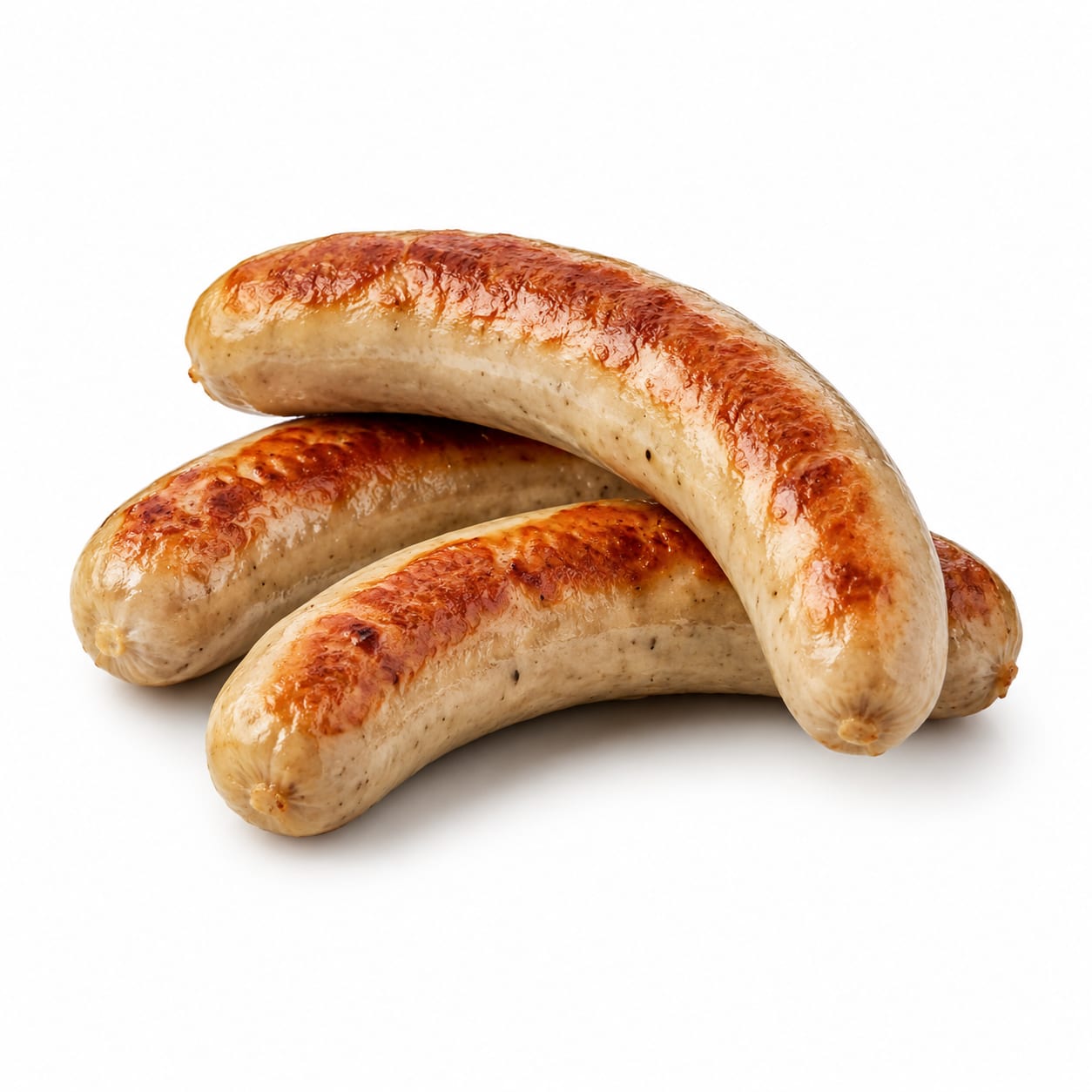
Bratwurst
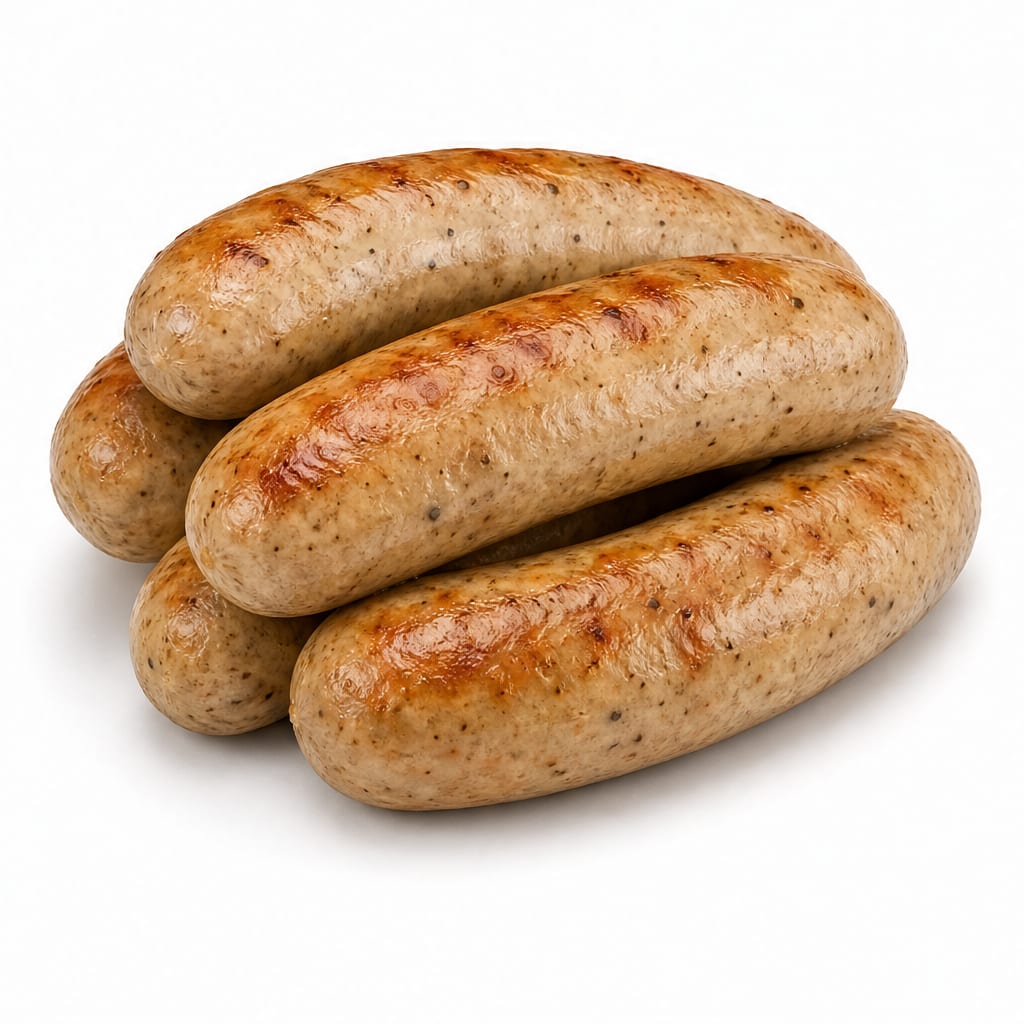
Turkey Sausage
Turkey Sausage wins for regular consumption due to significantly less saturated fat and fewer calories, but Bratwurst delivers noticeably more satisfaction and flavor per bite.
Turkey Sausage scores substantially higher due to its leaner fat profile, lower calorie density, and better suitability for frequent consumption. Bratwurst is not inherently bad but is clearly a sometimes-food given its saturated fat and calorie load.
You trade rich flavor and satiety for a leaner protein profile and lighter digestive feel.
At a glance
Executive summary
Overall
Turkey Sausage
Healthier
Turkey Sausage
More practical
Turkey Sausage
Daily use
Turkey Sausage
Key comparison lenses
heart health and fat intake
The primary reason people switch from Bratwurst to Turkey Sausage is to reduce saturated fat and support cardiovascular health
weight management and calories
Calorie density differs significantly, making this a common weight-loss decision point
protein lean source selection
Both are protein sources but with very different fat-to-protein ratios affecting dietary goals
processed meat health concerns
Both are processed meats, but users often wonder if one carries fewer health risks
flavor satisfaction tradeoff
People worry that choosing the healthier option means sacrificing taste and meal satisfaction
sodium and blood pressure
Both sausages are sodium-heavy, which matters for hypertension-prone individuals
Best choice for
Bratwurst
- Occasional indulgent meals where flavor matters most
- Active individuals who easily burn higher fat intake
- Cultural or traditional cooking where authenticity is priority
- People who find lean meats unsatisfying and end up overeating later
Turkey Sausage
- Weekday breakfasts eaten several times per week
- Anyone monitoring cholesterol or heart disease risk
- Weight-loss diets requiring calorie control without giving up sausage entirely
- Meal preppers building lean protein-forward plates
Least suitable for
Bratwurst
- Daily breakfast eaters concerned about heart health
- People with high cholesterol or hypertension
- Anyone strictly managing calorie intake
- Individuals following a low-sodium diet
Turkey Sausage
- Traditional German cuisine purists
- People who find lean sausages unsatisfying and compensate with extra snacking
- Those needing high-calorie density for weight gain or intense training
Deep comparison
Dimension by dimension
Each lens scores both foods and breaks down who each option suits.
- Dimension 1 · Priority 95Turkey Sausage
heart_health_fat_profile
Bratwurst · 25Turkey Sausage · 72Bratwurst delivers roughly 3-4 times more saturated fat per serving than Turkey Sausage, making it a tougher sell for cardiovascular health.
Tradeoff
The fat in Bratwurst creates its signature juicy mouthfeel, while Turkey Sausage can taste drier by comparison.
Why it matters
Regular high saturated fat intake raises LDL cholesterol over time, which is the single largest dietary driver of heart disease risk.
Real-world impact
Eating Bratwurst a few times a week can meaningfully shift your cholesterol numbers in 3-6 months. Turkey Sausage keeps that risk far more manageable.
Bratwurst
- People who tolerate higher fat diets well
- Ketogenic or low-carb dieters seeking fat calories
Better for
- Daily consumers at risk for elevated LDL
- People already managing hypertension
Worse for
Turkey Sausage
- Anyone with family history of heart disease
- People trying to lower cholesterol without medication
- Those eating sausage multiple times per week
Better for
- Those needing calorie-dense meals for weight gain
Worse for
- Dimension 2 · Priority 88Turkey Sausage
calorie_density_and_weight_management
Bratwurst · 30Turkey Sausage · 75A typical Bratwurst link runs 280-350 calories versus 140-180 for Turkey Sausage. That difference compounds fast.
Tradeoff
Fewer calories in Turkey Sausage mean you may feel less full unless you add volume with vegetables or other sides.
Why it matters
A 150-calorie difference per sausage adds up to over 1,000 calories per week if eaten daily, which is roughly a third of a pound of body fat.
Real-world impact
Swapping Bratwurst for Turkey Sausage at breakfast five days a week could translate to 5-7 pounds of weight difference over a year without any other changes.
Bratwurst
- Underweight individuals needing calorie density
- Endurance athletes with high energy demands
Better for
- Consistent eaters watching their waistline
- Late-night snackers where calorie surplus is likely
Worse for
Turkey Sausage
- Anyone tracking calories for weight loss
- People who prefer eating larger food volumes within a calorie budget
Better for
- Those who feel hungry soon after lean meals
Worse for
- Dimension 3 · Priority 82Turkey Sausage
protein_quality_and_leanness
Bratwurst · 45Turkey Sausage · 78Turkey Sausage provides a higher protein-to-calorie ratio, meaning you get more muscle-supporting protein per bite without the fat baggage.
Tradeoff
Bratwurst still delivers solid protein but comes packaged with significantly more fat calories to get the same protein amount.
Why it matters
A cleaner protein-to-calorie ratio helps maintain muscle while managing body composition, especially as you age.
Real-world impact
Two Turkey Sausage links give you roughly the same protein as one Bratwurst but with half the calories and a fraction of the saturated fat.
Bratwurst
- Those unconcerned about fat-to-protein ratio
- Traditional recipes where fat contributes to dish quality
Better for
- Anyone trying to hit protein targets without exceeding calorie limits
Worse for
Turkey Sausage
- Fitness-focused eaters prioritizing lean protein
- Older adults needing protein efficiency without extra calories
Better for
- Situations where fat contributes essential cooking properties
Worse for
- Dimension 4 · Priority 72It depends
sodium_and_blood_pressure
Bratwurst · 30Turkey Sausage · 35Both sausages are sodium-heavy, typically packing 500-800mg per serving. Turkey Sausage is sometimes slightly lower but not reliably enough to matter.
Tradeoff
Choosing Turkey Sausage for heart health but ignoring sodium gives you a false sense of security. Both require mindfulness.
Why it matters
Even if saturated fat is lower, high sodium intake independently raises blood pressure and stroke risk.
Real-world impact
A single serving of either sausage can deliver a third or more of your daily sodium limit. Neither is a free pass for blood pressure.
Bratwurst
- No meaningful advantage here
Better for
- Hypertension-sensitive individuals
- People who eat multiple processed foods per day
Worse for
Turkey Sausage
- Slight edge if you find reduced-sodium Turkey Sausage varieties, which are more common than reduced-sodium Bratwurst
Better for
- Same concern — sodium levels remain high
Worse for
- Dimension 5 · Priority 75Bratwurst
satiety_and_eating_satisfaction
Bratwurst · 82Turkey Sausage · 55Bratwurst's higher fat content creates a richer, more satisfying eating experience that keeps you full longer.
Tradeoff
That satisfying fullness comes with a caloric price. Turkey Sausage may leave you reaching for a snack sooner.
Why it matters
Foods that feel satisfying reduce the urge to snack later, which can paradoxically help some people eat less overall despite higher per-meal calories.
Real-world impact
A Bratwurst breakfast may carry you to lunch without a snack. A Turkey Sausage breakfast might leave you hungry by 10:30 AM unless you pair it with fiber-rich sides.
Bratwurst
- People who value meal satisfaction and dislike feeling deprived
- Those who tend to snack mindlessly when meals feel too light
Better for
- Anyone who finds rich foods trigger overeating rather than satisfaction
Worse for
Turkey Sausage
- Grazers who prefer lighter meals and eat more frequently
- Those who pair sausage with filling sides like eggs and avocado
Better for
- People who feel hungry and frustrated after lean meals
Worse for
- Dimension 6 · Priority 70It depends
processing_and_additive_concerns
Bratwurst · 35Turkey Sausage · 40Both are processed meats with similar additive profiles. Turkey Sausage sometimes contains more binders and fillers to compensate for lower fat.
Tradeoff
Bratwurst often has a simpler ingredient list but more fat. Turkey Sausage is leaner but may include more additives for texture and moisture.
Why it matters
Ultra-processed food intake is linked to higher disease risk regardless of fat content. The degree of processing matters for long-term health.
Real-world impact
Read labels carefully. A high-quality Bratwurst with minimal ingredients may actually be less processed than a cheap Turkey Sausage loaded with binders and preservatives.
Bratwurst
- Artisanal or traditional Bratwurst with short ingredient lists
Better for
- Mass-produced Bratwurst with preservatives and fillers
Worse for
Turkey Sausage
- Premium Turkey Sausage brands with minimal fillers
Better for
- Budget Turkey Sausage relying heavily on binders and sodium for flavor
Worse for
Timeline
Health impact over time
Short-term
Hours to days
Bratwurst
- Heavier, more sluggish feeling after eating due to high fat content
- Longer-lasting fullness that may delay hunger for hours
- Potential digestive discomfort if you are sensitive to rich foods
- Higher energy intake that may cause a later energy dip
Turkey Sausage
- Lighter post-meal feeling, easier on digestion
- Possible hunger returning sooner unless paired with other filling foods
- Less risk of that overly full, lethargic sensation
- Steadier energy without the rich-food crash
Long-term
Months to years
Bratwurst
- Regular consumption raises LDL cholesterol and cardiovascular risk meaningfully
- Higher calorie intake contributes to gradual weight gain if not offset
- Processed meat consumption is associated with increased colorectal cancer risk
- Sustained high saturated fat intake may promote systemic inflammation
Turkey Sausage
- Lower saturated fat intake supports healthier cholesterol levels over time
- Easier calorie management helps maintain stable body weight
- Still carries processed meat cancer risk — this does not disappear
- Leaner protein profile supports muscle maintenance without cardiovascular strain
Risk profile
Safety & processing
Both are processed meats. Bratwurst typically has a shorter ingredient list in traditional varieties, while Turkey Sausage often adds binders and moisture-retaining agents to compensate for leanness. Neither is a whole food, but quality varies enormously by brand.
Bratwurst
Processed meat carcinogenicity
mediumWHO classifies processed meats as Group 1 carcinogens. Regular consumption increases colorectal cancer risk, with risk rising proportionally to intake.
Nitrates and nitrites
mediumSome Bratwurst varieties contain added nitrates or nitrites for preservation and color, which can form carcinogenic compounds during cooking.
Trichinella and foodborne illness
lowModern pork production has virtually eliminated trichinella, but undercooked pork sausage still carries standard bacterial risks like Salmonella.
Turkey Sausage
Processed meat carcinogenicity
mediumSame WHO classification applies. Turkey Sausage is still processed meat with similar cancer risk per serving as pork sausage.
Additive and binder exposure
lowLower-fat Turkey Sausage often contains carrageenan, modified food starch, or other binders that may cause digestive issues in sensitive individuals.
Poultry contamination
mediumGround turkey carries a slightly higher Salmonella risk than ground pork, requiring careful handling and thorough cooking.
Who wins for whom
Audience fit
Same foods, different winners depending on your goal.
children
It dependsTurkey Sausage is leaner and better for long-term health habits, but children often find Bratwurst more palatable and satisfying. Moderation matters more than choice.
daily consumption
Turkey SausageDaily consumption demands a lower saturated fat and calorie load, which Turkey Sausage provides more sustainably.
diabetes
Turkey SausageLower saturated fat intake is associated with better insulin sensitivity, and both have minimal carbohydrate impact.
elderly
Turkey SausageOlder adults need protein efficiency without cardiovascular strain, making Turkey Sausage's leaner profile more appropriate for aging hearts and blood vessels.
muscle gain
Turkey SausageHigher protein-to-calorie ratio supports muscle building without excess fat calories that can obscure lean gains.
weight loss
Turkey SausageNearly half the calories per serving with comparable protein makes Turkey Sausage the clear choice for sustainable calorie reduction.
Your move
Decision guide
Choose Bratwurst
- You eat sausage once a week or less and want maximum enjoyment per serving
- Flavor and authenticity matter more than health optimization for a specific meal
- You are on a ketogenic or high-fat diet and welcome the fat calories
- You find lean sausages unsatisfying and end up eating more food overall to compensate
Choose Turkey Sausage
- Sausage is a regular part of your weekly meal rotation
- You are actively managing weight, cholesterol, or heart disease risk
- You want to keep sausage in your diet without the health guilt
- You meal-prep and need a lean protein that fits into balanced plates
Either works if
- You only eat sausage occasionally and overall diet quality is strong
- Sodium is your primary concern, since both are similarly high
- You are choosing between a quality Bratwurst and a heavily processed Turkey Sausage — ingredient quality can outweigh the fat difference
Avoid both if
- You have been advised to eliminate processed meats entirely due to cancer risk or cardiovascular disease
- You are on a strict low-sodium diet and cannot accommodate 500-800mg of sodium in one serving
- You have digestive sensitivities to emulsifiers, binders, or preservatives commonly found in either product
Final recommendation
Make Turkey Sausage your everyday choice and save Bratwurst for occasions where the experience matters. The health gap is real and consistent, but so is the satisfaction gap. The smartest approach is not choosing one exclusively — it is choosing Turkey Sausage four times for every one time you reach for Bratwurst.
Practical
Consumer tips
- 1
Read the ingredient label on Turkey Sausage — brands with fewer than eight ingredients and no mechanically separated meat are worth the premium
- 2
Pair Turkey Sausage with avocado or olive oil to add healthy fats back in if the leaner taste feels unsatisfying
- 3
Look for uncured Bratwurst varieties that skip added nitrates and nitrites if you choose to indulge
- 4
Rinse neither — but do drain excess fat after cooking Bratwurst to reduce calorie and saturated fat intake by 10-15%
- 5
Compare sodium labels directly between brands — the variation within each sausage type often exceeds the difference between the two types
- 6
Cook Turkey Sausage with a splash of broth or a drizzle of olive oil to prevent dryness without adding much fat