
Nutrition comparison
Bratwurst vs Andouille: Which Sausage Is Healthier?
Compare Bratwurst and Andouille sausage on sodium, processing, cancer risk, and flavor. Learn which is better for your health goals and when to choose each.
Overall winner · Bratwurst
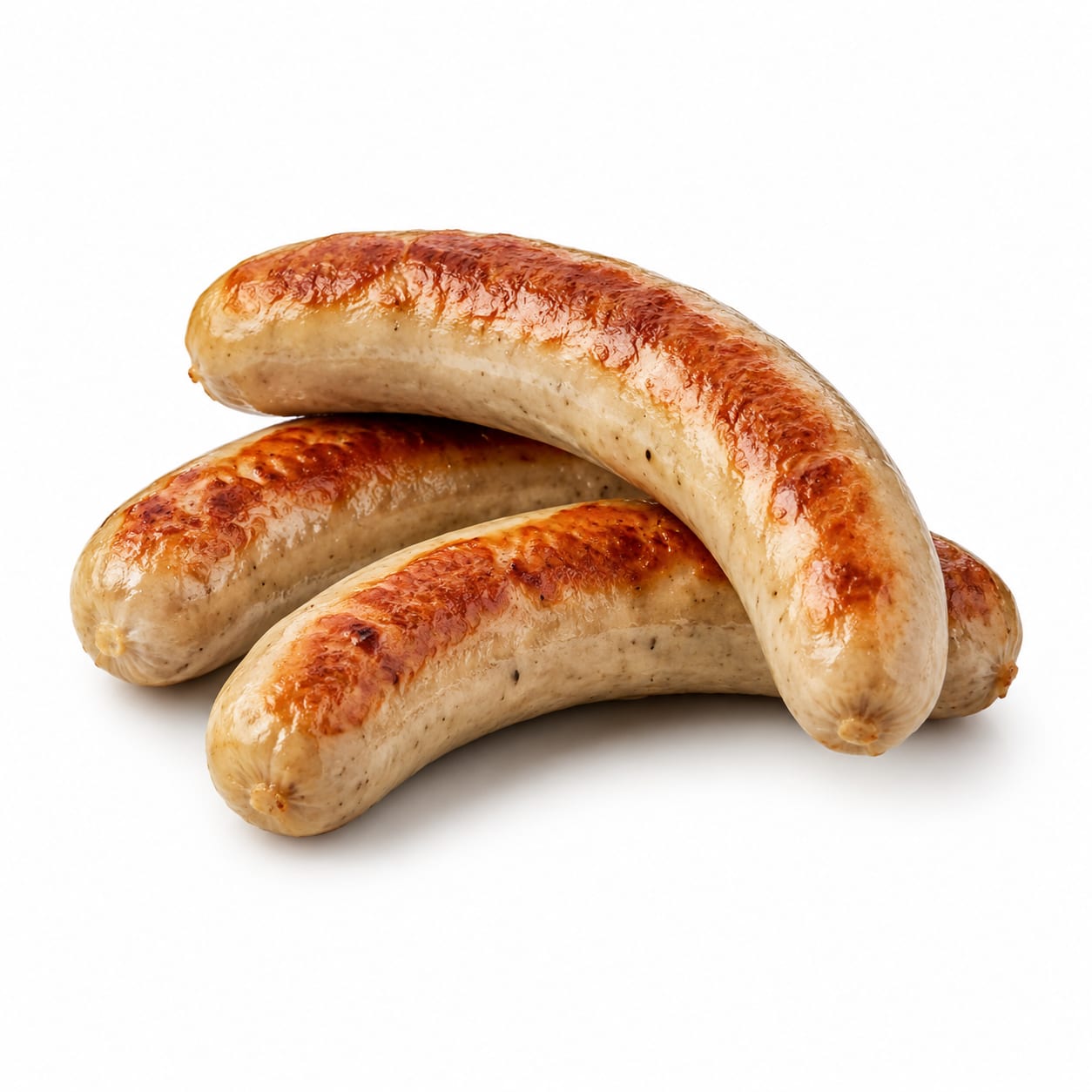
Bratwurst
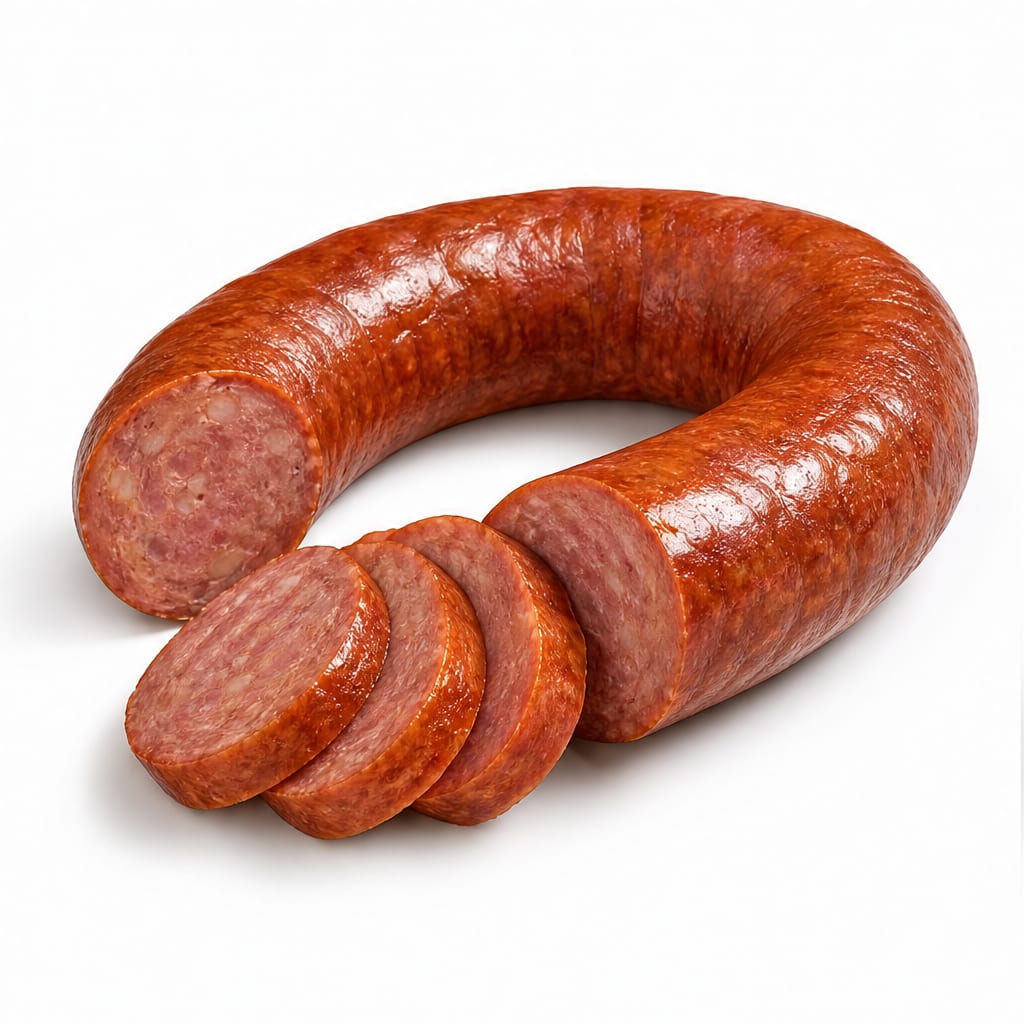
Andouille
Bratwurst edges out Andouille mainly due to lower sodium and less aggressive processing, but both are indulgent processed meats best enjoyed occasionally.
Neither sausage scores well health-wise as both are processed meats, but Bratwurst's lower sodium and milder processing give it a meaningful edge. Andouille's heavier curing and smoking push its score down further despite its culinary strengths.
Andouille delivers bolder flavor and works magic in Cajun cooking, but its heavier smoking and curing come with higher sodium and greater carcinogenic risk than Bratwurst's simpler preparation.
At a glance
Executive summary
Overall
Bratwurst
Healthier
Bratwurst
More practical
It depends
Daily use
Bratwurst
Key comparison lenses
sodium and curing comparison
Both are processed pork sausages but Andouille's smoking and curing process dramatically increases sodium and nitrite exposure
processing and carcinogenic risk
Smoked and cured meats carry higher cancer risk than simply cooked sausages, making this a critical differentiator
flavor intensity and portion control
Andouille's bold spice profile naturally limits portions while Bratwurst's mildness can lead to eating more
everyday health tradeoffs
Neither is a health food but the frequency and context of consumption matters significantly
cooking versatility and meal integration
Bratwurst works as a standalone main while Andouille shines as a flavoring ingredient in dishes like gumbo
Best choice for
Bratwurst
- Casual grilling and backyard cookouts
- Families wanting milder flavor kids can enjoy
- People watching sodium intake
- Standalone main dish servings
Andouille
- Cajun and Creole recipes like gumbo or jambalaya
- Home cooks wanting maximum flavor from small amounts
- Those who prefer spicy bold flavors
- Using as a seasoning ingredient rather than a main protein
Least suitable for
Bratwurst
- Authentic Cajun and Creole dishes
- Anyone seeking bold smoky spice in their meal
- Low-fat diets
Andouille
- Sodium-restricted diets
- Children sensitive to spicy food
- People concerned about nitrites and smoked meat risks
- Frequent regular consumption
Deep comparison
Dimension by dimension
Each lens scores both foods and breaks down who each option suits.
- Dimension 1 · Priority 95Bratwurst
Sodium Load
Bratwurst · 35Andouille · 18Andouille packs roughly 50-80% more sodium than Bratwurst due to its double-hit of curing salt and smoking brine.
Tradeoff
That intense savory flavor in Andouille comes directly from heavy salting, which stresses blood pressure and hydration.
Why it matters
A single Andouille link can deliver half your daily sodium limit, making it risky for anyone with hypertension or kidney concerns.
Real-world impact
Eating Andouille regularly leaves less room for sodium in the rest of your day, often pushing meals over healthy limits without realizing it.
Bratwurst
- Blood pressure management
- Kidney health
- Less post-meal thirst and bloating
Better for
- Still high in sodium compared to unprocessed proteins
Worse for
Andouille
- Flavor intensity in small amounts
Better for
- Hypertension risk
- Water retention
- Difficult to fit into low-sodium diets
Worse for
- Dimension 2 · Priority 90Bratwurst
Processing and Carcinogenic Risk
Bratwurst · 38Andouille · 25Andouille undergoes both curing with nitrites and smoking, two processes linked to cancer risk. Bratwurst is typically just ground meat with spices, cooked fresh.
Tradeoff
The smoky depth that makes Andouille irreplaceable in Cajun food is exactly what increases its health risks.
Why it matters
The WHO classifies processed meats as Group 1 carcinogens, and smoked/cured varieties carry the highest risk.
Real-world impact
Occasional enjoyment is fine for most people, but making Andouille a weekly habit meaningfully raises colorectal cancer risk compared to already-risky processed meats.
Bratwurst
- Lower nitrite exposure
- No smoking-related compounds
- Simpler ingredient list
Better for
- Still a processed meat with associated risks
Worse for
Andouille
- Preservation longevity
Better for
- Polycyclic aromatic hydrocarbons from smoking
- Nitrosamine formation from curing
- Higher overall carcinogenic burden
Worse for
- Dimension 3 · Priority 85Andouille
Flavor Efficiency and Portion Control
Bratwurst · 40Andouille · 70Andouille's intense smoky-spicy flavor means a little goes a long way, naturally limiting how much you eat. Bratwurst's mildness makes it easy to consume in larger quantities.
Tradeoff
Bolder flavor can either help you eat less or trigger cravings for more, depending on your relationship with spicy food.
Why it matters
When used as a seasoning rather than a main, Andouille can flavor an entire pot of gumbo with just a few ounces.
Real-world impact
Slicing two ounces of Andouille into a bean dish gives you satisfying flavor with less total meat than eating a full Bratwurst link as your protein.
Bratwurst
- Approachable for all palates
- Satisfying as a standalone main
Better for
- Easy to overeat due to mild taste
- Requires larger portions to feel satisfied
Worse for
Andouille
- Built-in portion control through intensity
- Flavor stretching across large dishes
- Less total meat needed per meal
Better for
- Spice can trigger overeating in some people
- Not enjoyable for heat-sensitive eaters
Worse for
- Dimension 4 · Priority 70Bratwurst
Protein Quality and Satiety
Bratwurst · 55Andouille · 50Both deliver similar protein per ounce, but Bratwurst's milder processing preserves slightly more usable protein. The difference is modest.
Tradeoff
Neither is a protein optimization tool. Both carry too much fat and sodium to be your primary protein source.
Why it matters
If you're choosing sausage for protein, you're getting it bundled with significant saturated fat and sodium that undermine the benefit.
Real-world impact
A Bratwurst gives you about 12-14g protein alongside 25g+ of fat. Leaner protein sources give you the same protein with a fraction of the baggage.
Bratwurst
- Slightly better protein retention
- More filling as a standalone serving
Better for
- High fat-to-protein ratio
- Easy to overconsume calories
Worse for
Andouille
- Comparable protein when used in smaller seasoned amounts
Better for
- Protein comes with even more sodium baggage
- Smaller typical serving means less total protein per dish
Worse for
- Dimension 5 · Priority 75It depends
Culinary Versatility
Bratwurst · 60Andouille · 60Bratwurst and Andouille excel in completely different kitchens. Bratwurst is the versatile everyday grill sausage; Andouille is the specialty powerhouse.
Tradeoff
Bratwurst adapts to more meals but never elevates them. Andouille transforms specific dishes but feels out of place in others.
Why it matters
Choosing between them is really choosing between two cooking traditions rather than two versions of the same food.
Real-world impact
Bratwurst works for weeknight dinners, game day, and casual meals. Andouille is essential for gumbo but awkward in a breakfast scramble.
Bratwurst
- Broader recipe compatibility
- Kid-friendly meals
- Simple preparation methods
Better for
- Cannot replicate smoky Cajun flavor
- Bland in heavily spiced dishes
Worse for
Andouille
- Cajun and Creole authenticity
- Dishes where sausage is a seasoning not the star
- One-pot meals needing depth
Better for
- Overpowers delicate recipes
- Wrong flavor profile for most European dishes
Worse for
- Dimension 6 · Priority 65Bratwurst
Fat Profile and Caloric Density
Bratwurst · 30Andouille · 28Both are fatty sausages with similar calorie counts, but Bratwurst has a slight edge because it's not cooked in its own rendered fat during smoking like Andouille often is.
Tradeoff
The difference is minimal. Both will deliver 280-350 calories per link with over 70% of calories from fat.
Why it matters
Neither belongs in a fat-conscious eating plan more than occasionally.
Real-world impact
Eating two Bratwursts or one large Andouille link puts you at roughly a third of daily calories for many adults, mostly from saturated fat.
Bratwurst
- Slightly lower calorie density per serving
- Less saturated fat in some preparations
Better for
- Still very high in saturated fat
- Easy to eat multiple links
Worse for
Andouille
- Smaller typical serving sizes due to intensity
Better for
- Fat rendered during smoking can increase final fat content
- Calories add up fast in dishes like jambalaya
Worse for
Timeline
Health impact over time
Short-term
Hours to days
Bratwurst
- Heavy fullness and possible bloating from high fat content
- Moderate sodium impact that may cause thirst but less severe than Andouille
- Satisfying energy from dense calories, but potential sluggishness afterward
Andouille
- Significant thirst and water retention from high sodium within hours of eating
- Possible heartburn or digestive warmth from heavy spice and smoke compounds
- Intense satisfaction followed by heavier sluggishness due to fat and salt load
Long-term
Months to years
Bratwurst
- Regular consumption increases cardiovascular risk from saturated fat and sodium
- Processed meat intake linked to elevated colorectal cancer risk even without smoking
- Occasional consumption (monthly) poses minimal additional risk for most people
Andouille
- Higher cumulative sodium exposure increases hypertension and stroke risk with regular intake
- Smoking and curing compounds add meaningful carcinogenic burden beyond standard processed meat risk
- More concerning risk profile if eaten weekly compared to similarly frequent Bratwurst consumption
Risk profile
Safety & processing
Bratwurst is ground meat seasoned and stuffed, which is straightforward processing. Andouille undergoes curing with nitrites, smoking over wood, and sometimes additional preservatives, making it more heavily processed with greater additive exposure.
Bratwurst
Undercooking contamination
mediumFresh Bratwurst must be cooked to 160°F internally. Undercooked pork sausage can carry Trichinella and other pathogens.
Processed meat carcinogenicity
mediumAll processed meats carry elevated colorectal cancer risk. Bratwurst is no exception, though risk is lower than smoked varieties.
Andouille
Nitrite and nitrosamine exposure
highCuring salts combined with high-heat cooking create nitrosamines, which are potent carcinogens. This risk compounds over frequent consumption.
Smoking-related compounds
highWood smoking produces polycyclic aromatic hydrocarbons that settle on the sausage surface, adding another carcinogenic layer.
Extreme sodium load
highSingle servings can exceed 1000mg sodium, posing immediate concerns for hypertensive individuals and long-term cardiovascular risk.
Who wins for whom
Audience fit
Same foods, different winners depending on your goal.
children
BratwurstMilder flavor and lower sodium make Bratwurst more appropriate for kids, though both should be served infrequently.
daily consumption
BratwurstNeither should be eaten daily, but if forced to choose, Bratwurst's milder processing makes it the less harmful regular option.
diabetes
BratwurstBoth have minimal carbs, but Bratwurst's lower sodium reduces cardiovascular risk that diabetics are already vulnerable to.
elderly
BratwurstLower sodium is critical for older adults managing blood pressure, and Bratwurst's softer texture when cooked is easier to chew.
muscle gain
BratwurstBratwurst provides slightly more protein per typical serving and is easier to eat in larger quantities when calories are less concerning.
weight loss
AndouilleAndouille's intense flavor lets you use less total sausage per dish, reducing overall calorie intake while still feeling satisfied.
Your move
Decision guide
Choose Bratwurst
- You're grilling for a crowd with varying taste preferences
- Sodium is a health concern for you or your family
- You want a sausage that works as a standalone main dish
- Kids will be eating with you
- You plan to eat sausage more than once a month
Choose Andouille
- You're making gumbo, jambalaya, or red beans and rice
- You want maximum flavor from minimal meat quantity
- Bold smoky spice is the whole point of your meal
- You're cooking for spice-loving adults only
- You use sausage as a seasoning rather than a centerpiece
Either works if
- Occasional enjoyment is your approach to processed meat
- You're comfortable with the health tradeoffs of eating sausage
- Neither will be a regular part of your diet
Avoid both if
- You have hypertension or kidney disease
- You're following a heart-healthy or low-sodium diet
- You want to minimize processed meat consumption for cancer prevention
- You're looking for lean protein sources
Final recommendation
Choose Bratwurst when you want a satisfying grilled sausage with less health baggage. Choose Andouille when you need its irreplaceable smoky-spicy depth in Cajun cooking, but use it sparingly as a flavoring rather than a main. Neither belongs on your plate weekly, but both can be enjoyed responsibly a few times a year. The smartest move: use a small amount of Andouille to flavor a big pot of beans or stew, getting all the taste with a fraction of the risk.
Practical
Consumer tips
- 1
Look for uncured Bratwurst at natural food stores to avoid nitrites entirely
- 2
Slice Andouille thin and use it like bacon bits to stretch flavor across a whole dish
- 3
Soak Andouille in water for 30 minutes before cooking to reduce surface sodium by up to 20%
- 4
Pair either sausage with high-fiber sides like beans or cabbage to slow fat absorption and improve satiety
- 5
Boiling Bratwurst in beer before grilling reduces fat content slightly and adds flavor without extra salt
- 6
Check labels for sodium content, which varies wildly between brands of both sausages
- 7
Freeze pre-portioned amounts so you're not tempted to cook the whole package