
Stew
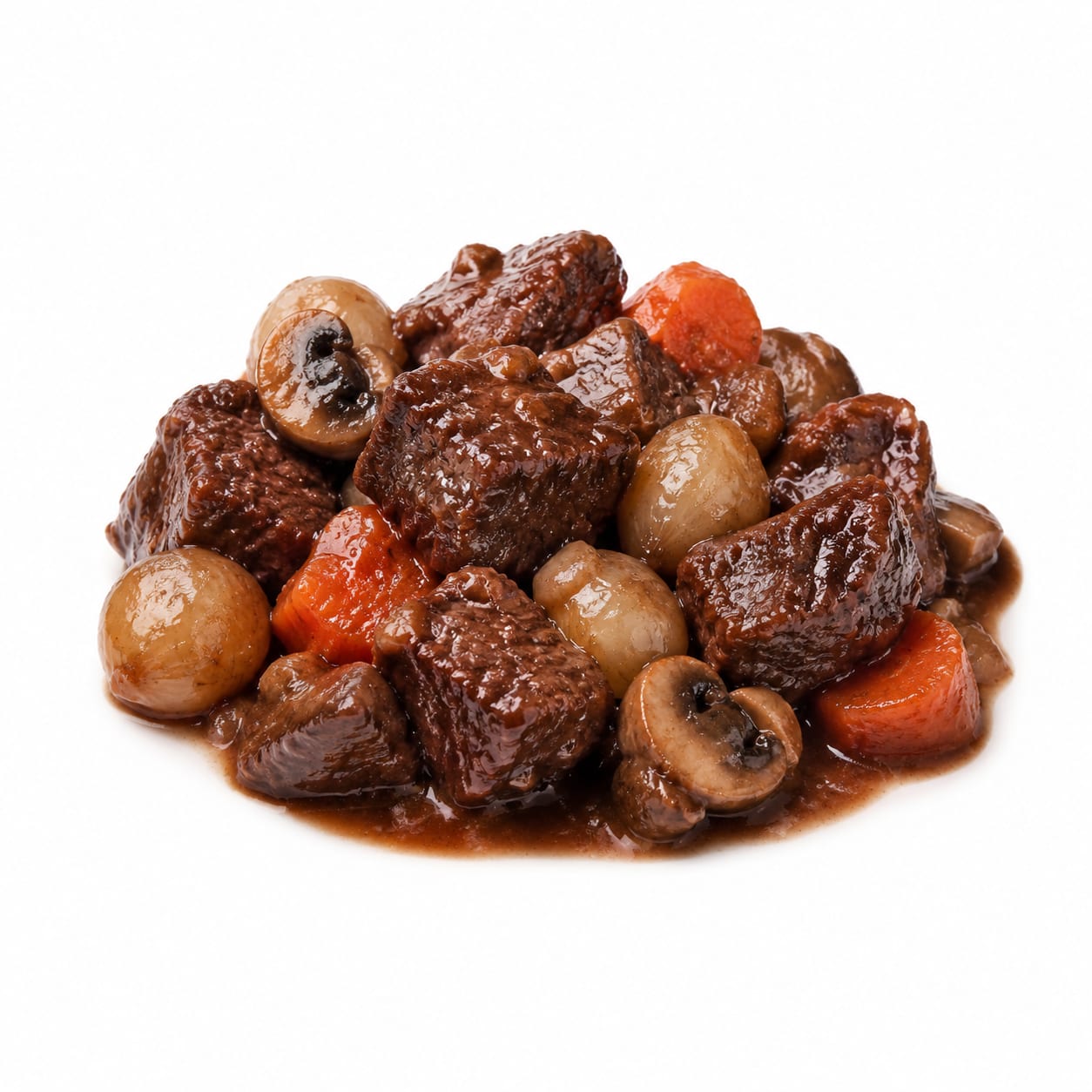
Boeuf Bourguignon
A rich French beef stew braised in red wine with vegetables and bacon.
A traditional French beef stew braised in red wine, typically with carrots, onions, garlic, mushrooms, and bacon.
protein and fat-dense braised meat dish
Typical serving · 250g
Common varieties · classic with mushrooms, with pearl onions, slow cooker adaptation, pressure cooker variation
Overall context score across nutrition, safety, and diet fit
At a glance
Quick facts
Simple indicators based on nutrition, processing, and diet fit.
The story
What makes it unique
A slow-cooked composite dish providing high-quality protein and heme iron from beef, with micronutrients and phytochemicals from vegetables and red wine. Digestion is slow due to fat, protein, and collagen breakdown, yielding high satiety. Macronutrient profile is protein and fat dominant with low available carbohydrates.
Varieties: classic with mushrooms · with pearl onions · slow cooker adaptation · pressure cooker variation
Per 100g
Nutrition breakdown
Macro balance and key metrics at a glance.
Energy
Density 1.35 kcal/g
Protein
Carbs
Fat
Fiber
Sugar
2 g
Sodium
350 mg
Potassium
250 mg
Glycemic index
25
Glycemic load
1
Water content
75%
Standout compounds
Nutrient highlights
Protein
highSupports muscle growth and repair
Iron
highEssential for oxygen transport in blood
Vitamin B12
highCrucial for nerve function and red blood cell formation
Zinc
moderateSupports immune function and metabolism
Wellness map
Health scores & processing
NOVA processing scale
moderately processed · Whole food
Combines unprocessed ingredients like beef and vegetables with processed culinary ingredients such as wine, bacon, and broth.
Diet compatibility
- Weight loss
- Muscle gain
- Diabetes
- Gut health
- Low carb
- High protein
- Heart health
Relative standing
Food rankings
Qualitative ranks compared to similar whole foods.
- Satietyexcellent
- Blood sugarexcellent
- Nutrient densitygood
- Fitness fuelgood
- Processing qualitygood
Eat with confidence
Food safety profile
Primary risks come from handling raw beef and cross-contamination. Slow cooking to a safe internal temperature eliminates most microbial risks.
Evidence confidence 85%
- Pesticideslow
- Antibioticsmoderate
- Heavy metalslow
- Contaminationmoderate
Watch for
- E. coli
- Salmonella
- Listeria
Safer choices
Grass-fed organic beef to reduce antibiotic and pesticide exposure
Prep tips
Do not wash raw beef to avoid spreading bacteria; ensure stew reaches a sustained simmer for thorough cooking.
Antibiotic use in conventional beef farming
Deep dive
Health analysis
How this food may fit different goals and preparation choices.
Weight loss
Moderately high calorie density due to fat content makes portion control important for weight loss.
Blood sugar
Very low glycemic impact as it contains minimal carbohydrates, making it suitable for blood sugar management.
Fitness & energy
Provides sustained energy and high-quality protein for muscle repair, though not ideal for quick pre-workout fuel.
Gut health
Lacks significant fiber unless served with high-fiber sides; high fat can slow gastric emptying.
Processing quality
Homemade versions use whole foods and culinary ingredients, avoiding the additives found in canned stews.
Food safety
Safe when cooked thoroughly; raw beef handling requires strict hygiene to prevent bacterial spread.
Common mistakes
Using lean beef cuts that dry out instead of well-marbled cuts meant for braising; thickening with excessive refined flour.
Best preparation
Low and slow braising in the oven or on the stovetop to break down collagen without overcooking the vegetables.
Practical guide
Best use cases
When and how this food fits real eating patterns.
winter comfort meal
Provides warming, high-satiety nutrition during cold weather.
low-carb dinner
Fits well into carbohydrate-restricted diets when served without starchy sides.
post-workout recovery
Rich in protein and micronutrients like iron to support muscle repair.
Balance sheet
Pros & cons
Upsides
- Highly satiating due to protein and fat content
- Rich in bioavailable heme iron and B vitamins
- Minimal impact on blood sugar levels
- Collagen breakdown from slow cooking supports joint health
Trade-offs
- High in saturated fat from beef and bacon
- Can be high in sodium depending on recipe
- Time-consuming to prepare properly
- Not suitable for plant-based or low-fat diets
Fit check
Who is it for?
Great match
- low-carb and ketogenic diets
- cold-weather high-protein meals
- athletes needing sustained calorie intake
Consider alternatives
- strict low-fat diets
- plant-based or vegan lifestyles
- those managing hypertension without recipe modifications
Side by side
How it compares
Open the full head-to-head analysis for nutrition, safety, and practical tradeoffs.
This food
Boeuf Bourguignon
VS95% alike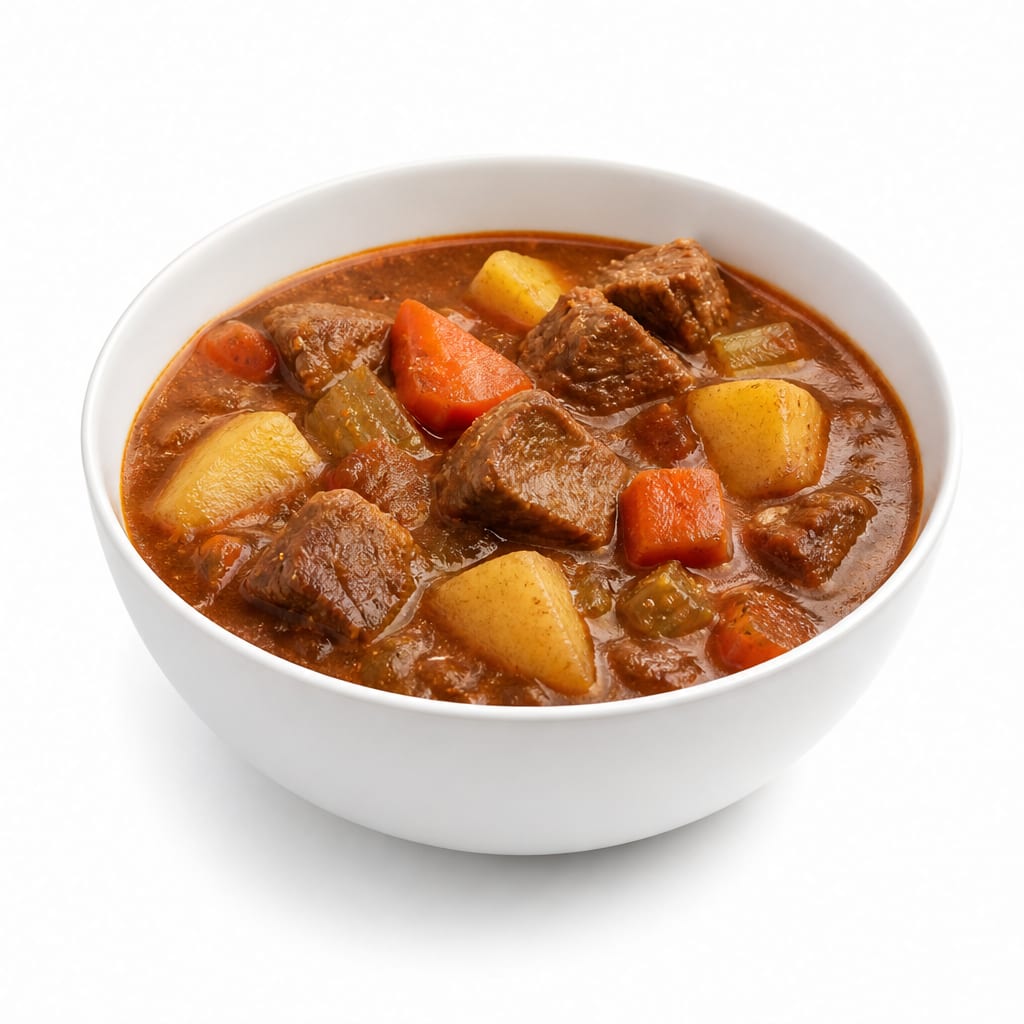
Compare with
Beef Stew
Beef stew relies on broth rather than wine, providing similar protein and fat but slightly fewer antioxidants than Boeuf Bourguignon.
Beef stew and Boeuf Bourguignon are nutritionally similar, but Bourguignon offers more antioxidants from red wine.
This food
Boeuf Bourguignon
VS85% alike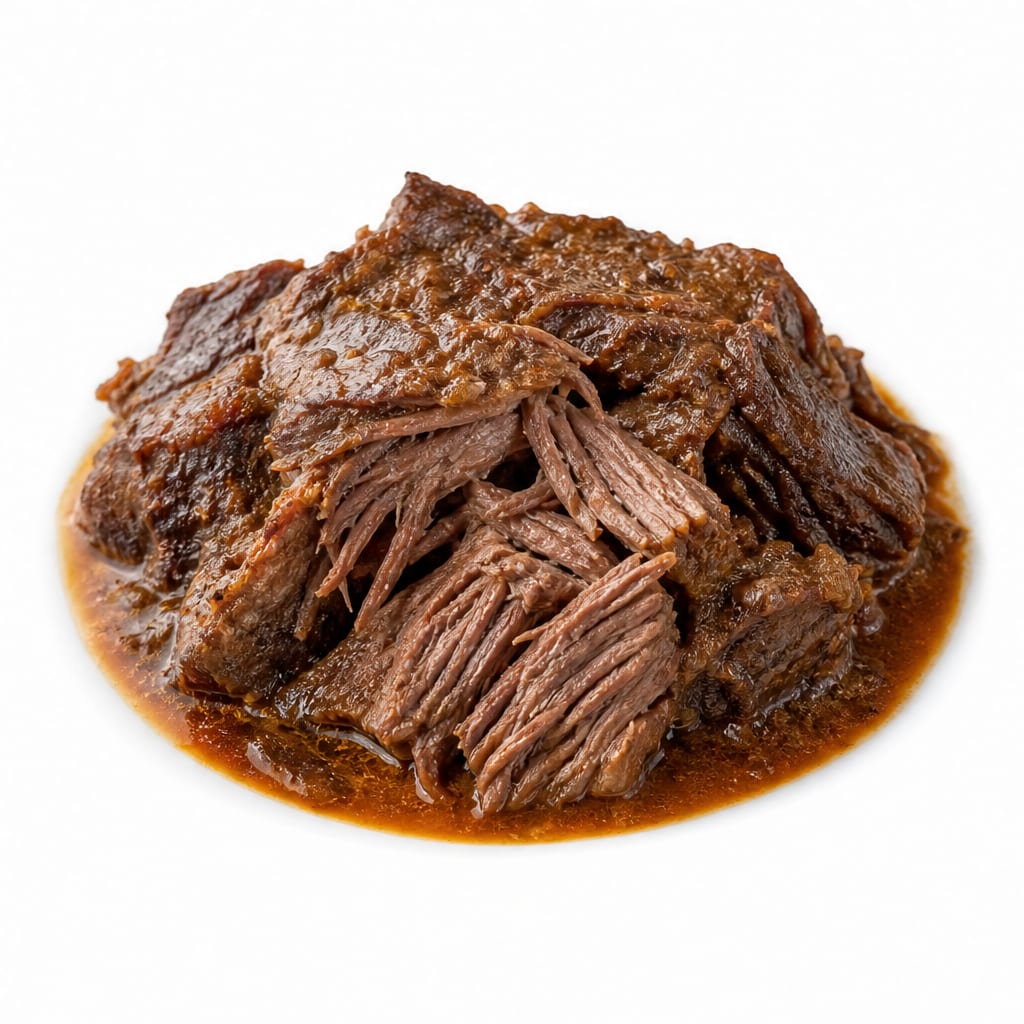
Compare with
Pot Roast
Pot roast is lower in carbohydrates due to fewer vegetables, while Boeuf Bourguignon offers a more diverse micronutrient profile from its vegetable and wine base.
Pot roast provides more protein per bite, while Boeuf Bourguignon offers more micronutrients from vegetables and wine.
This food
Boeuf Bourguignon
VS70% alike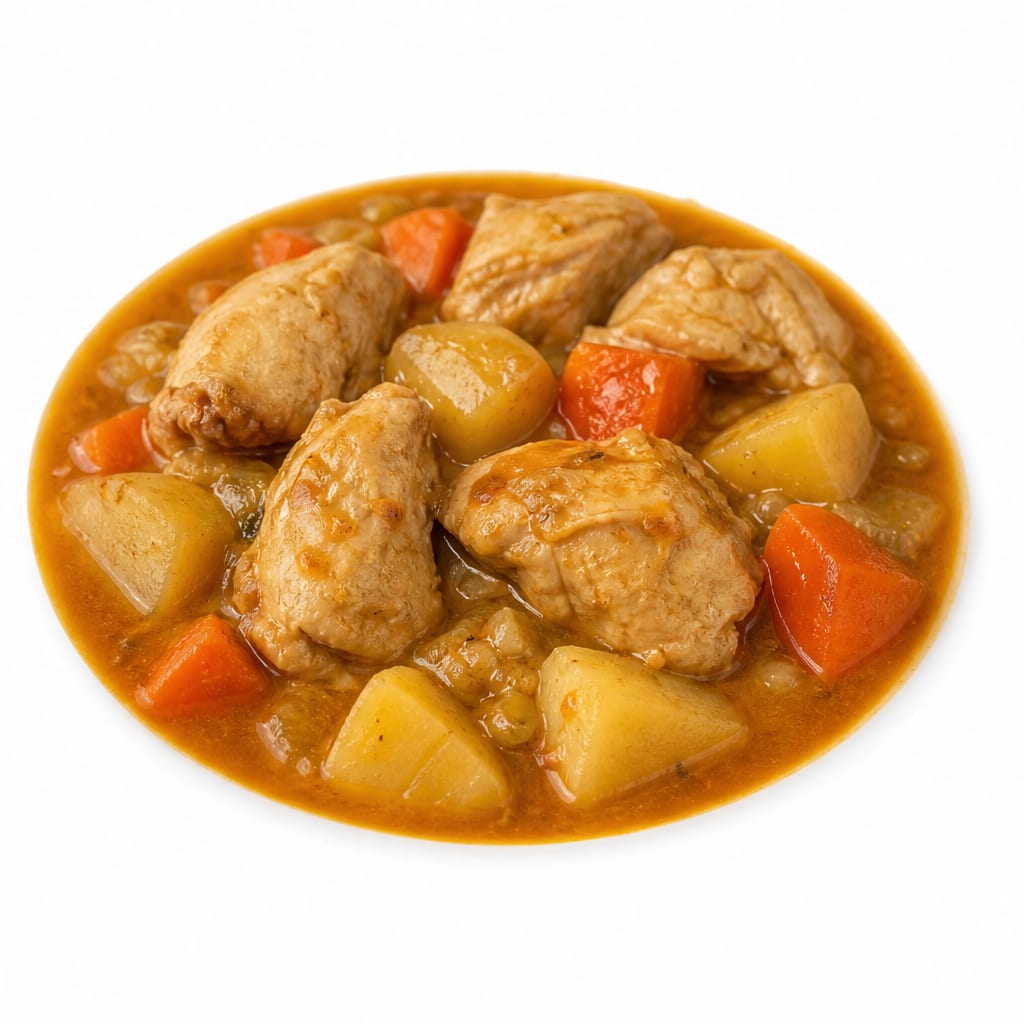
Compare with
Chicken Stew
Chicken stew is a leaner option with less saturated fat, making it better for heart health, while Boeuf Bourguignon provides significantly more iron.
Chicken stew is lower in calories and fat, while Boeuf Bourguignon is richer in iron and provides heavier satiety.
This food
Boeuf Bourguignon
VS75% alike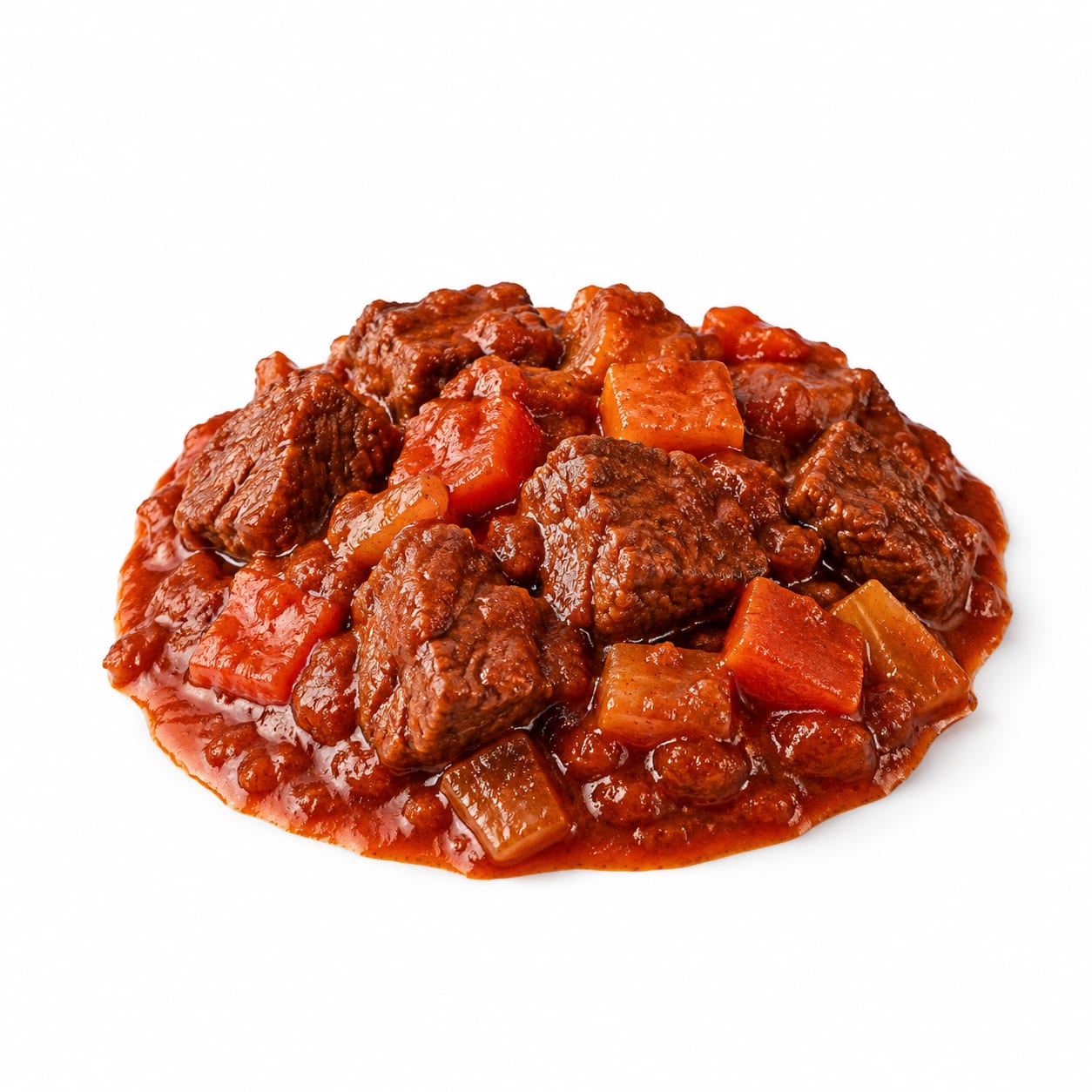
Compare with
Goulash
Goulash typically contains more carbohydrates from potatoes or noodles, whereas Boeuf Bourguignon is lower in carbs and higher in fat.
Boeuf Bourguignon is lower in carbs than goulash, making it better for blood sugar control, while goulash offers quicker energy.
This food
Boeuf Bourguignon
VS65% alike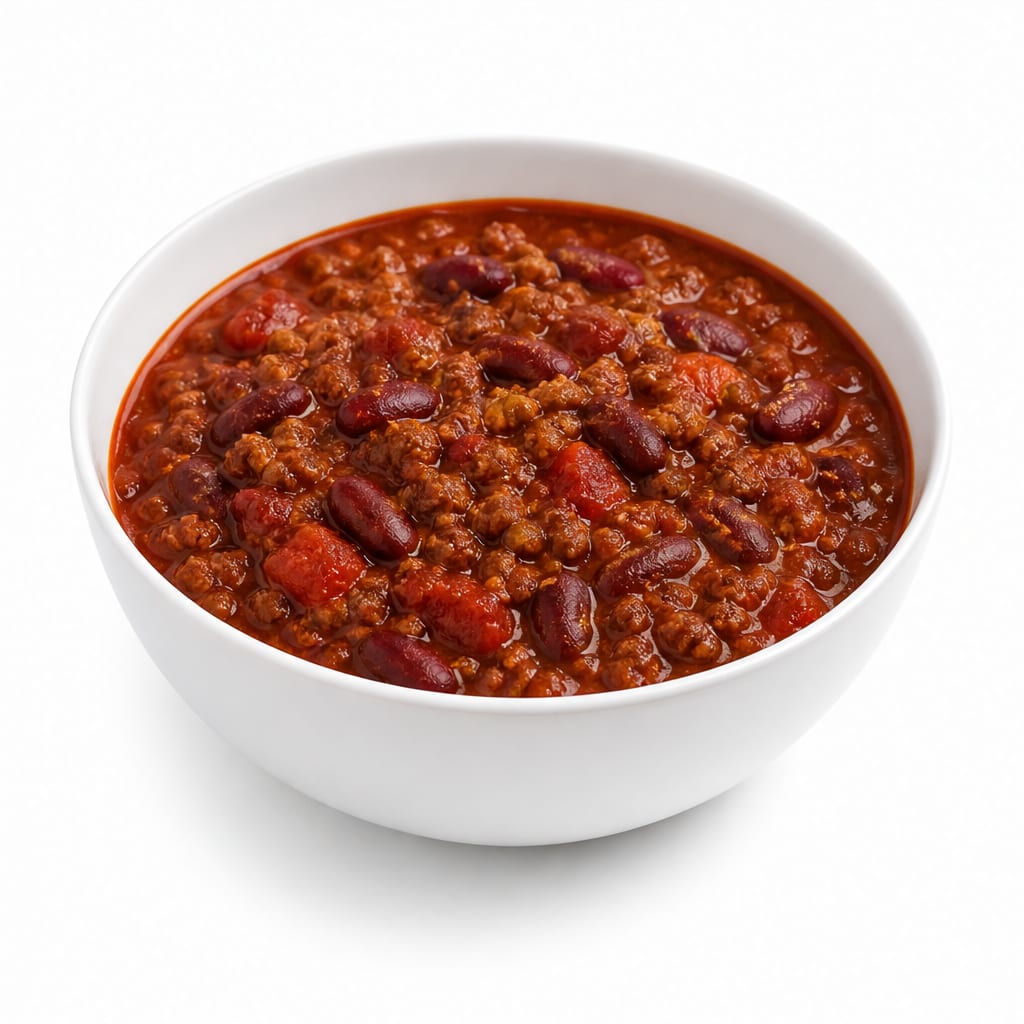
Compare with
Chili Con Carne
Chili provides more fiber from beans, supporting gut health, while Boeuf Bourguignon is lower in carbohydrates and higher in saturated fat.
Chili offers more fiber for gut health, while Boeuf Bourguignon provides a lower-carb, higher-fat profile.
This food
Boeuf Bourguignon
VS90% alike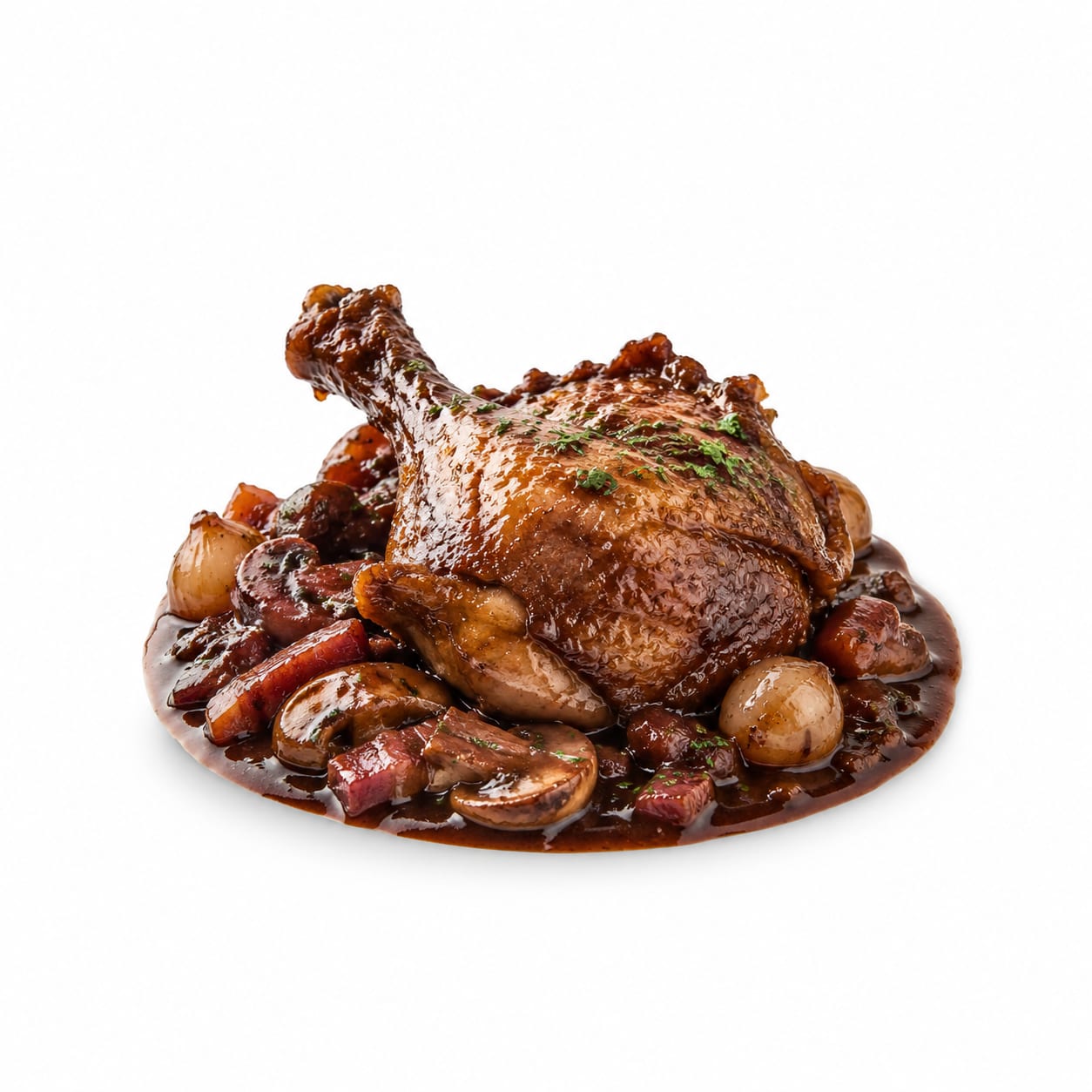
Compare with
Coq Au Vin
Coq Au Vin delivers the same rich wine-braised flavor profile with less saturated fat and fewer calories than the beef version.
Coq Au Vin is leaner and lower in calories than Boeuf Bourguignon, making it better for weight loss, while beef provides more iron.
This food
Boeuf Bourguignon
VS60% alike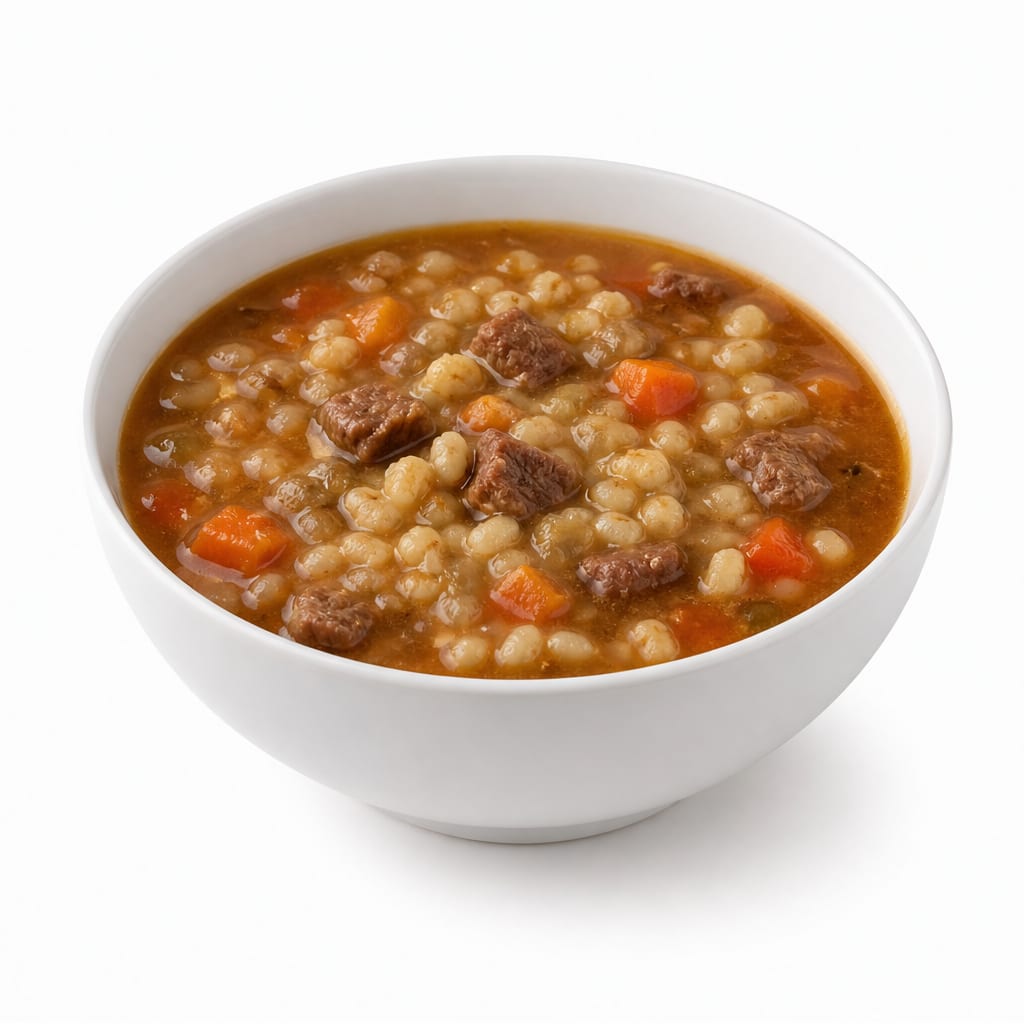
Compare with
Beef Barley Soup
Beef barley soup is higher in carbohydrates and fiber from barley, offering a lighter calorie density compared to the rich, low-carb Boeuf Bourguignon.
Beef barley soup is lighter and higher in fiber, while Boeuf Bourguignon is richer, lower in carbs, and more satiating.
This food
Boeuf Bourguignon
VS70% alike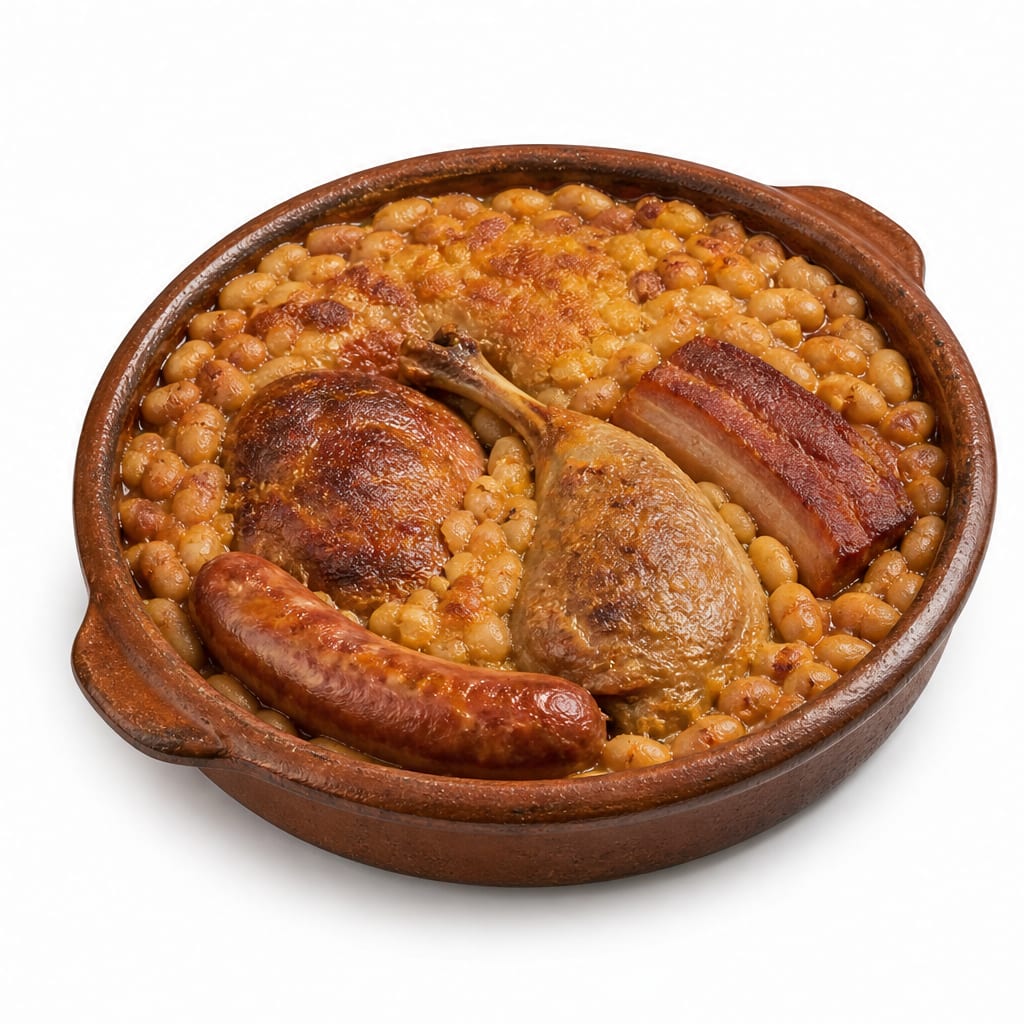
Compare with
Cassoulet
Cassoulet is a heavier dish with beans and sausage, offering more fiber but significantly more calories and saturated fat than Boeuf Bourguignon.
Cassoulet is heavier and higher in fiber and calories, while Boeuf Bourguignon is slightly lighter and better for blood sugar.
This food
Boeuf Bourguignon
VS80% alike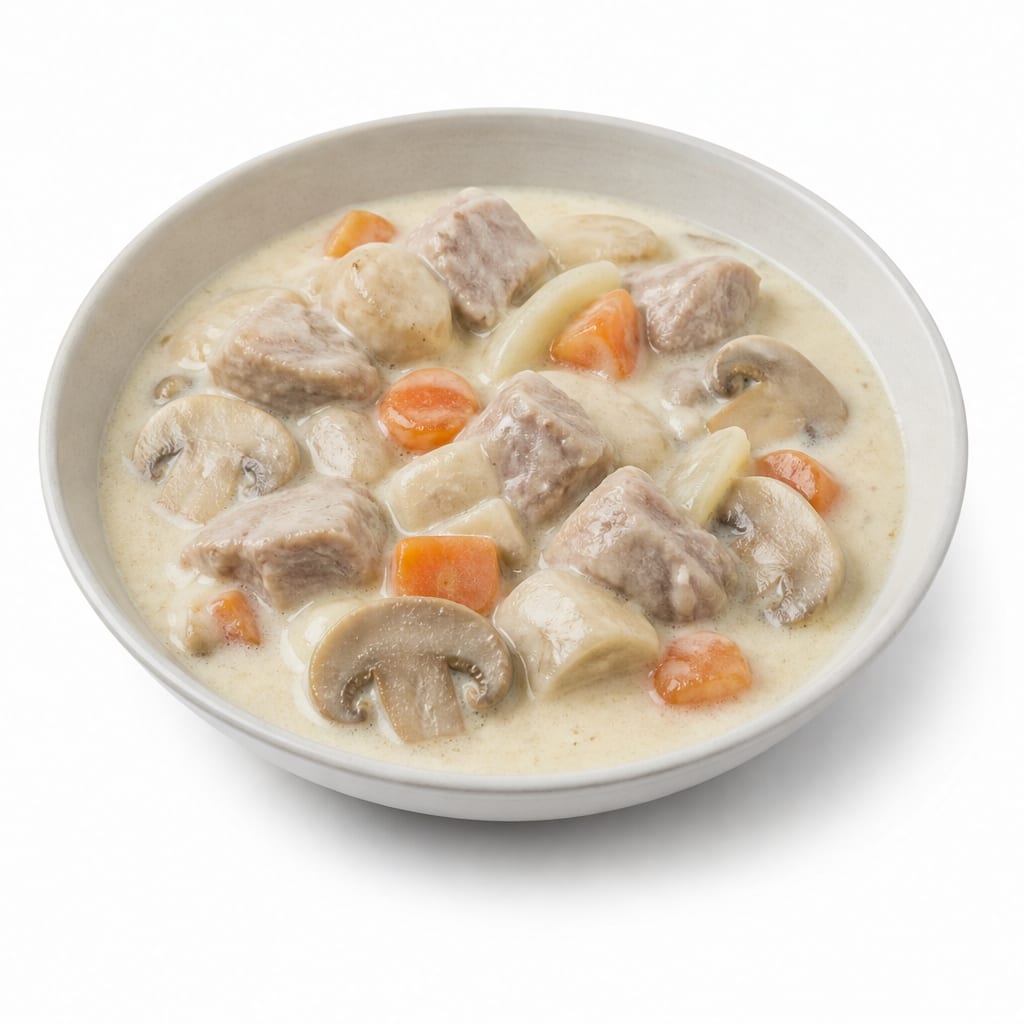
Compare with
Veal Blanquette
Veal Blanquette uses a cream-based sauce that increases saturated fat from dairy, whereas Boeuf Bourguignon relies on wine and bacon fat.
Boeuf Bourguignon avoids the heavy cream used in Veal Blanquette, making it slightly lower in saturated dairy fat.
This food
Boeuf Bourguignon
VS50% alike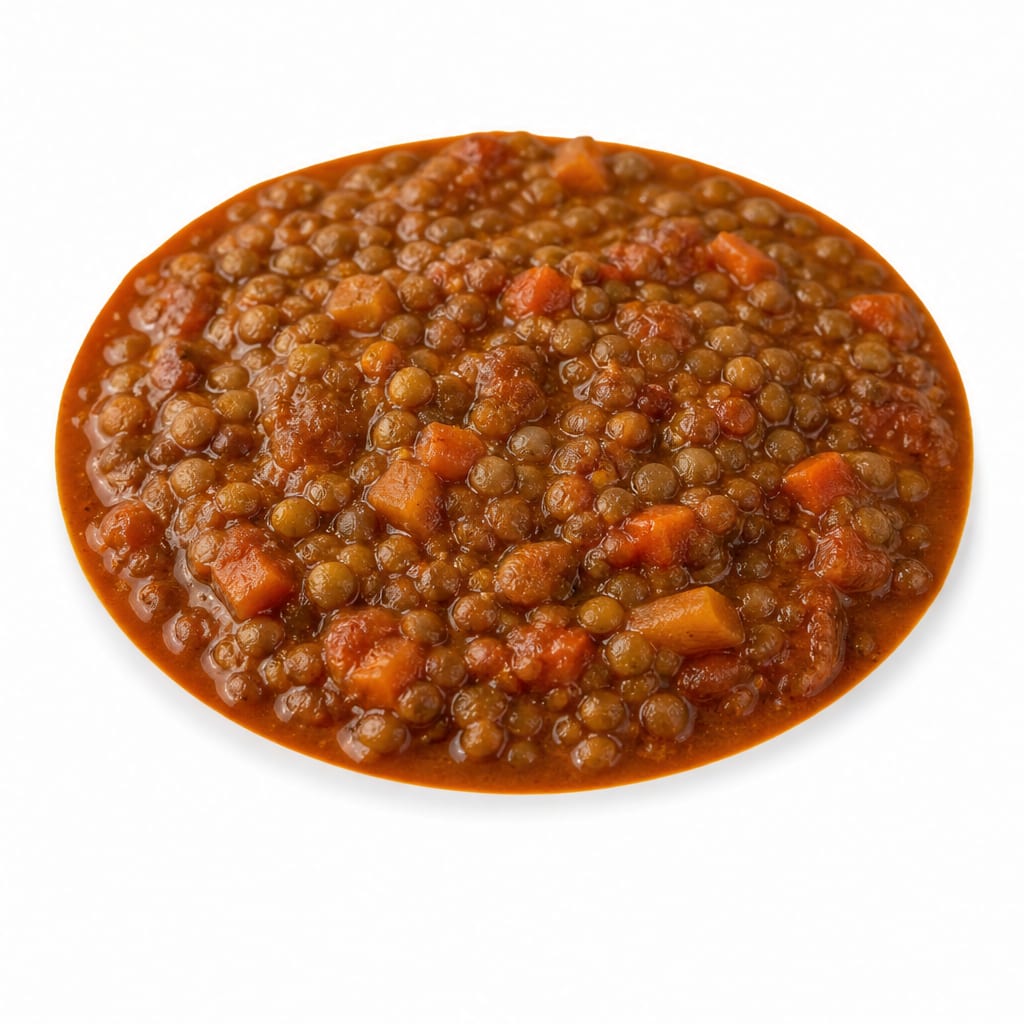
Compare with
Lentil Stew
Lentil stew provides high fiber and minimal saturated fat for heart health, while Boeuf Bourguignon delivers superior protein quality and heme iron.
Lentil stew is much lower in fat and better for heart health, while Boeuf Bourguignon provides complete proteins and high iron.
Common questions
FAQ
Answers aligned with how people search for this food.
Is Boeuf Bourguignon good for weight loss?
It can be challenging for weight loss due to its moderate calorie density and fat content from beef and bacon, but its high protein provides strong satiety which helps control overall intake.
Can diabetics eat Boeuf Bourguignon?
Yes, the dish is very low in carbohydrates and has a minimal impact on blood sugar, making it a suitable option for diabetic meals when served without high-carb sides.
How many calories are in a cup of beef bourguignon?
A typical one-cup serving (about 250g) contains approximately 337 calories, though this varies based on the ratio of beef to sauce and the leanness of the meat.
Is Boeuf Bourguignon keto friendly?
Yes, traditional Boeuf Bourguignon is keto-friendly as it is high in fat and protein while being very low in net carbohydrates, provided it is not thickened with flour.
What is the healthiest way to thicken beef bourguignon?
Instead of refined flour, use a small amount of arrowroot powder, xanthan gum, or simply reduce the wine and broth longer to concentrate the sauce naturally.
Does the alcohol cook out of beef bourguignon?
Most of the alcohol evaporates during the long braising process, but trace amounts may remain. The extended cooking time reduces alcohol content significantly compared to quick-cooking methods.
Is beef bourguignon high in cholesterol?
Yes, it contains a notable amount of cholesterol from the beef and bacon, which should be considered for those managing their dietary cholesterol intake.
Transparency
Data confidence
Estimated confidence for nutrition data, interpretation, safety notes, and comparisons.
Nutrition data
Health analysis
Food safety
Comparisons