
Nutrition comparison
Boeuf Bourguignon vs Veal Blanquette: Which French Stew Is Healthier?
Compare Boeuf Bourguignon and Veal Blanquette on iron, fat, digestion, and heart health. Find out which classic French braise fits your goals better.
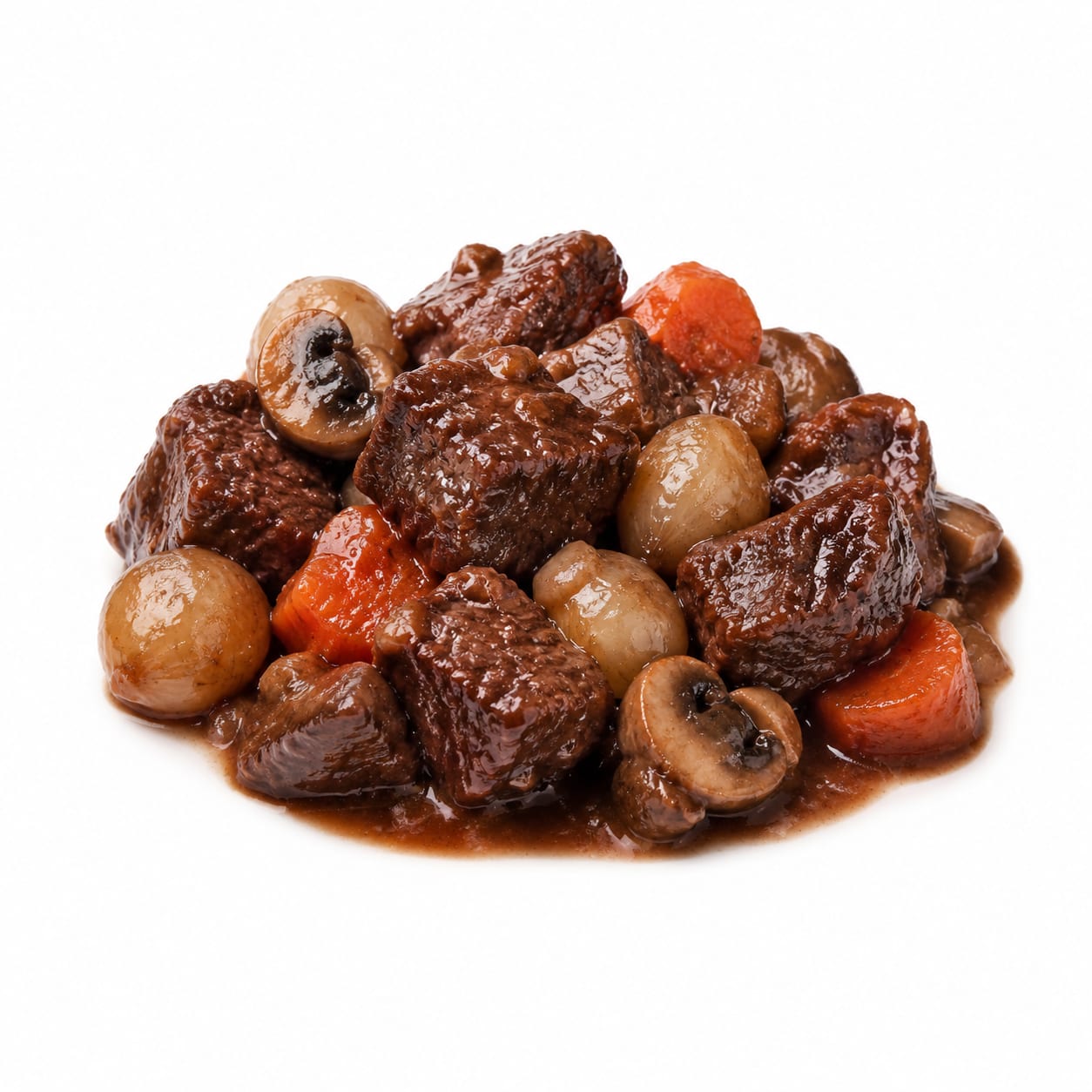
Boeuf Bourguignon
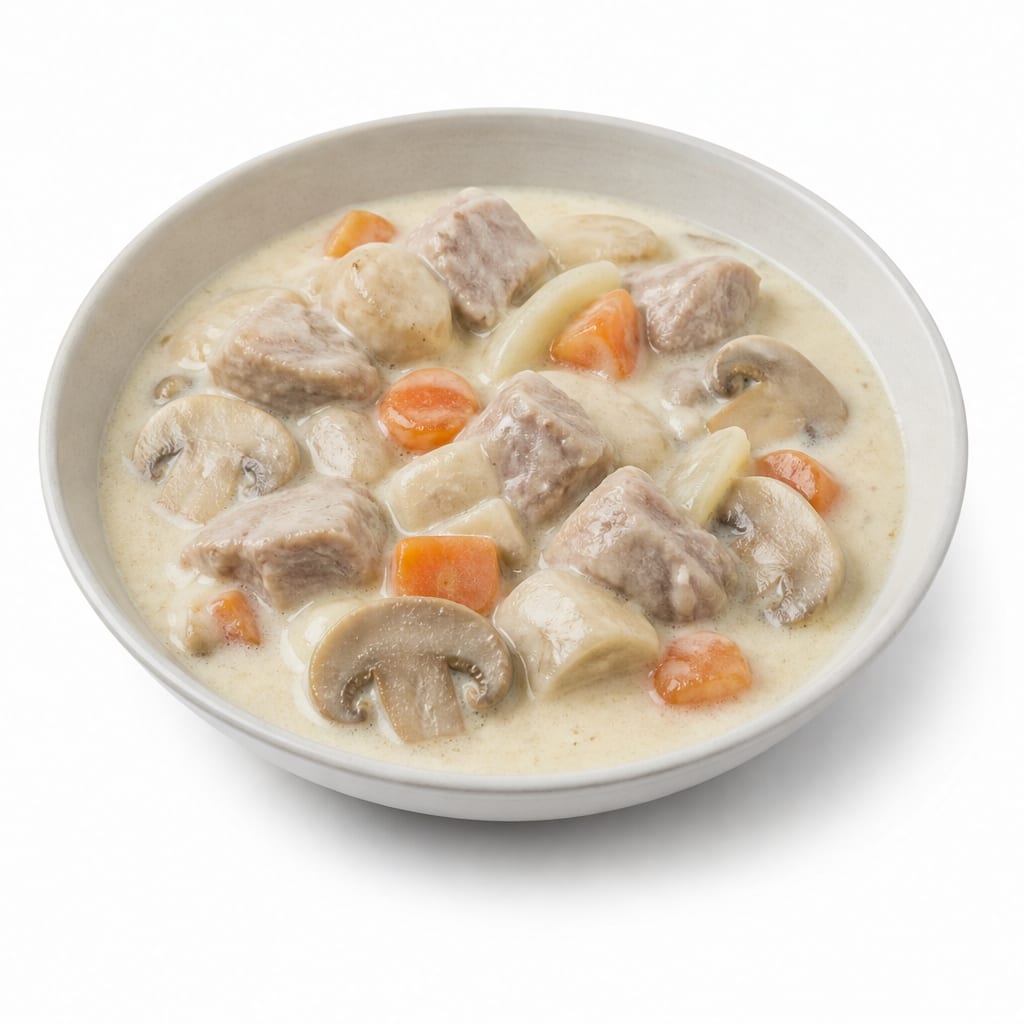
Veal Blanquette
Boeuf Bourguignon delivers more iron and deeper satiety, while Veal Blanquette offers gentler digestion and lighter protein — your pick depends on what your body needs most.
Veal Blanquette edges ahead thanks to lighter protein and easier digestion, but the margin is modest because its cream sauce adds saturated fat while Boeuf Bourguignon compensates with superior mineral density.
Iron-rich heaviness versus cream-laced lightness — neither is a health food, but each shines in a different context.
At a glance
Executive summary
Overall
It depends
Healthier
Veal Blanquette
More practical
Boeuf Bourguignon
Daily use
Veal Blanquette
Key comparison lenses
comfort food health tradeoff
Both are rich French braised dishes, so users want to know which indulgence is less costly health-wise
protein quality and iron density
Beef versus veal creates a meaningful difference in heme iron, zinc, and amino acid profile
digestive lightness
Blanquette's pale stock and cream sauce feels lighter than the wine-heavy red stew
saturated fat and heart health
Both dishes rely on animal fat and dairy, making cardiovascular impact a key concern
sodium load from braising liquids
Wine reduction and seasoned stock both concentrate salt significantly
Best choice for
Boeuf Bourguignon
- Athletes needing heme iron and zinc recovery
- People wanting long-lasting fullness from one meal
- Cold-weather comfort seekers craving deep savory warmth
- Anyone anemic or borderline iron-deficient
Veal Blanquette
- Older adults with weaker digestion
- People wanting a refined meal without heavy after-effects
- Those watching red meat frequency per week
- Anyone recovering from illness who needs gentle protein
Least suitable for
Boeuf Bourguignon
- People managing high cholesterol or heart disease risk
- Anyone sensitive to heavy evening meals
- Those limiting red meat to once per week or less
- People with acid reflux triggered by wine-based sauces
Veal Blanquette
- Anyone strictly avoiding dairy or cream
- People with lactose intolerance who react to cream sauces
- Those needing high iron intake from food
- Budget-conscious diners since veal is typically expensive
Deep comparison
Dimension by dimension
Each lens scores both foods and breaks down who each option suits.
- Dimension 1 · Priority 92Boeuf Bourguignon
iron and mineral density
Boeuf Bourguignon · 85Veal Blanquette · 55Boeuf Bourguignon provides substantially more heme iron and zinc per serving than Veal Blanquette.
Tradeoff
You gain mineral density with the beef stew but absorb more saturated fat in the process.
Why it matters
Heme iron from beef is far more bioavailable than plant sources, making this dish genuinely useful for anyone fighting fatigue from low iron.
Real-world impact
If you feel drained and cold often, a serving of Boeuf Bourguignon once a week can meaningfully move your iron numbers. Veal Blanquette cannot do the same.
Boeuf Bourguignon
- Women with heavy periods needing iron replenishment
- Endurance athletes depleting minerals through sweat
- Anyone diagnosed with iron-deficiency anemia
Better for
- People with hemochromatosis who must limit iron
Worse for
Veal Blanquette
- Anyone relying on this meal as an iron source
Worse for
- Dimension 2 · Priority 88Veal Blanquette
digestive comfort
Boeuf Bourguignon · 50Veal Blanquette · 78Veal Blanquette is significantly easier on the stomach thanks to its pale unthickened broth and more tender veal fibers.
Tradeoff
The cream adds richness that can slightly offset the lightness, but overall the dish sits much gentler than a wine-braised beef stew.
Why it matters
After a heavy braised meal, digestive discomfort can ruin your evening and disrupt sleep quality.
Real-world impact
Eat Veal Blanquette for dinner and you will likely feel satisfied but not stuffed. Boeuf Bourguignon can leave you feeling like you swallowed a warm brick — comforting in winter, but not before bed.
Boeuf Bourguignon
- Prone to bloating after rich meals
- Acid reflux sufferers
Worse for
Veal Blanquette
- People with sensitive stomachs or IBS
- Older adults with slower digestion
- Anyone eating late in the evening
Better for
- Dimension 3 · Priority 85It depends
saturated fat and heart health
Boeuf Bourguignon · 42Veal Blanquette · 48Both dishes are saturated fat heavyweights, but the sources differ — beef tallow versus cream and butter.
Tradeoff
Boeuf Bourguignon loads saturated fat from the beef itself, while Veal Blanquette adds it through the cream sauce. Neither wins cleanly.
Why it matters
Frequent saturated fat intake from either dish raises LDL cholesterol over time, especially when portions are generous.
Real-world impact
Eating either dish weekly is fine for most people. Eating either twice a week starts to crowd out heart-friendlier protein choices.
Boeuf Bourguignon
- Those who skip dessert and keep portions moderate
Better for
- Anyone already over their weekly red meat limit
Worse for
Veal Blanquette
- People whose overall dairy fat intake is otherwise low
Better for
- People already consuming lots of cheese and butter daily
Worse for
- Dimension 4 · Priority 82Boeuf Bourguignon
protein quality and satiety
Boeuf Bourguignon · 80Veal Blanquette · 72Boeuf Bourguignon delivers more total protein and keeps you full longer due to the denser beef and higher collagen content.
Tradeoff
The heavier satiety comes with a heavier feeling overall — fullness versus lightness is the real choice here.
Why it matters
A meal that keeps you full for 5 hours prevents snacking, but a meal that sits too heavy can kill your afternoon energy.
Real-world impact
After Boeuf Bourguignon at lunch, you will not be hungry again until evening. After Veal Blanquette, you might want a small snack in a few hours.
Boeuf Bourguignon
- Manual laborers needing sustained energy
- Anyone doing one-meal-afternoon schedules
- People trying to reduce between-meal snacking
Better for
- People who need mental sharpness after lunch
Worse for
Veal Blanquette
- Office workers who cannot afford a food coma at 2pm
- Anyone preferring to eat smaller meals more frequently
Better for
- Those who get irritable when meals do not hold them
Worse for
- Dimension 5 · Priority 75It depends
sodium and blood pressure impact
Boeuf Bourguignon · 40Veal Blanquette · 45Both dishes concentrate salt through long braising and seasoned stocks, but Boeuf Bourguignon's wine reduction can push sodium slightly higher.
Tradeoff
Restaurant versions of either dish can easily exceed 1000mg sodium per serving — homemade gives you more control.
Why it matters
If you have blood pressure concerns, neither dish is your friend without careful portioning.
Real-world impact
One restaurant serving of either dish can deliver half your daily sodium budget. At home, you can cut salt by 40% without losing much flavor.
Boeuf Bourguignon
- Hypertensive diners eating at restaurants
Worse for
Veal Blanquette
- Home cooks willing to use low-sodium stock
Better for
- Dimension 6 · Priority 70It depends
emotional satisfaction and comfort
Boeuf Bourguignon · 88Veal Blanquette · 82Boeuf Bourguignon delivers deep winter-level comfort, while Veal Blanquette offers elegant soothing warmth — different emotional profiles.
Tradeoff
Rustic heartiness versus refined comfort — one hugs you like a blanket, the other reassures you like a calm conversation.
Why it matters
Emotional eating is not inherently bad — choosing the right comfort food for your mood prevents bingeing on worse options later.
Real-world impact
After a brutal day, Boeuf Bourguignon feels like a reward. After a stressful but refined event, Veal Blanquette feels like decompression without excess.
Boeuf Bourguignon
- Snowy evenings and Sunday family dinners
- Post-hiking or cold-weather recovery meals
Better for
- Hot summer evenings
Worse for
Veal Blanquette
- Spring dinners when you want comfort without heaviness
- Date nights where you want to feel good without feeling stuffed
Better for
- When you need maximum emotional indulgence
Worse for
Timeline
Health impact over time
Short-term
Hours to days
Boeuf Bourguignon
- Strong satiety lasting 4-6 hours after eating
- Possible sluggishness or food coma due to high fat and protein load
- Wine-based sauce may trigger heartburn in sensitive individuals
- Warming body sensation from the rich fat content
Veal Blanquette
- Moderate satiety lasting 3-4 hours
- Gentler post-meal energy with less crash risk
- Cream sauce may cause mild bloating in lactose-sensitive people
- Comforting warmth without the heavy anchor feeling
Long-term
Months to years
Boeuf Bourguignon
- Weekly consumption may raise LDL cholesterol due to beef saturated fat
- Consistent heme iron intake supports prevention of anemia
- High sodium from regular restaurant portions can affect blood pressure over time
- Collagen from long-braised connective tissue may support joint health modestly
Veal Blanquette
- More frequent veal consumption keeps red meat intake lower than beef
- Cream-based sauce contributes to daily saturated fat load if eaten often
- Lower iron intake means less concern for iron overload but more risk of deficiency
- Gentler protein load is easier on kidneys long-term for those with mild concerns
Risk profile
Safety & processing
Both dishes are traditional slow-cooked recipes made from whole ingredients — beef or veal, vegetables, wine or stock, herbs. Neither relies on ultra-processed components when prepared classically. The main concern is restaurant versions using commercial stock concentrates with hidden sodium and preservatives.
Boeuf Bourguignon
Inadequate slow-cooking temperature
mediumIf the braise drops below safe temperatures during long cooking, bacterial growth is possible. Maintaining a gentle simmer throughout eliminates this risk.
Alcohol retention in wine sauce
lowLong braising evaporates most alcohol, but trace amounts remain. Negligible for most adults but worth noting for those avoiding all alcohol.
Veal Blanquette
Undercooked veal in center
mediumVeal should reach safe internal temperature. Blanquette's gentle poaching method usually achieves this, but thick cuts need verification.
Cream sauce spoilage at room temperature
highThe cream-based sauce is highly perishable. Left at room temperature for over 2 hours, it becomes a foodborne illness risk. Refrigerate promptly.
Raw egg yolk in liaison
mediumTraditional Blanquette uses egg yolks to thicken the sauce. If not tempered properly, there is a slight salmonella risk from undercooked eggs.
Who wins for whom
Audience fit
Same foods, different winners depending on your goal.
children
Veal BlanquetteVeal is more tender and easier for kids to chew, the milder flavor is less intimidating, and the cream sauce is familiar and comforting to most children.
daily consumption
Veal BlanquetteNeither should be eaten daily, but Veal Blanquette's lighter profile makes it less harmful if consumed more frequently than the heavier beef alternative.
diabetes
Veal BlanquetteBoth are low in carbohydrates, but Veal Blanquette's lighter fat load creates less insulin resistance risk over time compared to the heavier beef fat content.
elderly
Veal BlanquetteSofter veal texture, gentler digestion, and lighter overall load make Blanquette more appropriate for aging digestive systems and smaller appetites.
muscle gain
Boeuf BourguignonBoeuf Bourguignon provides more total protein, more iron for oxygen transport to muscles, and more zinc for recovery — all critical for building lean mass.
weight loss
Veal BlanquetteVeal Blanquette is slightly lower in calories per serving and less likely to trigger overeating because it does not create the same heavy-reward loop as the richer beef stew.
Your move
Decision guide
Choose Boeuf Bourguignon
- You are iron-deficient or borderline anemic
- It is cold outside and you want a meal that truly sticks to your ribs
- You are doing physical labor and need sustained energy for hours
- You are limiting red meat to once weekly and want maximum nutritional return
- You crave deep, complex, wine-forward flavor above all else
Choose Veal Blanquette
- You want comfort food without the heavy aftermath
- You are cooking for older relatives or anyone with delicate digestion
- You have already eaten red meat twice this week
- You are serving a spring or summer dinner where lightness matters
- You prefer elegant subtlety over rustic intensity
Either works if
- You are serving a traditional French dinner and both fit the occasion
- You are comfortable managing saturated fat through the rest of your week
- You are eating at a quality restaurant where both are properly executed
Avoid both if
- You are on a strict low-sodium diet and cannot control the preparation
- You have severe hypercholesterolemia and must minimize saturated fat strictly
- You are vegan or avoiding all animal products
- You have gout and must limit purine-rich braised meats
Final recommendation
Let the season and your body decide. Choose Boeuf Bourguignon when you need iron, warmth, and staying power — it earns its heaviness through genuine mineral nutrition. Choose Veal Blanquette when you want the comfort of French cooking without paying for it all evening. Neither is a weekly staple for most people, but both are far better choices than ultra-processed convenience food when you want a real meal that nourishes more than it harms.
Practical
Consumer tips
- 1
Make either dish at home to control sodium — use low-sodium stock and reduce added salt by half
- 2
Serve with a large green salad or roasted vegetables to add fiber and cut the richness
- 3
Skip bread for dipping if watching calories — the sauce is the most calorie-dense part of both dishes
- 4
If making Boeuf Bourguignon, trim visible beef fat before browning to reduce saturated fat by roughly 20%
- 5
For Veal Blanquette, use crème fraîche instead of heavy cream for a lighter sauce with similar texture
- 6
Refrigerate Veal Blanquette leftovers within 90 minutes — the cream sauce spoils faster than wine-based stews
- 7
Both dishes taste better the next day, so make a large batch and freeze portions for controlled servings later
- 8
Ask restaurants to serve sauce on the side so you can control how much you consume