
Nutrition comparison
Boeuf Bourguignon vs Pot Roast: Which Braised Beef Is Healthier?
Compare Boeuf Bourguignon and Pot Roast on nutrition, sodium, calories, antioxidants, and practicality. Find out which comfort food fits your health goals and lifestyle.
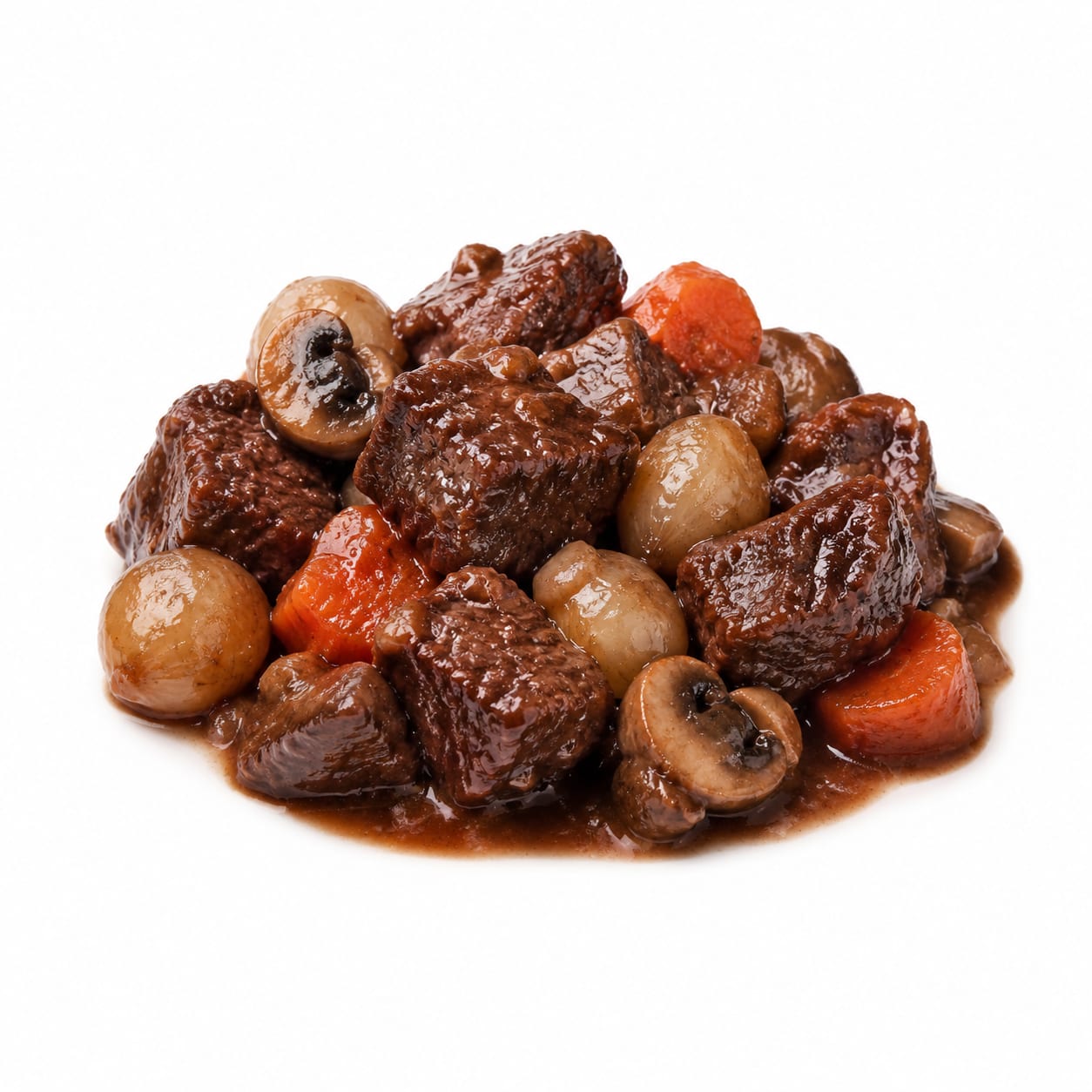
Boeuf Bourguignon
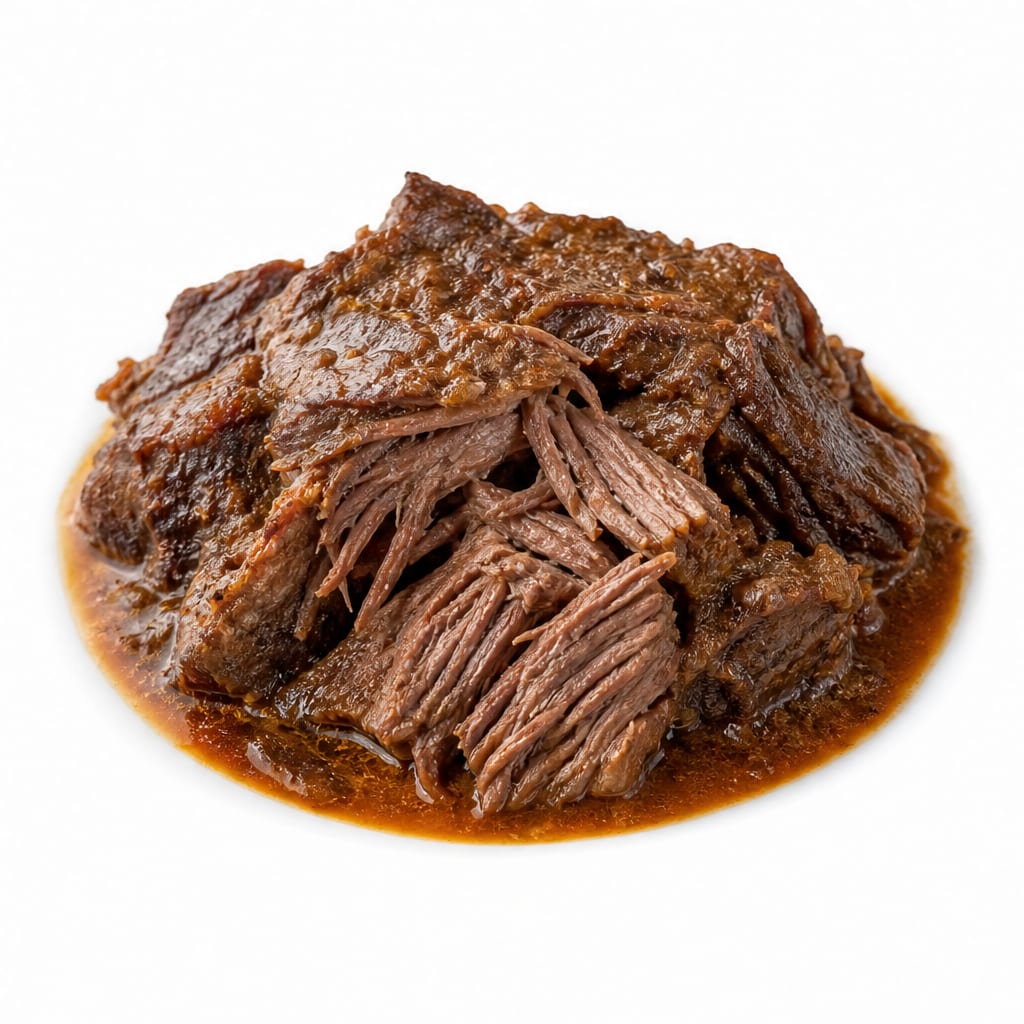
Pot Roast
Boeuf Bourguignon offers more antioxidants from red wine but carries more alcohol-derived calories and complexity. Pot roast is simpler, often lower in calories, but typically higher in sodium from broth.
Boeuf Bourguignon edges ahead slightly due to red wine polyphenols and a more nutrient-dense sauce, but pot roast counters with simpler ingredients and easier portion control. The close scores reflect that both are indulgent braised beef dishes with similar baseline nutrition.
Antioxidant richness and flavor complexity versus simpler preparation and potentially lower calorie count.
At a glance
Executive summary
Overall
It depends
Healthier
Boeuf Bourguignon
More practical
Pot Roast
Daily use
Pot Roast
Key comparison lenses
comfort food nutritional tradeoff
Both are slow-cooked beef comfort dishes, so users want to know which indulgence carries less health cost
sodium and heart health impact
Braised dishes often rely heavily on salt and broth, making sodium a critical differentiator
antioxidant and polyphenol benefit from wine
Red wine in Boeuf Bourguignon introduces resveratrol and flavonoids that pot roast lacks entirely
everyday practicality and meal prep suitability
Home cooks weigh which dish fits weekly rotation versus special occasions
calorie density and portion control
Rich sauces in both dishes make overeating easy, but they differ in calorie sources
Best choice for
Boeuf Bourguignon
- People seeking antioxidant-rich comfort food
- Special occasion meals where depth of flavor matters
- Those who enjoy cooking as an experience
- Diners wanting a more nutrient-diverse sauce
Pot Roast
- Busy households needing reliable weekly meal prep
- Anyone watching calorie intake more strictly
- Families wanting a kid-friendly comfort meal
- People who prefer straightforward ingredient lists
Least suitable for
Boeuf Bourguignon
- Anyone avoiding alcohol even in cooked form
- People on strict low-calorie diets
- Those who find complex flavors overwhelming
- Busy weeknights with limited prep time
Pot Roast
- People on strict sodium-restricted diets
- Diners seeking bold, complex flavor profiles
- Those wanting polyphenol benefits from wine
- Occasions calling for an impressive centerpiece dish
Deep comparison
Dimension by dimension
Each lens scores both foods and breaks down who each option suits.
- Dimension 1 · Priority 90Boeuf Bourguignon
Antioxidant & Polyphenol Content
Boeuf Bourguignon · 78Pot Roast · 35Red wine introduces resveratrol, quercetin, and anthocyanins that pot roast simply does not provide.
Tradeoff
You gain meaningful antioxidant diversity with Boeuf Bourguignon, but those compounds come alongside extra calories from wine reduction.
Why it matters
Polyphenols from red wine support vascular health and reduce oxidative stress over time, giving Boeuf Bourguignon a genuine functional edge.
Real-world impact
Occasional Boeuf Bourguignon meals contribute small but real antioxidant intake that pot roast cannot match.
Boeuf Bourguignon
- Long-term cardiovascular protection
- Anti-inflammatory dietary patterns
Better for
- Those sensitive to even trace alcohol compounds
Worse for
Pot Roast
- Simpler ingredient tracking for elimination diets
Better for
- Missing the polyphenol boost entirely
Worse for
- Dimension 2 · Priority 88Boeuf Bourguignon
Sodium Load
Boeuf Bourguignon · 55Pot Roast · 40Pot roast often relies on seasoned broth, bouillon, or onion soup mix, pushing sodium well above what wine-based braising requires.
Tradeoff
Boeuf Bourguignon gets depth from wine and herbs rather than salt, but restaurant versions can still be very salty.
Why it matters
High sodium from pot roast can push daily intake over 2000mg in a single serving, raising blood pressure concerns for susceptible people.
Real-world impact
A homemade pot roast with packaged seasoning can deliver 800-1200mg sodium per serving versus 400-700mg for a classic Boeuf Bourguignon.
Boeuf Bourguignon
- People managing hypertension
- Those trying to reduce processed salt intake
Better for
- Restaurant versions that over-salt the sauce
Worse for
Pot Roast
- Anyone who controls sodium by making broth from scratch
Better for
- Reliance on high-sodium flavor bases in most home recipes
Worse for
- Dimension 3 · Priority 82Pot Roast
Calorie Density & Portion Control
Boeuf Bourguignon · 42Pot Roast · 58Wine reduction and flour-thickened sauce make Boeuf Bourguignon more calorie-dense per bite than typical pot roast.
Tradeoff
Pot roast is easier to eat in controlled portions because the broth-based environment feels lighter, but both dishes are indulgent.
Why it matters
Calorie density drives overconsumption more than hunger. Richer sauces encourage eating past fullness.
Real-world impact
A cup of Boeuf Bourguignon can run 450-550 calories versus 350-420 for pot roast, a meaningful difference over repeated meals.
Boeuf Bourguignon
- Those who eat smaller portions of richer food mindfully
Better for
- Consistent weight management efforts
Worse for
Pot Roast
- People tracking calories closely
- Anyone prone to second helpings
Better for
- Meals where satisfying richness prevents later snacking
Worse for
- Dimension 4 · Priority 78It depends
Protein Quality & Satiety
Boeuf Bourguignon · 68Pot Roast · 70Both deliver excellent complete protein from braised beef, but pot roast often uses leaner cuts that provide slightly more protein per calorie.
Tradeoff
Boeuf Bourguignon sometimes uses fattier cuts for flavor, trading protein density for tenderness and taste.
Why it matters
Higher protein-per-calorie ratios support muscle maintenance and keep you full longer without excess energy intake.
Real-world impact
Pot roast with chuck or round delivers roughly 28-32g protein per serving versus 24-28g for Boeuf Bourguignon with similar portion sizes.
Boeuf Bourguignon
- Meals where collagen-rich cuts support joint health
Better for
- Lean protein prioritization
Worse for
Pot Roast
- Higher protein-per-calorie needs
- Post-workout recovery meals
Better for
- Diners wanting the gelatin benefits of longer wine-braised collagen
Worse for
- Dimension 5 · Priority 80Pot Roast
Practicality & Weekly Sustainability
Boeuf Bourguignon · 40Pot Roast · 78Pot roast is a dump-and-cook meal that works in a slow cooker with minimal attention. Boeuf Bourguignon demands stovetop browning, wine reduction, and careful layering.
Tradeoff
The extra effort for Boeuf Bourguignon produces extraordinary flavor but makes it unrealistic as a weekly staple for most households.
Why it matters
The best healthy meal is the one you actually cook. Complexity barriers lead to takeout instead.
Real-world impact
Pot roast can be prepped in 15 minutes and left alone for 6 hours. Boeuf Bourguignon requires 45-60 minutes of active cooking before the braise even begins.
Boeuf Bourguignon
- Weekend cooking as a rewarding experience
- Impressing guests with culinary depth
Better for
- Weeknight dinner after a long workday
Worse for
Pot Roast
- Busy parents needing reliable meal prep
- Anyone who cooks in bulk for the week
Better for
- Special occasions that call for something extraordinary
Worse for
- Dimension 6 · Priority 65Pot Roast
Digestive Tolerance
Boeuf Bourguignon · 50Pot Roast · 65Wine and tomato in Boeuf Bourguignon can irritate sensitive stomachs, while pot roast's milder broth is gentler.
Tradeoff
The acidity that gives Boeuf Bourguignon its depth is the same acidity that triggers reflux in prone individuals.
Why it matters
Acidic braising liquids affect GERD and sensitive digestion more than most people realize when choosing comfort food.
Real-world impact
People with acid reflux often report discomfort after Boeuf Bourguignon but tolerate pot roast without issues.
Boeuf Bourguignon
- Those with robust digestion who enjoy complex flavors
Better for
- Evening meals for reflux-prone diners
Worse for
Pot Roast
- GERD and acid reflux sufferers
- People with sensitive stomachs
Better for
- Situations where acidity helps tenderize tougher cuts
Worse for
Timeline
Health impact over time
Short-term
Hours to days
Boeuf Bourguignon
- Deep satisfaction from rich umami and wine flavors
- Potential mild drowsiness from heavy protein and wine compounds
- Possible acid reflux symptoms in sensitive individuals
Pot Roast
- Comforting and filling without overwhelming richness
- Steadier post-meal energy due to simpler sauce base
- Possible bloating if sodium is very high from broth
Long-term
Months to years
Boeuf Bourguignon
- Small but consistent antioxidant intake from red wine polyphenols
- Higher calorie density may contribute to gradual weight gain if eaten frequently
- Collagen from long-braised cuts supports joint and skin health
Pot Roast
- Excessive sodium intake if made with packaged seasonings regularly
- Simpler ingredient profile makes it easier to fit into controlled diets
- Lean protein supports muscle maintenance when cuts are trimmed
Risk profile
Safety & processing
Both are whole-food dishes at their core, but pot roast recipes frequently call for onion soup mix or bouillon cubes that introduce artificial flavors and preservatives. Boeuf Bourguignon traditionally relies on wine, herbs, and aromatics alone, making it the cleaner option ingredient-wise.
Boeuf Bourguignon
Alcohol residue in cooked dish
lowLong braising reduces most alcohol, but trace amounts remain. Concerning only for strict abstainers or those with alcohol sensitivity.
Histamine from wine and slow-cooked beef
mediumBoth red wine and aged or slow-cooked beef are high in histamine, potentially triggering symptoms in histamine-intolerant individuals.
Pot Roast
High sodium from broth bases
mediumCommercial bouillon and soup mixes can deliver excessive sodium, raising blood pressure risk with regular consumption.
Preservatives in seasoning packets
lowPackaged flavor bases often contain MSG, disodium inosinate, and caramel color, which are generally safe but unwanted by some consumers.
Who wins for whom
Audience fit
Same foods, different winners depending on your goal.
children
Pot RoastMilder flavor and no wine make pot roast far more kid-friendly and appropriate for young palates.
daily consumption
Pot RoastSimpler preparation, lower calorie density, and fewer ingredient concerns make pot roast more sustainable as a weekly meal.
diabetes
Boeuf BourguignonWine-based sauce has less added sugar than many pot roast recipes that use ketchup, brown sugar, or sweetened broth.
elderly
Pot RoastGentler on digestion, easier to prepare, and the tender texture is ideal for those with dental or digestive concerns.
muscle gain
Pot RoastSlightly higher protein-per-calorie ratio from leaner cuts supports muscle building more efficiently.
weight loss
Pot RoastLower calorie density and simpler portion control make pot roast easier to fit into a calorie deficit.
Your move
Decision guide
Choose Boeuf Bourguignon
- You want a special meal with genuine antioxidant benefits
- Flavor complexity and culinary experience matter more than convenience
- You are comfortable with trace alcohol in cooked food
- You enjoy cooking as a weekend ritual, not a chore
- Histamine is not a concern for you
Choose Pot Roast
- You need a reliable weeknight meal with minimal effort
- Calorie control or weight management is a current priority
- You are cooking for children or anyone avoiding alcohol
- Sodium is a concern but you make broth from scratch
- You want comfort food that fits into regular rotation without guilt
Either works if
- You are eating an occasional indulgent meal and both fit your budget
- Neither dish will be a regular part of your diet
- You are serving a crowd with diverse preferences and either works
Avoid both if
- You are on a strict low-sodium diet and cannot control recipe salt content
- You have severe gout and need to limit purine-rich beef dishes
- You are following a plant-forward or vegetarian diet
- You have histamine intolerance that reacts to slow-cooked meats
Final recommendation
Make Boeuf Bourguignon when the occasion calls for something memorable and you have time to enjoy cooking. Make pot roast when you need dependable comfort without the effort. Both are nourishing in moderation, but pot roast earns the weekly spot while Boeuf Bourguignon earns the celebration.
Practical
Consumer tips
- 1
Reduce sodium in pot roast by making your own broth instead of using bouillon cubes or soup mixes
- 2
Let Boeuf Bourguignon cool and skim the fat that solidifies on top for a lighter version without sacrificing flavor
- 3
Add extra root vegetables to either dish to increase fiber and reduce the meat-to-veggie ratio
- 4
Use a slow cooker for pot roast on busy days and save Boeuf Bourguignon for a stovetop weekend project
- 5
If histamine is a concern, choose pot roast with fresh beef and skip the wine entirely
- 6
Portion either dish over cauliflower mash instead of potatoes to lower the overall glycemic load of the meal