
Nutrition comparison
Boeuf Bourguignon vs Goulash: Which Beef Stew Is Healthier?
Compare Boeuf Bourguignon and Goulash on nutrition, fat, sodium, and anti-inflammatory benefits. Find out which comforting beef stew is better for your health goals.
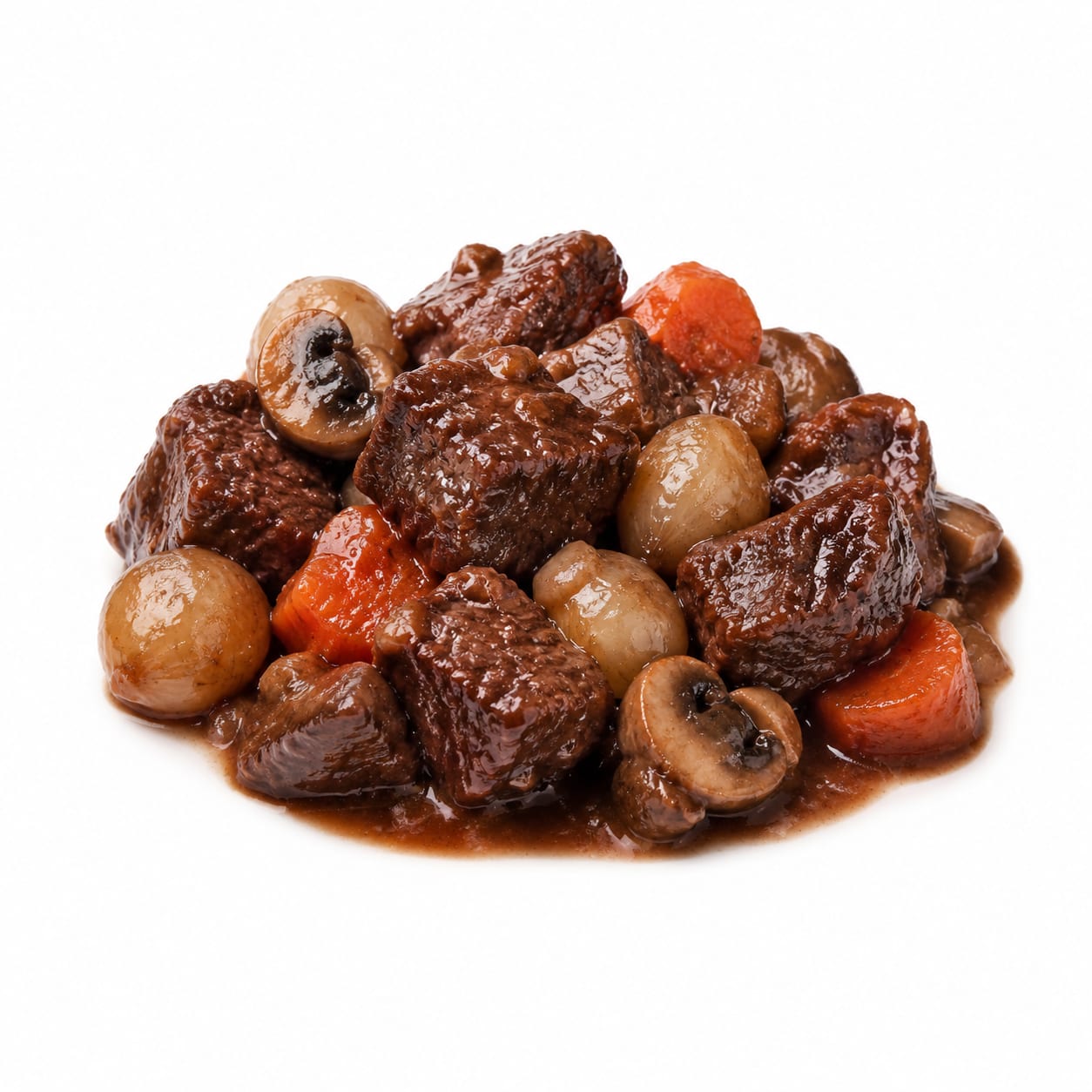
Boeuf Bourguignon
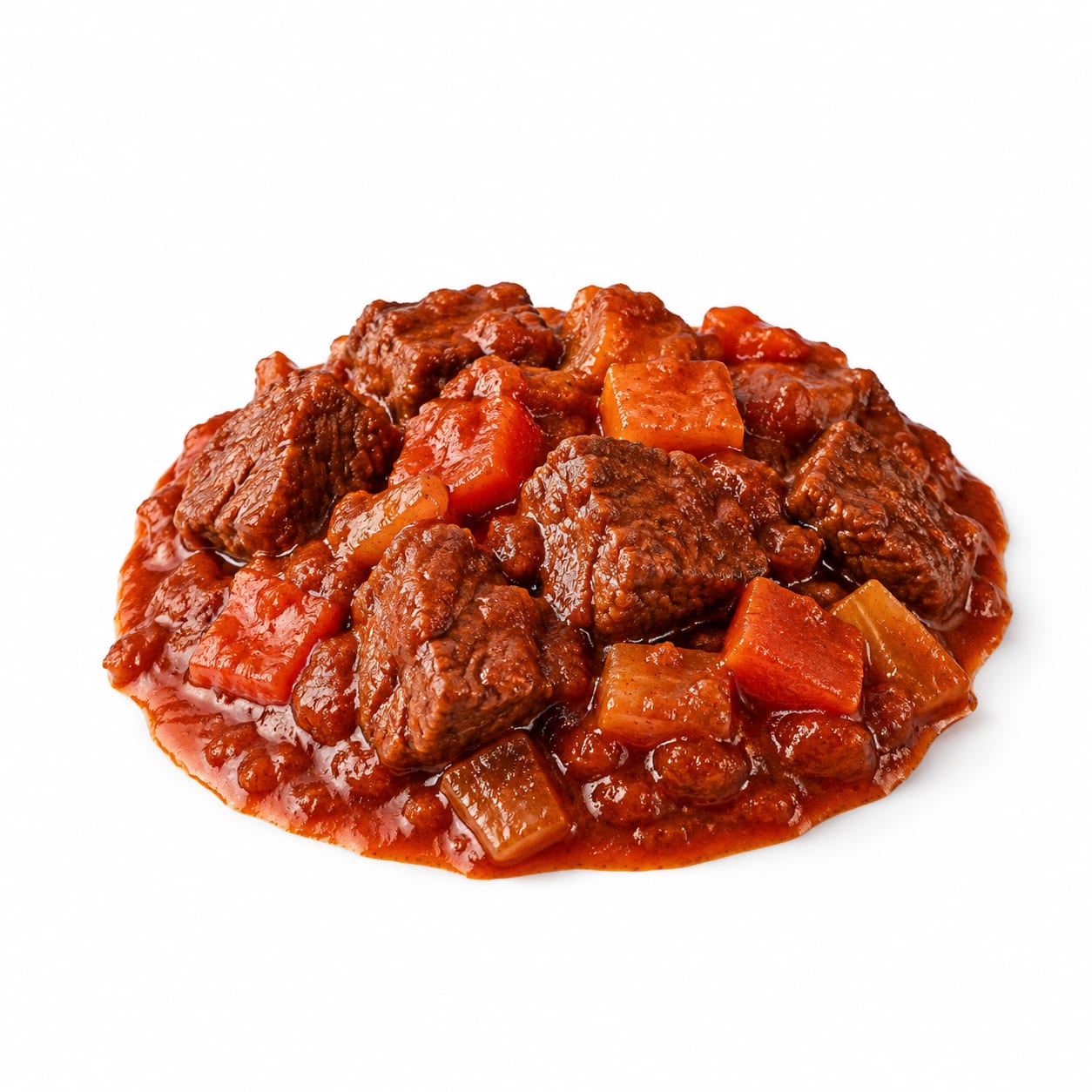
Goulash
Goulash edges ahead for everyday eating with less fat and anti-inflammatory paprika, while Boeuf Bourguignon offers richer polyphenols but carries more saturated fat from bacon and wine-braised richness.
Goulash scores moderately higher due to lower saturated fat, anti-inflammatory paprika, and easier weeknight practicality. Boeuf Bourguignon remains competitive through wine polyphenols and higher iron density but loses ground on fat content and everyday feasibility.
Goulash gives you lighter comfort with spice-driven antioxidants; Boeuf Bourguignon delivers deeper flavor complexity but at a higher caloric and saturated fat cost.
At a glance
Executive summary
Overall
It depends
Healthier
Goulash
More practical
Goulash
Daily use
Goulash
Key comparison lenses
comfort food health tradeoff
Both are hearty beef stews, so users want to know which comfort food carries less health baggage
sodium and heart health impact
Both dishes rely heavily on salt and savory bases, making cardiovascular risk a key concern
anti-inflammatory potential
Goulash's paprika delivers carotenoids while Boeuf Bourguignon offers wine polyphenols, creating a meaningful antioxidant comparison
calorie density and weight management
Both are rich, slow-cooked meals with fat from beef and added fats, so calorie awareness matters
everyday practicality
Home cooks want to know which stew fits more easily into weekly meal rotation
Best choice for
Boeuf Bourguignon
- Special occasion dinners where richness is the point
- Red wine enthusiasts wanting meal-wine synergy
- Cold-weather indulgence meals
- French cuisine purists
Goulash
- Weeknight comfort food without the heaviness
- Anti-inflammatory eating patterns
- Meal prep and batch cooking
- Budget-conscious households
Least suitable for
Boeuf Bourguignon
- Sodium-sensitive individuals
- Anyone monitoring saturated fat closely
- Weeknight cooking in a hurry
- Alcohol-avoidant diets even trace amounts
Goulash
- Those sensitive to nightshades or paprika
- Very low-sodium diets if using store-bought versions
- People avoiding carb-heavy sides like dumplings
Deep comparison
Dimension by dimension
Each lens scores both foods and breaks down who each option suits.
- Dimension 1 · Priority 93Goulash
saturated fat and heart health
Boeuf Bourguignon · 45Goulash · 62Boeuf Bourguignon typically includes bacon or lardons on top of beef, pushing saturated fat significantly higher than Goulash's leaner preparation.
Tradeoff
The bacon in Boeuf Bourguignon creates unmatched depth but adds saturated fat that Goulash avoids by relying on paprika for flavor instead of cured pork fat.
Why it matters
Regular high saturated fat intake raises LDL cholesterol over time, making this a meaningful daily-choice factor.
Real-world impact
A single serving of Boeuf Bourguignon can deliver 40-60% of your daily saturated fat limit, while Goulash typically stays under 30%.
Boeuf Bourguignon
- Those unconcerned about occasional saturated fat intake
- Active individuals burning more calories
Better for
- People with existing heart conditions
- Anyone on a cardiologist-recommended low-fat diet
Worse for
Goulash
- Anyone watching cholesterol numbers
- Heart-conscious eaters wanting stew without guilt
Better for
- Those who find lean stews unsatisfying and overeat later
Worse for
- Dimension 2 · Priority 88It depends
anti-inflammatory and antioxidant profile
Boeuf Bourguignon · 70Goulash · 72Boeuf Bourguignon brings red wine polyphenols like resveratrol; Goulash counters with paprika's carotenoids and capsaicin-related compounds. Both offer meaningful but different antioxidant pathways.
Tradeoff
Wine polyphenols support vascular health while paprika carotenoids support immune and joint function. Neither dominates outright.
Why it matters
Chronic low-grade inflammation drives aging and disease, so choosing foods with diverse anti-inflammatory compounds matters long-term.
Real-world impact
Eating Goulash regularly may help with joint stiffness, while Boeuf Bourguignon may offer more circulatory benefits from wine antioxidants.
Boeuf Bourguignon
- Those prioritizing cardiovascular antioxidant intake
- Red wine enthusiasts seeking dietary synergy
Better for
- Anyone avoiding even trace alcohol compounds
Worse for
Goulash
- People with joint or immune inflammation concerns
- Those who tolerate and enjoy spicy warming foods
Better for
- People with nightshade sensitivities or paprika intolerance
Worse for
- Dimension 3 · Priority 86Goulash
sodium load
Boeuf Bourguignon · 38Goulash · 50Both stews are salty, but Boeuf Bourguignon's bacon, stock, and wine reduction concentrate sodium more aggressively than Goulash's simpler seasoning base.
Tradeoff
Boeuf Bourguignon builds umami through salt-heavy cured pork and reduced stock; Goulash relies more on paprika and tomato for flavor, needing less salt overall.
Why it matters
High sodium meals cause bloating and raise blood pressure, especially impactful for the 1 in 3 adults with hypertension.
Real-world impact
A restaurant portion of Boeuf Bourguignon can exceed 1200mg sodium; homemade Goulash typically lands around 700-900mg with careful seasoning.
Boeuf Bourguignon
- Those who salt lightly when cooking at home
- Active people who sweat out sodium regularly
Better for
- Anyone with hypertension or kidney concerns
- People prone to post-meal bloating
Worse for
Goulash
- Sodium-sensitive individuals
- Home cooks who can easily control salt in simpler recipes
Better for
- Those who add excessive salt to compensate for perceived blandness
Worse for
- Dimension 4 · Priority 82Boeuf Bourguignon
satiety and fullness
Boeuf Bourguignon · 88Goulash · 78Boeuf Bourguignon's higher fat content from beef and bacon creates longer-lasting fullness, while Goulash's lighter profile may leave you hungry sooner.
Tradeoff
The richness that keeps you full also packs more calories. Goulash fills you up adequately with less caloric cost.
Why it matters
Meals that sustain satiety reduce snacking and overeating later, but only if the calorie cost stays reasonable.
Real-world impact
After Boeuf Bourguignon, you are less likely to crave a late-night snack. After Goulash, you might want bread or a side to round out the meal.
Boeuf Bourguignon
- People who eat one large meal and want it to last
- Those trying to reduce between-meal snacking
Better for
- People who feel sluggish after heavy meals
- Anyone prone to post-meal food coma
Worse for
Goulash
- Smaller appetite individuals who feel uncomfortably stuffed by heavy meals
- Anyone preferring lighter dinners before bed
Better for
- Very active people needing sustained energy over many hours
Worse for
- Dimension 5 · Priority 79Goulash
practicality and weeknight feasibility
Boeuf Bourguignon · 40Goulash · 70Goulash has a shorter ingredient list, simpler technique, and adapts easily to weeknight schedules. Boeuf Bourguignon demands more steps, more ingredients, and longer braising with wine reduction.
Tradeoff
Boeuf Bourguignon rewards patience with layered complexity; Goulash delivers 80% of the comfort with half the effort.
Why it matters
The best healthy meal is the one you actually cook. Complexity barriers lead to takeout orders instead.
Real-world impact
Goulash can go from cutting board to table in under 2 hours; Boeuf Bourguignon realistically needs 3-4 hours for proper results.
Boeuf Bourguignon
- Weekend cooking projects and dinner parties
- Home cooks who enjoy slow cooking as a hobby
Better for
- Anyone with under 3 hours to cook
- Beginner cooks intimidated by multi-step recipes
Worse for
Goulash
- Busy parents needing a reliable weeknight stew
- Meal preppers who want leftovers that reheat well
Better for
- Culinary traditionalists who find simplified versions unsatisfying
Worse for
- Dimension 6 · Priority 74Goulash
digestive comfort
Boeuf Bourguignon · 55Goulash · 68Goulash's paprika can be gentler on digestion than Boeuf Bourguignon's wine and bacon combination, which triggers more acid reflux in sensitive individuals.
Tradeoff
Wine reduction and fatty bacon make Boeuf Bourguignon a common heartburn trigger, while Goulash's simpler spice base is usually better tolerated.
Why it matters
Post-meal digestive discomfort affects sleep quality and next-day energy, an underappreciated health factor.
Real-world impact
If you get heartburn from rich restaurant meals, Boeuf Bourguignon is a likely culprit. Goulash is the safer bet for a comfortable evening.
Boeuf Bourguignon
- Those with iron stomachs and no reflux history
- People who eat early dinners allowing digestion time
Better for
- People prone to nighttime heartburn
- Those with sensitive stomachs after rich meals
Worse for
Goulash
- Acid reflux or GERD sufferers
- Anyone who eats later in the evening
Better for
- Anyone specifically sensitive to paprika or nightshades
Worse for
Timeline
Health impact over time
Short-term
Hours to days
Boeuf Bourguignon
- Heavy fullness that may reduce evening snacking
- Potential bloating from high sodium and fat
- Possible drowsiness from rich meal digestive load
- Wine residue may trigger headaches in sensitive individuals
Goulash
- Satisfying warmth without excessive heaviness
- Mild metabolic boost from paprika's capsaicin-like compounds
- Less post-meal fatigue compared to richer stews
- Possible mild heartburn if paprika quantity is very high
Long-term
Months to years
Boeuf Bourguignon
- Higher saturated fat intake if consumed frequently may elevate LDL cholesterol
- Wine polyphenols may support vascular health when consumed moderately
- Sodium load contributes to blood pressure concerns over time
- Iron from beef supports red blood cell production
Goulash
- Paprika carotenoids may reduce inflammatory markers with regular consumption
- Lower saturated fat profile supports heart health long-term
- Simpler ingredient list reduces exposure to processed meat compounds
- Still a sodium-conscious dish that requires mindful seasoning
Risk profile
Safety & processing
Boeuf Bourguignon's use of bacon or lardons introduces cured meat with nitrates, bumping its processing level up. Goulash relies on fresh beef and ground spices, keeping it closer to whole-food cooking. Both are homemade stews at heart, but Boeuf Bourguignon's cured pork addition is the differentiator.
Boeuf Bourguignon
cured meat nitrate exposure from bacon/lardons
mediumBacon contains nitrates and nitrites linked to increased colorectal cancer risk when consumed regularly. Occasional exposure is low risk.
alcohol residue in wine-braised dish
lowLong braising reduces most alcohol, but trace amounts remain. Negligible for most adults but relevant for strict alcohol avoidance.
undercooked beef in rushed preparations
lowProper braising eliminates this risk, but cutting cooking time short could leave beef insufficiently tenderized and at temperature risk.
Goulash
paprika adulteration with artificial dyes
mediumSome commercial paprika contains unauthorized color additives like Sudan dye. Buying reputable brands eliminates this concern.
nightshade sensitivity reactions
lowPaprika is a nightshade. People with sensitivities may experience joint pain or digestive upset, though this is uncommon.
high sodium in restaurant versions
mediumRestaurant Goulash often over-salts. Homemade versions give you full control over sodium content.
Who wins for whom
Audience fit
Same foods, different winners depending on your goal.
children
GoulashGoulash's milder, sweeter paprika flavor appeals more to kids, and it avoids bacon and wine that parents may want to limit for children.
daily consumption
GoulashGoulash's lighter profile and simpler ingredient list make it a more sustainable everyday meal without the cumulative fat and sodium burden of Boeuf Bourguignon.
diabetes
GoulashGoulash's simpler carbohydrate profile and lower fat content creates less insulin resistance burden than Boeuf Bourguignon's rich fat-and-alcohol combination.
elderly
GoulashGoulash is gentler on aging digestive systems and lower in sodium when homemade, which matters for blood pressure management in older adults.
muscle gain
Boeuf BourguignonBoeuf Bourguignon's higher protein and calorie density supports muscle-building phases where surplus calories are welcome.
weight loss
GoulashGoulash delivers satisfying stew flavor with fewer calories and less saturated fat, making it easier to fit into a calorie-controlled plan.
Your move
Decision guide
Choose Boeuf Bourguignon
- You are cooking for a special occasion and want maximum richness
- Red wine polyphenols align with your cardiovascular health goals
- You have no concerns about saturated fat or sodium intake
- You enjoy slow cooking as a weekend ritual
Choose Goulash
- You want comforting stew on a weeknight without the heaviness
- Heart health and anti-inflammatory eating are priorities
- You meal prep and need leftovers that reheat well
- You prefer simpler ingredient lists with fewer processed components
Either works if
- You are serving a crowd and either stew makes a great centerpiece
- You are eating stew only occasionally, making nutritional differences minimal
- You are pairing with a large salad to balance the meal
Avoid both if
- You are on a strict low-sodium diet under medical supervision
- You have gout and need to limit red meat and purine-rich foods
- You are following a plant-based or vegetarian diet
- You have severe reflux and all rich stews trigger symptoms
Final recommendation
Make Goulash your everyday stew and save Boeuf Bourguignon for when richness is the whole point. The nutritional gap is not dramatic for occasional meals, but the cumulative effect of choosing Goulash more often means less saturated fat, more anti-inflammatory spices, and easier weeknight cooking. If you love Boeuf Bourguignon, enjoy it monthly and skip the bacon to close the health gap significantly.
Practical
Consumer tips
- 1
Skip the bacon in Boeuf Bourguignon to cut saturated fat by roughly 30% without losing the wine character
- 2
Use smoked paprika in Goulash for deeper flavor without adding any fat or sodium
- 3
Make either stew in bulk and freeze portions for low-effort healthy meals later
- 4
Serve both with a large side of roasted vegetables or a bitter green salad to balance the richness
- 5
Use low-sodium stock in either recipe to cut total sodium by 40-50%
- 6
Choose leaner beef cuts like chuck eye for either stew to reduce fat while maintaining tenderness after braising
- 7
If making Boeuf Bourguignon, try reducing wine separately first to concentrate flavor with less liquid and salt needed later