
Nutrition comparison
Boeuf Bourguignon vs Cassoulet: Which French Classic Is Healthier?
Compare Boeuf Bourguignon and Cassoulet on heart health, calories, fiber, sodium, and processed meat risk. Find out which French comfort dish is the smarter indulgence.
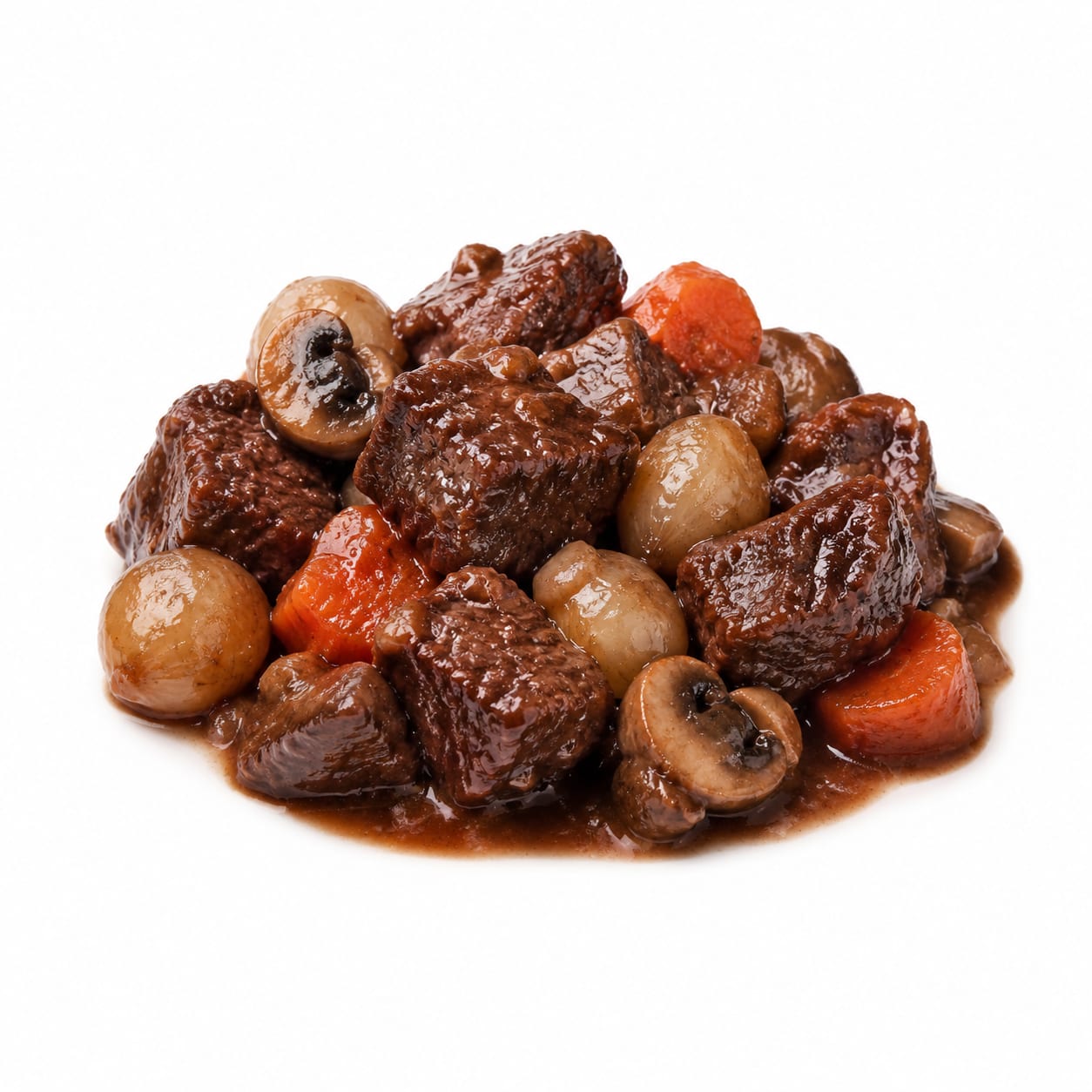
Boeuf Bourguignon
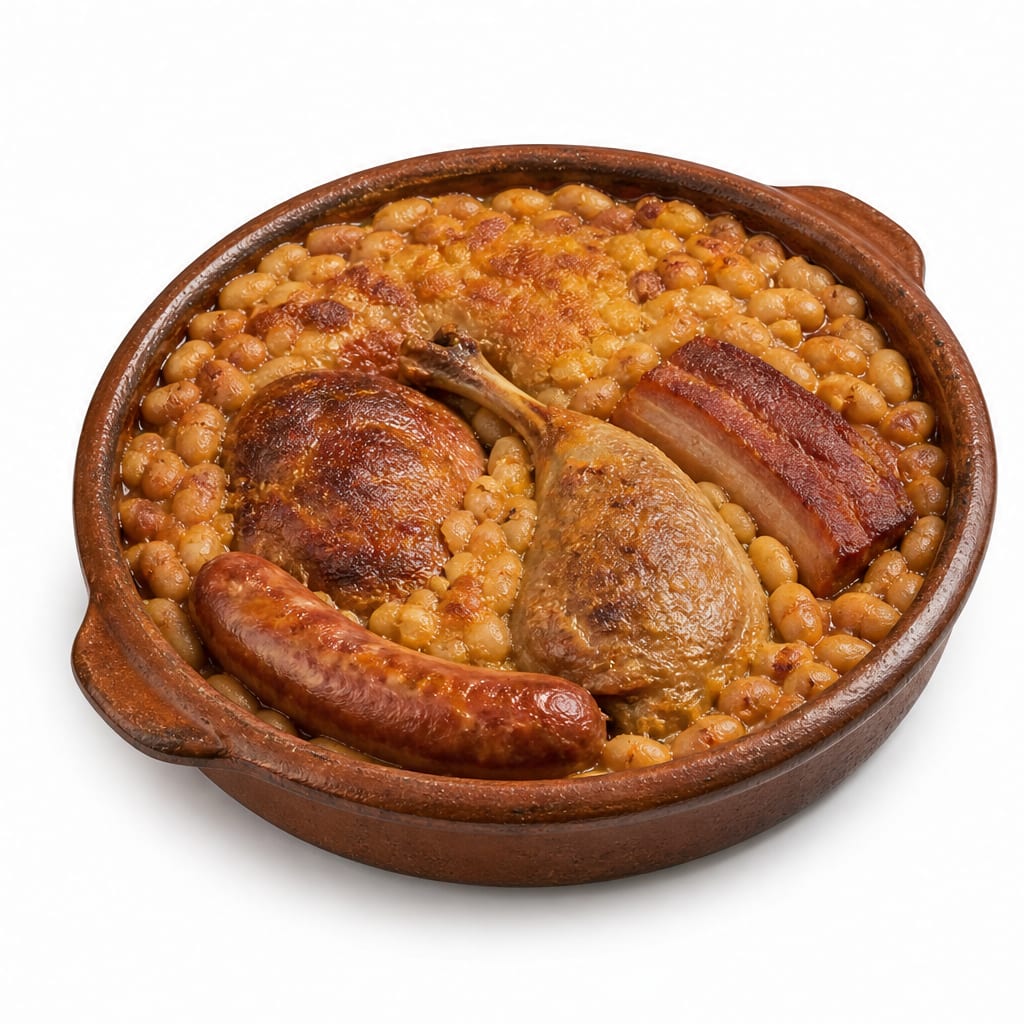
Cassoulet
Boeuf Bourguignon is lighter on saturated fat and processed meat risk, while Cassoulet delivers more fiber and steadier energy from beans — but both are indulgent dishes best enjoyed moderately.
Boeuf Bourguignon scores slightly higher due to cleaner protein sources and lower processed meat risk. Cassoulet gains ground on fiber and sustained energy but loses points on saturated fat load, sodium, and processed meat content. Neither is a health food — both are occasional indulgences.
Heart health and cleaner ingredients favor Boeuf Bourguignon; fiber, satiety, and blood sugar stability favor Cassoulet.
At a glance
Executive summary
Overall
It depends
Healthier
Boeuf Bourguignon
More practical
Boeuf Bourguignon
Daily use
neither
Key comparison lenses
heart health tradeoff
Both dishes are rich French comfort foods with significant saturated fat, but from different sources — beef vs duck confit and pork sausage
calorie density and portion control
Cassoulet is notoriously calorie-dense with beans, multiple meats, and fat; Boeuf Bourguignon is rich but easier to portion
fiber and blood sugar stability
Cassoulet's white beans provide substantial fiber that Boeuf Bourguignon lacks, changing how each dish affects satiety and blood sugar
processed meat exposure
Cassoulet traditionally includes sausages and preserved meats, raising nitrite and sodium concerns absent in Boeuf Bourguignon
digestive comfort
Both are heavy slow-cooked dishes, but Cassoulet's bean content can cause bloating in sensitive individuals
Best choice for
Boeuf Bourguignon
- Heart-conscious diners wanting rich flavor without processed meat
- People sensitive to beans or prone to bloating
- Those wanting easier portion control with a stew-based dish
- Diners avoiding preserved meats and nitrites
Cassoulet
- Athletes needing sustained energy from complex carbs and protein
- People prioritizing fiber intake and digestive regularity
- Anyone wanting longer-lasting fullness from a single meal
- Those who tolerate beans well and want steadier blood sugar
Least suitable for
Boeuf Bourguignon
- Anyone needing high fiber from their main dish
- People looking for plant-based protein contributions
- Those wanting sustained energy without blood sugar dips
Cassoulet
- People with heart conditions sensitive to saturated fat
- Anyone watching sodium intake strictly
- Those with IBS or bean intolerance
- Diners avoiding processed or preserved meats
Deep comparison
Dimension by dimension
Each lens scores both foods and breaks down who each option suits.
- Dimension 1 · Priority 92Boeuf Bourguignon
heart_health
Boeuf Bourguignon · 55Cassoulet · 38Boeuf Bourguignon uses leaner beef cuts braised in wine, while Cassoulet piles on duck fat, pork sausage, and confit — a triple hit of saturated fat.
Tradeoff
You get more satisfying richness from Cassoulet's fat blend, but at a real cost to cardiovascular risk if eaten regularly.
Why it matters
Frequent saturated fat from multiple animal sources raises LDL cholesterol faster than occasional beef stew.
Real-world impact
Eating Cassoulet weekly would meaningfully raise heart risk over time; Boeuf Bourguignon monthly is more forgiving.
Boeuf Bourguignon
- People with family history of heart disease
- Anyone with elevated cholesterol
Better for
Cassoulet
- Those already managing hypertension
- Anyone on a heart-healthy eating plan
Worse for
- Dimension 2 · Priority 85Cassoulet
fiber_and_digestive_health
Boeuf Bourguignon · 25Cassoulet · 72Cassoulet's white beans deliver 10-15g of fiber per serving; Boeuf Bourguignon relies on modest vegetable content with minimal fiber.
Tradeoff
Cassoulet supports gut health and regularity beautifully, but beans can cause gas and bloating in sensitive people.
Why it matters
Most people undershoot daily fiber goals. Cassoulet actually helps close that gap meaningfully.
Real-world impact
A Cassoulet dinner keeps you fuller longer and supports next-day digestion; Boeuf Bourguignon may leave you hungry again within hours.
Boeuf Bourguignon
- People with IBS or FODMAP sensitivity
- Anyone prone to bean-related bloating
Better for
- Anyone relying on dinner for fiber intake
Worse for
Cassoulet
- Those needing more daily fiber
- People wanting gut microbiome support
Better for
- Those with sensitive digestion who cannot tolerate beans
Worse for
- Dimension 3 · Priority 82Cassoulet
satiety_and_energy_stability
Boeuf Bourguignon · 60Cassoulet · 78Cassoulet's combination of beans, fat, and protein creates extremely prolonged fullness. Boeuf Bourguignon fills you up but fades faster.
Tradeoff
Cassoulet's sustained energy comes with a heavier digestive load and potential sluggishness afterward.
Why it matters
If you're eating one big meal and need it to last, Cassoulet wins. If you want comfort without feeling stuffed, Boeuf Bourguignon is better.
Real-world impact
After Cassoulet, you likely won't snack for hours. After Boeuf Bourguignon, a late-night craving is more likely.
Boeuf Bourguignon
- People who dislike feeling overly full
- Lighter eaters wanting comfort without heaviness
Better for
- People prone to evening snacking
Worse for
Cassoulet
- Athletes after a long training day
- Anyone skipping breakfast and needing dinner to last
Better for
- Anyone wanting to stay active after dinner
Worse for
- Dimension 4 · Priority 80Boeuf Bourguignon
processed_meat_and_additive_risk
Boeuf Bourguignon · 70Cassoulet · 35Traditional Cassoulet uses pork sausages, cured meats, and duck confit — all preserved products with nitrites and high sodium. Boeuf Bourguignon uses fresh beef and vegetables.
Tradeoff
Cassoulet's complex meat layering creates deeper flavor but introduces compounds linked to colorectal cancer risk.
Why it matters
Regular processed meat consumption is a classified WHO Group 1 carcinogen risk — not theoretical, but established.
Real-world impact
Occasional Cassoulet is fine; making it a weekly tradition is where cumulative risk builds up meaningfully.
Boeuf Bourguignon
- Anyone reducing processed meat intake
- Families wanting cleaner protein for children
Better for
Cassoulet
- People with family history of colorectal cancer
- Anyone already exceeding processed meat limits
Worse for
- Dimension 5 · Priority 75Boeuf Bourguignon
sodium_load
Boeuf Bourguignon · 45Cassoulet · 28Both dishes are salted generously, but Cassoulet's sausages, confit, and broth push sodium significantly higher — often exceeding 1200mg per serving.
Tradeoff
Cassoulet's seasoning makes it deeply satisfying, but a single serving can deliver half your daily sodium budget.
Why it matters
For anyone with blood pressure concerns, this difference is not trivial — it's the difference between manageable and excessive.
Real-world impact
After Cassoulet, you may wake up puffy and thirsty. Boeuf Bourguignon is salty too, but more controllable.
Boeuf Bourguignon
- People monitoring blood pressure
- Anyone trying to reduce water retention
Better for
Cassoulet
- Salt-sensitive individuals
- Anyone on a low-sodium eating plan
Worse for
- Dimension 6 · Priority 70It depends
protein_quality_and_amount
Boeuf Bourguignon · 68Cassoulet · 72Cassoulet edges ahead with more total protein from multiple meat sources plus beans, offering a broader amino acid profile.
Tradeoff
Cassoulet's protein advantage comes with more fat and calories per gram of protein, making it less protein-efficient.
Why it matters
If you're optimizing for protein intake without calorie excess, Boeuf Bourguignon delivers cleaner protein per calorie.
Real-world impact
For post-workout recovery, Boeuf Bourguignon gives you protein without feeling like you ate a brick. Cassoulet is overkill for most active people.
Boeuf Bourguignon
- Lean bulk seekers wanting protein without excess calories
- Post-workout meals where lighter digestion matters
Better for
- Hard gainers needing calorie-dense protein
Worse for
Cassoulet
- Endurance athletes needing massive calorie and protein intake
- Anyone struggling to get enough protein overall
Better for
- Anyone counting macros who wants protein efficiency
Worse for
Timeline
Health impact over time
Short-term
Hours to days
Boeuf Bourguignon
- Deep satisfaction from rich beef and wine flavors
- Moderate post-meal heaviness but usually manageable
- Possible slight dehydration from wine-based sauce and salt
Cassoulet
- Very pronounced fullness that can border on uncomfortable
- Likely thirst and water retention from high sodium
- Potential gas and bloating from bean content within a few hours
Long-term
Months to years
Boeuf Bourguignon
- Occasional consumption poses minimal risk for most people
- Wine-based cooking may offer modest antioxidant benefits
- Manageable saturated fat load if portions stay reasonable
Cassoulet
- Regular consumption would significantly raise cardiovascular risk
- Processed meat components increase colorectal cancer risk with frequency
- Fiber contribution is a genuine positive if eaten occasionally
- High sodium habit could worsen blood pressure over time
Risk profile
Safety & processing
Boeuf Bourguignon uses fresh beef, wine, and vegetables — all recognizable whole ingredients transformed by cooking. Cassoulet incorporates sausages, cured pork, and duck confit, which are themselves processed foods with preservatives, nitrites, and added sodium. Neither is ultra-processed in the modern industrial sense, but Cassoulet carries more processing baggage.
Boeuf Bourguignon
Undercooked beef
lowSlow braising makes undercooking unlikely, but improper temperature control during long cooking could allow bacterial growth in early stages.
Alcohol content
lowMost alcohol cooks off during braising, but trace amounts remain — negligible for adults, worth noting for strict avoidance.
Cassoulet
Processed meat nitrites
mediumTraditional sausages and cured pork contain nitrites that form nitrosamines during cooking, compounds linked to cancer risk.
High sodium preservation
mediumConfit and sausage preparation relies heavily on salt curing, creating sodium levels that challenge blood pressure management.
Bean undercooking
lowImproperly cooked white beans can cause digestive distress, though slow-cooked cassoulet typically resolves this.
Who wins for whom
Audience fit
Same foods, different winners depending on your goal.
children
Boeuf BourguignonSimpler ingredient list without processed meats makes Boeuf Bourguignon a cleaner choice for developing bodies. Lower sodium is also preferable for kids.
daily consumption
neitherNeither dish is appropriate for daily consumption. Both are rich, high-calorie, high-sodium indulgences best reserved for weekly or less frequent enjoyment.
diabetes
CassouletWhite beans in Cassoulet slow glucose absorption significantly, creating steadier blood sugar compared to Boeuf Bourguignon's lower-fiber profile.
elderly
Boeuf BourguignonOlder adults are more vulnerable to sodium's blood pressure effects and processed meat risks. Boeuf Bourguignon is gentler on aging cardiovascular systems.
muscle gain
CassouletCassoulet provides more total protein and calories in a single serving, supporting muscle gain goals where calorie surplus is intentional.
weight loss
Boeuf BourguignonBoeuf Bourguignon is easier to portion and delivers fewer calories per serving while still feeling indulgent. Cassoulet's density makes calorie control very difficult.
Your move
Decision guide
Choose Boeuf Bourguignon
- You want a rich French meal without the processed meat baggage
- Heart health is a priority and you're watching saturated fat
- You prefer a lighter but still deeply satisfying dinner
- You're cooking for kids or older family members
- You want easier portion control with leftovers
Choose Cassoulet
- You need serious sustained energy for a long day ahead
- Fiber intake is a genuine concern and you tolerate beans well
- You're an endurance athlete or have high caloric needs
- You're celebrating and want the most indulgent option possible
- You're eating one big meal and need it to carry you for hours
Either works if
- You're eating French food occasionally as a treat
- Neither dish will be a regular part of your diet
- You want comfort food on a cold evening and both sound good
Avoid both if
- You're on a strict low-sodium diet
- You need a light meal before physical activity
- You're managing active gout — both dishes are purine-heavy
- You're looking for everyday nutritious meals rather than indulgences
Final recommendation
For most people most of the time, Boeuf Bourguignon is the smarter choice — cleaner ingredients, less processed meat, easier on the heart, and still deeply satisfying. Save Cassoulet for genuine celebrations where its incredible richness is the whole point, not a regular habit. Both dishes deserve respect as cultural treasures, not health foods.
Practical
Consumer tips
- 1
Make Boeuf Bourguignon with leaner cuts like chuck eye and trim visible fat to reduce saturated fat by 20-30%
- 2
Ask for smaller portions of Cassoulet and pair with a large green salad to balance the meal nutritionally
- 3
If making Cassoulet at home, use fresh sausages instead of cured ones and reduce salt in the broth — you'll cut sodium significantly
- 4
Both dishes freeze well, so make large batches and enjoy controlled portions over weeks rather than overeating in one sitting
- 5
Drink extra water after either dish to help your body handle the sodium load
- 6
If you have gout, be cautious with both — beef and beans are moderate-purine foods, and wine adds another trigger
- 7
Consider a light walk after eating either dish to help with digestion and blood sugar management