
Nutrition comparison
Boeuf Bourguignon vs Chicken Stew: Which Comfort Food Is Healthier?
Compare Boeuf Bourguignon and Chicken Stew on calories, saturated fat, iron, heart health, and everyday practicality. Find out which stew fits your health goals and when to choose each.
Overall winner · Chicken Stew
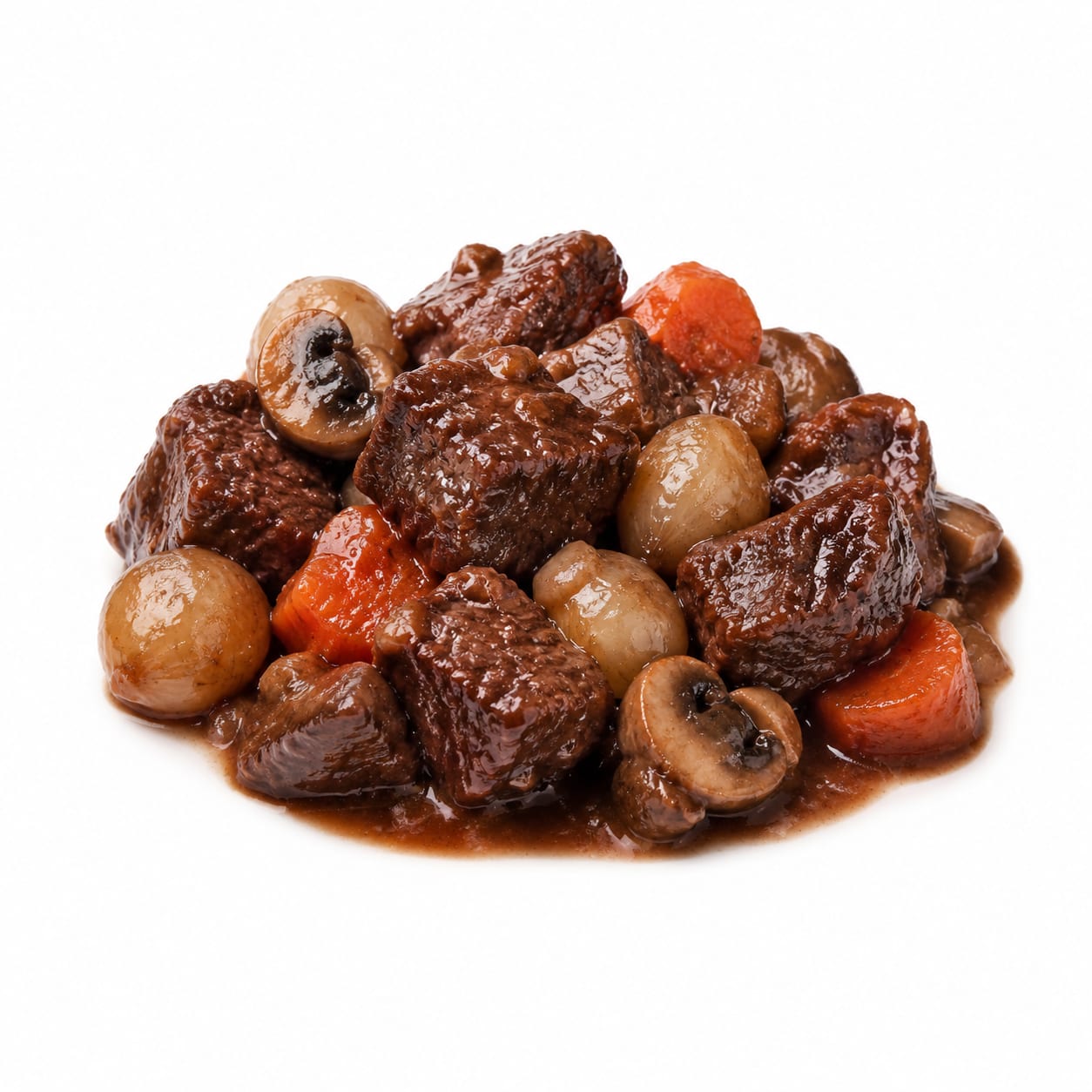
Boeuf Bourguignon
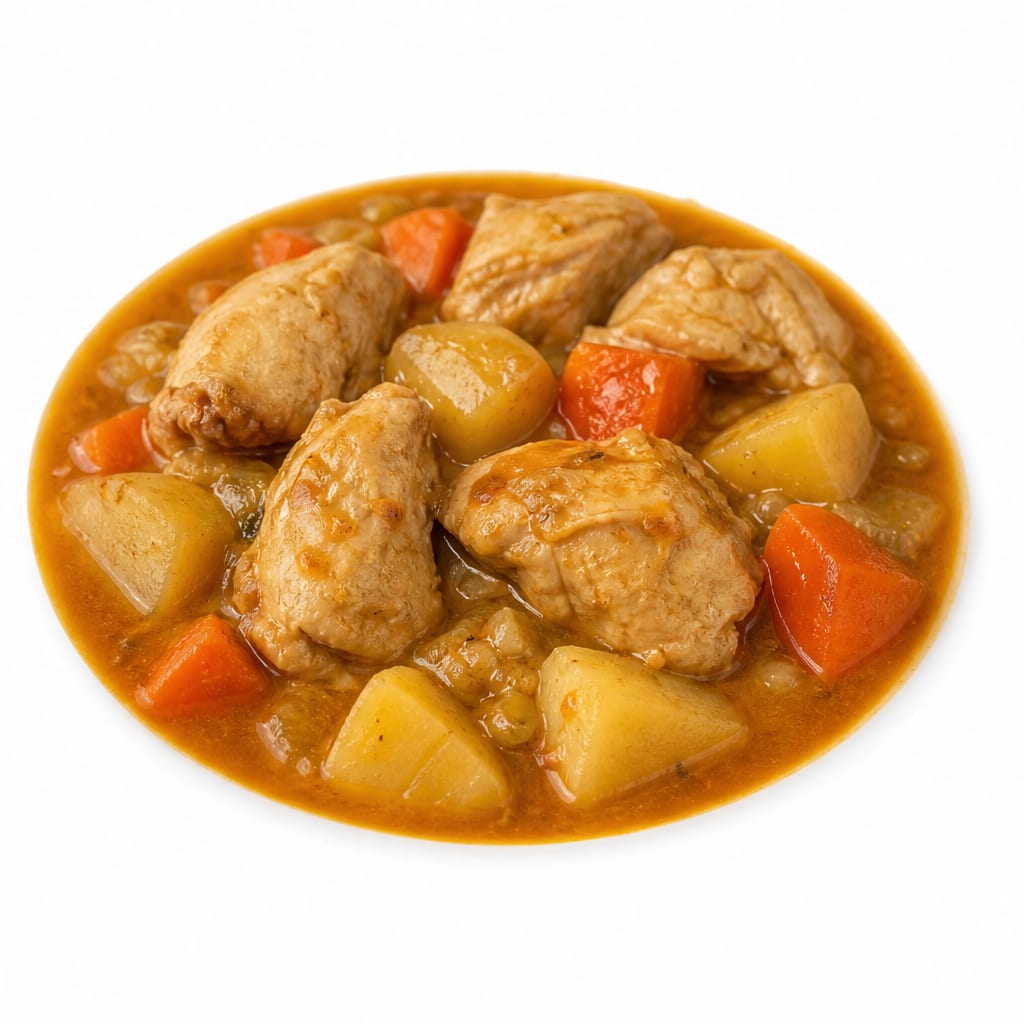
Chicken Stew
Chicken Stew is the smarter everyday choice with less saturated fat and fewer calories, while Boeuf Bourguignon delivers a richer, more indulgent experience best enjoyed occasionally.
Chicken Stew scores notably higher due to its lighter saturated fat profile, lower calorie density, and better suitability for regular consumption. Boeuf Bourguignon earns points for iron content and satiety but loses ground on heart health and everyday practicality.
Flavor depth and iron richness versus heart health and lighter calorie load
At a glance
Executive summary
Overall
Chicken Stew
Healthier
Chicken Stew
More practical
Chicken Stew
Daily use
Chicken Stew
Key comparison lenses
heart health and saturated fat
Beef vs chicken is one of the most significant saturated fat differences in common stew comparisons, directly impacting cardiovascular risk
comfort food nutrition tradeoff
Both are slow-cooked comfort foods, so users want to know which comfort choice does less damage
calorie density and weight management
Boeuf Bourguignon is significantly more calorie-dense, which matters for portion control and weight goals
iron and micronutrient value
Beef provides substantially more iron and B12, which matters for certain deficiencies
inflammatory potential
Red meat carries higher inflammatory markers than poultry, relevant for chronic disease risk
wine and alcohol content
Boeuf Bourguignon's red wine base is unique and raises questions about residual alcohol and compound exposure
Best choice for
Boeuf Bourguignon
- People with iron deficiency or low B12
- Special occasion meals where indulgence is the point
- Those needing high satiety from fewer bites
- Home cooks wanting a culinary project
Chicken Stew
- Weeknight dinners for families
- Anyone watching cholesterol or heart health
- People managing calorie intake without sacrificing warmth and comfort
- Older adults needing easier-to-digest protein
Least suitable for
Boeuf Bourguignon
- People with high LDL cholesterol
- Anyone on a calorie-restricted diet
- Frequent weekly meal planners needing lighter options
- Those avoiding red meat for health reasons
Chicken Stew
- Those seeking deep, complex wine-braised flavor
- People who need maximum iron from food sources
- Occasions demanding a showstopper dish
Deep comparison
Dimension by dimension
Each lens scores both foods and breaks down who each option suits.
- Dimension 1 · Priority 95Chicken Stew
heart_health
Boeuf Bourguignon · 40Chicken Stew · 78Chicken Stew is meaningfully better for cardiovascular health due to significantly less saturated fat and cholesterol.
Tradeoff
You give up the deep umami richness of braised beef but gain a meal that won't strain your lipid profile with regular consumption.
Why it matters
Red meat's saturated fat raises LDL cholesterol more consistently than poultry, and this difference compounds over years of eating patterns.
Real-world impact
Eating Boeuf Bourguignon weekly instead of Chicken Stew could meaningfully shift your cholesterol numbers over a year, especially if you're already borderline.
Boeuf Bourguignon
- Iron-deficient individuals who tolerate saturated fat well
Better for
- People on statins or cholesterol-lowering diets
- Anyone with metabolic syndrome
Worse for
Chicken Stew
- Anyone with family history of heart disease
- People with elevated LDL cholesterol
- Those wanting comfort food without the cardiac guilt
Better for
- Those who find lean meals unsatisfying and overeat later
Worse for
- Dimension 2 · Priority 85Boeuf Bourguignon
satiety_and_fullness
Boeuf Bourguignon · 82Chicken Stew · 68Boeuf Bourguignon keeps you fuller for longer thanks to higher fat content and denser protein.
Tradeoff
That fullness comes with a heavier calorie price tag — you may feel satisfied but you've also consumed significantly more energy.
Why it matters
Higher satiety per bite can prevent snacking later, but only if portion size is controlled.
Real-world impact
A bowl of Boeuf Bourguignon at lunch may kill afternoon hunger completely, while Chicken Stew might leave you reaching for a snack by 3pm.
Boeuf Bourguignon
- Active people who burn more calories
- Those who prefer eating fewer, larger meals
- Anyone trying to reduce between-meal snacking
Better for
- People prone to food comas after heavy meals
Worse for
Chicken Stew
- People who prefer lighter meals with snacks
- Anyone tracking calories closely
Better for
- Those who find light meals unsatisfying and compensate with junk food
Worse for
- Dimension 3 · Priority 85Chicken Stew
calorie_density
Boeuf Bourguignon · 38Chicken Stew · 72Chicken Stew delivers comfort with far fewer calories per bowl, making portion control almost automatic.
Tradeoff
Lower calorie density means less richness per bite — the mouthfeel is lighter but less luxurious.
Why it matters
Calorie density is one of the strongest predictors of overconsumption. Richer foods bypass fullness signals more easily.
Real-world impact
A typical serving of Boeuf Bourguignon can run 500-700 calories, while a comparable bowl of Chicken Stew lands around 300-400.
Boeuf Bourguignon
- Underweight individuals needing calorie surplus
- Athletes in bulking phases
Better for
- Anyone cutting calories
- People who struggle to stop at one serving
Worse for
Chicken Stew
- Anyone managing weight
- People who like large portions without the calorie hit
- Meal preppers counting macros
Better for
- Those with high caloric needs who find it too light
Worse for
- Dimension 4 · Priority 75Boeuf Bourguignon
iron_and_micronutrients
Boeuf Bourguignon · 85Chicken Stew · 52Boeuf Bourguignon is a clear winner for iron and B12, delivering nutrients that many people — especially women — lack.
Tradeoff
You get superior micronutrient density but packaged with more saturated fat and calories than most multivitamins.
Why it matters
Iron deficiency is the most common nutrient deficiency globally, and heme iron from beef is far more absorbable than plant sources.
Real-world impact
One serving of Boeuf Bourguignon can provide over 30% of daily iron needs, while Chicken Stew offers roughly half that.
Boeuf Bourguignon
- Women of reproductive age with low iron
- Vegetarians transitioning back to meat who need to rebuild stores
- Anyone with diagnosed B12 deficiency
Better for
- People who already eat red meat frequently
Worse for
Chicken Stew
- People with hemochromatosis or iron overload
- Those who get iron from other sources
Better for
- Anyone relying on stew as a primary iron source
Worse for
- Dimension 5 · Priority 70Chicken Stew
inflammatory_potential
Boeuf Bourguignon · 42Chicken Stew · 70Chicken Stew is the lower-inflammation choice, as poultry consistently produces fewer inflammatory markers than red meat.
Tradeoff
You miss out on some of the polyphenols from red wine in Boeuf Bourguignon, though the net inflammatory effect still favors chicken.
Why it matters
Chronic low-grade inflammation drives heart disease, joint issues, and aging. Protein source choice compounds over decades.
Real-world impact
If you eat red meat stews multiple times a week, inflammatory markers like CRP may trend higher over months compared to poultry-based meals.
Boeuf Bourguignon
- Occasional diners where frequency makes inflammation risk negligible
Better for
- People with arthritis or inflammatory bowel issues
Worse for
Chicken Stew
- People with autoimmune conditions
- Anyone with chronic inflammation concerns
- Older adults where inflammation accelerates aging
Better for
- Those who would compensate with processed snacks
Worse for
- Dimension 6 · Priority 80Boeuf Bourguignon
comfort_and_emotional_satisfaction
Boeuf Bourguignon · 90Chicken Stew · 75Boeuf Bourguignon delivers a deeper, more luxurious comfort experience — the kind of meal that feels like an event.
Tradeoff
That emotional payoff comes with a heavier physical aftermath and more cooking effort.
Why it matters
Emotional satisfaction from food is real and legitimate. Denying it completely often leads to binge cycles.
Real-world impact
Sunday dinner with Boeuf Bourguignon feels celebratory. Chicken Stew feels like a solid Tuesday — good, but not memorable.
Boeuf Bourguignon
- Special occasions and date nights
- Cold winter evenings demanding maximum coziness
- Home cooks who enjoy the process as much as the result
Better for
- Weeknight cooks short on time
- People who feel sluggish after rich meals
Worse for
Chicken Stew
- Busy weeknights needing comfort without effort
- Families wanting warmth without the heaviness
Better for
- Occasions where the food should feel special
Worse for
- Dimension 7 · Priority 65It depends
sodium_load
Boeuf Bourguignon · 55Chicken Stew · 58Both stews can be sodium traps depending on preparation, but homemade versions of either can be controlled.
Tradeoff
Restaurant and canned versions of both tend to be extremely high in sodium — the preparation matters more than the protein.
Why it matters
Sodium from soups and stews is one of the largest hidden sources in most diets.
Real-world impact
A restaurant bowl of either stew can easily deliver 800-1200mg of sodium. Home cooking lets you cut that in half.
Boeuf Bourguignon
- Neither has a clear advantage — it depends entirely on recipe
Better for
- Recipes using lots of stock, wine reduction, and salt pork
Worse for
Chicken Stew
- Slightly lower sodium in some traditional recipes
Better for
- Recipes heavy on bouillon cubes and canned broth
Worse for
- Dimension 8 · Priority 60Chicken Stew
cooking_practicality
Boeuf Bourguignon · 35Chicken Stew · 75Chicken Stew is faster, simpler, and more forgiving to make on a random weeknight.
Tradeoff
You lose the culinary depth and show-off potential of a proper wine braise.
Why it matters
The best healthy meal is the one you actually cook. Complexity barriers lead to takeout orders.
Real-world impact
Chicken Stew can come together in 45-60 minutes. Boeuf Bourguignon demands 2.5-3 hours minimum and ideally overnight marinating.
Boeuf Bourguignon
- Weekend cooking projects
- Cooks who enjoy slow, meditative preparation
Better for
- Anyone with under 90 minutes to cook
- People who find long recipes stressful
Worse for
Chicken Stew
- Working parents needing dinner on the table fast
- Meal preppers making batches for the week
- Beginner cooks building confidence
Better for
- Cooking enthusiasts who find simple recipes boring
Worse for
Timeline
Health impact over time
Short-term
Hours to days
Boeuf Bourguignon
- Heavy fullness that may reduce evening snacking
- Possible sluggishness or food coma due to high fat content
- Wine compounds may slightly relax blood vessels temporarily
- Higher sodium may cause noticeable thirst and bloating
Chicken Stew
- Comfortable satiety without heaviness
- Easier digestion with less post-meal fatigue
- Steadier energy without the crash that follows very rich meals
- Warming and hydrating from broth content
Long-term
Months to years
Boeuf Bourguignon
- Regular consumption raises LDL cholesterol and cardiovascular risk
- Excellent iron stores and low anemia risk
- Higher heme iron intake may increase oxidative stress if overconsumed
- Potential increased colorectal cancer risk with frequent red meat intake
Chicken Stew
- Better cardiovascular markers with regular consumption
- Lower inflammatory markers over time
- Adequate but not exceptional iron intake
- Easier weight maintenance due to lower calorie density
Risk profile
Safety & processing
Both are traditionally whole-food dishes made from scratch with minimal processing. The main concern isn't additives — it's the inherent nutritional profile of beef versus chicken. Homemade versions of both are clean, real food.
Boeuf Bourguignon
Heme iron overexposure
mediumRegular high heme iron intake from beef is associated with increased oxidative stress and colorectal cancer risk when consumed frequently.
Alcohol residue
lowWhile most alcohol cooks off during the long braise, trace amounts remain. Negligible for most people but worth noting for those avoiding all alcohol.
Undercooked beef
lowThe long cooking time makes undercooking unlikely, but insufficient braise time could leave tough, less digestible meat.
Chicken Stew
Salmonella from undercooked chicken
mediumChicken requires thorough cooking to 165°F. Stew simmering typically achieves this, but adding chicken late in cooking can create risk.
Antibiotic residue in conventional chicken
lowConventionally raised chicken may carry trace antibiotic residues. Choosing organic or antibiotic-free chicken eliminates this concern.
Who wins for whom
Audience fit
Same foods, different winners depending on your goal.
children
Chicken StewEasier to digest, milder flavor, and lower saturated fat make Chicken Stew more appropriate for developing bodies and pickier palates.
daily consumption
Chicken StewChicken Stew can realistically be eaten multiple times per week without health concerns, while Boeuf Bourguignon is best limited to once per week or less.
diabetes
Chicken StewLower saturated fat intake improves insulin sensitivity over time, and the lighter calorie load helps with weight management — a key diabetes factor.
elderly
Chicken StewSofter chicken protein is easier to digest, lower saturated fat protects aging hearts, and the lighter meal is less likely to cause discomfort.
muscle gain
Boeuf BourguignonHigher total protein per serving and more calorie-dense profile support muscle-building goals, especially for those needing a caloric surplus.
weight loss
Chicken StewLower calorie density and less saturated fat make Chicken Stew the clear choice for sustainable weight management without sacrificing warmth and satisfaction.
Your move
Decision guide
Choose Boeuf Bourguignon
- You're cooking for a special occasion and want something impressive
- You have low iron or B12 and need nutrient-dense red meat
- You're an active person who burns through calories easily
- You find lean meals unsatisfying and end up overeating later
- It's a cold weekend and you want the kitchen to smell incredible for hours
Choose Chicken Stew
- You want comfort food on a random Tuesday without the heaviness
- Heart health is a priority for you or your family
- You're managing your weight and want a filling but lighter meal
- You need dinner ready in under an hour
- You eat stew frequently and want a sustainable everyday option
Either works if
- You're making a big batch for meal prep and can portion control either
- You're serving a group with mixed dietary preferences
- You're using whatever protein is already in your fridge
Avoid both if
- You have severe sodium restrictions and aren't cooking from scratch
- You're looking for a light summer meal — both are cold-weather dishes
- You need something quick — neither is a 15-minute meal
Final recommendation
Make Chicken Stew your weekly comfort staple and save Boeuf Bourguignon for the weekends and celebrations where it truly shines. You get the best of both worlds — everyday health and occasional indulgence — without either one losing its appeal.
Practical
Consumer tips
- 1
If making Boeuf Bourguignon, trim visible fat from the beef before browning to reduce saturated fat by 15-20% without sacrificing flavor.
- 2
Use lean chicken thighs instead of breasts in Chicken Stew — they stay tender in slow cooking and provide more flavor with minimal extra fat.
- 3
For either stew, make your own stock instead of using bouillon cubes to cut sodium by 40-50%.
- 4
Add extra root vegetables to either dish to increase fiber, reduce calorie density, and stretch portions further.
- 5
Freeze individual portions of either stew — they both reheat beautifully and having healthy comfort food ready to go prevents takeout temptation.
- 6
If you love Boeuf Bourguignon but want it lighter, substitute half the beef with mushrooms — they add umami depth with a fraction of the calories.
- 7
Let either stew cool and skim the fat that solidifies on top before reheating for an easy calorie reduction.