
Nutrition comparison
Boeuf Bourguignon vs Coq Au Vin: Nutrition, Health Tradeoffs, and Which to Choose
Compare Boeuf Bourguignon and Coq Au Vin side by side. Discover which French braise is better for heart health, iron, weight loss, and everyday eating.
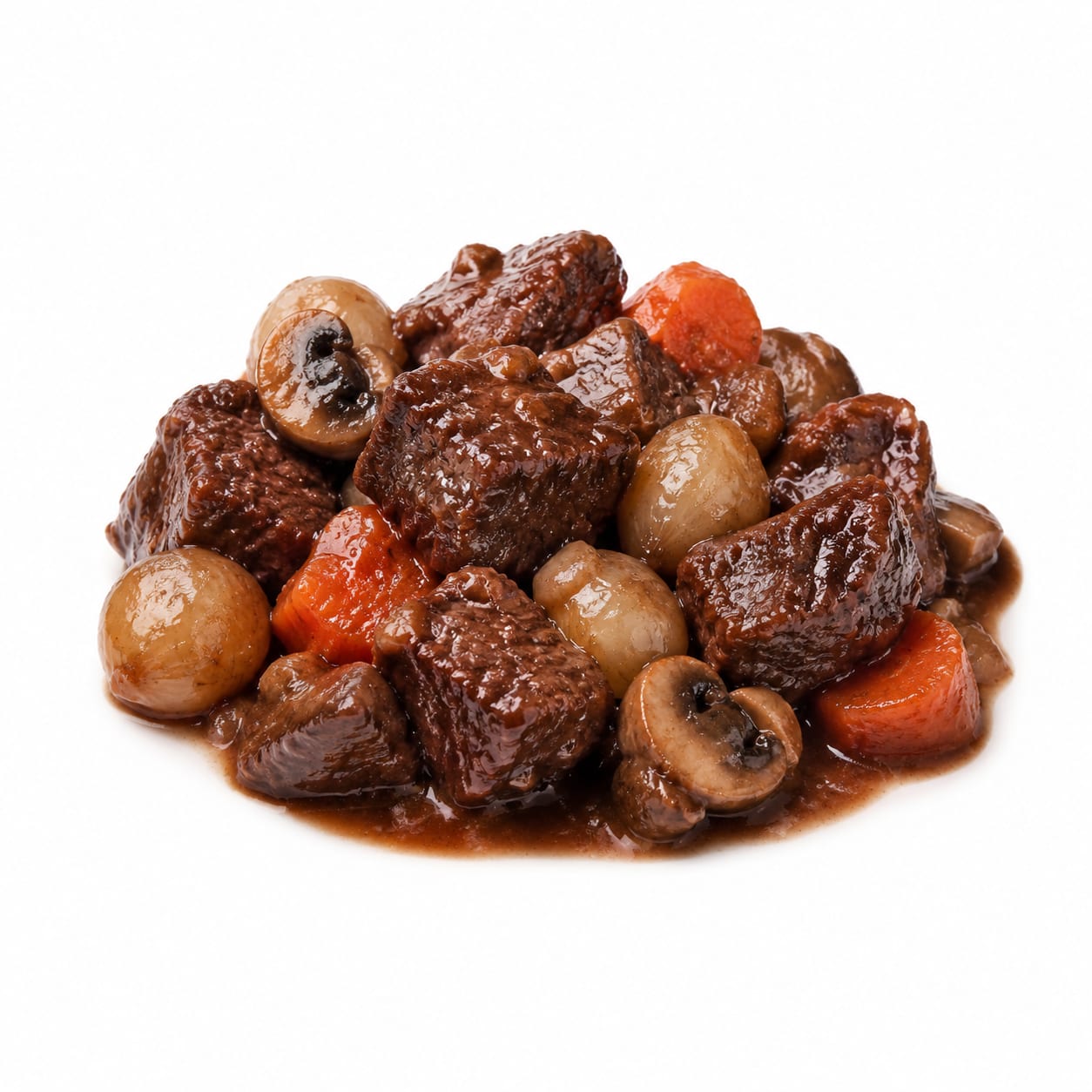
Boeuf Bourguignon
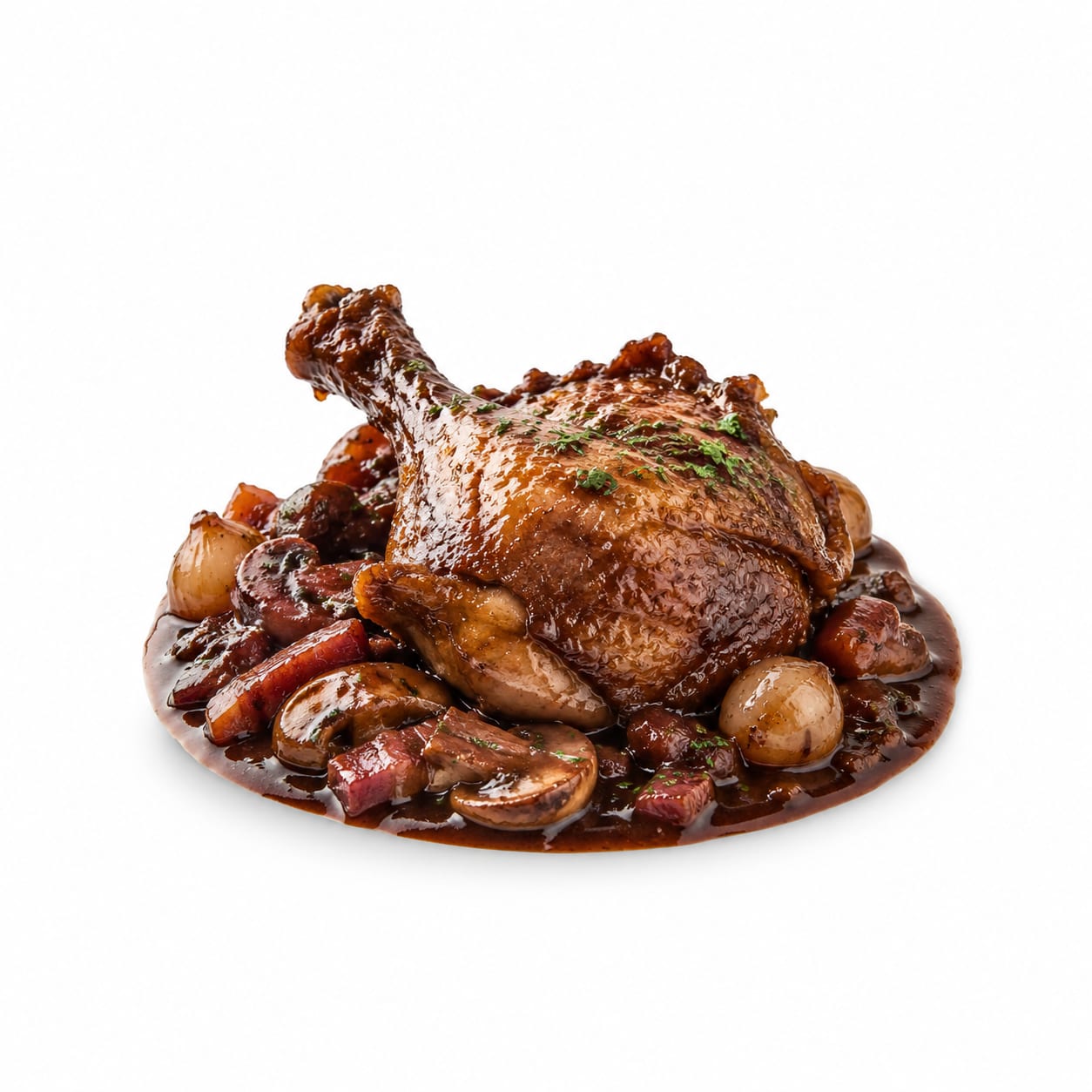
Coq Au Vin
Boeuf Bourguignon delivers more iron, zinc, and protein per bite, while Coq Au Vin is lighter, leaner, and easier on the heart.
Coq Au Vin scores higher overall due to its leaner protein profile and better long-term heart health alignment. Boeuf Bourguignon wins on micronutrient density and satiety but carries a heavier saturated fat load that limits frequent use.
Nutrient density and satisfaction versus cardiovascular lightness and digestibility.
At a glance
Executive summary
Overall
It depends
Healthier
Coq Au Vin
More practical
Coq Au Vin
Daily use
Coq Au Vin
Key comparison lenses
protein source quality
Beef versus chicken is the core nutritional divide here, affecting protein density, fat profile, and micronutrient delivery
heart health tradeoff
Saturated fat from beef versus leaner chicken creates a meaningful cardiovascular decision point
iron and energy
Beef delivers substantially more heme iron, which matters for energy, especially for women and athletes
calorie density and weight
Both are rich braised dishes, but beef versions tend to be heavier and more calorie-dense
comfort and digestibility
Chicken is easier to digest and feels lighter post-meal, while beef sits heavier
sodium and wine exposure
Both use wine and often bacon or lardons, making sodium and alcohol residue a shared concern
Best choice for
Boeuf Bourguignon
- Iron-deficient individuals and women with heavy periods
- Athletes needing high protein and mineral recovery
- Anyone craving deep, sustained satisfaction from a meal
- Cold-weather comfort eating where heaviness feels right
Coq Au Vin
- People managing cholesterol or heart health concerns
- Those wanting a rich French meal without the heavy aftermath
- Weekly meal prep that feels lighter day-to-day
- Older adults who need easier digestion
Least suitable for
Boeuf Bourguignon
- People with high LDL cholesterol or cardiovascular risk
- Anyone watching saturated fat intake closely
- Those prone to post-meal sluggishness or reflux
- Frequent weekly consumption for sedentary lifestyles
Coq Au Vin
- Individuals needing maximum iron intake from food
- Those seeking the highest protein density per calorie
- People who find chicken less satisfying and end up snacking later
Deep comparison
Dimension by dimension
Each lens scores both foods and breaks down who each option suits.
- Dimension 1 · Priority 92Boeuf Bourguignon
Protein Quality and Quantity
Boeuf Bourguignon · 88Coq Au Vin · 76Beef provides more complete protein per serving with higher concentrations of essential amino acids, especially leucine for muscle maintenance.
Tradeoff
You get more protein punch from Boeuf Bourguignon, but it comes packaged with more saturated fat.
Why it matters
Higher protein density helps with fullness, muscle retention, and metabolic rate. Beef delivers roughly 25-30g protein per serving versus 20-25g for chicken versions.
Real-world impact
After Boeuf Bourguignon, you stay full longer. After Coq Au Vin, you might want a snack an hour sooner.
Boeuf Bourguignon
- Post-workout recovery meals
- Older adults preventing muscle loss
- Anyone trying to hit higher protein targets
Better for
- Sedentary days where extra protein just becomes extra calories
Worse for
Coq Au Vin
- Moderate protein needs without excess fat
- Lighter dinner that won't disrupt sleep
Better for
- Recovery from intense training where protein density matters
Worse for
- Dimension 2 · Priority 88Coq Au Vin
Heart Health and Saturated Fat
Boeuf Bourguignon · 52Coq Au Vin · 78Chicken contains significantly less saturated fat than beef, making Coq Au Vin the clear choice for cardiovascular health.
Tradeoff
Coq Au Vin sacrifices some iron and richness but protects your heart in the long run.
Why it matters
Beef braised dishes can deliver 12-18g saturated fat per serving. Chicken versions typically land at 5-8g. That gap compounds over weekly consumption.
Real-world impact
Eating Boeuf Bourguignon weekly versus Coq Au Vin weekly could mean a measurable difference in LDL cholesterol over months.
Boeuf Bourguignon
- Occasional indulgence where heart impact is minimal
Better for
- Anyone with elevated LDL or heart disease risk
- More than occasional consumption patterns
Worse for
Coq Au Vin
- Regular rotation in a heart-conscious diet
- Anyone with family history of cardiovascular disease
- People on statins or managing high cholesterol
Better for
- Situations where the leaner profile leaves you unsatisfied and reaching for worse snacks
Worse for
- Dimension 3 · Priority 85Boeuf Bourguignon
Iron and Micronutrient Density
Boeuf Bourguignon · 91Coq Au Vin · 58Beef is a powerhouse of heme iron, zinc, and B12. Chicken simply cannot compete on mineral delivery.
Tradeoff
Boeuf Bourguignon is almost like a supplement in food form for iron and zinc, but you pay for it in saturated fat.
Why it matters
Heme iron from beef is absorbed 2-3 times better than plant iron. A single serving can provide 30-40% of daily iron needs versus 8-12% from chicken.
Real-world impact
For women with low iron, Boeuf Bourguignon once a week could meaningfully improve energy levels. Coq Au Vin would not move the needle as much.
Boeuf Bourguignon
- Women with heavy menstrual cycles
- Vegetarians transitioning back to meat for iron
- Athletes with increased iron needs
- Anyone diagnosed with mild iron deficiency
Better for
- Men who already have adequate iron stores and risk accumulation
Worse for
Coq Au Vin
- People with hemochromatosis or iron overload risk
- Those who get sufficient iron from other sources
Better for
- Anyone relying on this meal as a primary iron source
Worse for
- Dimension 4 · Priority 80Coq Au Vin
Calorie Density and Weight Management
Boeuf Bourguignon · 55Coq Au Vin · 72Coq Au Vin is typically 15-25% lower in calories per serving due to leaner protein and less rendered fat.
Tradeoff
Lighter calories mean easier weight management, but also less staying power per meal.
Why it matters
A typical Boeuf Bourguignon serving runs 500-650 calories. Coq Au Vin tends to land at 380-500. Over weekly consumption, that difference adds up.
Real-world impact
If you eat French braises regularly, switching to Coq Au Vin could save you 100-150 calories per meal without feeling deprived.
Boeuf Bourguignon
- Active individuals who need the calories
- Bulking phases where calorie density helps
Better for
- Sedentary lifestyles where extra calories become fat
- Late dinners that sit heavy before bed
Worse for
Coq Au Vin
- Weight loss or maintenance goals
- People who prefer lighter dinners
- Anyone tracking calories who wants richer flavors for fewer calories
Better for
- High-calorie needs where every calorie must count for satiety
Worse for
- Dimension 5 · Priority 75Coq Au Vin
Digestibility and Post-Meal Comfort
Boeuf Bourguignon · 58Coq Au Vin · 80Chicken is easier to digest and leaves you feeling less sluggish. Beef braises sit heavier and can trigger reflux in sensitive people.
Tradeoff
The heaviness of Boeuf Bourguignon is part of its comfort appeal, but it comes with a digestive cost.
Why it matters
Beef requires more stomach acid and longer gastric emptying time. For people with GERD, IBS, or slow digestion, this matters.
Real-world impact
After Coq Au Vin, you can reasonably go for a walk. After Boeuf Bourguignon, you might want the couch.
Boeuf Bourguignon
- People who associate heaviness with satisfaction
- Cold evenings where a weighted meal feels grounding
Better for
- Late-night eating close to bedtime
- Anyone prone to bloating or indigestion
Worse for
Coq Au Vin
- Anyone with acid reflux or GERD
- People with sensitive digestion
- Lunch rather than dinner service
- Older adults with slower gastric emptying
Better for
- Those who find light meals unsatisfying and overeat later
Worse for
- Dimension 6 · Priority 70It depends
Sodium and Alcohol Exposure
Boeuf Bourguignon · 65Coq Au Vin · 67Both dishes use wine, stock, and often bacon or lardons, making sodium levels similarly high. Neither wins on this front.
Tradeoff
The braising method itself creates sodium concerns regardless of protein choice. This is a shared weakness.
Why it matters
A single serving of either dish can contain 600-1000mg sodium. If you add bread to soak up the sauce, it climbs higher.
Real-world impact
If you have blood pressure concerns, both dishes require portion awareness. Neither is a low-sodium choice.
Boeuf Bourguignon
- Slight edge if using leaner cuts with less added bacon
Better for
- Marbled cuts increase rendered fat and often more salt is added
Worse for
Coq Au Vin
- Slight edge if skinless chicken reduces need for added fat
Better for
- Chicken versions sometimes overcompensate with extra bacon for flavor
Worse for
Timeline
Health impact over time
Short-term
Hours to days
Boeuf Bourguignon
- Strong satiety that reduces snacking for hours
- Possible post-meal sluggishness or food coma
- Risk of heartburn in prone individuals
- Warming, deeply satisfying comfort feeling
Coq Au Vin
- Satisfied without feeling overstuffed
- Easier post-meal energy and mobility
- Lower risk of digestive discomfort
- Rich flavor experience with lighter physical load
Long-term
Months to years
Boeuf Bourguignon
- Regular consumption may elevate LDL cholesterol due to saturated fat
- Excellent iron stores and reduced anemia risk
- Higher zinc intake supports immune function
- Potential increased cardiovascular risk if eaten frequently
Coq Au Vin
- Better cardiovascular profile with regular consumption
- Adequate but not exceptional mineral intake
- Easier to maintain healthy weight long-term
- Lower inflammatory burden on the body
Risk profile
Safety & processing
Both are traditional slow-cooked dishes made from whole ingredients. The main concern is added bacon or lardons, which are processed meats. Choose versions with minimal cured meat for the cleanest preparation.
Boeuf Bourguignon
Processed meat from lardons or bacon
mediumCured meats contain nitrates and are classified as Group 1 carcinogens by WHO. The amount in a single serving is small but worth minimizing.
Undercooked beef in rushed preparations
lowProper braising eliminates this risk, but hurried cooking could leave tough cuts insufficiently tender, prompting undercooking.
High sodium from stock and reduction
mediumWine reduction concentrates sodium. Homemade stock helps control this; commercial stock can push sodium very high.
Coq Au Vin
Processed meat from lardons or bacon
mediumSame concern as Boeuf Bourguignon. Many Coq Au Vin recipes rely on bacon for flavor base.
Chicken foodborne illness
mediumChicken carries higher risk of Salmonella and Campylobacter than beef. Proper cooking to 165°F eliminates this, but cross-contamination during prep is common.
High sodium from stock and reduction
mediumIdentical concern to Boeuf Bourguignon. The braising liquid concentrates salt.
Who wins for whom
Audience fit
Same foods, different winners depending on your goal.
children
Coq Au VinChicken is easier for kids to chew and digest, and lower saturated fat supports healthy development patterns.
daily consumption
Coq Au VinThe lighter fat profile and easier digestibility make Coq Au Vin more sustainable as a regular meal without health compromises.
diabetes
Coq Au VinLower saturated fat intake is associated with better insulin sensitivity. Both dishes are low in carbs, but the fat profile matters for metabolic health.
elderly
Coq Au VinEasier digestion, lower cardiovascular load, and softer chicken texture make Coq Au Vin more appropriate for aging bodies.
muscle gain
Boeuf BourguignonHigher protein density and more leucine from beef support muscle protein synthesis better than chicken in this context.
weight loss
Coq Au VinFewer calories per serving and less saturated fat make Coq Au Vin easier to fit into a calorie deficit while still feeling indulgent.
Your move
Decision guide
Choose Boeuf Bourguignon
- You have low iron or are at risk for anemia
- This is an occasional meal, not a weekly staple
- You want maximum satisfaction and staying power
- It is cold out and you crave something deeply warming
- You are very active and need calorie and mineral density
Choose Coq Au Vin
- You eat braised dishes more than once a week
- Heart health or cholesterol is a concern
- You want richness without the heavy aftermath
- You are cooking for older adults or kids
- You prefer lighter dinners that do not disrupt sleep
Either works if
- You are serving guests and either dish fits the occasion
- You are comfortable with occasional indulgence in either direction
- You control the recipe and can reduce bacon and sodium in both
Avoid both if
- You are on a strict low-sodium diet
- You have gout and are sensitive to purine-rich foods like red wine and organ meats
- You cannot tolerate alcohol residues even from cooking
- You are following a plant-based diet
Final recommendation
For most people eating French braises occasionally, choose based on what you crave. For regular rotation, Coq Au Vin is the smarter default because it delivers 80% of the experience with significantly less cardiovascular baggage. Save Boeuf Bourguignon for when you truly want the iron hit and the deepest comfort.
Practical
Consumer tips
- 1
Reduce or skip the lardons in either dish to cut sodium and avoid processed meat risks
- 2
Use homemade stock instead of commercial to control sodium by 40-60%
- 3
Serve with roasted vegetables instead of bread or potatoes to lower the glycemic load
- 4
If making Boeuf Bourguignon, trim visible fat from beef before braising to reduce saturated fat by roughly 20%
- 5
Coq Au Vin made with skinless chicken thighs retains flavor while cutting fat significantly
- 6
Both dishes reheat beautifully, making them ideal for batch cooking with portion control
- 7
A large green salad alongside either dish helps balance the richness and adds fiber