
Nutrition comparison
Boeuf Bourguignon vs Beef Stew: Which Braised Beef Is Healthier?
Compare Boeuf Bourguignon and Beef Stew on nutrition, sodium, fat, alcohol content, and everyday practicality. Find out which comfort food fits your health goals.
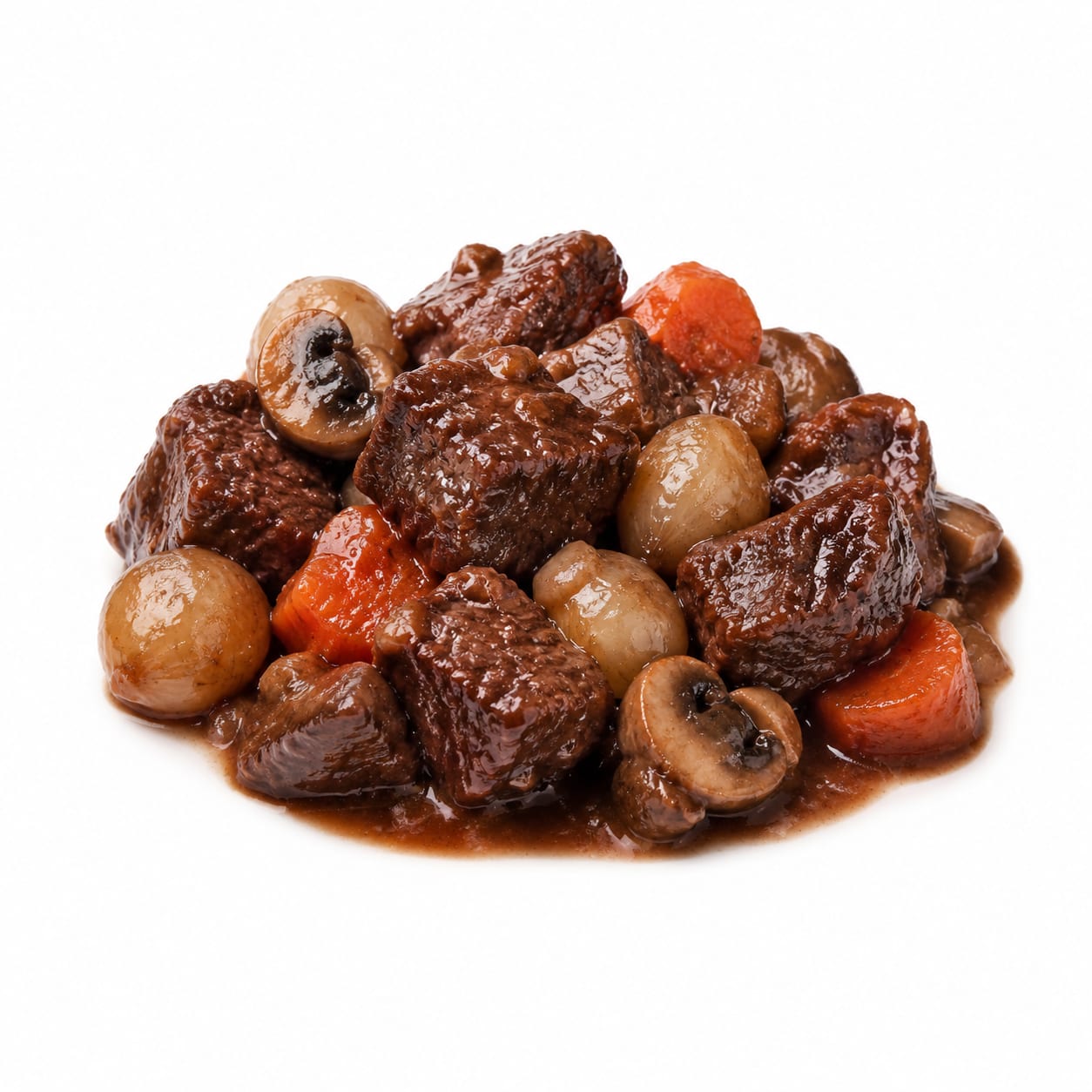
Boeuf Bourguignon
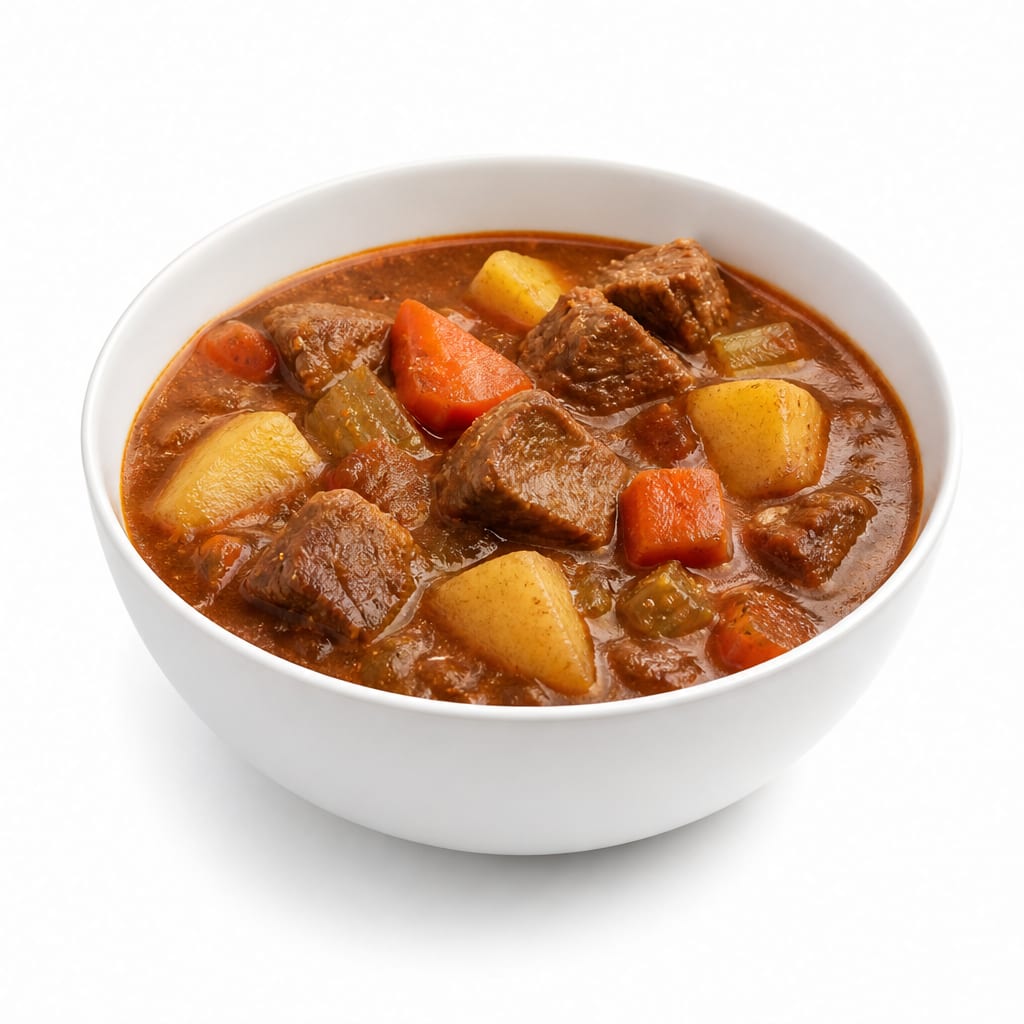
Beef Stew
Beef Stew is the simpler, more everyday choice with slightly lower fat and no wine. Boeuf Bourguignon offers deeper flavor and wine-derived antioxidants but carries more saturated fat from bacon and a small alcohol residue.
Beef Stew scores moderately higher due to broader everyday suitability, lower saturated fat, and no alcohol concerns. Boeuf Bourguignon is not far behind thanks to wine polyphenols and richer micronutrient density from its more varied ingredient list, but its fat load and occasional-use nature pull it down for regular consumption.
Richness and antioxidant depth versus leaner simplicity and broader accessibility
At a glance
Executive summary
Overall
It depends
Healthier
Beef Stew
More practical
Beef Stew
Daily use
Beef Stew
Key comparison lenses
comfort food nutritional tradeoff
Both are hearty braised beef dishes, so users want to know which comfort food carries less health baggage
sodium and heart health impact
Both dishes rely on salt-heavy braising liquids, making sodium a key differentiator
alcohol and wine residue concerns
Boeuf Bourguignon's red wine base raises questions about alcohol content and its health implications
everyday practicality vs special occasion
These dishes differ significantly in preparation complexity and how often someone would realistically eat them
calorie density and weight management
Both are rich, slow-cooked meals with potential for high calorie intake per serving
Best choice for
Boeuf Bourguignon
- Special occasion dinners where flavor depth matters more than calorie counting
- People seeking antioxidant benefits from red wine polyphenols
- Home cooks who enjoy slow, intentional cooking as an experience
Beef Stew
- Weeknight family meals needing reliable comfort without excess richness
- Those avoiding alcohol even in trace cooked-off amounts
- Anyone managing saturated fat or sodium more carefully on a daily basis
Least suitable for
Boeuf Bourguignon
- People strictly avoiding alcohol for religious, recovery, or health reasons
- Anyone on a low-saturated-fat cardiac diet due to bacon and rich sauce
- Busy weeknights when a faster meal is necessary
Beef Stew
- Diners seeking a complex, wine-forward flavor experience
- Those wanting the antioxidant profile that red wine reduction provides
- Special occasions where a more impressive dish is expected
Deep comparison
Dimension by dimension
Each lens scores both foods and breaks down who each option suits.
- Dimension 1 · Priority 90Beef Stew
saturated fat and heart load
Boeuf Bourguignon · 45Beef Stew · 62Boeuf Bourguignon typically includes bacon or lardons plus a wine-butter thickened sauce, pushing saturated fat noticeably higher than a standard broth-based Beef Stew.
Tradeoff
You gain deeper umami and silky sauce texture with Boeuf Bourguignon but take on more saturated fat per bite than most Beef Stew recipes.
Why it matters
Regular high saturated fat intake raises LDL cholesterol over time, making this a meaningful factor for anyone eating braised beef dishes weekly.
Real-world impact
A single serving of Boeuf Bourguignon can deliver 40-60% of your daily saturated fat limit, while Beef Stew typically lands closer to 25-35%.
Boeuf Bourguignon
- Flavor depth that makes smaller portions feel satisfying
Better for
- Higher cardiovascular risk if eaten frequently
- Heavier post-meal sluggishness from fat load
Worse for
Beef Stew
- Heart-friendly weeknight eating without heavy sauce guilt
- Easier to fit into a cardiologist-recommended low-sat-fat plan
Better for
- Sauce can feel thin or less luxurious by comparison
Worse for
- Dimension 2 · Priority 87Beef Stew
sodium load
Boeuf Bourguignon · 42Beef Stew · 55Boeuf Bourguignon's bacon, concentrated wine reduction, and seasoning build a saltier profile than most home-style Beef Stews made with diluted broth.
Tradeoff
The concentrated sauce that makes Boeuf Bourguignon luxurious also concentrates sodium, while Beef Stew's brothier base spreads salt across more liquid.
Why it matters
Sodium is the silent driver of blood pressure issues, and braised dishes are frequent offenders that people underestimate.
Real-world impact
A bowl of Boeuf Bourguignon can easily exceed 800mg sodium, while a homemade Beef Stew with controlled seasoning might stay closer to 500-600mg.
Boeuf Bourguignon
- Well-seasoned flavor means less need to add salt at the table
Better for
- Reduction cooking concentrates salt in every spoonful of sauce
- Bacon adds a hidden sodium spike many people forget to count
Worse for
Beef Stew
- Easier to control sodium by using low-sodium broth
- Better for hypertension management without sacrificing comfort
Better for
- Can taste bland if under-seasoned, tempting heavy table-salt use
Worse for
- Dimension 3 · Priority 82Boeuf Bourguignon
antioxidant and micronutrient density
Boeuf Bourguignon · 72Beef Stew · 55Red wine contributes resveratrol and polyphenols that survive slow cooking, and Boeuf Bourguignon's mushrooms add ergothioneine, giving it a real antioxidant edge.
Tradeoff
The same wine and mushroom complexity that boosts antioxidants also adds cost and cooking time that most Beef Stew recipes skip.
Why it matters
Polyphenols from red wine and compounds from mushrooms have genuine anti-inflammatory and cellular protection benefits when consumed regularly.
Real-world impact
Eating Boeuf Bourguignon occasionally gives you a meaningful dose of wine-derived antioxidants you simply cannot get from a broth-based stew.
Boeuf Bourguignon
- Resveratrol and quercetin from wine reduction support vascular health
- Mushrooms add ergothioneine, a unique cellular protectant
Better for
- Antioxidant benefit is real but modest compared to eating whole fruits and vegetables
- Not enough to offset the higher fat and sodium if eaten frequently
Worse for
Beef Stew
- Potato-heavy recipes provide more potassium per serving
- Simpler ingredient list makes micronutrient tracking easier
Better for
- Lacks the polyphenol punch that makes Boeuf Bourguignon uniquely beneficial
Worse for
- Dimension 4 · Priority 80Beef Stew
alcohol residue and dietary restrictions
Boeuf Bourguignon · 35Beef Stew · 90Beef Stew contains zero alcohol by design, while Boeuf Bourguignon retains trace amounts even after extended braising, creating a hard line for some diets.
Tradeoff
The wine is essential to Boeuf Bourguignon's identity and cannot be substituted without fundamentally changing the dish, making it a non-starter for certain people.
Why it matters
Even trace alcohol matters for recovering alcoholics, pregnant women, and those with religious dietary restrictions, and no amount of cooking removes it entirely.
Real-world impact
After 2.5 hours of braising, roughly 5% of the original alcohol remains, which is negligible for most adults but disqualifying for strict avoiders.
Boeuf Bourguignon
- Wine contributes flavor complexity that cannot be replicated alcohol-free
Better for
- Unsuitable for alcohol-free households and recovery communities
- Requires disclosure when serving to unknown guests
Worse for
Beef Stew
- Safe for anyone avoiding alcohol for any reason
- Suitable for children without any hesitation
- No need to explain or justify serving it to cautious guests
Better for
- Lacks the depth that wine provides, which some diners find essential for satisfaction
Worse for
- Dimension 5 · Priority 75Boeuf Bourguignon
satiety and portion control
Boeuf Bourguignon · 70Beef Stew · 65Boeuf Bourguignon's richer sauce and higher fat content create stronger satiety signals per bite, meaning smaller portions can feel fully satisfying.
Tradeoff
Higher satiety per bite comes with higher calorie density, so feeling full sooner does not automatically mean fewer calories consumed.
Why it matters
Dishes that satisfy with less volume help prevent the second-helping trap that derails portion management.
Real-world impact
A cup of Boeuf Bourguignon often feels like a complete experience, while Beef Stew may tempt you back for a larger second bowl to reach the same satisfaction.
Boeuf Bourguignon
- Richness signals fullness faster, naturally capping intake for mindful eaters
- Feels like a complete meal without needing heavy side dishes
Better for
- Calorie density is high enough that overeating is easy if you ignore satiety cues
- Fat-driven satiety can feel heavy rather than comfortably full
Worse for
Beef Stew
- Brothier volume fills the stomach physically, which some people find more satisfying
- Lower calorie density means larger portions are less punishing
Better for
- Thinner sauce can feel less indulgent, prompting larger servings
Worse for
- Dimension 6 · Priority 77Beef Stew
practicality and everyday feasibility
Boeuf Bourguignon · 40Beef Stew · 78Beef Stew is a flexible weeknight workhorse that tolerates ingredient swaps and shortcuts, while Boeuf Bourguignon demands specific ingredients and more technique.
Tradeoff
The discipline required for authentic Boeuf Bourguignon produces a superior result but creates a high barrier that keeps it off most weekly meal plans.
Why it matters
The healthiest meal is the one you actually cook consistently, and complexity is the enemy of consistency.
Real-world impact
Most home cooks can pull together Beef Stew on a Tuesday with pantry staples, while Boeuf Bourguignon is typically a weekend project.
Boeuf Bourguignon
- The ritual of making it can be a rewarding cooking experience
- Leftovers improve dramatically overnight, rewarding batch cooking
Better for
- Requires good wine, bacon, and mushrooms that add cost and shopping effort
- Longer cooking with more steps discourages frequent preparation
Worse for
Beef Stew
- Forgiving recipe that works with whatever vegetables and broth you have
- Faster prep and less active technique required
- Easier to meal-prep in bulk for weekly lunches
Better for
- Can become monotonous if eaten as a weekly staple without variation
Worse for
Timeline
Health impact over time
Short-term
Hours to days
Boeuf Bourguignon
- Post-meal heaviness and possible sluggishness from higher saturated fat content
- Trace alcohol intake is physiologically insignificant for most adults but present
- Strong satiety reduces likelihood of snacking within 3-4 hours after eating
Beef Stew
- Comfortable fullness without the heavy, weighted feeling that richer sauces create
- Steadier energy from simpler carbohydrate sources like potatoes and carrots
- Broth-based hydration contributes to fluid intake, which wine-based sauces do not
Long-term
Months to years
Boeuf Bourguignon
- Occasional consumption provides polyphenol benefits without meaningful cardiovascular risk
- Frequent consumption could elevate LDL cholesterol due to bacon fat and butter-thickened sauce
- Wine-derived antioxidants may offer modest vascular protection when enjoyed as part of a varied diet
Beef Stew
- More sustainable as a regular meal without accumulating cardiovascular strain
- Potassium from potatoes supports blood pressure management when sodium is controlled
- Lower fat consistency makes it easier to maintain stable weight over months
Risk profile
Safety & processing
Both dishes are whole-food preparations made from scratch with real ingredients. The main distinction is that Boeuf Bourguignon's bacon often contains nitrates, and some recipes use store-bought wine with sulfites, while Beef Stew's main additive concern is sodium in commercial broth if not made from scratch.
Boeuf Bourguignon
nitrate exposure from bacon or lardons
mediumTraditional recipes call for cured pork products that contain nitrates, which form nitrosamines during high-heat cooking. Slow braising reduces but does not eliminate this concern.
sulfite sensitivity from wine
lowMost red wines contain sulfites that can trigger reactions in sensitive individuals, though the amount remaining after cooking is very small.
Beef Stew
high sodium from commercial broth
mediumUsing store-bought broth can push sodium well above 800mg per serving, though homemade stock eliminates this concern entirely.
inadequate browning temperature
lowRushing the initial beef sear can leave surface bacteria active, but the long braise that follows typically resolves this.
Who wins for whom
Audience fit
Same foods, different winners depending on your goal.
children
Beef StewNo alcohol concerns, milder flavor, and familiar ingredients make Beef Stew the clear choice for kids, while Boeuf Bourguignon's wine and strong taste usually do not appeal to young palates.
daily consumption
Beef StewBeef Stew's lighter profile and flexibility make it reasonable as a weekly staple, while Boeuf Bourguignon is best reserved for occasional enjoyment due to fat and sodium load.
diabetes
Beef StewBeef Stew's simpler carbohydrate profile from potatoes is easier to predict and dose insulin for, while wine reduction adds variable sugars that complicate blood glucose management.
elderly
Beef StewLower saturated fat and sodium burden make Beef Stew gentler on aging cardiovascular systems, and the softer texture of both dishes suits dental limitations equally well.
muscle gain
It dependsBoth provide similar beef protein content. Boeuf Bourguignon edges ahead slightly if you need more calories to support training, while Beef Stew is better during cutting phases.
weight loss
Beef StewLower calorie density and simpler ingredient profile make Beef Stew easier to portion-control and track, while Boeuf Bourguignon's fat content adds calories quickly.
Your move
Decision guide
Choose Boeuf Bourguignon
- You are cooking for a special occasion and want something impressive with layered flavors
- You value the antioxidant benefits of red wine polyphenols and eat beef dishes infrequently
- You find that richer meals naturally curb your appetite and help you eat less overall
Choose Beef Stew
- You need a reliable weeknight meal that works with whatever ingredients you have on hand
- You are managing blood pressure, cholesterol, or weight and want a comfort food that fits your plan
- You are serving children, pregnant women, or anyone avoiding alcohol
Either works if
- You are meal-prepping braised beef for the week and want leftovers that improve with time
- You are craving slow-cooked comfort and either dish will satisfy that need
Avoid both if
- You have severe gout and need to limit purine-rich beef and gravy
- You are on a strict low-sodium diet and cannot control the seasoning in restaurant versions
- You are eliminating red meat entirely for cardiovascular or environmental reasons
Final recommendation
Make Beef Stew your everyday braised beef and save Boeuf Bourguignon for when the occasion calls for something extraordinary. The health gap between them is not dramatic for occasional eating, but the practical gap is enormous. If you love Boeuf Bourguignon, enjoy it monthly and make it count, then return to the simpler, leaner comfort of Beef Stew for the weeks in between.
Practical
Consumer tips
- 1
Use low-sodium broth for Beef Stew to cut salt by 40% without sacrificing flavor, then season at the table to taste
- 2
Choose uncured bacon for Boeuf Bourguignon to eliminate nitrate concerns while keeping the smoky depth the dish needs
- 3
Make either dish a day ahead because both improve overnight as flavors meld and fat solidifies on the surface for easy removal
- 4
Add extra root vegetables like parsnips or turnips to Beef Stew to increase fiber and micronutrients without changing the character of the dish
- 5
Serve either dish with a large green salad to add volume and fiber, which helps with satiety and slows down how fast you eat the rich portions
- 6
If sodium is a concern, rinse canned mushrooms before adding them to Boeuf Bourguignon, as they are surprisingly high in salt