
Legume
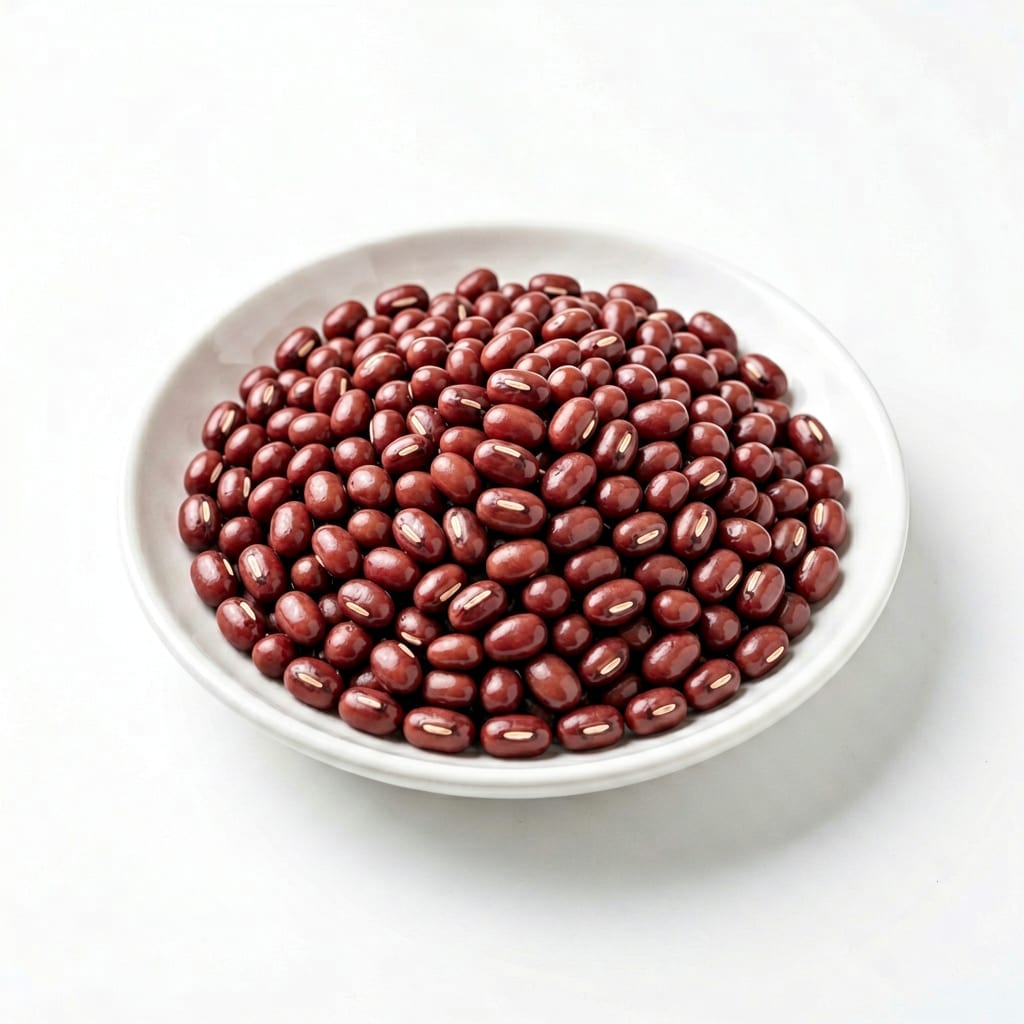
Adzuki Bean
A small, nutrient-dense red legume popular in Asian cuisine, known for its high fiber and low glycemic impact.
A small, reddish-brown legume widely cultivated in East Asia, commonly used in both savory dishes and sweet pastes.
fiber-rich low-glycemic legume
Typical serving · 130g
Common varieties · red adzuki, black adzuki, green adzuki, white adzuki, dainagon
Overall context score across nutrition, safety, and diet fit
At a glance
Quick facts
Simple indicators based on nutrition, processing, and diet fit.
The story
What makes it unique
Adzuki beans are slowly digestible due to high fiber and resistant starch, resulting in prolonged satiety and a low glycemic response. Their macronutrient profile features complex carbohydrates and moderate plant protein with minimal fat. As a minimally processed whole food, they retain their natural phytochemicals and prebiotic properties.
Varieties: red adzuki · black adzuki · green adzuki · white adzuki · dainagon
Per 100g
Nutrition breakdown
Macro balance and key metrics at a glance.
Energy
Density 1.28 kcal/g
Protein
Carbs
Fat
Fiber
Sugar
0 g
Sodium
5 mg
Potassium
530 mg
Glycemic index
35
Glycemic load
9
Water content
66%
Standout compounds
Nutrient highlights
Fiber
highPromotes satiety and feeds beneficial gut bacteria
Folate
highSupports cell division and DNA synthesis
Potassium
moderateHelps regulate blood pressure and fluid balance
Iron
moderateEssential for oxygen transport in the blood
Resistant Starch
moderateEscapes digestion to improve insulin sensitivity
Wellness map
Health scores & processing
NOVA processing scale
minimally processed · Whole food
Whole dried or cooked beans are unprocessed or minimally processed, retaining their natural cellular structure and nutrient profile.
Diet compatibility
- Weight loss
- Muscle gain
- Diabetes
- Gut health
- Low carb
- High protein
- Heart health
Relative standing
Food rankings
Qualitative ranks compared to similar whole foods.
- Satietygood
- Blood sugarexcellent
- Nutrient densitygood
- Fitness fuelgood
- Processing qualityexcellent
Eat with confidence
Food safety profile
Raw adzuki beans contain lectins that are neutralized by cooking. Heavy metal accumulation is a moderate consideration dependent on soil quality, but generally well within safe limits.
Evidence confidence 88%
- Pesticideslow
- Antibioticslow
- Heavy metalsmoderate
- Contaminationlow
Watch for
- phytic acid
- lectins
Safer choices
Organic dried beans to minimize pesticide exposure and low-sodium or no-salt-added canned options.
Prep tips
Soak dried beans for 6-8 hours, discard soaking water, and boil thoroughly until tender to eliminate lectins and improve digestibility.
Minimal regulatory concerns for whole adzuki beans; canned versions may contain added sodium.
Deep dive
Health analysis
How this food may fit different goals and preparation choices.
Weight loss
High fiber and protein content increase satiety, reducing overall calorie intake by slowing digestion.
Blood sugar
Low glycemic index and resistant starch prevent rapid blood sugar spikes, supporting stable glucose levels.
Fitness & energy
Provides sustained complex carbohydrate energy suitable for endurance activities, though fiber may cause discomfort if eaten immediately pre-workout.
Gut health
Rich in prebiotic fiber that feeds beneficial gut bacteria and promotes healthy bowel movements.
Processing quality
A whole food in its natural state, free from artificial additives and refined ingredients.
Food safety
Safe when properly cooked; raw beans contain lectins that must be deactivated by heat.
Common mistakes
Confusing whole adzuki beans with sweetened red bean paste, which is high in added sugar and calories.
Best preparation
Soaking overnight and boiling until tender, or sprouting to enhance nutrient bioavailability and reduce cooking time.
Practical guide
Best use cases
When and how this food fits real eating patterns.
high-volume low-calorie eating
Their high water and fiber content allows for large, filling portions without excess calories.
blood sugar management
The combination of protein, fiber, and resistant starch makes them ideal for stabilizing post-meal glucose.
plant-based meal prep
An excellent base for vegan bowls, soups, and stews, providing essential iron and protein.
gut microbiome support
Prebiotic fibers feed beneficial gut bacteria, supporting a healthy digestive tract.
Balance sheet
Pros & cons
Upsides
- High fiber content promotes prolonged fullness
- Low glycemic index stabilizes blood sugar
- Rich in antioxidants and anti-inflammatory compounds
- Versatile for both savory dishes and healthier dessert bases
- Naturally gluten-free and vegan
Trade-offs
- Contains phytic acid which can reduce mineral absorption
- Can cause bloating or gas if not properly cooked
- Requires soaking and boiling which takes time
- Not a complete protein source on its own
Fit check
Who is it for?
Great match
- plant-based diets
- blood sugar management
- high-volume eating
- gut microbiome support
Consider alternatives
- strict ketogenic diets
- low-FODMAP diets
- immediate pre-workout fueling
- those with severe legume allergies
Side by side
How it compares
Open the full head-to-head analysis for nutrition, safety, and practical tradeoffs.
This food
Adzuki Bean
VS88% alike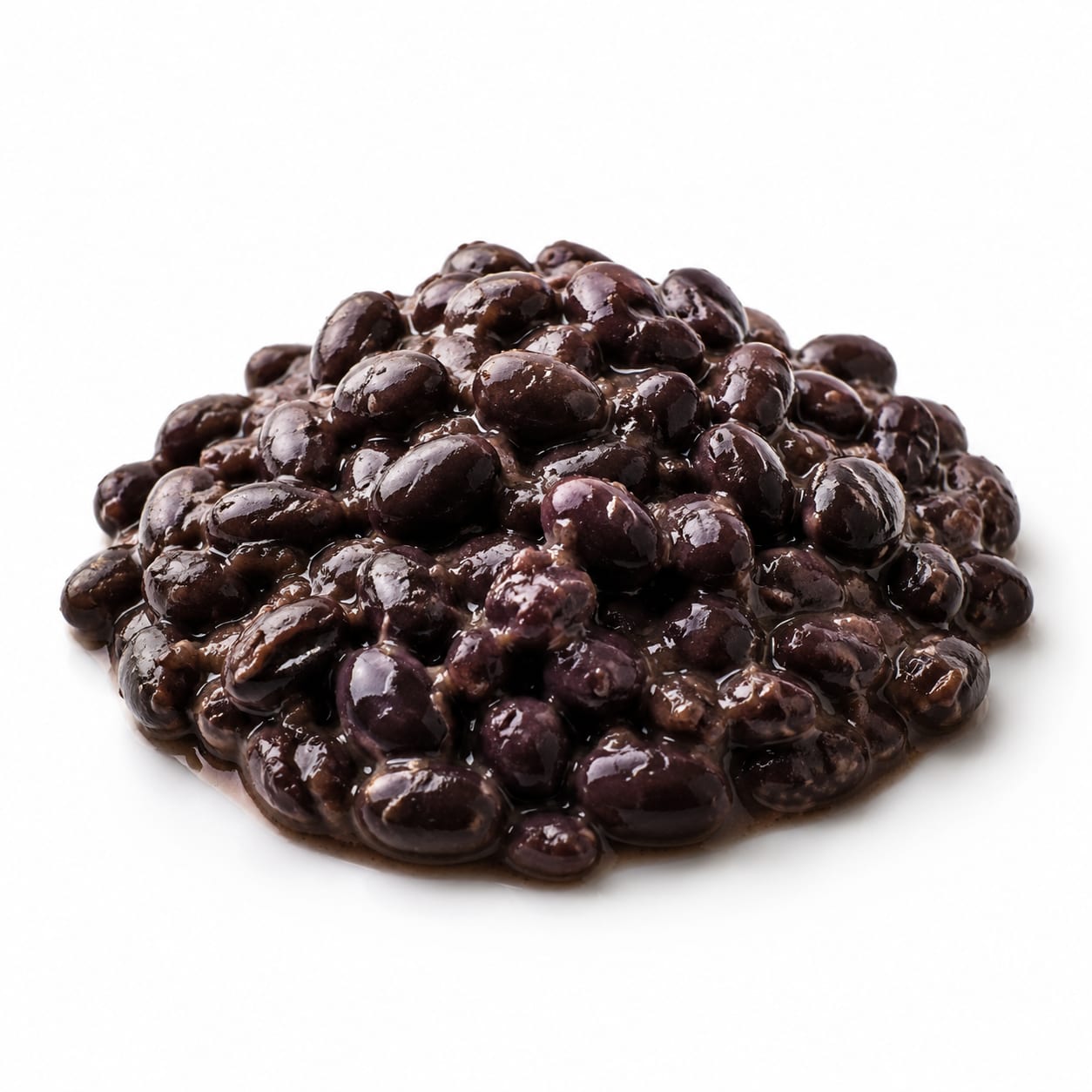
Compare with
Black Bean
Black beans are slightly higher in protein and iron, while adzuki beans are a bit lower in calories and higher in folate.
Adzuki beans are slightly lower in calories and better for weight loss, while black beans offer more protein for muscle building.
This food
Adzuki Bean
VS90% alike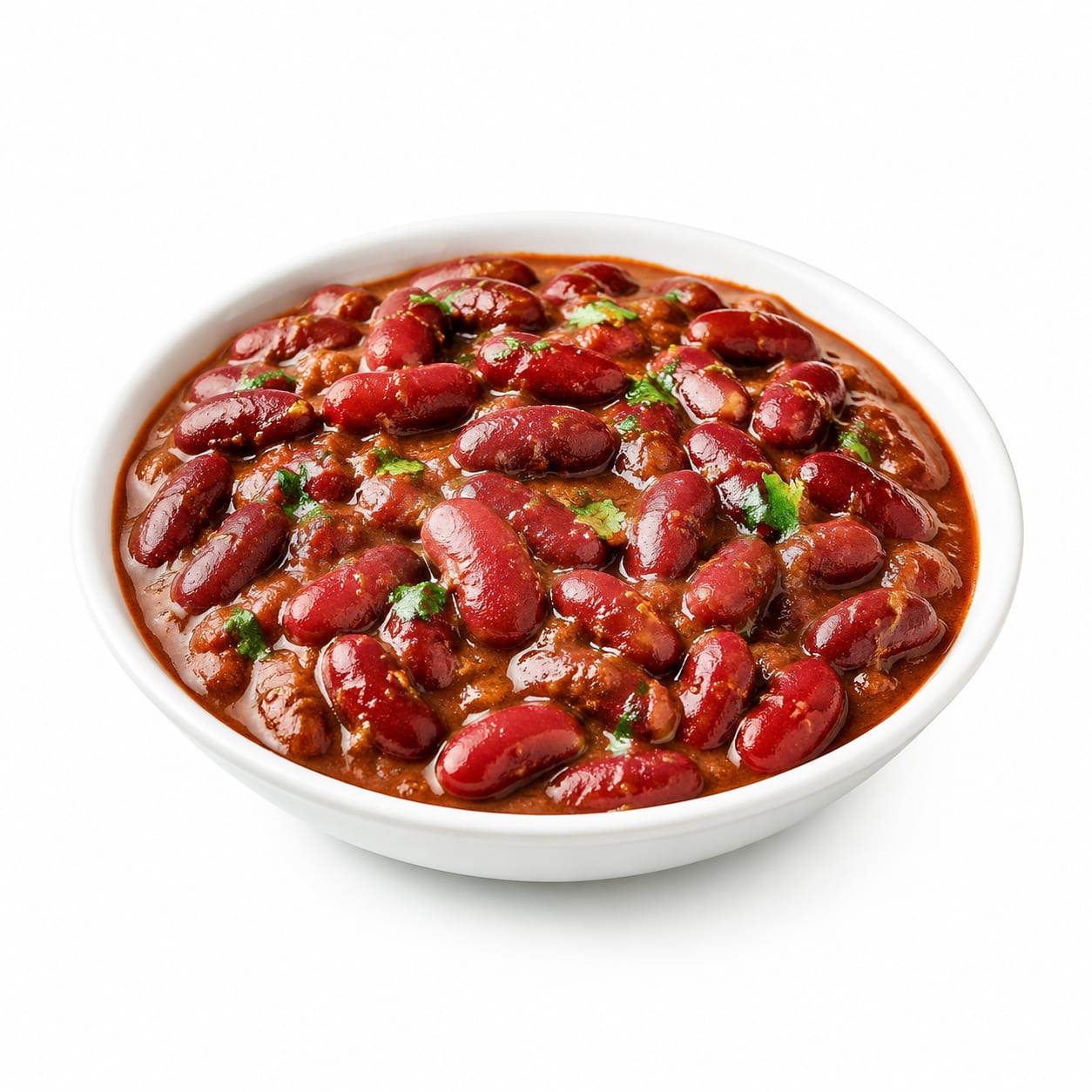
Compare with
Kidney Bean
Kidney beans are larger and slightly higher in carbohydrates, while adzuki beans are easier to digest and have a sweeter taste.
Adzuki beans are lower in calories and easier to digest than kidney beans, making them better for weight loss and sensitive stomachs.
This food
Adzuki Bean
VS95% alike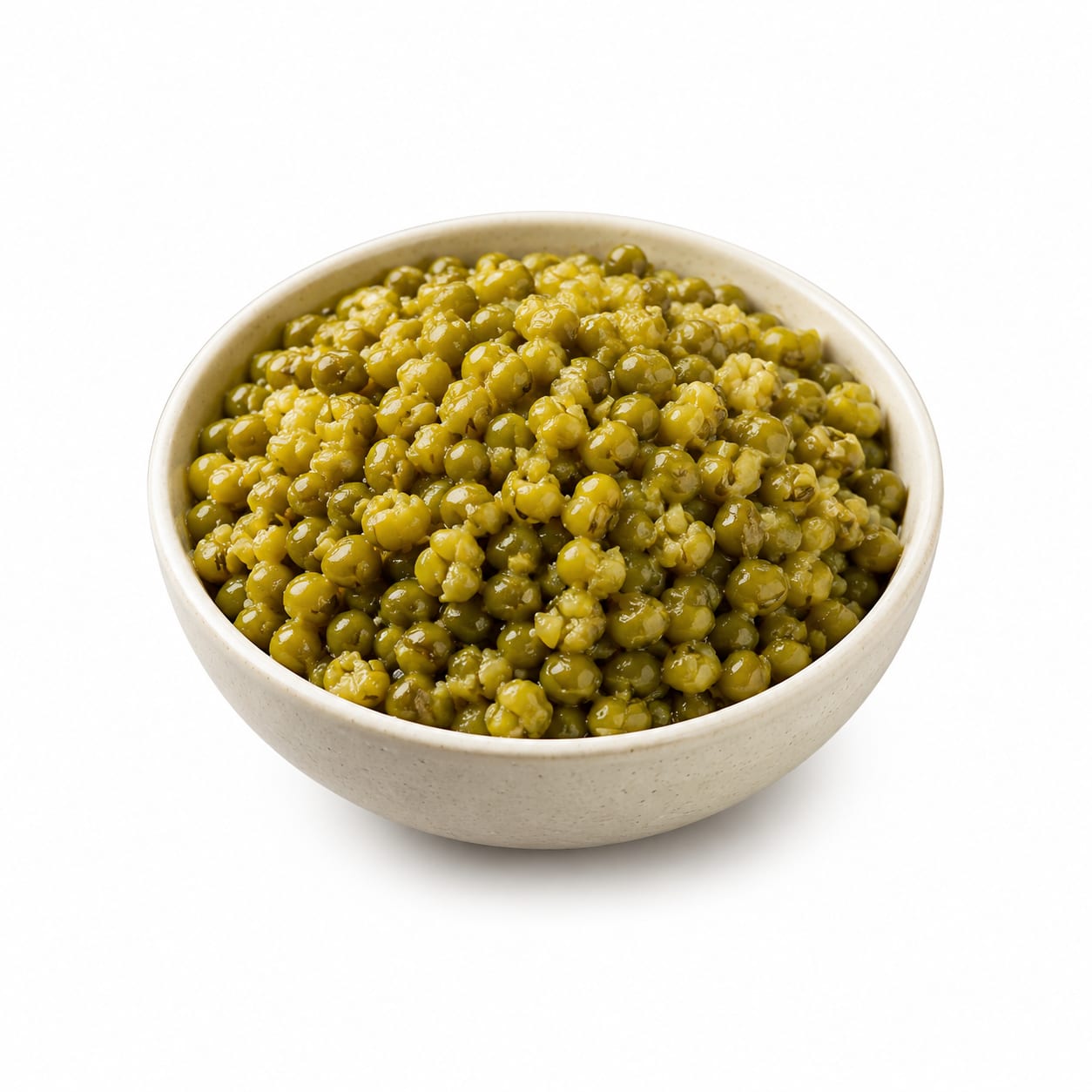
Compare with
Mung Bean
Mung beans are slightly lower in calories and easier to sprout, while adzuki beans offer more fiber and iron per serving.
Mung beans are slightly lower in calories, but adzuki beans provide more fiber and iron for better satiety and blood health.
This food
Adzuki Bean
VS82% alike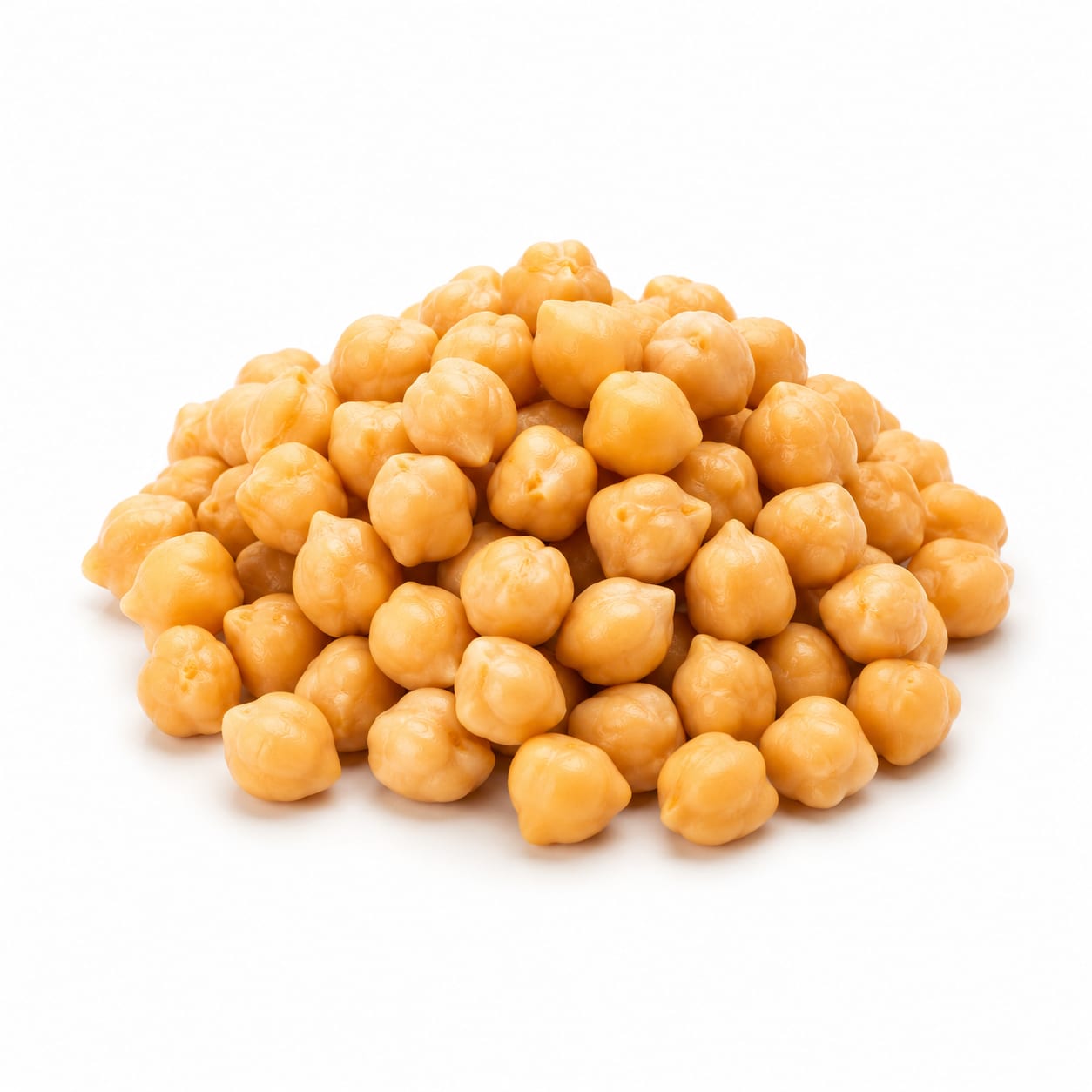
Compare with
Chickpea
Chickpeas are higher in fat and folate, while adzuki beans are lower in calories and higher in overall fiber.
Adzuki beans are lower in calories and higher in fiber than chickpeas, offering better satiety for weight loss.
This food
Adzuki Bean
VS85% alike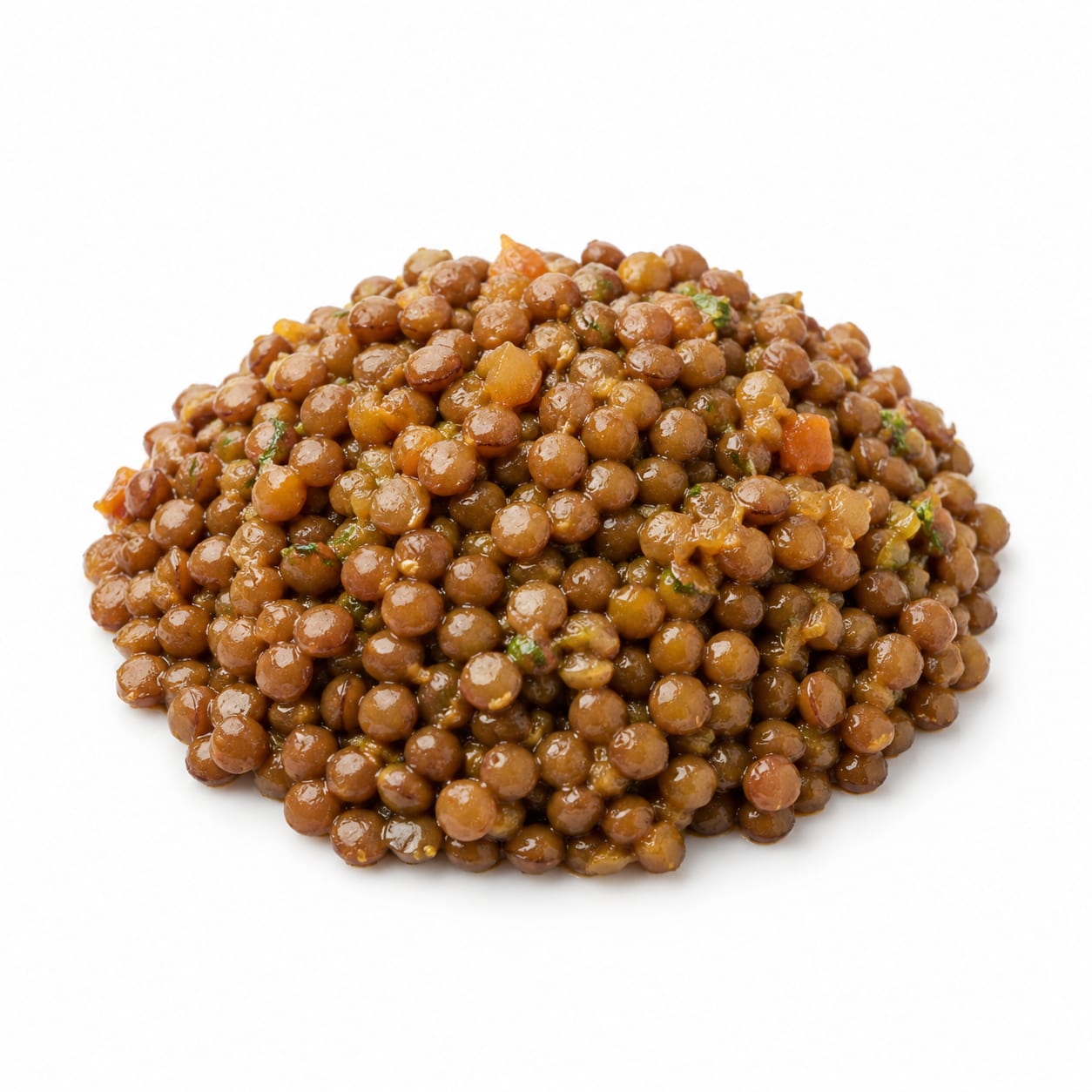
Compare with
Lentil
Lentils cook faster and are slightly higher in protein, while adzuki beans are richer in potassium and resistant starch.
Lentils cook faster and offer slightly more protein, while adzuki beans provide more resistant starch for blood sugar control.
This food
Adzuki Bean
VS75% alike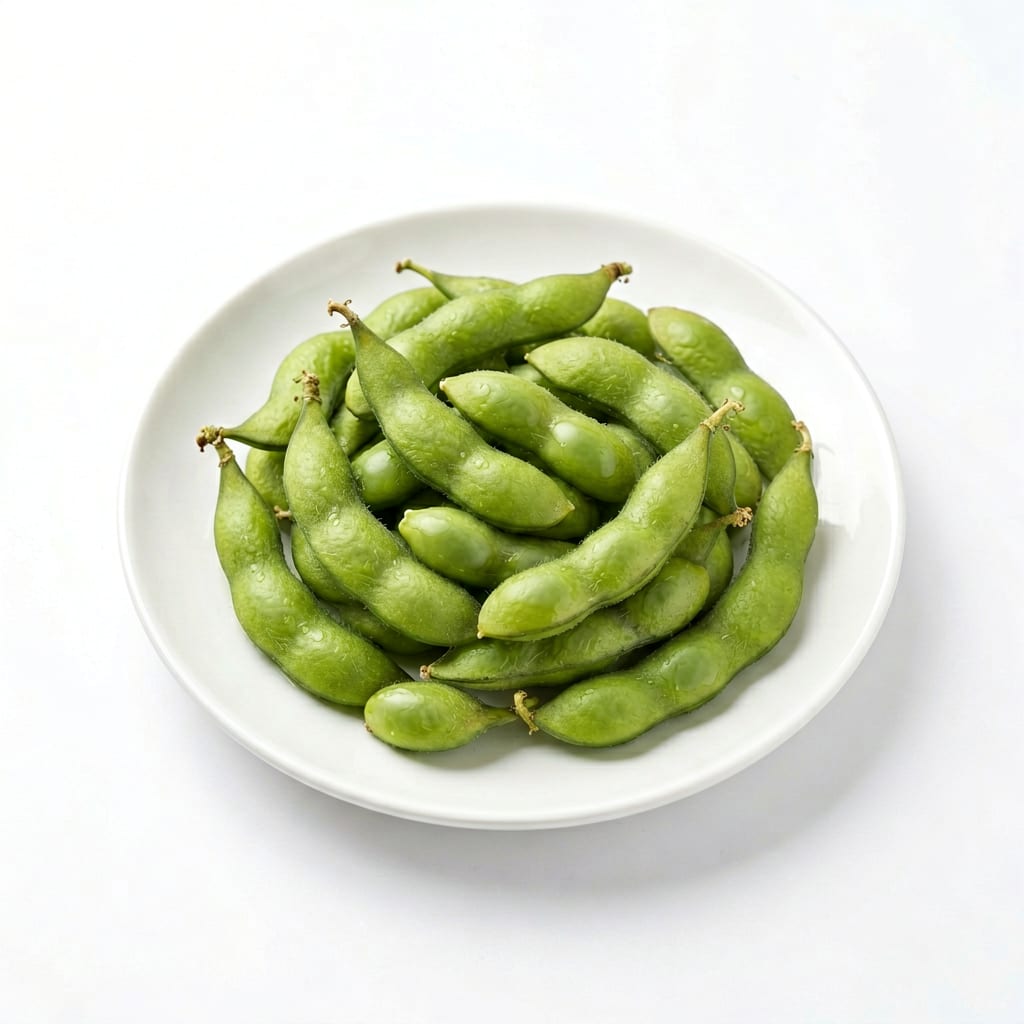
Compare with
Edamame
Edamame is a complete protein and much higher in fat, while adzuki beans are primarily a complex carbohydrate source.
Edamame provides much more protein and healthy fats for fitness, while adzuki beans offer lower-calorie complex carbs for weight loss.
This food
Adzuki Bean
VS80% alike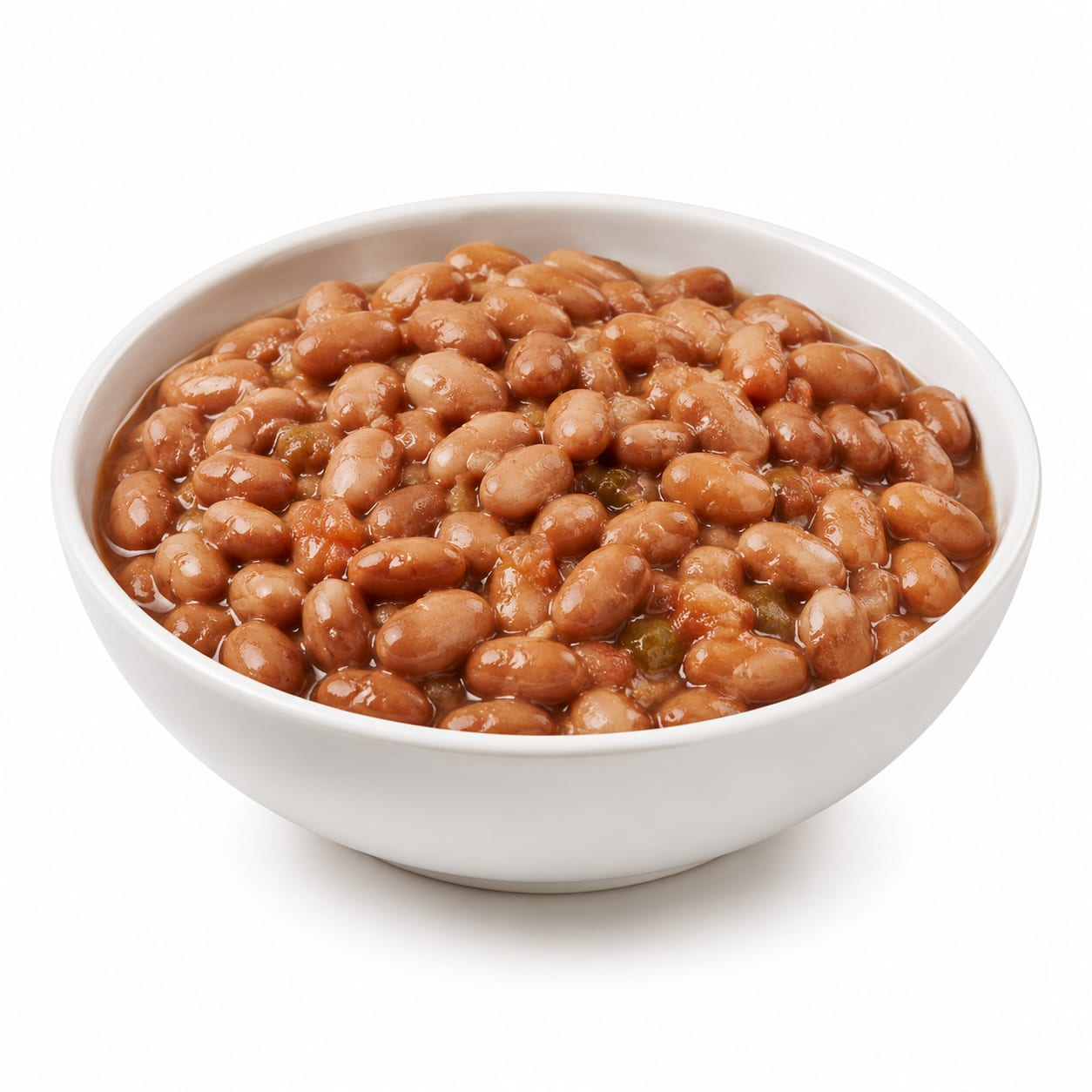
Compare with
Pinto Bean
Pinto beans are slightly higher in calories and fat, while adzuki beans offer a denser fiber profile and lower glycemic load.
Adzuki beans are lower in calories and better for blood sugar control than pinto beans, which are slightly higher in protein.
This food
Adzuki Bean
VS78% alike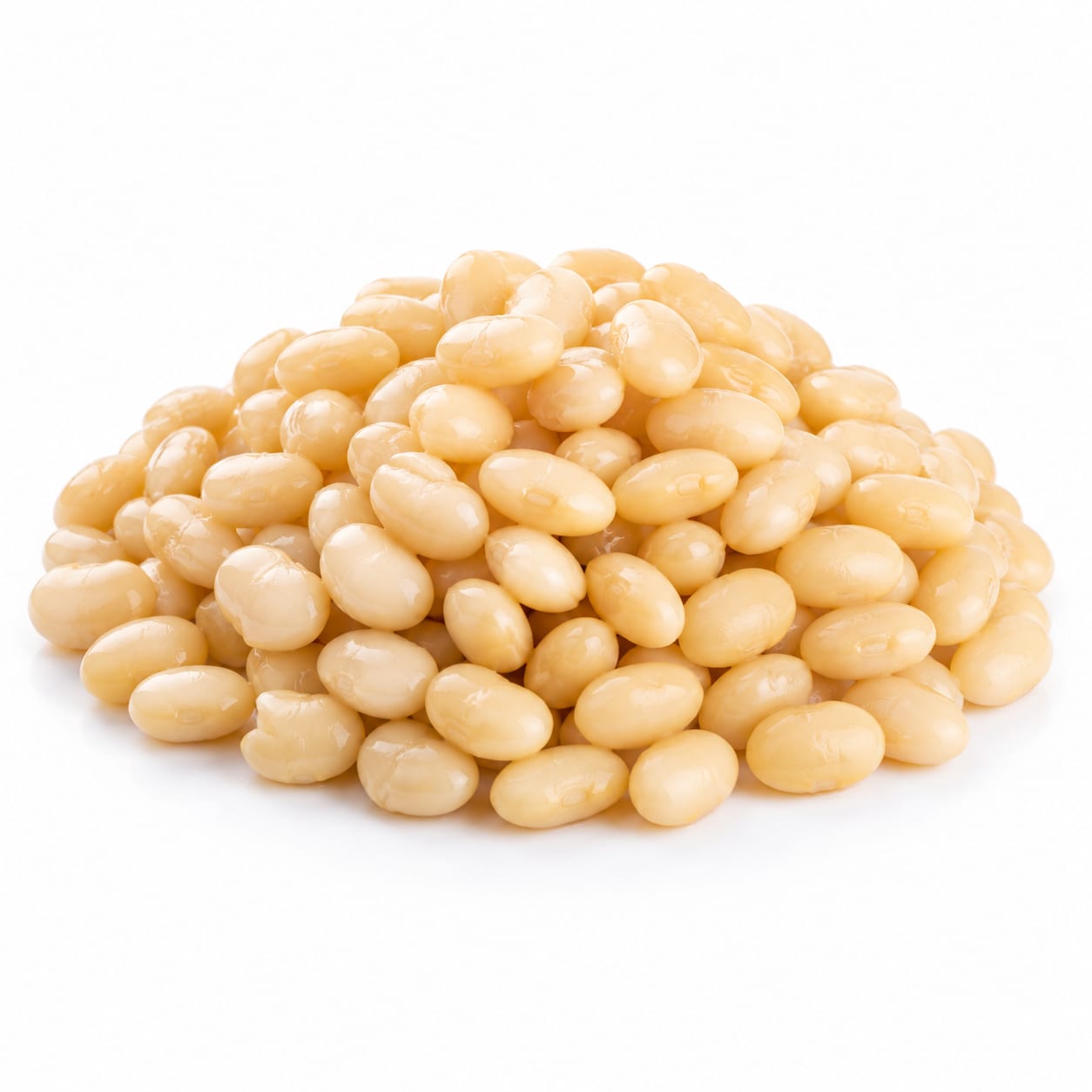
Compare with
Navy Bean
Navy beans are slightly higher in fiber and protein, but adzuki beans have a lower glycemic index and more antioxidants.
Navy beans offer slightly more protein and fiber, but adzuki beans are better for managing blood sugar due to their lower glycemic impact.
This food
Adzuki Bean
VS82% alike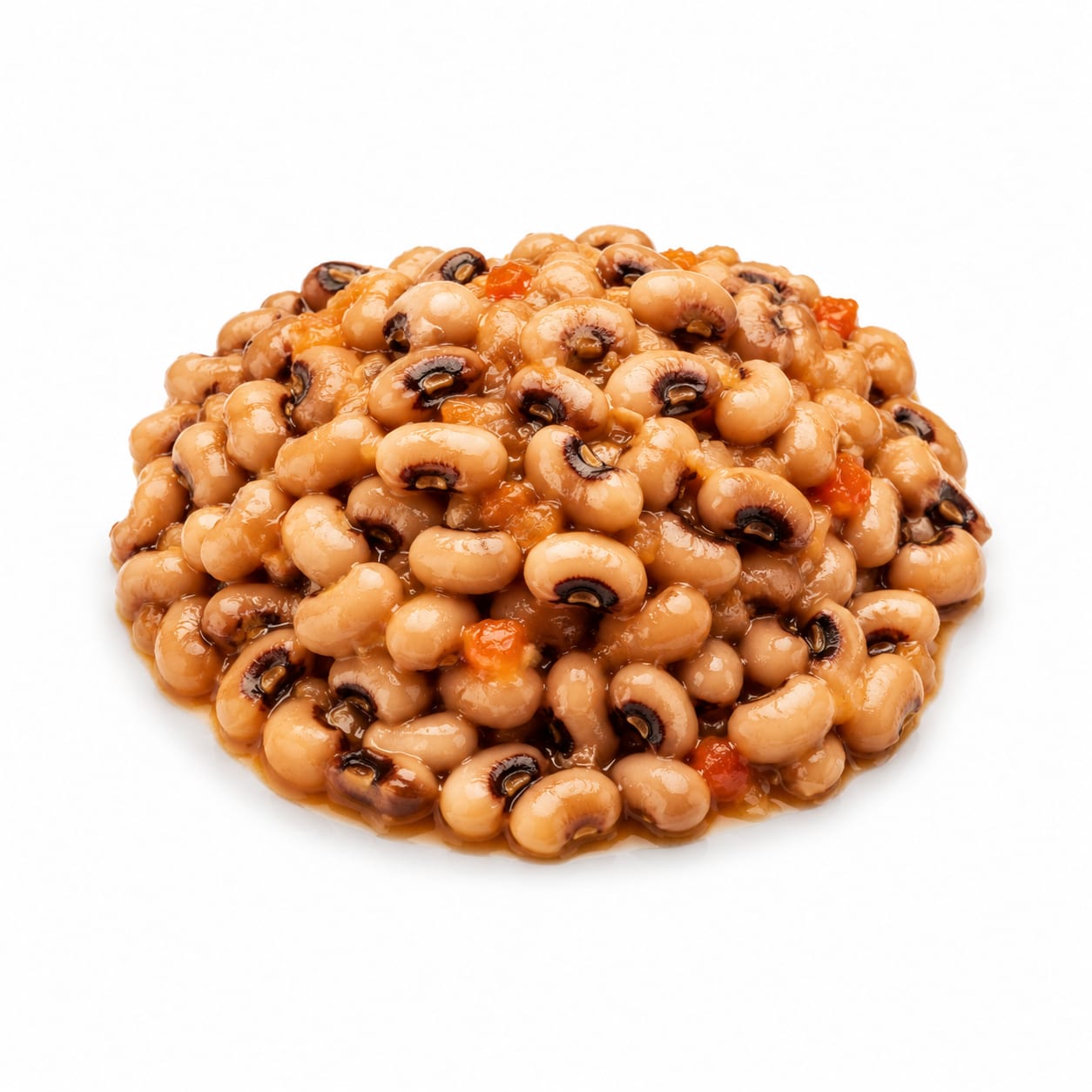
Compare with
Black-eyed Pea
Black-eyed peas are lower in fiber and higher in calories, making adzuki beans the superior choice for satiety and weight management.
Adzuki beans are higher in fiber and lower in calories than black-eyed peas, making them much better for weight loss and satiety.
This food
Adzuki Bean
VS76% alike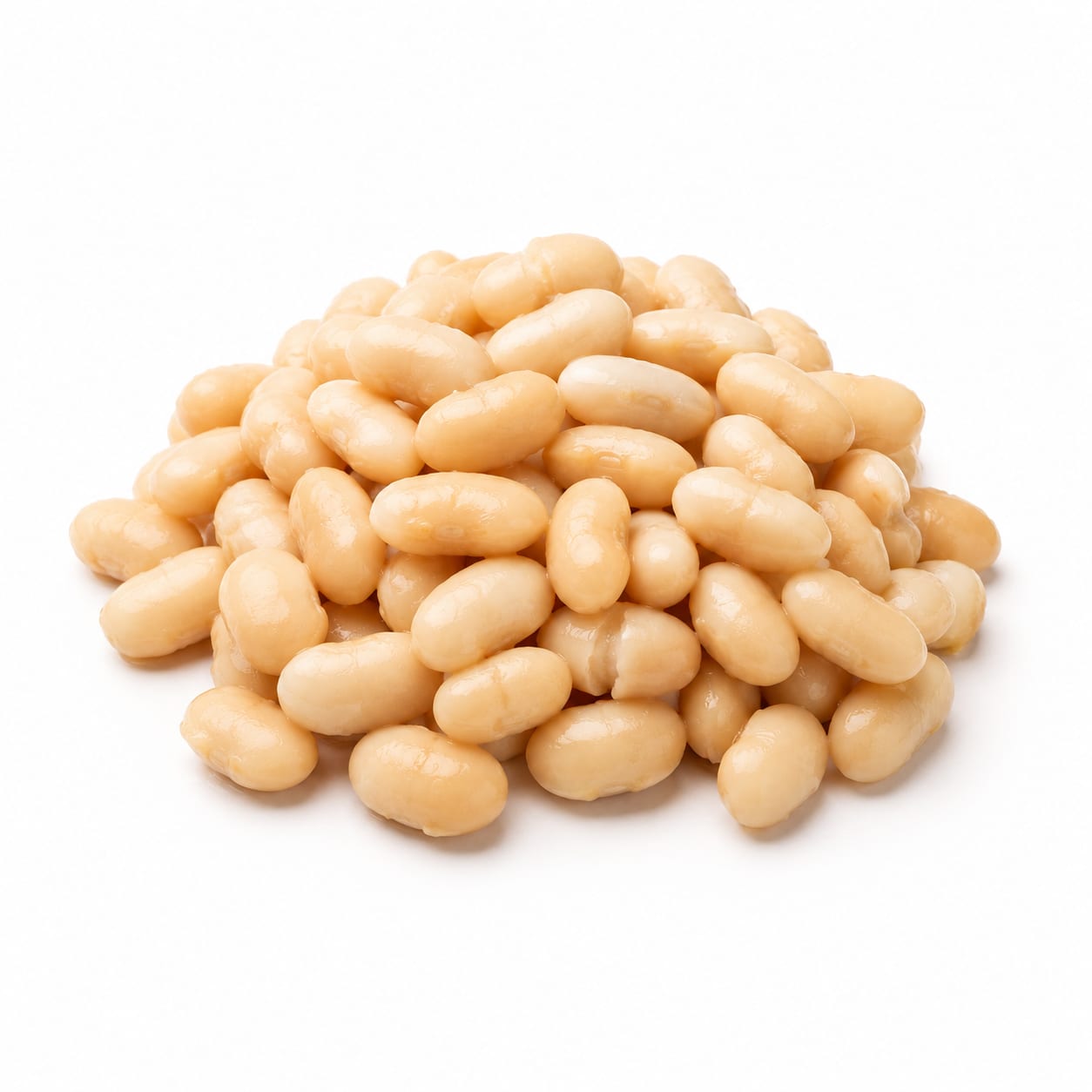
Compare with
Cannellini Bean
Cannellini beans are larger and slightly higher in protein, while adzuki beans are significantly lower in calories and higher in antioxidants.
Cannellini beans provide slightly more protein, but adzuki beans are lower in calories and better for blood sugar regulation.
Common questions
FAQ
Answers aligned with how people search for this food.
Are adzuki beans good for weight loss?
Yes, adzuki beans are excellent for weight loss. They are low in calories but high in fiber and protein, which promotes fullness and helps control appetite.
Can diabetics eat adzuki beans?
Yes, adzuki beans have a low glycemic index and are rich in resistant starch, which helps prevent blood sugar spikes and improves glucose tolerance.
What is the difference between adzuki beans and red kidney beans?
Adzuki beans are smaller, sweeter, and easier to digest than red kidney beans. Nutritionally, adzuki beans have slightly more fiber and fewer calories per serving.
Do adzuki beans cause gas?
Like most legumes, adzuki beans can cause gas due to their high fiber and oligosaccharide content. Soaking them overnight and discarding the water before cooking can significantly reduce this effect.
Are adzuki beans a complete protein?
No, adzuki beans are not a complete protein as they are low in methionine. Pairing them with grains like rice or quinoa provides all essential amino acids.
How do you cook dried adzuki beans?
Soak dried adzuki beans for 6-8 hours, drain, then boil in fresh water for 45-60 minutes or until tender. Unlike other beans, they cook relatively quickly even without soaking.
Is red bean paste the same as adzuki beans?
Red bean paste is made from cooked and sweetened adzuki beans. While the beans themselves are healthy, the paste is high in added sugar and lacks the fiber of whole beans.
Are adzuki beans healthier than black beans?
Both are highly nutritious. Adzuki beans are slightly lower in calories and higher in folate, while black beans are slightly higher in protein and iron. Both offer excellent fiber.
Transparency
Data confidence
Estimated confidence for nutrition data, interpretation, safety notes, and comparisons.
Nutrition data
Health analysis
Food safety
Comparisons