
Nutrition comparison
Adzuki Beans vs Chickpeas: Which Legume Is Healthier for You?
Compare adzuki beans and chickpeas on protein, antioxidants, blood sugar impact, and weight loss. Find out which bean fits your health goals better.
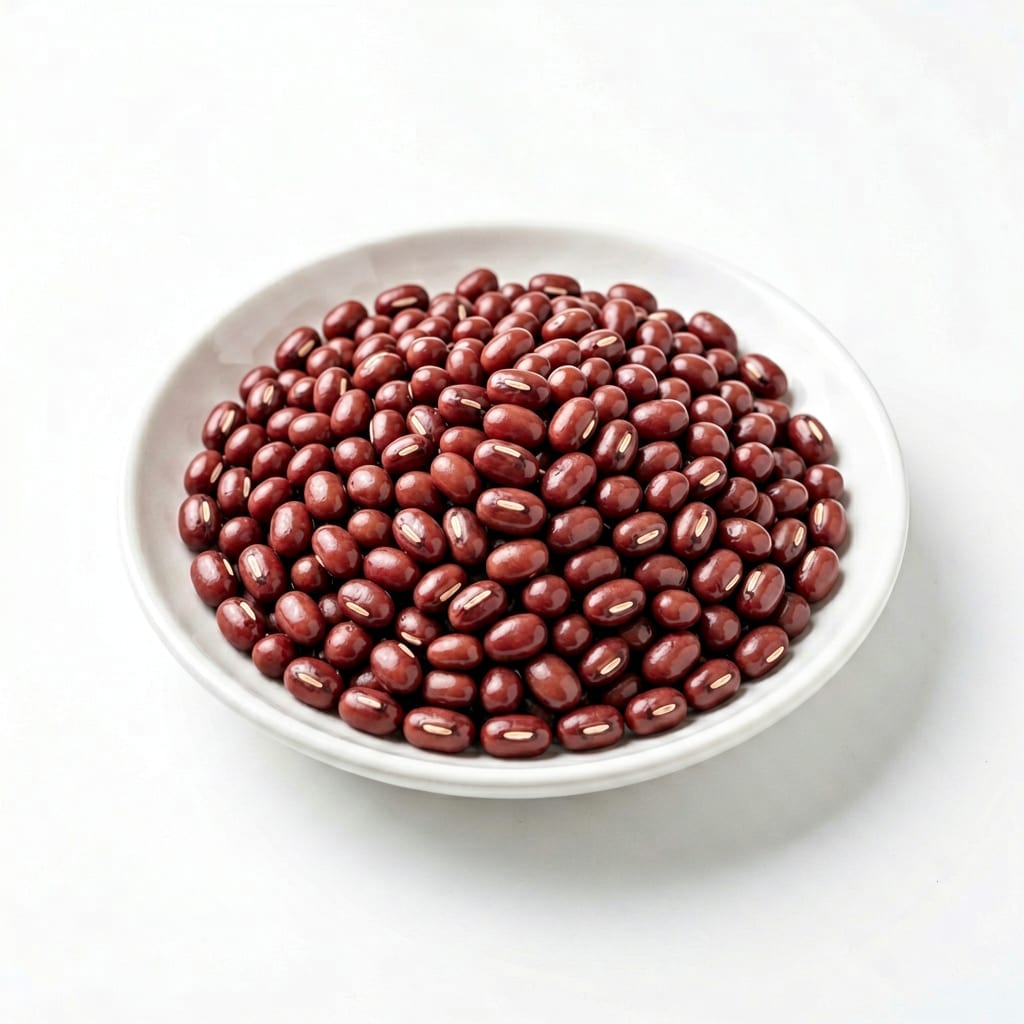
Adzuki Bean
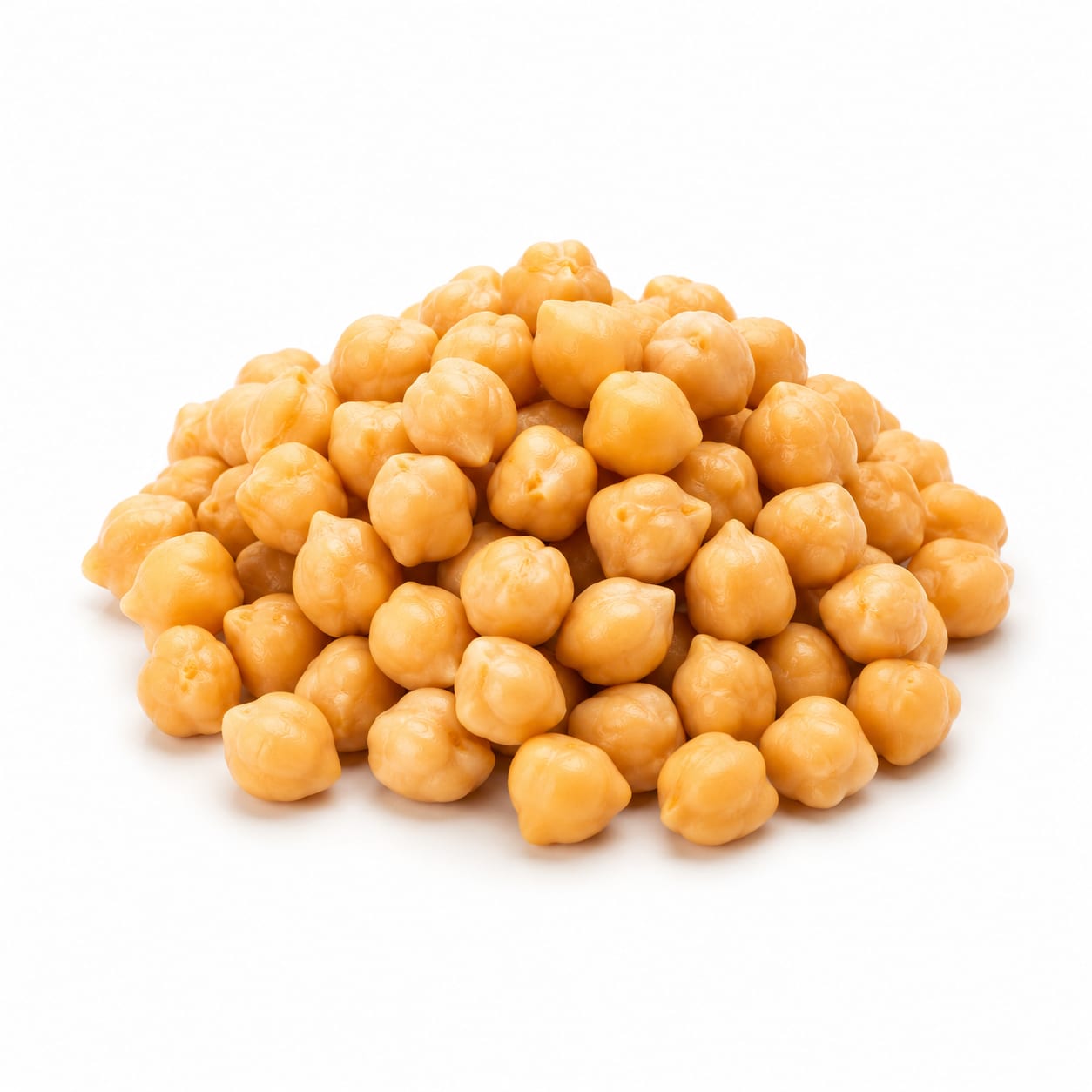
Chickpea
Chickpeas win on protein and versatility; adzuki beans win on antioxidants, lower calories, and blood sugar control.
Chickpeas edge ahead due to higher protein, wider availability, and culinary flexibility. Adzuki beans stay competitive with superior antioxidants, lower calories, and gentler blood sugar impact. The gap is small because both are excellent nutrient-dense legumes.
More protein and meal flexibility with chickpeas versus lighter calories and stronger antioxidant protection with adzuki beans.
At a glance
Executive summary
Overall
It depends
Healthier
Adzuki Bean
More practical
Chickpea
Daily use
Chickpea
Key comparison lenses
plant protein quality
Both are top plant protein sources, but chickpeas deliver more protein per serving
blood sugar management
Adzuki beans have a lower glycemic impact, making them relevant for glucose-conscious eaters
weight management
Adzuki beans are lower in calories and higher in fiber per unit, supporting satiety with less energy density
antioxidant and antiaging
Adzuki beans are rich in anthocyanins, offering unique antioxidant benefits chickpeas lack
culinary versatility and convenience
Chickpeas dominate in recipe flexibility and product availability worldwide
Best choice for
Adzuki Bean
- People managing blood sugar or insulin resistance
- Those seeking lower-calorie plant protein
- Anyone wanting antioxidant-rich anti-aging foods
- Fans of East Asian desserts and sweet bean dishes
Chickpea
- People building muscle on a plant-based diet
- Those who want maximum recipe versatility
- Anyone meal-prepping for the week
- Fans of Mediterranean, Middle Eastern, or Indian cuisine
Least suitable for
Adzuki Bean
- Those needing high protein per meal
- People unfamiliar with or uninterested in Asian cooking styles
- Anyone looking for quick canned options in standard grocery stores
Chickpea
- People strictly counting calories who find chickpeas too energy-dense
- Those with severe digestive sensitivity to oligosaccharides
- Anyone on a very low-carb or keto diet
Deep comparison
Dimension by dimension
Each lens scores both foods and breaks down who each option suits.
- Dimension 1 · Priority 92Chickpea
protein_content_and_quality
Adzuki Bean · 62Chickpea · 82Chickpeas provide roughly 19g protein per cooked cup versus 17g for adzuki beans, with a more complete amino acid profile.
Tradeoff
Adzuki beans still offer solid protein but require more strategic pairing to match chickpea protein quality.
Why it matters
For plant-based eaters, every gram of protein matters, especially at meals where legumes are the primary source.
Real-world impact
A chickpea-based dinner leaves you more satisfied with less need for supplemental protein sides.
Adzuki Bean
- Lighter meals where protein is not the priority
Better for
- Athletes needing higher protein intake
Worse for
Chickpea
- Post-workout recovery meals
- Plant-based muscle-building diets
- Anyone relying on legumes as a primary protein source
Better for
- Those who find high-protein meals too heavy before bed
Worse for
- Dimension 2 · Priority 88Adzuki Bean
blood_sugar_stability
Adzuki Bean · 86Chickpea · 74Adzuki beans have a lower glycemic index and higher fiber-to-carb ratio, resulting in steadier blood sugar after meals.
Tradeoff
Chickpeas are still low-GI compared to most carbs, but adzuki beans offer a slight edge for glucose-sensitive individuals.
Why it matters
Even small GI differences compound over years of daily eating, affecting energy crashes and diabetes risk.
Real-world impact
An adzuki bean lunch is less likely to cause that 3pm energy dip compared to a chickpea meal with similar portions.
Adzuki Bean
- People with prediabetes or type 2 diabetes
- Those prone to afternoon energy crashes
- Anyone doing intermittent fasting who wants stable glucose
Better for
- Endurance athletes needing faster carb replenishment
Worse for
Chickpea
- Active individuals who need moderate carb availability for exercise
Better for
- Insulin-resistant individuals monitoring every glycemic spike
Worse for
- Dimension 3 · Priority 80Adzuki Bean
antioxidant_and_antiaging_potential
Adzuki Bean · 88Chickpea · 55Adzuki beans are rich in anthocyanins and other polyphenols from their dark red pigment, far exceeding chickpeas in antioxidant capacity.
Tradeoff
Chickpeas offer some antioxidants like selenium and manganese but lack the concentrated polyphenol punch of adzuki beans.
Why it matters
Antioxidants from food reduce chronic inflammation and cellular aging more effectively than supplements.
Real-world impact
Regular adzuki bean consumption supports long-term skin, cardiovascular, and cognitive health more noticeably than chickpeas.
Adzuki Bean
- People prioritizing anti-aging nutrition
- Those with chronic inflammation concerns
- Anyone seeking cardioprotective food choices
Better for
- People who only eat beans occasionally, where antioxidant benefits are minimal
Worse for
Chickpea
- Those who get antioxidants abundantly from other sources like berries and leafy greens
Better for
- Those relying on chickpeas as their primary antioxidant food source
Worse for
- Dimension 4 · Priority 85Adzuki Bean
calorie_efficiency_and_satiety
Adzuki Bean · 82Chickpea · 72Adzuki beans deliver more fiber and nutrients per calorie, making them more efficient for weight management.
Tradeoff
Chickpeas are more filling per volume due to higher fat and protein, but at a higher calorie cost.
Why it matters
For consistent weight management, calorie density determines whether you can eat satisfying portions without overconsuming.
Real-world impact
You can eat a larger bowl of adzuki beans for the same calories as a smaller chickpea portion, feeling more physically full.
Adzuki Bean
- People tracking calories for weight loss
- Those who prefer larger portion sizes
- Anyone eating at a caloric deficit who still wants to feel full
Better for
- Those needing calorie-dense foods for weight gain
Worse for
Chickpea
- People at maintenance or surplus calories who prioritize protein and creaminess
Better for
- Strict calorie counters who find portions too easy to overeat
Worse for
- Dimension 5 · Priority 78Chickpea
culinary_versatility_and_convenience
Adzuki Bean · 52Chickpea · 90Chickpeas appear in hummus, curries, salads, roasted snacks, pasta, and flour. Adzuki beans are mostly limited to Asian sweets and soups.
Tradeoff
Adzuki beans shine in specific dishes but lack the global recipe library and product ecosystem chickpeas enjoy.
Why it matters
The more ways you can use a food, the more likely you are to eat it consistently.
Real-world impact
You can put chickpeas in almost any meal without thinking. Adzuki beans require more planning and recipe hunting.
Adzuki Bean
- Home cooks exploring Japanese, Korean, or Chinese dessert traditions
- Anyone making traditional red bean paste dishes
Better for
- People who get bored eating the same flavor profile
- Those without access to Asian grocery stores
Worse for
Chickpea
- Meal preppers who want one ingredient for multiple recipes
- People who rely on canned legumes for quick meals
- Anyone cooking Mediterranean, Middle Eastern, or Indian food
Better for
- Cooks looking for naturally sweet bean flavors for dessert applications
Worse for
- Dimension 6 · Priority 75It depends
digestive_tolerance
Adzuki Bean · 70Chickpea · 68Both beans cause gas and bloating in sensitive individuals. Adzuki beans are slightly easier to digest due to smaller size and lower oligosaccharide content.
Tradeoff
Neither is truly gentle on the gut. Proper soaking and cooking matter more than the bean choice itself.
Why it matters
Digestive discomfort is the number one reason people abandon legume-heavy diets.
Real-world impact
If beans normally make you bloated, adzuki beans might be slightly more tolerable, but the difference is modest.
Adzuki Bean
- People with mild bean sensitivity looking for a gentler option
- Those transitioning to a high-fiber diet who need an easier entry point
Better for
- People with severe IBS who react to most legumes
Worse for
Chickpea
- Anyone already accustomed to chickpeas with no digestive issues
Better for
- Those new to legumes who find chickpeas particularly gas-producing
Worse for
- Dimension 7 · Priority 72Chickpea
mineral_density
Adzuki Bean · 70Chickpea · 78Chickpeas provide more iron, magnesium, and zinc per serving. Adzuki beans offer more potassium and folate.
Tradeoff
Chickpeas cover a broader mineral spectrum, while adzuki beans excel in specific minerals relevant to blood pressure and cell repair.
Why it matters
Mineral deficiencies are common, especially in plant-based diets, and food choices directly close those gaps.
Real-world impact
Regular chickpea intake better supports energy and immune function. Adzuki beans better support electrolyte balance and heart rhythm.
Adzuki Bean
- People focused on blood pressure management through potassium intake
- Women of childbearing age needing extra folate
Better for
- Anemic individuals needing maximum iron from food
Worse for
Chickpea
- Those at risk for iron deficiency
- Anyone needing immune-supporting zinc
- People with magnesium insufficiency affecting sleep or cramps
Better for
- Those specifically targeting potassium for hypertension management
Worse for
Timeline
Health impact over time
Short-term
Hours to days
Adzuki Bean
- Steadier energy after meals with less blood sugar roller coaster
- Mild digestive adjustment period if unused to high-fiber beans
- Naturally satisfying sweetness reduces dessert cravings
Chickpea
- Stronger post-meal fullness from higher protein and fat content
- More noticeable bloating or gas in sensitive individuals
- Sustained energy for active days due to balanced macronutrients
Long-term
Months to years
Adzuki Bean
- Better long-term blood sugar control and reduced diabetes risk
- Enhanced antioxidant protection against cellular aging
- Lower cumulative calorie intake supporting healthy weight maintenance
Chickpea
- Greater muscle preservation and lean mass support on plant-based diets
- Improved iron status reducing fatigue and anemia risk
- Broad mineral intake supporting bone density and immune resilience
Risk profile
Safety & processing
Both adzuki beans and chickpeas are whole, minimally processed foods in their natural form. Canned versions may contain added sodium, so rinsing is recommended. Neither carries meaningful additive concerns when purchased dried or low-sodium canned.
Adzuki Bean
phytohemagglutinin_toxicity
lowLike all legumes, undercooked adzuki beans contain lectins that can cause nausea. Thorough cooking eliminates this risk entirely.
canned_sodium
mediumCanned adzuki beans often contain high sodium. Rinsing reduces sodium by roughly 40%, but cooking from dried is safest.
Chickpea
phytohemagglutinin_toxicity
lowUndercooked chickpeas carry the same lectin risk as other beans. Proper soaking and cooking fully neutralizes this concern.
canned_sodium
mediumCanned chickpeas are a sodium trap. A single cup can contain 400-700mg sodium. Always choose no-salt-added or rinse thoroughly.
cross_reactivity_for_legume_allergy
lowChickpea allergy exists, particularly in Mediterranean populations. Those with lentil or pea allergies should introduce chickpeas cautiously.
Who wins for whom
Audience fit
Same foods, different winners depending on your goal.
children
ChickpeaChickpeas are more familiar, milder in flavor, and easier to incorporate into kid-friendly meals like hummus or roasted snacks.
daily consumption
ChickpeaChickpeas offer more recipe variety and broader nutrient coverage, making daily consumption more sustainable and less monotonous.
diabetes
Adzuki BeanAdzuki beans have a lower glycemic index and better fiber-to-carb ratio, producing smaller glucose spikes after meals.
elderly
ChickpeaHigher iron, zinc, and protein in chickpeas help counter age-related muscle loss and anemia, and hummus is easy to chew.
muscle gain
ChickpeaChickpeas deliver more protein per serving and pair better with high-protein meals for muscle recovery and growth.
weight loss
Adzuki BeanLower calorie density and higher fiber per calorie make adzuki beans more weight-loss friendly while still providing satisfying portions.
Your move
Decision guide
Choose Adzuki Bean
- You are managing blood sugar, insulin resistance, or prediabetes
- You want maximum antioxidants from your legumes
- You are counting calories and prefer larger satisfying portions
- You enjoy East Asian cooking and want authentic flavors
- You are looking for a naturally sweeter bean for healthier desserts
Choose Chickpea
- You need more protein for muscle maintenance or athletic performance
- You want one versatile legume for salads, dips, curries, and snacks
- You are new to cooking legumes and want the most accessible option
- You are building a plant-based diet with broad mineral coverage
- You prefer creamy, nutty flavors over sweet bean profiles
Either works if
- You simply want a healthy fiber-rich legume in your diet
- You are rotating beans for microbiome diversity
- You are eating legumes a few times per week without specific goals
Avoid both if
- You have severe IBS or FODMAP sensitivity and cannot tolerate legumes
- You are on a strict keto or very-low-carb diet
- You have a diagnosed legume allergy
Final recommendation
Eat both. Chickpeas are your daily workhorse for protein and versatility. Adzuki beans are your strategic upgrade for blood sugar control and antioxidant benefits. Rotating between them gives you the broadest nutrient coverage and keeps meals interesting.
Practical
Consumer tips
- 1
Soak both beans for at least 8 hours and discard the water to reduce gas-causing oligosaccharides
- 2
Rinse canned versions thoroughly to remove roughly 40% of added sodium
- 3
Adzuki beans cook faster than chickpeas, making them more weeknight-friendly when cooking from dried
- 4
Try adzuki beans in overnight oats or chia pudding for a naturally sweet, antioxidant-rich breakfast
- 5
Keep canned chickpeas on hand for emergency meals — they transform into hummus, salad toppers, or quick curries in minutes
- 6
If chickpeas cause bloating, try adzuki beans as a gentler alternative and increase portions gradually
- 7
Freeze cooked beans in portioned bags to skip the soaking step on busy weeks