
Nutrition comparison
Adzuki Beans vs Black-eyed Peas: Nutrition, Health Benefits, and Which to Choose
Compare adzuki beans and black-eyed peas on fiber, antioxidants, blood sugar impact, and more. Find out which legume fits your health goals and cooking style best.
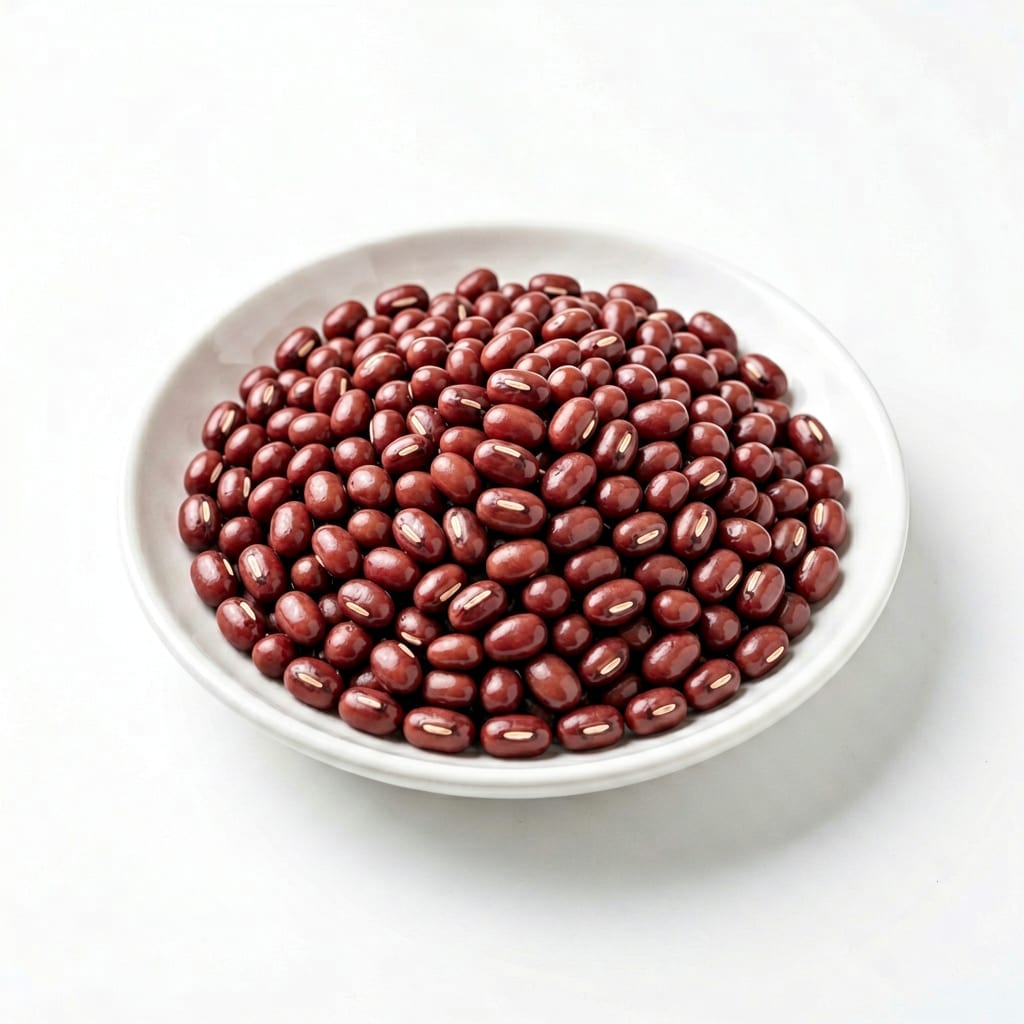
Adzuki Bean
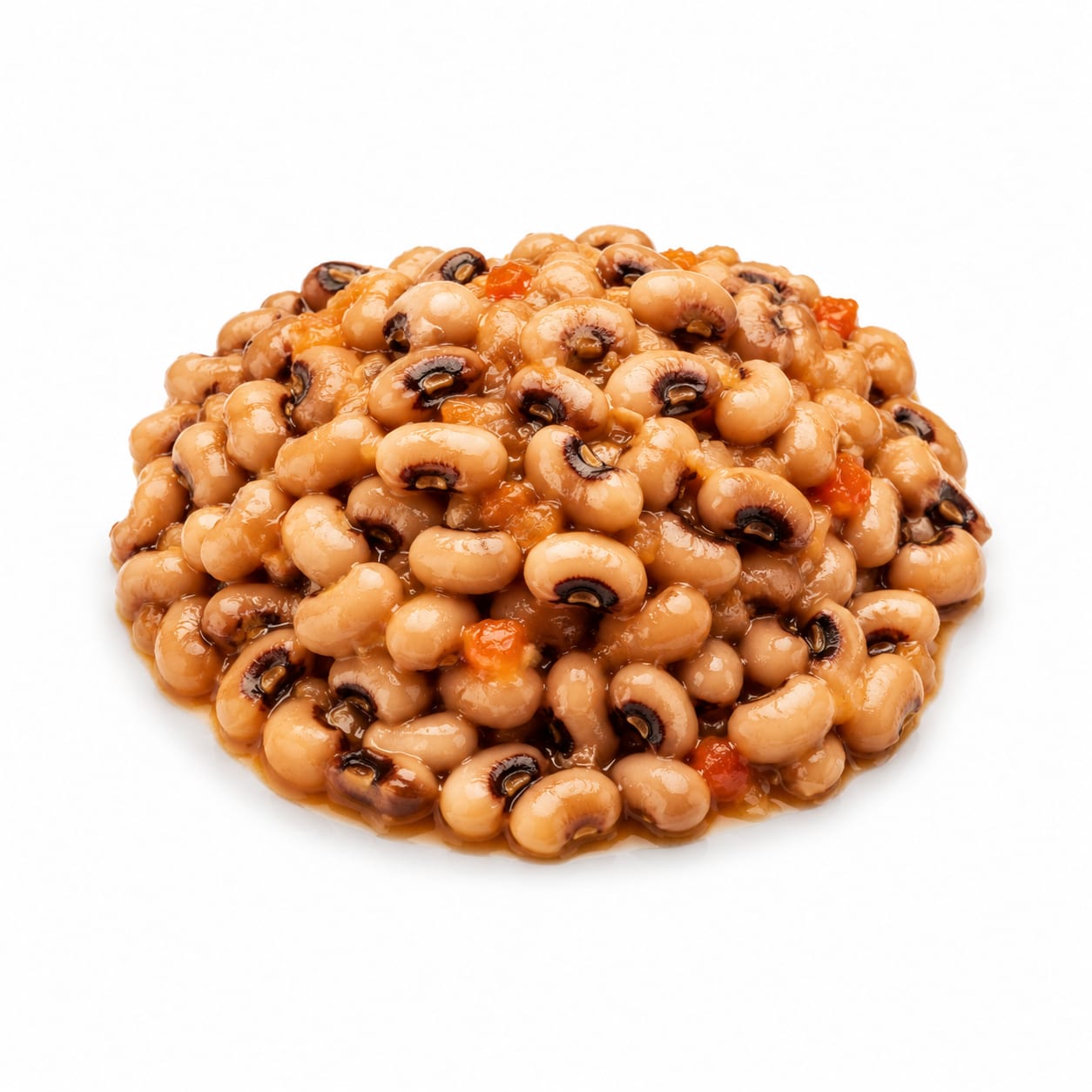
Black-eyed Pea
Adzuki beans edge ahead for antioxidants and blood sugar control, while black-eyed peas win on folate and savory meal versatility. Your choice should depend on what your diet needs most.
Adzuki beans score slightly higher due to superior fiber, antioxidant content, and blood sugar benefits. Black-eyed peas stay competitive thanks to exceptional folate content, wider availability, and easier culinary integration. The gap is small because both are nutritious whole foods.
Adzuki beans offer more fiber and antioxidants but are harder to find and less versatile in everyday cooking. Black-eyed peas are more accessible, higher in folate, and easier to work into standard meals.
At a glance
Executive summary
Overall
It depends
Healthier
Adzuki Bean
More practical
Black-eyed Pea
Daily use
Black-eyed Pea
Key comparison lenses
blood sugar management and glycemic impact
Both are legumes with different starch profiles, making glycemic response a key differentiator for health-conscious users
weight loss and satiety
Calorie density and fiber differences affect fullness and portion control in real meals
antioxidant and anti-inflammatory benefits
Adzuki beans are uniquely rich in anthocyanins while black-eyed peas offer different phytonutrients
digestive tolerance and gas production
Legume comparison always triggers concerns about bloating and digestive comfort
meal versatility and culinary fit
These beans serve very different culinary roles, affecting how easily people incorporate them
Best choice for
Adzuki Bean
- People managing blood sugar or insulin resistance
- Anyone wanting to boost antioxidant intake naturally
- Those following East Asian or plant-based dessert recipes
- Individuals seeking higher fiber per serving
Black-eyed Pea
- Pregnant women or those planning pregnancy needing folate
- People wanting an easy, affordable everyday legume
- Anyone cooking Southern, African, or Caribbean cuisine
- Those new to legumes who want a milder, creamier entry point
Least suitable for
Adzuki Bean
- People who need quick, accessible pantry staples
- Anyone sensitive to higher fiber loads causing bloating
- Those who dislike slightly sweet beans in savory dishes
Black-eyed Pea
- People strictly managing blood sugar who want the lowest glycemic option
- Those seeking maximum antioxidant density from their legumes
- Anyone avoiding canned goods with added sodium
Deep comparison
Dimension by dimension
Each lens scores both foods and breaks down who each option suits.
- Dimension 1 · Priority 92Adzuki Bean
blood sugar stability
Adzuki Bean · 82Black-eyed Pea · 72Adzuki beans have a lower glycemic index and more fiber, leading to steadier blood sugar after meals.
Tradeoff
Black-eyed peas are still a solid moderate-GI choice but allow slightly faster glucose entry compared to adzuki beans.
Why it matters
For anyone with insulin resistance, prediabetes, or energy crashes after meals, this difference compounds over thousands of meals.
Real-world impact
A lunch with adzuki beans is less likely to cause a 3pm energy dip than the same portion of black-eyed peas.
Adzuki Bean
- Diabetics and prediabetics
- People who experience afternoon energy crashes
- Those following low-glycemic eating patterns
Better for
- Endurance athletes needing quick glycogen recovery
Worse for
Black-eyed Pea
- Active individuals who need faster post-workout carb replenishment
- Those who find very low-GI meals leave them sluggish before exercise
Better for
- Anyone monitoring blood sugar closely
Worse for
- Dimension 2 · Priority 85Adzuki Bean
antioxidant and anti-inflammatory power
Adzuki Bean · 88Black-eyed Pea · 62Adzuki beans are rich in anthocyanins and polyphenols that black-eyed peas simply do not match.
Tradeoff
Black-eyed peas contain different phytonutrients but at lower concentrations with less research backing their anti-inflammatory effects.
Why it matters
Chronic inflammation drives heart disease, aging, and joint pain. Small daily antioxidant advantages add up meaningfully over years.
Real-world impact
Regularly choosing adzuki beans over black-eyed peas is like adding a mild anti-inflammatory supplement to your diet at no extra cost.
Adzuki Bean
- People with inflammatory conditions like arthritis
- Those focused on longevity and cellular health
- Anyone wanting food-based antioxidant support
Better for
- People who treat beans purely as a protein source and ignore phytonutrients
Worse for
Black-eyed Pea
- Those who get antioxidants abundantly from other sources like berries and leafy greens
Better for
- Anyone relying on legumes as a primary antioxidant source
Worse for
- Dimension 3 · Priority 83It depends
nutrient density and micronutrients
Adzuki Bean · 76Black-eyed Pea · 78Black-eyed peas dominate in folate while adzuki beans lead in potassium and magnesium. It depends on what you need.
Tradeoff
Choosing black-eyed peas gives you nearly five times the folate but costs you some potassium and iron.
Why it matters
Folate is critical for DNA repair and pregnancy. Potassium supports blood pressure and muscle function. Both matter, but your life stage determines priority.
Real-world impact
A single serving of black-eyed peas covers roughly 25% of daily folate needs, making it especially valuable for women of childbearing age.
Adzuki Bean
- People needing more potassium for blood pressure management
- Those who fall short on magnesium for sleep and muscle recovery
Better for
- Women planning pregnancy who need maximum folate
Worse for
Black-eyed Pea
- Pregnant women or those trying to conceive
- Anyone with low folate intake from leafy greens
- People taking folate-depleting medications
Better for
- People with potassium needs not met elsewhere in their diet
Worse for
- Dimension 4 · Priority 88Adzuki Bean
satiety and weight management
Adzuki Bean · 80Black-eyed Pea · 73Adzuki beans keep you fuller longer thanks to more fiber per calorie, making portion control easier.
Tradeoff
Black-eyed peas are slightly lower in calories per serving but the fiber gap means you may feel hungry sooner.
Why it matters
Satiety per calorie is the hidden variable that determines whether a diet feels sustainable or miserable.
Real-world impact
A bowl of adzuki beans at lunch can easily keep you satisfied until dinner. Black-eyed peas might leave you reaching for a snack by 4pm.
Adzuki Bean
- People actively losing weight who need meals to last
- Emotional eaters who benefit from physical fullness cues
- Those doing intermittent fasting who need satiating meals
Better for
- Anyone who dislikes feeling very full after meals
Worse for
Black-eyed Pea
- People who prefer smaller, more frequent meals
- Those who find very high-fiber meals uncomfortably heavy
Better for
- People who struggle with between-meal snacking
Worse for
- Dimension 5 · Priority 80Black-eyed Pea
digestive tolerance
Adzuki Bean · 65Black-eyed Pea · 74Black-eyed peas are generally easier to digest and produce less gas than adzuki beans for most people.
Tradeoff
Adzuki beans have more fiber which is great long-term for gut health but can cause bloating during adjustment.
Why it matters
The healthiest food only works if you can actually eat it comfortably. Digestive distress makes people quit legumes entirely.
Real-world impact
If legumes normally make you bloated, black-eyed peas are a gentler starting point before working up to higher-fiber options like adzuki beans.
Adzuki Bean
- People with well-adapted gut microbiomes used to high fiber
- Those prioritizing long-term gut health over short-term comfort
Better for
- People with sensitive stomachs or active IBS flares
Worse for
Black-eyed Pea
- Legume beginners with sensitive digestion
- People with IBS who still want bean nutrition
- Anyone who has abandoned beans before due to gas
Better for
- Those who want maximum fiber for microbiome feeding
Worse for
- Dimension 6 · Priority 75Black-eyed Pea
culinary versatility and convenience
Adzuki Bean · 58Black-eyed Pea · 82Black-eyed peas fit seamlessly into soups, stews, salads, and sides. Adzuki beans are more niche and harder to find.
Tradeoff
Adzuki beans shine in sweet recipes and Asian dishes but feel out of place in standard Western savory cooking.
Why it matters
A food you can cook 10 ways gets eaten 10 times more often. Practicality drives consistency more than nutrition facts.
Real-world impact
Black-eyed peas can replace any white bean in a recipe with zero recipe adjustment. Adzuki beans require more thought and planning.
Adzuki Bean
- Home cooks exploring Japanese, Korean, or Chinese recipes
- People who enjoy making plant-based desserts
- Anyone wanting to add beans to breakfast porridge or sweet bowls
Better for
- People who want one bean that works in everything
Worse for
Black-eyed Pea
- Busy cooks who want a dump-and-stir legume
- Anyone meal-prepping large batches for the week
- People cooking for families with picky eaters
Better for
- Those specifically seeking sweet bean applications
Worse for
Timeline
Health impact over time
Short-term
Hours to days
Adzuki Bean
- Steadier energy after meals due to slower glucose release
- Possible bloating or gas if your gut is not accustomed to high fiber
- Mild feeling of fullness that reduces snacking urge
Black-eyed Pea
- Quick but moderate energy without sharp spikes
- Easier digestion with less gas than most legumes
- Comforting, creamy texture that feels satisfying without heaviness
Long-term
Months to years
Adzuki Bean
- Better blood sugar regulation reducing diabetes risk over time
- Stronger antioxidant defenses against cellular aging and inflammation
- Improved gut microbiome diversity from consistent high fiber intake
Black-eyed Pea
- Improved folate status supporting DNA health and cardiovascular function
- Consistent legume intake linked to lower heart disease risk
- Better dietary compliance due to easier cooking and wider recipe fit
Risk profile
Safety & processing
Both adzuki beans and black-eyed peas are whole, minimally processed foods when bought dried or plain canned. The main concern is sodium in canned black-eyed peas, which often includes added salt. Dried versions of both are essentially unprocessed. Choose no-salt-added canned options or cook from dried when possible.
Adzuki Bean
Pesticide residue on conventionally grown crops
lowAdzuki beans are typically grown with moderate pesticide use. Washing and cooking reduces residue significantly. Organic options are available but not essential.
Undercooking leading to lectin exposure
mediumLike all legumes, undercooked adzuki beans contain lectins that can cause nausea. Always cook thoroughly until completely soft.
Black-eyed Pea
Sodium in canned varieties
mediumCanned black-eyed peas often contain 300-500mg sodium per serving. Rinsing helps but does not eliminate it. Look for no-salt-added brands.
Undercooking leading to lectin exposure
mediumRaw or undercooked black-eyed peas contain phytohemagglutinin. Proper cooking eliminates this risk entirely.
Who wins for whom
Audience fit
Same foods, different winners depending on your goal.
children
Black-eyed PeaMilder flavor, creamier texture, and easier digestion make black-eyed peas more kid-friendly and less likely to cause tummy aches.
daily consumption
Black-eyed PeaBetter availability, easier cooking, and wider recipe compatibility make black-eyed peas more sustainable as a daily staple.
diabetes
Adzuki BeanLower glycemic index and more fiber create a gentler, more predictable blood sugar response.
elderly
Black-eyed PeaHigher folate supports cardiovascular and cognitive health, while easier digestion reduces discomfort in sensitive systems.
muscle gain
Black-eyed PeaSlightly higher protein content and easier digestion make black-eyed peas a more practical protein contributor in muscle-building diets.
weight loss
Adzuki BeanHigher fiber content per calorie keeps you fuller longer, reducing the urge to overeat between meals.
Your move
Decision guide
Choose Adzuki Bean
- You are managing blood sugar, insulin resistance, or diabetes
- Antioxidant intake is a priority for inflammation or longevity goals
- You enjoy East Asian cooking and want an authentic ingredient
- You want maximum fiber and satiety from your legumes
Choose Black-eyed Pea
- You are pregnant, trying to conceive, or need more folate
- You want a versatile, easy-to-cook bean for everyday meals
- Digestive sensitivity has stopped you from eating beans before
- You are cooking for a family and need broad appeal
Either works if
- You simply want a nutritious plant protein source and have no specific health priority
- You already eat a varied diet with multiple legume types weekly
- Both are available and you want to rotate for nutrient diversity
Avoid both if
- You have a diagnosed legume allergy
- You are in an active IBS flare and your doctor has recommended a low-FODMAP elimination phase
- You have severe gout and are restricting purine intake under medical supervision
Final recommendation
For most people, black-eyed peas are the more practical daily choice due to availability, versatility, and easier digestion. However, if blood sugar management or antioxidant intake is a specific concern, adzuki beans are worth seeking out. The ideal approach is rotating both to capture their different nutritional strengths while keeping meals interesting.
Practical
Consumer tips
- 1
If buying canned black-eyed peas, always choose no-salt-added versions or rinse thoroughly to remove roughly 40% of added sodium.
- 2
Soak adzuki beans for 8-12 hours before cooking to reduce gas-producing oligosaccharides and cut cooking time significantly.
- 3
If new to legumes, start with black-eyed peas and gradually introduce adzuki beans as your gut adapts to higher fiber.
- 4
Adzuki beans work surprisingly well in oatmeal or smoothie bowls for a protein and fiber boost at breakfast.
- 5
Cook a large batch of either bean on Sunday and refrigerate for up to 5 days. Both freeze well for up to 3 months.
- 6
Pair either bean with a vitamin C source like tomatoes or bell peppers to boost iron absorption by 2-3 times.