
Nutrition comparison
Adzuki Beans vs Pinto Beans: Nutrition, Digestion, and Which to Choose
Complete comparison of adzuki beans and pinto beans covering protein, fiber, digestion, antioxidants, blood sugar impact, and real-world practicality. Find out which bean fits your health goals.
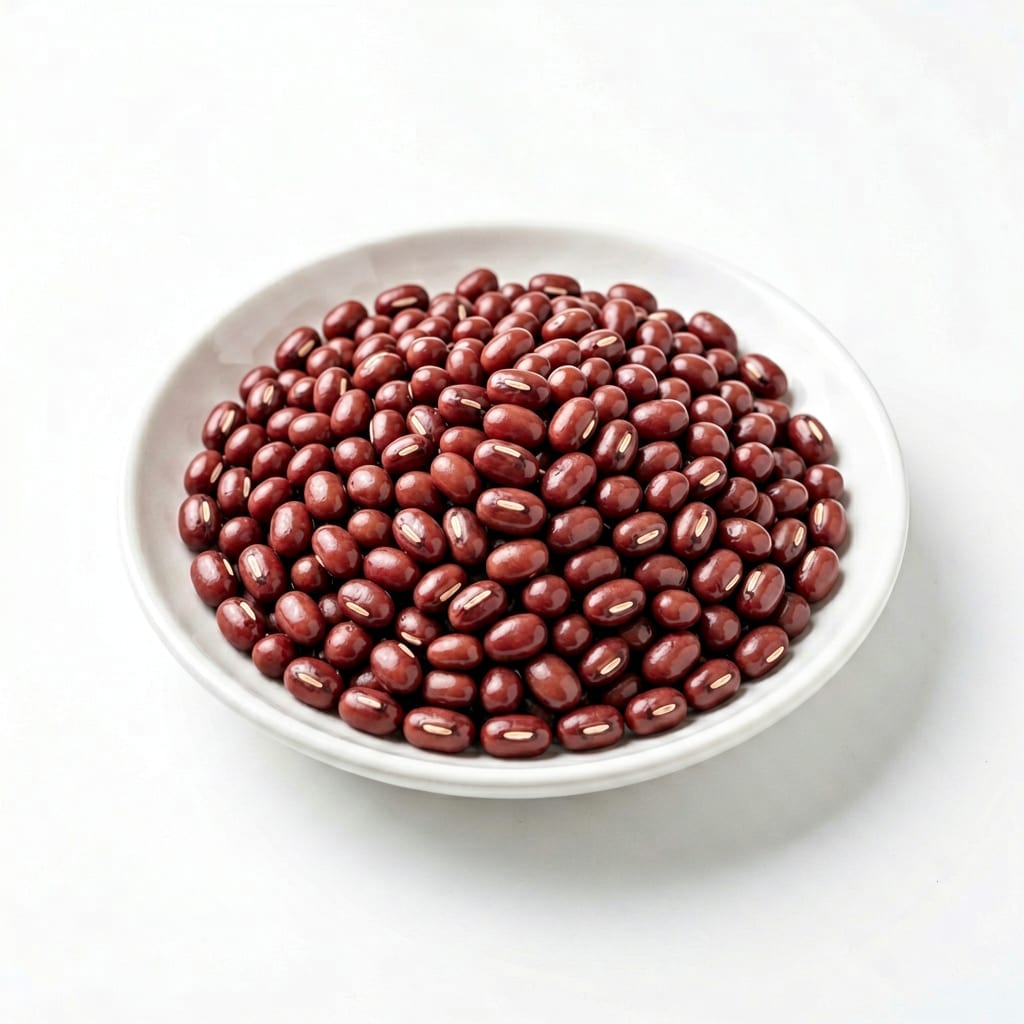
Adzuki Bean
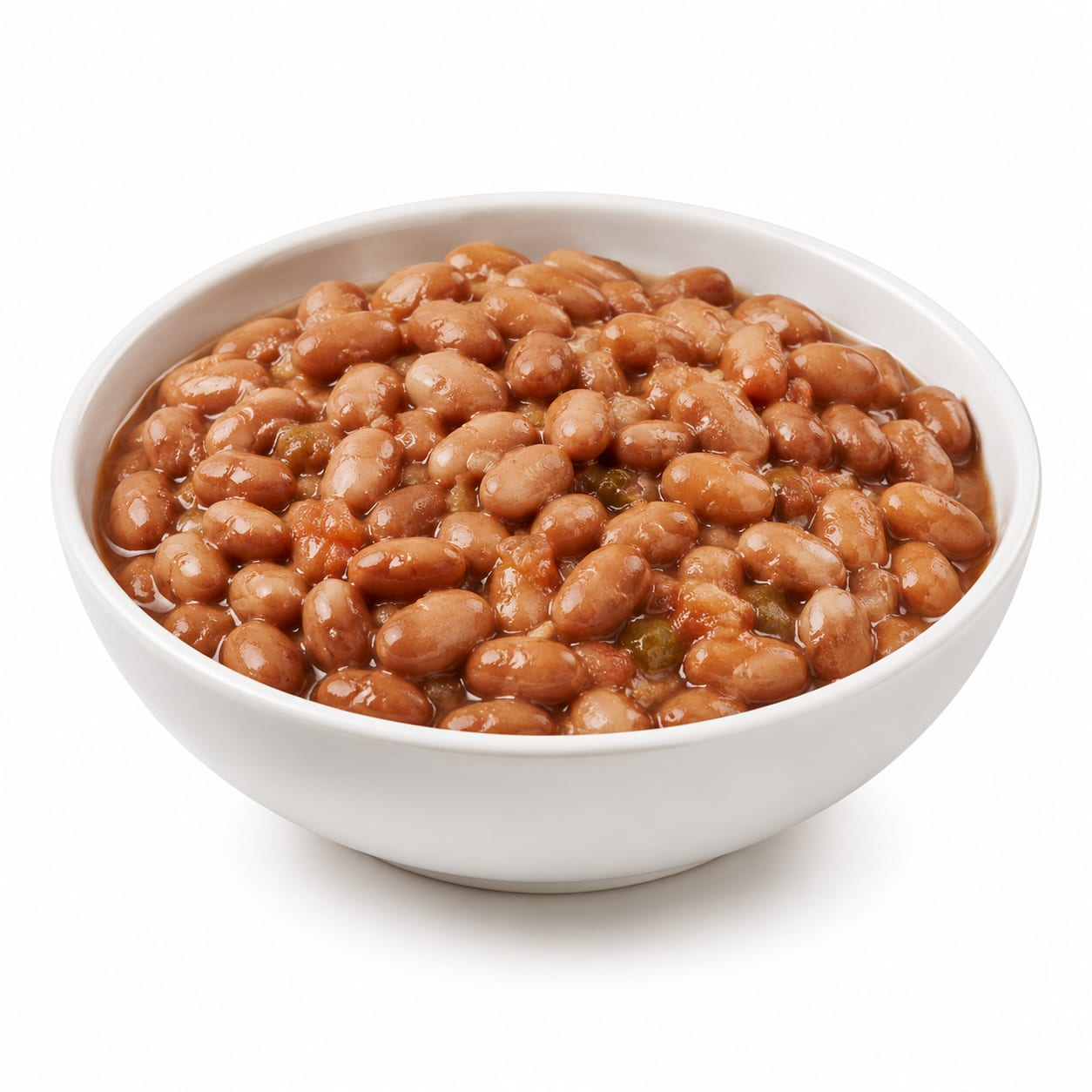
Pinto Bean
Pinto beans deliver more protein and fiber per serving, while adzuki beans offer superior digestibility and unique antioxidants. Your pick depends on whether you prioritize nutrient volume or gut comfort.
Pinto beans edge ahead on raw nutritional output and everyday practicality, but adzuki beans remain excellent for specific needs like digestion and antioxidant diversity. The gap is small because both are genuinely healthy whole foods.
Pinto beans give you more macronutrient bulk for the same serving size, but adzuki beans are gentler on digestion and pack rare antioxidants that pinto beans simply cannot match.
At a glance
Executive summary
Overall
It depends
Healthier
It depends
More practical
Pinto Bean
Daily use
Pinto Bean
Key comparison lenses
nutritional density comparison
Both are nutrient-dense legumes but with meaningfully different micronutrient profiles and calorie-to-nutrient ratios
digestive tolerance
Adzuki beans are famously easier to digest than most beans, making this a key differentiator for sensitive stomachs
blood sugar management
These beans have different glycemic impacts and fiber compositions that matter for diabetes and energy stability
antioxidant and anti inflammatory
Adzuki beans contain unique anthocyanins from their red pigment that pinto beans lack
culinary versatility and accessibility
Pinto beans dominate Western cooking while adzuki shines in Asian cuisine, affecting real-world usability
Best choice for
Adzuki Bean
- People with sensitive digestion or IBS
- Anyone seeking antioxidant variety in their diet
- Those managing blood sugar who want lower glycemic load
- East Asian recipe enthusiasts wanting authentic flavors
- Smaller appetites who find large beans too filling
Pinto Bean
- Athletes and active people needing more protein
- Meal preppers wanting widely available, affordable staples
- Families cooking Mexican or Southwestern cuisine
- Anyone prioritizing folate intake during pregnancy
- People who want maximum fiber per calorie
Least suitable for
Adzuki Bean
- Those needing high protein intake from plant sources
- People unfamiliar with Asian cooking methods
- Anyone on a tight grocery budget in areas where adzuki is imported and expensive
- Those who dislike slightly sweet flavor profiles in beans
Pinto Bean
- People with severe digestive sensitivity to beans
- Those avoiding higher calorie density foods
- Anyone cooking exclusively East Asian dishes where pinto flavor feels out of place
- People prone to bloating from larger bean portions
Deep comparison
Dimension by dimension
Each lens scores both foods and breaks down who each option suits.
- Dimension 1 · Priority 90Pinto Bean
protein_content
Adzuki Bean · 68Pinto Bean · 85Pinto beans provide roughly 50% more protein per cooked cup than adzuki beans, making them more efficient for muscle maintenance and satiety.
Tradeoff
You sacrifice some protein density with adzuki beans, but gain a lighter eating experience that many find more comfortable.
Why it matters
If you rely on beans as a primary protein source, pinto beans get you there faster with fewer total calories consumed.
Real-world impact
A burrito bowl with pinto beans keeps you full longer than one with adzuki beans, which matters for afternoon energy and avoiding snack cravings.
Adzuki Bean
- Lighter meals where you want protein without heaviness
- Smaller portions for elderly or low-appetite individuals
Better for
- Bodybuilding or muscle gain phases
- Anyone struggling to hit protein targets
Worse for
Pinto Bean
- Post-workout recovery meals
- Plant-based dieters needing efficient protein intake
- Active people with higher protein needs
Better for
- Meals where you want a lighter, less dense feeling afterward
Worse for
- Dimension 2 · Priority 88Adzuki Bean
fiber_and_digestion
Adzuki Bean · 86Pinto Bean · 75Adzuki beans are widely recognized as the easiest bean to digest, producing less gas and bloating than almost any other variety, including pinto.
Tradeoff
Pinto beans offer slightly more total fiber, but that extra fiber comes with more digestive discomfort for sensitive people.
Why it matters
The best fiber source is the one you can actually eat regularly without dreading the aftermath.
Real-world impact
If beans typically make you bloated, adzuki beans might let you enjoy legumes again without reaching for gas relief supplements.
Adzuki Bean
- IBS or sensitive stomach sufferers
- Anyone new to eating beans regularly
- People who avoid beans due to gas and bloating
Better for
- Situations where you specifically need very high fiber doses
Worse for
Pinto Bean
- Those with ironclad digestion who want maximum fiber
- People treating constipation who need strong fiber intake
Better for
- Social situations where bloating would be uncomfortable
- Date nights or office lunches where gas is a concern
Worse for
- Dimension 3 · Priority 82Adzuki Bean
antioxidant_profile
Adzuki Bean · 88Pinto Bean · 62The deep red color of adzuki beans signals high anthocyanin content, the same antioxidant family found in blueberries and red cabbage. Pinto beans offer far less antioxidant diversity.
Tradeoff
You give up some macronutrient bulk with adzuki but gain cellular protection compounds that pinto beans simply do not provide in meaningful amounts.
Why it matters
Antioxidant diversity matters more than most people realize. Eating the same bean every day limits your phytonutrient spectrum.
Real-world impact
Rotating adzuki beans into your diet alongside pinto beans gives your cells a broader defense network against oxidative stress and aging.
Adzuki Bean
- Longevity-focused eaters wanting antioxidant variety
- People who already eat pinto beans regularly and need diversity
- Anyone interested in anti-aging nutrition strategies
Better for
- People who primarily eat for macronutrients and ignore micronutrients
Worse for
Pinto Bean
- Those who get plenty of antioxidants from berries and colorful vegetables already
Better for
- Diets lacking colorful plant foods where bean antioxidants would help fill the gap
Worse for
- Dimension 4 · Priority 85Adzuki Bean
blood_sugar_stability
Adzuki Bean · 84Pinto Bean · 76Adzuki beans have a slightly lower glycemic index and glycemic load than pinto beans, likely due to their unique starch composition and higher proportion of amylose.
Tradeoff
The difference is moderate, not dramatic. Both beans are excellent for blood sugar compared to grains or potatoes.
Why it matters
For diabetics or anyone fighting afternoon energy crashes, every point of glycemic advantage counts over years of daily eating.
Real-world impact
A lunch with adzuki beans may give you slightly steadier energy through the afternoon compared to pinto, though both beat rice or bread by a wide margin.
Adzuki Bean
- Type 2 diabetics optimizing every glycemic advantage
- Prediabetics working to reverse blood sugar issues
- Anyone prone to post-meal energy crashes
Better for
- Situations where you actually want faster energy delivery
Worse for
Pinto Bean
- Active people who need moderate glycemic energy for exercise
- Those who find very low GI meals unsatisfying
Better for
- Strict glycemic control protocols
Worse for
- Dimension 5 · Priority 78Pinto Bean
mineral_and_vitamin_density
Adzuki Bean · 72Pinto Bean · 84Pinto beans deliver significantly more folate, manganese, and phosphorus per serving. Adzuki beans hold their own on iron and potassium but lose on overall micronutrient breadth.
Tradeoff
Pinto beans are especially valuable for folate, which matters enormously during pregnancy. Adzuki beans compete well on iron but cannot match the full vitamin profile.
Why it matters
Folate deficiency is common and consequential. If you are pregnant or planning to be, pinto beans are the clearer choice.
Real-world impact
A pregnant woman eating pinto beans regularly gets meaningful folate support that adzuki beans cannot match at the same serving size.
Adzuki Bean
- Iron-deficient individuals who also need easy digestion
- Those already supplementing folate who want iron from food
Better for
- Prenatal nutrition where folate is critical
Worse for
Pinto Bean
- Pregnant women or those trying to conceive
- Anyone not taking a multivitamin who relies on food for folate
- People wanting broader mineral coverage from a single food
Better for
- Iron-focused supplementation when digestion is also a concern
Worse for
- Dimension 6 · Priority 72Adzuki Bean
calorie_efficiency
Adzuki Bean · 82Pinto Bean · 70Adzuki beans contain fewer calories per cooked cup while still delivering solid nutrition, making them more calorie-efficient for weight management.
Tradeoff
Fewer calories means less energy density, which helps with weight loss but may leave you hungry faster if you need more volume.
Why it matters
For calorie-counters, getting more nutrients per calorie is the whole game. Adzuki wins this math.
Real-world impact
A cup of adzuki beans saves you roughly 40-50 calories compared to pinto while still providing meaningful protein and fiber.
Adzuki Bean
- Weight loss phases where every calorie matters
- Smaller people with lower calorie needs
- Anyone doing calorie cycling or intermittent fasting
Better for
- Hard gainers who struggle to eat enough
Worse for
Pinto Bean
- Bulk-eating athletes who need calorie density
- Underweight individuals trying to gain
- Manual laborers with high energy expenditure
Better for
- Strict calorie restriction diets
Worse for
- Dimension 7 · Priority 70Pinto Bean
availability_and_affordability
Adzuki Bean · 55Pinto Bean · 90Pinto beans are one of the most widely available and affordable beans in the Americas. Adzuki beans often require specialty stores or online ordering and cost significantly more per pound.
Tradeoff
You pay a premium for adzuki beans, and you may not find them at your local grocery store. Pinto beans are available virtually everywhere beans are sold.
Why it matters
The healthiest food only works if you can actually buy it and afford it consistently.
Real-world impact
A family on a budget can eat pinto beans multiple times per week without strain. Adzuki beans might be a once-a-month splurge for the same household.
Adzuki Bean
- Urban areas with Asian grocery stores
- Online shoppers comfortable with bulk ordering
- Those who prioritize food diversity over cost
Better for
- Food deserts or rural communities
- Tight grocery budgets
Worse for
Pinto Bean
- Budget-conscious households
- Rural areas with limited grocery options
- Anyone who wants to buy beans at any standard supermarket
Better for
- Those willing to pay more for unique nutritional benefits
Worse for
Timeline
Health impact over time
Short-term
Hours to days
Adzuki Bean
- Less bloating and gas compared to most other beans
- Steadier post-meal energy with less crash risk
- Lighter feeling in the stomach after eating
Pinto Bean
- Stronger and longer-lasting fullness after meals
- More pronounced digestive adjustment period if you are not used to high fiber
- Higher immediate satiety which reduces snacking urge
Long-term
Months to years
Adzuki Bean
- Better long-term digestive tolerance for daily bean consumption
- Unique antioxidant intake that supports cellular aging defenses
- Easier adherence to bean-rich diets due to comfort
Pinto Bean
- Superior folate intake supporting cardiovascular and prenatal health over decades
- Higher cumulative protein intake supporting muscle preservation with aging
- Greater fiber contribution to colon health and regularity
Risk profile
Safety & processing
Both adzuki and pinto beans are whole, minimally processed foods when bought dried or canned with simple ingredients. The main concern is canned versions with added sodium, which affects both equally. Choose no-salt-added canned options or cook from dried for the cleanest version of either bean.
Adzuki Bean
phytohemagglutinin_toxicity
lowLike all beans, raw adzuki beans contain lectins that can cause illness. Thorough cooking eliminates this risk completely.
canned_sodium
mediumCanned adzuki beans often contain high sodium. Rinsing helps but does not remove all added salt.
Pinto Bean
phytohemagglutinin_toxicity
mediumPinto beans have higher lectin levels than adzuki, making undercooking more risky. Slow cookers may not reach safe temperatures. Always boil for at least 10 minutes.
canned_sodium
mediumSame sodium concern as adzuki. Standard canned pinto beans can contain 400-600mg sodium per serving.
pesticide_residue
lowConventionally grown pinto beans may carry pesticide residues. Organic options widely available and recommended if budget allows.
Who wins for whom
Audience fit
Same foods, different winners depending on your goal.
children
Pinto BeanHigher folate supports development, and pinto beans are more familiar in Western family meals like burritos and chili that kids actually eat.
daily consumption
Pinto BeanBetter availability, lower cost, and higher nutrient density make pinto beans more practical for everyday eating long-term.
diabetes
Adzuki BeanLower glycemic index and glycemic load give adzuki beans a meaningful edge for blood sugar control, though both are excellent choices.
elderly
Adzuki BeanEasier digestion and lower calorie density suit aging digestive systems and lower activity levels better than denser pinto beans.
muscle gain
Pinto BeanSignificantly more protein per serving makes pinto beans more efficient for supporting muscle growth and recovery.
weight loss
Adzuki BeanFewer calories per cup with strong satiety and easier digestion make adzuki beans more sustainable for calorie-restricted diets.
Your move
Decision guide
Choose Adzuki Bean
- You avoid beans because of bloating and gas
- You want antioxidant diversity beyond what common beans offer
- You are managing blood sugar and want every glycemic advantage
- You cook East Asian dishes regularly
- You prefer lighter meals that do not sit heavy
Choose Pinto Bean
- You need maximum protein from plant sources
- You are pregnant or trying to conceive and need folate
- You want affordable, widely available staple beans
- You cook Mexican, Tex-Mex, or Southwestern food often
- You have no digestive issues and want the most nutrient-dense option
Either works if
- You simply want a healthy whole-food protein source
- You are already eating a varied diet and just need a bean for a recipe
- You alternate between different bean types throughout the week
- Both are available and affordable where you shop
Avoid both if
- You have a diagnosed legume allergy
- You are in the acute phase of a severe FODMAP elimination diet
- You cannot access reliable cooking facilities to prepare dried beans safely
Final recommendation
Eat both. Pinto beans should be your daily driver for protein, folate, and affordability. Adzuki beans are your secret weapon for digestive comfort, antioxidant variety, and blood sugar finesse. Rotating between them gives you the broadest nutritional coverage and keeps meals interesting. If you must pick only one, choose pinto beans for practicality and nutrient density, or adzuki beans if digestion is your primary concern.
Practical
Consumer tips
- 1
If canned beans cause you bloating, try cooking from dried with a long soak. Adzuki beans need less soaking time than pinto.
- 2
Rinse canned beans thoroughly to remove about 40% of the added sodium.
- 3
If you are new to eating beans, start with adzuki beans. They are the gentlest entry point before working up to pinto.
- 4
Buy adzuki beans at Asian grocery stores rather than health food stores. You will pay half the price for the same product.
- 5
Freeze cooked beans in portion-sized bags. Both adzuki and pinto freeze beautifully for up to 6 months.
- 6
Add a piece of kombu seaweed when cooking either bean. It helps break down gas-causing compounds and adds minerals.
- 7
If pinto beans cause you discomfort but you want their protein, try mixing half pinto and half adzuki in recipes.