
Nutrition comparison
Adzuki Beans vs Cannellini Beans: Nutrition, Taste, and Health Comparison
Compare Adzuki beans and Cannellini beans side by side. Discover which is better for blood sugar, protein, digestion, and everyday cooking. Expert nutritional breakdown and practical recommendations.
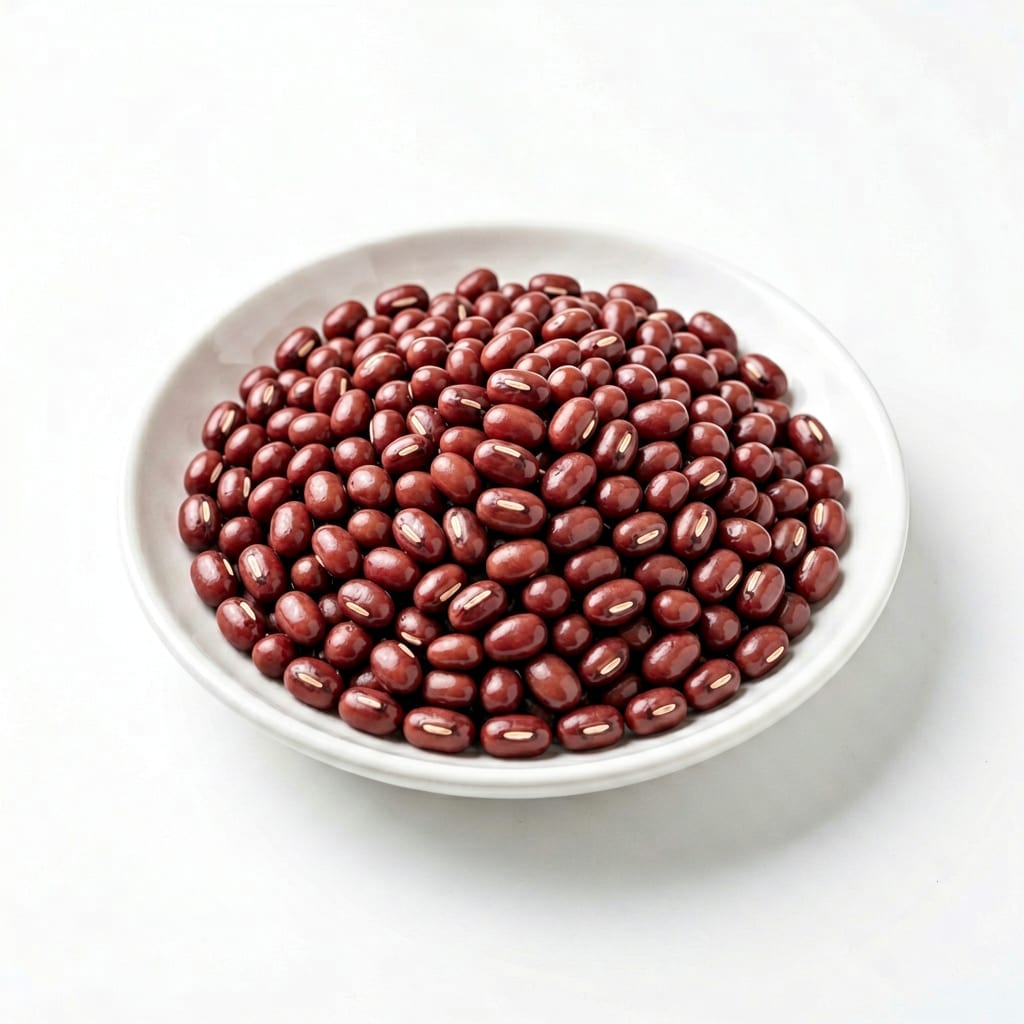
Adzuki Bean
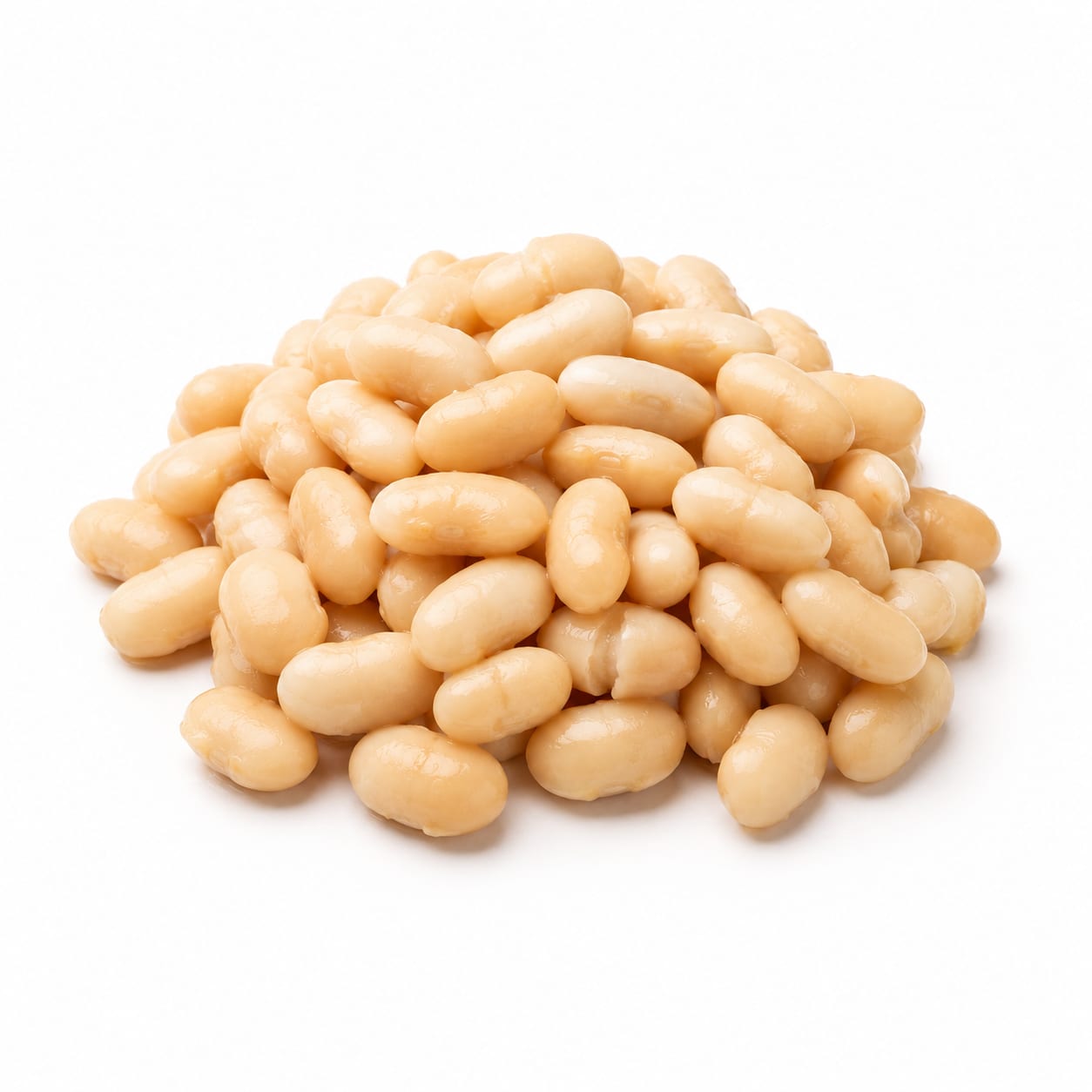
Cannellini Bean
Adzuki beans win on antioxidants and blood sugar control; Cannellini beans win on protein, creaminess, and savory meal versatility.
Cannellini beans score slightly higher due to better protein content, wider availability, and easier integration into everyday Western meals. Adzuki beans are nutritionally excellent but limited by availability and culinary niche. The gap is small because both are genuinely healthy legumes.
Adzuki beans offer more fiber and unique antioxidants but are harder to find and less versatile in Western cooking. Cannellini beans deliver more protein and a creamier texture that fits effortlessly into soups, salads, and everyday meals.
At a glance
Executive summary
Overall
It depends
Healthier
Adzuki Bean
More practical
Cannellini Bean
Daily use
Cannellini Bean
Key comparison lenses
nutritional density and micronutrients
Both beans are nutrient-dense legumes but differ significantly in antioxidant profile and mineral composition
blood sugar management
Beans are often chosen for glycemic control, and fiber type differences matter for diabetes management
digestive tolerance
Bean selection often hinges on which is easier to digest and less likely to cause bloating
culinary versatility and meal integration
Adzuki beans lean sweet, Cannellini beans lean savory, affecting how easily each fits into daily meals
weight management satiety
Both are filling but differ in calorie density and how satisfying they feel in real meals
Best choice for
Adzuki Bean
- People managing blood sugar or insulin resistance
- Anyone seeking maximum antioxidant intake from legumes
- Those who enjoy Asian-inspired dishes and sweet bean preparations
- Individuals focused on lower-calorie protein sources
Cannellini Bean
- People wanting higher protein intake from plant foods
- Anyone cooking Mediterranean or Italian-style meals regularly
- Those who need a creamy, mild bean for soups and dips
- Individuals new to legumes who want an easy-entry bean
Least suitable for
Adzuki Bean
- People unfamiliar with or uninterested in Asian cooking styles
- Those who need a neutral-flavored bean for versatile meal prep
- Anyone with limited access to specialty or Asian grocery stores
Cannellini Bean
- People specifically seeking high-antioxidant foods
- Those who want a lower-calorie legume option
- Anyone avoiding white foods for aesthetic or dietary reasons
Deep comparison
Dimension by dimension
Each lens scores both foods and breaks down who each option suits.
- Dimension 1 · Priority 90Adzuki Bean
antioxidant_power
Adzuki Bean · 88Cannellini Bean · 42Adzuki beans are rich in anthocyanins and other polyphenols from their dark red pigment. Cannellini beans, being white, have far fewer antioxidants.
Tradeoff
You gain significant cellular protection with Adzuki beans but sacrifice the mild flavor and creamy texture of Cannellini beans.
Why it matters
Antioxidants from food reduce oxidative stress and inflammation over time. This is one of the clearest nutritional differences between these two beans.
Real-world impact
Regularly eating Adzuki beans instead of white beans could meaningfully reduce long-term inflammation markers, especially in aging or metabolically stressed individuals.
Adzuki Bean
- Reducing chronic inflammation
- Supporting cellular defense against oxidative damage
- Aging populations wanting food-based antioxidant sources
Better for
Cannellini Bean
- Anyone specifically seeking high-antioxidant plant foods
- People with inflammatory conditions who could benefit from polyphenols
Worse for
- Dimension 2 · Priority 88Adzuki Bean
blood_sugar_stability
Adzuki Bean · 86Cannellini Bean · 78Adzuki beans have slightly more fiber and a lower glycemic impact, making them marginally better for keeping blood sugar steady.
Tradeoff
The difference is modest. Both beans are excellent for blood sugar compared to most carb sources, but Adzuki beans edge ahead.
Why it matters
For anyone with diabetes, prediabetes, or energy crashes, small glycemic differences compound over months and years of eating.
Real-world impact
Choosing Adzuki beans over Cannellini beans for a diabetic meal plan offers a slight but real advantage in post-meal blood sugar control.
Adzuki Bean
- Diabetics seeking the most blood-sugar-friendly legume
- People prone to afternoon energy crashes
- Anyone on a low-glycemic eating plan
Better for
Cannellini Bean
- Diabetics who want every possible edge in glycemic control
Worse for
- Dimension 3 · Priority 85Cannellini Bean
protein_content_and_quality
Adzuki Bean · 68Cannellini Bean · 80Cannellini beans provide about 10-15% more protein per serving than Adzuki beans, making them a better plant protein source.
Tradeoff
More protein with Cannellini beans, but you miss out on the extra fiber and antioxidants that Adzuki beans offer.
Why it matters
For vegetarians and vegans, every gram of protein matters. The difference adds up across multiple meals per week.
Real-world impact
Someone eating beans as their primary protein source would get noticeably more total protein over a week by choosing Cannellini beans.
Adzuki Bean
- Those relying heavily on beans for protein intake
Worse for
Cannellini Bean
- Vegetarians and vegans maximizing plant protein
- Athletes needing higher protein from legume sources
- Anyone replacing meat with beans as a protein staple
Better for
- Dimension 4 · Priority 85Cannellini Bean
digestive_tolerance
Adzuki Bean · 65Cannellini Bean · 75Cannellini beans tend to be gentler on digestion for most people. Adzuki beans can cause more bloating, especially if not soaked properly.
Tradeoff
Easier digestion with Cannellini beans versus more fiber and gut-feeding prebiotics with Adzuki beans.
Why it matters
If beans cause discomfort, people avoid them entirely. Tolerance often determines which bean someone actually eats regularly.
Real-world impact
Someone with a sensitive gut is more likely to stick with Cannellini beans long-term, getting consistent health benefits rather than abandoning beans altogether.
Adzuki Bean
- People prone to gas and bloating from high-fiber foods
Worse for
Cannellini Bean
- People with sensitive digestion or IBS
- Anyone new to eating legumes regularly
- Those who have experienced bloating from other beans
Better for
- Dimension 5 · Priority 80Cannellini Bean
culinary_versatility
Adzuki Bean · 50Cannellini Bean · 88Cannellini beans are a kitchen workhorse: soups, salads, dips, pasta, stews. Adzuki beans are more niche, leaning toward Asian desserts and specific savory dishes.
Tradeoff
Cannellini beans fit into almost any meal effortlessly. Adzuki beans require more intentionality and recipe-seeking.
Why it matters
The healthiest food is the one you actually eat. Versatility directly impacts how often a food makes it onto your plate.
Real-world impact
Most home cooks will find it far easier to use Cannellini beans three times a week than Adzuki beans, simply because they blend into familiar recipes.
Adzuki Bean
- Home cooks comfortable with Asian recipes
- People who enjoy making sweet bean pastes and desserts
Better for
- People who cook mostly Western or Mediterranean cuisine
- Anyone unwilling to seek out new recipes
Worse for
Cannellini Bean
- Busy home cooks wanting a bean that works in any recipe
- People meal-prepping soups and stews
- Anyone wanting a neutral bean that absorbs surrounding flavors
Better for
- Dimension 6 · Priority 75It depends
mineral_density
Adzuki Bean · 78Cannellini Bean · 76Adzuki beans are richer in potassium and copper. Cannellini beans provide more folate and slightly more iron. Both are strong mineral sources.
Tradeoff
Adzuki beans edge ahead on potassium for blood pressure; Cannellini beans win on folate for cell repair and pregnancy nutrition.
Why it matters
Mineral deficiencies are common, and beans are one of the best food-based ways to close those gaps.
Real-world impact
For blood pressure management, Adzuki beans have a slight edge. For prenatal nutrition or anemia risk, Cannellini beans are slightly better.
Adzuki Bean
- People managing hypertension who want potassium-rich foods
- Anyone needing extra copper for connective tissue health
Better for
- Women seeking maximum folate from food sources
Worse for
Cannellini Bean
- Pregnant women or those planning pregnancy needing folate
- People at risk for iron-deficiency anemia
Better for
- People specifically targeting potassium for blood pressure
Worse for
Timeline
Health impact over time
Short-term
Hours to days
Adzuki Bean
- Steady energy with minimal blood sugar spikes due to high fiber content
- Possible bloating or gas if not soaked adequately before cooking
- Satisfying fullness that reduces between-meal snacking
Cannellini Bean
- Comforting, creamy texture that makes meals feel more satisfying
- Slightly faster digestion compared to Adzuki beans, meaning less bloating for sensitive individuals
- Good post-workout option due to higher protein content
Long-term
Months to years
Adzuki Bean
- Superior antioxidant intake may reduce inflammation and cellular aging over time
- Better long-term blood sugar control reduces diabetes progression risk
- High fiber supports gut microbiome diversity and colorectal health
Cannellini Bean
- Consistent protein intake supports muscle maintenance, especially important after age 40
- Higher folate intake supports cardiovascular and cognitive health long-term
- Easy digestibility makes daily consumption more sustainable, compounding benefits over years
Risk profile
Safety & processing
Both Adzuki beans and Cannellini beans are whole, minimally processed foods when bought dried or canned with minimal ingredients. Canned versions may contain added sodium, so rinsing is recommended. Neither raises ultra-processing concerns.
Adzuki Bean
Phytohaemagglutinin undercooking
lowLike all beans, raw Adzuki beans contain lectins that are neutralized by proper cooking. The risk is lower than with red kidney beans but still present if significantly undercooked.
Canned sodium content
mediumCanned Adzuki beans, especially sweetened versions, can contain significant added sodium and sugar. Always check labels and opt for unsweetened varieties.
Cannellini Bean
Phytohaemagglutinin undercooking
mediumCannellini beans are a white kidney bean variety and contain moderate levels of lectins. Undercooking can cause gastrointestinal distress. Always cook thoroughly.
Canned sodium content
mediumCanned Cannellini beans often contain 400-500mg sodium per serving. Rinsing removes about 30-40% of added sodium.
Who wins for whom
Audience fit
Same foods, different winners depending on your goal.
children
Cannellini BeanCannellini beans have a milder flavor and creamier texture that most children accept more easily than the earthier Adzuki bean.
daily consumption
Cannellini BeanCannellini beans are easier to incorporate into a wide variety of daily meals, making consistent consumption more realistic.
diabetes
Adzuki BeanHigher fiber and lower glycemic impact make Adzuki beans the better choice for blood sugar management.
elderly
Cannellini BeanCannellini beans are easier to digest, higher in folate for cognitive support, and their soft texture requires less chewing effort.
muscle gain
Cannellini BeanCannellini beans provide more protein per serving, which is the critical factor for muscle maintenance and growth.
weight loss
Adzuki BeanAdzuki beans have slightly fewer calories per serving and more fiber, creating greater fullness per calorie consumed.
Your move
Decision guide
Choose Adzuki Bean
- You are managing blood sugar, insulin resistance, or diabetes
- You want maximum antioxidant intake from your legumes
- You enjoy Asian cooking or want to explore sweet bean recipes
- You are focused on calorie efficiency and high fiber intake
- You have access to Asian grocery stores or specialty suppliers
Choose Cannellini Bean
- You want the most versatile, everyday bean for Western cooking
- You are prioritizing protein intake from plant sources
- You have digestive sensitivity and need a gentler bean
- You cook Mediterranean, Italian, or Latin American dishes regularly
- You want a bean that is easy to find at any grocery store
Either works if
- You simply want a healthy, fiber-rich legume in your diet
- You are meal-prepping and can use both in different recipes
- Your primary goal is general health and neither bean poses specific advantages
- You alternate between sweet and savory bean dishes throughout the week
Avoid both if
- You have a diagnosed legume allergy
- You are in an acute flare of severe IBS and your doctor has recommended a low-FODMAP elimination phase
- You cannot tolerate any beans even after proper soaking and cooking
Final recommendation
Keep both in your pantry if possible. Use Cannellini beans as your daily workhorse for soups, salads, and savory meals. Reach for Adzuki beans when you want an antioxidant boost, a blood-sugar-friendly option, or something different in Asian-inspired dishes. If you must choose only one, Cannellini beans win on practicality and daily usability, while Adzuki beans win on nutritional depth for specific health goals.
Practical
Consumer tips
- 1
Buy dried beans when possible for the best flavor, texture, and sodium control
- 2
Soak both beans for at least 8 hours and discard soaking water to reduce gas-causing compounds
- 3
Rinse canned beans thoroughly to remove about 40% of added sodium
- 4
If trying Adzuki beans for the first time, start with a savory stew rather than sweet preparations to adjust to the flavor
- 5
Cannellini beans mash beautifully into dips — try them as a hummus alternative with olive oil and rosemary
- 6
Adzuki beans pair surprisingly well with squash, sweet potato, and warming spices like cinnamon and ginger
- 7
Cook a large batch of each bean and freeze portions for quick meals throughout the week