
Nutrition comparison
Adzuki Bean vs Mung Bean: Nutrition, Digestion & Best Uses
Compare Adzuki Beans vs Mung Beans to see which is better for digestion, protein, and weight loss. Find out which bean fits your diet best.
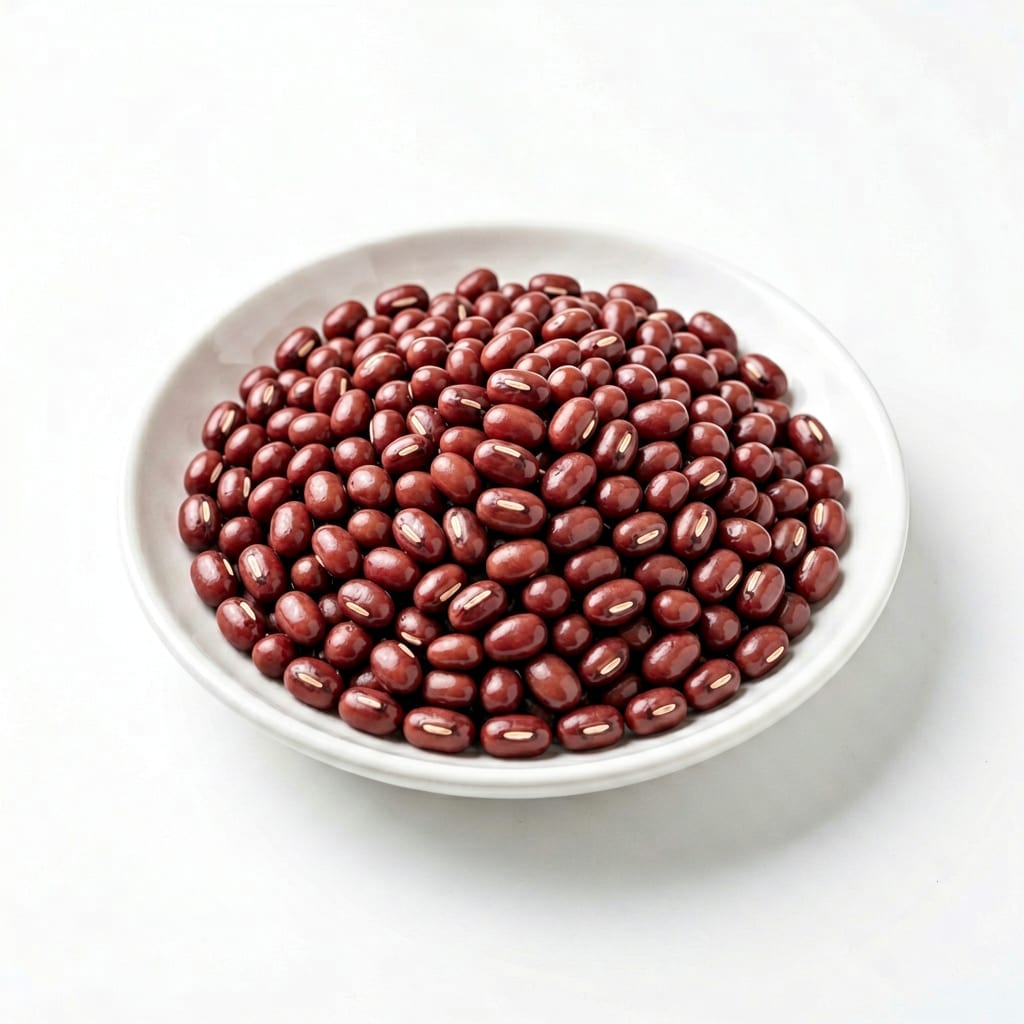
Adzuki Bean
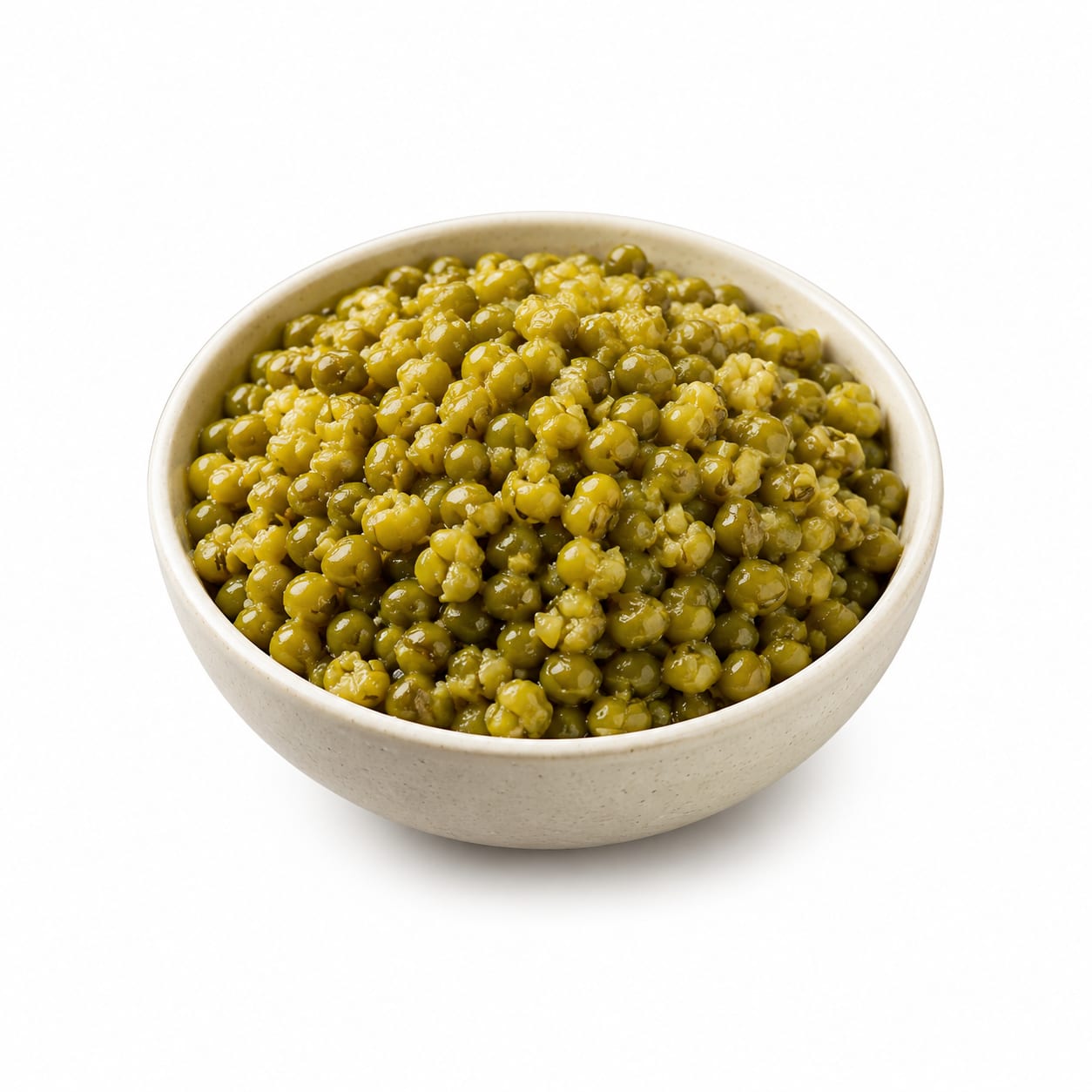
Mung Bean
Adzuki Beans edge ahead in protein and iron, while Mung Beans win on digestibility and lighter calorie load.
Mung Beans score slightly higher due to superior digestibility and culinary versatility, though Adzuki Beans offer a stronger micronutrient profile.
Nutrient density and satiety versus easier digestion and lower calories.
At a glance
Executive summary
Overall
It depends
Healthier
Adzuki Bean
More practical
Mung Bean
Daily use
Mung Bean
Key comparison lenses
Digestive tolerance and gut comfort
Mung Beans are famously easy to digest while Adzuki Beans can be heavier and cause more bloating
Micronutrient density and anemia prevention
Adzuki Beans provide significantly more iron and folate, which matters for plant-based diets
Culinary application (sweet vs savory)
Adzuki Beans are uniquely suited for sweet dishes, while Mung Beans dominate in savory soups and sprouts
Blood sugar management
Both are low-glycemic, but subtle carb and fiber differences affect glucose response
Best choice for
Adzuki Bean
- Plant-based eaters needing more iron
- Those wanting a very filling, high-protein base
- Healthy dessert and sweet recipe enthusiasts
Mung Bean
- People with sensitive digestion or IBS
- Those seeking lower-calorie meal bases
- Home cooks wanting fast-cooking or sproutable beans
Least suitable for
Adzuki Bean
- People prone to bloating and gas
- Very low-calorie or strict portion-controlled diets
Mung Bean
- Those relying on beans as a primary iron source
- Individuals looking for maximum satiety per serving
Deep comparison
Dimension by dimension
Each lens scores both foods and breaks down who each option suits.
- Dimension 1 · Priority 95Mung Bean
Digestive Comfort
Adzuki Bean · 68Mung Bean · 94Mung Beans are significantly easier to digest and much less likely to cause gas or bloating compared to Adzuki Beans.
Tradeoff
You trade the higher fiber density of Adzuki Beans for a lighter, gentler digestive experience with Mung Beans.
Why it matters
If you avoid beans because of bloating, Mung Beans are a game-changer for comfortable eating.
Real-world impact
You can enjoy a bean-heavy dinner without worrying about stomach discomfort or gas later in the evening.
Adzuki Bean
- Slow-burning energy that stays with you for hours
Better for
- People with IBS or bloating tendencies
Worse for
Mung Bean
- Sensitive stomachs
- Post-illness recovery meals
Better for
- Those needing maximum fullness from a small portion
Worse for
- Dimension 2 · Priority 88Adzuki Bean
Nutrient Density
Adzuki Bean · 89Mung Bean · 80Adzuki Beans pack more protein, iron, and potassium into each serving than Mung Beans.
Tradeoff
The extra nutrients in Adzuki Beans come with slightly more calories and a heavier feel in the stomach.
Why it matters
For plant-based eaters, the extra iron and protein in Adzuki Beans can make a real difference in meeting daily targets.
Real-world impact
A single serving of Adzuki Beans covers a larger chunk of your daily iron needs, helping you avoid afternoon fatigue.
Adzuki Bean
- Plant-based iron supplementation
- Athletes needing muscle-repairing protein
Better for
- Very low-calorie diets
Worse for
Mung Bean
- Lighter meals where you want nutrients without heaviness
Better for
- Those relying on beans as a primary iron source
Worse for
- Dimension 3 · Priority 80It depends
Blood Sugar Stability
Adzuki Bean · 85Mung Bean · 87Both beans are excellent for blood sugar, though Mung Beans have a slight edge due to lower carbohydrate content.
Tradeoff
Adzuki Beans offer more fiber to slow digestion, while Mung Beans simply have fewer carbs to process.
Why it matters
Both options prevent the sharp blood sugar spikes you get from refined carbs, keeping your energy steady.
Real-world impact
Swapping rice for either bean means no afternoon energy crash and fewer cravings an hour later.
Adzuki Bean
- Meals where high fiber is needed to buffer other carbs
Better for
- Very carb-sensitive individuals
Worse for
Mung Bean
- Strict low-carb or diabetic meal plans
Better for
- Situations requiring maximum satiety to prevent overeating
Worse for
- Dimension 4 · Priority 75It depends
Culinary Versatility
Adzuki Bean · 82Mung Bean · 88Adzuki Beans shine in sweet dishes and pastes, while Mung Beans are incredibly versatile in savory soups, stews, and as fresh sprouts.
Tradeoff
Choosing Adzuki Beans limits you mostly to sweet or earthy savory dishes, whereas Mung Beans adapt easily to salads, stir-fries, and light broths.
Why it matters
How you cook dictates which bean you will actually eat regularly; a healthy bean you won't cook is useless.
Real-world impact
Mung Bean sprouts can be tossed into a weekday sandwich for crunch, while Adzuki Beans require more dedicated cooking time.
Adzuki Bean
- Healthy dessert recipes
- Sweet red bean pastes
Better for
- Quick weeknight meals
- Raw applications
Worse for
Mung Bean
- Quick savory dinners
- Fresh salad toppings
- Home sprouting projects
Better for
- Satisfying a sweet tooth with whole foods
Worse for
Timeline
Health impact over time
Short-term
Hours to days
Adzuki Bean
- Sustained, heavy energy that keeps you full
- Potential for bloating or gas if not soaked well
Mung Bean
- Light, refreshing energy after eating
- Easy digestion with minimal stomach discomfort
Long-term
Months to years
Adzuki Bean
- Improved iron status and reduced anemia risk
- Better muscle maintenance from higher protein intake
Mung Bean
- Improved gut health from easy-to-digest fiber
- Easier weight management from lower calorie density
Risk profile
Safety & processing
Both Adzuki and Mung Beans are whole, natural foods with virtually no processing concerns when bought dried.
Adzuki Bean
Flatulence and digestive discomfort
mediumAdzuki Beans can cause significant gas if not soaked and cooked properly.
Mung Bean
Sprout contamination
mediumRaw Mung Bean sprouts can harbor Salmonella or E. coli; always wash thoroughly or cook.
Who wins for whom
Audience fit
Same foods, different winners depending on your goal.
children
Mung BeanMung Beans are easier for small stomachs to digest and less likely to cause uncomfortable gas.
daily consumption
Mung BeanMung Beans are lighter on the stomach, making them easier to eat every day without digestive fatigue.
diabetes
Mung BeanMung Beans have slightly fewer carbohydrates and a marginally lower glycemic load.
elderly
Mung BeanThe gentle digestion and softer texture of cooked Mung Beans are ideal for aging digestive systems.
muscle gain
Adzuki BeanAdzuki Beans provide more protein per serving to support muscle repair and growth.
weight loss
Mung BeanMung Beans offer a lower calorie count while still providing excellent volume and protein.
Your move
Decision guide
Choose Adzuki Bean
- You need a plant-based iron boost
- You want a very filling base for hearty meals
- You are making healthy sweet treats and desserts
Choose Mung Bean
- You have a sensitive stomach or IBS
- You want to grow your own fresh sprouts
- You prefer quick-cooking, light savory meals
Either works if
- You need a low-glycemic alternative to refined grains
- You want to increase your daily fiber and protein intake
Avoid both if
- You have a severe legume allergy
- You are on a strict zero-carb ketogenic diet
Final recommendation
Stock both: use Adzuki Beans when you need dense nutrition or a sweet fix, and rely on Mung Beans for everyday light meals and gut-friendly comfort.
Practical
Consumer tips
- 1
Soak Adzuki Beans overnight to drastically reduce cooking time and improve digestibility.
- 2
Mung Beans cook quickly without soaking, making them perfect for last-minute soups and stews.
- 3
If sprouting Mung Beans at home, rinse them twice a day and keep them out of direct sunlight to avoid bacterial growth.
- 4
Rinse canned beans of either type to remove excess sodium and starches.