
Nutrition comparison
Adzuki Beans vs Kidney Beans: Nutrition, Digestion, and Safety Compared
Adzuki beans are easier to digest and safer to cook, while kidney beans offer more protein and iron. Learn which bean fits your health goals and cooking habits.
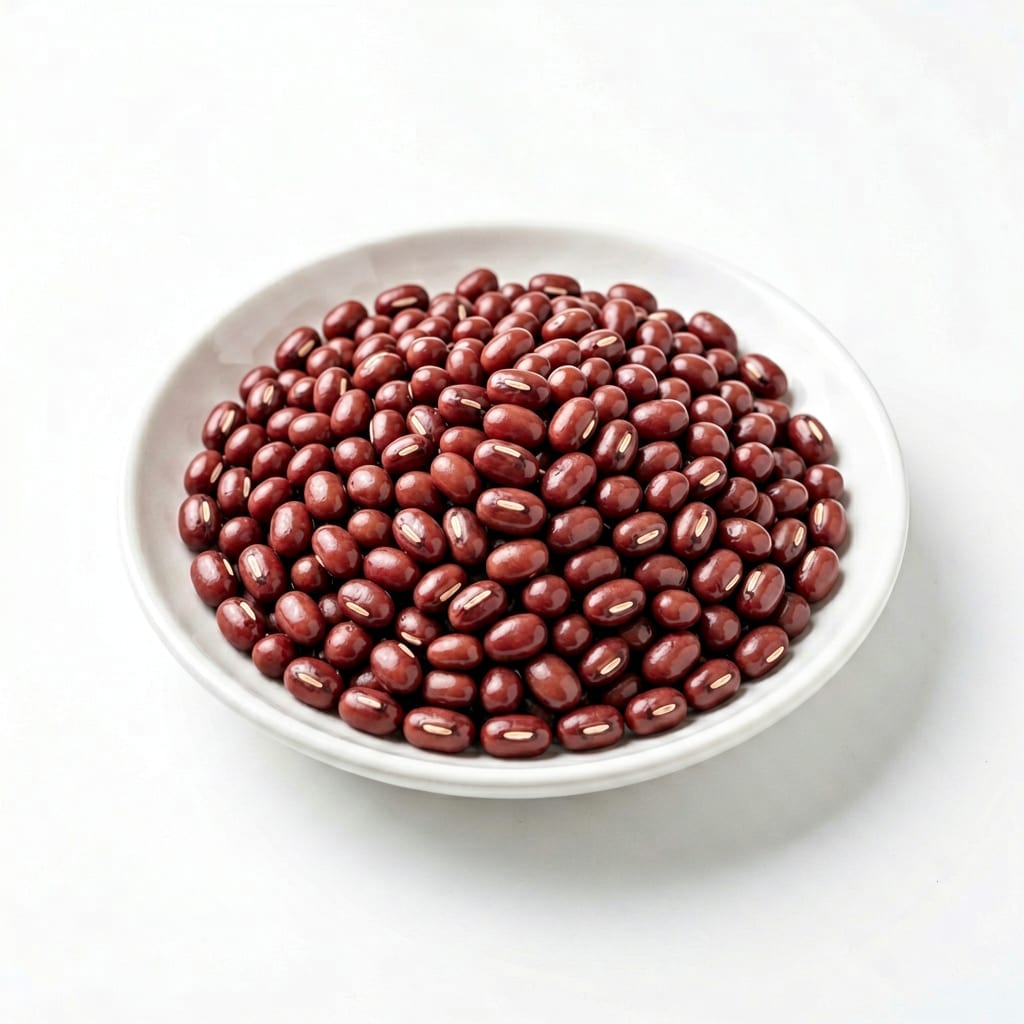
Adzuki Bean
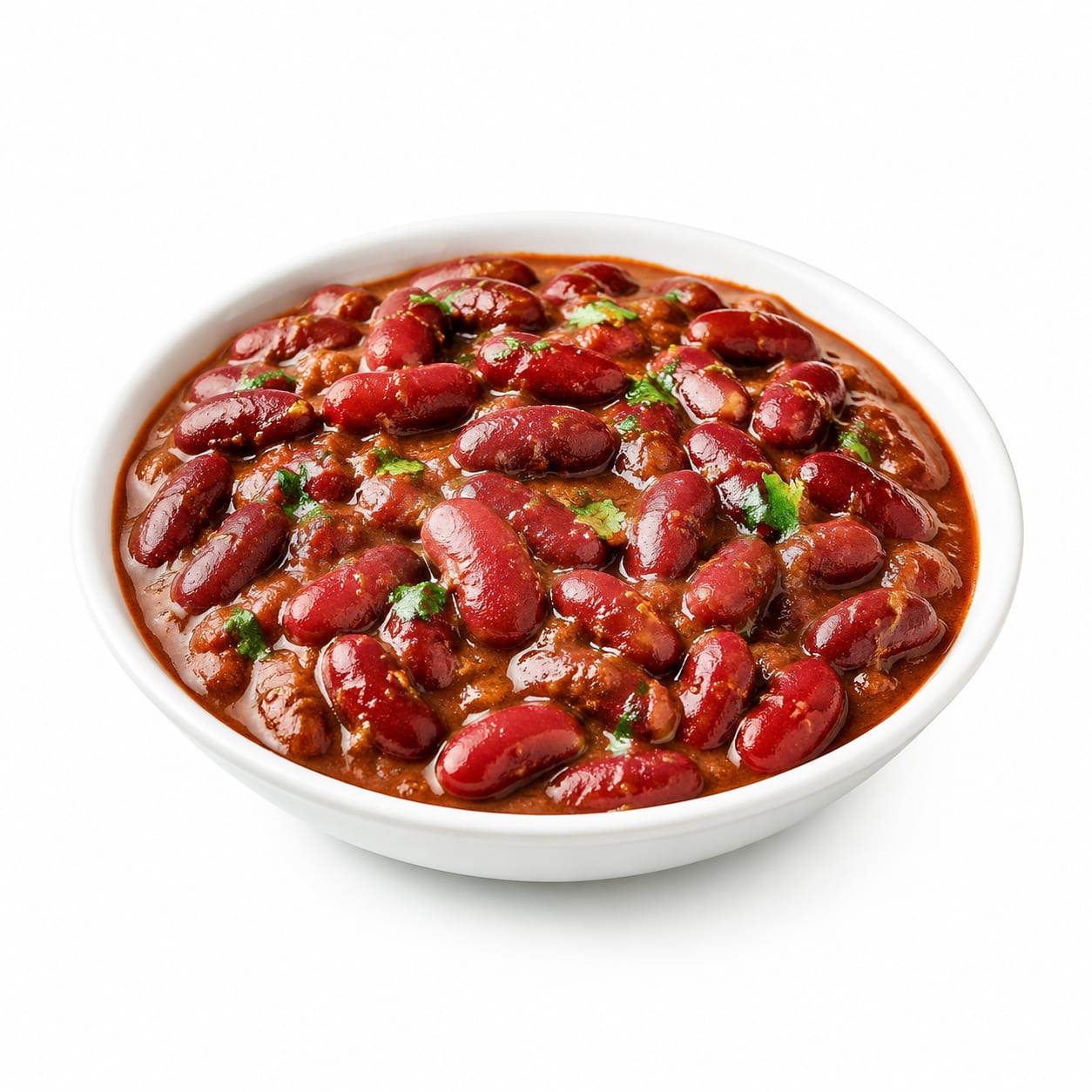
Kidney Bean
Kidney beans deliver more protein and minerals per serving, but adzuki beans win on digestibility and safety. Your choice depends on whether you prioritize nutritional power or gut comfort.
Kidney beans score slightly higher due to superior protein, iron, and mineral content. Adzuki beans close the gap with better digestibility, lower toxin risk, and a gentler profile for daily eating. The 4-point difference reflects a real but modest nutritional edge versus a meaningful comfort and safety advantage.
Kidney beans offer higher protein and stronger satiety at the cost of tougher digestion and a real toxin risk if undercooked. Adzuki beans are gentler and safer but nutritionally lighter.
At a glance
Executive summary
Overall
It depends
Healthier
Kidney Bean
More practical
Kidney Bean
Daily use
Adzuki Bean
Key comparison lenses
nutritional density and protein quality
Both are legumes but differ significantly in protein content, mineral density, and calorie-to-nutrient ratios
digestive tolerance and comfort
Adzuki beans are notably easier to digest, while kidney beans are infamous for causing gas and bloating
safety and toxin concerns
Kidney beans contain phytohaemagglutinin, a potentially dangerous toxin if undercooked; adzuki beans have no such risk
blood sugar management
Both are low-glycemic but differ in fiber profiles and starch composition, affecting glucose response
culinary versatility and practicality
Kidney beans dominate savory dishes globally; adzuki beans shine in sweet and East Asian recipes but are less versatile overall
weight management and satiety
Different calorie densities and protein contents affect fullness and portion control
Best choice for
Adzuki Bean
- People with sensitive digestion or IBS
- Anyone prone to bloating from beans
- Home cooks who sometimes rush cooking times
- Those wanting a lighter bean for salads or desserts
- People managing blood sugar who prefer smaller portions
Kidney Bean
- Athletes and anyone needing higher protein intake
- Meal preppers making chili, stews, or burritos
- Those seeking maximum iron and mineral density
- People who find beans filling and want stronger satiety
- Budget-conscious shoppers wanting widely available options
Least suitable for
Adzuki Bean
- Anyone needing high protein from plant sources
- People who find sweet beans unappealing
- Those wanting a hearty, meaty texture in meals
- Shoppers at stores with limited international sections
Kidney Bean
- People with severe digestive sensitivity to legumes
- Anyone who has ever experienced food poisoning from undercooked beans
- Those who prefer lighter, less dense meals
- People who cook beans quickly without soaking or pressure cooking
Deep comparison
Dimension by dimension
Each lens scores both foods and breaks down who each option suits.
- Dimension 1 · Priority 93Kidney Bean
protein_and_satiety
Adzuki Bean · 62Kidney Bean · 88Kidney beans deliver roughly 40% more protein per cooked cup, making them significantly more filling and better for muscle maintenance.
Tradeoff
That extra protein comes with heavier digestion. Adzuki beans feel lighter in the stomach but leave you hungry sooner.
Why it matters
If you rely on beans as a primary protein source, kidney beans get you noticeably closer to daily targets without supplements.
Real-world impact
A kidney bean lunch keeps you full until dinner. An adzuki bean lunch may have you reaching for a snack by 3pm.
Adzuki Bean
- Light meals where you don't want to feel weighed down
- Smaller appetites and elderly eaters
Better for
- Recovery after intense training
- Anyone counting on beans as their main protein
Worse for
Kidney Bean
- Post-workout recovery meals
- Anyone trying to hit 100g+ protein daily from plants
- Main course dishes where beans are the protein star
Better for
- Hot summer meals where heavy food feels unpleasant
- Late dinners close to bedtime
Worse for
- Dimension 2 · Priority 90Adzuki Bean
digestive_tolerance
Adzuki Bean · 85Kidney Bean · 52Adzuki beans are widely considered the easiest bean to digest. Kidney beans are among the most gas-producing legumes.
Tradeoff
You gain comfort with adzuki beans but sacrifice the denser nutrition of kidney beans. Sensitive stomachs rarely regret choosing adzuki.
Why it matters
Chronic bloating from beans makes people abandon them entirely. A bean you tolerate is infinitely better than a bean you avoid.
Real-world impact
Adzuki beans let you enjoy legumes without dreading the aftermath. Kidney beans may have you reaching for digestive aids or avoiding beans at social meals.
Adzuki Bean
- Anyone with a history of bean-related bloating
- First-time bean eaters building tolerance
- Meals before social situations where gas is unacceptable
Better for
- Situations where maximum nutrient density matters more than comfort
Worse for
Kidney Bean
- People with iron stomachs who never notice bean digestion issues
- Meals at home where bloating is not a social concern
Better for
- IBS sufferers
- Anyone just starting to add legumes to their diet
- Work lunches where digestive discomfort affects productivity
Worse for
- Dimension 3 · Priority 87Adzuki Bean
safety_and_toxin_risk
Adzuki Bean · 95Kidney Bean · 60Kidney beans contain phytohaemagglutinin, a natural toxin that can cause severe food poisoning if beans are not boiled thoroughly. Adzuki beans carry no such risk.
Tradeoff
Kidney beans are perfectly safe when properly cooked, but the margin for error is real. Slow cookers on low heat can actually increase toxin levels.
Why it matters
Undercooked kidney beans have sent people to the hospital. This is not theoretical—it happens regularly with slow cooker recipes.
Real-world impact
If you ever rush bean cooking, forget to soak, or use a slow cooker without pre-boiling, kidney beans can make you genuinely ill for days.
Adzuki Bean
- Beginner cooks still learning bean preparation
- Anyone using slow cookers regularly
- Meal preppers who sometimes cut corners on cooking time
Better for
- No meaningful safety downside
Worse for
Kidney Bean
- Experienced cooks who always soak and boil thoroughly
- Situations where canned beans are used exclusively
Better for
- Camping or off-grid cooking where thorough boiling is uncertain
- Households with teenagers or partners who may undercook
Worse for
- Dimension 4 · Priority 84Kidney Bean
mineral_and_micronutrient_density
Adzuki Bean · 68Kidney Bean · 86Kidney beans provide more iron, potassium, magnesium, and molybdenum per serving. They are a micronutrient powerhouse among beans.
Tradeoff
Adzuki beans still offer solid mineral content but cannot match kidney beans for iron and potassium density.
Why it matters
For plant-based eaters, iron and potassium are among the hardest nutrients to get in adequate amounts. Kidney beans are a rare rich source.
Real-world impact
Regular kidney bean consumption meaningfully moves the needle on iron intake. Adzuki beans help but more modestly.
Adzuki Bean
- Those who already get plenty of iron from other sources
- Supplement users who do not rely on food for minerals
Better for
- Iron-deficient individuals who need maximum impact from food
Worse for
Kidney Bean
- Plant-based eaters at risk for iron deficiency
- Anyone with elevated potassium needs
- Pregnant women needing iron-rich foods
Better for
- People on potassium-restricted diets for kidney disease
Worse for
- Dimension 5 · Priority 79It depends
blood_sugar_stability
Adzuki Bean · 78Kidney Bean · 80Both beans are excellent for blood sugar control. Kidney beans edge ahead with slightly more fiber and resistant starch, but adzuki beans have a marginally lower glycemic load per typical portion.
Tradeoff
The difference is minimal. Either bean stabilizes blood sugar far better than grains or starchy foods.
Why it matters
For diabetes management, both are strong choices. The practical difference between them is negligible compared to the difference between either bean and a refined carb.
Real-world impact
Swapping rice for either bean at dinner dramatically reduces blood sugar spikes. Choosing between them barely moves the needle.
Adzuki Bean
- Smaller eaters who prefer lighter portions with less glycemic load per serving
Better for
- No meaningful downside for blood sugar
Worse for
Kidney Bean
- Those who want maximum fiber per calorie to slow glucose absorption
Better for
- No meaningful downside for blood sugar
Worse for
- Dimension 6 · Priority 76Kidney Bean
culinary_versatility_and_availability
Adzuki Bean · 55Kidney Bean · 82Kidney beans appear in chili, stews, salads, burritos, curries, and rice dishes worldwide. Adzuki beans are mostly used in East Asian desserts and a narrow range of savory dishes.
Tradeoff
Adzuki beans have a unique niche in sweet recipes that kidney beans cannot fill, but their savory applications are limited.
Why it matters
A bean you can use in 20 different meals gets eaten more often. A bean you only use in 3 recipes sits in the pantry.
Real-world impact
Kidney beans are in every grocery store and fit into most weekly meal plans easily. Adzuki beans require a specialty store trip and recipe hunting.
Adzuki Bean
- Bakers and dessert makers exploring Asian sweets
- Anyone wanting to reduce refined sugar in desserts while keeping sweetness
Better for
- Households that primarily eat Western savory food
- Anyone without access to Asian grocery stores
Worse for
Kidney Bean
- Weeknight cooks who need a bean that works in anything
- Anyone meal prepping large batches of chili or stew
Better for
- No meaningful culinary downside for savory cooking
Worse for
- Dimension 7 · Priority 71Kidney Bean
antioxidant_profile
Adzuki Bean · 70Kidney Bean · 82Dark red kidney beans are among the top antioxidant-rich foods tested, rivaling blueberries. Adzuki beans also offer strong antioxidants but slightly less overall.
Tradeoff
Both are antioxidant powerhouses compared to most foods. The gap between them is smaller than the gap between either bean and animal protein.
Why it matters
Antioxidants from beans are a major reason legume eaters show lower rates of chronic disease. Both contribute meaningfully here.
Real-world impact
Eating either bean regularly supports long-term cellular health. Choosing kidney beans gives a slight extra edge.
Adzuki Bean
- Those who eat adzuki beans more frequently than they would kidney beans due to better tolerance
Better for
- No significant downside; both are strong
Worse for
Kidney Bean
- Anyone specifically optimizing antioxidant intake from food
Better for
- No significant downside; both are strong
Worse for
Timeline
Health impact over time
Short-term
Hours to days
Adzuki Bean
- Gentle on digestion with minimal bloating compared to other beans
- Provides steady energy without a heavy or sluggish feeling
- Unlikely to cause gastrointestinal distress even in bean-sensitive individuals
Kidney Bean
- Can cause significant gas, bloating, and stomach discomfort especially for unaccustomed eaters
- High satiety keeps hunger at bay for hours after eating
- Undercooked beans risk nausea, vomiting, and diarrhea within 1-3 hours due to phytohaemagglutinin
Long-term
Months to years
Adzuki Bean
- Consistent consumption supports gut health without chronic discomfort that makes people quit beans
- Moderate but reliable iron and mineral intake over time
- Easier to sustain as a daily habit, which matters more than peak nutrition you abandon
Kidney Bean
- Superior long-term iron status and anemia prevention, especially for plant-based eaters
- Strong antioxidant intake linked to lower chronic disease risk in population studies
- Digestive discomfort may cause people to reduce intake or avoid beans entirely, negating benefits
Risk profile
Safety & processing
Both beans are whole foods in their natural state. Canned versions may contain added sodium, but rinsing removes most of it. Neither carries meaningful processing concerns when bought dried or as low-sodium canned options.
Adzuki Bean
Typical legume antinutrients
lowLike all beans, adzuki beans contain phytic acid and oligosaccharides that can reduce mineral absorption and cause mild gas. Soaking and cooking neutralize most of these.
Kidney Bean
Phytohaemagglutinin toxicity
highRaw or undercooked kidney beans contain a lectin that causes severe nausea, vomiting, and diarrhea. As few as 4-5 undercooked beans can trigger symptoms. Slow cookers on low do not reach safe temperatures and can actually increase toxin concentration. Always soak and boil kidney beans for at least 10 minutes at 212°F before slow cooking.
Canned bean sodium
mediumCanned kidney beans often contain 400-500mg sodium per serving. Rinsing reduces this by roughly 40%, but sodium-conscious eaters should check labels or choose no-salt-added varieties.
Who wins for whom
Audience fit
Same foods, different winners depending on your goal.
children
Adzuki BeanAdzuki beans are easier to digest, smaller and softer when cooked, and naturally slightly sweeter, making them more appealing and gentler on developing digestive systems. Kidney beans pose a real toxin risk if a parent undercooks them.
daily consumption
Adzuki BeanDaily consumption favors the bean you can actually tolerate every day. Adzuki beans' superior digestibility and zero toxin risk make them easier to sustain as a daily habit without discomfort or preparation anxiety.
diabetes
It dependsBoth are excellent choices with minimal glycemic impact. Kidney beans offer slightly more fiber, but adzuki beans have a marginally lower glycemic load per typical serving. The difference is negligible compared to the benefit of simply choosing either over refined carbs.
elderly
Adzuki BeanOlder adults often have more sensitive digestion and lower stomach acid. Adzuki beans are gentler on the gut and carry no toxin risk from potential undercooking, which matters when appetite and cooking precision decline.
muscle gain
Kidney BeanWith roughly 15g protein per cooked cup versus 17g for kidney beans, the protein advantage is meaningful when beans are a primary protein source.
weight loss
Kidney BeanHigher protein and fiber content per calorie makes kidney beans more satiating, reducing overall food intake throughout the day. The heavier feel helps portion control naturally.
Your move
Decision guide
Choose Adzuki Bean
- You have ever abandoned beans because of bloating or gas
- You use a slow cooker and sometimes forget to pre-boil beans
- You want a bean you can eat daily without digestive consequences
- You are introducing beans to children or elderly family members
- You enjoy Asian desserts and want a naturally sweet bean option
Choose Kidney Bean
- You need maximum protein and iron from plant sources
- You have no digestive issues with beans and want the strongest nutritional profile
- You cook chili, stews, or burritos regularly and want a bean that fits seamlessly
- You always soak and thoroughly boil your beans or use canned exclusively
- You are an athlete or highly active person prioritizing satiety and recovery
Either works if
- You simply want to eat more legumes and will enjoy whichever you tolerate
- You are managing blood sugar and would benefit from either over grains
- You rotate between multiple bean varieties weekly anyway
Avoid both if
- You have a diagnosed legume allergy
- You are on a potassium-restricted diet for advanced kidney disease without medical guidance
- You have severe FODMAP intolerance and cannot tolerate any beans even in small amounts
Final recommendation
Start with adzuki beans if digestion has ever been your reason for quitting legumes. Their gentleness makes consistency possible. Choose kidney beans if your stomach handles beans well and you want the strongest nutritional return per bite. The best bean is always the one you will actually eat regularly.
Practical
Consumer tips
- 1
If you choose kidney beans, always soak for 8+ hours and boil vigorously for at least 10 minutes before any other cooking method. Never put raw kidney beans in a slow cooker.
- 2
Canned kidney beans are pre-cooked and safe from phytohaemagglutinin. They are the easiest safe option if you are worried about undercooking.
- 3
Rinse canned beans of either type to remove roughly 40% of added sodium and reduce the starchy liquid that causes gas.
- 4
If adzuki beans are hard to find locally, check the international aisle of major grocery stores or order dried beans online. They store for years.
- 5
To reduce gas from kidney beans, soak longer, discard soaking water, cook with a strip of kombu seaweed, and start with small portions to build tolerance gradually.
- 6
Adzuki beans cook faster than kidney beans, typically 45-60 minutes versus 90-120 minutes for dried kidney beans. This makes weeknight cooking more practical.