
Nutrition comparison
Adzuki Beans vs Navy Beans: Nutrition, Fiber, and Health Comparison
Compare adzuki beans and navy beans side by side. Discover which bean offers more fiber, better digestion, stronger antioxidants, and the best fit for your health goals.
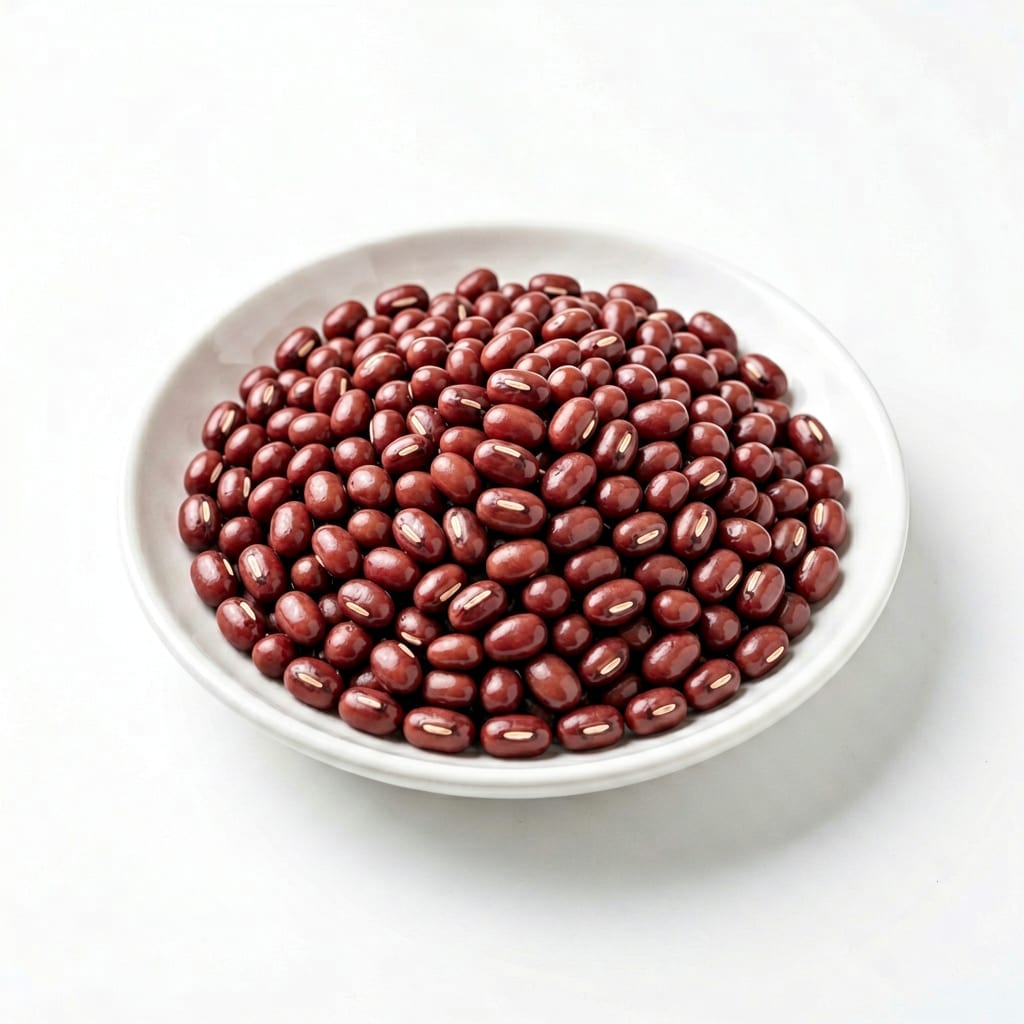
Adzuki Bean
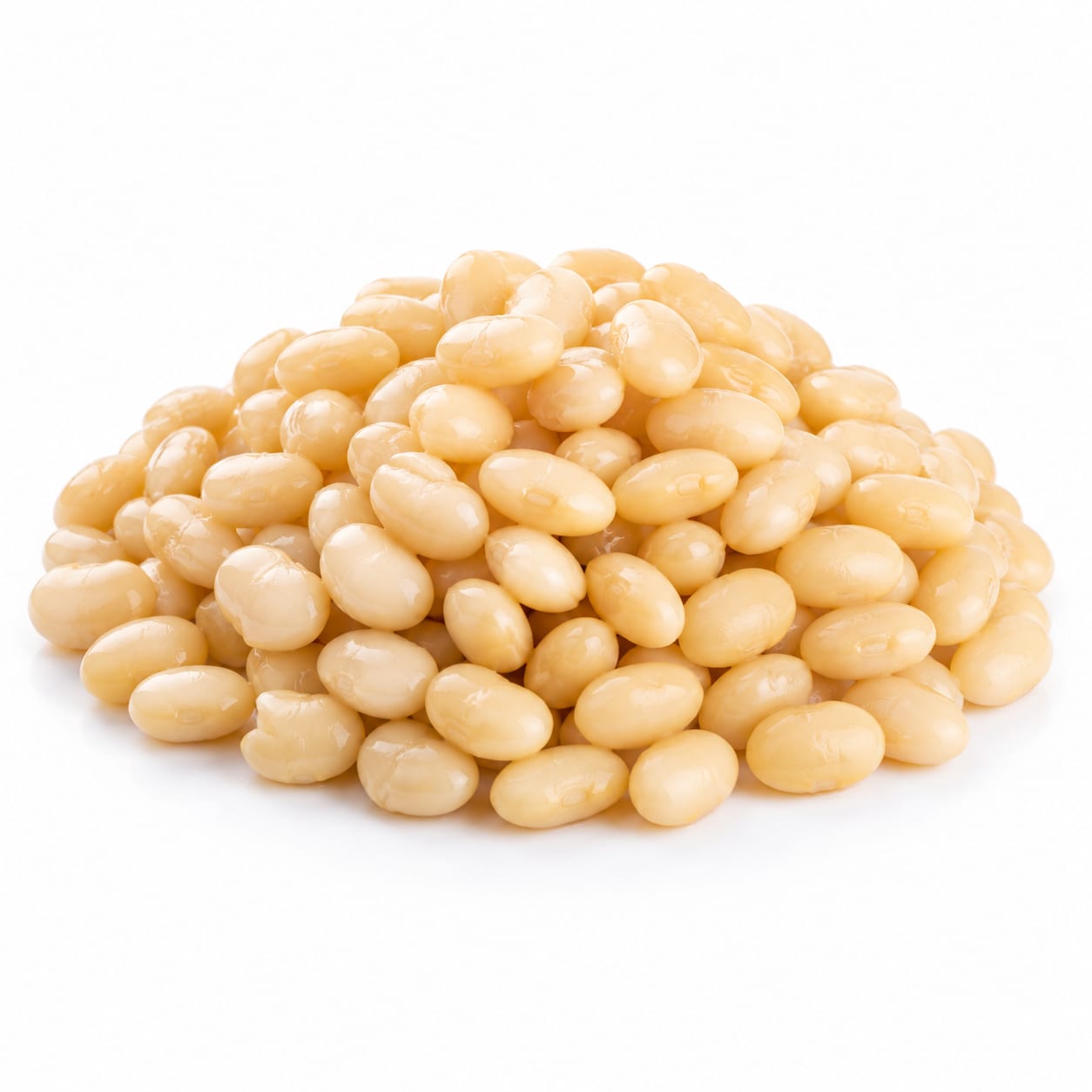
Navy Bean
Navy beans deliver more fiber and protein per serving, while adzuki beans offer unique antioxidants and gentler digestion.
Navy beans score higher due to superior fiber and protein content, which benefits most everyday health goals. Adzuki beans remain valuable for their unique antioxidants and easier digestibility, but these advantages apply to narrower audiences.
Maximum fiber and satiety versus antioxidant benefits and digestive comfort.
At a glance
Executive summary
Overall
It depends
Healthier
Navy Bean
More practical
Navy Bean
Daily use
Navy Bean
Key comparison lenses
fiber and digestive health
Navy beans are among the highest-fiber beans available, making this a critical differentiator for gut health and satiety decisions
blood sugar management
Both beans are excellent for glycemic control but through different mechanisms—fiber volume versus antioxidant compounds
weight loss satiety
The fiber gap between these beans significantly impacts fullness and calorie intake management
antioxidant and inflammation
Adzuki beans contain unique anthocyanins from their red pigment that navy beans lack entirely
digestive tolerance
Adzuki beans are traditionally considered easier to digest, which matters for sensitive stomachs
Best choice for
Adzuki Bean
- People with sensitive digestion or IBS
- Anyone seeking antioxidant variety in their diet
- Those following East Asian or Japanese-inspired cooking
- People who prefer slightly sweeter tasting legumes
- Anyone tired of common bean varieties and wanting novelty
Navy Bean
- Weight loss seekers needing maximum fullness
- People prioritizing gut health and regularity
- Anyone meal-prepping large batches for the week
- Those wanting the most protein per calorie from beans
- Budget-conscious shoppers looking for widely available beans
Least suitable for
Adzuki Bean
- Those who need maximum fiber intake for constipation relief
- People counting every gram of protein on a plant-based diet
- Anyone unfamiliar with cooking Asian-style legumes
- Those wanting the most filling bean option available
Navy Bean
- People with severe digestive sensitivity to high-fiber foods
- Anyone transitioning to legumes who needs a gentler entry bean
- Those seeking diverse antioxidant sources beyond standard beans
- People who dislike the texture of very creamy beans
Deep comparison
Dimension by dimension
Each lens scores both foods and breaks down who each option suits.
- Dimension 1 · Priority 95Navy Bean
fiber_and_gut_health
Adzuki Bean · 68Navy Bean · 94Navy beans provide roughly 40% more fiber per serving than adzuki beans, making them one of the best fiber sources among all legumes.
Tradeoff
That extra fiber means more satiety and better gut health, but can cause bloating in people unaccustomed to high-fiber diets.
Why it matters
Fiber is the nutrient most people lack, and navy beans close that gap dramatically faster than almost any other whole food.
Real-world impact
A single cup of navy beans provides nearly half your daily fiber needs, while adzuki beans cover about a third.
Adzuki Bean
- Gentle digestive transitions for fiber-sensitive individuals
Better for
- Slower progress on fiber goals
Worse for
Navy Bean
- Constipation relief
- Gut microbiome diversity
- Cholesterol reduction through soluble fiber
Better for
- Potential gas and bloating when first increasing fiber intake
Worse for
- Dimension 2 · Priority 88Navy Bean
protein_and_satiety
Adzuki Bean · 72Navy Bean · 85Navy beans deliver slightly more protein per calorie and significantly more satiety due to their fiber-protein combination.
Tradeoff
Adzuki beans still provide solid protein but leave you less full, which can matter for portion control and snacking behavior.
Why it matters
For plant-based eaters especially, every gram of protein counts, and the satiety difference affects how much you eat at subsequent meals.
Real-world impact
A navy bean lunch keeps you fuller for longer, reducing afternoon snacking urges more reliably than adzuki beans.
Adzuki Bean
- Lighter meals where you do not want to feel overly stuffed
Better for
- May need larger portions to feel satisfied
Worse for
Navy Bean
- Post-workout recovery meals
- Weight loss plateaus requiring better appetite control
- Plant-based meal planning maximizing protein intake
Better for
- Heavier meals that might feel too filling before physical activity
Worse for
- Dimension 3 · Priority 80Adzuki Bean
antioxidant_and_anti_inflammatory_value
Adzuki Bean · 86Navy Bean · 55Adzuki beans contain significant anthocyanins and polyphenols from their red pigment that white navy beans simply lack.
Tradeoff
You gain meaningful antioxidant diversity with adzuki beans but sacrifice the fiber advantage of navy beans.
Why it matters
Chronic inflammation drives most modern disease, and dietary antioxidants from diverse sources provide cumulative protection over decades.
Real-world impact
Regularly eating adzuki beans adds a class of antioxidants your body cannot get from white beans, berries alone cannot fully replicate this benefit.
Adzuki Bean
- Long-term inflammation reduction
- Skin health and cellular aging support
- Dietary antioxidant variety beyond common fruits
Better for
- Antioxidant benefits are subtle and take months to notice
Worse for
Navy Bean
- Indirect anti-inflammatory effects through gut health improvement
Better for
- Missing an entire category of beneficial plant compounds
Worse for
- Dimension 4 · Priority 78Adzuki Bean
digestive_tolerance
Adzuki Bean · 84Navy Bean · 62Adzuki beans are traditionally regarded as the easiest bean to digest, producing less gas and bloating than most alternatives including navy beans.
Tradeoff
Easier digestion comes with lower fiber, so you trade some gut health benefits for immediate comfort.
Why it matters
For people with IBS, sensitive stomachs, or those new to legumes, digestive comfort determines whether beans stay in their diet at all.
Real-world impact
Someone who abandoned beans due to bloating might tolerate adzuki beans well, while navy beans could reinforce their avoidance.
Adzuki Bean
- IBS and sensitive digestion management
- Gradual introduction of legumes into the diet
- Social situations where gas is embarrassing
Better for
- May not provide enough fiber challenge to improve gut adaptation
Worse for
Navy Bean
- Building digestive resilience over time with consistent intake
Better for
- Initial weeks of discomfort can discourage long-term bean consumption
Worse for
- Dimension 5 · Priority 82Navy Bean
blood_sugar_stability
Adzuki Bean · 78Navy Bean · 88Both beans are excellent for blood sugar, but navy beans have a slight edge due to higher fiber slowing glucose absorption more effectively.
Tradeoff
Adzuki beans still outperform most carbohydrate sources, so the difference matters most for people with diagnosed diabetes or insulin resistance.
Why it matters
Steady blood sugar prevents energy crashes, cravings, and long-term metabolic damage.
Real-world impact
After a navy bean meal, your blood sugar rises and falls more gradually, reducing the 3 PM energy dip that drives coffee and snack cravings.
Adzuki Bean
- Still a strong choice for prediabetes management
- Easier to eat regularly due to better tolerance
Better for
- Slightly less protective for severe glycemic issues
Worse for
Navy Bean
- Type 2 diabetes meal planning
- Insulin resistance reversal protocols
- Preventing post-meal energy crashes
Better for
- High fiber can cause discomfort that disrupts consistent eating patterns
Worse for
- Dimension 6 · Priority 70Navy Bean
mineral_density
Adzuki Bean · 73Navy Bean · 80Navy beans edge ahead on folate, iron, and magnesium, while adzuki beans offer slightly more potassium and zinc.
Tradeoff
The mineral differences are modest and unlikely to matter unless beans are a primary daily protein source.
Why it matters
For plant-based diets relying heavily on beans, cumulative mineral intake from your primary legume choice adds up over months.
Real-world impact
If you eat beans daily, choosing navy beans provides a slightly better mineral insurance policy over the course of a year.
Adzuki Bean
- Potassium needs for active individuals
- Zinc support for immune function
Better for
- Less folate per serving matters for prenatal nutrition
Worse for
Navy Bean
- Pregnancy folate requirements
- Iron needs for vegetarian women
- Magnesium for sleep and muscle recovery
Better for
- Slightly lower potassium may matter for athletes who sweat heavily
Worse for
- Dimension 7 · Priority 65It depends
culinary_versatility
Adzuki Bean · 72Navy Bean · 78Navy beans work in more Western dishes naturally, while adzuki beans shine in Asian desserts and specialty recipes.
Tradeoff
Navy beans blend into soups, stews, and salads effortlessly. Adzuki beans require more recipe-specific knowledge but offer unique sweet applications.
Why it matters
The bean you actually cook with regularly beats the one that sits in your pantry unused.
Real-world impact
Navy beans slide into chili, soup, or salad without thinking. Adzuki beans require seeking out specific recipes, which reduces how often you eat them.
Adzuki Bean
- Japanese-inspired desserts and sweet bean paste
- Unique dishes that impress guests
- Adding variety to a bean rotation
Better for
- Limited mainstream recipe availability
- Sweet applications may add sugar you do not want
Worse for
Navy Bean
- Everyday cooking with minimal recipe planning
- Batch cooking and meal prep
- Family-friendly dishes kids accept readily
Better for
- Can feel boring if you eat them constantly without variety
Worse for
Timeline
Health impact over time
Short-term
Hours to days
Adzuki Bean
- Gentle on the digestive system with minimal bloating
- Provides steady energy without heaviness
- Mild blood sugar stabilization after meals
Navy Bean
- Noticeable fullness that reduces between-meal snacking
- Possible gas and bloating during the first week of regular consumption
- Strong blood sugar stabilization after meals
Long-term
Months to years
Adzuki Bean
- Antioxidant accumulation supporting cellular health and skin
- Consistent gentle fiber intake maintaining regularity
- Reduced inflammation markers over months of regular consumption
Navy Bean
- Significant improvement in gut microbiome diversity
- Better cholesterol numbers from high soluble fiber intake
- Sustained weight management through natural appetite regulation
- Improved bowel regularity reducing constipation dependency
Risk profile
Safety & processing
Both adzuki and navy beans are whole, minimally processed foods when purchased dried or canned without additives. Canned versions may contain added sodium, so rinsing or choosing low-sodium options is recommended for both.
Adzuki Bean
Phytohaemagglutinin toxicity
lowAdzuki beans contain much lower levels of this toxin than red kidney beans, and thorough cooking eliminates concern entirely.
Canned sodium content
mediumCanned adzuki beans, especially sweetened versions, can contain significant added sodium and sugar. Always check labels or cook from dried.
Navy Bean
Phytohaemagglutinin toxicity
lowNavy beans contain moderate levels of this lectin that is neutralized by proper cooking. Never eat any bean raw or undercooked.
Canned sodium content
mediumCanned navy beans often pack 400-500mg sodium per serving. Rinsing removes about 40% of added sodium.
Who wins for whom
Audience fit
Same foods, different winners depending on your goal.
children
Adzuki BeanEasier digestion and naturally sweeter taste make adzuki beans more appealing and tolerable for young digestive systems.
daily consumption
Navy BeanHigher fiber and protein make navy beans a more complete daily staple, provided your digestive system tolerates them well.
diabetes
Navy BeanSuperior fiber content slows glucose absorption more effectively, providing better post-meal blood sugar control for diabetics.
elderly
Adzuki BeanGentler digestion matters more as digestive capacity declines with age, and the antioxidant benefits support cellular health in aging.
muscle gain
Navy BeanSlightly more protein per serving and better leucine content support muscle protein synthesis marginally better.
weight loss
Navy BeanHigher fiber and protein per calorie create stronger satiety signals, naturally reducing overall food intake without conscious restriction.
Your move
Decision guide
Choose Adzuki Bean
- You experience bloating or gas with other beans
- You want antioxidant variety beyond what white beans offer
- You enjoy Japanese or Korean cooking styles
- You are introducing beans into your diet for the first time
- You want a bean that works in both savory and sweet dishes
Choose Navy Bean
- Maximum fiber and gut health is your priority
- You are actively managing weight through appetite control
- You meal-prep and want the most versatile pantry bean
- You are plant-based and optimizing protein intake
- You have no digestive issues with high-fiber foods
Either works if
- You simply want a nutritious whole-food protein source
- You rotate between multiple bean varieties weekly
- Both are available and priced similarly at your store
Avoid both if
- You have a diagnosed legume allergy
- You are currently on a low-FODMAP elimination phase
- You experience severe GI distress from all beans despite gradual introduction
Final recommendation
For most people seeking everyday nutrition, navy beans are the stronger staple due to their fiber and protein advantage. However, adzuki beans deserve a regular spot in your rotation for their unique antioxidants and digestive ease. The ideal approach is keeping both in your pantry: navy beans as your daily workhorse, adzuki beans when your stomach needs a gentler day or you want to add antioxidant diversity.
Practical
Consumer tips
- 1
Start with small portions of either bean and increase gradually over two weeks to minimize digestive adjustment discomfort
- 2
Always soak dried beans for 8-12 hours and cook thoroughly to eliminate lectins and reduce gas-producing compounds
- 3
Rinse canned beans thoroughly to remove approximately 40% of added sodium
- 4
If navy beans cause bloating, try adzuki beans for a week before giving up on legumes entirely
- 5
Cook a large batch of each bean and freeze portions in cooking liquid for up to 3 months of convenient use
- 6
Add a strip of kombu seaweed while cooking either bean to improve digestibility and reduce gas
- 7
Adzuki beans pair surprisingly well with squash and sweet potato for a filling, antioxidant-rich meal
- 8
Navy beans disappear into smoothies and soups when blended, making them easy to add without texture complaints