
Game Meat
Venison
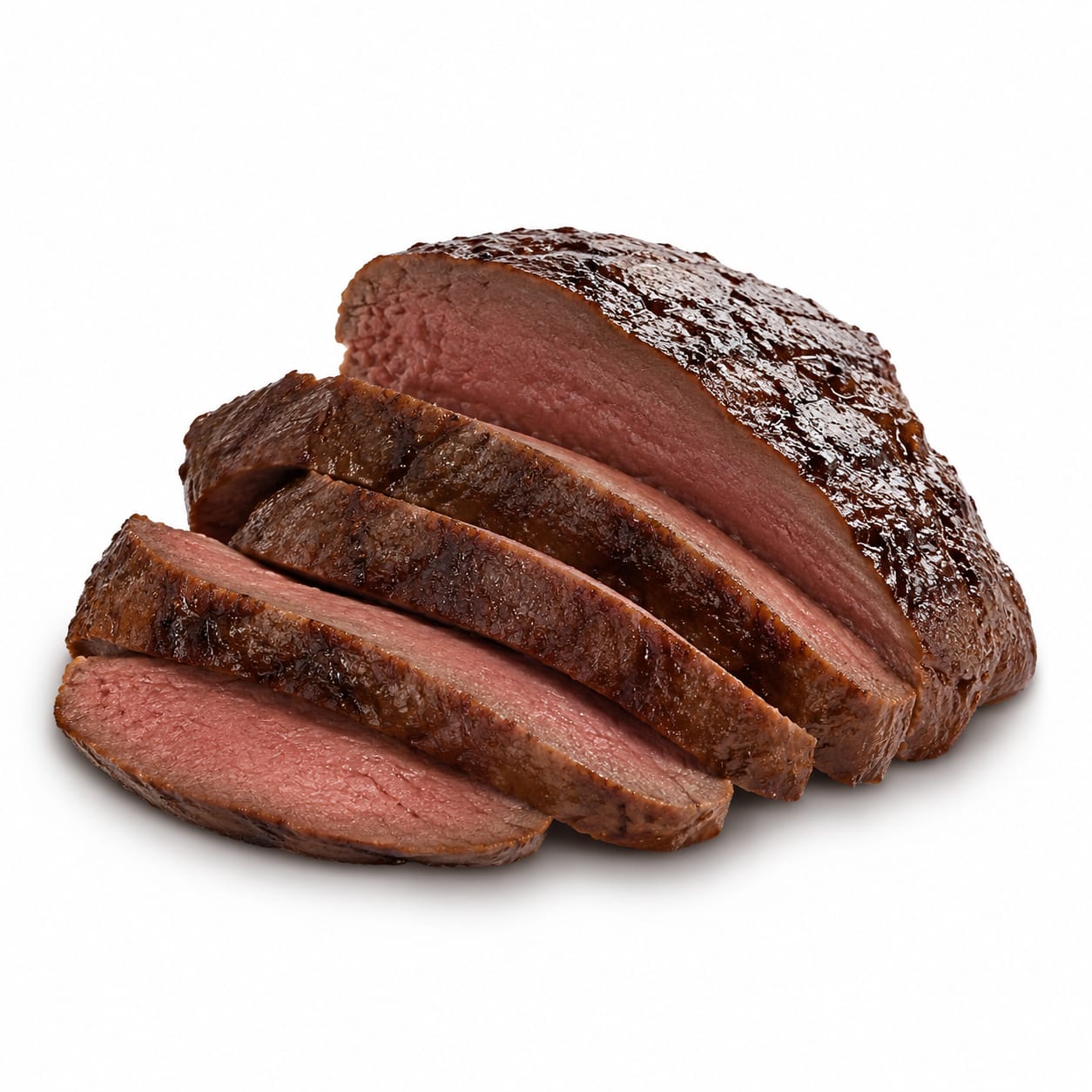
Venison is the meat of deer, prized as an exceptionally lean and protein-dense red meat.
Lean red meat from deer, known for its high protein content and significantly lower fat compared to conventional beef.
protein-dense lean red meat
Typical serving · 113g
Common varieties · farmed venison, wild venison, venison loin, venison shoulder, ground venison +1 more
Overall context score across nutrition, safety, and diet fit
At a glance
Quick facts
Simple indicators based on nutrition, processing, and diet fit.
The story
What makes it unique
Venison is a fast-digesting, high-protein, zero-carbohydrate food with exceptionally low lipid content for a red meat. It provides strong satiety due to its protein density and minimal processing when sourced fresh.
Varieties: farmed venison · wild venison · venison loin · venison shoulder · ground venison · venison jerky
Per 100g
Nutrition breakdown
Macro balance and key metrics at a glance.
Energy
Density 1.58 kcal/g
Protein
Carbs
Fat
Fiber
Sugar
0 g
Sodium
65 mg
Potassium
340 mg
Glycemic index
0
Glycemic load
0
Water content
72%
Standout compounds
Nutrient highlights
Protein
highSupports muscle growth and satiety
Vitamin B12
highEssential for nerve function and red blood cell formation
Iron
highOxygen transport and energy production
Niacin
moderateConverts food into energy
Zinc
moderateImmune function and DNA synthesis
Wellness map
Health scores & processing
NOVA processing scale
minimally processed · Whole food
Fresh venison cuts are unprocessed whole muscle meat. Processed forms like jerky or sausage fall into higher NOVA groups.
Diet compatibility
- Weight loss
- Muscle gain
- Diabetes
- Gut health
- Low carb
- High protein
- Heart health
Relative standing
Food rankings
Qualitative ranks compared to similar whole foods.
- Satietyexcellent
- Blood sugarexcellent
- Nutrient densityexcellent
- Fitness fuelexcellent
- Processing qualityexcellent
Eat with confidence
Food safety profile
Wild venison carries risks of parasites and lead contamination from ammunition, while farmed venison is generally safer and regulated. Cooking to proper internal temperature mitigates most microbial and parasitic risks.
Evidence confidence 85%
- Pesticideslow
- Antibioticslow
- Heavy metalsmoderate
- Contaminationmoderate
Watch for
- lead fragments
- Trichinella spiralis
- Chronic Wasting Disease prions
Safer choices
Farmed venison or wild venison harvested with non-lead ammunition.
Prep tips
Cook wild venison to an internal temperature of at least 160°F (71°C) to kill parasites. Trim visibly damaged tissue near wound channels to remove potential lead.
Wild game is not USDA inspected; hunters must follow local advisories regarding Chronic Wasting Disease and lead exposure.
Deep dive
Health analysis
How this food may fit different goals and preparation choices.
Weight loss
Extremely low energy density and high protein content maximize satiety, making it highly effective for weight loss diets.
Blood sugar
Zero carbohydrates result in no glycemic impact, making it ideal for stabilizing blood sugar levels.
Fitness & energy
Provides complete amino acids for muscle repair and synthesis, though it lacks carbohydrates for immediate glycogen replenishment.
Gut health
Lacks dietary fiber, so it does not directly support gut microbiome diversity, but its easy digestibility benefits sensitive stomachs.
Processing quality
Fresh cuts are whole foods with no additives, representing the highest tier of processing quality.
Food safety
Wild-sourced meat requires careful handling and thorough cooking to mitigate parasite and lead risks.
Common mistakes
Overcooking due to its low fat content, which results in tough, dry meat. It benefits from quick, high-heat cooking or slow, moist cooking methods.
Best preparation
Quick searing for tender cuts like loin, or slow braising for tough cuts like shoulder or leg.
Practical guide
Best use cases
When and how this food fits real eating patterns.
Post-workout recovery
High leucine content and complete amino acid profile support muscle protein synthesis.
Low-calorie volume eating
Provides large protein portions with minimal caloric cost due to low fat content.
Keto and carnivore diets
Zero carbohydrates make it an ideal staple for strict low-carb protocols.
Balance sheet
Pros & cons
Upsides
- Extremely high protein-to-calorie ratio
- Significantly lower fat than beef
- Zero carbohydrates
- Rich in bioavailable heme iron and B12
- Free-range by nature, especially wild venison
Trade-offs
- Very low fat can result in dry meat if overcooked
- Wild game carries risk of parasites and lead contamination
- Stronger, gamier flavor not preferred by everyone
- Less widely available and often more expensive than beef
Fit check
Who is it for?
Great match
- weight loss
- muscle gain
- low-carb diets
- blood sugar control
- iron deficiency prevention
Consider alternatives
- plant-based diets
- those avoiding red meat
- inexperienced cooks prone to overcooking lean meats
Side by side
How it compares
Open the full head-to-head analysis for nutrition, safety, and practical tradeoffs.
This food
Venison
VS85% alike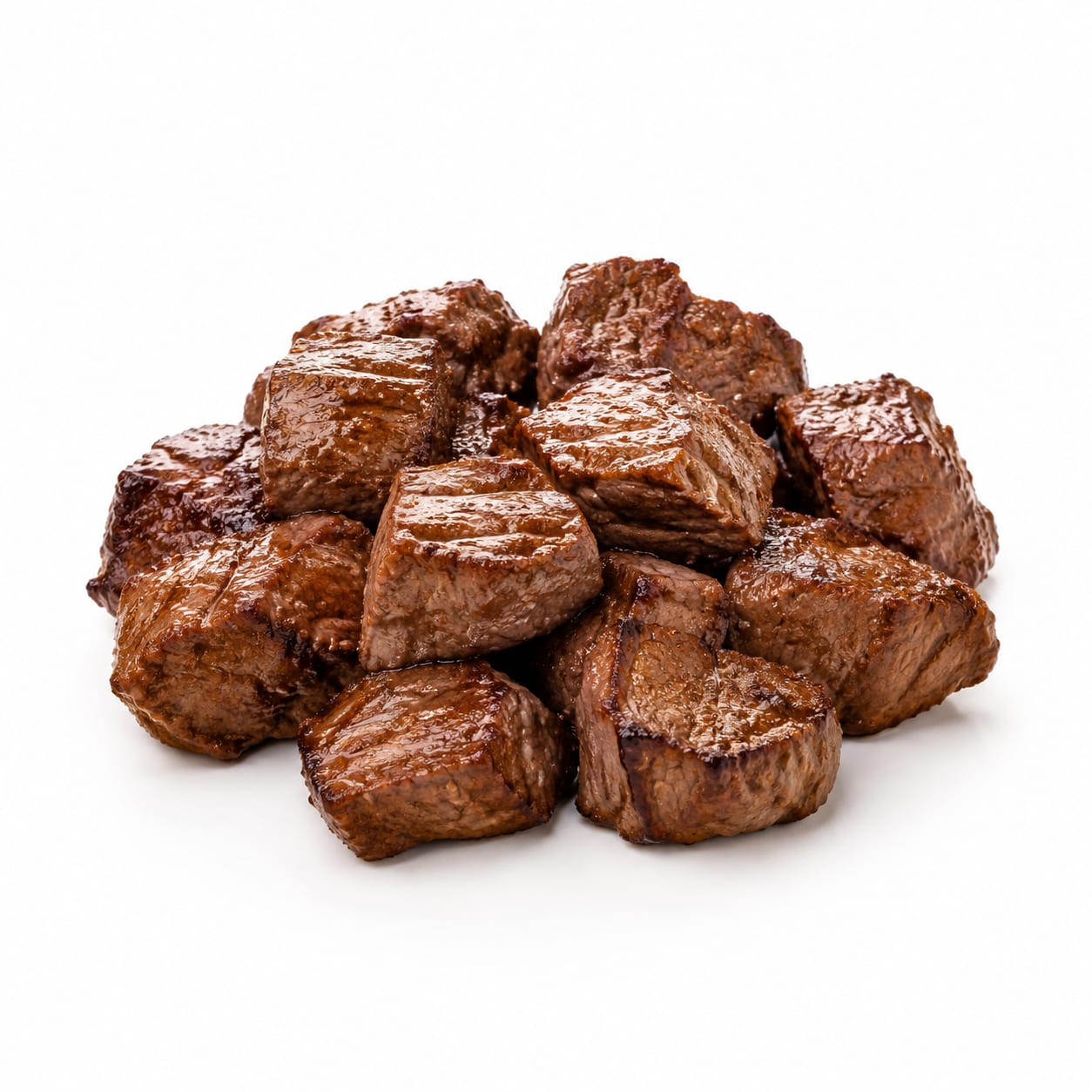
Compare with
Beef
Venison is much leaner and lower in calories than beef, offering more protein per gram.
Venison provides significantly fewer calories and fat than beef while delivering more protein per serving.
This food
Venison
VS80% alike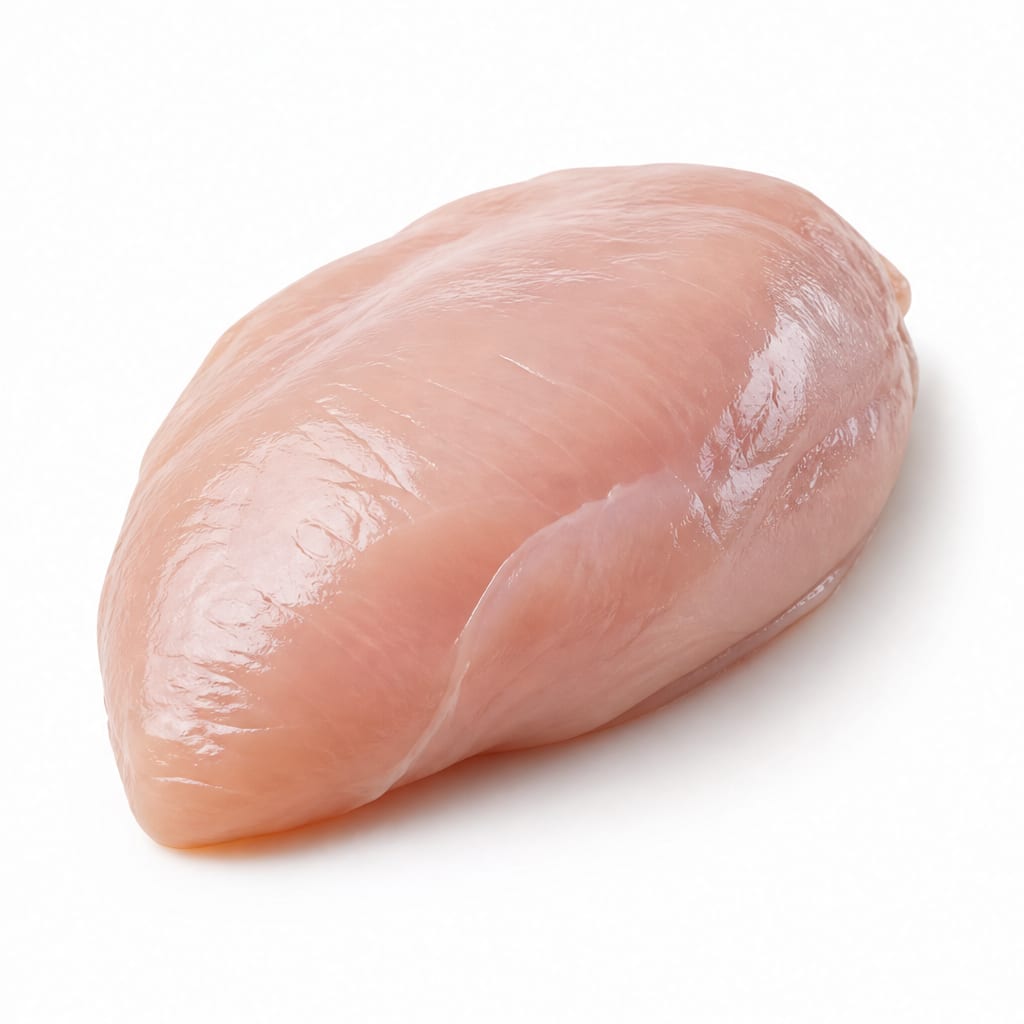
Compare with
Chicken Breast
Venison edges out chicken breast in protein density and iron content, though chicken is cheaper and milder.
Venison beats skinless chicken breast in protein and iron, making it a superior lean meat for muscle building.
This food
Venison
VS95% alike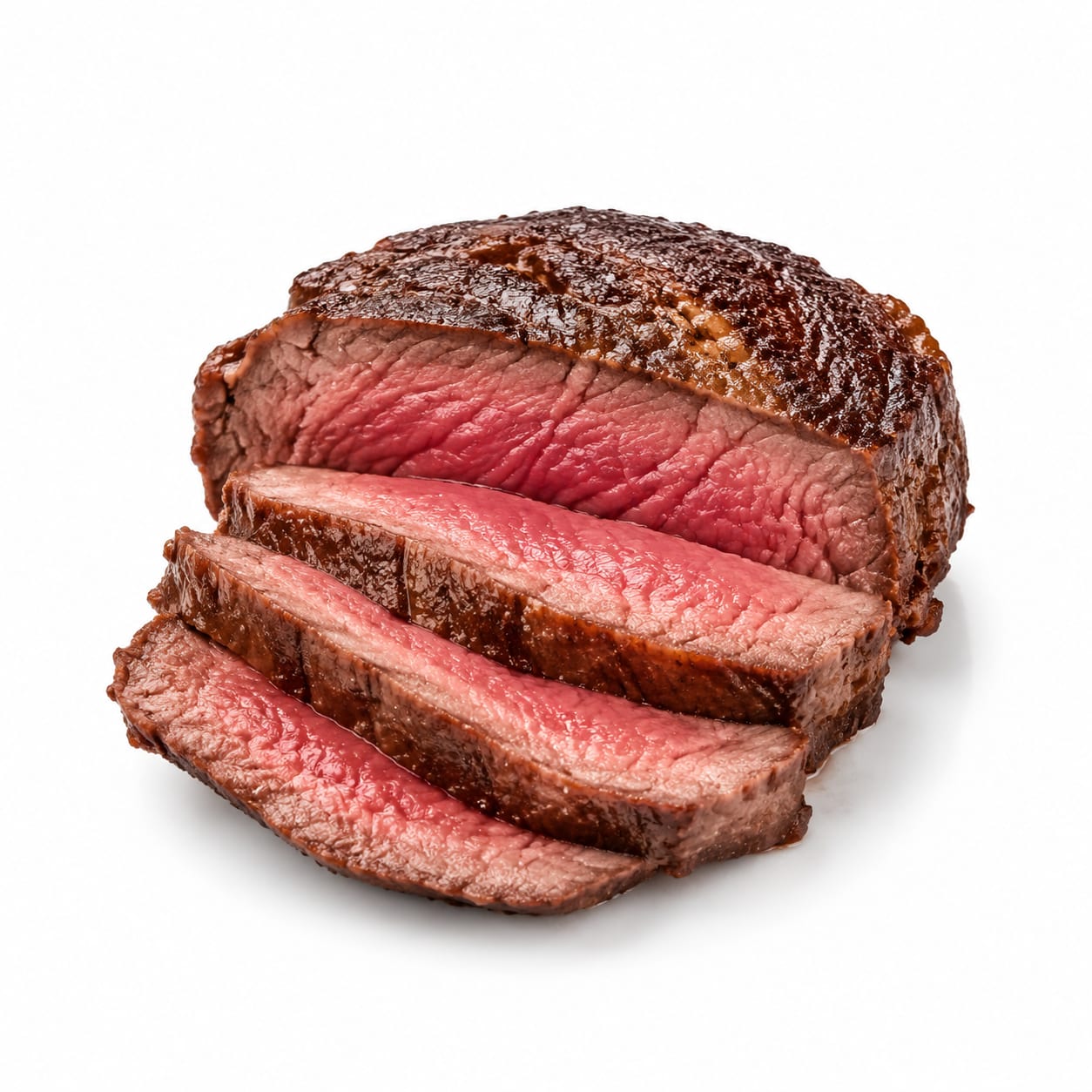
Compare with
Bison
Bison and venison are nutritionally similar, both being lean, high-protein red meats, but venison is typically slightly leaner.
Bison and venison are both ultra-lean red meats, but venison usually contains slightly less fat.
This food
Venison
VS75% alike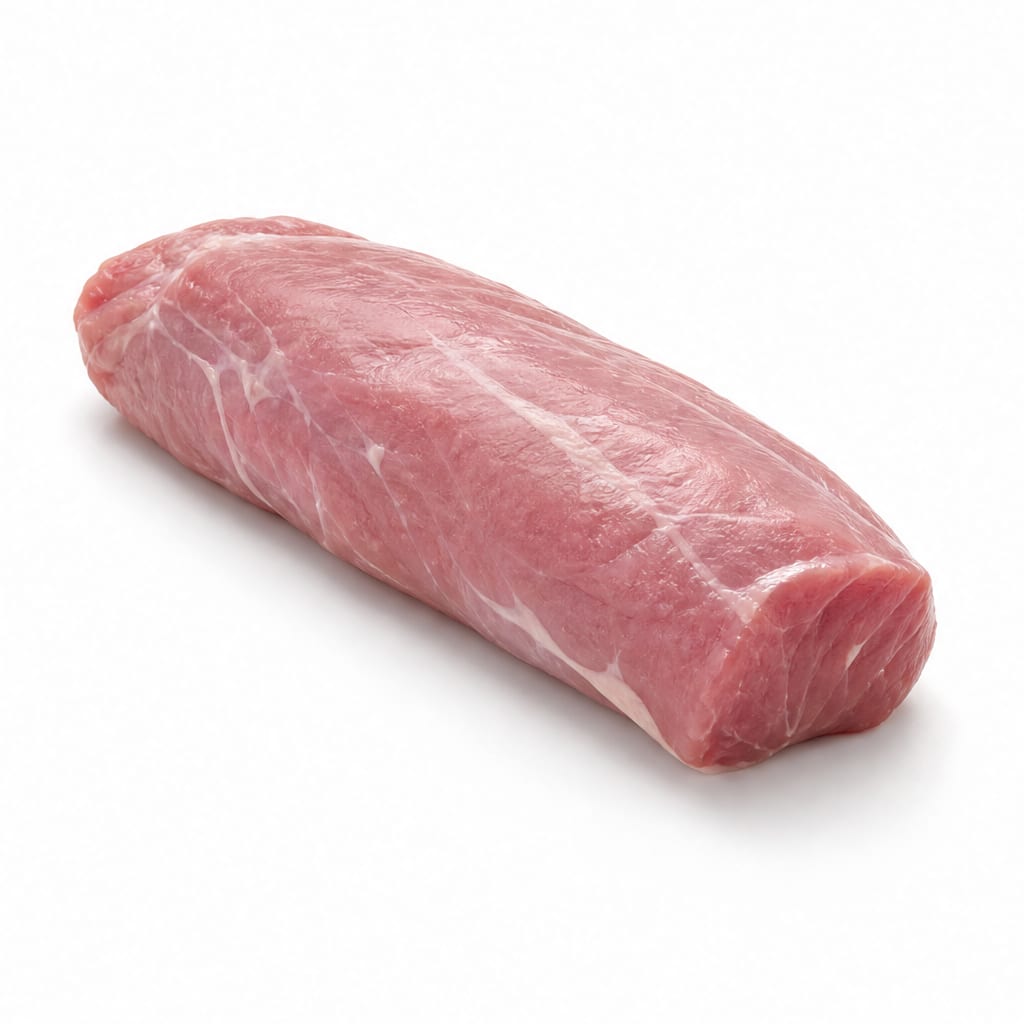
Compare with
Pork Tenderloin
Venison is leaner and higher in protein than pork tenderloin, which carries slightly more fat.
Venison is a leaner alternative to pork tenderloin with more protein and less fat per calorie.
This food
Venison
VS98% alike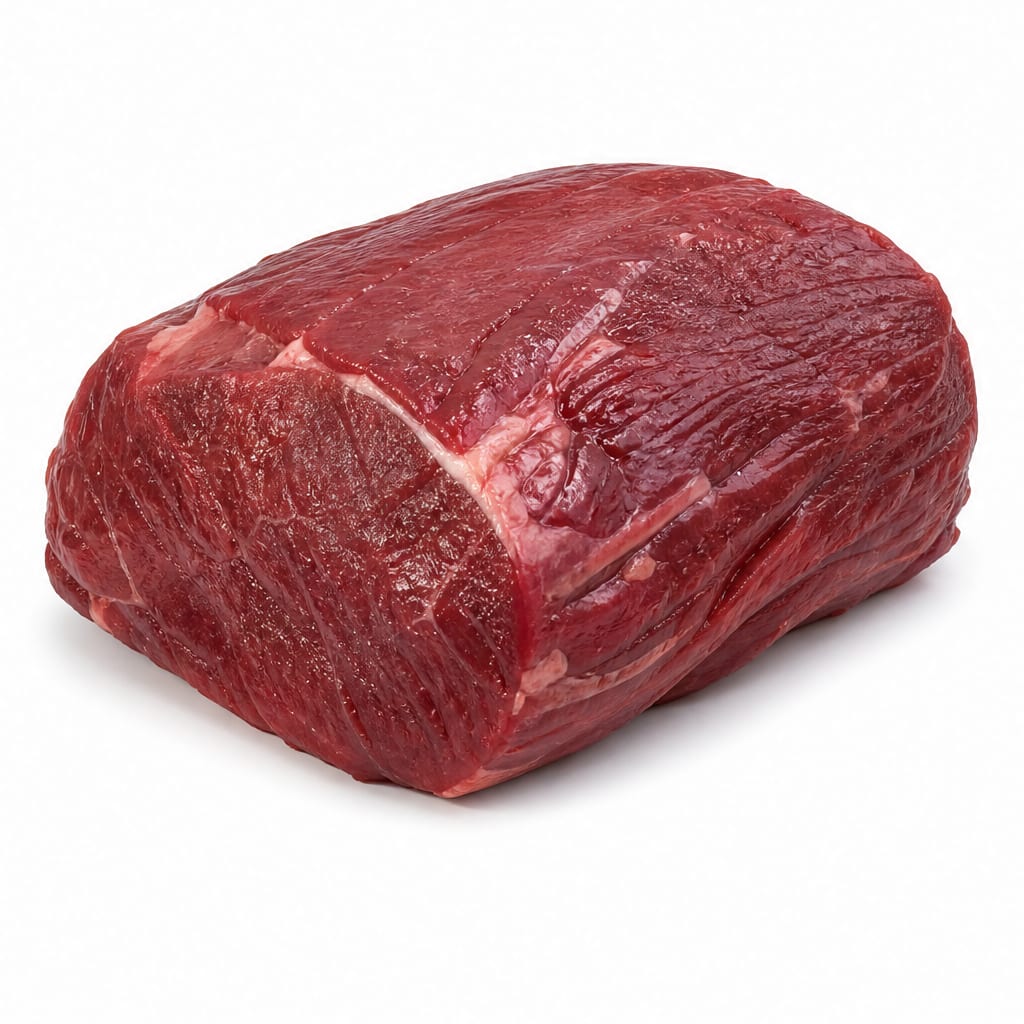
Compare with
Elk
Elk and venison are nearly identical nutritionally, both offering exceptional leanness and high protein.
Elk and venison are nutritionally almost identical, both providing extremely lean, high-quality protein.
This food
Venison
VS70% alike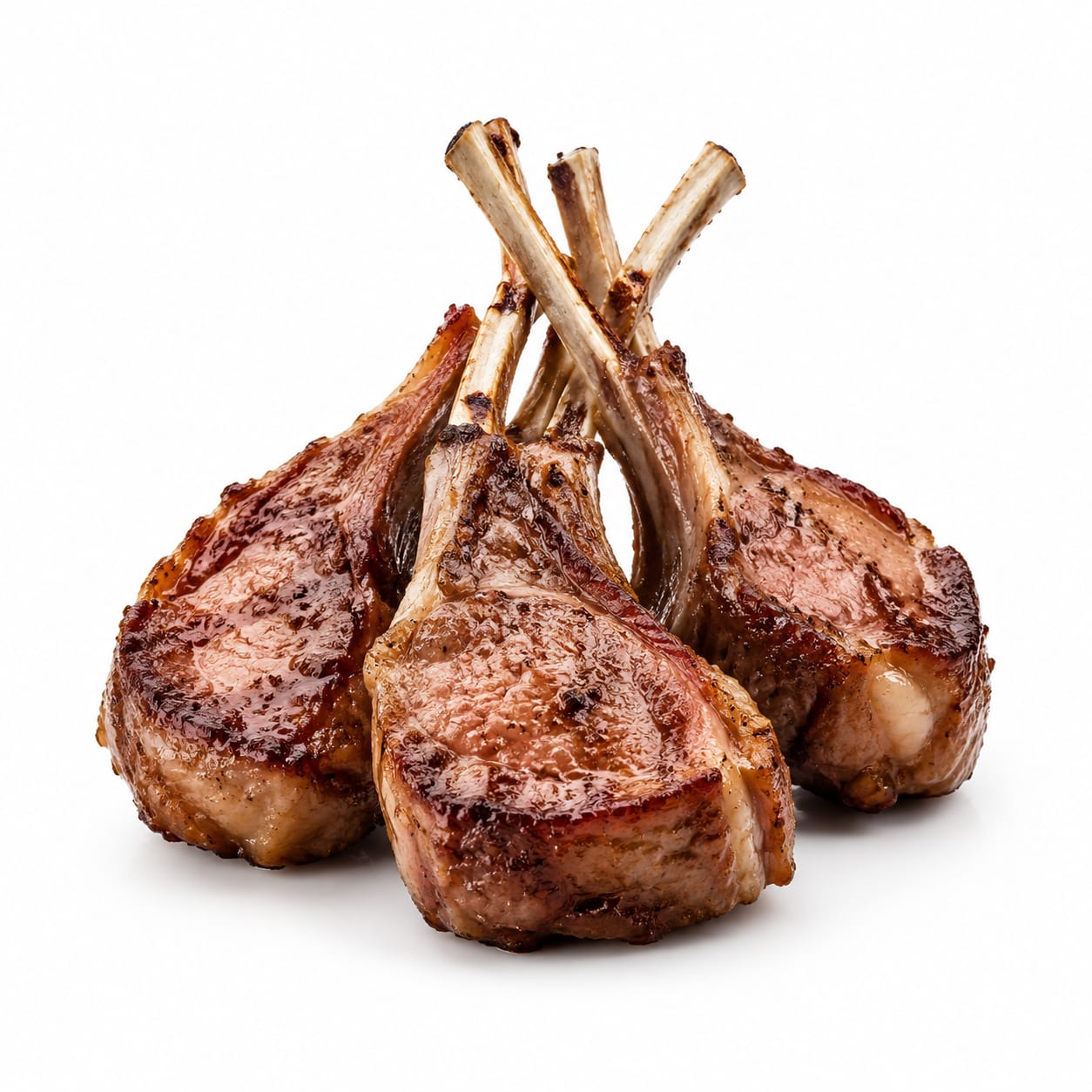
Compare with
Lamb
Venison is drastically leaner than lamb, which is high in saturated fat, making venison better for weight loss.
Venison is far leaner than lamb, offering the red meat experience with a fraction of the fat and calories.
This food
Venison
VS80% alike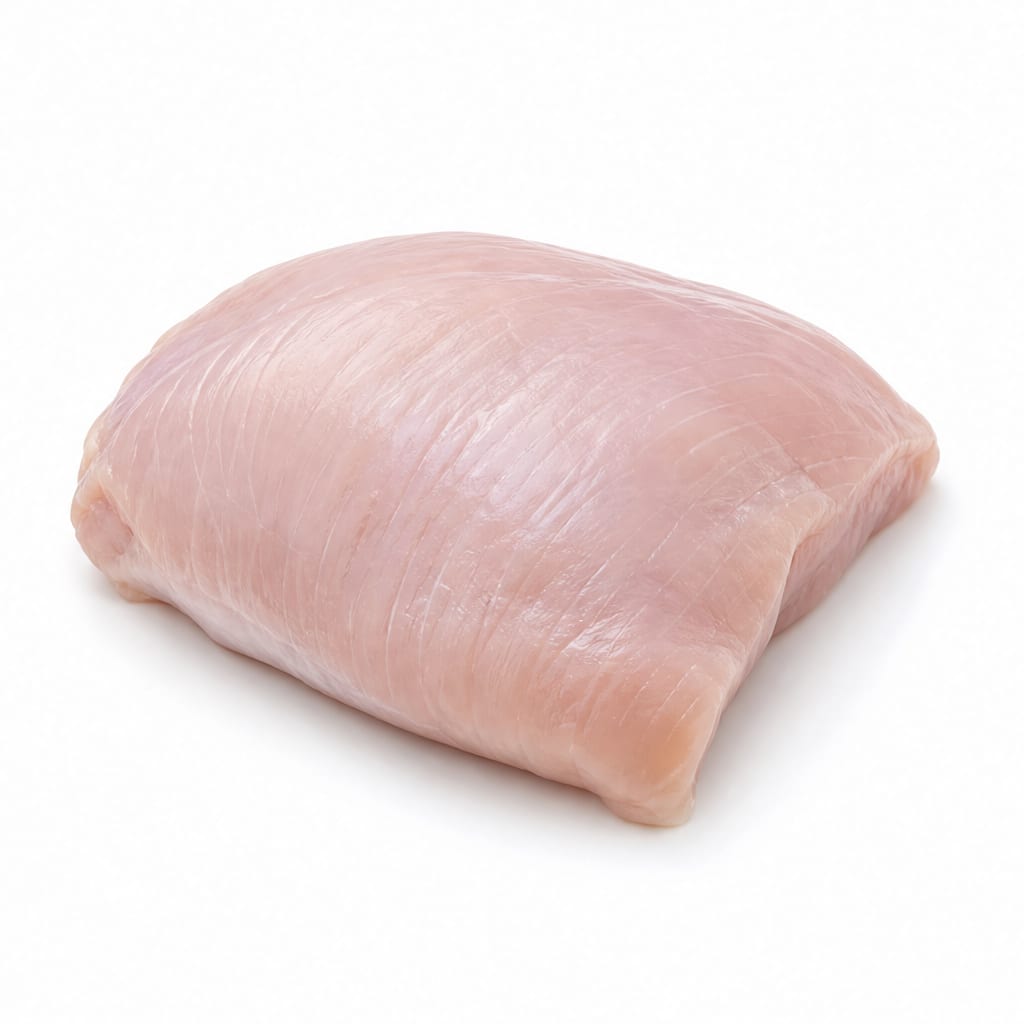
Compare with
Turkey Breast
Turkey and venison are both lean proteins, but venison provides more iron and a stronger flavor profile.
Venison offers more iron and slightly more protein than turkey breast, though both are excellent lean options.
This food
Venison
VS65% alike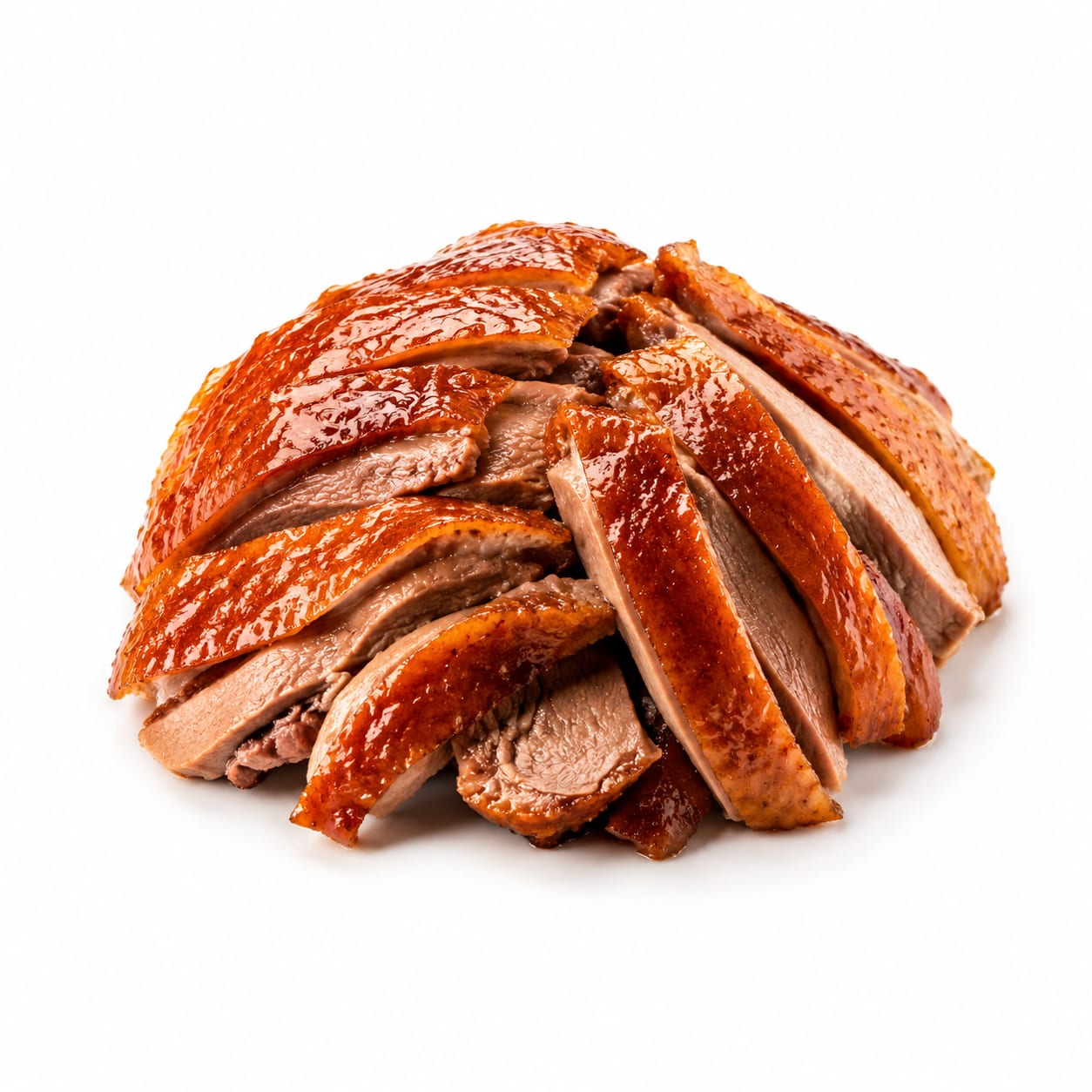
Compare with
Duck
Duck is high in fat, whereas venison is extremely lean, making venison the clear choice for low-calorie diets.
Unlike fatty duck, venison is extremely lean, making it far better for weight loss and macro tracking.
This food
Venison
VS60% alike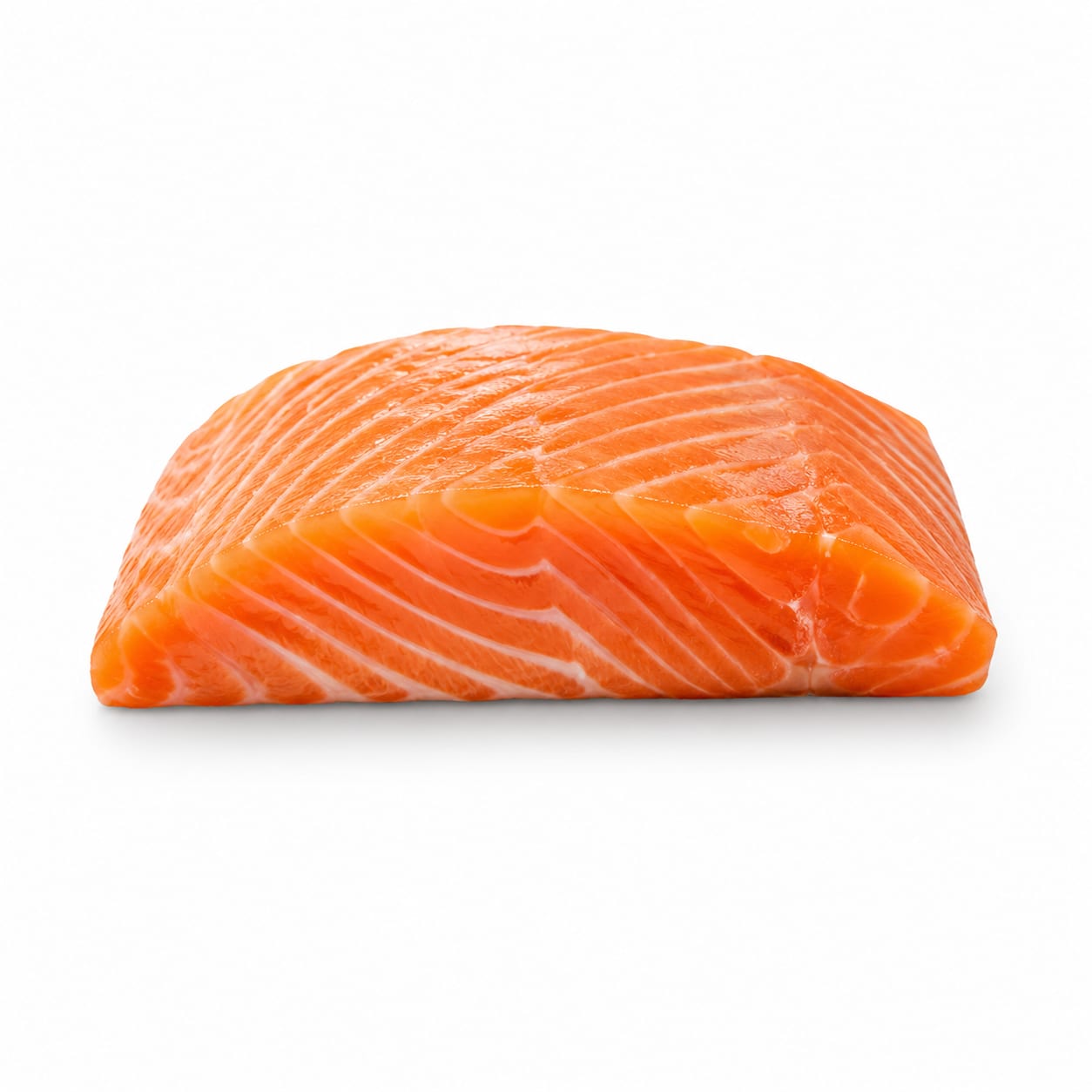
Compare with
Salmon
Salmon provides healthy omega-3 fats, while venison is leaner and higher in protein per calorie.
Salmon offers beneficial fats, but venison provides more protein and fewer calories for weight loss.
This food
Venison
VS85% alike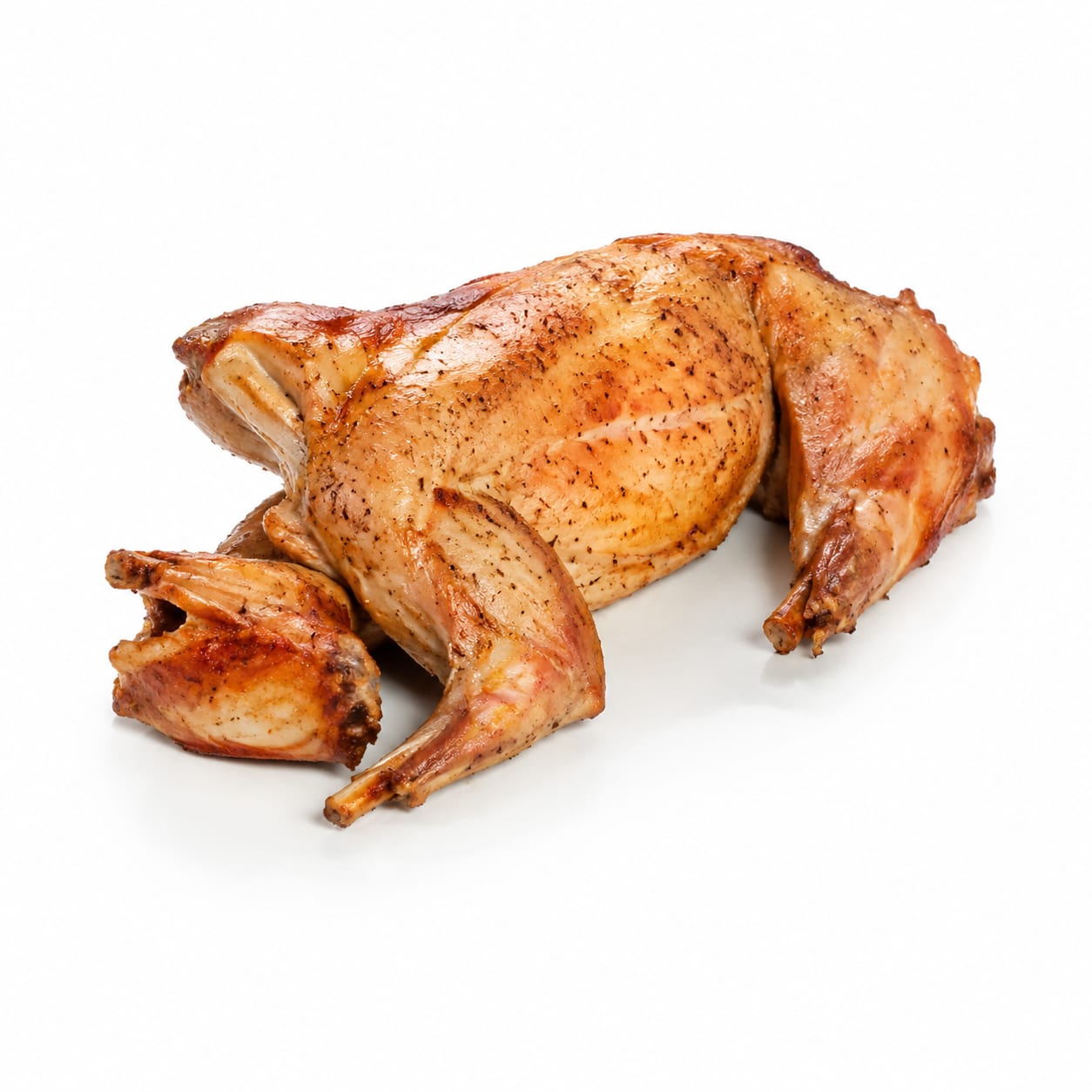
Compare with
Rabbit
Both are ultra-lean game meats, but venison is more widely available and offers a milder flavor than rabbit.
Rabbit and venison are both extremely lean wild meats, offering similar high-protein, low-fat profiles.
Common questions
FAQ
Answers aligned with how people search for this food.
Is venison healthier than beef?
Venison is lower in fat and calories than beef while offering slightly more protein, making it a leaner choice for weight loss and muscle gain.
Can diabetics eat venison?
Yes, venison contains zero carbohydrates and will not spike blood sugar, making it highly suitable for diabetic diets.
Does venison have high cholesterol?
Venison does contain dietary cholesterol similar to other meats, but its very low saturated fat content makes it a heart-friendlier red meat option.
Is wild venison safe to eat?
Wild venison is safe if cooked to an internal temperature of 160°F to kill parasites, though hunters should test for Chronic Wasting Disease and avoid lead ammunition.
Why is my venison tough and dry?
Venison has very little fat, so overcooking it easily makes it tough; tender cuts should be cooked rare to medium-rare, while tough cuts require slow braising.
Is venison good for building muscle?
Yes, with about 30 grams of protein per 100-gram serving, venison is an excellent complete protein source for muscle repair and growth.
Can you eat venison on a keto diet?
Absolutely, venison is a zero-carb, high-protein meat that fits perfectly into ketogenic and low-carb eating plans.
Transparency
Data confidence
Estimated confidence for nutrition data, interpretation, safety notes, and comparisons.
Nutrition data
Health analysis
Food safety
Comparisons