
Nutrition comparison
Venison vs Chicken Breast: Which is Healthier?
Compare venison vs chicken breast for protein, fat, iron, and B12. Discover which lean meat is better for weight loss, muscle gain, and daily meal prep.
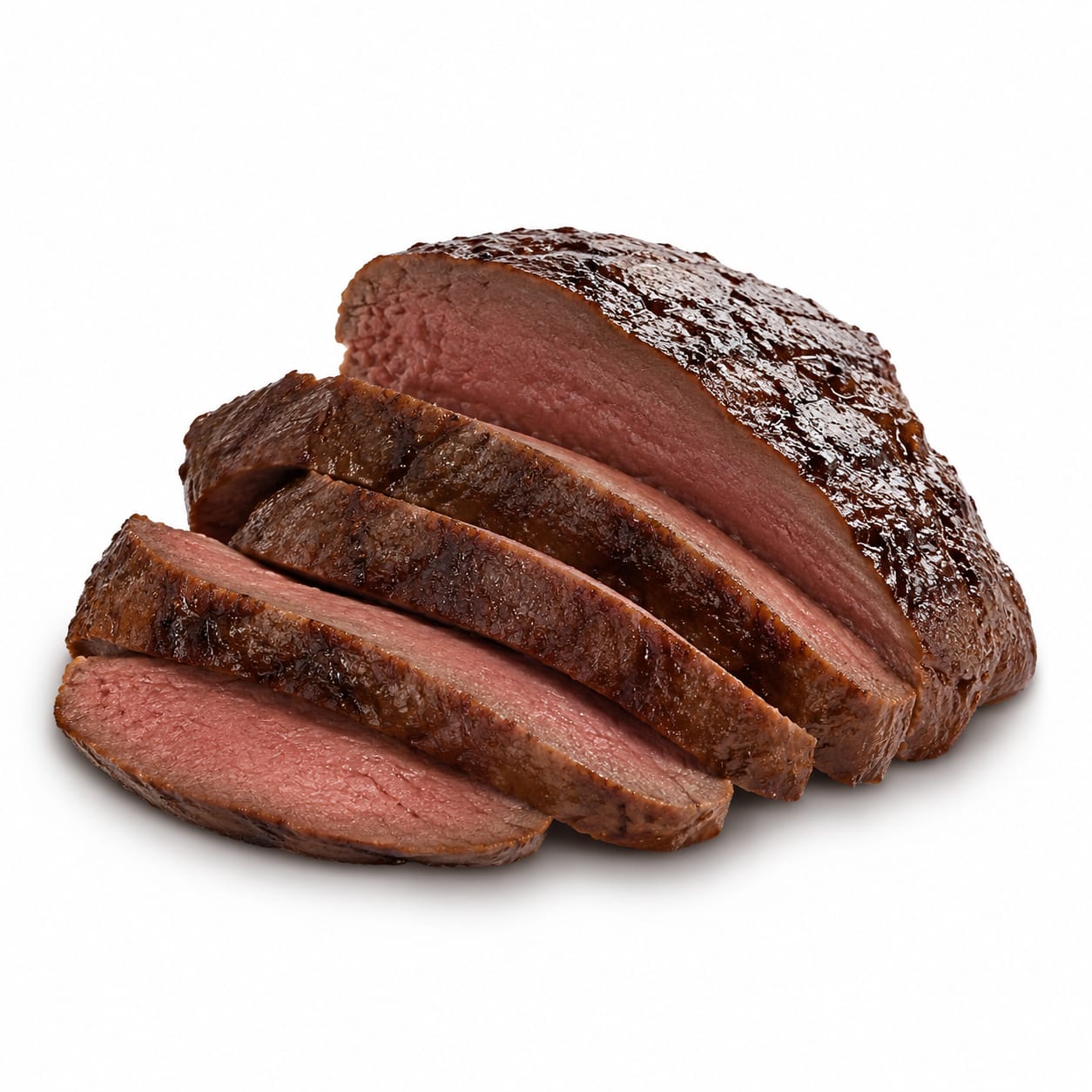
Venison
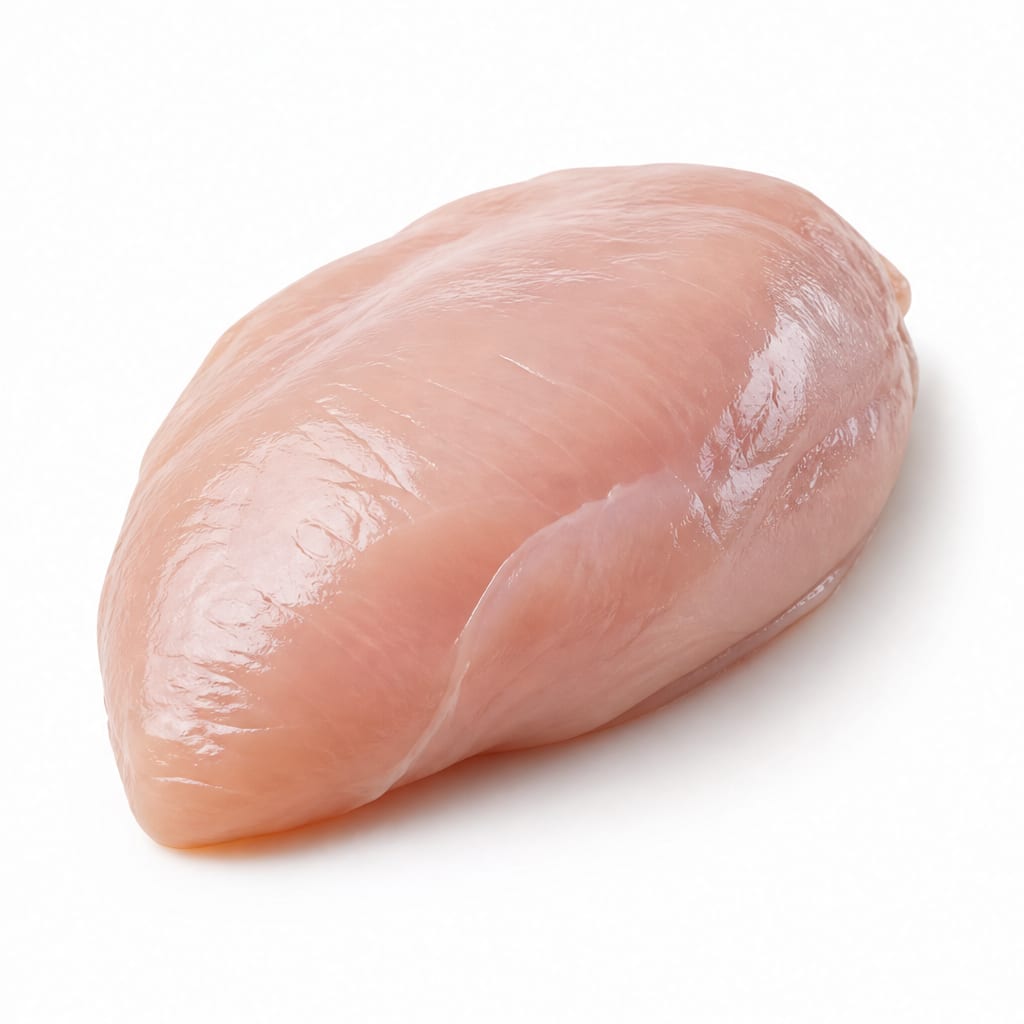
Chicken Breast
Venison packs far more iron and B12, but chicken breast is the ultimate low-fat, budget-friendly daily staple.
Chicken breast scores slightly higher due to unmatched practicality, cost, and ultra-low fat, though venison is nutritionally superior in specific vitamins and minerals.
Nutrient density and rich flavor versus ultra-low fat and everyday convenience.
At a glance
Executive summary
Overall
It depends
Healthier
It depends
More practical
Chicken Breast
Daily use
Chicken Breast
Key comparison lenses
Protein source optimization for muscle gain and fat loss
Both are premier lean proteins, so users are likely deciding which better fits their macro goals.
Micronutrient density and anemia prevention
Venison is exceptionally high in iron and B12, making it a go-to for nutrient deficiencies, whereas chicken is lower.
Budget and everyday practicality
Chicken is widely accessible and affordable; venison is often a specialty or wild-game item with higher cost and prep effort.
Best choice for
Venison
- People with iron-deficiency anemia
- Those on a keto or paleo diet seeking nutrient density
- Hunters or consumers seeking grass-fed, wild-game protein
Chicken Breast
- People counting calories or macros strictly
- Anyone on a tight grocery budget
- Those needing a mild, versatile protein for meal prep
Least suitable for
Venison
- Those who need extremely low-fat diets for gallbladder or digestive issues
- People on a tight food budget
- Anyone uncomfortable cooking wild game
Chicken Breast
- People with severe iron or B12 deficiencies needing dietary boosts
- Those bored with bland proteins who struggle with diet adherence
Deep comparison
Dimension by dimension
Each lens scores both foods and breaks down who each option suits.
- Dimension 1 · Priority 95Venison
Protein Quality & Density
Venison · 94Chicken Breast · 92Both are top-tier proteins, but venison provides slightly more protein per calorie and a remarkable amino acid profile.
Tradeoff
Venison offers a marginal protein edge and more collagen-connective tissue benefits, while chicken breast is purely lean muscle meat with faster absorption.
Why it matters
Higher protein density means you get more muscle-building blocks with fewer calories, keeping you fuller longer.
Real-world impact
A venison steak gives you a slightly bigger protein punch per serving, but both will effectively repair muscles after a heavy workout.
Venison
- Maximizing protein per serving without resorting to powders
Better for
- Quick-digestion needs right after training
Worse for
Chicken Breast
- Post-workout recovery where faster digestion is preferred
Better for
- Getting bored of standard protein sources
Worse for
- Dimension 2 · Priority 90Venison
Micronutrient Density
Venison · 97Chicken Breast · 65Venison absolutely dominates in iron, B12, zinc, and niacin, making it a superfood for blood health and energy.
Tradeoff
Venison acts like a natural multivitamin for preventing anemia, while chicken breast provides adequate but unremarkable micronutrition.
Why it matters
Iron and B12 are common deficiencies that cause fatigue, brain fog, and weakness—venison fights this directly.
Real-world impact
Eating venison a few times a week can dramatically improve energy levels if you are prone to low iron, whereas chicken will not move the needle much.
Venison
- Women with heavy menstrual cycles
- Anyone diagnosed with low iron or B12
- People avoiding carbohydrate fortification sources
Better for
- Iron overload conditions (hemochromatosis)
Worse for
Chicken Breast
- Those who already supplement iron and B12 separately
Better for
- Correcting nutrient deficiencies through food alone
Worse for
- Dimension 3 · Priority 88Chicken Breast
Fat Profile & Leanness
Venison · 78Chicken Breast · 98Chicken breast is the gold standard for ultra-low fat, while venison carries slightly more fat depending on the cut and the animal's diet.
Tradeoff
Chicken breast is virtually fat-free, making it perfect for strict calorie deficits, whereas venison has more saturated fat but also beneficial omega-3s if wild.
Why it matters
Lower fat means lower calories, which simplifies weight loss, but some fat is necessary for hormone health and satiety.
Real-world impact
If you are cutting for a bodybuilding show or trying to lose weight rapidly, chicken breast keeps your calories effortlessly low.
Venison
- Keto or low-carb dieters needing fat for energy
- Those finding lean meats too unsatisfying
Better for
- Very low-fat diet prescriptions
Worse for
Chicken Breast
- Strict calorie counters
- Bodybuilders in a cutting phase
Better for
- Those who get hungry quickly after eating lean proteins
Worse for
- Dimension 4 · Priority 85Chicken Breast
Practicality & Cost
Venison · 45Chicken Breast · 95Chicken breast is cheap, available everywhere, and easy to cook. Venison is expensive, harder to find, and requires careful cooking to avoid toughness.
Tradeoff
You pay a premium in money and cooking effort for venison's rich flavor and nutrient density, while chicken is a grab-and-go staple.
Why it matters
The best protein for you is the one you can consistently afford and prepare without dreading it.
Real-world impact
You can meal-prep chicken breast twice a week with zero stress; venison usually requires special sourcing and careful monitoring so it doesn't dry out.
Venison
- Special occasion meals with rich, impressive flavors
Better for
- Quick weeknight dinners
- Grocery runs at standard supermarkets
Worse for
Chicken Breast
- Weekly meal prep on a budget
- Families needing versatile, kid-friendly protein
Better for
- Culinary variety and gourmet cooking
Worse for
Timeline
Health impact over time
Short-term
Hours to days
Venison
- High satiety from fat and protein content keeps you full for hours
- Rich flavor feels like a hearty, comforting meal
Chicken Breast
- Very light on the stomach and easy to digest
- Quick energy without feeling sluggish or overly full
Long-term
Months to years
Venison
- Excellent for maintaining healthy iron stores and preventing anemia
- Wild game provides a cleaner fat profile free of conventional feedlot hormones
Chicken Breast
- Consistently low calorie intake supports long-term weight management
- Very low saturated fat supports cardiovascular health when prepared healthily
Risk profile
Safety & processing
Both are whole-food, single-ingredient proteins. Wild venison is about as natural as meat gets, while chicken breast is natural but may come from conventional farming systems with antibiotic concerns.
Venison
Lead fragments
mediumWild-harvested venison may contain lead fragments from ammunition, which is a particular concern for children and pregnant women.
Chronic Wasting Disease (CWD)
lowA prion disease found in some wild deer populations. No confirmed human cases, but health officials advise testing and avoiding infected animals.
Chicken Breast
Bacterial contamination
highChicken is a leading carrier of Salmonella and Campylobacter, requiring strict handling and thorough cooking to prevent illness.
Antibiotic-resistant bacteria
mediumConventionally raised chicken can harbor bacteria resistant to medically important antibiotics, though regulations are tightening.
Who wins for whom
Audience fit
Same foods, different winners depending on your goal.
children
Chicken BreastChicken breast is milder, easier to chew, and avoids the potential lead exposure risk associated with wild-harvested venison.
daily consumption
Chicken BreastChicken breast is affordable, widely available, and easy to vary with different seasonings, making it the most sustainable daily staple.
diabetes
Chicken BreastBoth have zero carbs, but chicken breast's lower fat content is generally preferred for insulin sensitivity and weight management in diabetic diets.
elderly
Chicken BreastChicken is easier to chew and digest, and its low-fat profile aligns well with common elderly dietary restrictions.
muscle gain
It dependsVenison offers slightly more protein and beneficial fats for hormone production during bulking, but chicken breast is ideal for lean bulking phases.
weight loss
Chicken BreastChicken breast has fewer calories and virtually no fat, making it easier to maintain a calorie deficit without tracking complexity.
Your move
Decision guide
Choose Venison
- You need a massive boost in iron, B12, or zinc
- You have access to high-quality or wild-harvested venison
- You follow a keto, paleo, or nutrient-dense ancestral diet
- You want a richer, deeper flavor to break up a bland diet
Choose Chicken Breast
- You are strictly counting calories or macros on a cut
- You need a budget-friendly protein for daily meal prep
- You want a neutral base that absorbs marinades and spices easily
- You have digestive issues that require very low-fat foods
Either works if
- You simply need a high-quality, zero-carb protein source
- You are focusing on whole foods instead of processed protein powders
- You want to build a balanced meal around vegetables and starches
Avoid both if
- You follow a strict vegetarian or vegan diet
- You have severe kidney disease requiring severe protein restriction
Final recommendation
Eat chicken breast as your reliable daily workhorse for lean protein, and rotate in venison a few times a month as a nutritional powerhouse to keep your iron and B12 levels thriving. This gives you the best of both worlds: everyday practicality and targeted nutrient density.
Practical
Consumer tips
- 1
Marinate venison in olive oil and acid (like vinegar or wine) to tenderize the meat and reduce any gamy flavor.
- 2
Do not overcook venison; cook it medium-rare to keep it tender, as it lacks the fat to stay juicy when well-done.
- 3
Pound chicken breasts to an even thickness before cooking to prevent the ends from drying out while the center cooks.
- 4
If buying conventional chicken, look for 'antibiotic-free' labels to reduce your exposure to resistant bacteria.
- 5
If eating wild venison, check local health advisories for Chronic Wasting Disease and consider processing practices that minimize lead contamination.