
Nutrition comparison
Venison vs Duck: Which Meat Is Healthier for You?
Compare Venison and duck nutrition—protein, fat, calories, and health impact. Discover which game meat fits your diet, cooking style, and health goals.
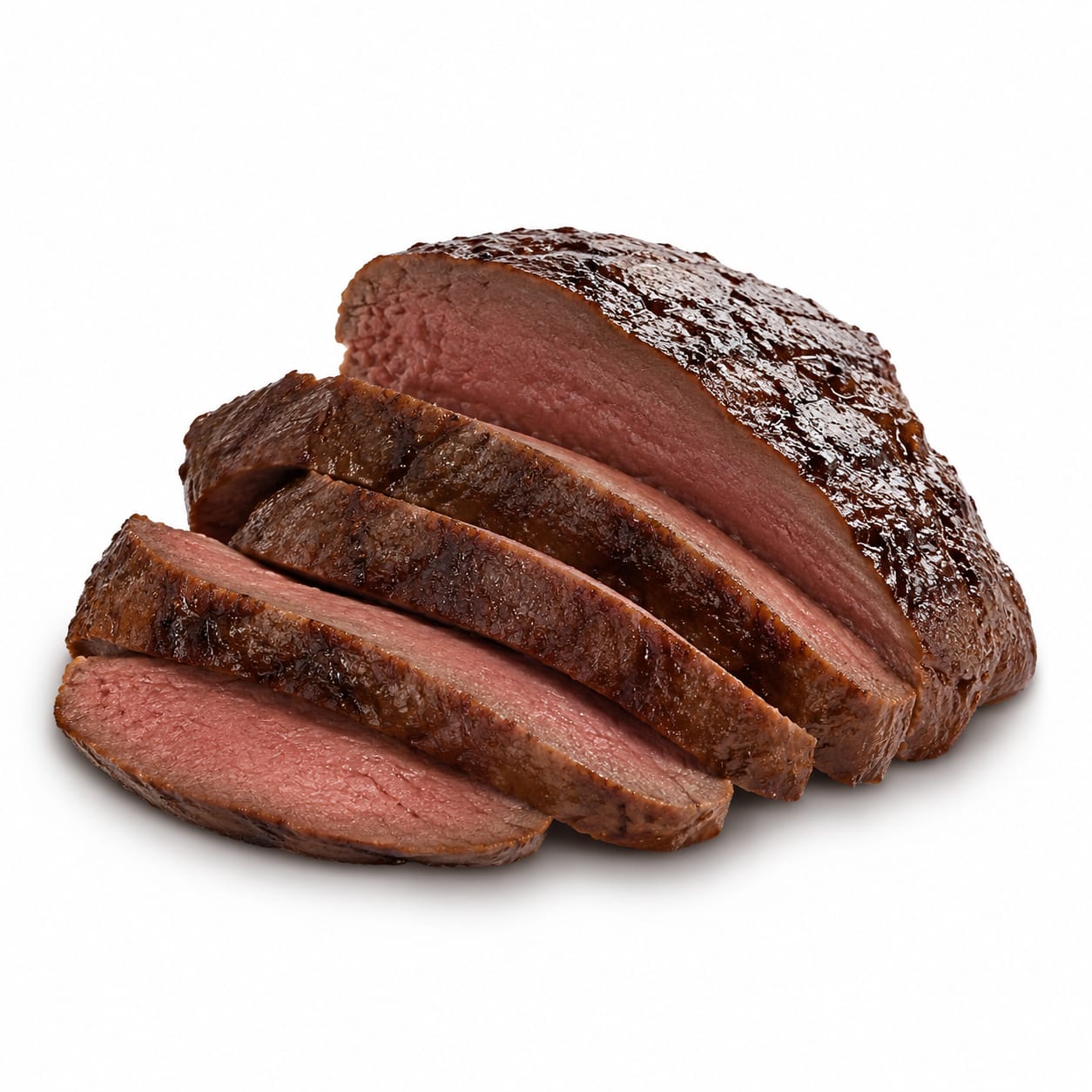
Venison
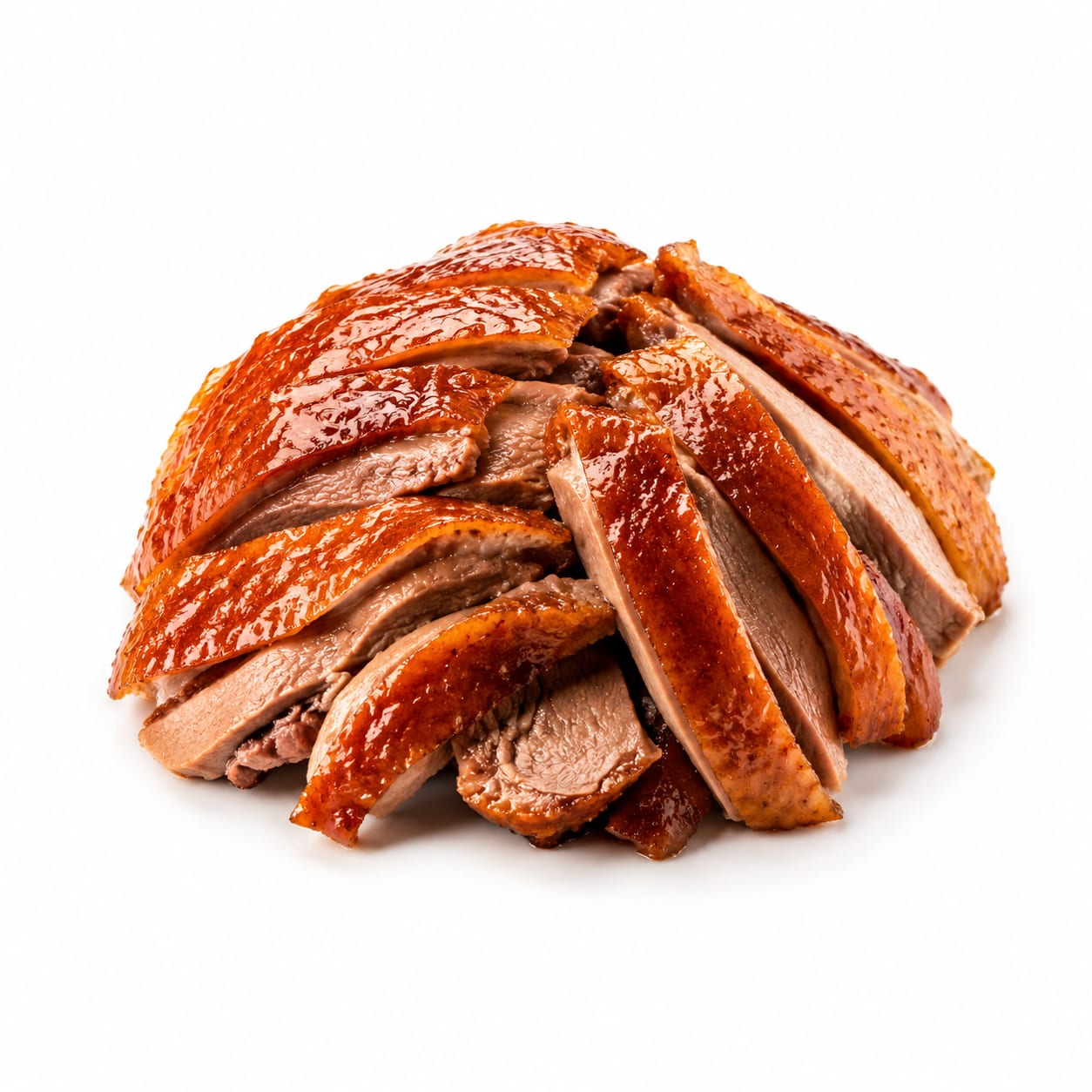
Duck
Venison is the lean, high-protein powerhouse; duck is the richer, more indulgent option with higher fat and flavor.
Venison scores higher due to superior leanness and protein density, but duck remains valuable for specific dietary contexts. The gap reflects duck's higher saturated fat and calorie load, which limits everyday suitability for most people.
You're choosing between leanness and flavor—Venison delivers more protein per calorie, while duck delivers more satisfaction per bite.
At a glance
Executive summary
Overall
It depends
Healthier
Venison
More practical
Duck
Daily use
Venison
Key comparison lenses
lean protein vs flavorful fat content
Venison is exceptionally lean while duck is notably fatty, making this the core tradeoff
heart health and cardiovascular impact
Saturated fat difference significantly affects cardiovascular risk profiles
weight management suitability
Calorie density differs substantially between these two meats
cooking practicality and forgiveness
Venison is easy to overcook and dry out; duck is more forgiving due to its fat
wild game safety and sourcing concerns
Both carry unique risks—CWD in wild venison, poultry contamination in duck
Best choice for
Venison
- Athletes tracking macros tightly
- People managing heart disease or high cholesterol
- Anyone on a calorie-restricted cutting phase
- Low-fat diet followers
Duck
- Home cooks wanting forgiving, flavorful meat
- People needing higher caloric intake
- Keto and low-carb dieters embracing fat
- Special occasion meals where indulgence matters
Least suitable for
Venison
- Inexperienced cooks who overcook meat easily
- People who find gamey flavors off-putting
- Those seeking rich, juicy texture in every bite
Duck
- Anyone strictly limiting saturated fat
- People counting calories closely
- Those with cardiovascular concerns
Deep comparison
Dimension by dimension
Each lens scores both foods and breaks down who each option suits.
- Dimension 1 · Priority 95Venison
Protein Density and Leanness
Venison · 94Duck · 52Venison is one of the leanest meats available, delivering far more protein per calorie than duck.
Tradeoff
Duck's fat makes it juicier and more flavorful, but you pay a steep caloric premium for less protein.
Why it matters
If you're eating meat primarily for protein, Venison gives you noticeably more per serving with far fewer calories.
Real-world impact
A 4oz Venison steak delivers roughly 34g protein and 2g fat. The same portion of duck breast with skin gives you 22g protein and 15g fat.
Venison
- Muscle building on a calorie budget
- Lean bulking phases
- Post-workout meals where fat slows digestion
Better for
- People who find lean meat unsatisfying and end up snacking later
Worse for
Duck
- Meals where satisfaction matters more than macros
- Endurance athletes needing calorie density
Better for
- Anyone tracking protein grams per calorie
Worse for
- Dimension 2 · Priority 88Venison
Heart Health and Fat Profile
Venison · 82Duck · 45Venison's low saturated fat makes it clearly kinder to your cardiovascular system.
Tradeoff
Duck does provide some beneficial monounsaturated fat, but its saturated fat load is still substantial, especially with skin on.
Why it matters
Regular saturated fat intake from red meat and poultry skin directly impacts LDL cholesterol over time.
Real-world impact
Eating duck regularly with skin can push your saturated fat intake high enough to concern a cardiologist. Venison keeps you well within safer limits.
Venison
- People with family history of heart disease
- Anyone with elevated LDL cholesterol
- Mediterranean-style diet followers
Better for
- Very lean diets that may leave some people feeling unsatisfied
Worse for
Duck
- Keto dieters who prioritize fat intake
- Healthy individuals eating duck occasionally
Better for
- Anyone with existing cardiovascular conditions
- People on statin therapy
Worse for
- Dimension 3 · Priority 80Duck
Satiety and Eating Satisfaction
Venison · 60Duck · 85Duck's fat content makes it more filling and satisfying per bite, while lean Venison can leave you wanting more.
Tradeoff
That satisfaction comes with a caloric cost—duck is energy-dense and easy to overeat if portions aren't controlled.
Why it matters
Meals that feel satisfying reduce snacking later, but only if portion control is realistic.
Real-world impact
A duck breast dinner feels like a proper meal—rich and complete. Venison can feel light unless you add healthy fats or sides deliberately.
Venison
- Portion-controlled meal prep
- Multi-course meals where meat is one component
Better for
- People who feel hungry after lean meat meals
- Emotional eaters who need meals to feel indulgent
Worse for
Duck
- One-plate dinners where the meat carries the meal
- Cold weather eating where richness feels appropriate
Better for
- Anyone prone to overeating rich foods
Worse for
- Dimension 4 · Priority 75Venison
Micronutrient Profile
Venison · 83Duck · 72Both are strong in iron and B vitamins, but Venison edges ahead with higher iron and B12 per calorie.
Tradeoff
Duck provides more selenium and niacin, but you consume more calories to get those nutrients.
Why it matters
Iron and B12 are common deficiencies, especially for women and older adults—Venison delivers them efficiently.
Real-world impact
If you're borderline anemic, Venison is one of the most efficient ways to boost iron intake without excess calories.
Venison
- Women with low iron levels
- Older adults needing B12 support
- Anyone eating in a calorie deficit who still needs micronutrients
Better for
- Selenium-focused nutritional goals
Worse for
Duck
- Those who already have adequate iron but want selenium support
Better for
- Iron-deficient individuals watching calories
Worse for
- Dimension 5 · Priority 72Duck
Cooking Forgiveness and Practicality
Venison · 40Duck · 78Duck fat keeps it juicy even with imperfect cooking; Venison goes from perfect to dry in seconds.
Tradeoff
Venison rewards careful cooking with exceptional results, but punishes mistakes harshly.
Why it matters
Home cooks who lack confidence or time often end up with tough, dry Venison—defeating the purpose of choosing quality meat.
Real-world impact
Overcook duck by two minutes and it's still tasty. Overcook Venison by the same margin and you're chewing leather.
Venison
- Experienced cooks who enjoy precise temperature control
- Sous vide enthusiasts
Better for
- Anyone cooking while distracted
- Beginners learning meat doneness
Worse for
Duck
- Busy weeknight cooking
- Less experienced home cooks
- Grilling and roasting where timing is imprecise
Better for
- Rendered fat can cause flare-ups on grills
Worse for
- Dimension 6 · Priority 70It depends
Sourcing and Food Safety
Venison · 62Duck · 68Wild Venison carries chronic wasting disease concerns; farm-raised duck carries standard poultry risks but is more regulated.
Tradeoff
Farm-raised Venison is safer but expensive and less available; wild duck exists but is less common than farmed.
Why it matters
Your sourcing choice matters more with Venison—wild game has less oversight than commercial poultry operations.
Real-world impact
If you hunt or receive wild Venison, CWD testing is recommended in endemic areas. Farmed duck from reputable sources carries routine poultry safety protocols.
Venison
- Farm-raised Venison from trusted suppliers
- Wild Venison from CWD-free regions
Better for
- Wild Venison from CWD-endemic areas without testing
- Unverified hunting sources
Worse for
Duck
- Consistent commercial availability
- Regulated farming practices
Better for
- Conventional farming with antibiotic concerns
- Improperly handled raw duck
Worse for
Timeline
Health impact over time
Short-term
Hours to days
Venison
- High protein with minimal fat provides steady energy without heaviness
- May feel less immediately satisfying than fattier meats
- Low fat content means faster gastric emptying—good for pre-workout
Duck
- Rich fat content creates a heavy, satisfying feeling after eating
- Higher fat slows digestion, providing longer-lasting fullness
- Can feel overly heavy if eaten before physical activity
Long-term
Months to years
Venison
- Consistent lean protein intake supports healthy body composition
- Low saturated fat intake benefits cardiovascular markers over years
- Iron and B12 density helps prevent deficiency-related fatigue
Duck
- Regular saturated fat intake may elevate LDL cholesterol over time
- Calorie density can contribute to gradual weight gain if portions aren't managed
- Occasional consumption poses minimal risk; frequent consumption is the concern
Risk profile
Safety & processing
Both Venison and duck are typically sold as whole cuts with minimal processing. Wild Venison is about as natural as meat gets. Farmed duck may have some antibiotic exposure depending on sourcing, but the meat itself is not ultra-processed.
Venison
Chronic Wasting Disease (CWD)
mediumFound in wild deer populations in certain regions. No confirmed human transmission, but health agencies recommend testing and avoiding consumption of CWD-positive animals.
Lead fragments
mediumWild Venison harvested with lead ammunition may contain lead fragments. Copper ammunition eliminates this concern.
Improper field dressing
mediumWild game that isn't field-dressed and cooled quickly can develop bacterial contamination.
Duck
Salmonella and Campylobacter
mediumStandard poultry contamination risk. Proper cooking to 165°F eliminates this. Cross-contamination from raw duck is the more common real-world issue.
Antibiotic residues
lowConventionally farmed duck may have antibiotic exposure, though less prevalent than in chicken farming. Organic or free-range options reduce this.
Avian influenza
lowRare in commercial duck operations but possible in backyard or small-scale farming. Proper cooking kills the virus.
Who wins for whom
Audience fit
Same foods, different winners depending on your goal.
children
DuckDuck's richer flavor and juicier texture appeal more to kids, and growing children benefit from the extra calories and fat.
daily consumption
VenisonVenison's lean profile makes it sustainable as a regular protein source without the cumulative saturated fat load of daily duck.
diabetes
VenisonBoth are zero-carb, but Venison's lower saturated fat is better for the cardiovascular risks that disproportionately affect diabetics.
elderly
VenisonOlder adults need high-quality protein with minimal saturated fat to preserve muscle without stressing aging cardiovascular systems.
muscle gain
VenisonMore protein per serving and per calorie supports muscle protein synthesis efficiently, especially in a calorie surplus.
weight loss
VenisonVenison's high protein and low calorie density make it ideal for fat loss phases where every calorie must earn its place.
Your move
Decision guide
Choose Venison
- You're tracking macros or calories carefully
- Heart health is a priority for you or your family
- You want maximum protein with minimum fat
- You enjoy or can tolerate gamey flavors
- You're comfortable cooking lean meat precisely
Choose Duck
- You're eating keto or low-carb and embracing dietary fat
- Flavor and meal satisfaction are your top priorities
- You're cooking for guests and want a showstopper
- You struggle with lean meats leaving you hungry
- You're an occasional meat eater making it count
Either works if
- You rotate proteins weekly and want variety
- You're not calorie-restricted and eat balanced meals
- You source both from high-quality farms
Avoid both if
- You follow a plant-based diet
- You have gout flares triggered by purine-rich meats
- You can't access reliable sourcing for either meat
Final recommendation
Make Venison your everyday game meat for its lean efficiency, and save duck for when the occasion calls for richness. If you eat meat most days, Venison is the smarter default. If you eat red meat rarely, duck makes that rare meal feel worth it.
Practical
Consumer tips
- 1
Cook Venison to medium-rare at most—anything beyond that dries it out significantly
- 2
If duck fat bothers you, remove the skin before cooking to cut saturated fat by roughly 60%
- 3
Ask your butcher about farm-raised Venison if wild sourcing concerns you
- 4
Rendered duck fat is excellent for roasting vegetables—don't discard it
- 5
Marinate Venison in olive oil and acid-based marinades to add moisture and tenderize
- 6
For duck, score the skin in a crosshatch pattern and start it cold-side-down in a cold pan for crispy, well-rendered skin
- 7
If you're new to cooking Venison, use a meat thermometer—guesswork leads to overcooking