
Nutrition comparison
Venison vs Pork Tenderloin: Nutrition, Taste, and Value Compared
Venison delivers more iron and B12 per calorie, but pork tenderloin wins on price and everyday convenience. Which lean protein is right for you?
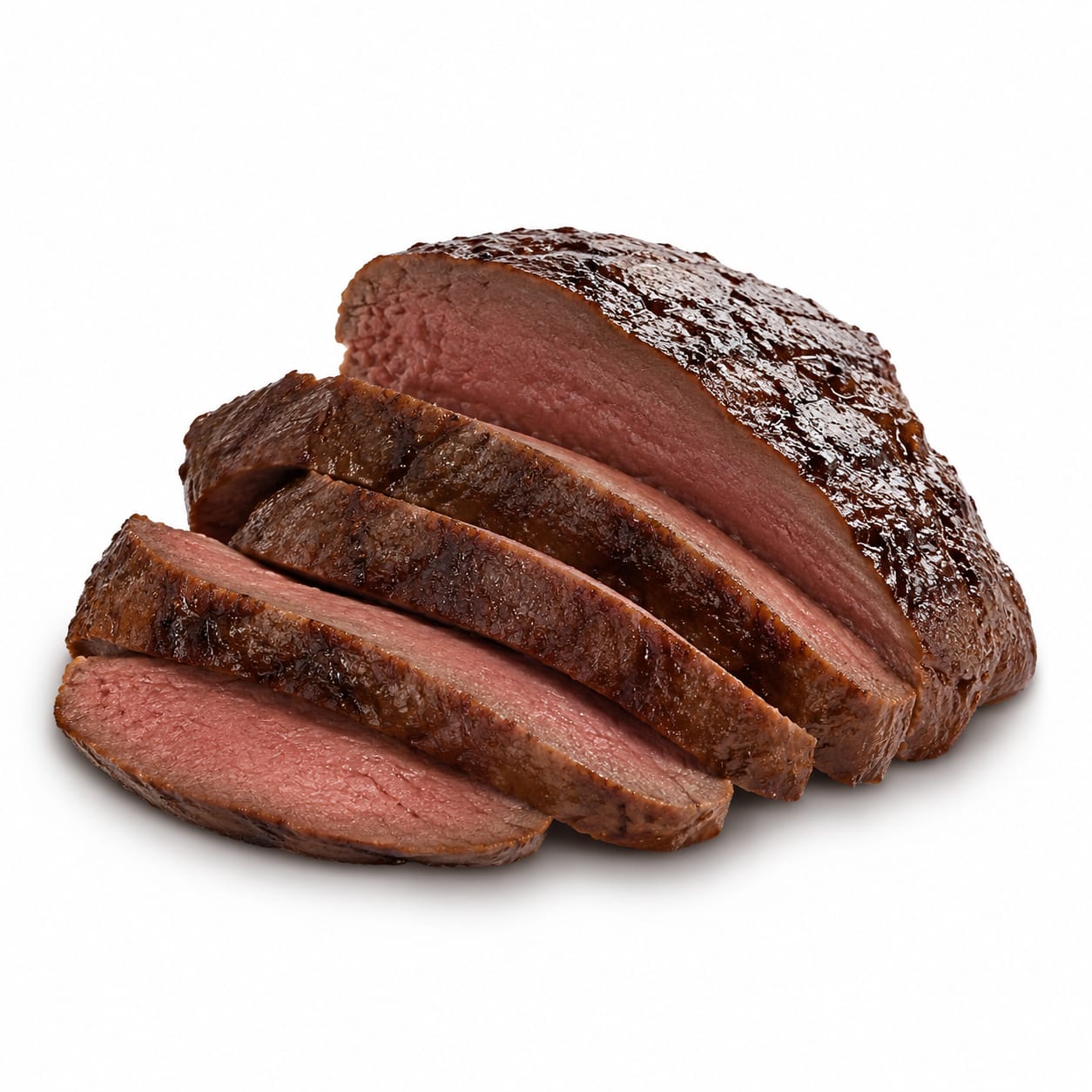
Venison
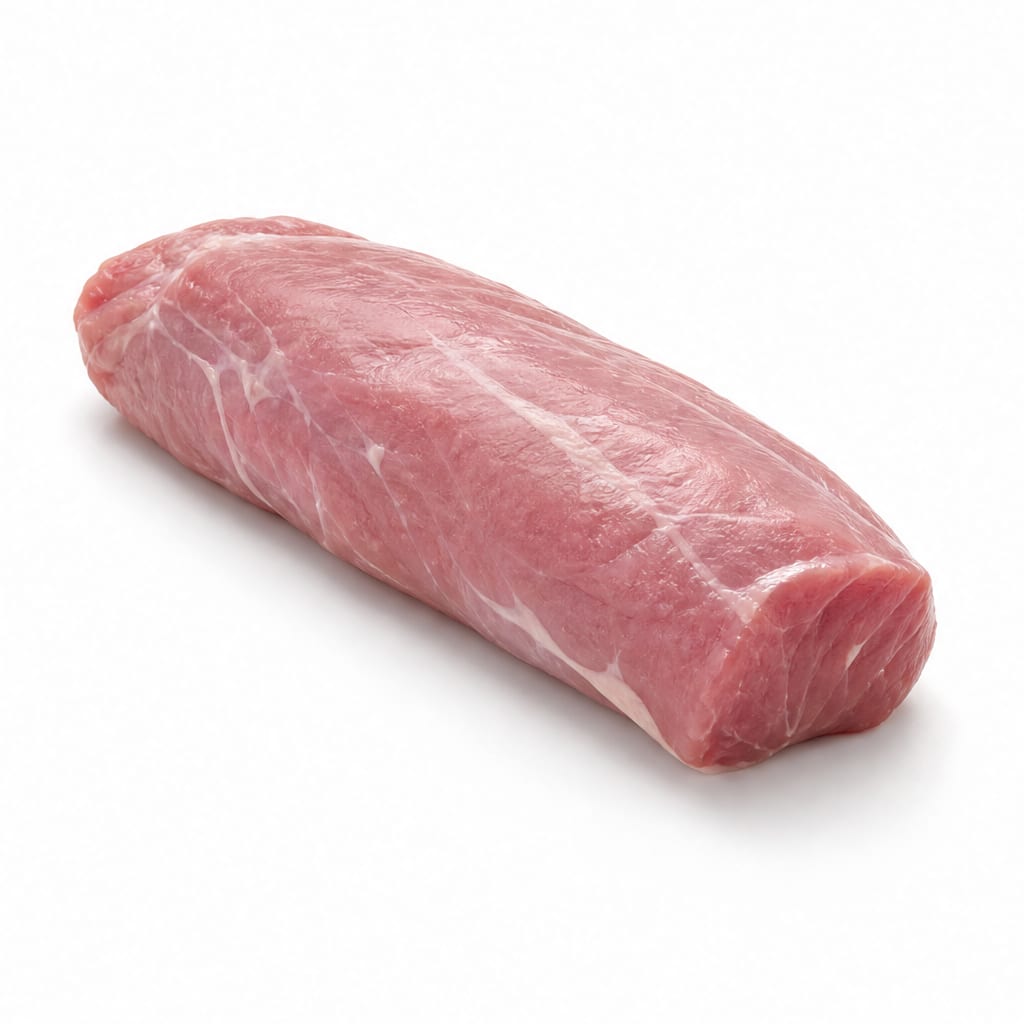
Pork Tenderloin
Venison delivers more nutrients per calorie, especially iron and B12, but pork tenderloin wins on accessibility, cost, and everyday practicality.
Venison edges ahead on pure nutritional merit, especially iron and B12, but pork tenderloin stays competitive through superior accessibility, lower cost, and easier everyday use. The gap is modest because practicality matters as much as nutrients in real diets.
Peak nutritional density versus real-world convenience and affordability.
At a glance
Executive summary
Overall
It depends
Healthier
Venison
More practical
Pork Tenderloin
Daily use
Pork Tenderloin
Key comparison lenses
lean protein comparison for health-conscious meat eaters
Both are among the leanest meats available, making them direct competitors for anyone watching fat intake while prioritizing protein
micronutrient density evaluation
Venison's exceptional iron and B12 content versus pork tenderloin's thiamin advantage creates a meaningful nutritional tradeoff
practicality and everyday accessibility
Venison is specialty and often seasonal while pork tenderloin is available at every grocery store, heavily influencing real-world decisions
sustainability and sourcing ethics
Wild venison represents one of the most sustainable animal proteins, whereas conventional pork farming carries heavier environmental and welfare concerns
Best choice for
Venison
- Anyone with iron deficiency or low B12
- Wild game enthusiasts and hunters
- Those prioritizing nutrient density above all else
- People seeking the most sustainable meat option
- Keto and carnivore dieters wanting leaner red meat
Pork Tenderloin
- Families needing affordable lean protein weekly
- Meal preppers who want consistent grocery availability
- Home cooks wanting a mild, versatile protein
- Budget-conscious health eaters
- Anyone new to lean cooking who wants forgiving meat
Least suitable for
Venison
- People on tight grocery budgets
- Anyone uncomfortable with gamey flavors
- Those who need consistent year-round availability
- Households with picky young eaters
Pork Tenderloin
- People avoiding conventionally farmed meat
- Those concerned about antibiotic exposure in pork
- Anyone seeking maximum iron intake
- Consumers prioritizing wild or free-range sourcing
Deep comparison
Dimension by dimension
Each lens scores both foods and breaks down who each option suits.
- Dimension 1 · Priority 92Venison
Protein Quality & Density
Venison · 91Pork Tenderloin · 85Venison packs more protein per calorie and per ounce, making it slightly more efficient for muscle maintenance and satiety.
Tradeoff
Both are excellent complete proteins, but venison gives you roughly 10% more protein for the same calories.
Why it matters
Higher protein density means you stay full longer with fewer calories, which helps with weight management and muscle retention.
Real-world impact
A 4oz venison serving hits your protein targets faster, leaving more room on your plate for vegetables or carbs.
Venison
- Athletes tracking protein per calorie
- Older adults preserving muscle mass efficiently
Better for
- People who find venison too lean and dry to finish
Worse for
Pork Tenderloin
- Anyone who finds lean pork easier to eat in larger portions
Better for
- Those needing maximum protein efficiency from every bite
Worse for
- Dimension 2 · Priority 90Venison
Micronutrient Density
Venison · 94Pork Tenderloin · 72Venison is a micronutrient powerhouse with dramatically more iron and B12, while pork tenderloin leads mainly in thiamin.
Tradeoff
Venison delivers roughly 3x the iron and 2x the B12 of pork tenderloin, but pork provides about 5x more thiamin.
Why it matters
Iron and B12 are common deficiencies, especially for women and older adults. Thiamin deficiency is rare in adequate diets.
Real-world impact
Eating venison regularly can meaningfully move the needle on iron status, while pork tenderloin's thiamin advantage rarely changes clinical outcomes.
Venison
- Women of reproductive age needing iron
- Older adults at risk for B12 deficiency
- Anyone recovering from blood loss or anemia
Better for
- People with hemochromatosis who must limit iron
Worse for
Pork Tenderloin
- Those whose diets are already iron-rich from other sources
- People who eat pork tenderloin alongside thiamin-rich grains
Better for
- Anyone relying on a single meat for iron and B12
Worse for
- Dimension 3 · Priority 85Venison
Fat Profile & Leanness
Venison · 88Pork Tenderloin · 82Both are exceptionally lean, but venison is slightly leaner with less saturated fat per serving.
Tradeoff
Venison has marginally less total and saturated fat, but both are so lean that the difference rarely matters practically.
Why it matters
Lower saturated fat supports heart health, but at these low levels, both meats are heart-friendly choices.
Real-world impact
Choosing between these for fat reasons alone is splitting hairs. Either one is a smart pick compared to fattier cuts.
Venison
- Those strictly monitoring saturated fat grams
- Cardiac patients counting every fat gram
Better for
- Cooks who find ultra-lean venison dries out without added fat
Worse for
Pork Tenderloin
- Anyone who finds pork tenderloin slightly more moist and easier to cook without added fat
Better for
- Those comparing fat grams precisely between lean meats
Worse for
- Dimension 4 · Priority 88Pork Tenderloin
Practicality & Accessibility
Venison · 38Pork Tenderloin · 93Pork tenderloin is available at any grocery store year-round, while venison requires specialty shops, online orders, or personal hunting connections.
Tradeoff
Venison's scarcity makes it special but impractical for weekly meal planning. Pork tenderloin is always there when you need it.
Why it matters
The healthiest protein only works if you can actually buy and cook it consistently.
Real-world impact
You can build a reliable weekly meal plan around pork tenderloin. Venison is more of an occasional luxury or seasonal opportunity.
Venison
- Hunters with direct access to wild venison
- Urban dwellers near specialty butchers
Better for
- Anyone without reliable venison sourcing
- People who need to plan meals days in advance
Worse for
Pork Tenderloin
- Busy families doing standard grocery runs
- Anyone meal prepping on a regular schedule
- Rural shoppers with limited specialty store access
Better for
- Those who specifically want to avoid commodity meat supply chains
Worse for
- Dimension 5 · Priority 82Pork Tenderloin
Cost Effectiveness
Venison · 30Pork Tenderloin · 88Pork tenderloin is one of the best protein values available, while venison is premium-priced unless you hunt it yourself.
Tradeoff
Farmed venison typically costs 2-4x more per pound than pork tenderloin. Wild venison is nearly free if you hunt, but requires equipment, time, and skill.
Why it matters
Protein affordability determines whether a food can become a dietary staple or remains a special occasion choice.
Real-world impact
A family of four can eat pork tenderloin twice a week without budget strain. Venison at that frequency would be financially unrealistic for most.
Venison
- Hunters who process their own meat
- High-income households treating nutrition as a priority investment
Better for
- Budget-constrained households
- Anyone paying retail prices for farmed venison regularly
Worse for
Pork Tenderloin
- Families feeding multiple people affordably
- Students and young adults on tight budgets
- Anyone buying protein in bulk for meal prep
Better for
- Those willing to pay premium for superior nutrient density
Worse for
- Dimension 6 · Priority 75It depends
Food Safety & Contamination
Venison · 70Pork Tenderloin · 72Both carry distinct risks: wild venison may contain lead fragments or chronic wasting disease exposure, while pork carries antibiotic and farming practice concerns.
Tradeoff
Wild venison avoids farming chemicals but introduces wild-harvest risks. Pork tenderloin benefits from regulated inspection but carries conventional farming downsides.
Why it matters
Understanding sourcing helps you mitigate the specific risks each meat carries.
Real-world impact
Buy farmed venison or use lead-free ammunition to avoid venison risks. Choose organic or antibiotic-free pork to reduce farming concerns.
Venison
- Those avoiding conventionally farmed meat antibiotics
- People who source from verified CWD-free herds
Better for
- Consumers of wild-harvested venison from unknown herds
- Those concerned about lead exposure from ammunition
Worse for
Pork Tenderloin
- Anyone who prefers USDA-inspected meat with consistent oversight
- People uncomfortable evaluating wild game safety
Better for
- People worried about antibiotic-resistant bacteria in pork
- Those avoiding meat from concentrated animal feeding operations
Worse for
- Dimension 7 · Priority 78Pork Tenderloin
Culinary Versatility & Ease
Venison · 55Pork Tenderloin · 85Pork tenderloin is forgiving, quick-cooking, and takes to nearly any flavor profile. Venison demands more skill to avoid dryness and can overpower delicate dishes with its gamey flavor.
Tradeoff
Pork tenderloin is a weeknight cook's best friend. Venison rewards careful preparation but punishes rushed cooking.
Why it matters
A protein you enjoy cooking and eating consistently beats one that sits in the freezer because it intimidates you.
Real-world impact
Pork tenderloin works in stir-fries, roasts, grilling, and slow cooking with minimal technique. Venison shines when you know how to handle it but disappoints when overcooked.
Venison
- Experienced cooks who enjoy working with game
- Those who appreciate bold, distinctive meat flavors
Better for
- Cooks prone to overcooking lean meats
- Those who dislike gamey flavors
Worse for
Pork Tenderloin
- Beginner home cooks wanting reliable results
- Anyone cooking under time pressure on weeknights
- People who want a neutral base for sauces and seasonings
Better for
- Chefs wanting a distinctive centerpiece protein
Worse for
Timeline
Health impact over time
Short-term
Hours to days
Venison
- High protein and iron content supports sustained energy without crashes
- Very low fat means some people feel less satisfied than with fattier meats
- Rich B12 levels support alertness and mental clarity
Pork Tenderloin
- Lean protein provides steady satiety without heaviness
- Thiamin supports immediate carbohydrate metabolism after meals
- Mild flavor makes it easy to pair with fiber-rich sides for balanced digestion
Long-term
Months to years
Venison
- Consistent iron and B12 intake supports prevention of anemia and cognitive decline
- Very low saturated fat intake contributes to cardiovascular health over decades
- Wild-sourced venison avoids cumulative antibiotic and hormone exposure
- Potential lead exposure from ammunition is a long-term concern if not managed
Pork Tenderloin
- Regular lean protein intake supports muscle preservation through aging
- Conventionally farmed pork may contribute to cumulative antibiotic resistance concerns
- Consistent thiamin intake supports nervous system health long-term
- Affordability enables consistent protein intake, which matters more than perfection
Risk profile
Safety & processing
Both are whole, unprocessed cuts of meat with minimal additive concerns. Wild venison is about as natural as meat gets. Pork tenderloin, while also unprocessed, may come from farming systems using routine antibiotics, so sourcing matters.
Venison
Lead fragment contamination
mediumWild-harvested venison shot with lead ammunition may contain microscopic lead fragments. Use copper ammunition or buy farmed venison to eliminate this risk.
Chronic Wasting Disease exposure
lowCWD affects deer populations in some regions. No confirmed human transmissions exist, but health agencies recommend avoiding meat from CWD-positive animals. Source from tested herds.
Improper field dressing and handling
mediumWild game processing quality varies widely. Poor field dressing can introduce bacteria. Farmed venison avoids this concern entirely.
Pork Tenderloin
Antibiotic residue and resistant bacteria
mediumConventional pork farming uses more antibiotics than most other livestock. Choose antibiotic-free or organic pork tenderloin to reduce exposure.
Parasite contamination (Trichinella)
lowModern commercial pork production has virtually eliminated trichinosis in the US. Still, cook to proper temperature as a baseline precaution.
Concentrated animal feeding operation conditions
mediumMost supermarket pork comes from CAFO systems with higher contamination risk and welfare concerns. Pasture-raised options reduce this significantly.
Who wins for whom
Audience fit
Same foods, different winners depending on your goal.
children
Pork TenderloinPork tenderloin's milder flavor and tender texture are far more kid-friendly, and its consistent availability makes it easier to serve regularly for growing bodies.
daily consumption
Pork TenderloinPork tenderloin's affordability, availability, and culinary ease make it realistic as a daily or near-daily protein. Venison works best as a rotational protein a few times per month.
diabetes
It dependsBoth are excellent zero-carb protein choices that stabilize blood sugar. Venison's higher iron could be a concern for those with iron overload, while pork tenderloin's easy portion control helps with consistent meal planning.
elderly
VenisonVenison's superior B12 and iron content addresses common elderly deficiencies, and its lean profile suits slower metabolisms. However, pork tenderloin's softer texture when properly cooked may be easier to chew.
muscle gain
VenisonMore protein per ounce and superior iron content supports both muscle building and the oxygen transport needed for intense training.
weight loss
VenisonVenison's higher protein density and lower calorie count per serving make it slightly more effective for creating satisfying, calorie-controlled meals.
Your move
Decision guide
Choose Venison
- You have access to wild or affordable farmed venison
- Iron deficiency or low B12 is a personal health concern
- You want the most nutrient-dense lean meat available
- Sustainability and wild sourcing matter deeply to you
- You enjoy cooking with game and appreciate bold flavors
Choose Pork Tenderloin
- You need a reliable, affordable lean protein every week
- You shop at standard grocery stores without specialty access
- You cook for family members who prefer mild flavors
- You want forgiving meat that works on busy weeknights
- You are meal prepping and need consistent, budget-friendly protein
Either works if
- You simply want a lean, high-quality protein and both are available
- Your primary goal is reducing saturated fat compared to fattier meats
- You rotate proteins regularly and neither will be your sole source
Avoid both if
- You follow a plant-based diet
- You have severe alpha-gal syndrome (mammal meat allergy)
- Your doctor has advised strict protein restriction due to kidney disease
Final recommendation
Eat venison when you can get it for the nutritional edge, especially iron and B12. Rely on pork tenderloin as your affordable, accessible lean protein backbone the rest of the time. Both are excellent choices that outperform nearly all other meats for leanness and quality. The best strategy is rotation: enjoy venison as a nutrient-dense treat and pork tenderloin as your dependable daily driver.
Practical
Consumer tips
- 1
If buying wild venison, ask your source about CWD testing and ammunition type to minimize lead exposure
- 2
Pork tenderloin is often sold in two-packs — freeze one and use the other within two days for best quality
- 3
Both meats benefit from marinades: venison to tenderize and add moisture, pork tenderloin to enhance flavor
- 4
Cook both to medium (145°F internal) and let rest for 3-5 minutes. Overcooking either turns them dry and tough
- 5
Choose organic or antibiotic-free pork tenderloin when budget allows to reduce farming-related concerns
- 6
Venison pairs beautifully with juniper, rosemary, and dark berries. Pork tenderloin shines with garlic, mustard, and apple flavors
- 7
If venison is too gamey for your taste, try soaking it in buttermilk for a few hours before cooking to mellow the flavor