
Nutrition comparison
Venison vs Salmon: Nutrition, Health Benefits & Which is Better
Compare venison vs salmon for protein, omega-3s, iron, and safety. Discover which meat is better for weight loss, muscle gain, and heart health.
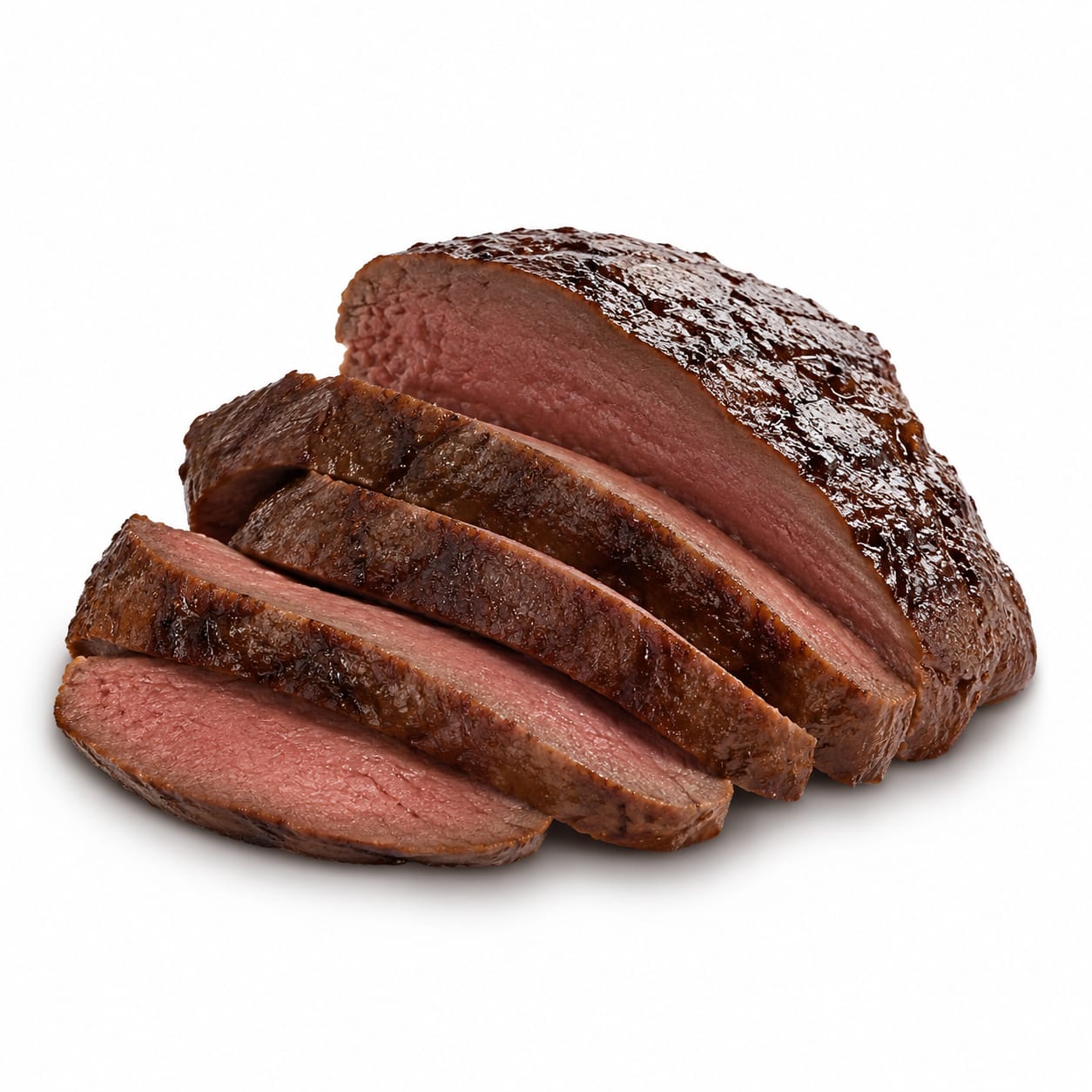
Venison
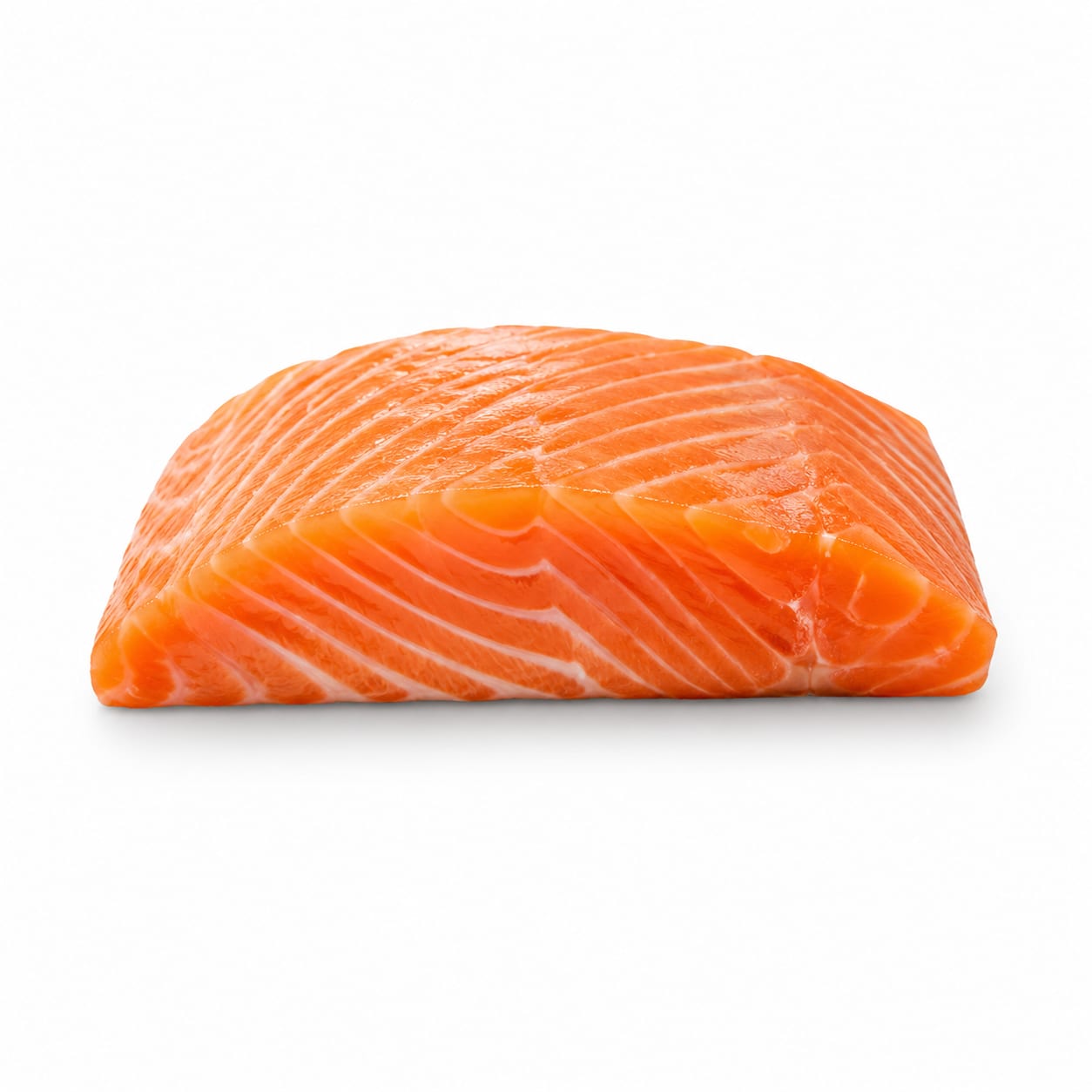
Salmon
Venison delivers unmatched lean protein and iron, while salmon provides essential omega-3s and vitamin D that most diets lack.
Salmon scores slightly higher due to the widespread deficiency of omega-3s and vitamin D in modern diets, making its nutritional profile more uniquely valuable. Venison is excellent but its nutrients are easier to find in other common foods.
Inflammation-fighting fats and brain benefits in salmon versus anemia-fighting iron and pure protein density in venison.
At a glance
Executive summary
Overall
It depends
Healthier
It depends
More practical
Salmon
Daily use
Salmon
Key comparison lenses
Heart health and fat profile comparison
Salmon is famous for omega-3s, while venison is exceptionally lean, creating a stark contrast in fat quality and heart impact.
Micronutrient needs: Iron vs Omega-3
Venison is a powerhouse for heme iron and B12, whereas salmon provides unique vitamin D and EPA/DHA, making them suited for different deficiencies.
Contaminant and safety tradeoffs
Wild game carries different risks like lead and chronic wasting disease, while seafood carries mercury and PCBs, which heavily influences consumer choice.
Athletic performance and muscle building
Venison offers high protein density with minimal calories, while salmon offers anti-inflammatory fats that aid recovery.
Best choice for
Venison
- People with iron deficiency or anemia
- Athletes seeking maximum protein with minimal fat
- Those on low-fat or calorie-restricted diets
Salmon
- People needing omega-3s for heart or brain health
- Those who rarely get sun exposure and need vitamin D
- Individuals with inflammatory conditions
Least suitable for
Venison
- People with gout due to high purine content
- Those concerned about lead exposure from wild game
- Anyone avoiding red meat for heart health
Salmon
- People with severe fish allergies
- Those strictly avoiding even trace mercury
- People who dislike the taste or texture of fish
Deep comparison
Dimension by dimension
Each lens scores both foods and breaks down who each option suits.
- Dimension 1 · Priority 92Venison
Protein Quality and Density
Venison · 95Salmon · 88Venison packs more protein per calorie and per gram than salmon, making it incredibly efficient for building muscle without excess calories.
Tradeoff
You get more pure protein from venison, but miss out on the beneficial fats that aid protein absorption and joint recovery in salmon.
Why it matters
If you are tracking calories closely while trying to hit high protein goals, venison gives you more leverage.
Real-world impact
A venison steak fills you up faster with fewer calories, while a salmon fillet feels richer and more satisfying due to its fat content.
Venison
- Lean muscle building
- Calorie-controlled diets
Better for
- Those finding lean meats too dry to enjoy
Worse for
Salmon
- Post-workout recovery
- Sustained energy without heaviness
Better for
- Strict calorie counters wanting maximum protein per bite
Worse for
- Dimension 2 · Priority 95Salmon
Heart Health and Fat Profile
Venison · 70Salmon · 98Salmon is loaded with omega-3 fatty acids which actively reduce inflammation and support heart health, while venison is very low in fat.
Tradeoff
Venison has almost no saturated fat, which is great, but it also lacks the active heart-protective omega-3s that salmon provides.
Why it matters
Most people do not get enough omega-3s, making salmon a functional food for cardiovascular and brain health.
Real-world impact
Eating salmon regularly can improve blood lipid panels and reduce joint stiffness, whereas venison simply avoids making heart health worse.
Venison
- Diets strictly limiting all dietary fat
Better for
- Relying on it for essential fatty acids
Worse for
Salmon
- Reducing systemic inflammation
- Lowering triglycerides
- Supporting cognitive function
Better for
- Very low-fat diet protocols
Worse for
- Dimension 3 · Priority 88It depends
Micronutrient Density
Venison · 90Salmon · 90Venison dominates in B-vitamins, zinc, and iron, while salmon is one of the few natural food sources of vitamin D and selenium.
Tradeoff
You choose between fixing an iron deficit with venison or fixing a vitamin D deficit with salmon.
Why it matters
Iron deficiency causes fatigue and weakness, while vitamin D deficiency impacts mood, immunity, and bone health.
Real-world impact
Venison is a top choice for energy and immune support, while salmon acts almost like a natural supplement for mood and bone strength.
Venison
- Women with heavy menstrual cycles needing iron
- Correcting B12 deficiency
Better for
- Those with hemochromatosis risking iron overload
Worse for
Salmon
- People in northern climates lacking sunlight
- Supporting thyroid function with selenium
Better for
- Those avoiding selenium in excess
Worse for
- Dimension 4 · Priority 80It depends
Safety and Contaminants
Venison · 75Salmon · 78Venison carries risks from hunting methods and wild disease, while salmon carries ocean-borne toxins and heavy metals.
Tradeoff
You are choosing between potential lead fragments and chronic wasting disease in venison versus mercury and PCBs in salmon.
Why it matters
Long-term accumulation of heavy metals or toxins can undermine the health benefits of these otherwise nutrient-dense foods.
Real-world impact
Sourcing matters immensely. Farm-raised salmon has different risks than wild, and hunted venison has different risks than farm-raised deer.
Venison
- Farm-raised venison avoiding lead contamination
Better for
- Wild deer from areas with Chronic Wasting Disease
- Venison processed with lead ammunition
Worse for
Salmon
- Wild-caught Alaskan salmon with low mercury
Better for
- Large farmed salmon with high PCB levels
Worse for
Timeline
Health impact over time
Short-term
Hours to days
Venison
- High satiety without feeling sluggish due to low fat content
- Quick energy boost from readily absorbed heme iron and B12
Salmon
- Steadier energy and sharper mental focus from omega-3 fats
- A comforting, satisfying meal that stabilizes blood sugar
Long-term
Months to years
Venison
- Prevention of iron-deficiency anemia
- Maintenance of lean muscle mass with minimal cardiovascular strain from fat
Salmon
- Reduced risk of heart disease and lower blood pressure
- Better cognitive aging and reduced systemic inflammation
Risk profile
Safety & processing
Both venison and salmon are whole, single-ingredient foods in their natural state. Farmed salmon may contain artificial colorants added to fish feed, while venison is almost entirely wild and free of artificial additives.
Venison
Lead fragments
mediumVenison hunted with lead ammunition can contain microscopic lead fragments, which are particularly dangerous for children and pregnant women.
Chronic Wasting Disease
lowA prion disease found in wild deer populations. While no human cases have been confirmed, health authorities recommend avoiding meat from infected animals.
Parasites and bacteria
lowWild game can carry parasites like Trichinella. Cooking venison to proper internal temperatures eliminates this risk.
Salmon
Mercury exposure
lowSalmon is relatively low in mercury compared to large predatory fish, but trace amounts exist, especially in larger or older fish.
PCBs and dioxins
mediumPrimarily a concern with farmed salmon, which can have higher levels of industrial pollutants stored in their fat due to fish meal feed.
Microplastics
mediumLike all seafood, salmon can contain microplastics, though the full health impact is still being studied.
Who wins for whom
Audience fit
Same foods, different winners depending on your goal.
children
SalmonThe omega-3 fatty acids in salmon are crucial for brain development in children, provided portion sizes are managed for mercury safety.
daily consumption
SalmonThe American Heart Association recommends eating fatty fish like salmon twice a week for cardiovascular benefits, making it a more universally recommended staple.
diabetes
VenisonBoth have zero carbs, but venison's lower fat content can be preferable for insulin sensitivity in some diabetic dietary protocols.
elderly
SalmonSalmon's anti-inflammatory properties and vitamin D content support joint health, heart health, and bone density in aging adults.
muscle gain
VenisonThe higher protein-per-calorie ratio in venison makes it easier to hit aggressive protein targets without overshooting calories.
weight loss
VenisonVenison has significantly fewer calories and less fat than salmon, providing high protein with a lower caloric cost.
Your move
Decision guide
Choose Venison
- You are an athlete or bodybuilder needing maximum protein with minimal calories
- You have been diagnosed with iron deficiency or are prone to anemia
- You prefer the taste of red meat but want a leaner option than beef
Choose Salmon
- You want to boost your omega-3 intake for heart or brain health
- You rarely get sun exposure and need dietary vitamin D
- You are cooking for children who need healthy fats for development
Either works if
- You simply want a high-quality, whole-food protein source for dinner
- You are tired of eating chicken breast and want a nutrient-dense alternative
Avoid both if
- You have severe kidney issues requiring strict protein restriction
- You are on a strict plant-based or vegan diet
Final recommendation
Let your body's specific needs decide. If you are fatigued and need iron, choose venison. If you need to fight inflammation and support your heart, choose salmon. For the best of both worlds, alternate between the two throughout the month.
Practical
Consumer tips
- 1
Cook venison medium-rare to prevent it from drying out, as its extreme leanness makes it tough when overcooked.
- 2
Choose wild-caught Alaskan salmon over farmed to significantly reduce PCB exposure and get a better omega-3 to omega-6 ratio.
- 3
If eating wild-hunted venison, ask the hunter if lead-free ammunition was used to eliminate lead fragment risks.
- 4
Pair venison with vitamin C-rich foods like bell peppers to dramatically boost iron absorption.