
Poultry Eggs
Turkey Egg
A large, high-protein, high-fat egg from turkeys with a richer flavor and nutrient density surpassing chicken eggs.
A large, nutrient-dense egg laid by turkeys, featuring a cream-colored shell with brown speckles. It has a richer flavor and creamier yolk than a chicken egg.
high-protein whole animal food
Typical serving · 80g
Common varieties · domestic turkey egg, wild turkey egg, heritage breed turkey egg
Overall context score across nutrition, safety, and diet fit
At a glance
Quick facts
Simple indicators based on nutrition, processing, and diet fit.
The story
What makes it unique
Turkey eggs digest at a moderate rate due to their high protein and fat content, promoting extended satiety. The macronutrient profile is dominated by high-quality complete protein and lipids, with virtually zero carbohydrates. As an unprocessed whole food, it retains its native micronutrient matrix and bioavailability.
Varieties: domestic turkey egg · wild turkey egg · heritage breed turkey egg
Per 100g
Nutrition breakdown
Macro balance and key metrics at a glance.
Energy
Density 1.71 kcal/g
Protein
Carbs
Fat
Fiber
Sugar
1.1 g
Sodium
147 mg
Potassium
139 mg
Glycemic index
0
Glycemic load
0
Water content
73%
Standout compounds
Nutrient highlights
Protein
highSupports muscle growth, tissue repair, and satiety
Choline
highCrucial for brain health, memory, and cell membrane integrity
Vitamin B12
highEssential for nerve function and red blood cell formation
Selenium
moderateActs as a powerful antioxidant and supports thyroid function
Riboflavin
moderateHelps convert food into cellular energy
Wellness map
Health scores & processing
NOVA processing scale
minimally processed · Whole food
Whole, unprocessed food harvested directly from the animal with no added ingredients.
Diet compatibility
- Weight loss
- Muscle gain
- Diabetes
- Gut health
- Low carb
- High protein
- Heart health
Relative standing
Food rankings
Qualitative ranks compared to similar whole foods.
- Satietyexcellent
- Blood sugarexcellent
- Nutrient densityexcellent
- Fitness fuelgood
- Processing qualityexcellent
Eat with confidence
Food safety profile
Similar to chicken eggs, raw turkey eggs pose a risk of Salmonella. Cooking them thoroughly eliminates this risk. Commercial turkey farming may use antibiotics, though less routinely than chicken operations.
Evidence confidence 85%
- Pesticideslow
- Antibioticsmoderate
- Heavy metalslow
- Contaminationmoderate
Watch for
- salmonella
- campylobacter
Safer choices
Pasture-raised or organic turkey eggs from verified sources to minimize antibiotic exposure.
Prep tips
Wash hands and surfaces after handling. Cook until both the yolk and white are firm. Store refrigerated at 40°F or below.
Less regulated than commercial chicken eggs; often sourced from smaller farms with varying safety protocols.
Deep dive
Health analysis
How this food may fit different goals and preparation choices.
Weight loss
High protein and fat content increases satiety hormones like PYY and GLP-1, reducing overall calorie intake, though portion control is needed due to high energy density.
Blood sugar
Virtually zero carbohydrates result in no glycemic spike, making it highly stable for blood sugar management.
Fitness & energy
Provides a sustained release of amino acids for muscle repair and healthy fats for hormone production, ideal for post-workout recovery.
Gut health
Lacks dietary fiber, so it does not directly feed gut microbiota. However, it is easily digestible for most people and contains anti-inflammatory choline.
Processing quality
A completely unprocessed whole food with intact native nutrient matrix and high bioavailability.
Food safety
Primary risk is microbial contamination from Salmonella. Proper cooking mitigates this. Sourcing from pasture-raised birds reduces antibiotic and pesticide concerns.
Common mistakes
Overcooking which oxidizes the cholesterol in the yolk, or assuming they are nutritionally identical to chicken eggs by volume rather than weight.
Best preparation
Soft-boiled or poached to preserve choline and prevent lipid oxidation while ensuring the white is fully cooked.
Practical guide
Best use cases
When and how this food fits real eating patterns.
high-protein breakfast
Provides a massive protein hit to start the day, keeping hunger at bay for hours due to the large serving size and high fat content.
post-workout recovery
Delivers a robust amino acid profile and healthy fats necessary for muscle repair and hormone synthesis after intense training.
keto meal prep
Naturally zero-carb and high in fat, making it an effortless fit for strict ketogenic macronutrient targets.
Balance sheet
Pros & cons
Upsides
- Extremely high in complete, bioavailable protein
- Virtually zero carbohydrates, causing no blood sugar spike
- Rich in choline and B-vitamins for brain and nerve health
- High satiety factor reduces subsequent hunger
- Unprocessed whole food with superior nutrient matrix
Trade-offs
- High in cholesterol and saturated fat, requiring moderation for heart patients
- Much higher calorie density than chicken eggs by unit
- Expensive and difficult to find in standard grocery stores
- Raw or undercooked eggs pose a Salmonella risk
- Lacks dietary fiber for gut microbiome support
Fit check
Who is it for?
Great match
- low-carb and ketogenic diets
- high-volume protein intake
- blood sugar stabilization
- athletes needing muscle recovery
Consider alternatives
- strict low-fat diets
- vegan or plant-based lifestyles
- individuals with severe egg allergies
- those requiring low-cholesterol diets
Side by side
How it compares
Open the full head-to-head analysis for nutrition, safety, and practical tradeoffs.
This food
Turkey Egg
VS95% alike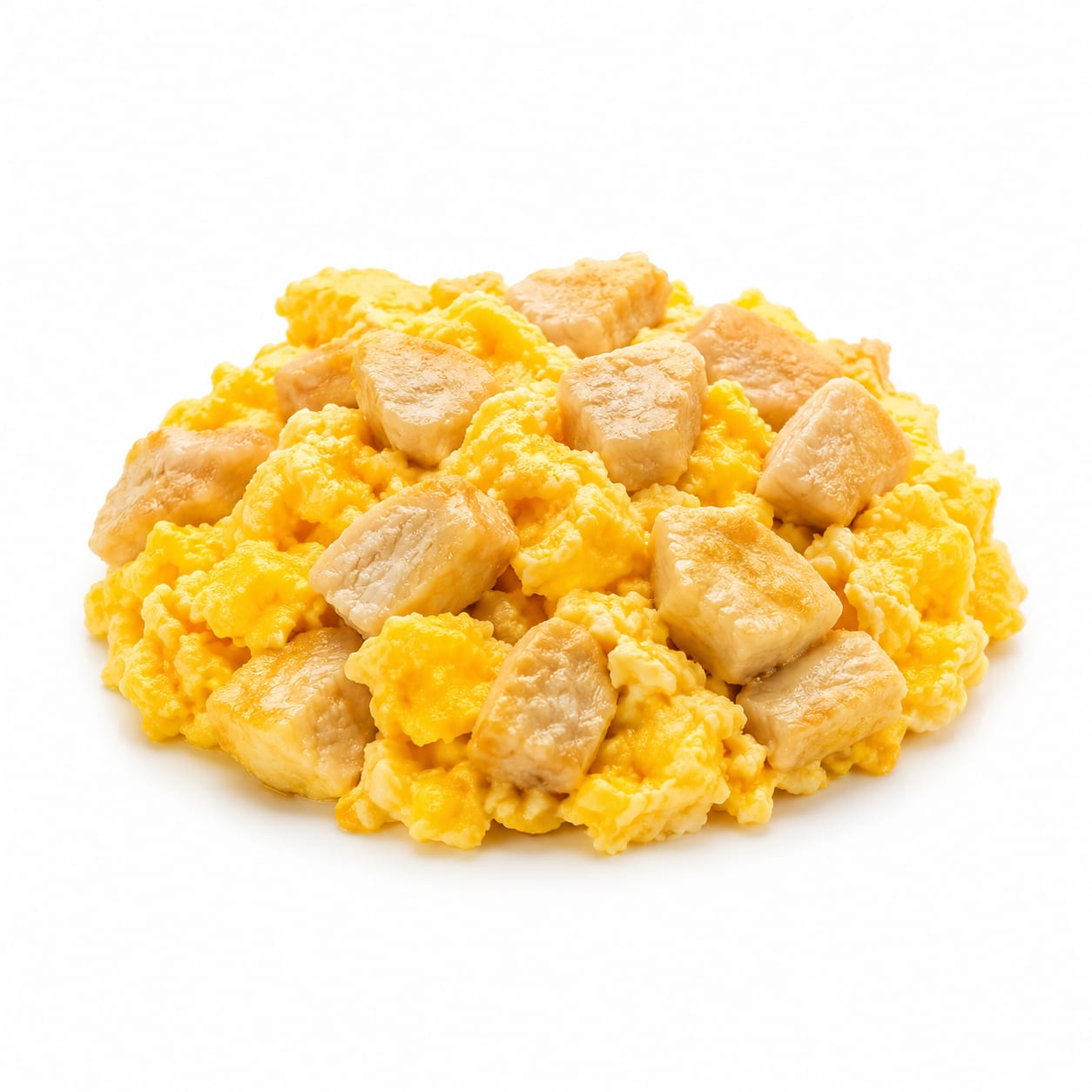
Compare with
Chicken Egg
Turkey eggs are much larger with a richer flavor and nearly double the macros per egg, though identical in ratio per 100g.
Turkey eggs offer more protein and fat per egg for bigger appetites, while chicken eggs provide easier portion control for weight loss.
This food
Turkey Egg
VS90% alike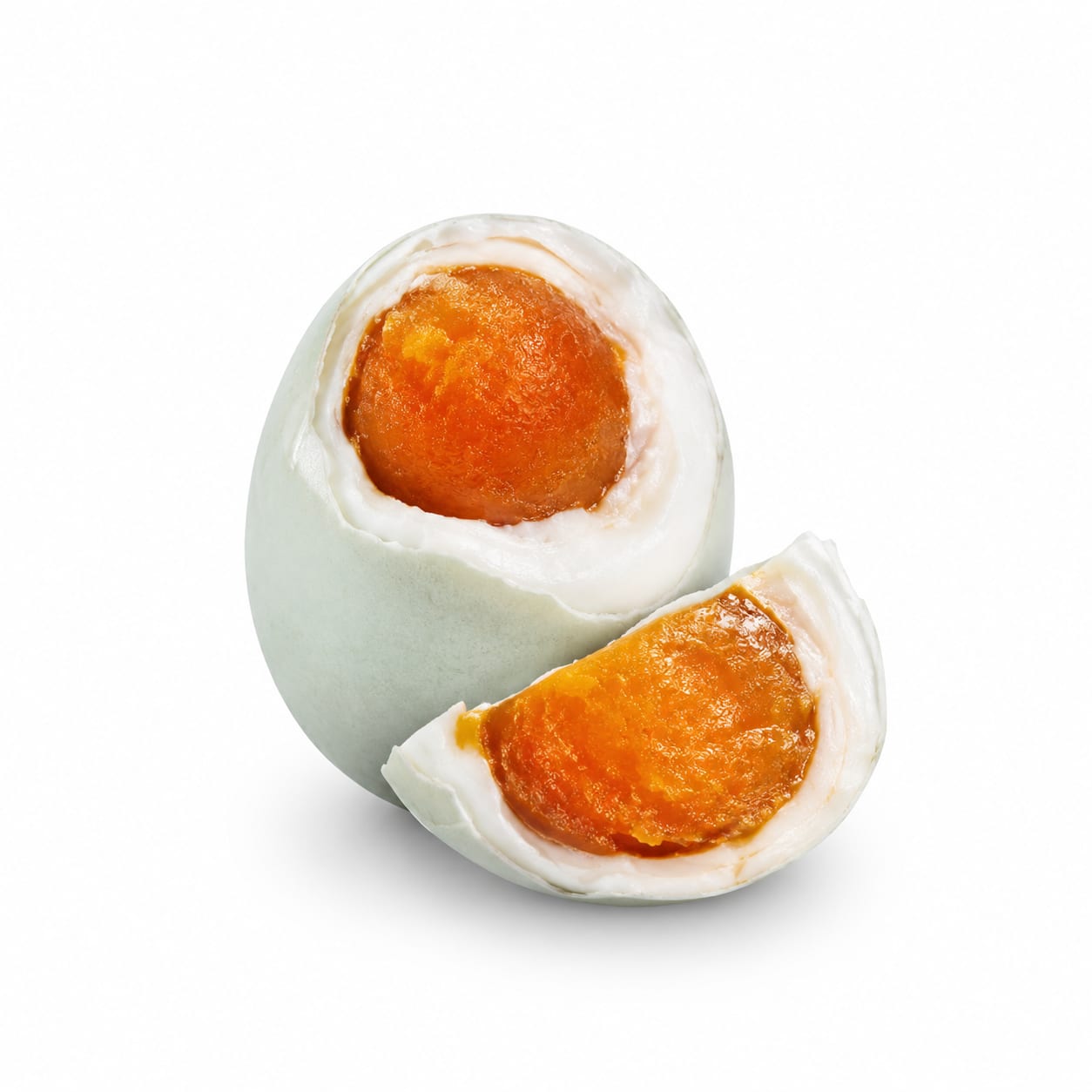
Compare with
Duck Egg
Duck eggs are slightly higher in fat and calories than turkey eggs, with a thicker shell and larger yolk.
Turkey eggs are slightly leaner and higher in protein than duck eggs, making them better for muscle gain, while duck eggs excel in baking richness.
This food
Turkey Egg
VS80% alike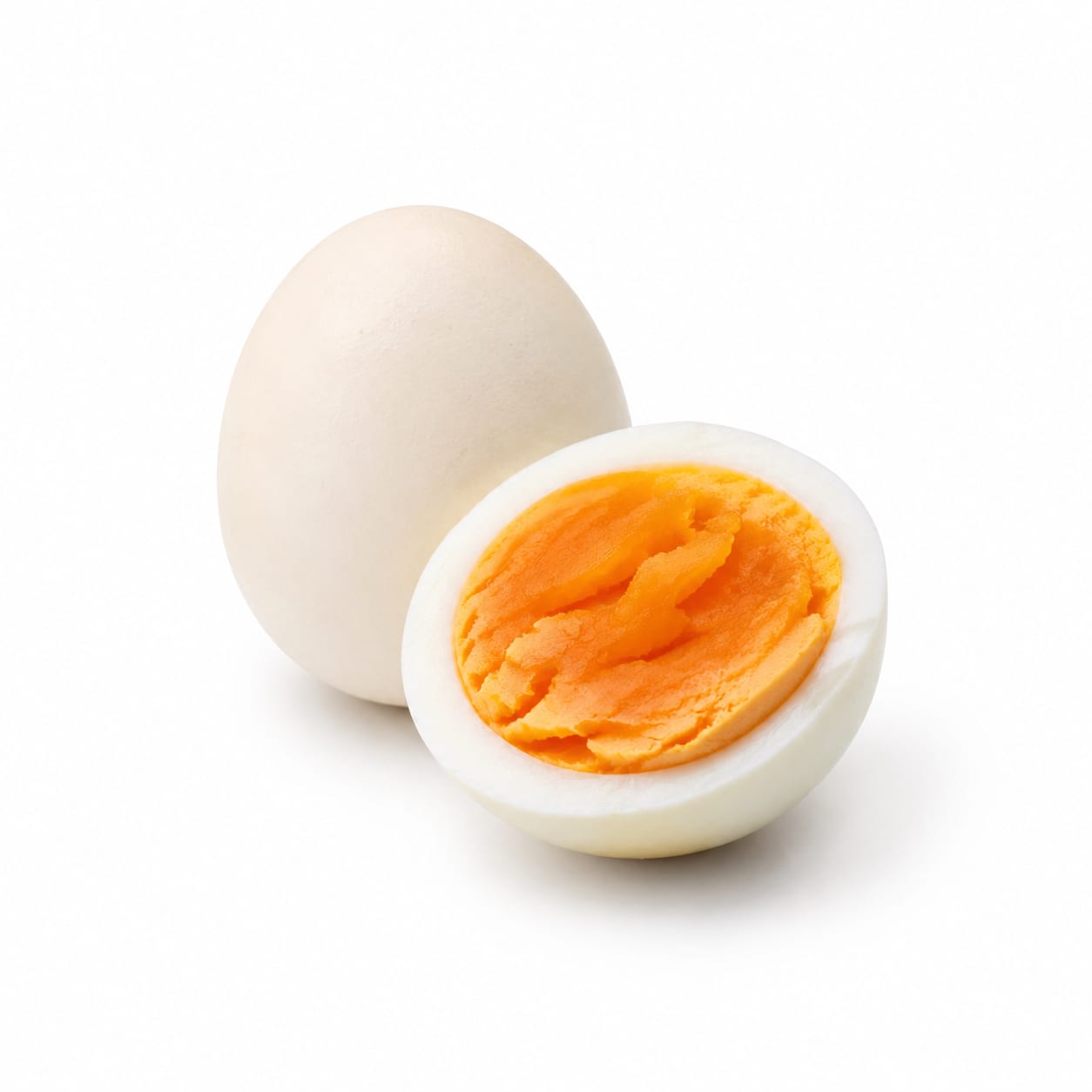
Compare with
Goose Egg
Goose eggs are massive, containing about 3 times the calories and fat of a chicken egg, with a very intense yolk.
Turkey eggs are more practical for everyday eating, while a single goose egg provides an enormous calorie and fat load.
This food
Turkey Egg
VS75% alike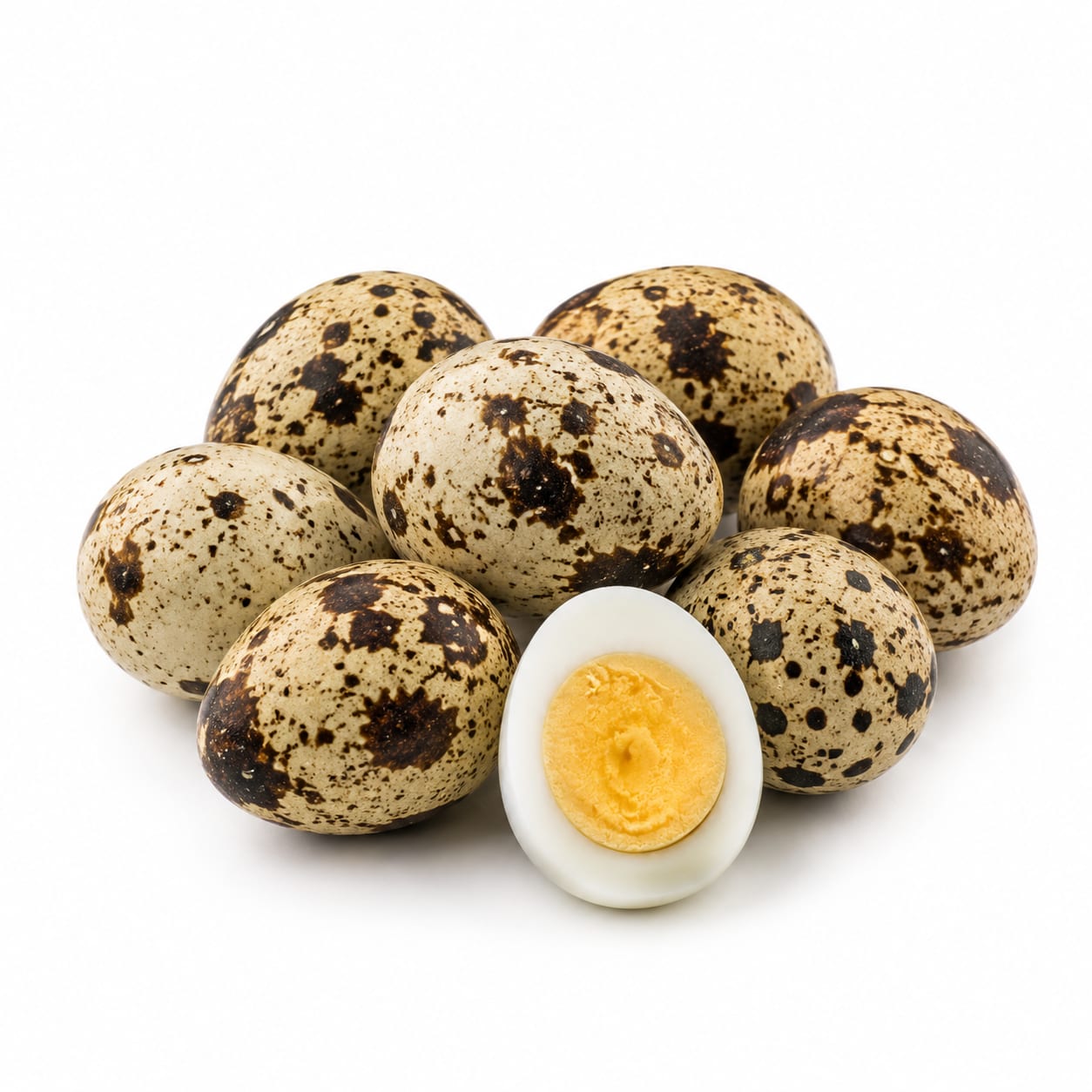
Compare with
Quail Egg
Quail eggs are tiny with a similar nutritional ratio per gram, but require multiple eggs to equal one turkey egg's protein.
Turkey eggs provide a massive protein hit in one package, whereas quail eggs are bite-sized and lower in calories per serving.
This food
Turkey Egg
VS65% alike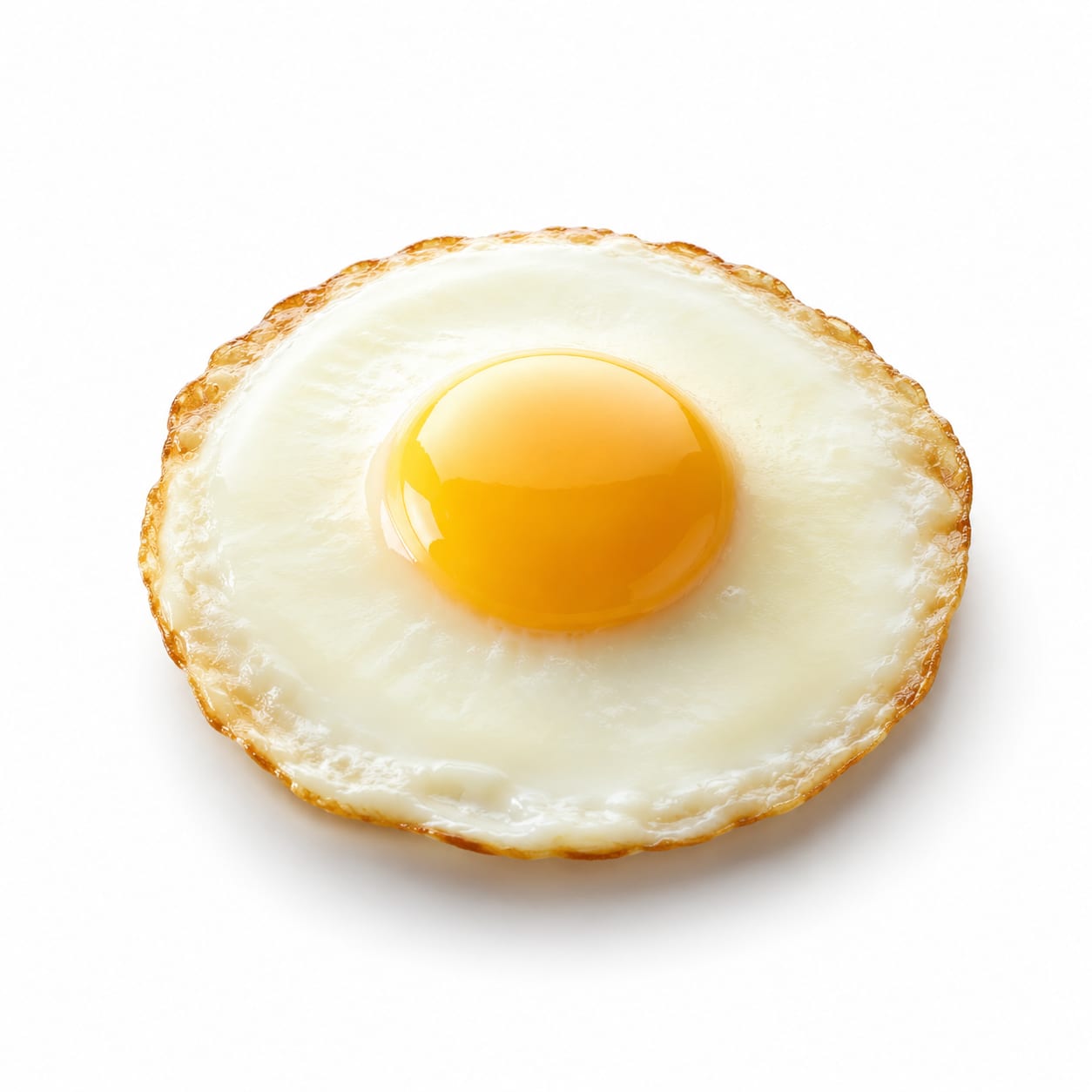
Compare with
Ostrich Egg
One ostrich egg equals about 24 chicken eggs, making it impractical for single servings but similar in macronutrient ratio.
Turkey eggs are ideal for a single high-protein meal, while an ostrich egg is a novelty equivalent to two dozen chicken eggs.
This food
Turkey Egg
VS55% alike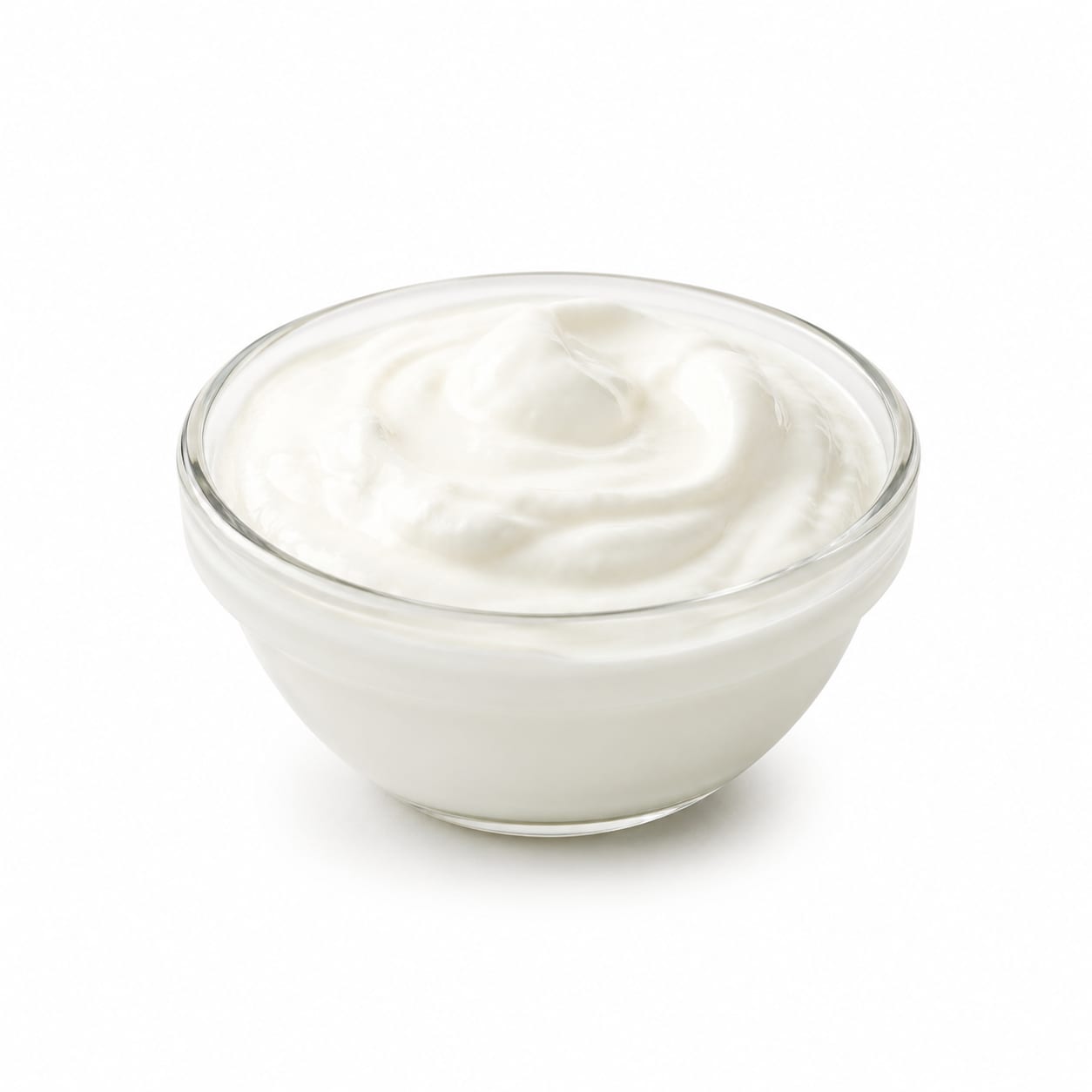
Compare with
Greek Yogurt
Greek yogurt offers more protein per calorie and contains probiotics, but lacks the choline and healthy fats of turkey eggs.
Greek yogurt is lower in calories and better for gut health, while turkey eggs provide zero carbs and richer healthy fats for keto diets.
This food
Turkey Egg
VS55% alike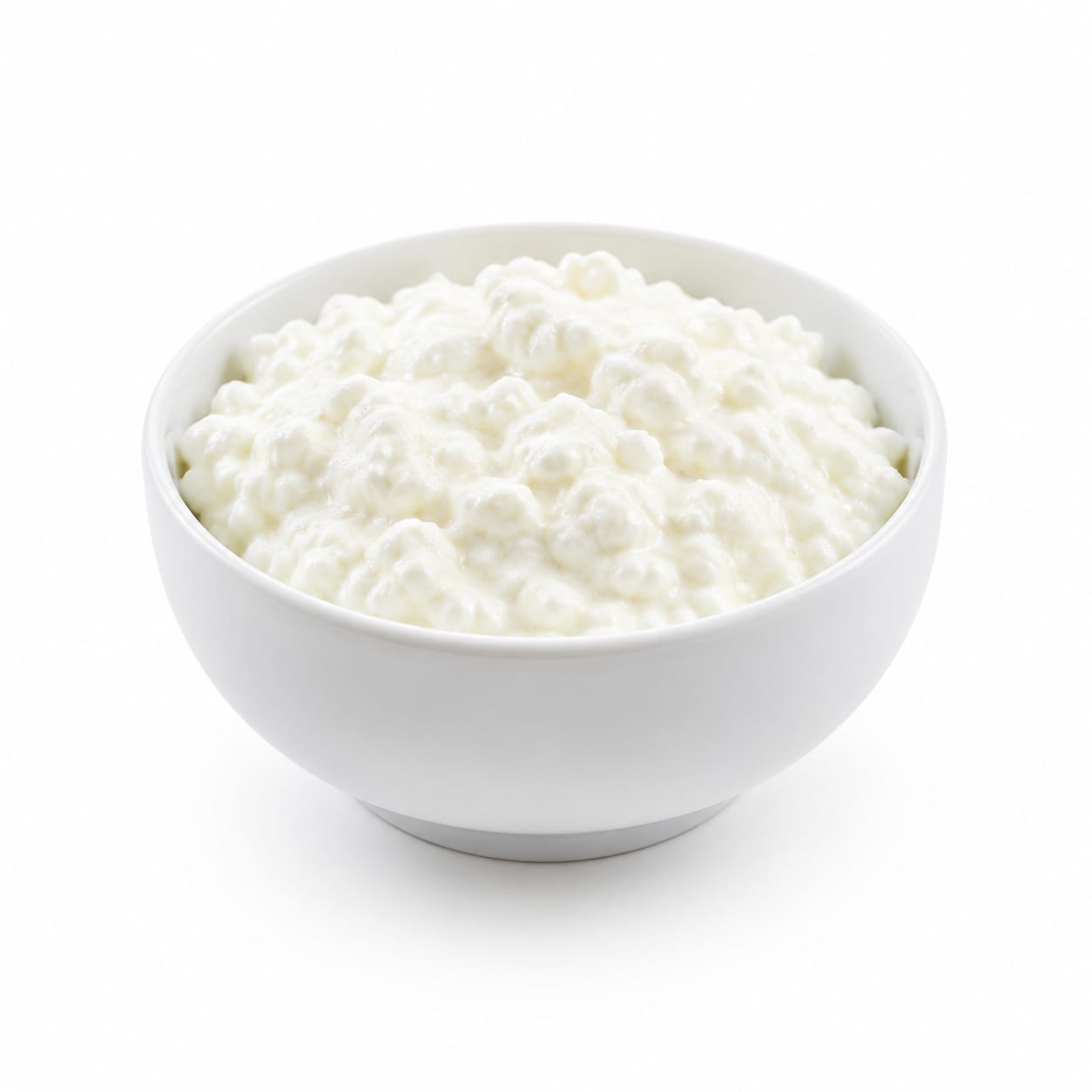
Compare with
Cottage Cheese
Cottage cheese is lower in calories and fat, offering slow-digesting casein protein, while turkey eggs offer a complete amino acid profile with fats.
Cottage cheese is a low-fat protein source ideal for cutting, while turkey eggs provide a high-fat, zero-carb fuel source.
This food
Turkey Egg
VS45% alike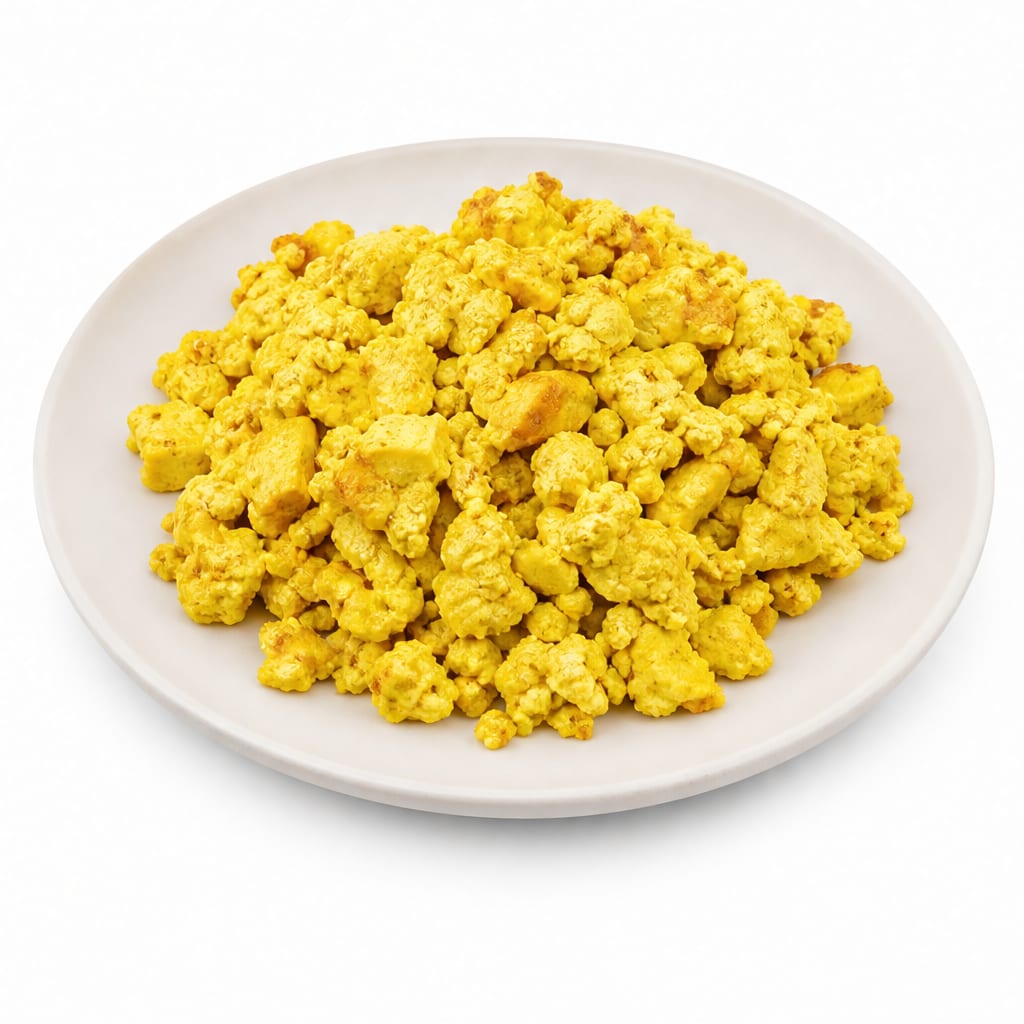
Compare with
Tofu Scramble
Tofu is lower in calories and fat, and contains fiber, but has less protein per serving and lacks vitamin B12.
Tofu scramble is a low-calorie vegan alternative, while turkey eggs deliver superior protein quality and B-vitamins for energy metabolism.
This food
Turkey Egg
VS60% alike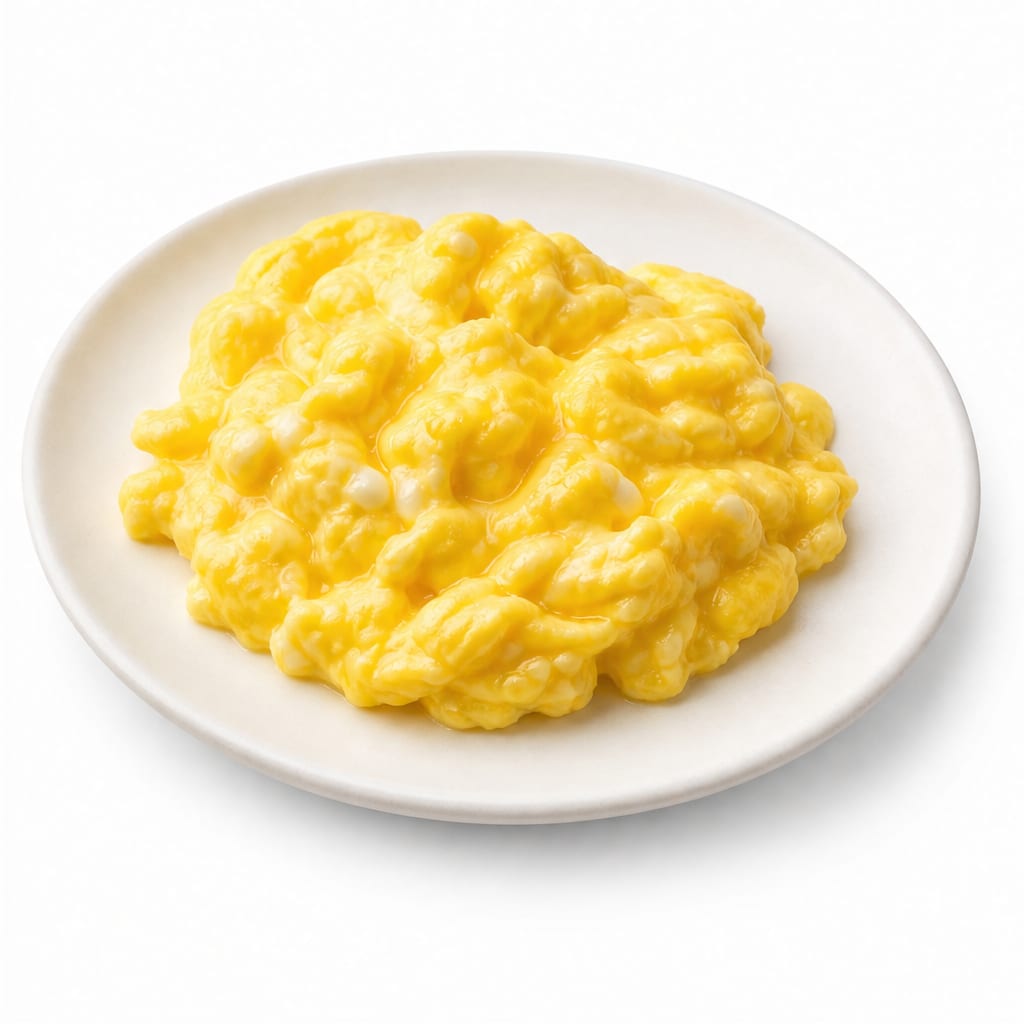
Compare with
Egg Beaters
Egg beaters are pure egg whites with no fat or cholesterol, whereas turkey eggs are whole foods with the full yolk nutrient profile.
Egg beaters win for strict low-calorie and low-cholesterol diets, but turkey eggs provide essential fats and choline missing from the whites.
This food
Turkey Egg
VS30% alike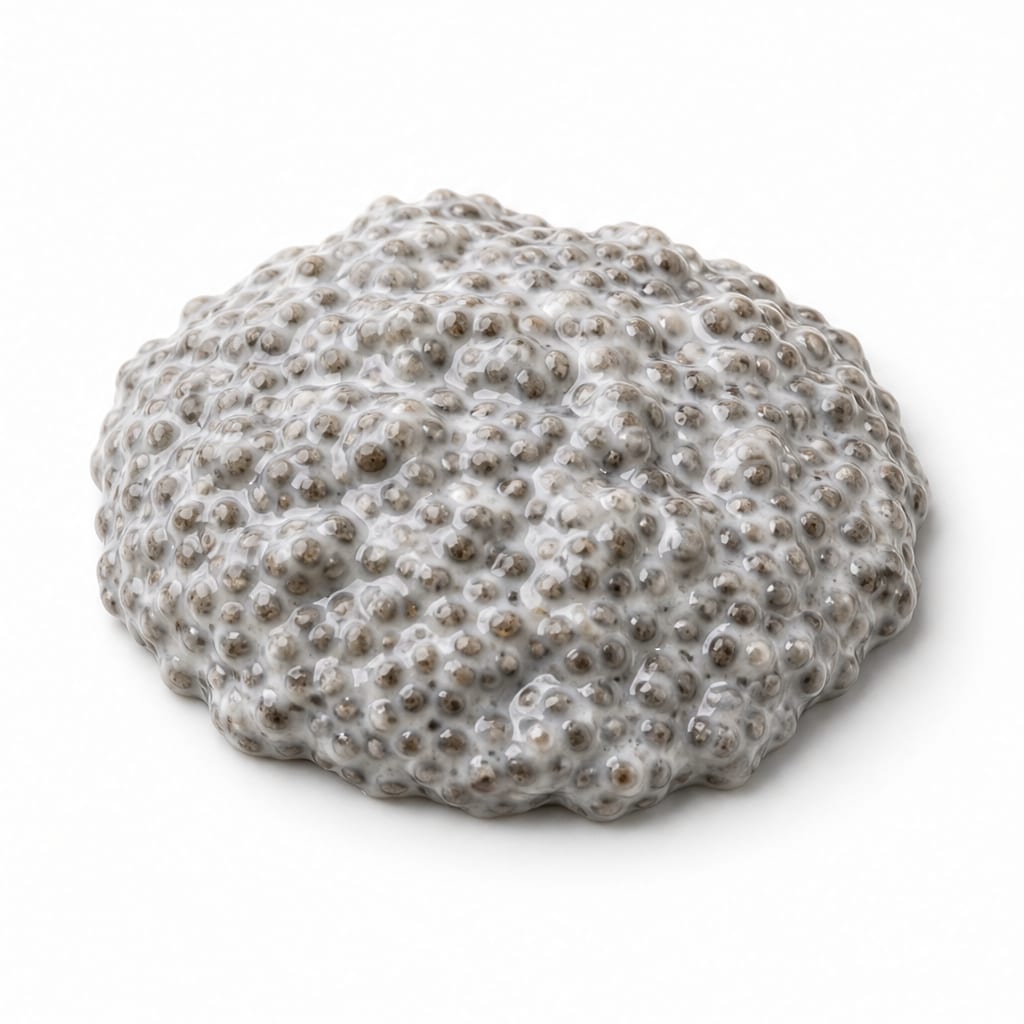
Compare with
Chia Egg
A chia egg is purely fiber and fat for binding, containing almost no protein, while a turkey egg is a protein powerhouse.
Chia eggs are strictly for vegan baking binding, while turkey eggs are a nutritional powerhouse for protein and satiety.
Common questions
FAQ
Answers aligned with how people search for this food.
Are turkey eggs healthier than chicken eggs?
Turkey eggs are not necessarily healthier, but they are more nutrient-dense per egg. They contain nearly double the protein, fat, and calories of a chicken egg, along with higher amounts of vitamins and minerals like B12 and selenium.
Why aren't turkey eggs sold in stores?
Turkeys produce fewer eggs per year than chickens, require more feed per egg, and their eggs are larger and harder to package. It is more profitable for farmers to raise turkeys for meat than to harvest their eggs for sale.
Can diabetics eat turkey eggs?
Yes, turkey eggs contain virtually zero carbohydrates and will not raise blood sugar levels. Their high protein and fat content also helps stabilize glucose and increase satiety.
How many calories are in a single turkey egg?
A single typical turkey egg weighs about 80 grams and contains approximately 135 to 140 calories, compared to 72 calories in a standard 50-gram chicken egg.
Do turkey eggs taste different from chicken eggs?
Turkey eggs taste similar to chicken eggs but have a slightly richer, creamier, and more savory flavor due to their higher yolk-to-white ratio and increased fat content.
Can you substitute turkey eggs for chicken eggs in baking?
Yes, but you must adjust for size. One large turkey egg is roughly equivalent to two medium chicken eggs. Using a 1:1 substitution by volume will alter the fat and moisture balance of your recipe.
Are turkey eggs safe to eat raw?
Like chicken eggs, raw turkey eggs carry a risk of Salmonella contamination. They should always be cooked until the whites and yolks are firm to ensure food safety.
Is the cholesterol in turkey eggs bad for you?
Dietary cholesterol in eggs has minimal impact on blood cholesterol for most people. The saturated fat content is a larger concern for heart health, though moderate consumption is generally safe for healthy individuals.
Transparency
Data confidence
Estimated confidence for nutrition data, interpretation, safety notes, and comparisons.
Nutrition data
Health analysis
Food safety
Comparisons