
Nutrition comparison
Turkey Egg vs Cottage Cheese: Which Protein Source Is Better for You?
Compare turkey eggs and cottage cheese on protein, satiety, convenience, and nutrition. Find out which fits your goals — weight loss, muscle gain, or daily eating.
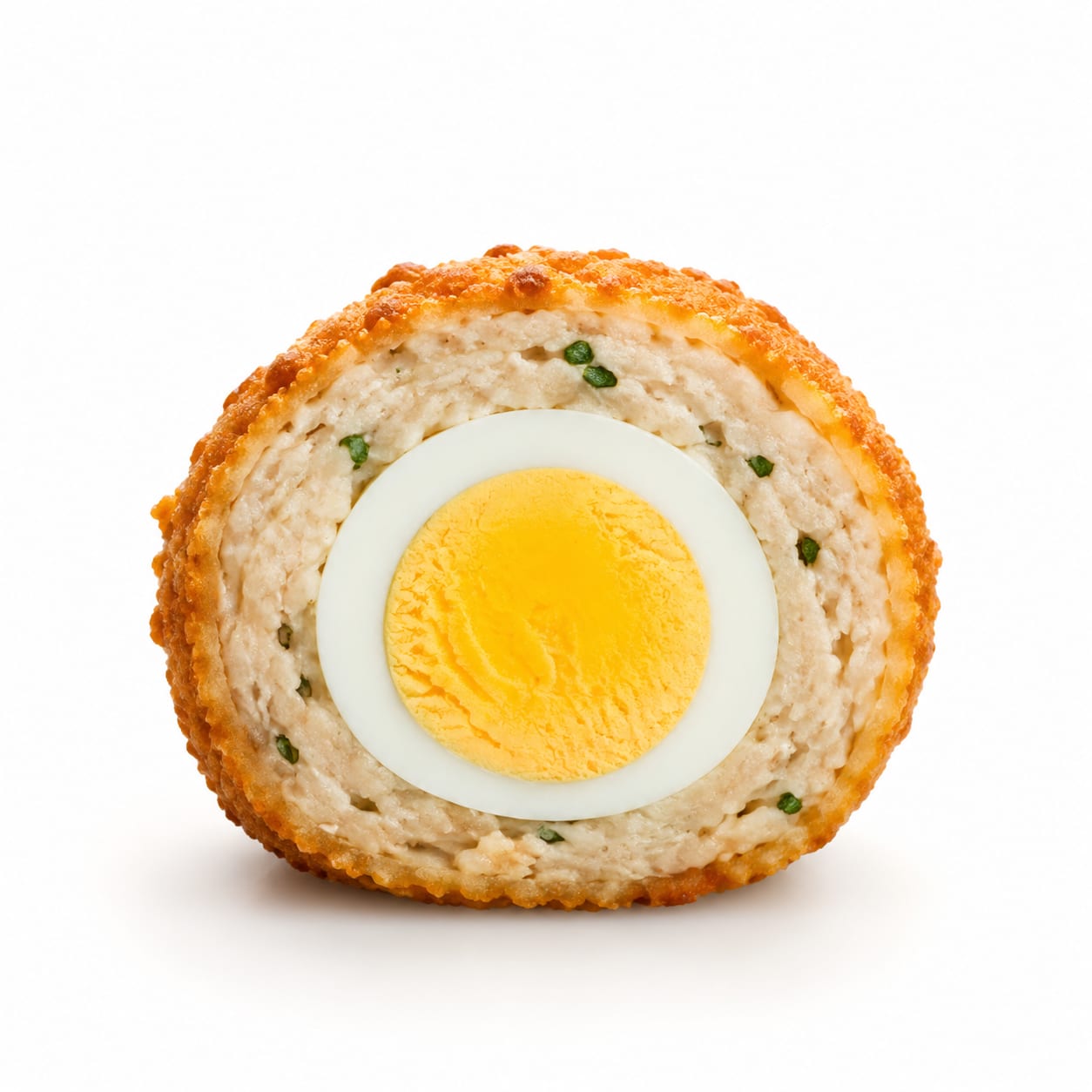
Turkey Egg
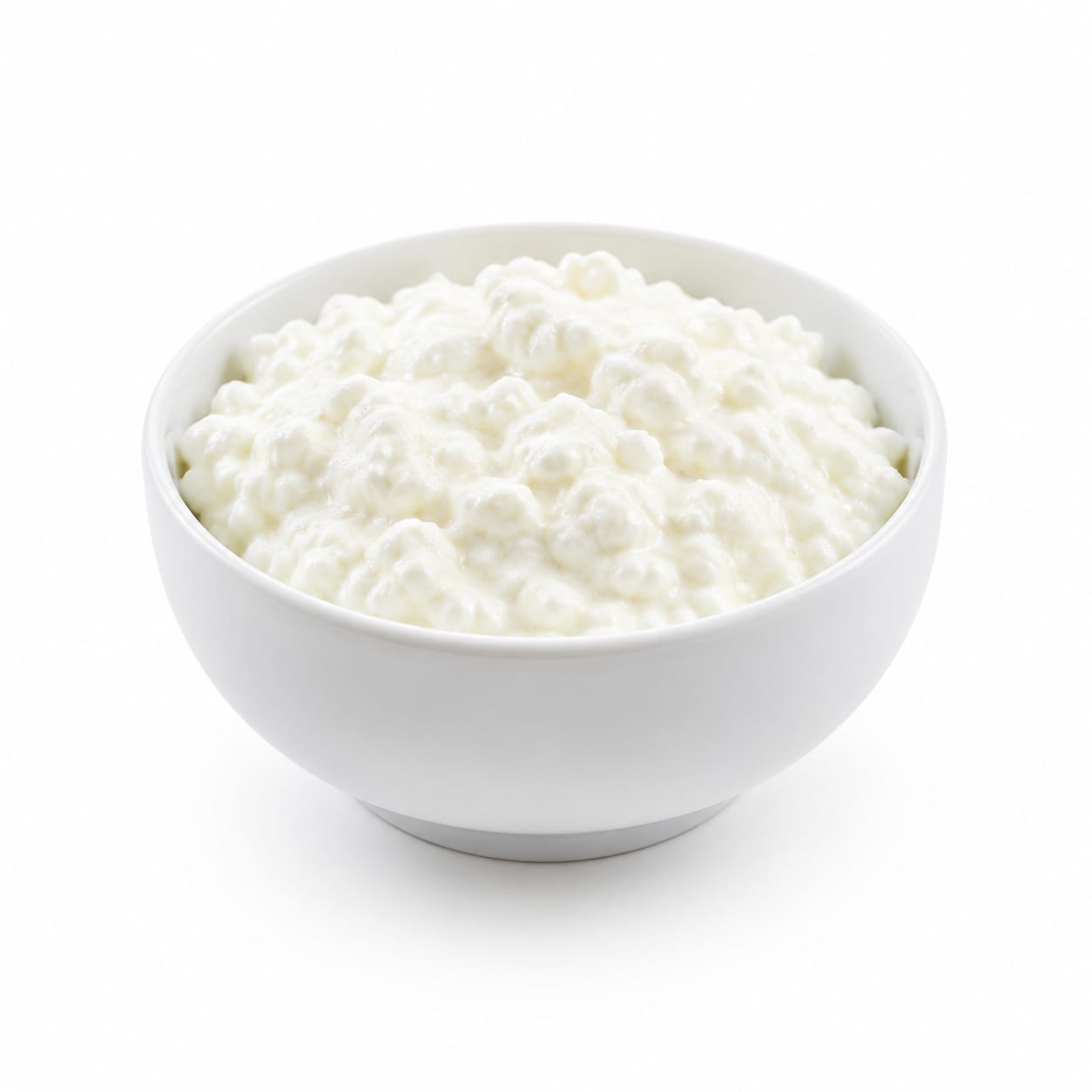
Cottage Cheese
Turkey eggs win on nutrient density and whole-food simplicity; cottage cheese wins on convenience, portion control, and slow-release protein for sustained fullness.
Cottage cheese edges ahead mainly on practicality and daily usability. Turkey eggs are nutritionally richer per calorie but lose ground on convenience, availability, and portion flexibility. The gap is small because both are strong protein sources with different strengths.
Turkey eggs offer a richer, more complete nutrient package per bite but require cooking and are harder to find. Cottage cheese is ready-to-eat, easier to portion, and provides longer-lasting satiety from casein protein.
At a glance
Executive summary
Overall
It depends
Healthier
It depends
More practical
Cottage Cheese
Daily use
Cottage Cheese
Key comparison lenses
high-quality protein source comparison
Both foods are primarily valued for their protein content, but deliver it very differently — whole egg vs dairy curd
satiety and weight management
Users comparing these are often looking for filling, low-calorie options that keep hunger away
daily breakfast or snack choice
Both are common morning or between-meal options, but convenience and prep differ significantly
muscle recovery and athletic nutrition
Casein-rich cottage cheese vs complete egg protein appeals to different training schedules and goals
digestive tolerance and food sensitivity
Egg allergies and dairy intolerances are both common, making this a practical decision point
Best choice for
Turkey Egg
- People seeking a nutrient-dense whole food with minimal processing
- Those wanting choline and brain-supportive nutrients
- Anyone avoiding dairy or lactose
- Home cooks who enjoy preparing breakfast from scratch
Cottage Cheese
- People prioritizing convenient, ready-to-eat protein
- Those tracking calories and needing easy portion control
- Late-night snackers wanting slow-digesting protein
- Anyone seeking sustained satiety between meals
Least suitable for
Turkey Egg
- People with egg allergies or cholesterol concerns
- Anyone needing grab-and-go convenience
- Those on tight budgets where specialty eggs are impractical
- People who dislike cooking or lack kitchen access
Cottage Cheese
- People with lactose intolerance or dairy sensitivity
- Those watching sodium intake closely
- Anyone avoiding even minimally processed dairy
- People who find the texture unappealing and struggle to eat it consistently
Deep comparison
Dimension by dimension
Each lens scores both foods and breaks down who each option suits.
- Dimension 1 · Priority 95Turkey Egg
Protein Quality and Content
Turkey Egg · 88Cottage Cheese · 82Turkey eggs provide slightly higher-quality complete protein with all essential amino acids in an optimal ratio, plus choline and B12. Cottage cheese delivers more total protein per typical serving but relies heavily on casein, which digests slowly.
Tradeoff
Turkey eggs give you a richer amino acid profile with brain-boosting choline. Cottage cheese gives you more protein by volume and a slower release that keeps you full longer.
Why it matters
If you need quick post-workout recovery, egg protein absorbs efficiently. If you want to stay full for hours without eating again, casein is your friend.
Real-world impact
After a turkey egg breakfast, you get a solid protein hit but may feel hungry again in 2-3 hours. After cottage cheese, that fullness stretches closer to 4 hours.
Turkey Egg
- Post-workout recovery within an hour
- Brain-focused nutrition needs
- Complete amino acid coverage in a single food
Better for
- Situations requiring slow protein release
- Anyone counting every gram of protein per serving
Worse for
Cottage Cheese
- Sustained fullness between meals
- Overnight muscle preservation
- Higher total protein per calorie
Better for
- Immediate post-exercise protein needs
- Those wanting choline and B12 alongside protein
Worse for
- Dimension 2 · Priority 90Cottage Cheese
Satiety and Fullness
Turkey Egg · 72Cottage Cheese · 86Cottage cheese keeps you fuller longer thanks to casein protein and its thick, dense texture. Turkey eggs are satisfying in the moment but digest faster.
Tradeoff
Turkey eggs feel more immediately satisfying with their rich yolk, but the fullness fades sooner. Cottage cheese is less exciting to eat but works harder at keeping hunger away.
Why it matters
If you snack between meals or struggle with afternoon cravings, cottage cheese is the better tool. Turkey eggs work better as part of a larger meal.
Real-world impact
A bowl of cottage cheese at 10am can carry you to lunch. A turkey egg at 10am often needs a side of toast or fruit to avoid the 11:30 crash.
Turkey Egg
- Large breakfasts where eggs are paired with other foods
- Meals where immediate satisfaction matters more than duration
Better for
- Solo snacking without accompaniments
- Long gaps between meals
Worse for
Cottage Cheese
- Standalone snacks between meals
- Late-night eating without morning appetite disruption
- Calorie-controlled diets where hunger management is critical
Better for
- People who find the texture unsatisfying and overeat elsewhere to compensate
Worse for
- Dimension 3 · Priority 85Cottage Cheese
Calorie Density and Weight Management
Turkey Egg · 65Cottage Cheese · 84Cottage cheese, especially low-fat versions, delivers more protein per calorie. Turkey eggs are calorie-dense due to the yolk's fat content, making portion control harder.
Tradeoff
Turkey eggs give you more nutrients per egg but also more calories. Cottage cheese lets you eat a larger volume for fewer calories while still hitting protein targets.
Why it matters
For weight loss, volume and calorie control matter. Cottage cheese makes it easier to feel full on fewer calories.
Real-world impact
A single turkey egg runs about 135 calories. A full cup of low-fat cottage cheese is around 160 calories but has nearly triple the protein and fills more stomach space.
Turkey Egg
- People doing intermittent fasting who want calorie-dense meals in a short window
- Those needing healthy fats for hormone production
Better for
- Strict calorie deficits where every calorie must earn its keep
- Frequent snacking patterns
Worse for
Cottage Cheese
- Calorie-counting diets
- Volume eating strategies
- People who prefer larger portions without guilt
Better for
- Very active people who need calorie-dense fuel
- Those who find low-fat versions less satisfying and end up eating more
Worse for
- Dimension 4 · Priority 80Turkey Egg
Nutrient Density Beyond Protein
Turkey Egg · 91Cottage Cheese · 68Turkey eggs are a nutritional powerhouse — choline, B12, selenium, vitamin D, iron, and lutein all in one package. Cottage cheese offers calcium and some B vitamins but has a narrower nutrient profile.
Tradeoff
Turkey eggs are like a natural multivitamin with protein. Cottage cheese is more of a focused calcium-and-protein tool.
Why it matters
If your diet lacks variety, turkey eggs fill more nutritional gaps. If you already eat diverse foods, cottage cheese's narrower profile is less of a concern.
Real-world impact
Eating turkey eggs regularly can meaningfully improve choline and B12 intake, which affect memory and energy. Cottage cheese mainly moves the needle on calcium and protein.
Turkey Egg
- Diets lacking in B vitamins or iron
- Cognitive health and brain nutrition focus
- People wanting maximum nutrition from minimal foods
Better for
- Those already meeting choline and B12 needs through other foods
Worse for
Cottage Cheese
- Bone health and calcium priorities
- People already eating eggs or meat regularly who need dairy calcium
Better for
- Anyone relying on it as a primary food without other nutrient sources
Worse for
- Dimension 5 · Priority 82Cottage Cheese
Convenience and Practicality
Turkey Egg · 45Cottage Cheese · 90Cottage cheese is ready to eat straight from the container, portable, and requires zero prep. Turkey eggs need cooking, careful handling, and are much harder to find in stores.
Tradeoff
Cottage cheese wins on every practical measure — availability, speed, portability. Turkey eggs require effort and planning that most people skip on busy days.
Why it matters
The best food is the one you actually eat consistently. Convenience often determines long-term adherence more than nutrition.
Real-world impact
You can pack cottage cheese for work in 10 seconds. Turkey eggs need a stove, a pan, and 5-10 minutes minimum. On a rushed Tuesday, cottage cheese wins by default.
Turkey Egg
- Weekend cooking when you have time to prepare a proper meal
- Food enthusiasts who enjoy cooking as part of their routine
Better for
- Daily use when cooking is a barrier
- Travel or commuting situations
Worse for
Cottage Cheese
- Busy mornings with no time to cook
- Office snacks or on-the-go fuel
- Meal prep scenarios requiring zero-cook protein
Better for
- Situations without refrigeration access
- People who find cold dairy unappealing as a meal
Worse for
- Dimension 6 · Priority 75It depends
Digestive Tolerance
Turkey Egg · 70Cottage Cheese · 70Both foods have common intolerance triggers — eggs cause issues for some, dairy for others. Neither is universally easier to digest.
Tradeoff
Turkey eggs are dairy-free but can cause bloating or allergic reactions in sensitive people. Cottage cheese contains lactose but is often better tolerated than milk due to lower amounts.
Why it matters
Your personal digestion determines which food works. Neither has a clear advantage across the general population.
Real-world impact
If dairy makes you gassy, turkey eggs are the obvious pick. If eggs leave you bloated or congested, cottage cheese is your safer bet.
Turkey Egg
- People with lactose intolerance or dairy sensitivity
- Those following dairy-free protocols
Better for
- Anyone with egg white or yolk allergy
- People who experience digestive discomfort from eggs
Worse for
Cottage Cheese
- People with egg allergies or sensitivities
- Those who find eggs heavy or difficult to digest
Better for
- Lactose-intolerant individuals
- Those with casein sensitivity
Worse for
- Dimension 7 · Priority 65Turkey Egg
Sodium Load
Turkey Egg · 88Cottage Cheese · 52Turkey eggs are naturally low in sodium. Cottage cheese can pack 350-900mg of sodium per cup depending on the brand, which is a significant concern for salt-sensitive people.
Tradeoff
Turkey eggs give you protein without the salt. Cottage cheese often trades low calories for high sodium, which can undermine blood pressure goals.
Why it matters
If you have hypertension or are sodium-sensitive, cottage cheese can quietly push you over your daily limit without you realizing it.
Real-world impact
A single cup of cottage cheese can contain a third of your daily sodium allowance. Two turkey eggs have about 140mg — barely a blip.
Turkey Egg
- Low-sodium diets
- Blood pressure management
- People eating processed foods elsewhere in the day
Better for
- Situations where added sodium is actually beneficial
Worse for
Cottage Cheese
- Athletes who need sodium replenishment after sweating
- People whose diets are otherwise very low in salt
Better for
- Hypertension patients
- Anyone already exceeding sodium recommendations from other meals
Worse for
Timeline
Health impact over time
Short-term
Hours to days
Turkey Egg
- Quick energy from easily digested protein and healthy fats
- Immediate satiety from the rich yolk content
- Potential for mild digestive discomfort if egg-sensitive
Cottage Cheese
- Prolonged fullness from slow-digesting casein protein
- Possible bloating or gas if lactose intolerant
- Thirst or water retention from sodium content in some brands
Long-term
Months to years
Turkey Egg
- Improved choline intake supporting brain and liver health
- Better B12 status supporting energy and nerve function
- Potential cholesterol concerns if consumed in large quantities without dietary balance
Cottage Cheese
- Stronger bone density from consistent calcium intake
- Better muscle preservation during aging or calorie deficits
- Possible blood pressure concerns if high-sodium versions are consumed regularly
Risk profile
Safety & processing
Both foods are minimally processed in their traditional forms. Turkey eggs come straight from the bird with nothing added. Cottage cheese requires curdling and may contain salt and stabilizers, but quality brands keep additives minimal. Neither raises significant ultra-processing concerns.
Turkey Egg
Salmonella contamination
mediumLike all eggs, turkey eggs can carry Salmonella on the shell or inside. Proper cooking eliminates this risk, but raw or undercooked preparations remain a concern.
Allergic reaction
mediumEgg allergies are among the most common food allergies, particularly in children. Reactions can range from hives to anaphylaxis.
Cottage Cheese
Listeria contamination
mediumSoft dairy products like cottage cheese can harbor Listeria, especially if pasteurization was incomplete or storage was improper. Particularly risky for pregnant women.
High sodium intake
mediumRegular consumption of high-sodium cottage cheese can contribute to hypertension and cardiovascular strain over time, especially when combined with other salty foods.
Who wins for whom
Audience fit
Same foods, different winners depending on your goal.
children
Turkey EggTurkey eggs provide broader nutrition including choline and iron critical for development, and most children tolerate eggs well. Cottage cheese sodium levels can be high for small bodies.
daily consumption
Cottage CheeseCottage cheese is easier to eat daily due to convenience, portion control, and availability. Turkey eggs require more effort and are harder to sustain as a daily habit.
diabetes
It dependsBoth have minimal impact on blood sugar. Turkey eggs have zero carbs. Cottage cheese has trace amounts but remains very low glycemic. Choice depends on whether you prioritize nutrient density or portion consistency.
elderly
Cottage CheeseCottage cheese delivers easily chewed, high-protein nutrition with calcium for bone health. The soft texture and no-cook convenience suit older adults who may struggle with food prep.
muscle gain
Cottage CheeseHigher total protein per serving and slow-digesting casein make cottage cheese more effective for muscle recovery and overnight protein delivery.
weight loss
Cottage CheeseLow-fat cottage cheese provides more protein per calorie and better portion control, making it easier to maintain a calorie deficit while staying full.
Your move
Decision guide
Choose Turkey Egg
- You want maximum nutrition from a single whole food
- You are dairy-free or lactose intolerant
- You enjoy cooking and have access to specialty eggs
- You need low-sodium protein options
- Brain health and choline intake are priorities
Choose Cottage Cheese
- You need grab-and-go protein with zero prep
- You are tracking calories or macros carefully
- You want longer-lasting fullness between meals
- You need a late-night protein source that digests slowly
- Convenience will make or break your consistency
Either works if
- You simply need a high-quality protein source and have no allergies
- You rotate between foods anyway and want variety
- Your diet is otherwise balanced and neither food needs to carry the nutritional load alone
Avoid both if
- You have both egg and dairy allergies
- You are on a strict vegan diet
- You have severe kidney disease requiring protein restriction
Final recommendation
Keep both in rotation if you can. Turkey eggs are your nutrient-dense weekend option when you have time to cook. Cottage cheese is your reliable weekday workhorse that requires zero effort and keeps you full. If you must pick one for daily use, cottage cheese wins on consistency and convenience — the food you actually eat always beats the food you skip because it takes too long.
Practical
Consumer tips
- 1
Look for low-sodium cottage cheese if blood pressure is a concern — some brands cut salt by 50% without sacrificing taste
- 2
Farmers markets and specialty butchers are your best bet for finding turkey eggs, as most grocery stores do not stock them
- 3
If cottage cheese texture bothers you, blend it into smoothies or use it as a ricotta substitute in recipes — you get the protein without the mouthfeel
- 4
Don't overcook turkey eggs — their larger yolks can become rubbery faster than chicken eggs
- 5
Pair turkey eggs with vegetables or whole grains to make the meal more filling without relying on multiple eggs
- 6
Check cottage cheese expiration dates carefully — it spoils faster than most realize once opened