
Nutrition comparison
Turkey Egg vs Quail Egg: Nutrition, Taste, and Health Comparison
Compare turkey eggs and quail eggs to find out which is better for protein, weight loss, and daily nutrition. Discover the pros and cons of each unique egg type.
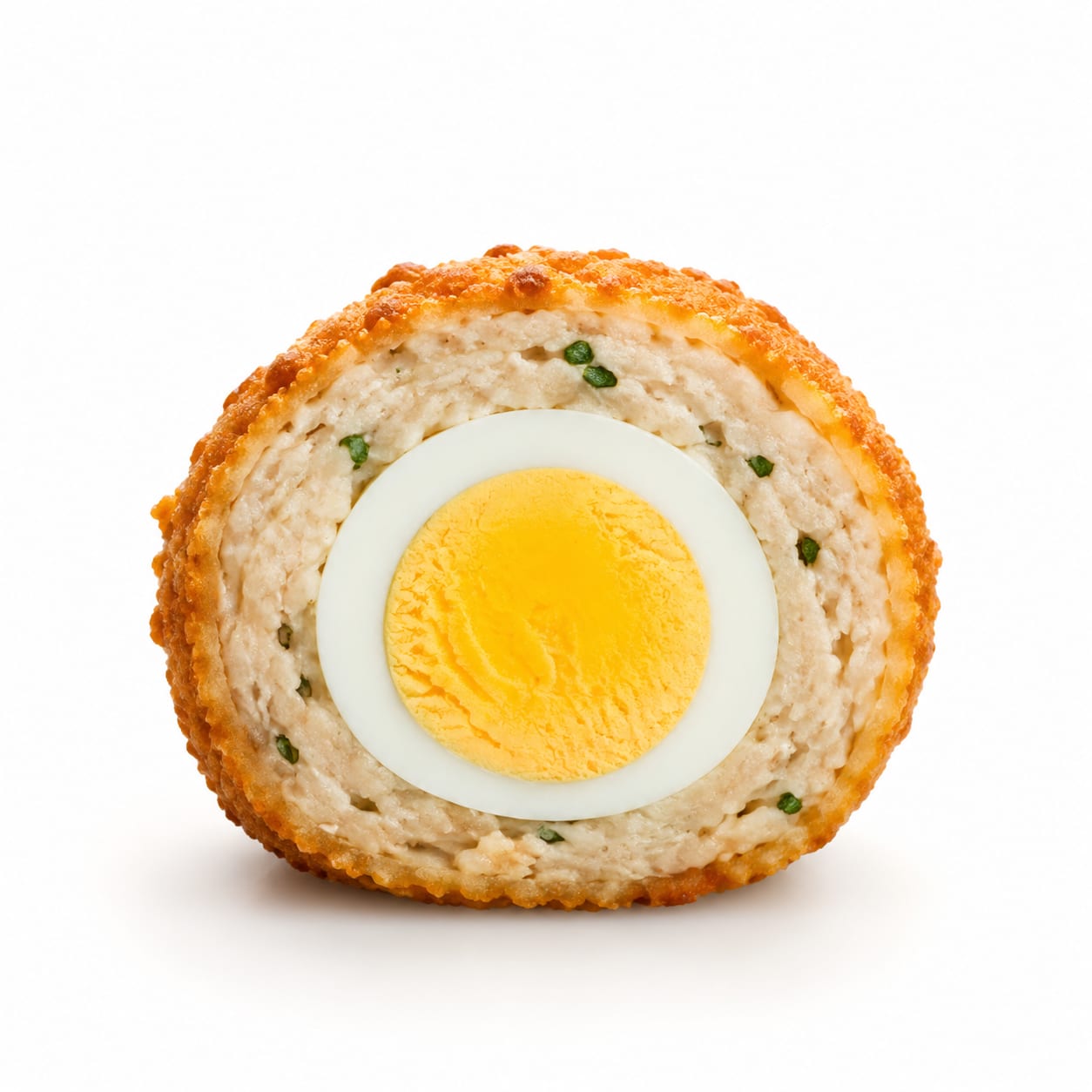
Turkey Egg
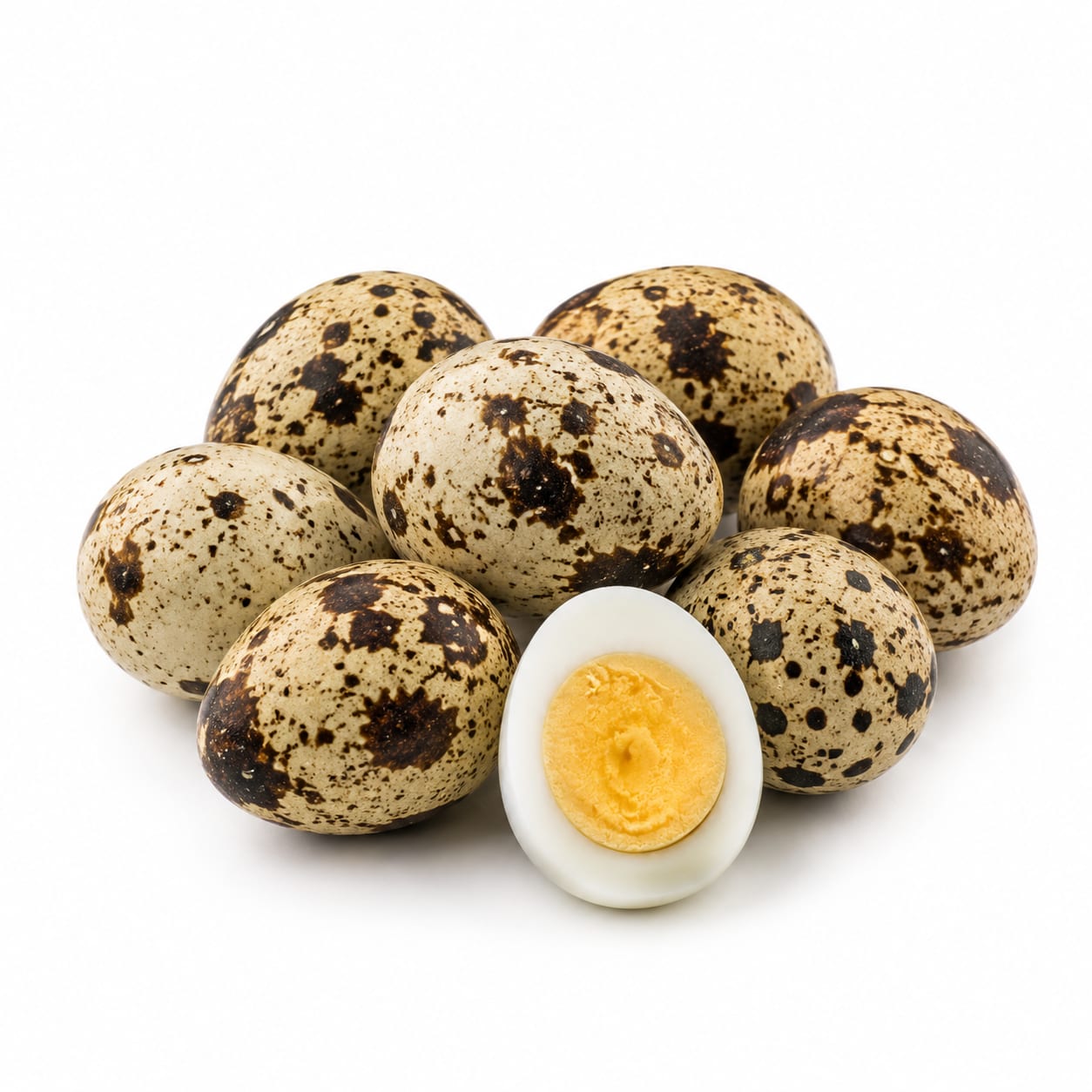
Quail Egg
Turkey eggs are heavy-hitting meal replacements, while quail eggs are delicate, portion-friendly bites.
Turkey egg scores slightly higher for delivering substantial protein and satiety in a convenient single-egg package, while quail egg stays competitive due to superior micronutrient density per calorie and effortless portion control.
You trade the substantial, filling size of a turkey egg for the precise portion control and micronutrient density of quail eggs.
At a glance
Executive summary
Overall
It depends
Healthier
It depends
More practical
Turkey Egg
Daily use
Turkey Egg
Key comparison lenses
Nutritional value per serving
Users want to know if the larger size of a turkey egg offers proportionally more nutrition or just more calories compared to a quail egg.
Culinary practicality and portion control
Eating one massive egg versus several tiny eggs changes how you cook and how full you feel.
Allergy and sensitivity alternatives
People with chicken egg allergies often explore alternative poultry eggs like quail or turkey for tolerance.
Cholesterol and dietary fat impact
Both eggs have high yolk-to-white ratios, raising valid concerns about cholesterol intake per sitting.
Best choice for
Turkey Egg
- Athletes needing high protein in a single sitting
- People wanting a filling breakfast that suppresses mid-morning snacking
- Anyone looking for a direct 1:1 substitute for two large chicken eggs
Quail Egg
- Those counting calories who want egg flavor without a huge caloric commitment
- People seeking elegant garnishes or tapas-style eating
- Individuals with mild poultry egg sensitivities exploring more easily digested options
Least suitable for
Turkey Egg
- People strictly monitoring cholesterol who cannot afford a 700mg+ hit in one sitting
- Those on tight grocery budgets due to high cost and scarcity
- Anyone wanting light, portion-controlled snacking
Quail Egg
- Those needing quick, high-protein meals without cracking multiple shells
- People who find fussy food preparation annoying
- Anyone on a tight budget looking for cheap protein
Deep comparison
Dimension by dimension
Each lens scores both foods and breaks down who each option suits.
- Dimension 1 · Priority 95Turkey Egg
Protein and Satiety
Turkey Egg · 92Quail Egg · 45One turkey egg delivers over double the protein of a single quail egg, making it far more filling.
Tradeoff
You get a highly satisfying meal with a turkey egg, but you lose the ability to lightly snack on a tiny portion without committing to a full meal.
Why it matters
Protein is the main driver of fullness. A single turkey egg keeps hunger at bay for hours, whereas you would need to eat four or five quail eggs to get the same effect.
Real-world impact
Eating a turkey egg for breakfast means you likely skip the mid-morning snack. Eating one quail egg means you are probably still hungry unless you eat several or pair it with other food.
Turkey Egg
- Post-workout recovery
- Long lasting fullness
- Big breakfast eaters
Better for
- Small appetite individuals
- Late-night light snacking
Worse for
Quail Egg
- Light snacking
- Appetizer courses
- Grazing boards
Better for
- Recovering from heavy training
- Busy mornings needing quick, substantial fuel
Worse for
- Dimension 2 · Priority 85Quail Egg
Micronutrient Density
Turkey Egg · 78Quail Egg · 88Quail eggs pack more vitamin B12, iron, and selenium per calorie than turkey eggs, offering a denser nutritional punch bite-for-bite.
Tradeoff
You get more vitamins per calorie with quail eggs, but the absolute amount per egg is tiny compared to a turkey egg.
Why it matters
If you are eating a calorie-restricted diet, quail eggs give you more nutritional bang for your buck. If calories are not a concern, a turkey egg still delivers a massive dose of nutrients overall.
Real-world impact
A calorie-conscious eater gets a strong nutrient boost from a two-quail-egg snack without breaking their calorie budget, whereas a turkey egg consumes a large chunk of daily calories to get those same nutrients.
Turkey Egg
- Meeting high absolute iron needs in one sitting
- Getting large total doses of B vitamins
Better for
- Strict calorie counters
- Those who want nutrient density without heaviness
Worse for
Quail Egg
- Maximizing nutrients per calorie
- Supporting immune function with selenium on a cut
Better for
- Those needing to hit high absolute micronutrient targets easily
Worse for
- Dimension 3 · Priority 80Turkey Egg
Culinary Practicality
Turkey Egg · 75Quail Egg · 60Cracking one large turkey egg is far easier than prepping multiple quail eggs for the same volume of food.
Tradeoff
Turkey eggs are straightforward to cook, but quail eggs offer unique visual appeal and delicate textures for gourmet dishes.
Why it matters
On a busy Tuesday morning, convenience wins. Peeling or cracking dozens of tiny quail eggs is tedious for everyday meals.
Real-world impact
Frying a turkey egg takes the same effort as a chicken egg. Making an equivalent-sized scramble with quail eggs feels like a chore unless you are aiming for a fancy brunch presentation.
Turkey Egg
- Quick weekday breakfasts
- Standard baking and scrambling
- Meal prepping
Better for
- Creating delicate, visually intricate dishes
- Miniature food presentations
Worse for
Quail Egg
- Fancy dinner parties
- Bento box styling
- Tapas and small plates
Better for
- Rushed morning meal prep
- High-volume cooking like large family scrambles
Worse for
- Dimension 4 · Priority 70Quail Egg
Cholesterol and Fat Profile
Turkey Egg · 55Quail Egg · 80Quail eggs allow you to enjoy rich egg flavor with a much smaller dose of cholesterol and fat per serving.
Tradeoff
You avoid a massive cholesterol spike with a single quail egg, but you miss out on the satisfying richness that a large, fatty yolk provides.
Why it matters
One turkey egg contains over 700mg of cholesterol, which is more than double the daily limit recommended for sensitive individuals. A quail egg lets you taste the yolk without overcommitting.
Real-world impact
If you have high cholesterol, eating a turkey egg uses up your entire daily allowance in one bite. A quail egg lets you enjoy eggs more safely within strict limits.
Turkey Egg
- Keto dieters needing high fat intake
- Those without cholesterol concerns seeking rich flavor
Better for
- Cardiovascular risk management
- Low-fat diet protocols
Worse for
Quail Egg
- Heart-healthy diets
- Managing familial hypercholesterolemia
- Lighter eating styles
Better for
- Aggressive weight gain strategies
- Very low-carb high-fat needs
Worse for
Timeline
Health impact over time
Short-term
Hours to days
Turkey Egg
- Provides intense and sustained satiety due to high fat and protein content
- Delivers a heavy, full feeling that might be uncomfortable before physical activity
- Causes a slow, steady energy release rather than a quick spike
Quail Egg
- Offers a light, easily digested snack that will not weigh you down
- Provides a quick but short-lasting sense of fullness unless multiple are consumed
- Adds elegant flavor without inducing food coma or sluggishness
Long-term
Months to years
Turkey Egg
- Excellent for maintaining muscle mass if eaten regularly due to high protein
- Potential cardiovascular concern if consumed daily by those with cholesterol issues
- High nutrient density supports sustained energy and red blood cell production
Quail Egg
- Supports immune health and thyroid function efficiently through high selenium and B12
- Very easy to fit into heart-healthy diets long-term due to low per-serving cholesterol
- Requires consistent volume consumption to match the absolute protein intake of larger eggs
Risk profile
Safety & processing
Both turkey and quail eggs are whole, unprocessed foods straight from the farm. Neither contains additives, preservatives, or artificial ingredients in their natural state.
Turkey Egg
Salmonella contamination
mediumLike all poultry eggs, turkey eggs carry a salmonella risk if undercooked or handled improperly.
Allergenicity
mediumTurkey egg proteins are very similar to chicken egg proteins, meaning those with chicken egg allergies will likely react to turkey eggs.
Quail Egg
Raw consumption risk
highQuail eggs are frequently consumed raw in sushi or gourmet preparations, which significantly increases the risk of foodborne illness.
Cross-reactivity allergies
lowWhile some with chicken egg allergies tolerate quail eggs, severe allergy sufferers can still experience dangerous cross-reactions.
Who wins for whom
Audience fit
Same foods, different winners depending on your goal.
children
Quail EggQuail eggs are bite-sized, visually appealing, and easier for small stomachs to digest without feeling overly stuffed.
daily consumption
Turkey EggFor a standard, satisfying daily breakfast, a turkey egg is a more practical and filling staple, assuming no cholesterol restrictions.
diabetes
Quail EggBoth have negligible impact on blood sugar, but quail eggs allow for lower-calorie flavor additions without overloading on dietary fat.
elderly
Quail EggQuail eggs provide dense nutrition in a light package, which is ideal for older adults with diminished appetites who need B12 and iron without heavy meals.
muscle gain
Turkey EggA single turkey egg provides a substantial hit of complete protein and calories necessary for muscle repair and growth.
weight loss
Quail EggQuail eggs offer strict portion control, allowing you to enjoy the taste and nutrition of eggs without consuming a massive calorie load.
Your move
Decision guide
Choose Turkey Egg
- You want a hearty, filling breakfast that acts as a meal replacement
- You are an athlete needing efficient, high-protein calories
- You have no cholesterol concerns and want a richer, creamier egg experience
Choose Quail Egg
- You want delicate flavor and visual elegance for a special meal
- You are closely watching your calorie or cholesterol intake
- You want a light, nutrient-dense snack without the heaviness of a full egg
Either works if
- You are simply looking for high-quality, whole-food protein
- You want to avoid chicken eggs and are testing poultry alternatives
- You value B-vitamins and iron from natural food sources
Avoid both if
- You have a severe poultry egg allergy without prior medical clearance
- You are strictly limiting all dietary cholesterol under medical advice
- You need a cheap, everyday protein source, as both are expensive compared to chicken eggs
Final recommendation
Let your appetite and schedule decide. Grab a turkey egg when you need serious fuel and a satisfying meal to carry you through the day. Opt for quail eggs when you want a light, elegant bite or need precise control over your portions and cholesterol intake.
Practical
Consumer tips
- 1
Crack quail eggs with a serrated knife or specialized scissors; their shells are surprisingly tough and using standard cracking methods often leads to crushed shells in the food.
- 2
Treat one turkey egg as equivalent to two large chicken eggs in your baking and cooking recipes.
- 3
If you have a chicken egg allergy, test quail eggs with a tiny amount first; while many tolerate them better, cross-reactivity is still possible.
- 4
Due to the high cost of both eggs, use them where their unique qualities shine: turkey eggs for rich scrambles, quail eggs for garnishes and soft-boiled snacks.