
Nutrition comparison
Duck Egg vs Turkey Egg: Nutrition, Taste, and Health Compared
Comparing duck eggs and turkey eggs? Discover the nutritional differences, taste profiles, and which egg is better for your health goals.
Overall winner · Duck Egg
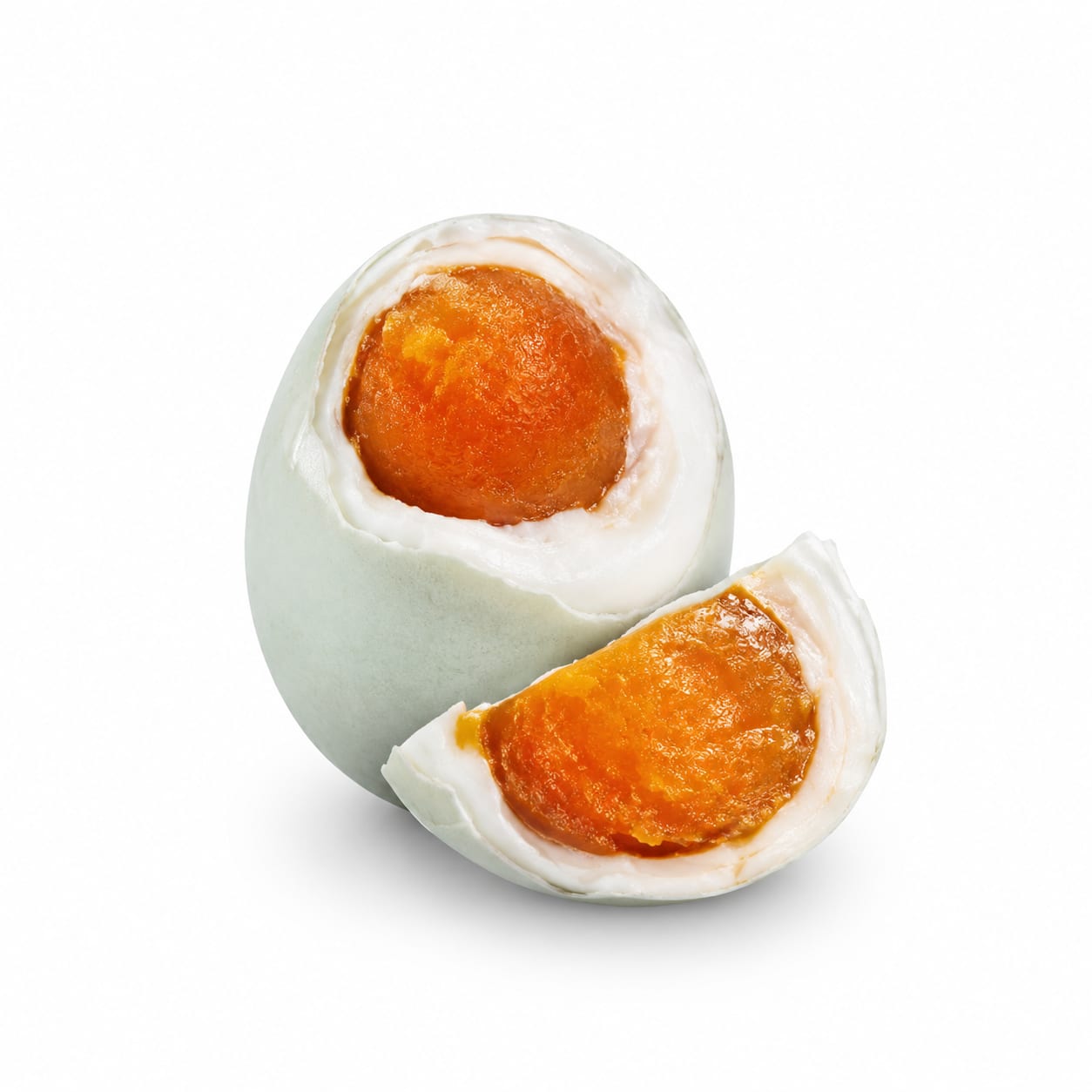
Duck Egg
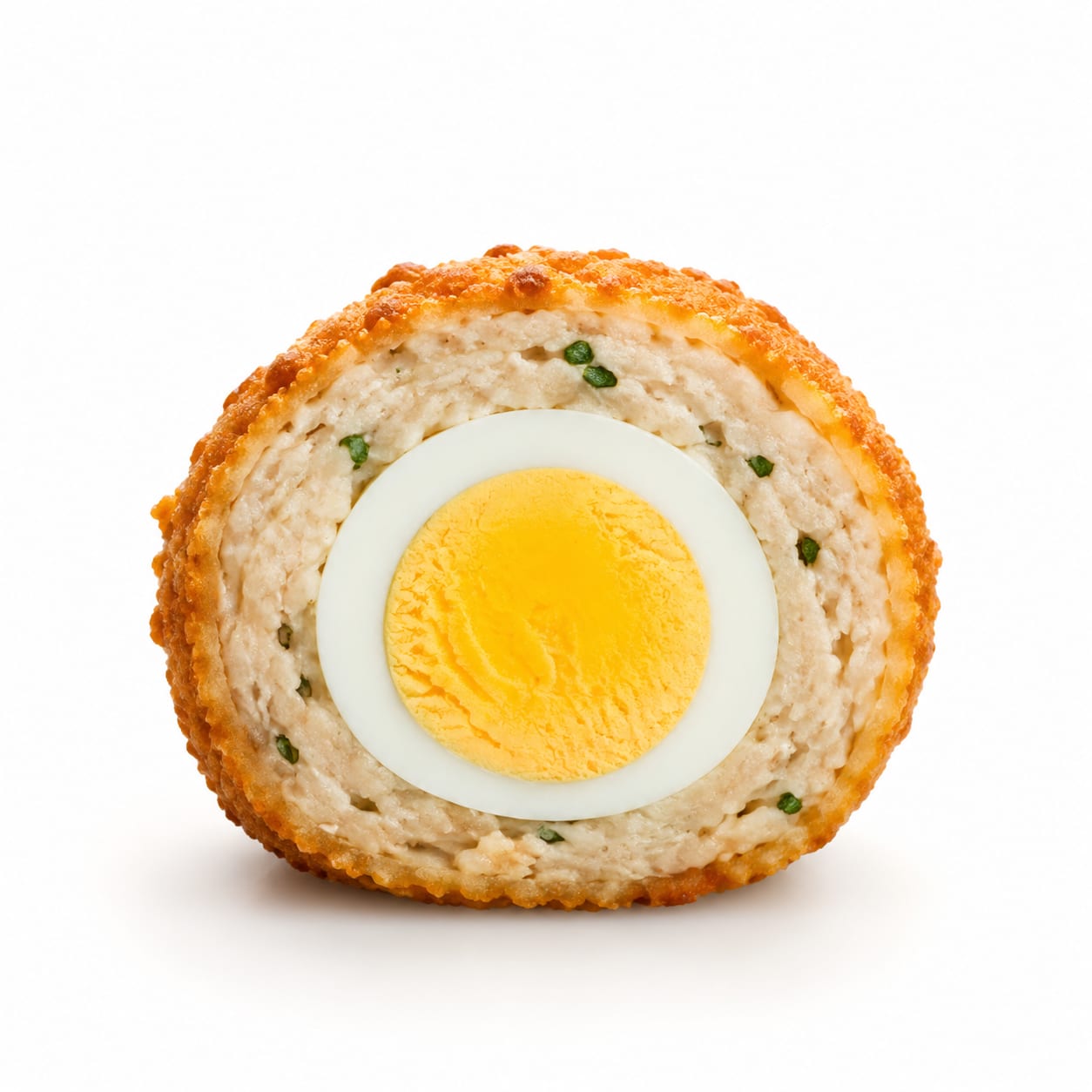
Turkey Egg
Duck eggs edge out turkey eggs thanks to better availability, a richer culinary texture, and a slightly more favorable fat profile, though both are nutritional heavyweights with very high cholesterol.
Duck eggs score slightly higher primarily due to practicality and a better fat profile. Turkey eggs win on protein density but lose significant ground on availability and extreme cholesterol levels.
Duck eggs offer creamier texture and easier sourcing, while turkey eggs deliver slightly more protein but are extremely hard to find and pack even more cholesterol.
At a glance
Executive summary
Overall
Duck Egg
Healthier
It depends
More practical
Duck Egg
Daily use
Duck Egg
Key comparison lenses
Cholesterol and heart health impact
Both eggs are very high in cholesterol, making cardiovascular impact the primary concern for most eaters
Protein quality and muscle building
Both are premium protein sources, but subtle differences in amino acid profiles and protein density matter to athletes
Culinary richness and satiety
The fat content in these eggs drastically changes how filling they are and how they perform in cooking
Availability and real-world sourcing
Turkey eggs are notoriously hard to find commercially, making practicality a major differentiator
Best choice for
Duck Egg
- Bakers wanting richer, fluffier pastries
- People looking for highly satiating breakfasts
- Those who want an egg that is actually available in stores
Turkey Egg
- Athletes prioritizing maximum protein per egg
- People with access to farm-raised turkeys
- Curious eaters wanting to try a rare, gamier egg
Least suitable for
Duck Egg
- People strictly limiting dietary cholesterol
- Those watching their saturated fat intake closely
Turkey Egg
- Anyone on a tight grocery budget
- People who need convenient, everyday ingredients
- Those highly sensitive to dietary cholesterol
Deep comparison
Dimension by dimension
Each lens scores both foods and breaks down who each option suits.
- Dimension 1 · Priority 90Turkey Egg
Protein Density & Muscle Support
Duck Egg · 82Turkey Egg · 88Turkey eggs provide slightly more protein per serving, making them a marginally better muscle-building tool.
Tradeoff
You get a bit more protein with a turkey egg, but you also consume significantly more cholesterol in the process.
Why it matters
For athletes or older adults needing efficient protein, every gram counts without adding bulk.
Real-world impact
A single turkey egg after a workout gives you a solid protein hit, but you will have to work harder to find one.
Duck Egg
- Sustained energy from higher fat content
Better for
- Slightly lower total protein per egg
Worse for
Turkey Egg
- Lean muscle maintenance
- Post-workout recovery
Better for
- Higher cholesterol load per gram of protein
Worse for
- Dimension 2 · Priority 85Duck Egg
Fat Quality & Satiety
Duck Egg · 88Turkey Egg · 75Duck eggs have a higher proportion of monounsaturated fats, keeping you fuller for longer and offering a richer mouthfeel.
Tradeoff
The satisfying richness of a duck egg comes with more total fat and calories compared to a turkey egg.
Why it matters
Meals that actually keep you full prevent overeating later in the day, which is crucial for weight management.
Real-world impact
A duck egg breakfast will likely keep you satisfied straight through to lunch, whereas a turkey egg might leave you snacking by mid-morning.
Duck Egg
- Steady energy without crashes
- Feeling comfortably full for hours
Better for
- Higher calorie density can easily overshoot daily limits
Worse for
Turkey Egg
- Lighter calorie load if you are tracking strictly
Better for
- Less satisfying if eaten alone
Worse for
- Dimension 3 · Priority 95Duck Egg
Cholesterol & Heart Health
Duck Egg · 45Turkey Egg · 35Both eggs are cholesterol bombs, but turkey eggs contain significantly more, making them a riskier choice for heart health.
Tradeoff
Even though duck eggs win this comparison, they are still extremely high in cholesterol compared to chicken eggs.
Why it matters
For the majority of people with lipid concerns, pushing cholesterol boundaries daily is a dangerous game.
Real-world impact
Eating turkey eggs regularly could spike your LDL numbers faster than duck eggs, which your doctor will definitely notice at your next blood panel.
Duck Egg
- Slightly less shock to your daily cholesterol limit
Better for
- Still a poor choice for strict heart-healthy diets
Worse for
Turkey Egg
- Extreme cholesterol makes frequent consumption risky
Worse for
- Dimension 4 · Priority 80Duck Egg
Sourcing & Everyday Convenience
Duck Egg · 70Turkey Egg · 25Duck eggs are relatively easy to find at farmers markets or specialty grocers, while turkey eggs are almost never sold commercially.
Tradeoff
You can actually buy duck eggs without a treasure hunt, but they are still pricier and less versatile than standard chicken eggs.
Why it matters
The healthiest food in the world is useless if you cannot consistently get your hands on it.
Real-world impact
You can add duck eggs to your weekly grocery run with a bit of effort, but finding turkey eggs usually requires knowing a local farmer.
Duck Egg
- Available at many upscale or specialty markets
- Realistic to eat on a weekly basis
Better for
- More expensive and less versatile than chicken eggs
Worse for
Turkey Egg
- Almost impossible to find in standard grocery stores
- Impractical for routine meal prep
Worse for
- Dimension 5 · Priority 75Duck Egg
Micronutrient Density
Duck Egg · 85Turkey Egg · 80Duck eggs offer more iron, B12, and selenium per calorie, giving them a slight edge in overall nutrient density.
Tradeoff
Both are micronutrient powerhouses, but duck eggs deliver more vitamins per bite alongside their higher fat content.
Why it matters
Nutrient density ensures your body gets the cofactors it needs for energy and immune function without needing supplements.
Real-world impact
Eating a duck egg is like taking a highly absorbable multivitamin, especially for preventing iron-deficiency fatigue.
Duck Egg
- Boosting energy if you are slightly anemic
- Supporting nervous system health with extra B12
Better for
Turkey Egg
- Getting solid B-vitamin support with fewer calories
Better for
- Slightly less iron and selenium per serving
Worse for
Timeline
Health impact over time
Short-term
Hours to days
Duck Egg
- High fat content provides long-lasting fullness
- Rich flavor satisfies cravings quickly
Turkey Egg
- Solid protein hit stabilizes blood sugar
- Slightly lighter on the stomach than a duck egg
Long-term
Months to years
Duck Egg
- Excellent B12 and iron intake supports nerve health and prevents anemia
- Frequent consumption may raise cholesterol if eaten daily without balance
Turkey Egg
- High-quality protein helps maintain muscle mass as you age
- Extreme cholesterol intake could become a cardiovascular risk if eaten regularly
Risk profile
Safety & processing
Both duck eggs and turkey eggs are whole, unprocessed foods straight from the farm, making them exceptionally clean choices.
Duck Egg
Salmonella contamination
mediumLike all poultry eggs, duck eggs can carry salmonella on the shell; they must be cooked thoroughly, especially since they are often sold unwashed at markets.
Turkey Egg
Unregulated sourcing
mediumBecause turkey eggs are rarely sold commercially, they often come from small farms that may not follow the same washing and grading safety standards as commercial chicken or duck operations.
Who wins for whom
Audience fit
Same foods, different winners depending on your goal.
children
Duck EggDuck eggs are easier to source, and their rich, creamy texture is usually more appealing to kids than the slightly gamier turkey egg.
daily consumption
Duck EggWhile neither should be eaten daily due to cholesterol, duck eggs are at least realistic to source regularly compared to the incredibly rare turkey egg.
diabetes
It dependsBoth have near-zero carbs and will not spike blood sugar, but the higher fat in duck eggs slows digestion even more, providing steadier energy.
elderly
Duck EggThe superior B12 and iron content in duck eggs is crucial for older adults, and the softer texture is easier to chew and digest.
muscle gain
Turkey EggTurkey eggs provide a denser hit of protein per egg, which is highly beneficial for muscle repair and growth.
weight loss
It dependsDuck eggs keep you fuller longer due to fat, but turkey eggs offer slightly fewer calories if you can control your portions.
Your move
Decision guide
Choose Duck Egg
- You want a richer, creamier egg for baking or breakfast
- You need an egg you can actually find at the store
- You want maximum satiety to avoid snacking later
Choose Turkey Egg
- You prioritize the highest possible protein content per egg
- You have access to a local turkey farm or trusted supplier
- You want a leaner-tasting egg with a slightly gamier flavor
Either works if
- You are looking for a nutrient-dense alternative to chicken eggs
- You have no specific cholesterol restrictions
- You want a high-quality, zero-carb protein source
Avoid both if
- You are on a strict heart-healthy diet limiting dietary cholesterol
- You have a severe poultry egg allergy
- You need a cheap, everyday protein staple
Final recommendation
Go with duck eggs for a practical, nutrient-packed upgrade to your usual breakfast. They are rich, satisfying, and you can actually find them. Save turkey eggs for a rare farm-stand treat if you want the novelty and a slight protein edge, but do not build your diet around them.
Practical
Consumer tips
- 1
Always cook both duck and turkey eggs thoroughly to eliminate salmonella risk, as their thicker shells can harbor more bacteria.
- 2
Use duck eggs in baking for incredibly moist cakes and pastries—the higher fat content is a baker's secret weapon.
- 3
If you find turkey eggs, use them as you would large chicken eggs, but expect a slightly firmer texture and creamier yolk.
- 4
Store both eggs in the refrigerator, and treat them as a luxury ingredient rather than a daily staple due to the cholesterol load.