
Nutrition comparison
Turkey Egg vs Chia Egg: Nutrition, Protein, and Baking Comparison
Compare turkey eggs and chia eggs side by side. Learn which has more protein, better omega-3s, and which works best for baking, weight loss, and vegan diets.
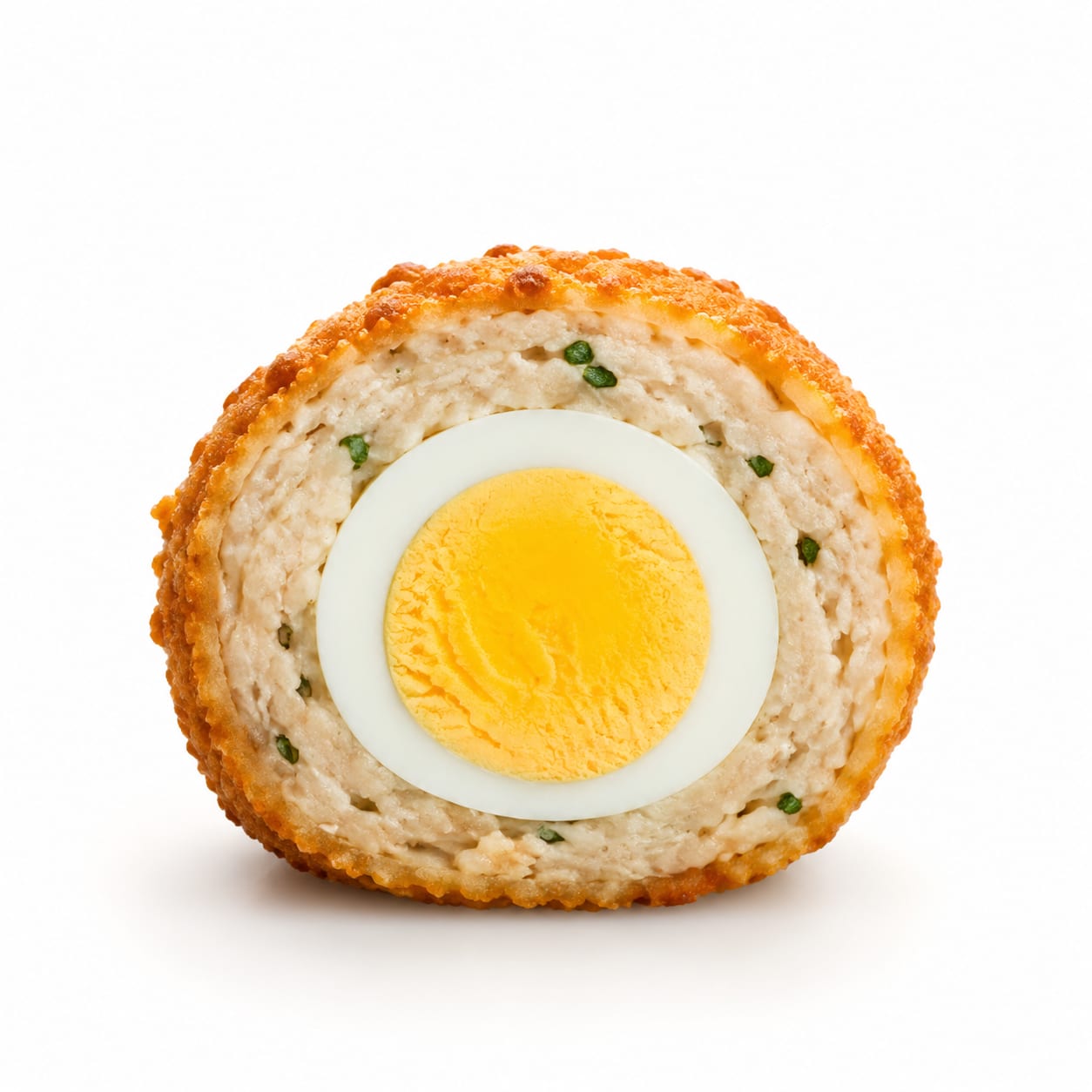
Turkey Egg
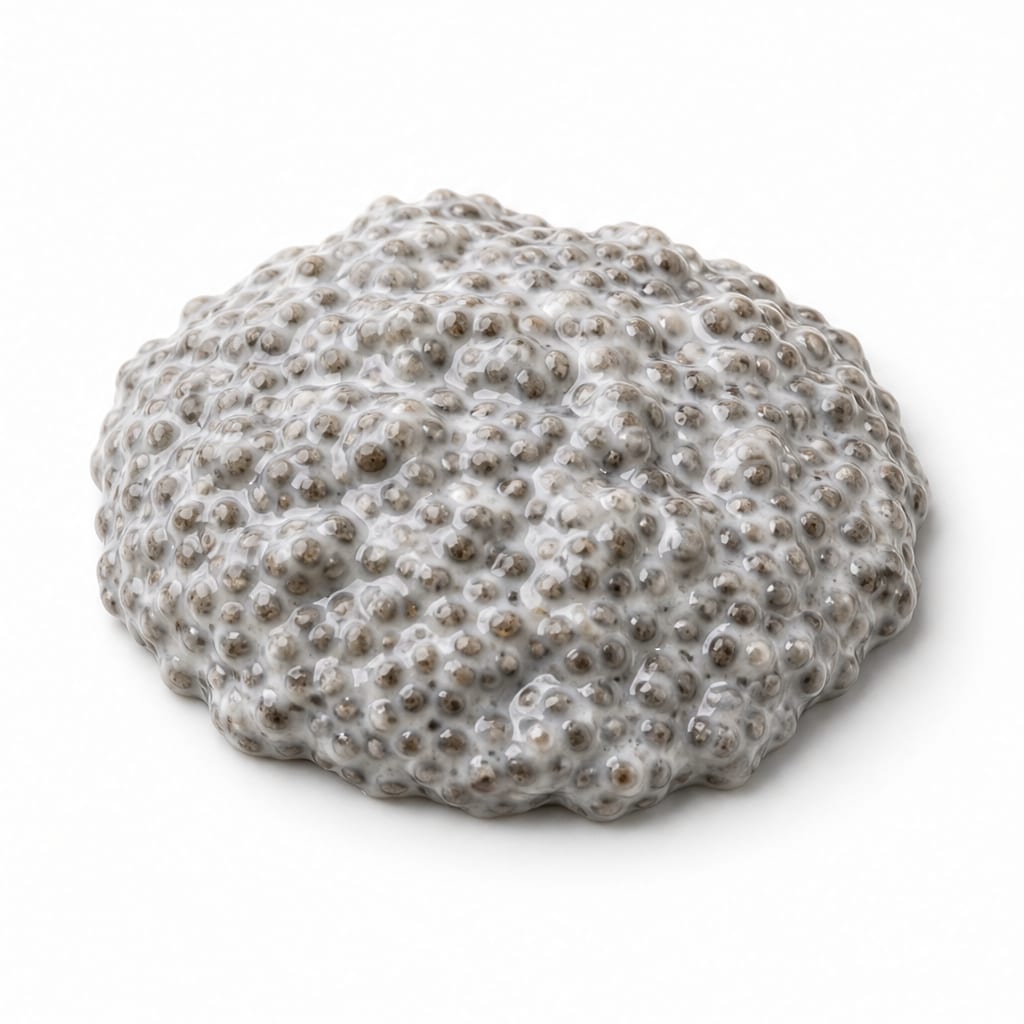
Chia Egg
Turkey eggs win on nutrition and satiety; chia eggs win on dietary inclusivity and fiber. They serve fundamentally different purposes.
Turkey eggs score significantly higher due to superior protein, satiety, and culinary versatility. Chia eggs earn moderate scores for fiber, omega-3 ALA, and allergen-free utility, but they cannot function as a standalone food.
Complete protein and real-meal satisfaction versus plant-based, allergen-free, fiber-rich baking utility
At a glance
Executive summary
Overall
It depends
Healthier
Turkey Egg
More practical
It depends
Daily use
Turkey Egg
Key comparison lenses
Protein quality and completeness for real meals
Turkey eggs deliver complete high-quality protein; chia eggs provide minimal incomplete protein, making this the starkest difference
Vegan and allergen-friendly baking substitution
Chia eggs exist specifically as a plant-based egg replacement, so dietary restriction compatibility is central to this comparison
Satiety and meal satisfaction
One turkey egg keeps you full for hours; a chia egg barely registers as food on its own
Practical culinary versatility
Turkey eggs can be scrambled, fried, or boiled; chia eggs are strictly a baking binder
Omega-3 source comparison
Both contain omega-3s but in different forms — ALA from chia vs mixed fatty acids from turkey egg yolk
Blood sugar and metabolic impact
Chia eggs bring fiber for glucose stability; turkey eggs bring near-zero carbs with high satiety
Best choice for
Turkey Egg
- Anyone seeking high-quality complete protein
- Low-carb and keto eaters
- People wanting a satiating real meal
- Those who cook eggs as a dish
Chia Egg
- Vegans and plant-based eaters
- People with egg allergies
- Bakers needing a binder
- Anyone wanting fiber and plant omega-3s
Least suitable for
Turkey Egg
- Vegans and strict plant-based eaters
- People with egg allergies or sensitivities
- Those managing very high cholesterol
- Bakers seeking a neutral-flavor binder
Chia Egg
- Anyone needing substantial protein
- People looking for a standalone meal
- Those wanting to eat it on its own
- Athletes requiring complete amino acids
Deep comparison
Dimension by dimension
Each lens scores both foods and breaks down who each option suits.
- Dimension 1 · Priority 95Turkey Egg
Protein Quality and Quantity
Turkey Egg · 95Chia Egg · 18Turkey eggs deliver roughly 11g of complete protein with all essential amino acids. A chia egg provides about 2g of incomplete protein missing key amino acids.
Tradeoff
You get real muscle-building, hunger-satisfying protein from turkey eggs. Chia eggs barely move the needle on protein needs.
Why it matters
Protein is the main reason people eat eggs. If you need sustained energy and fullness, this gap is enormous.
Real-world impact
A turkey egg at breakfast keeps you full until lunch. A chia egg alone leaves you reaching for a snack by 10am.
Turkey Egg
- Muscle maintenance and growth
- Staying full between meals
- Recovering after exercise
Better for
- Not an option if you avoid animal products
Worse for
Chia Egg
- Minimal protein needs already met elsewhere
Better for
- Cannot serve as a protein source
- Missing key amino acids like lysine and methionine
Worse for
- Dimension 2 · Priority 80Chia Egg
Fiber and Digestive Health
Turkey Egg · 5Chia Egg · 88Chia eggs deliver nearly 5g of fiber per serving. Turkey eggs contain zero fiber.
Tradeoff
Chia eggs support digestion and gut health meaningfully. Turkey eggs offer nothing in this department.
Why it matters
Most people are fiber-deficient. Every serving of chia moves you closer to daily targets.
Real-world impact
Regular chia egg use in baking contributes to smoother digestion and steadier blood sugar. Turkey eggs cannot help here.
Turkey Egg
- Zero fiber contribution to your day
Worse for
Chia Egg
- Meeting daily fiber goals
- Supporting gut microbiome health
- Stabilizing blood sugar after meals
Better for
- Dimension 3 · Priority 88Turkey Egg
Satiety and Fullness
Turkey Egg · 90Chia Egg · 25Turkey eggs provide lasting fullness from protein and fat. Chia eggs offer mild gel-based satiety from fiber but lack the caloric substance to truly satisfy.
Tradeoff
Turkey eggs are a meal. Chia eggs are an ingredient that disappears into batter.
Why it matters
If you eat to feel full and avoid overeating later, this difference changes your entire day.
Real-world impact
Scramble a turkey egg and you are set for hours. Mix a chia egg into pancakes and you never notice it.
Turkey Egg
- Replacing a full meal
- Preventing afternoon energy crashes
- Reducing snacking urges
Better for
Chia Egg
- Adding invisible fiber to baked goods
Better for
- Cannot be eaten as a standalone food
- Does not replace the experience of eating an egg
Worse for
- Dimension 4 · Priority 72It depends
Omega-3 Fatty Acids
Turkey Egg · 60Chia Egg · 70Chia eggs provide ALA omega-3s from plants. Turkey eggs contain some omega-3s in the yolk, especially from pasture-raised birds, but in smaller amounts.
Tradeoff
Chia wins on total omega-3 quantity but only provides ALA, which the body converts poorly to usable EPA and DHA. Turkey eggs offer a mix including some DHA directly.
Why it matters
Your body uses EPA and DHA for brain and heart health. ALA requires conversion, and most people convert less than 10% efficiently.
Real-world impact
Chia eggs look better on paper for omega-3 content, but the usable amount your body actually gets is closer than it seems.
Turkey Egg
- Direct DHA availability without conversion
- Better absorbed fat-soluble nutrients alongside omega-3s
Better for
- Lower total omega-3 compared to chia
Worse for
Chia Egg
- Higher total omega-3 content
- Plant-based omega-3 source for vegans
Better for
- Poor ALA-to-EPA/DHA conversion rate
- No direct DHA source
Worse for
- Dimension 5 · Priority 82Turkey Egg
Culinary Versatility
Turkey Egg · 92Chia Egg · 35Turkey eggs can be scrambled, fried, poached, boiled, or baked. Chia eggs work only as a binder in baking and cannot be eaten alone.
Tradeoff
Turkey eggs are a multi-purpose food. Chia eggs are a single-purpose ingredient with a narrow role.
Why it matters
Versatility determines how often you actually use something. Limited use means limited nutritional benefit.
Real-world impact
You can build an entire breakfast around turkey eggs. Chia eggs only work hidden inside muffins or pancakes.
Turkey Egg
- Standalone breakfast dishes
- Multiple cooking methods
- Eating on their own or as a centerpiece
Better for
- Cannot replicate the binding function exactly in all baking
Worse for
Chia Egg
- Binding vegan baked goods
- Replacing eggs in recipes for allergen-free cooking
Better for
- Cannot be scrambled, fried, or eaten alone
- Adds visible specks and slight grit to baked goods
- Fails in recipes requiring egg structure like meringues or soufflés
Worse for
- Dimension 6 · Priority 85Chia Egg
Allergen and Dietary Inclusivity
Turkey Egg · 20Chia Egg · 95Chia eggs are vegan, egg-allergy safe, and free from common allergens. Turkey eggs exclude vegans and trigger egg allergies.
Tradeoff
Chia eggs open baking to everyone. Turkey eggs shut out anyone avoiding animal products or managing egg allergies.
Why it matters
For households with allergies or mixed dietary preferences, inclusivity is not optional — it is essential.
Real-world impact
A chia egg lets your vegan friend eat the birthday cake. A turkey egg cannot.
Turkey Egg
- Excludes vegans
- Triggers egg allergies
- Not suitable for plant-based households
Worse for
Chia Egg
- Vegan and plant-based diets
- Egg allergy management
- Inclusive cooking for mixed-diet households
Better for
- Dimension 7 · Priority 65Chia Egg
Cholesterol and Heart Health Considerations
Turkey Egg · 40Chia Egg · 90Turkey eggs contain over 700mg of cholesterol per egg. Chia eggs contain zero cholesterol and actually help lower it through soluble fiber.
Tradeoff
If you are monitoring cholesterol, chia eggs are clearly safer. For most healthy people, dietary cholesterol has modest impact on blood levels.
Why it matters
People with familial hypercholesterolemia or existing heart conditions need to take this seriously.
Real-world impact
Your doctor will not flag chia seeds on your lipid panel. A daily turkey egg habit might raise eyebrows if your LDL is already high.
Turkey Egg
- Healthy individuals with normal cholesterol who tolerate dietary cholesterol well
Better for
- Very high cholesterol content per egg
- Not ideal for daily consumption if LDL is elevated
Worse for
Chia Egg
- People managing high cholesterol
- Heart disease prevention diets
- Anyone on a cardiologist-recommended low-cholesterol plan
Better for
- Dimension 8 · Priority 70Turkey Egg
Micronutrient Density
Turkey Egg · 85Chia Egg · 55Turkey eggs are rich in B12, selenium, choline, vitamin A, and riboflavin. Chia eggs provide calcium, magnesium, and phosphorus but lack B12 entirely.
Tradeoff
Turkey eggs cover a wider range of essential micronutrients, especially the ones vegans commonly lack. Chia eggs offer solid minerals but miss the B-vitamins.
Why it matters
B12 and choline are hard to get from plants. This makes turkey eggs nutritionally irreplaceable for many diets.
Real-world impact
Eating turkey eggs supports brain health and energy metabolism in ways chia eggs simply cannot replicate.
Turkey Egg
- B12 intake for nerve health
- Choline for brain function
- Selenium for immune support
- Vitamin A for vision and skin
Better for
- No fiber-bound minerals
- No plant-based phytonutrients
Worse for
Chia Egg
- Calcium for bone health
- Magnesium for muscle and nerve function
- Phosphorus for energy and bones
Better for
- Zero B12
- No choline
- No vitamin A or D
Worse for
Timeline
Health impact over time
Short-term
Hours to days
Turkey Egg
- Strong satiety within 30 minutes of eating
- Steady energy without blood sugar spikes
- Possible mild digestive heaviness if you are not used to rich yolks
Chia Egg
- Gentle digestive support from soluble fiber
- Minimal immediate satiety when consumed alone
- Thick gel texture if consumed as a drink rather than in baking
Long-term
Months to years
Turkey Egg
- Supports muscle maintenance with consistent complete protein intake
- Choline supports cognitive health over decades
- Daily consumption may impact LDL cholesterol in susceptible individuals
- B12 prevents deficiency-related nerve damage
Chia Egg
- Fiber contributes to long-term gut microbiome diversity
- ALA omega-3s support anti-inflammatory patterns modestly
- Calcium and magnesium support bone density over time
- No cholesterol accumulation risk
Risk profile
Safety & processing
Both are whole-food based. Turkey eggs come straight from the bird. Chia eggs are simply whole chia seeds mixed with water. Neither contains additives, preservatives, or artificial ingredients.
Turkey Egg
Salmonella contamination
mediumLike all eggs, turkey eggs can carry Salmonella on the shell or inside. Proper cooking eliminates this risk.
Antibiotic and hormone exposure
lowDepends on farming practices. Pasture-raised turkey eggs minimize this concern. Conventional sources may carry trace residues.
Chia Egg
Choking hazard if consumed dry
mediumDry chia seeds can swell and obstruct the esophagus. Always mix with liquid before consuming.
Digestive discomfort from sudden fiber increase
lowRamping up chia too quickly can cause bloating or gas. Introduce gradually if your body is not used to high fiber.
Who wins for whom
Audience fit
Same foods, different winners depending on your goal.
children
Turkey EggGrowing kids need complete protein, B12, choline, and calorie density. Turkey eggs deliver all of these. Chia eggs are fine as a baking binder but are not a meaningful food for children.
daily consumption
Turkey EggFor most people, a daily turkey egg provides consistent nutritional value. Chia eggs are best used situationally in baking rather than as a daily staple.
diabetes
It dependsTurkey eggs have near-zero carbs and will not spike blood sugar at all. Chia eggs add fiber that slows glucose absorption in baked goods. Both serve different but useful roles.
elderly
Turkey EggOlder adults need protein to prevent sarcopenia and B12 for nerve health. Turkey eggs address both priorities directly. Chia eggs help with constipation but miss the critical protein target.
muscle gain
Turkey EggComplete protein with all essential amino acids in meaningful quantities. Chia eggs cannot support muscle building in any practical sense.
weight loss
Turkey EggTurkey eggs provide high satiety per calorie with complete protein, making it easier to eat less throughout the day. Chia eggs add fiber but lack the substance to replace a meal.
Your move
Decision guide
Choose Turkey Egg
- You want a real meal that satisfies hunger for hours
- You need complete protein for muscle or recovery
- You are not vegan and have no egg allergy
- You value B12, choline, and fat-soluble vitamins
- You enjoy cooking and eating eggs as a dish
Choose Chia Egg
- You are vegan or cooking for someone who is
- You or a family member has an egg allergy
- You are baking and need a plant-based binder
- You want to boost fiber and plant omega-3s in baked goods
- You are managing high cholesterol and avoiding animal products
Either works if
- You are baking and have no dietary restrictions — both work as binders with different textures
- You want omega-3s from different sources for dietary diversity
Avoid both if
- You have both an egg allergy and difficulty digesting high-fiber seeds
- You are on a very low-residue diet for digestive recovery
Final recommendation
Think of these as completely different tools. Turkey eggs are food you build a meal around. Chia eggs are an ingredient you mix into batter. If you can eat eggs, turkey eggs are the clear nutritional winner. If you cannot eat eggs, chia eggs are a reliable and fiber-rich substitute that does its job well within its limited scope. Do not expect one to replace the other outside of baking.
Practical
Consumer tips
- 1
If using chia eggs in baking, grind the chia seeds first for a smoother texture and better binding
- 2
Turkey eggs are larger than chicken eggs — adjust recipes accordingly, as one turkey egg roughly equals 1.5 chicken eggs
- 3
Store chia seeds in a cool dry place to prevent rancidity of their omega-3 fats
- 4
Cook turkey eggs thoroughly to eliminate Salmonella risk, especially for vulnerable groups
- 5
If transitioning to chia eggs for vegan baking, start with muffins or pancakes where texture matters less than in delicate cakes
- 6
Combine both approaches: use turkey eggs for meals and chia eggs for plant-based baking to get the best of both worlds