
Dessert
Tiramisu
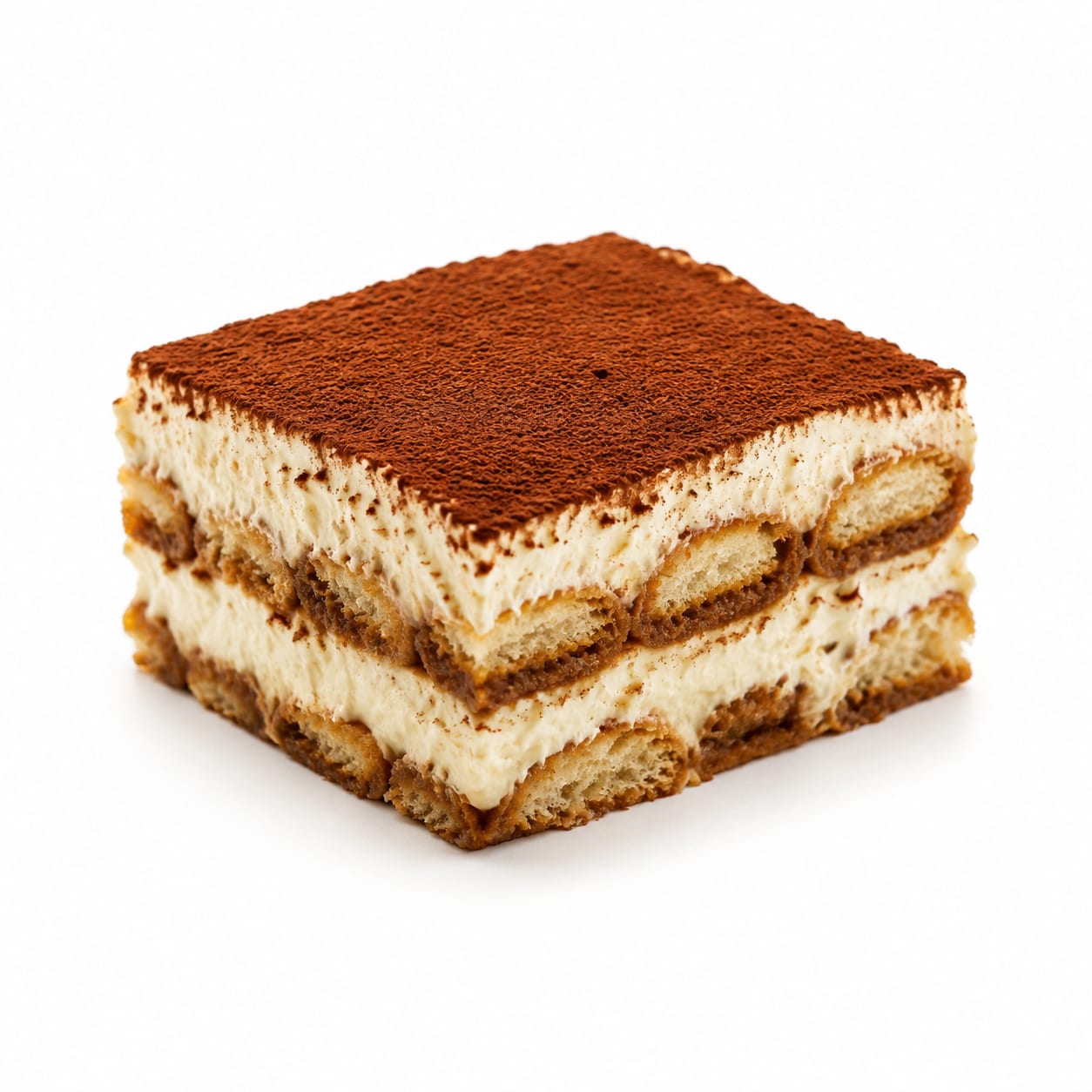
Tiramisu is a high-calorie, coffee-flavored Italian dessert made with layered mascarpone cream and ladyfingers.
Tiramisu is an Italian dessert made of ladyfingers dipped in coffee, layered with a whipped mixture of eggs, sugar, and mascarpone cheese, and flavored with cocoa.
high-fat high-sugar dessert
Typical serving · 120g
Common varieties · classic tiramisu, fruit tiramisu, chocolate tiramisu, amaretto tiramisu, vegan tiramisu +1 more
Overall context score across nutrition, safety, and diet fit
At a glance
Quick facts
Simple indicators based on nutrition, processing, and diet fit.
The story
What makes it unique
Tiramisu is an energy-dense food characterized by a high macronutrient concentration from refined carbohydrates and saturated fats. Digestion is moderately slowed by the high fat content of mascarpone and egg yolks, which delays gastric emptying and blunts the glycemic response compared to pure sugar. However, the overall caloric load and lack of dietary fiber result in moderate satiety relative to its energy density.
Varieties: classic tiramisu · fruit tiramisu · chocolate tiramisu · amaretto tiramisu · vegan tiramisu · matcha tiramisu
Per 100g
Nutrition breakdown
Macro balance and key metrics at a glance.
Energy
Density 3.80 kcal/g
Protein
Carbs
Fat
Fiber
Sugar
26 g
Sodium
85 mg
Potassium
110 mg
Glycemic index
55
Glycemic load
20
Water content
42%
Standout compounds
Nutrient highlights
Saturated Fat
highProvides dense energy and aids in the absorption of fat-soluble vitamins, but should be limited for heart health.
Calcium
moderateSupports bone health and muscle function, primarily sourced from the mascarpone cheese.
Added Sugars
highProvides quick energy but contributes to blood sugar spikes and empty calories with no micronutrient benefit.
Caffeine
lowOffers mild stimulant effects from the espresso-soaked ladyfingers, potentially improving alertness.
Wellness map
Health scores & processing
NOVA processing scale
Ultra-processed · Ultra-processed
Commercial and traditional tiramisu uses refined flours, added sugars, and processed dairy, combining multiple processed ingredients into a highly palatable, energy-dense formulation.
Diet compatibility
- Weight loss
- Muscle gain
- Diabetes
- Gut health
- Low carb
- High protein
- Heart health
Relative standing
Food rankings
Qualitative ranks compared to similar whole foods.
- Satietypoor
- Blood sugarpoor
- Nutrient densitypoor
- Fitness fuelpoor
- Processing qualitypoor
Eat with confidence
Food safety profile
The primary safety concern is the use of raw eggs in traditional preparations, which carries a risk of salmonella. Dairy components also require strict cold chain management to prevent listeria.
Evidence confidence 90%
- Pesticideslow
- Antibioticslow
- Heavy metalslow
- Contaminationmoderate
Watch for
- salmonella
- listeria
Safer choices
Use pasteurized liquid eggs or egg substitutes to eliminate salmonella risk while maintaining texture.
Prep tips
Ensure mascarpone and eggs are kept refrigerated until use. Consume within 2 days of preparation and keep chilled at all times.
Raw or undercooked eggs in traditional recipes pose salmonella risks, requiring strict refrigeration and sourcing guidelines for commercial sale.
Deep dive
Health analysis
How this food may fit different goals and preparation choices.
Weight loss
Extremely energy-dense and high in both sugar and fat, making it very easy to overconsume calories and difficult to fit into a calorie deficit.
Blood sugar
High sugar content causes significant blood sugar elevation. The fat content slows absorption, but the overall glycemic load remains high and problematic for glucose control.
Fitness & energy
Provides quick carbohydrates and some protein, but the high fat content severely slows digestion, making it a poor choice for pre or post-workout fuel.
Gut health
Lacks dietary fiber and contains high amounts of saturated fat and refined sugar, which can negatively impact gut microbiome diversity and promote inflammatory markers if consumed frequently.
Processing quality
Composed of highly refined ingredients including white sugar, white flour ladyfingers, and concentrated dairy fat, offering minimal micronutrient value.
Food safety
Traditional recipes use raw eggs, presenting a salmonella risk. Commercial versions often use pasteurized eggs or heat-treated yolks to mitigate this, but strict refrigeration is still mandatory.
Common mistakes
Assuming the coffee content provides meaningful metabolic benefits that offset the high sugar and saturated fat content.
Best preparation
Substituting part of the mascarpone with low-fat ricotta or Greek yogurt, using pasteurized eggs, and reducing the added sugar in the cream mixture can slightly improve the nutritional profile.
Practical guide
Best use cases
When and how this food fits real eating patterns.
Occasional celebratory dessert
Best enjoyed in small portions during special occasions due to its rich flavor and high caloric density.
High-calorie weight gain
Useful for individuals needing to increase caloric intake who struggle to eat large volumes of food.
Balance sheet
Pros & cons
Upsides
- Rich source of calcium from mascarpone cheese
- Contains some protein from eggs and dairy
- Coffee content provides mild antioxidants and stimulant effects
- High fat content slows the digestion of sugars
Trade-offs
- Very high in calories and saturated fat
- Contains high amounts of added sugars
- Traditional recipes use raw eggs posing a food safety risk
- Lacks dietary fiber
- Low micronutrient density relative to calorie content
Fit check
Who is it for?
Great match
- occasional indulgence
- celebratory events
- high-calorie weight gain diets
Consider alternatives
- weight loss
- blood sugar control
- low-carb diets
- dairy-free diets
- egg allergies
- pregnant women (if made with raw eggs)
Side by side
How it compares
Open the full head-to-head analysis for nutrition, safety, and practical tradeoffs.
This food
Tiramisu
VS85% alike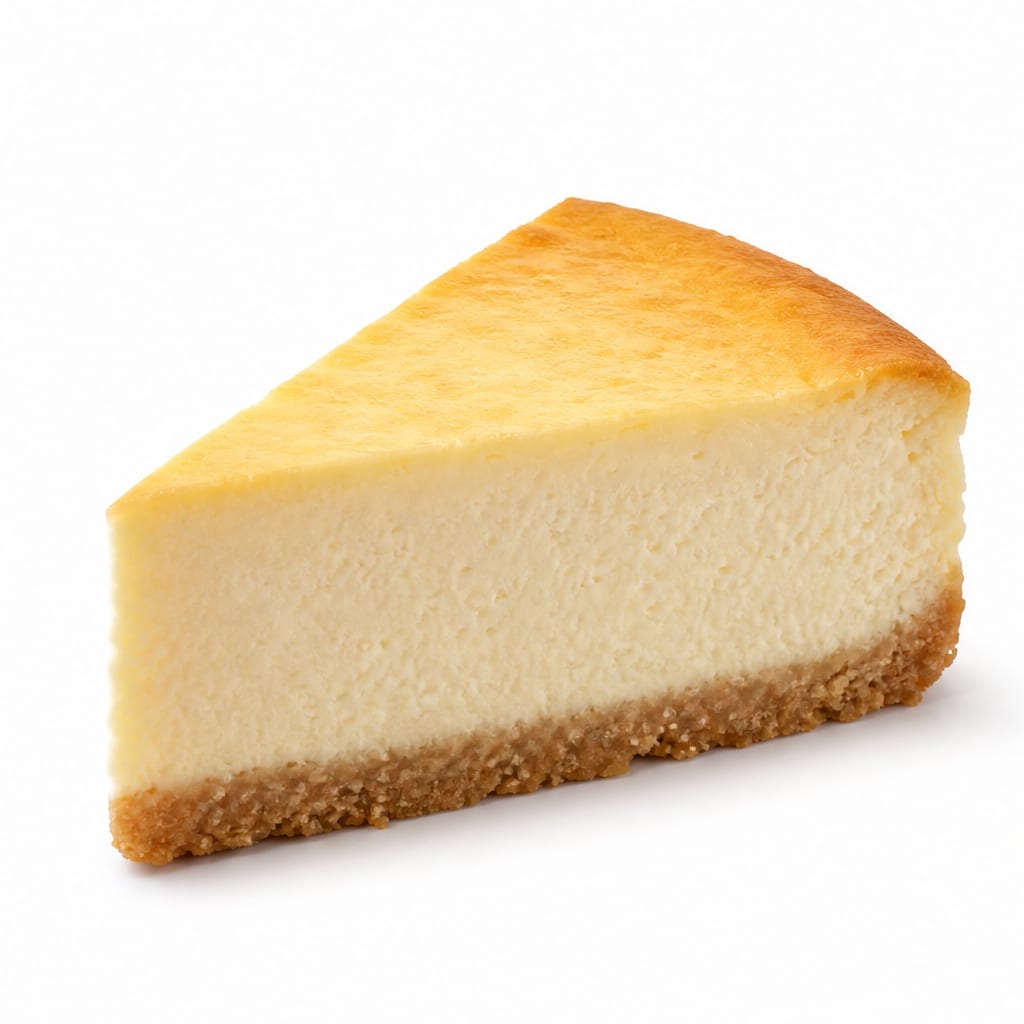
Compare with
Cheesecake
Cheesecake is slightly higher in fat and calories, while tiramisu is higher in carbohydrates due to the ladyfingers and coffee soaking liquid.
Cheesecake is higher in fat and calories, while tiramisu has more carbs from ladyfingers, making neither a weight loss friendly choice.
This food
Tiramisu
VS80% alike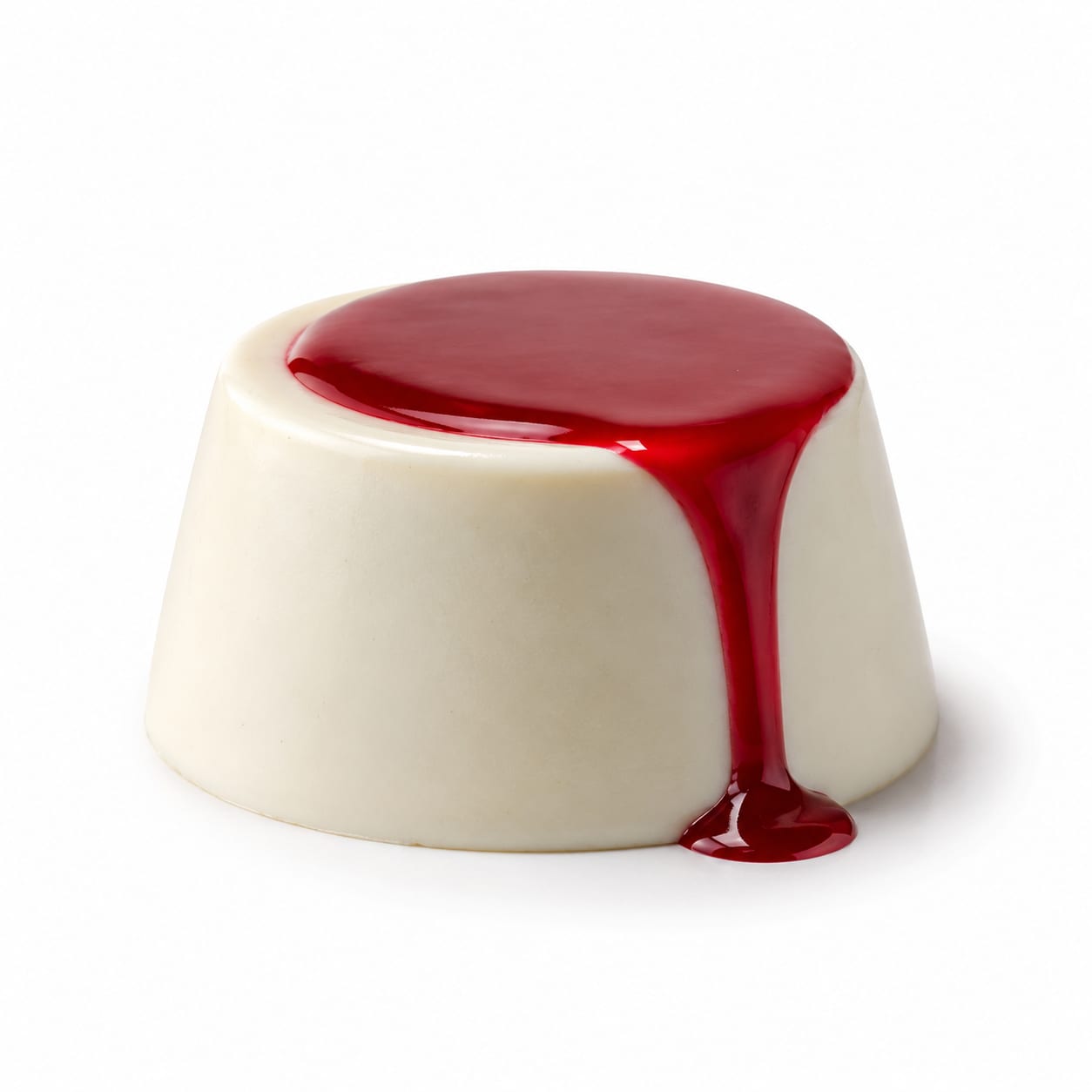
Compare with
Panna Cotta
Panna cotta is generally lower in carbohydrates than tiramisu because it lacks the soaked ladyfingers, but it remains high in saturated fat.
Panna cotta is lower in carbs and sugar than tiramisu, making it a slightly better option for blood sugar control, though both are high in fat.
This food
Tiramisu
VS75% alike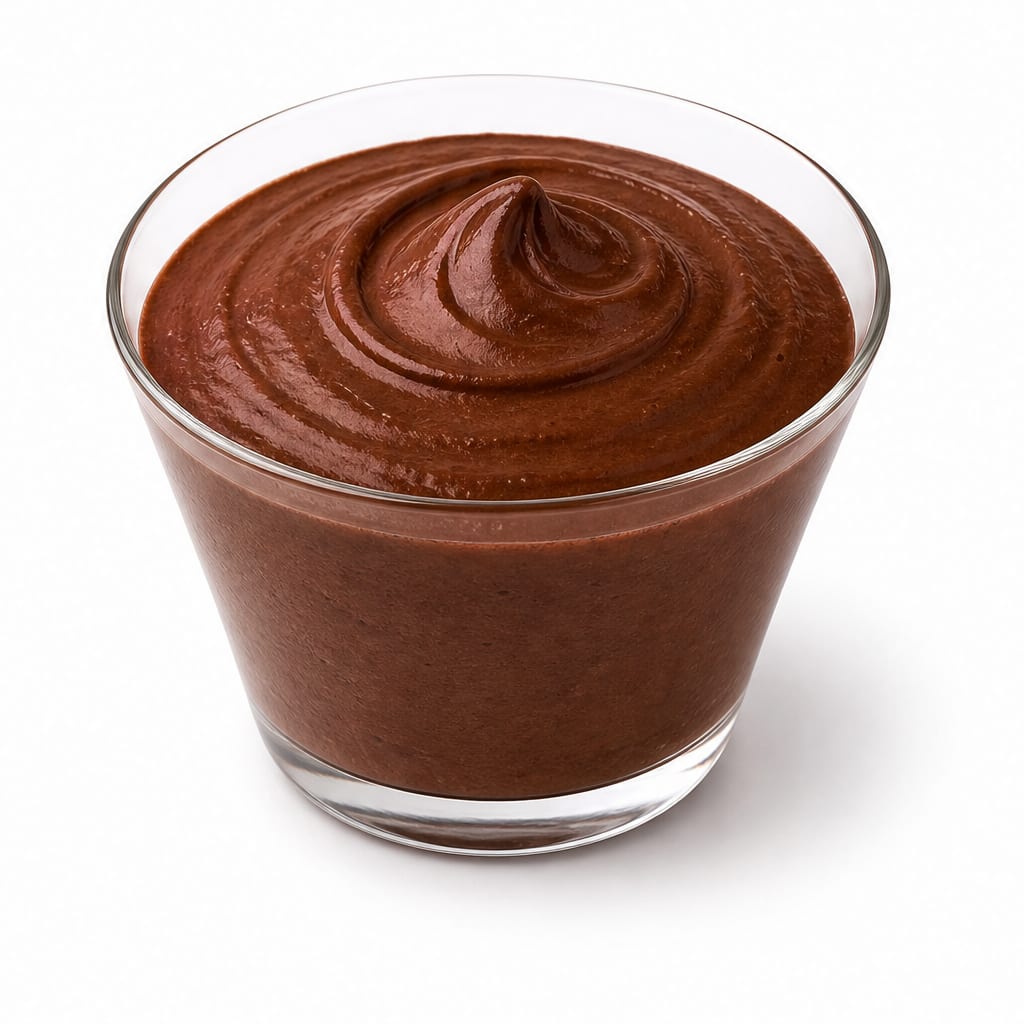
Compare with
Chocolate Mousse
Chocolate mousse is lower in carbohydrates than tiramisu but equally high in calories and saturated fat due to the heavy cream and dark chocolate.
Chocolate mousse has fewer carbs than tiramisu but is equally calorie-dense, making mousse slightly better for blood sugar but poor for weight loss.
This food
Tiramisu
VS75% alike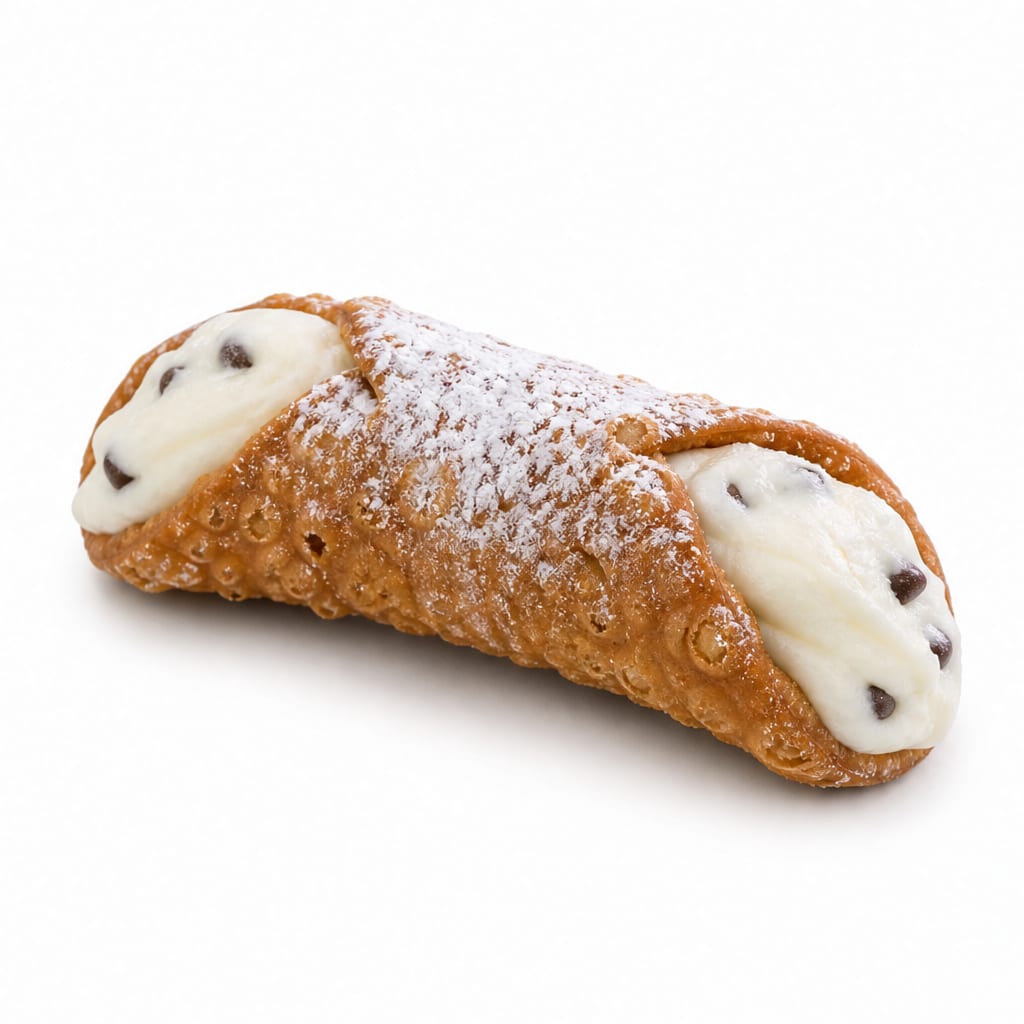
Compare with
Cannoli
Cannoli feature a deep-fried shell, adding trans fats and refined carbs, whereas tiramisu uses coffee-soaked ladyfingers, giving cannoli a worse fat profile.
Cannoli contain a fried shell making them higher in unhealthy fats, while tiramisu uses soaked ladyfingers, making tiramisu slightly less inflammatory.
This food
Tiramisu
VS70% alike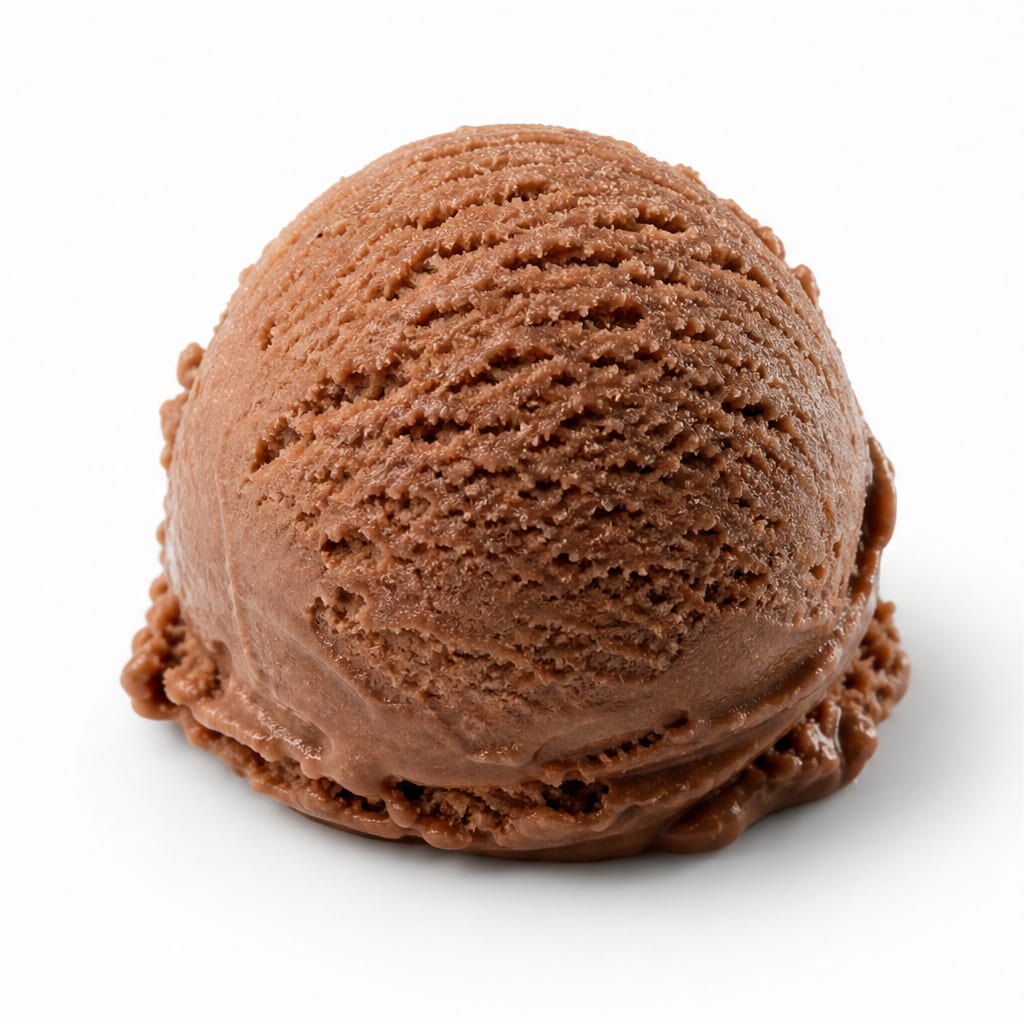
Compare with
Ice Cream
Ice cream is typically lower in fat but higher in sugar per serving than tiramisu, and lacks the egg protein found in tiramisu.
Ice cream is lower in fat but higher in sugar than tiramisu, while tiramisu offers slightly more protein and satiety from its eggs and ladyfingers.
This food
Tiramisu
VS65% alike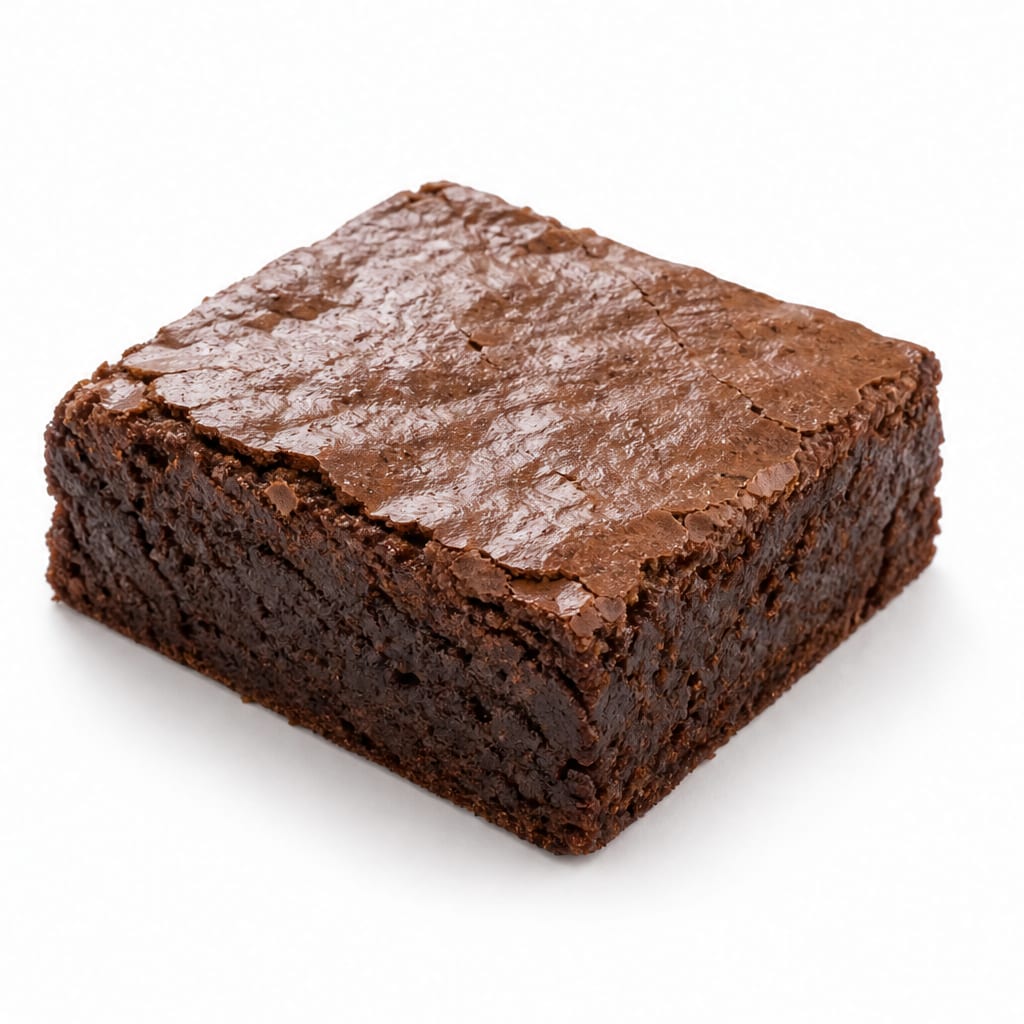
Compare with
Brownie
Brownies are denser and often contain slightly more fiber if made with chocolate, but both have similarly high sugar and calorie profiles.
Brownies are denser in calories and sugar than tiramisu, but tiramisu's saturated fat from mascarpone makes both equally heavy indulgences.
This food
Tiramisu
VS65% alike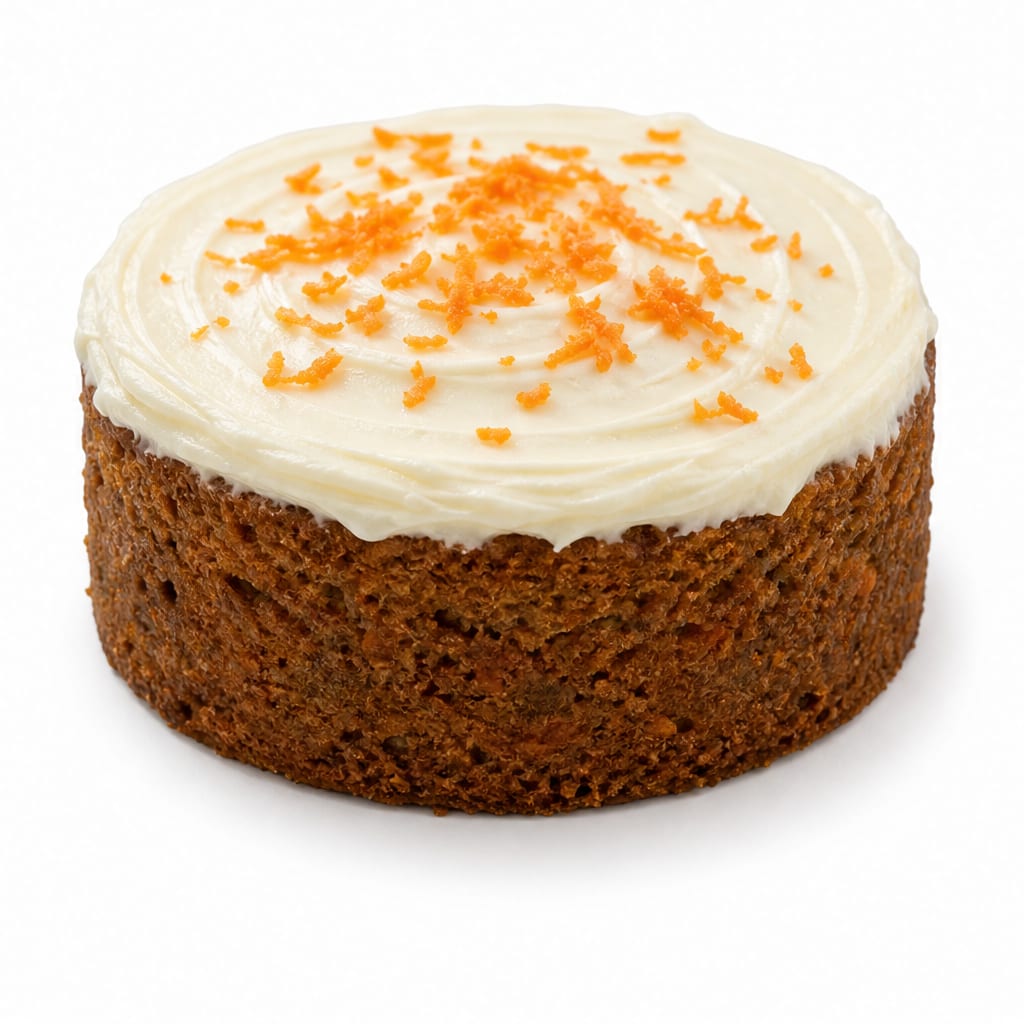
Compare with
Carrot Cake
Carrot cake provides some fiber and vitamins from carrots and nuts, but its frosting makes it just as high in sugar and fat as tiramisu.
Carrot cake offers slightly more fiber from carrots and nuts than tiramisu, but both are loaded with sugar and high-fat cream layers.
This food
Tiramisu
VS70% alike
Compare with
Crème Brûlée
Crème brûlée is lower in carbohydrates because it lacks the ladyfingers, consisting mainly of cream, eggs, and sugar.
Crème brûlée is lower in carbs than tiramisu because it lacks the ladyfingers, making it a slightly better choice for blood sugar control.
This food
Tiramisu
VS60% alike
Compare with
Black Forest Cake
Black forest cake is higher in carbohydrates due to the sponge cake and cherry filling, while tiramisu is higher in saturated fat from the mascarpone.
Black forest cake is higher in carbs from the sponge and cherries, while tiramisu is higher in fat, making tiramisu slightly lower on the glycemic index.
This food
Tiramisu
VS50% alike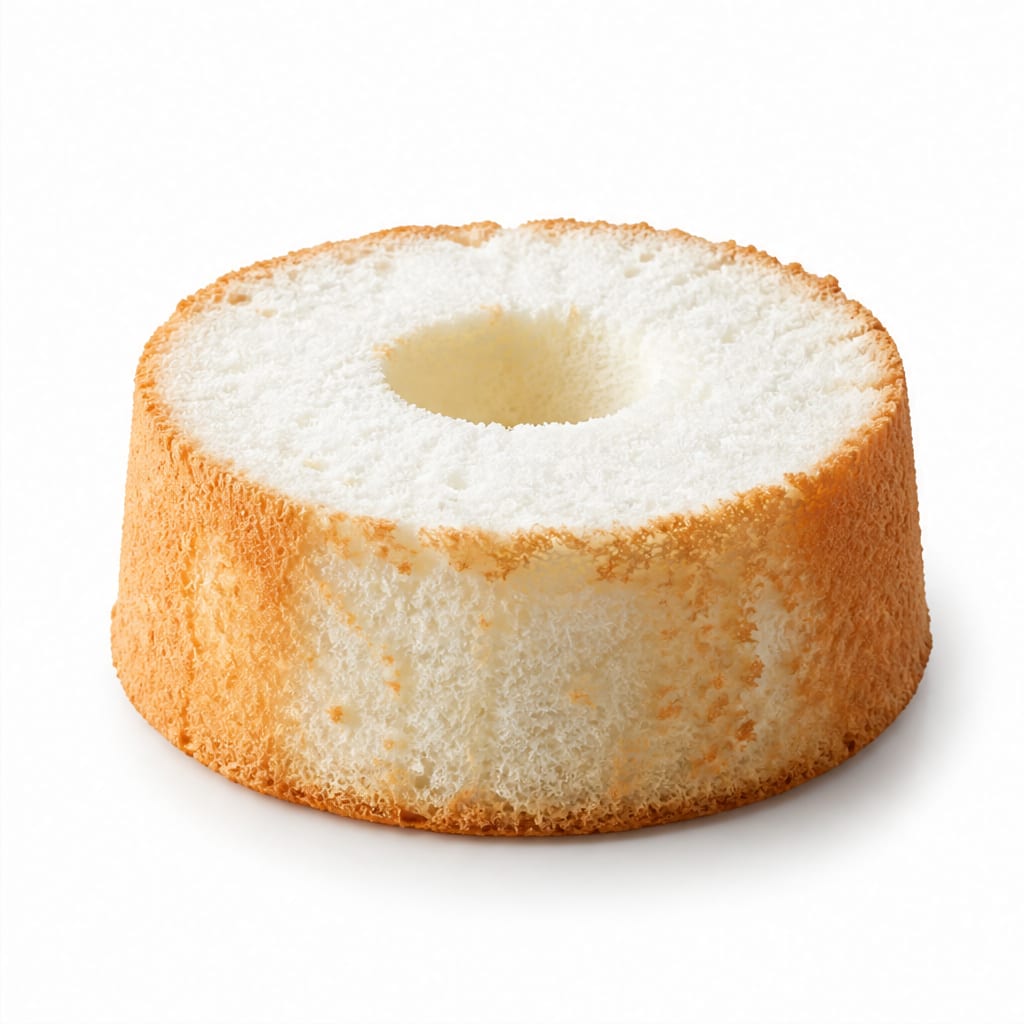
Compare with
Angel Food Cake
Angel food cake is fat-free and significantly lower in calories, whereas tiramisu is extremely high in fat and calories.
Angel food cake is fat-free and much lower in calories than tiramisu, making it a vastly superior choice for weight loss and heart health.
Common questions
FAQ
Answers aligned with how people search for this food.
Is tiramisu high in calories?
Yes, tiramisu is very high in calories. A typical 100g serving contains around 380 calories due to its high mascarpone cheese and sugar content.
Can diabetics eat tiramisu?
Tiramisu is generally not recommended for diabetics because it is high in refined carbohydrates and sugar, which cause significant blood sugar spikes despite the fat content slowing digestion slightly.
Does tiramisu have raw eggs?
Traditional tiramisu recipes use raw egg yolks and egg whites to create the mascarpone cream. Commercial versions often use pasteurized eggs to reduce the risk of salmonella.
Is tiramisu good for weight loss?
No, tiramisu is not good for weight loss. It is highly energy-dense, combining high fat and high sugar, which makes it very easy to overconsume calories.
How many carbs are in a slice of tiramisu?
A standard slice of tiramisu (about 120g) contains approximately 43 grams of carbohydrates, mostly from the sugar and the refined flour in the ladyfingers.
Is tiramisu safe during pregnancy?
Traditional tiramisu is not safe during pregnancy due to the use of raw eggs, which carry a salmonella risk, and sometimes alcohol. Pregnant women should opt for versions made with pasteurized eggs and no alcohol.
What is the glycemic index of tiramisu?
Tiramisu has a moderate glycemic index of around 55, but its glycemic load is high (around 20 per 100g) because of the large amount of carbohydrates per serving.
Can you make a healthier tiramisu?
Yes, you can make a healthier tiramisu by substituting mascarpone with Greek yogurt or low-fat ricotta, using sugar alternatives, and making ladyfingers from almond flour for a lower carb option.
Transparency
Data confidence
Estimated confidence for nutrition data, interpretation, safety notes, and comparisons.
Nutrition data
Health analysis
Food safety
Comparisons