
Nutrition comparison
Tiramisu vs Ice Cream: Which Dessert Is the Smarter Indulgence?
Compare tiramisu and ice cream on nutrition, satiety, safety, and overeating risk. Find out which dessert fits your lifestyle and health goals better.
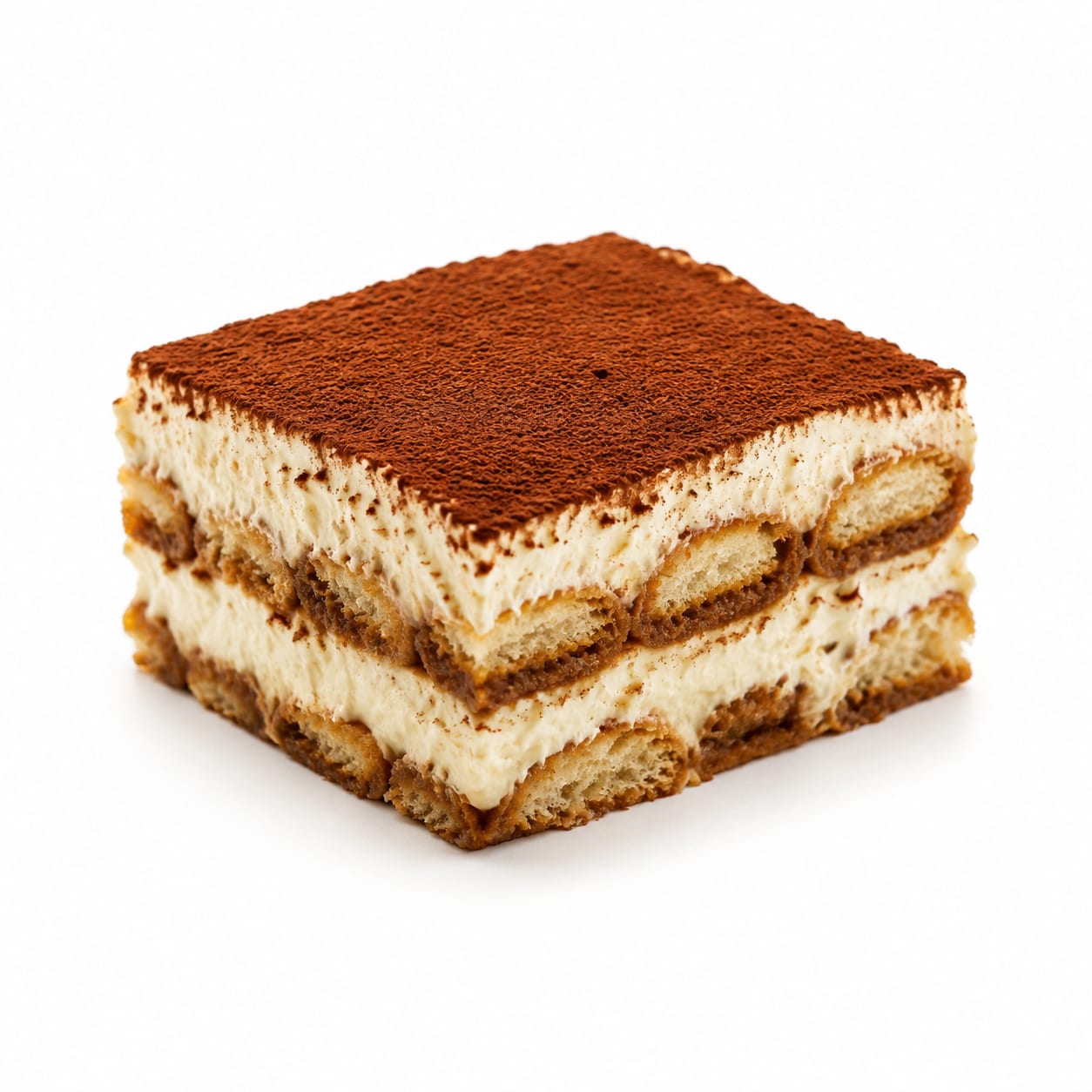
Tiramisu
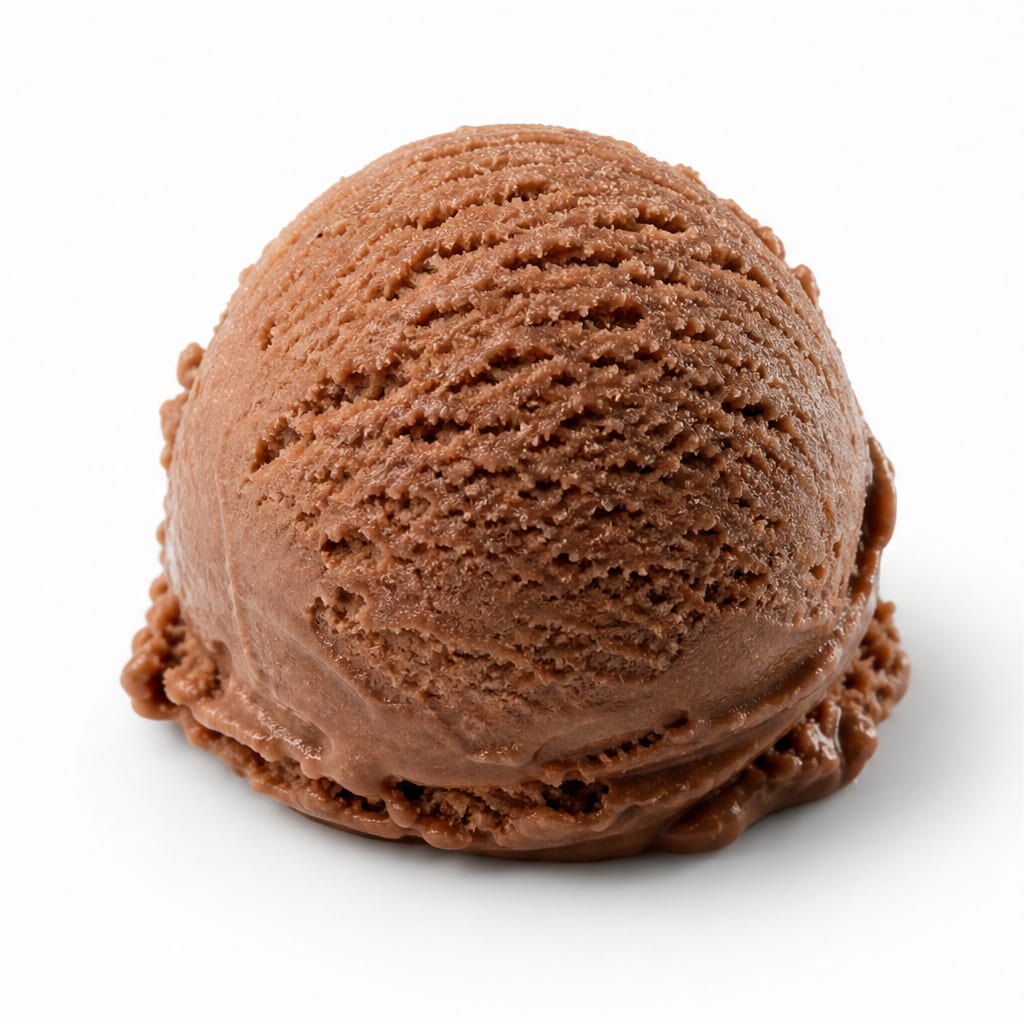
Ice Cream
Tiramisu offers richer satisfaction with built-in portion control and caffeine, while ice cream is more convenient but easier to overeat.
Tiramisu scores slightly higher due to better satiety per calorie and simpler ingredients, but raw egg risk and caffeine pull it back. Ice cream loses points for overeating potential and additive concerns, but wins on safety and convenience.
Tiramisu is more satiating per bite but carries raw egg risk and caffeine; ice cream is safer and more accessible but less filling and more processed.
At a glance
Executive summary
Overall
It depends
Healthier
It depends
More practical
Ice Cream
Daily use
Ice Cream
Key comparison lenses
dessert indulgence comparison
Both are classic indulgent desserts, so users are likely deciding which treat to enjoy
sugar and blood sugar impact
Both are high-sugar foods with different glycemic profiles and satiety effects
food safety concerns
Tiramisu contains raw eggs which raises safety questions, especially for vulnerable groups
overeating and portion control
Ice cream is notoriously easy to overeat; tiramisu is richer and self-limiting
processing and ingredient quality
Homemade tiramisu uses whole ingredients; commercial ice cream often has additives
caffeine and stimulant content
Tiramisu contains espresso which affects timing and sensitivity considerations
Best choice for
Tiramisu
- People who want a small, satisfying treat that naturally limits itself
- Coffee lovers seeking an afternoon pick-me-up dessert
- Those avoiding emulsifiers and stabilizers found in commercial ice cream
- Home cooks who want control over ingredient quality
Ice Cream
- Families with children who need a safe, crowd-pleasing dessert
- People who want a frozen treat on hot days
- Anyone needing a widely available, convenient dessert option
- Those sensitive to caffeine or eating dessert before bed
Least suitable for
Tiramisu
- Pregnant women, elderly, or immunocompromised due to raw egg risk
- Children close to bedtime due to caffeine content
- People who struggle with rich, heavy foods
- Anyone needing a quick, grab-and-go dessert
Ice Cream
- People prone to overeating sweets
- Those avoiding dairy or lactose
- People concerned about emulsifiers and artificial additives
- Anyone monitoring saturated fat closely
Deep comparison
Dimension by dimension
Each lens scores both foods and breaks down who each option suits.
- Dimension 1 · Priority 90Tiramisu
sugar and blood sugar impact
Tiramisu · 38Ice Cream · 30Both are high-sugar desserts, but tiramisu's fat and protein from mascarpone and eggs slow sugar absorption more effectively.
Tradeoff
Tiramisu causes a slightly gentler blood sugar rise, but neither is a good choice for glucose management.
Why it matters
The difference between a sharp sugar spike and a moderate one can mean the difference between a crash an hour later and feeling okay for two hours.
Real-world impact
After tiramisu, you're less likely to feel that shaky, irritable crash that sends you hunting for more sweets.
Tiramisu
- Steadier energy after dessert
- Less likely to trigger a sugar crash cycle
Better for
- Still a high-sugar food that spikes glucose
Worse for
Ice Cream
- Faster energy if you need a quick boost
Better for
- Rapid blood sugar spike followed by a crash
- More likely to trigger cravings for more sweets
Worse for
- Dimension 2 · Priority 88Tiramisu
satiety and portion control
Tiramisu · 72Ice Cream · 35Tiramisu is dense and rich, naturally stopping you after a small slice. Ice cream is easy to keep eating without feeling full.
Tradeoff
Tiramisu's heaviness is both its strength and weakness — it limits portions but can feel too heavy.
Why it matters
The dessert that stops you from going back for more is the one that saves you hundreds of calories without willpower.
Real-world impact
One slice of tiramisu feels like a complete experience. A bowl of ice cream often leads to a second bowl.
Tiramisu
- Built-in portion control from richness
- More satisfying per bite
Better for
- Can feel too heavy after a big meal
Worse for
Ice Cream
- Lighter feeling after eating
Better for
- Very easy to overeat without realizing
- Less satisfying per calorie consumed
Worse for
- Dimension 3 · Priority 82Ice Cream
food safety
Tiramisu · 45Ice Cream · 80Traditional tiramisu uses raw eggs, creating salmonella risk. Commercial ice cream is pasteurized and generally safe.
Tradeoff
Tiramisu's authentic recipe carries real risk for vulnerable people, while ice cream's industrial processing actually makes it safer.
Why it matters
For pregnant women, elderly, or anyone with weakened immunity, this difference is not trivial — it can be the deciding factor.
Real-world impact
A pregnant woman should avoid traditional tiramisu entirely but can enjoy ice cream without concern.
Tiramisu
- Made fresh with whole ingredients you can verify
Better for
- Raw eggs pose salmonella risk
- Not safe for pregnant or immunocompromised people
Worse for
Ice Cream
- Pasteurized dairy eliminates bacterial risk
- Consistent safety standards in commercial production
Better for
- Rare contamination recalls in mass production
Worse for
- Dimension 4 · Priority 78Tiramisu
ingredient quality and processing
Tiramisu · 65Ice Cream · 40Homemade tiramisu uses recognizable whole ingredients. Most commercial ice cream contains emulsifiers, stabilizers, and artificial flavors.
Tradeoff
Tiramisu rewards cooking from scratch; ice cream's convenience comes with additive tradeoffs.
Why it matters
People trying to avoid ultra-processed foods will find tiramisu easier to make with clean ingredients.
Real-world impact
Reading the ingredient label on ice cream can feel like a chemistry quiz. Tiramisu made at home has maybe six ingredients you can pronounce.
Tiramisu
- Simple, recognizable ingredient list when homemade
- No emulsifiers or stabilizers needed
Better for
- Restaurant tiramisu may use pre-made components with additives
Worse for
Ice Cream
- Premium brands with minimal ingredients exist
Better for
- Common brands contain polysorbates, guar gum, carrageenan
- Artificial flavors and colors in many varieties
Worse for
- Dimension 5 · Priority 70Ice Cream
caffeine and stimulant content
Tiramisu · 40Ice Cream · 75Tiramisu contains espresso, which adds caffeine that can disrupt sleep. Ice cream is caffeine-free.
Tradeoff
Tiramisu's coffee flavor is part of its appeal, but it limits when you can enjoy it.
Why it matters
Eating tiramisu at 9 PM can meaningfully affect your sleep quality, especially if you're caffeine-sensitive.
Real-world impact
A slice of tiramisu has roughly the caffeine of a half-shot of espresso — enough to matter at night.
Tiramisu
- Caffeine can provide a mild afternoon energy lift
- Coffee flavor enhances the dessert experience
Better for
- Not a good evening dessert for caffeine-sensitive people
- Can interfere with sleep if eaten late
Worse for
Ice Cream
- Safe to eat any time of day
- No risk of sleep disruption
Better for
- Missing the complex flavor that coffee adds
Worse for
- Dimension 6 · Priority 75Ice Cream
convenience and accessibility
Tiramisu · 30Ice Cream · 90Ice cream is available everywhere, requires no preparation, and stores for months. Tiramisu needs preparation or bakery access.
Tradeoff
Ice cream's convenience is unmatched, but tiramisu's effort often means you eat it more mindfully.
Why it matters
The dessert you can grab anytime is the one you'll eat more often — for better or worse.
Real-world impact
You can find ice cream at any gas station at midnight. Tiramisu requires planning or a bakery trip.
Tiramisu
- The effort to get it means you savor it more
Better for
- Hard to find ready-made with quality ingredients
- Short refrigerator shelf life once prepared
Worse for
Ice Cream
- Available virtually everywhere
- Requires zero preparation
- Long freezer shelf life
Better for
- Easy access makes overconsumption more likely
Worse for
- Dimension 7 · Priority 72Tiramisu
calorie density
Tiramisu · 42Ice Cream · 38Both are calorie-dense, but tiramisu's richness means you naturally eat fewer calories overall despite higher density per gram.
Tradeoff
Tiramisu packs more calories per bite but you eat fewer bites. Ice cream has slightly fewer calories per serving but you're likely to eat more.
Why it matters
Total calories consumed matters more than calories per gram, and the food that stops you sooner usually wins.
Real-world impact
A typical tiramisu serving is around 300-400 calories and feels like plenty. A typical ice cream bowl easily hits 400-500 calories and still feels light.
Tiramisu
- Richness naturally limits total intake
- Higher fat content increases satisfaction per calorie
Better for
- Very calorie-dense per gram
- Easy to underestimate calories in a large slice
Worse for
Ice Cream
- Lower calorie density per gram
- Lighter options like gelato or sorbet available
Better for
- Low satiety per calorie leads to overconsumption
- Serving sizes often exceed nutritional estimates
Worse for
Timeline
Health impact over time
Short-term
Hours to days
Tiramisu
- Mild energy boost from caffeine within 30 minutes
- Heavy, satisfied feeling that reduces further snacking
- Possible stomach discomfort if lactose intolerant
- Raw egg risk of nausea or food poisoning in rare cases
Ice Cream
- Quick sugar rush followed by energy dip within an hour
- Brain freeze risk if eaten too fast
- Cold temperature can soothe the throat but shock sensitive teeth
- Thirst from high sugar content
Long-term
Months to years
Tiramisu
- Occasional consumption fits reasonably into most diets
- Caffeine habituation if eaten very frequently
- Raw egg exposure risk accumulates with regular consumption of traditional recipes
- Higher saturated fat intake if consumed often
Ice Cream
- Regular consumption easily leads to excess calorie intake
- Habitual sugar consumption reinforces sweet cravings
- Emulsifiers in commercial brands may affect gut health over time
- Dairy and sugar combo is particularly habit-forming
Risk profile
Safety & processing
Homemade tiramisu uses whole ingredients like eggs, mascarpone, espresso, and ladyfingers — all recognizable foods. Commercial ice cream typically contains emulsifiers like polysorbate 80, stabilizers like guar gum, and artificial flavors. The gap narrows with premium ice cream brands, but tiramisu generally wins on ingredient simplicity.
Tiramisu
Salmonella from raw eggs
mediumTraditional tiramisu uses raw egg yolks in the mascarpone cream. Risk is low with fresh, quality eggs but real for vulnerable populations. Pasteurized eggs eliminate this concern.
Dairy spoilage
lowMascarpone and cream spoil faster than frozen dairy. Tiramisu should be consumed within 2-3 days of making.
Ice Cream
Listeria in rare cases
lowCommercially produced ice cream is generally safe, but there have been occasional listeria outbreaks from contaminated facilities.
Allergen cross-contamination
lowMass-produced ice cream may contain traces of nuts, soy, or other allergens not listed as primary ingredients.
Who wins for whom
Audience fit
Same foods, different winners depending on your goal.
children
Ice CreamIce cream is safer with no raw egg risk and no caffeine. Kids also generally prefer the familiar, sweet simplicity of ice cream.
daily consumption
Ice CreamNeither should be daily, but ice cream's convenience, safety, and caffeine-free nature make it the more practical choice for regular — though still occasional — enjoyment.
diabetes
It dependsNeither is good for blood sugar management. Tiramisu causes a slightly slower glucose rise due to fat content, but both require extreme portion control.
elderly
Ice CreamRaw egg risk and caffeine make tiramisu less suitable. Ice cream's soft texture is also easier to eat for those with dental or swallowing concerns.
muscle gain
It dependsNeither is ideal for muscle gain. Ice cream has slightly more protein per serving from dairy, but both should be occasional treats, not fuel for training.
weight loss
TiramisuTiramisu's richness naturally limits portions. You're less likely to eat half a tiramisu than half a pint of ice cream.
Your move
Decision guide
Choose Tiramisu
- You want a dessert that feels complete after one small serving
- You're an afternoon dessert person who enjoys coffee flavors
- You're making dessert at home and want control over ingredients
- You tend to overeat sweets and need something self-limiting
Choose Ice Cream
- You want a safe dessert to share with kids or elderly family
- You're eating dessert late at night and want to sleep well
- You want something refreshing on a hot day
- You need a convenient treat that's available anywhere
Either works if
- You're celebrating and just want something delicious
- Portion size is pre-determined and small
- You have no dietary restrictions or safety concerns
Avoid both if
- You're managing diabetes or insulin resistance
- You're on a strict calorie-controlled diet
- You have dairy intolerance or allergy
- You're trying to break a sugar dependency
Final recommendation
Choose tiramisu when you want a small, satisfying treat that naturally limits itself — especially in the afternoon when the caffeine is a bonus. Choose ice cream when you need convenience, safety for vulnerable eaters, or a late-night treat that won't keep you awake. Neither is a health food, but tiramisu's built-in portion control gives it a slight edge for mindful indulgence.
Practical
Consumer tips
- 1
If making tiramisu, use pasteurized eggs to eliminate salmonella risk entirely
- 2
Choose premium ice cream brands with minimal ingredients — look for five or fewer on the label
- 3
Eat ice cream in a bowl rather than from the container to avoid mindless overconsumption
- 4
Limit tiramisu to afternoon enjoyment to avoid caffeine-related sleep disruption
- 5
Consider smaller ramekin-sized tiramisu portions for automatic portion control
- 6
Let ice cream soften for 5 minutes before eating — you'll eat slower and feel more satisfied
- 7
If buying tiramisu, ask whether it's made with raw or pasteurized eggs