
Nutrition comparison
Tiramisu vs Cannoli: Which Italian Dessert Is the Smarter Indulgence?
Compare tiramisu and cannoli on calories, fat, sugar, food safety, and more. Find out which Italian dessert fits your goals and when to choose each one.
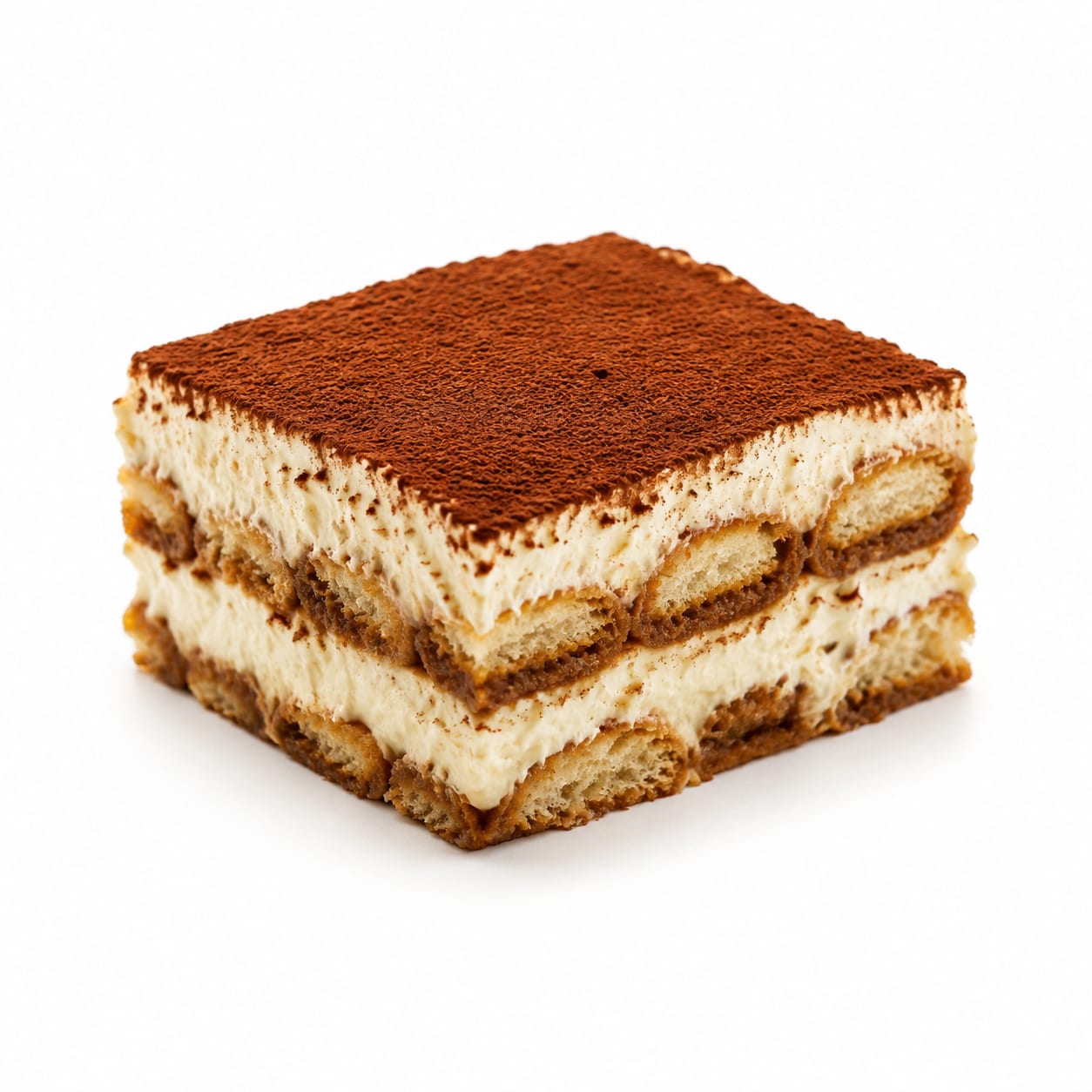
Tiramisu
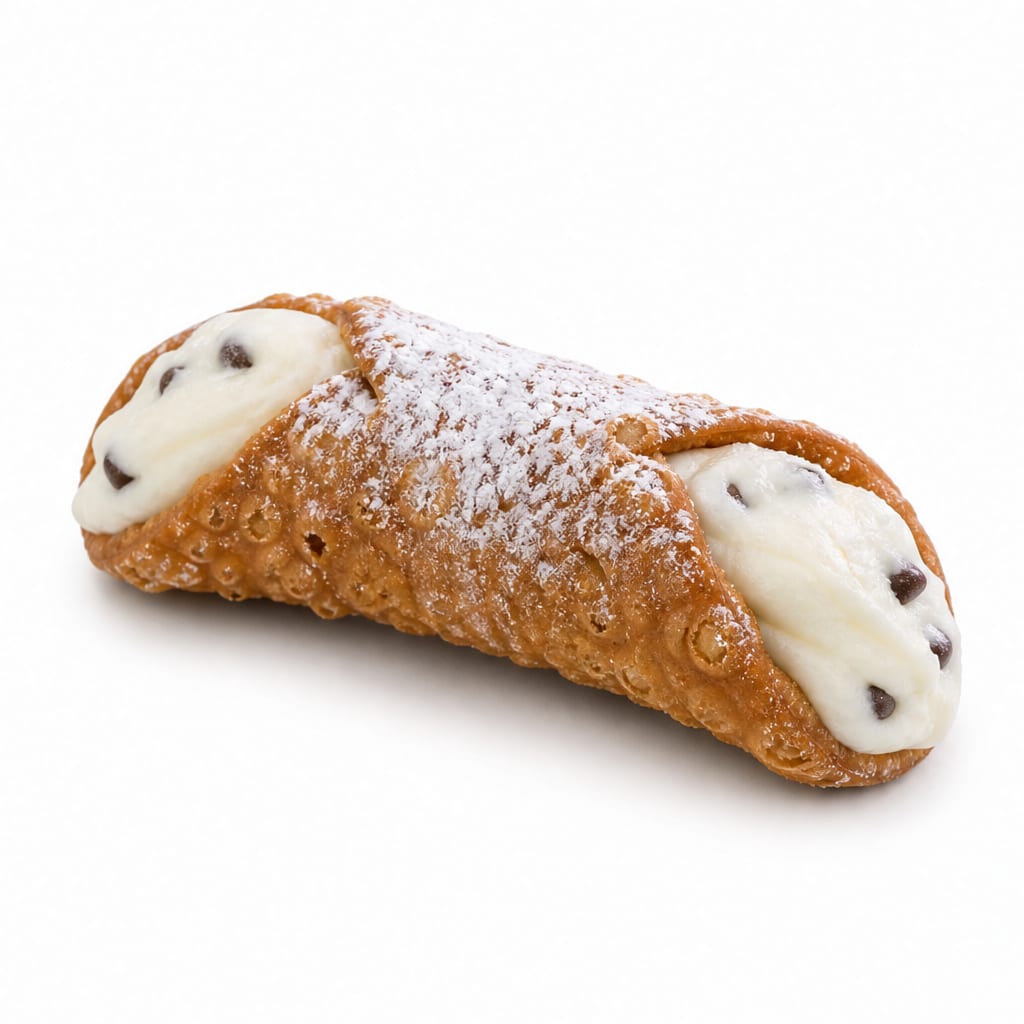
Cannoli
Cannoli is slightly lighter and safer, but tiramisu offers deeper flavor complexity. Neither is a health food—pick based on the moment.
Cannoli edges ahead slightly due to no raw egg risk, lower fat cheese, and better portability. Both score low overall because they are indulgent desserts with high sugar and calorie density. The gap is small because neither offers meaningful nutritional advantages.
Tiramisu delivers richer, more complex flavor with caffeine and alcohol, while cannoli offers a crunchier, more portable treat with a slightly better fat profile and no raw egg risk.
At a glance
Executive summary
Overall
It depends
Healthier
Cannoli
More practical
Cannoli
Daily use
It depends
Key comparison lenses
indulgent dessert selection for special occasions
Both are classic Italian desserts typically chosen as treats, not daily foods
calorie and sugar awareness
Both are high-calorie, high-sugar desserts where portion control matters significantly
food safety concerns with raw eggs
Tiramisu traditionally uses raw eggs, creating a safety distinction absent in cannoli
caffeine and alcohol content
Tiramisu contains espresso and often alcohol, affecting who can consume it
fat profile comparison between mascarpone and ricotta
The cheese difference drives much of the nutritional variation between these desserts
Best choice for
Tiramisu
- After-dinner indulgence where you want depth and sophistication
- Coffee lovers who want dessert that complements their caffeine habit
- Special occasions where presentation matters
- People who prefer creamy, spoonable desserts
Cannoli
- Parties or gatherings where finger food works better
- Anyone avoiding raw eggs during pregnancy or with compromised immunity
- People who want a lighter-tasting dessert that feels less heavy
- Those who prefer textural contrast of crispy shell and creamy filling
Least suitable for
Tiramisu
- Pregnant women due to raw egg risk
- Children sensitive to caffeine
- People avoiding alcohol even in trace amounts
- Anyone needing a portable, mess-free dessert
Cannoli
- People watching fried food intake
- Those with shellfish or cross-contamination concerns at bakeries
- Anyone wanting a low-sugar option—cannoli filling is very sweet
- People who dislike ricotta's slightly grainy texture
Deep comparison
Dimension by dimension
Each lens scores both foods and breaks down who each option suits.
- Dimension 1 · Priority 90Cannoli
Calorie Density and Portion Control
Tiramisu · 28Cannoli · 35Cannoli is slightly easier to portion control since individual shells create natural serving sizes. Tiramisu is typically scooped from a pan, making overeating more likely.
Tradeoff
A single cannolo feels like a complete serving, while tiramisu invites going back for another spoonful.
Why it matters
With indulgent desserts, built-in portion boundaries make a real difference in total calorie intake.
Real-world impact
You are more likely to stop at one cannoli than one scoop of tiramisu.
Tiramisu
- Sharing a large pan among many people at a dinner party
Better for
- Mindless eating straight from the dish while watching TV
Worse for
Cannoli
- Controlling portions at a buffet or event
- Grabbing a single defined treat without measuring
Better for
- Situations where multiple cannoli seem like 'just a few small ones'
Worse for
- Dimension 2 · Priority 85It depends
Sugar Content and Blood Sugar Impact
Tiramisu · 30Cannoli · 30Both are sugar-heavy desserts that will spike blood sugar significantly. Neither has a meaningful advantage here.
Tradeoff
Tiramisu's sugar is balanced slightly by fat and protein from mascarpone, slowing absorption marginally. Cannoli's sugar hits faster but in a smaller total dose per piece.
Why it matters
For anyone watching blood sugar, both are occasional treats at best.
Real-world impact
Expect an energy crash 30-60 minutes after either dessert if eaten alone.
Tiramisu
- Situations where you eat a small portion slowly with coffee after a meal
Better for
- Eating a large portion on an empty stomach
Worse for
Cannoli
- When you want a quicker, smaller sugar hit without lingering
Better for
- Eating multiple cannoli, which multiplies sugar intake fast
Worse for
- Dimension 3 · Priority 78Cannoli
Fat Profile and Heart Health
Tiramisu · 25Cannoli · 38Ricotta in cannoli is significantly lower in fat than mascarpone in tiramisu. Mascarpone is roughly 75% fat by calories, while ricotta is closer to 50%.
Tradeoff
Cannoli's fried shell adds some oil, but the overall fat load is still lower than tiramisu's mascarpone-heavy layers.
Why it matters
If you are watching saturated fat or cholesterol, the cheese difference is the most meaningful nutritional distinction between these two.
Real-world impact
A serving of tiramisu can pack 20-30g of saturated fat. A cannolo typically lands closer to 10-15g.
Tiramisu
- Those who prioritize rich mouthfeel and find smaller portions satisfying
Better for
- Regular consumption would significantly raise saturated fat intake
Worse for
Cannoli
- People managing cholesterol who still want an occasional treat
- Anyone tracking saturated fat intake
Better for
- The fried shell adds some oxidized oil, which has its own concerns
Worse for
- Dimension 4 · Priority 80Cannoli
Food Safety
Tiramisu · 35Cannoli · 70Traditional tiramisu uses raw eggs, creating a salmonella risk. Cannoli filling is cooked or uses pasteurized ricotta, making it inherently safer.
Tradeoff
You can find tiramisu made with pasteurized eggs or egg-free recipes, but the classic version carries a real risk that cannoli avoids entirely.
Why it matters
This is the starkest difference between the two. Pregnant women, elderly people, and immunocompromised individuals should avoid traditional tiramisu.
Real-world impact
A cannoli from a reputable bakery is safe for nearly everyone. Tiramisu requires asking questions first.
Tiramisu
- Healthy adults eating from trusted sources who use fresh, quality eggs
Better for
- Outdoor events in warm weather where refrigeration is inconsistent
Worse for
Cannoli
- Pregnant women
- Elderly diners
- Anyone with weakened immunity
- Buffet or picnic settings where temperature control is uncertain
Better for
- Cannoli shells sitting filled for too long can become soggy and less appetizing, though not unsafe
Worse for
- Dimension 5 · Priority 65It depends
Caffeine and Stimulant Content
Tiramisu · 40Cannoli · 60Tiramisu contains espresso, giving it a caffeine kick. Cannoli has no caffeine. This is neutral—it depends entirely on when and why you are eating.
Tradeoff
Tiramisu's caffeine can be a pleasant afternoon boost or an unwanted evening stimulant. Cannoli is neutral anytime.
Why it matters
A slice of tiramisu after 8pm could disrupt sleep for caffeine-sensitive people. A cannolo will not.
Real-world impact
Think of tiramisu as a mild coffee substitute. Save it for afternoon, not bedtime.
Tiramisu
- Mid-afternoon when you want dessert and a slight energy lift
- People who enjoy the coffee flavor pairing
Better for
- Late-night dessert situations
Worse for
Cannoli
- Evening dessert after dinner
- Children who should avoid caffeine
- Anyone sensitive to even small amounts of caffeine
Better for
- When you actually want a little pick-me-up with your treat
Worse for
- Dimension 6 · Priority 60Cannoli
Portability and Convenience
Tiramisu · 20Cannoli · 75Cannoli are handheld and self-contained. Tiramisu requires a plate, spoon, and refrigeration.
Tradeoff
Cannoli wins for events, parties, and on-the-go. Tiramisu is a sit-down, slow-eating experience.
Why it matters
The dessert that fits your setting matters more than slight nutritional differences for occasional treats.
Real-world impact
Bringing cannoli to a potluck is easy. Transporting tiramisu requires a cooler and careful handling.
Tiramisu
- Intimate dinners where you can serve and eat immediately
- Restaurants where presentation is part of the experience
Better for
- Packing in a lunchbox
- Serving at a standing cocktail party
Worse for
Cannoli
- Parties and gatherings
- Taking dessert to someone's house
- Street fairs and outdoor events
Better for
- Situations where you want a show-stopping centerpiece dessert
Worse for
- Dimension 7 · Priority 55Cannoli
Alcohol Content
Tiramisu · 30Cannoli · 70Tiramisu often contains Marsala wine or rum. Cannoli typically has no alcohol. This matters for children, recovering alcoholics, and anyone avoiding alcohol.
Tradeoff
The alcohol in tiramisu is usually minimal and mostly cooks off, but trace amounts remain. Cannoli avoids the question entirely.
Why it matters
People who avoid alcohol for religious, health, or personal reasons need to know this distinction.
Real-world impact
If you would not eat a rum cake, you should ask about tiramisu's alcohol content before eating it.
Tiramisu
- Adults who enjoy the complexity alcohol adds to dessert flavor
Better for
- Serving to guests without disclosing the alcohol content
Worse for
Cannoli
- Children
- People in recovery from alcohol addiction
- Anyone avoiding alcohol for religious reasons
Better for
- No real downside here—cannoli simply does not involve alcohol
Worse for
- Dimension 8 · Priority 55Tiramisu
Satiety and Fullness
Tiramisu · 55Cannoli · 40Tiramisu's higher fat and protein content from mascarpone makes it more filling per serving. Cannoli's crispy shell and lighter ricotta filling feel less substantial.
Tradeoff
Feeling full from tiramisu means you might eat less overall, but you have already consumed more calories and fat to get there.
Why it matters
If you want one treat to feel satisfied and stop, tiramisu achieves that more effectively.
Real-world impact
One slice of tiramisu feels like a complete dessert experience. One cannolo might leave you reaching for another.
Tiramisu
- When you want one serving to feel like enough
- Ending a meal with a sense of completeness
Better for
- Hot days when heavy desserts feel oppressive
Worse for
Cannoli
- When you want something lighter that does not make you feel stuffed
Better for
- Situations where one piece does not feel satisfying enough
Worse for
Timeline
Health impact over time
Short-term
Hours to days
Tiramisu
- Blood sugar spike from sugar and refined carbs in ladyfingers
- Possible mild caffeine stimulation from espresso
- Heavy, full feeling due to high fat content
- Risk of foodborne illness if made with raw eggs and improperly stored
Cannoli
- Blood sugar spike from sweet ricotta filling and sugar in the shell
- Greasy mouthfeel from the fried shell
- Lighter overall sensation compared to tiramisu
- Thirst from the combined sugar and fried salt
Long-term
Months to years
Tiramisu
- Regular consumption would significantly raise saturated fat and cholesterol intake
- High sugar intake contributes to insulin resistance risk
- Calorie density makes weight gain likely if eaten frequently
- Raw egg exposure adds cumulative food safety risk if made at home carelessly
Cannoli
- Fried shell consumed regularly adds oxidized oils to diet
- High sugar intake contributes to same metabolic risks as tiramisu
- Slightly lower fat load makes it marginally less impactful on heart health markers
- Portion control from individual shells may help limit total intake compared to scooped desserts
Risk profile
Safety & processing
Both are made from recognizable whole ingredients—cheese, eggs, sugar, flour, coffee. Neither is ultra-processed in the traditional sense. Commercial versions of either may add preservatives or stabilizers, but traditional recipes are relatively clean. The main processing concern is cannoli's deep-fried shell, which adds oxidized oil.
Tiramisu
Salmonella from raw eggs
mediumTraditional tiramisu uses raw egg yolks in the mascarpone mixture. Commercial versions often use pasteurized eggs, but homemade or restaurant versions may not. Risk is higher for vulnerable populations.
Improper refrigeration
mediumTiramisu is a dairy-and-egg dessert that must be kept cold. Leaving it at room temperature for extended periods at parties or buffets increases bacterial growth risk.
Alcohol trace content
lowMarsala wine or rum is standard in tiramisu. While most alcohol dissipates, trace amounts remain. Negligible for most adults but relevant for children and recovering alcoholics.
Cannoli
Cross-contamination at bakeries
lowCannoli from bakeries handling nuts, wheat, and other allergens may have cross-contact. Less of an issue than raw eggs but worth noting for allergy sufferers.
Oil quality from frying
lowShells are deep-fried. If oil is reused or overheated, oxidized compounds form. This is a minor long-term concern, not an acute safety issue.
Fillings sitting too long
lowPre-filled cannoli that sit for hours can develop soggy shells and, in warm conditions, slight dairy spoilage. Best filled fresh or kept refrigerated.
Who wins for whom
Audience fit
Same foods, different winners depending on your goal.
children
CannoliCannoli avoids raw eggs, caffeine, and alcohol—three tiramisu components that are inappropriate for children. Kids also tend to enjoy the crunchy, handheld format.
daily consumption
It dependsNeither should be consumed daily. If forced to choose, a mini cannolo is a slightly smaller caloric commitment than a slice of tiramisu, but both are occasional treats at best.
diabetes
It dependsBoth will spike blood sugar significantly. Tiramisu's higher fat content may slow glucose absorption slightly, but neither should be a regular choice for anyone managing diabetes.
elderly
CannoliOlder adults are more vulnerable to foodborne illness from raw eggs. Cannoli's softer filling is also easier to eat for those with dental concerns, though the shell can be crunchy.
muscle gain
It dependsNeither dessert supports muscle gain meaningfully. Tiramisu has slightly more protein from mascarpone and eggs, but the difference is negligible in context.
weight loss
CannoliCannoli's built-in portion control and lower calorie density per piece make it slightly easier to fit into a calorie deficit. Neither is ideal for weight loss.
Your move
Decision guide
Choose Tiramisu
- You want a rich, complex dessert experience with coffee and alcohol notes
- It is afternoon and the caffeine will not disrupt your sleep
- You are serving a sit-down dinner where presentation matters
- You have no raw egg safety concerns and trust the source
Choose Cannoli
- You need a portable dessert for a party or gathering
- You are serving children, pregnant women, or anyone avoiding raw eggs and alcohol
- You want something that feels lighter after a big meal
- You prefer textural contrast—crispy shell against creamy filling
Either works if
- You simply want an Italian dessert and both are available fresh
- The occasion is a special celebration where one treat will not make or break your health
- You plan to share with others and let them choose
Avoid both if
- You are managing blood sugar and need to limit sweets strictly
- You are on a calorie-restricted diet and cannot afford 300-500 calories on dessert
- You have dairy intolerance or a milk allergy
- You are trying to break a sugar craving cycle—either dessert will reinforce it
Final recommendation
For most people, cannoli is the safer and more practical choice. It avoids raw eggs, skips caffeine and alcohol, and portions itself naturally. But if you are a healthy adult eating at a trusted restaurant and want the more memorable, complex dessert experience, tiramisu delivers more depth. The real advice: pick the one that fits the moment, eat it slowly, and make it occasional.
Practical
Consumer tips
- 1
Ask restaurants if their tiramisu uses pasteurized eggs—many do, especially in the US
- 2
Seek out cannoli filled to order rather than pre-filled for the best texture and freshness
- 3
Mini cannoli or a small tiramisu portion can satisfy a craving with half the calories
- 4
If making tiramisu at home, use pasteurized eggs to eliminate salmonella risk entirely
- 5
Neither dessert stores well—tiramisu lasts 2-3 days refrigerated, cannoli should be eaten within hours of filling
- 6
For a lighter alternative, consider ricotta-based desserts without the fried shell, or espresso panna cotta for the tiramisu flavor profile with less fat