
Nutrition comparison
Tiramisu vs Panna Cotta: Which Dessert Is Healthier?
Compare Tiramisu and Panna Cotta to see which Italian dessert is the smarter choice for your health, digestion, and lifestyle.
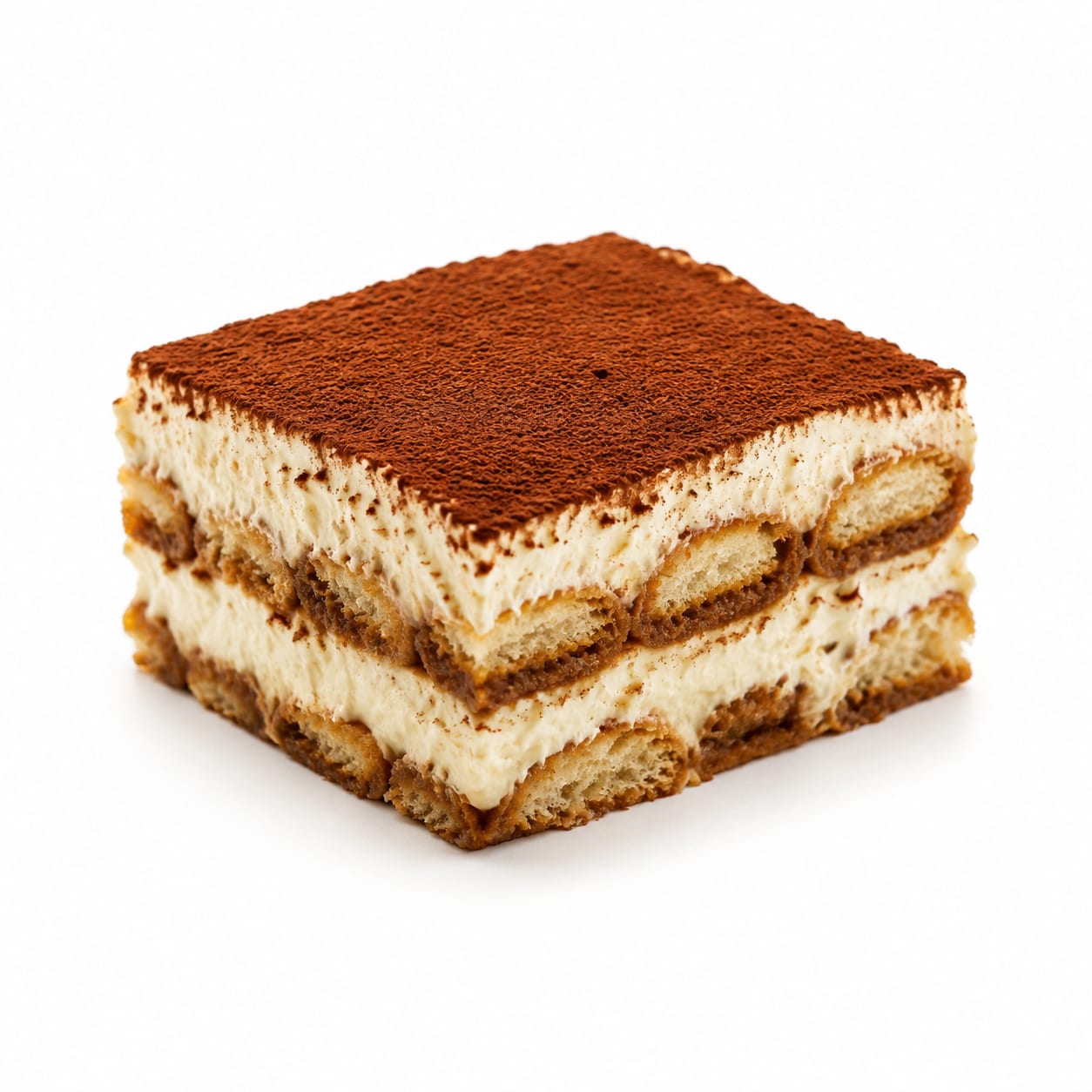
Tiramisu
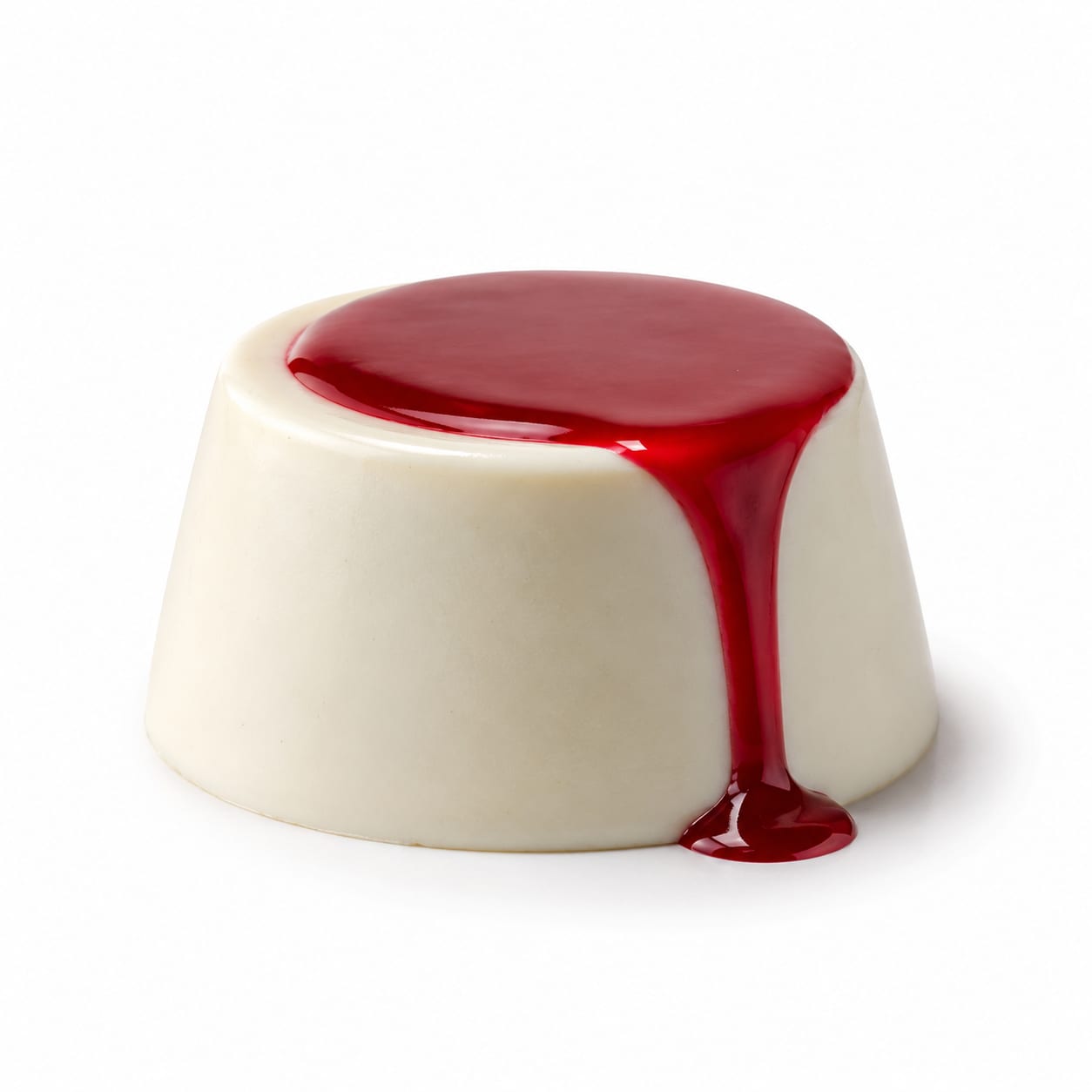
Panna Cotta
Panna Cotta offers a lighter, caffeine-free indulgence, while Tiramisu delivers a richer, more complex flavor hit with a caffeine and alcohol kick.
Panna Cotta scores slightly higher due to better digestibility, lack of stimulants, and easier portion control. Tiramisu loses points for its heavy, sleep-disrupting ingredients, though both are indulgent desserts that should be enjoyed in moderation.
Choosing between a dense, caffeinated dessert (Tiramisu) and a smoother, lighter cream treat (Panna Cotta).
At a glance
Executive summary
Overall
It depends
Healthier
Panna Cotta
More practical
Panna Cotta
Daily use
It depends
Key comparison lenses
Dessert indulgence vs. lighter finish
Users are usually deciding between a heavy, complex dessert and a lighter, simpler one after a meal.
Caffeine and alcohol exposure
Tiramisu contains espresso and often alcohol, making it unsuitable for evening dining or children, unlike Panna Cotta.
Digestive comfort
Heavy, multi-ingredient desserts can cause bloating, making the simpler composition of Panna Cotta a key deciding factor.
Blood sugar impact
Both are high in sugar, but Tiramisu adds refined carbs from ladyfingers, altering the glycemic spike.
Best choice for
Tiramisu
- An afternoon pick-me-up with dessert
- Bold flavor and texture seekers
- Coffee lovers wanting a sweet fix
Panna Cotta
- Late-night dining
- Sensitive stomachs
- Family-friendly gatherings with kids
Least suitable for
Tiramisu
- Children and caffeine-sensitive individuals
- Late-night diners
- People avoiding raw eggs or alcohol
Panna Cotta
- Those wanting a decadent, multi-layered experience
- People looking for an energy boost
Deep comparison
Dimension by dimension
Each lens scores both foods and breaks down who each option suits.
- Dimension 1 · Priority 90Panna Cotta
Sugar & Blood Sugar Impact
Tiramisu · 30Panna Cotta · 38Tiramisu packs a double punch of sugar from both the soaked ladyfingers and the mascarpone cream, while Panna Cotta's sugar is mostly confined to the cream base.
Tradeoff
You trade the carb-heavy sponge of Tiramisu for the pure fat-and-sugar hit of Panna Cotta.
Why it matters
High sugar combined with refined carbs causes faster blood sugar spikes.
Real-world impact
You might feel a quicker energy crash after Tiramisu compared to the steadier, albeit heavy, satisfaction from Panna Cotta.
Tiramisu
- Quick energy replenishment after intense activity
Better for
- Intense sugar crash due to combined refined carbs and sweets
Worse for
Panna Cotta
- Smaller blood sugar spikes when eaten in moderation
Better for
- High saturated fat can slow digestion, making the sugar linger in your system
Worse for
- Dimension 2 · Priority 85Panna Cotta
Digestibility & Lightness
Tiramisu · 25Panna Cotta · 70Panna Cotta is famously gentle on the stomach due to its simple, smooth composition, whereas Tiramisu is dense and contains potential irritants like coffee and alcohol.
Tradeoff
Sacrificing the complex layers of Tiramisu for a dessert that won't leave you feeling overstuffed.
Why it matters
Heavy, multi-ingredient desserts can cause bloating or indigestion, especially after a large meal.
Real-world impact
Panna Cotta is the safer bet for a date night dinner where you want to feel comfortable afterward.
Tiramisu
- Moments when you want to feel completely full and satisfied
Better for
- Causing sluggishness and heaviness after eating
Worse for
Panna Cotta
- Easing digestion after a heavy main course
- Avoiding bloating before bed
Better for
- Feeling too light if you haven't eaten much else
Worse for
- Dimension 3 · Priority 80Panna Cotta
Stimulants & Sleep Disruption
Tiramisu · 15Panna Cotta · 90Tiramisu inherently contains espresso and often alcohol, making it a risky evening choice, while Panna Cotta is typically stimulant-free.
Tradeoff
Giving up the mocha flavor boost of Tiramisu for a dessert that won't keep you awake.
Why it matters
Hidden caffeine and alcohol in desserts can disrupt sleep patterns and affect recovery.
Real-world impact
Having Tiramisu after a late dinner might cost you an hour of sleep, whereas Panna Cotta won't.
Tiramisu
- An afternoon treat where a caffeine boost is welcome
Better for
- Causing insomnia or poor sleep quality if eaten at night
Worse for
Panna Cotta
- Late-night dinners
- Ensuring uninterrupted sleep
Better for
- Missing the alertness boost some look for in an afternoon dessert
Worse for
- Dimension 4 · Priority 75Tiramisu
Satiety & Indulgence
Tiramisu · 85Panna Cotta · 55Tiramisu feels like a full, heavy meal component, while Panna Cotta acts as a delicate, elegant finish.
Tradeoff
Choosing between deep, filling satisfaction and a lighter, cleaner finish.
Why it matters
How heavy you want to feel post-meal dictates which dessert fits the occasion.
Real-world impact
Tiramisu is perfect when dessert is the main event; Panna Cotta is ideal when you are already quite full from dinner.
Tiramisu
- Replacing a meal with a heavy, satisfying treat
- Sharing a deeply indulgent dessert
Better for
- Ruining your appetite for hours afterward
Worse for
Panna Cotta
- Enjoying a sweet taste without feeling overly full
Better for
- Leaving you wanting more if you are genuinely hungry
Worse for
Timeline
Health impact over time
Short-term
Hours to days
Tiramisu
- Quick energy surge from sugar and caffeine
- Potential for feeling overly full or bloated
- Possible sleep disruption if consumed late
Panna Cotta
- Smoother, less spiky energy curve
- Lighter feeling in the stomach
- Easier to digest without stimulant side effects
Long-term
Months to years
Tiramisu
- Frequent consumption adds significant saturated fat, sugar, and caffeine to the diet
- Regular intake of refined carbs and sugar can impact metabolic health
Panna Cotta
- High saturated fat and sugar intake if eaten often
- Easier to modify into a lighter version for better long-term habits
Risk profile
Safety & processing
Both are homemade-style desserts, but Tiramisu relies on processed ladyfingers and often includes alcohol, while Panna Cotta is typically just cream, sugar, and gelatin.
Tiramisu
Raw eggs
mediumTraditional Tiramisu uses raw egg yolks in the mascarpone mixture, posing a slight salmonella risk for vulnerable populations.
Alcohol content
lowMarsala wine or rum is commonly added, which is a concern for children or those avoiding alcohol.
Panna Cotta
Dairy spoilage
mediumBeing primarily cream, Panna Cotta must be kept consistently refrigerated to prevent bacterial growth.
Who wins for whom
Audience fit
Same foods, different winners depending on your goal.
children
Panna CottaPanna Cotta contains no caffeine or alcohol, making it a much safer and more appropriate choice for kids.
daily consumption
It dependsNeither should be a daily staple due to high sugar and fat content, but Panna Cotta is less disruptive to daily sleep and energy cycles.
diabetes
Panna CottaPanna Cotta lacks the refined flour ladyfingers found in Tiramisu, making it slightly easier to adapt for a lower-carb, sugar-free diet.
elderly
Panna CottaPanna Cotta is softer to chew, easier to digest, and lacks the sleep-disrupting caffeine found in Tiramisu.
muscle gain
It dependsNeither dessert is optimal for muscle gain, though Tiramisu provides slightly more protein from the eggs and mascarpone.
weight loss
Panna CottaPanna Cotta is easier to portion control and can be made with low-fat milk or sugar substitutes without ruining the texture.
Your move
Decision guide
Choose Tiramisu
- You want a bold, complex flavor experience
- You need a slight caffeine boost after a meal
- You are celebrating a special occasion and want something decadent
Choose Panna Cotta
- You want a lighter finish to a heavy meal
- You are serving children or caffeine-sensitive guests
- You are eating late and want to ensure a good night's sleep
Either works if
- You just want a satisfying Italian dessert and both are available
- You are sharing with someone who prefers the opposite
Avoid both if
- You are strictly monitoring saturated fat or sugar intake
- You have a severe dairy intolerance
Final recommendation
Choose Tiramisu for an afternoon indulgence where its coffee kick and rich texture shine. Opt for Panna Cotta after dinner for a gentle, sleep-friendly treat that satisfies your sweet tooth without weighing you down.
Practical
Consumer tips
- 1
Ask if the Tiramisu is made with raw eggs if you have a weakened immune system or are pregnant.
- 2
Panna Cotta can easily be made with coconut milk and a sugar substitute for a lighter, dairy-free version.
- 3
Portion control is key—split a Tiramisu or order a mini Panna Cotta to get the taste without the heavy sugar load.
- 4
If eating late, choose Panna Cotta to avoid the caffeine in Tiramisu disrupting your sleep.