
Nutrition comparison
Tiramisu vs Cheesecake: Nutrition, Calories, and Health Comparison
Comparing Tiramisu and Cheesecake? Discover the nutritional differences, calorie density, caffeine content, and which dessert fits your health goals better.
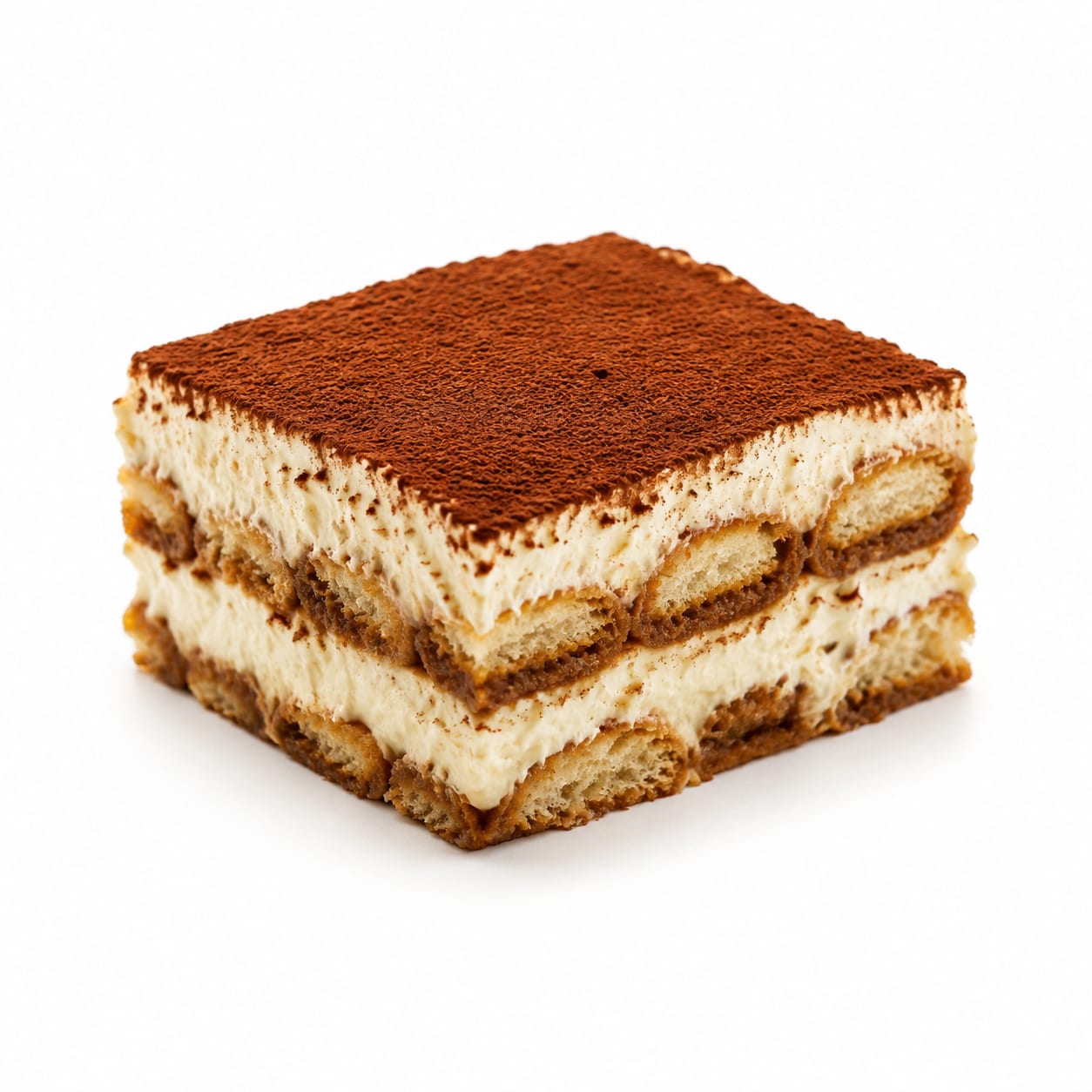
Tiramisu
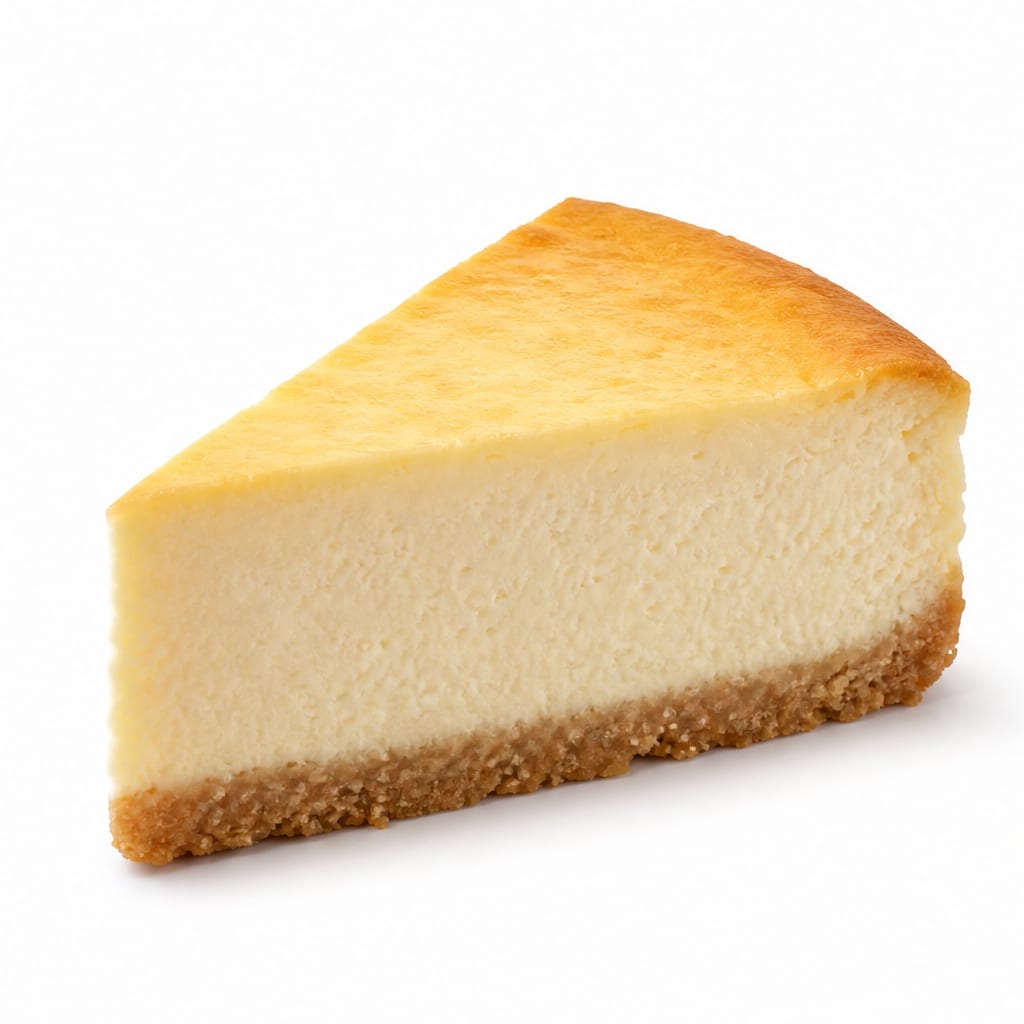
Cheesecake
Tiramisu offers a lighter, coffee-infused experience, while Cheesecake delivers dense, creamy satisfaction with more protein.
Both are indulgent, high-sugar desserts with low nutritional density. Tiramisu scores slightly higher due to lighter portion potential and lower saturated fat, while Cheesecake offers more satiety and protein but is extremely calorie-dense.
A caffeinated, airy treat versus a caffeine-free, heavy indulgence that keeps you fuller longer.
At a glance
Executive summary
Overall
It depends
Healthier
It depends
More practical
Cheesecake
Daily use
It depends
Key comparison lenses
Indulgence vs Satiety
Dessert choices often come down to whether you want a light treat or a heavy, filling experience.
Blood Sugar Management
Both are high-sugar desserts, but their differing fat and carb profiles impact blood sugar differently.
Caffeine Sensitivity
Tiramisu contains espresso, making it a stimulant dessert, whereas Cheesecake is caffeine-free.
Food Safety Concerns
Traditional Tiramisu uses raw eggs, creating a safety concern for certain groups that Cheesecake avoids.
Best choice for
Tiramisu
- Afternoon pick-me-ups where a slight caffeine boost is welcome
- Those who prefer lighter, less heavy desserts after a big meal
- Coffee lovers looking for a familiar flavor in a dessert
Cheesecake
- Late-night dining where caffeine would disrupt sleep
- Those seeking a rich, filling dessert that satisfies with a single slice
- Individuals wanting more protein and satiety from their indulgence
Least suitable for
Tiramisu
- Pregnant women or those avoiding raw eggs
- People highly sensitive to caffeine
- Anyone looking for a high-protein treat
Cheesecake
- Those who are lactose intolerant
- People watching their saturated fat intake strictly
- Anyone wanting a light, refreshing end to a meal
Deep comparison
Dimension by dimension
Each lens scores both foods and breaks down who each option suits.
- Dimension 1 · Priority 90Cheesecake
Sugar & Blood Sugar Impact
Tiramisu · 35Cheesecake · 40Cheesecake's higher fat and protein content slows down sugar absorption compared to Tiramisu's refined ladyfingers.
Tradeoff
Cheesecake has a slightly steadier blood sugar impact, but comes with a much heavier fat load.
Why it matters
Avoiding a massive sugar spike means fewer cravings and less energy crash later.
Real-world impact
You are less likely to feel jittery after Cheesecake, but more likely to feel overly stuffed.
Tiramisu
- Those who prefer smaller portions overall
Better for
- Anyone needing steady energy after eating
Worse for
Cheesecake
- People trying to avoid intense sugar spikes
- Those who find fat helps curb their sweet tooth
Better for
- People on strict low-fat diets
Worse for
- Dimension 2 · Priority 85Cheesecake
Satiety & Fullness
Tiramisu · 40Cheesecake · 75Cheesecake is incredibly dense, packing more fat and protein per bite than Tiramisu.
Tradeoff
You feel fuller with Cheesecake, but that fullness can easily cross into feeling bloated.
Why it matters
A small slice of Cheesecake can end a meal, whereas Tiramisu might leave you wanting more.
Real-world impact
One slice of Cheesecake is usually enough; Tiramisu's lighter texture can tempt you into a second helping.
Tiramisu
- Those who want a treat without feeling heavy
Better for
- Those who tend to overeat light, airy foods
Worse for
Cheesecake
- Using dessert as a meal replacement on a cheat day
- People who need a small amount to feel satisfied
Better for
- Anyone prone to feeling sluggish after heavy meals
Worse for
- Dimension 3 · Priority 80Tiramisu
Calorie Density & Portion Control
Tiramisu · 55Cheesecake · 35Tiramisu feels lighter and is often served in smaller portions, making it easier to manage calories.
Tradeoff
Tiramisu is still calorie-dense, but its airy texture makes it less heavy than the dense Cheesecake.
Why it matters
It is easier to stop at one reasonable serving without feeling like you swallowed a brick.
Real-world impact
You can enjoy Tiramisu after a big dinner without physical discomfort, whereas Cheesecake might push you over the edge.
Tiramisu
- Following a large main course
- Mindful eaters who prefer smaller bites
Better for
- People who mistake airiness for low calorie content
Worse for
Cheesecake
- Situations where you only eat a few bites and save the rest
Better for
- Those who struggle to stop eating before feeling overly full
Worse for
- Dimension 4 · Priority 75Tiramisu
Caffeine & Stimulation
Tiramisu · 80Cheesecake · 20Tiramisu contains espresso, giving it a mild stimulant effect that Cheesecake completely lacks.
Tradeoff
The caffeine is great for an afternoon energy lift, but risky for a late-night dessert.
Why it matters
Caffeine can disrupt sleep quality if consumed too close to bedtime.
Real-world impact
Tiramisu is a better 3 PM treat, while Cheesecake is the safer choice after an 8 PM dinner.
Tiramisu
- Afternoon gatherings or post-lunch desserts
- Anyone needing a slight mental boost
Better for
- People sensitive to caffeine
- Evening meals
Worse for
Cheesecake
- Late-night snacking
- Dinners where you want to wind down afterward
Better for
- Situations where you could use a mild energy lift
Worse for
- Dimension 5 · Priority 70Cheesecake
Food Safety & Risk
Tiramisu · 40Cheesecake · 85Traditional Tiramisu uses raw eggs, posing a salmonella risk, while Cheesecake is typically baked.
Tradeoff
Cheesecake is safer for vulnerable groups, though baked or pasteurized versions of Tiramisu do exist.
Why it matters
Raw eggs are a serious health risk for pregnant women, the elderly, and those with compromised immune systems.
Real-world impact
You can serve Cheesecake to almost anyone without worrying about dietary safety warnings.
Tiramisu
- Home cooks using pasteurized eggs
- Healthy adults eating at reputable restaurants
Better for
- Catering to immunocompromised individuals
Worse for
Cheesecake
- Pregnant women
- Children and the elderly
- Potlucks where you are unsure of guests' health statuses
Better for
- Situations where refrigeration is unreliable, as dairy spoils quickly
Worse for
Timeline
Health impact over time
Short-term
Hours to days
Tiramisu
- Mild caffeine alertness followed by a potential sugar crash
- Lighter physical sensation in the stomach immediately after eating
Cheesecake
- Rapid feeling of fullness and potential sluggishness
- Steadier energy plateau due to high fat content slowing sugar absorption
Long-term
Months to years
Tiramisu
- Frequent consumption contributes to insulin resistance from refined carbs and sugar
- Caffeine habituation if eaten regularly as an afternoon snack
Cheesecake
- Regular intake significantly raises saturated fat and cholesterol consumption
- High calorie density makes weight management difficult if portions are not strictly controlled
Risk profile
Safety & processing
Both desserts rely on refined ingredients like white sugar and processed flours. Store-bought versions of either often contain artificial preservatives and stabilizers, while homemade versions lean closer to whole ingredients like real cream cheese and fresh eggs.
Tiramisu
Raw Egg Salmonella
highTraditional recipes use raw egg yolks in the mascarpone mixture, posing a risk of salmonella poisoning if unpasteurized eggs are used.
Dairy Spoilage
mediumMascarpone and cream are highly perishable and must be kept consistently refrigerated to prevent bacterial growth.
Cheesecake
Dairy Spoilage
mediumCream cheese is perishable and can harbor listeria if left at room temperature for too long.
Undercooked Crust
lowIf the crust contains raw flour and is not baked thoroughly, it can pose a minor risk of bacterial contamination.
Who wins for whom
Audience fit
Same foods, different winners depending on your goal.
children
CheesecakeCheesecake is baked and caffeine-free, making it much safer and more appropriate for kids than a raw-egg, coffee-flavored dessert.
daily consumption
It dependsNeither should be consumed daily. Both are high in sugar and fat, making them occasional treats rather than everyday habits.
diabetes
It dependsNeither is good for diabetes. Cheesecake's high fat blunts the glycemic spike slightly, but Tiramisu's smaller standard portion may be easier to manage. Both require extreme caution.
elderly
CheesecakeCheesecake avoids the raw egg risk and provides more protein, which is beneficial for older adults, provided they tolerate dairy well.
muscle gain
CheesecakeCheesecake provides more protein from the cream cheese and eggs, though it is still far from an optimal protein source.
weight loss
TiramisuTiramisu is lighter and often served in smaller portions, making it slightly easier to fit into a calorie deficit, though neither is ideal.
Your move
Decision guide
Choose Tiramisu
- You want a lighter dessert that would not sit heavily in your stomach
- You love coffee flavors and want a mild afternoon energy boost
- You are eating at a high-quality restaurant where raw egg safety is strictly managed
Choose Cheesecake
- You are eating dessert late at night and want to avoid caffeine
- You want a rich, deeply satisfying treat where one slice is plenty
- You are serving dessert to children, pregnant women, or the elderly
Either works if
- You are celebrating a special occasion and just want your favorite flavor
- You have already accounted for the calorie and sugar intake in your day
Avoid both if
- You are strictly managing blood sugar or insulin levels
- You are on a low-fat or low-calorie diet
- You have severe lactose intolerance
Final recommendation
Choose Tiramisu for an afternoon treat where its lighter texture and coffee kick shine. Choose Cheesecake when you want a deeply comforting, filling dessert after an evening meal. Neither is a health food, so let your timing and texture preference guide you.
Practical
Consumer tips
- 1
Ask your server if the Tiramisu is made with pasteurized eggs or a cooked custard base to avoid raw egg risks.
- 2
Share a slice of Cheesecake with a friend to get the rich experience without the heavy calorie load.
- 3
Opt for fruit-topped Cheesecake instead of chocolate or caramel versions to slightly reduce added sugar.
- 4
If making Tiramisu at home, use pasteurized egg yolks to eliminate the salmonella risk entirely.