
Nutrition comparison
Tiramisu vs Crème Brûlée: Which Dessert Is the Smarter Indulgence?
Compare Tiramisu and Crème Brûlée on caffeine, gluten, sugar impact, and ingredient simplicity. Find out which elegant dessert fits your dietary needs better.
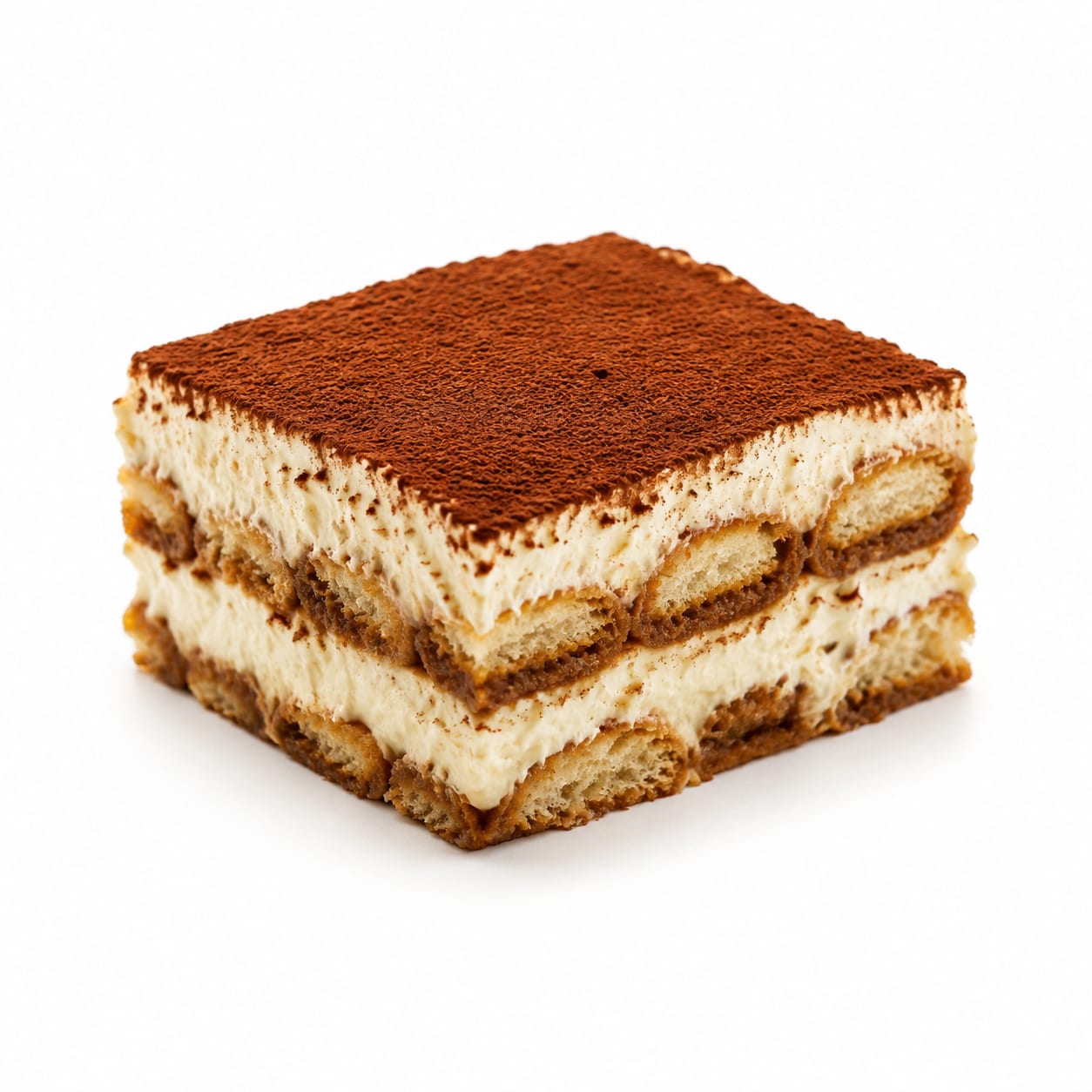
Tiramisu

Crème Brûlée
Crème Brûlée is simpler and gluten-free with no caffeine, while Tiramisu offers more textural complexity and a modest antioxidant edge from cocoa and coffee.
Neither dessert is a health food, but Crème Brûlée scores slightly higher due to simpler ingredients, no caffeine, no gluten, and no alcohol. Both remain occasional indulgences.
Ingredient simplicity and broader dietary compatibility versus richer flavor complexity and minor functional compounds from coffee and cocoa.
At a glance
Executive summary
Overall
It depends
Healthier
Crème Brûlée
More practical
Crème Brûlée
Daily use
neither
Key comparison lenses
indulgent dessert selection with health awareness
Both are rich restaurant-style desserts users choose between when treating themselves
caffeine and alcohol sensitivity
Tiramisu contains espresso and often liqueur while Crème Brûlée has neither
allergen and dietary restriction navigation
Tiramisu contains gluten from ladyfingers while Crème Brûlée is naturally gluten-free
blood sugar and metabolic impact
Both are high-sugar desserts but differ in carb sources and glycemic dynamics
ingredient simplicity and processing
Crème Brûlée uses fewer whole ingredients while Tiramisu is more complex
Best choice for
Tiramisu
- People who want a more complex, satisfying dessert experience in fewer bites
- Coffee lovers seeking an after-dinner treat with mild stimulant benefits
- Those who appreciate layered textures and flavors over pure richness
Crème Brûlée
- Gluten-sensitive or celiac individuals who still want an elegant dessert
- Anyone avoiding caffeine or alcohol before bed
- People who prefer fewer ingredients and cleaner flavor profiles
Least suitable for
Tiramisu
- Gluten-sensitive or celiac individuals
- Children or anyone sensitive to caffeine near bedtime
- People avoiding alcohol even in trace amounts
Crème Brûlée
- Those who find very rich dairy-heavy desserts uncomfortable
- People wanting portion control ease since the caramelized top encourages finishing the whole thing
- Anyone seeking functional ingredients or antioxidants from dessert
Deep comparison
Dimension by dimension
Each lens scores both foods and breaks down who each option suits.
- Dimension 1 · Priority 90Crème Brûlée
Sugar and Blood Sugar Impact
Tiramisu · 25Crème Brûlée · 32Both are sugar-heavy, but Crème Brûlée's fat slows sugar absorption slightly more than Tiramisu's carb-dense ladyfingers.
Tradeoff
Tiramisu delivers sugar through both ladyfingers and added sugar, creating a faster glycemic rise. Crème Brûlée's sugar is concentrated in the caramelized top and custard, but the high fat content buffers the spike somewhat.
Why it matters
Faster sugar absorption means a sharper energy crash afterward, which matters if you are eating dessert late at night.
Real-world impact
Tiramisu may leave you reaching for something else an hour later. Crème Brûlée tends to feel more satiating despite similar sugar content.
Tiramisu
- Those who want a lighter per-bite sweetness since mascarpone dilutes sugar perception
Better for
- People with insulin resistance or prediabetes
- Anyone prone to sugar crashes and post-dessert fatigue
Worse for
Crème Brûlée
- Anyone concerned about blood sugar stability after dessert
- Late-night dessert eaters who want to avoid a crash before sleep
Better for
- Those who find the caramelized sugar top too tempting to stop eating
Worse for
- Dimension 2 · Priority 85Crème Brûlée
Caffeine and Stimulant Load
Tiramisu · 15Crème Brûlée · 90Tiramisu contains espresso which delivers noticeable caffeine. Crème Brûlée has none.
Tradeoff
The coffee in Tiramisu can be a pleasant digestive aid and mood booster for some, but it disrupts sleep for others. Crème Brûlée avoids this entirely.
Why it matters
Even a small slice of Tiramisu can contain 20-40mg of caffeine, enough to affect sleep quality if eaten after dinner.
Real-world impact
If your dessert time is 9pm, Tiramisu might cost you 30 minutes of sleep quality. Crème Brûlée will not.
Tiramisu
- After-lunch dessert occasions where caffeine is welcome
- People who enjoy the digestive stimulation coffee provides
Better for
- People with anxiety or caffeine sensitivity
- Late diners who value sleep quality
Worse for
Crème Brûlée
- Evening or late-night dessert
- Children and caffeine-sensitive individuals
- Anyone trying to optimize sleep
Better for
- Those who actively want a mild post-meal energy lift
Worse for
- Dimension 3 · Priority 80Crème Brûlée
Allergen and Dietary Compatibility
Tiramisu · 20Crème Brûlée · 55Crème Brûlée is naturally gluten-free and alcohol-free. Tiramisu contains both gluten and usually alcohol.
Tradeoff
Tiramisu's ladyfingers make it off-limits for gluten-free diets, and the Marsala or rum excludes anyone avoiding alcohol. Crème Brûlée only demands tolerance of dairy and eggs.
Why it matters
For the roughly 7% of people with gluten sensitivity and many more who avoid alcohol, Tiramisu is an automatic pass.
Real-world impact
At a restaurant, Crème Brûlée is the safer shared dessert when dietary restrictions are unknown.
Tiramisu
- No specific dietary advantage here
Better for
- Celiac or gluten-sensitive individuals
- Pregnant women avoiding alcohol
- Anyone cooking for a group with mixed dietary needs
Worse for
Crème Brûlée
- Gluten-free diners
- People avoiding alcohol for health, pregnancy, or personal reasons
- Hosting guests with unknown dietary needs
Better for
- Dairy-allergic individuals, though Tiramisu is equally unsuitable
Worse for
- Dimension 4 · Priority 70Crème Brûlée
Ingredient Simplicity and Naturalness
Tiramisu · 35Crème Brûlée · 65Crème Brûlée uses cream, eggs, sugar, and vanilla. Tiramisu requires ladyfingers, mascarpone, espresso, cocoa, and often liqueur.
Tradeoff
Fewer ingredients means fewer processing steps and less chance of hidden additives. Tiramisu's complexity brings more flavor but also more potential points of quality degradation.
Why it matters
Simpler ingredient lists are easier to source well at home and easier for your body to process without surprises.
Real-world impact
Homemade Crème Brûlée is genuinely just four whole ingredients. Homemade Tiramisu is still fairly clean but requires more components that people often buy pre-made.
Tiramisu
- Situations where complexity signals craftsmanship and care
Better for
- Those concerned about ultra-processed components like commercial ladyfingers
- People who prefer recognizable short ingredient lists
Worse for
Crème Brûlée
- Home cooks wanting a cleaner ingredient list
- People who value minimal processing even in treats
- Anyone tracking exactly what goes into their body
Better for
- Those who find very simple desserts less satisfying and end up eating more
Worse for
- Dimension 5 · Priority 75Tiramisu
Calorie Density and Portion Control
Tiramisu · 42Crème Brûlée · 35Tiramisu feels lighter per bite due to its airy mascarpone and sponge layers, which can help with perceived portion control. Crème Brûlée is denser and more fat-heavy.
Tradeoff
Crème Brûlée's richness makes a small portion feel complete, but its calorie density is higher per ounce. Tiramisu's lighter mouthfeel can lead to eating more volume before feeling satisfied.
Why it matters
Perceived lightness can be deceptive. Tiramisu often comes in larger servings because it feels less heavy, but the total calorie count can match or exceed Crème Brûlée.
Real-world impact
A typical restaurant portion of either dessert runs 300-500 calories. The difference is that Crème Brûlée signals fullness faster while Tiramisu tempts a second helping.
Tiramisu
- Those who prefer grazing slowly over a richer concentrated experience
- People who feel deprived by small dense portions
Better for
- Mindless eaters who may not notice how much they have consumed
- Those tracking calories carefully since portions vary wildly
Worse for
Crème Brûlée
- Those who naturally stop after a few rich bites
- People who find high-fat desserts self-limiting
Better for
- People who find very rich foods uncomfortable in large amounts
Worse for
- Dimension 6 · Priority 55Tiramisu
Functional Compounds and Antioxidants
Tiramisu · 50Crème Brûlée · 20Tiramisu's cocoa and espresso deliver modest antioxidants and polyphenols. Crème Brûlée offers essentially no functional compounds.
Tradeoff
The antioxidant amounts in a dessert portion of Tiramisu are small and do not offset the sugar load, but they are not nothing. Crème Brûlée is purely indulgent with no functional upside.
Why it matters
If you are going to eat sugar anyway, getting some polyphenols along with it is marginally better than getting none.
Real-world impact
This should not drive your dessert choice, but it is a small bonus for Tiramisu that acknowledges cocoa and coffee have real bioactive compounds.
Tiramisu
- Those who appreciate that their dessert has at least some beneficial compounds
- Coffee drinkers who enjoy synergistic effects
Better for
- Anyone overestimating the health value of cocoa in a sugar-heavy dessert
Worse for
Crème Brûlée
- No functional advantage here
Better for
- Those seeking any nutritional silver lining in their indulgence
Worse for
Timeline
Health impact over time
Short-term
Hours to days
Tiramisu
- Noticeable caffeine stimulation that may delay sleep if consumed in the evening
- Moderate blood sugar spike from combined ladyfinger carbs and added sugar
- Potential mild digestive stimulation from coffee compounds
Crème Brûlée
- High satiety from fat-rich custard that slows gastric emptying
- More gradual blood sugar rise compared to Tiramisu due to higher fat-to-carb ratio
- Possible heavy or sluggish feeling shortly after eating due to cream density
Long-term
Months to years
Tiramisu
- Regular consumption contributes to added sugar intake patterns linked to metabolic strain
- Caffeine habituation if Tiramisu becomes a frequent choice
- Gluten exposure is a non-issue for most but cumulative for sensitive individuals
Crème Brûlée
- Frequent consumption adds significant saturated fat to dietary patterns
- Consistent high-sugar desserts contribute to insulin resistance risk over time
- Simpler ingredient profile means fewer cumulative exposures to processed additives
Risk profile
Safety & processing
Both are homemade-style desserts, but Tiramisu often relies on pre-made ladyfingers and may include commercial mascarpone with stabilizers. Crème Brûlée uses fewer and more recognizable ingredients.
Tiramisu
Raw or undercooked eggs
mediumTraditional Tiramisu uses raw egg yolks in the mascarpone mixture, posing a salmonella risk for vulnerable populations. Many modern recipes use pasteurized eggs.
Alcohol content for sensitive groups
lowMarsala wine or rum is standard but amounts per serving are small. Still relevant for pregnant women and those avoiding all alcohol.
Crème Brûlée
Raw or undercooked egg yolks in custard
mediumThe custard base is baked but often remains loosely set. Proper temperature control is important, especially for homemade versions.
Who wins for whom
Audience fit
Same foods, different winners depending on your goal.
children
Crème BrûléeNo caffeine, no alcohol, and no gluten make Crème Brûlée more appropriate for kids. Tiramisu's espresso and liqueur are unnecessary stimulants for children.
daily consumption
neitherNeither dessert is appropriate for daily consumption. Both are high-sugar indulgences best limited to weekly or less frequent occasions.
diabetes
Crème BrûléeCrème Brûlée's higher fat content slows sugar absorption slightly more. Both are poor choices, but the glycemic impact is marginally less severe.
elderly
Crème BrûléeNo caffeine to interfere with sleep or medications, and no alcohol to interact with common prescriptions. Simpler ingredients are easier to digest.
muscle gain
It dependsNeither is relevant for muscle gain. Both lack meaningful protein. Tiramisu has slightly more protein from mascarpone but not enough to matter.
weight loss
It dependsNeither supports weight loss. Crème Brûlée's richness may limit intake more naturally, but Tiramisu's lighter feel can lead to larger portions. Neither should be a regular choice.
Your move
Decision guide
Choose Tiramisu
- You are having dessert after lunch and want a coffee-flavored finish
- You value complex layered flavors and textural variety in your indulgence
- You have no gluten sensitivity and enjoy the sponge-cake mouthfeel
- You want a dessert that feels lighter per bite despite similar calories
Choose Crème Brûlée
- You are eating dessert late and want to protect your sleep
- You or your guests need gluten-free or alcohol-free options
- You prefer a few intensely satisfying bites over a larger portion
- You want the cleanest ingredient list possible for a restaurant-quality dessert
Either works if
- You are celebrating and just want something delicious without overthinking it
- You have no specific dietary restrictions and both sound appealing
- You are splitting dessert with someone and want to try different options
Avoid both if
- You are managing blood sugar and need to keep carbs under strict control
- You are dairy-free or egg-free as both desserts rely heavily on both
- You are trying to break a daily dessert habit and need a reset period
Final recommendation
For most people, Crème Brûlée is the slightly better choice due to its simpler ingredients, absence of caffeine and alcohol, and gluten-free nature. However, if you are having an afternoon treat and genuinely love the complexity of Tiramisu, the difference is small enough to follow your preference. Neither should be a habit.
Practical
Consumer tips
- 1
Ask restaurants if their Tiramisu uses pasteurized eggs if you are pregnant or immunocompromised
- 2
Make Crème Brûlée at home with just cream, eggs, sugar, and vanilla for the cleanest version possible
- 3
If choosing Tiramisu, consider having it after lunch rather than dinner to avoid caffeine-related sleep disruption
- 4
Share either dessert with one or two people to halve the sugar and calorie impact without sacrificing the experience
- 5
Watch portion sizes carefully as restaurant servings of both desserts often exceed what a home cook would serve