
Nutrition comparison
Tiramisu vs Brownie: Which Dessert Is the Smarter Indulgence?
Compare tiramisu and brownies on sugar impact, satiety, food safety, and portion control. Find out which treat fits your goals better.
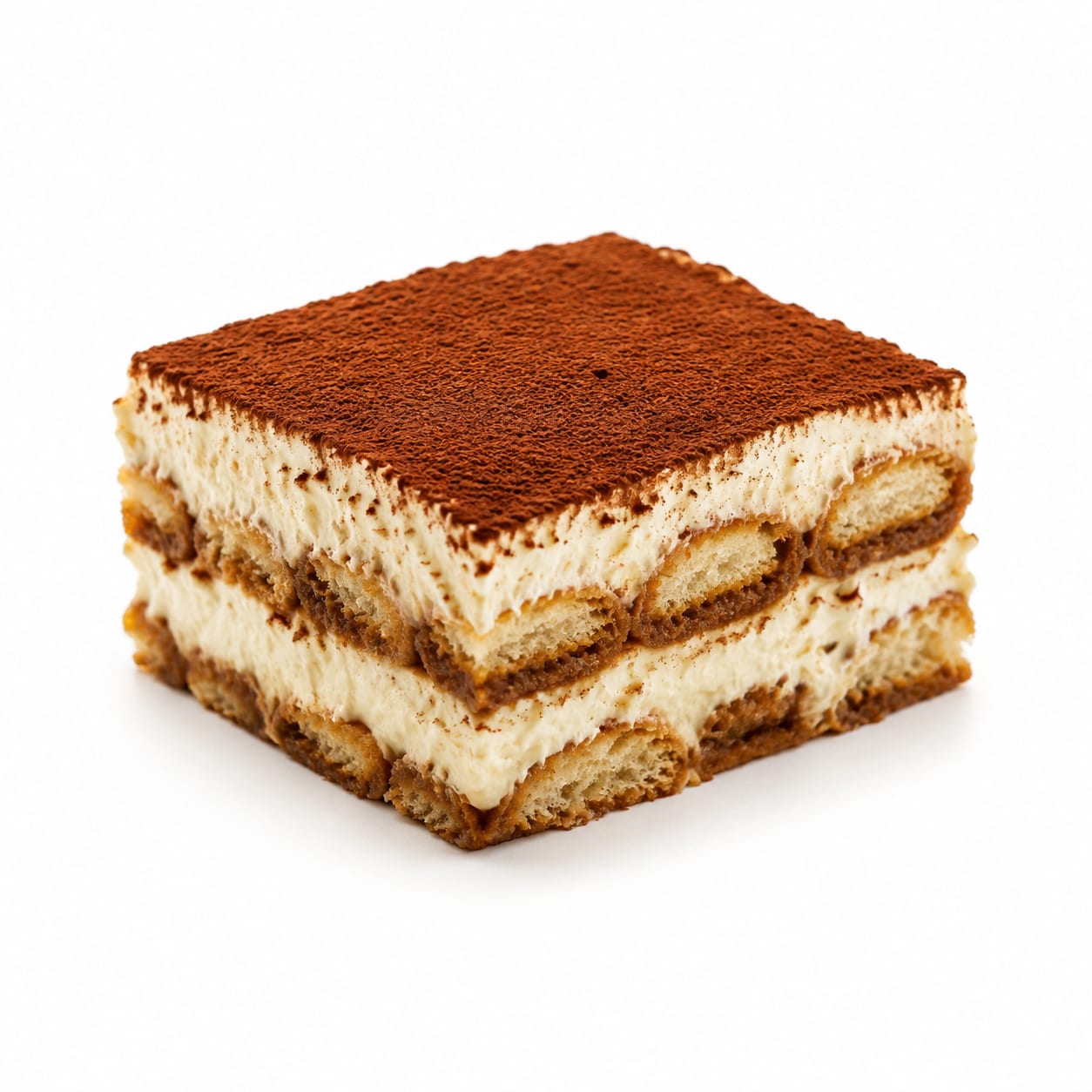
Tiramisu
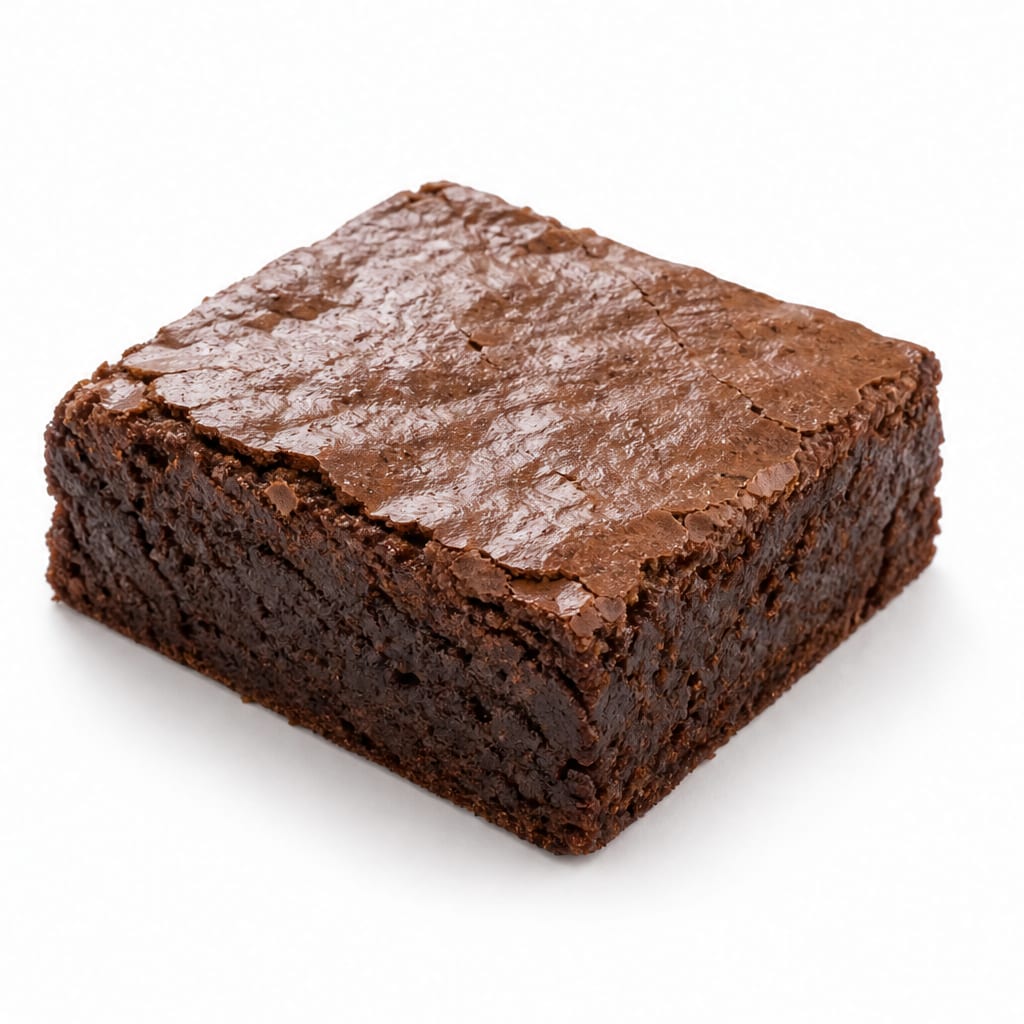
Brownie
Neither is a health food, but tiramisu offers more satiety per bite while brownies are more convenient and shelf-stable.
Tiramisu scores slightly higher due to more protein and fat slowing sugar absorption, but both are indulgent desserts with limited nutritional merit. The gap is small because neither should be a regular choice.
Tiramisu fills you faster with its rich dairy fat but carries raw egg risk and needs refrigeration. Brownies are safer and portable but easier to overeat.
At a glance
Executive summary
Overall
It depends
Healthier
Tiramisu
More practical
Brownie
Daily use
neither
Key comparison lenses
indulgent dessert tradeoff
Both are high-calorie treats users choose for pleasure, not nutrition
sugar and blood sugar impact
Both are sugar-heavy but differ in how quickly that sugar hits your bloodstream
portion control and overeating risk
Brownies are dangerously easy to overeat; tiramisu feels richer faster
food safety concerns
Tiramisu traditionally uses raw eggs, creating a real safety consideration
caffeine and stimulant content
Tiramisu contains espresso, making it a poor evening choice for some
Best choice for
Tiramisu
- Special occasions where you want a smaller portion to feel satisfied
- Afternoon dessert when caffeine is welcome
- Those who prefer rich, creamy textures over dense, chewy ones
Brownie
- Portable snacks or lunchbox treats
- Late-night dessert without caffeine worries
- Sharing at parties where refrigeration is unavailable
Least suitable for
Tiramisu
- Pregnant women or immunocompromised people due to raw egg risk
- Evening dessert for caffeine-sensitive individuals
- Hot outdoor events without refrigeration
Brownie
- Anyone struggling with portion control or binge eating
- People avoiding gluten or needing low-carb options
- Those who find chocolate triggers migraines
Deep comparison
Dimension by dimension
Each lens scores both foods and breaks down who each option suits.
- Dimension 1 · Priority 90Tiramisu
sugar and blood sugar impact
Tiramisu · 32Brownie · 25Tiramisu has sugar, but its mascarpone fat and protein slow absorption. Brownies deliver a faster, sharper blood sugar spike.
Tradeoff
Tiramisu avoids the worst sugar crash but still delivers substantial sugar. Brownies hit harder and faster.
Why it matters
A slower sugar rise means less cravings an hour later and steadier energy.
Real-world impact
After a brownie, you may feel a rush then a dip within 90 minutes. Tiramisu tends to keep you fuller longer before that dip hits.
Tiramisu
- More stable energy after eating
- Less likely to trigger a second craving quickly
Better for
- Still a high-sugar dessert, just slower impact
Worse for
Brownie
- Quick energy if you need a fast pre-workout boost
Better for
- Sharp blood sugar spike followed by a crash
- More likely to trigger overeating after the dip
Worse for
- Dimension 2 · Priority 85Tiramisu
satiety and fullness
Tiramisu · 55Brownie · 35Tiramisu is genuinely filling thanks to mascarpone and cream. Brownies are calorie-dense but not satiating, making overeating easy.
Tradeoff
You feel full faster with tiramisu, but it is heavier on the stomach. Brownies feel light going down, which is dangerous for portion control.
Why it matters
Feeling full sooner means you naturally eat less without trying.
Real-world impact
One slice of tiramisu often feels like enough. A pan of brownies can disappear in an evening without you noticing.
Tiramisu
- Natural portion control from richness
- Protein and fat signal fullness to your brain
Better for
- Can feel too heavy after a big meal
Worse for
Brownie
- Lighter feeling if you just want a small taste
Better for
- Very easy to eat multiple servings without feeling full
- Calories add up fast before satiety kicks in
Worse for
- Dimension 3 · Priority 78Brownie
food safety
Tiramisu · 40Brownie · 72Traditional tiramisu uses raw eggs and requires constant refrigeration. Brownies are baked and shelf-stable, making them far safer.
Tradeoff
Tiramisu's creamy texture comes from raw eggs and delicate dairy. Brownies trade that luxury for safety and convenience.
Why it matters
Raw eggs carry salmonella risk, especially for vulnerable groups like pregnant women, elderly, or immunocompromised individuals.
Real-world impact
Left tiramisu out at a picnic for two hours? Toss it. Brownies survive a day in a lunchbag without worry.
Tiramisu
- Commercial versions often use pasteurized eggs, reducing risk
Better for
- Raw egg salmonella risk in traditional recipes
- Perishable dairy requires constant refrigeration
- Short safe serving window at room temperature
Worse for
Brownie
- Baking kills potential pathogens
- Safe at room temperature for hours
- No raw ingredient concerns
Better for
- Minimal safety concerns overall
Worse for
- Dimension 4 · Priority 75Brownie
convenience and portability
Tiramisu · 25Brownie · 80Brownies are grab-and-go. Tiramisu needs refrigeration, careful handling, and soft layers that do not travel well.
Tradeoff
Tiramisu rewards you with a luxurious experience at the table. Brownies reward you with zero hassle anywhere.
Why it matters
The best dessert for you is often the one that fits your actual life, not just your taste buds.
Real-world impact
Brownies go in a backpack, lunchbox, or car. Tiramisu needs a cooler and a spoon.
Tiramisu
- Worth the effort for a sit-down dessert experience
Better for
- Cannot transport easily
- Needs constant refrigeration
- Messy to serve and eat without a plate
Worse for
Brownie
- Travel anywhere without special handling
- No utensils needed
- Make ahead and store for days
Better for
- None for convenience
Worse for
- Dimension 5 · Priority 65Brownie
caffeine and stimulants
Tiramisu · 30Brownie · 70Tiramisu contains espresso, which can disrupt sleep if eaten in the evening. Brownies are caffeine-free unless made with dark chocolate.
Tradeoff
Tiramisu's coffee flavor is part of its appeal, but it limits when you can comfortably eat it.
Why it matters
Even small amounts of caffeine after dinner can reduce sleep quality, especially in sensitive people.
Real-world impact
Tiramisu at 9 PM might keep you up. A brownie will not.
Tiramisu
- Afternoon pick-me-up when caffeine is welcome
- Coffee lovers who enjoy the flavor pairing
Better for
- Not a good late-night choice
- Can interfere with sleep quality
Worse for
Brownie
- Evening dessert without sleep disruption
- Caffeine-sensitive individuals
- Children who should avoid caffeine
Better for
- Dark chocolate versions still contain trace caffeine
Worse for
- Dimension 6 · Priority 82Tiramisu
calorie density and portion control
Tiramisu · 38Brownie · 30Both are calorie bombs, but tiramisu's richness enforces natural portion limits. Brownies are dangerously easy to overconsume.
Tradeoff
Tiramisu stops you with heaviness. Brownies do not signal fullness until you have eaten far too many.
Why it matters
Calorie density matters less when a food naturally limits itself. The danger is foods that never feel like enough.
Real-world impact
A typical tiramisu slice is 350-450 calories and feels like a full dessert. Two small brownies can match that and still feel like a snack.
Tiramisu
- Heaviness creates a natural stopping point
- Usually served in pre-portioned slices
Better for
- High calories even in modest portions
Worse for
Brownie
- Easier to cut smaller portions if you have discipline
Better for
- Very easy to eat 2-3 servings mindlessly
- Does not trigger fullness signals effectively
Worse for
Timeline
Health impact over time
Short-term
Hours to days
Tiramisu
- Quick satisfaction from rich fat and sugar
- Possible caffeine alertness from espresso
- Heavy feeling that discourages a second portion
- Slight digestive heaviness if eaten after a large meal
Brownie
- Rapid blood sugar spike and energy surge
- Crash and renewed hunger within 1-2 hours
- Light sensation that makes a second serving tempting
- Possible sugar headache if eaten on an empty stomach
Long-term
Months to years
Tiramisu
- High saturated fat from mascarpone if consumed frequently
- Occasional raw egg exposure risk with traditional recipes
- More satiating, so less likely to drive habitual overeating
Brownie
- Consistent blood sugar spikes contributing to insulin resistance
- Easy overconsumption leading to weight gain over time
- Refined flour and sugar promoting inflammation with regular intake
Risk profile
Safety & processing
Traditional tiramisu uses whole ingredients like mascarpone, eggs, and espresso. Brownies often include refined flour, vegetable oil, and sometimes preservatives in packaged versions. Homemade versions of both are comparable, but store-bought brownies tend to have more additives.
Tiramisu
Salmonella from raw eggs
mediumTraditional recipes use uncooked eggs. Commercial versions typically use pasteurized eggs, but homemade or restaurant versions may not. Pregnant women and immunocompromised individuals should verify.
Dairy spoilage
mediumMascarpone and cream are highly perishable. Tiramisu should not sit at room temperature for more than 2 hours.
Brownie
Stale or rancid oil in packaged versions
lowStore-bought brownies may use vegetable oils that degrade over time. Freshly made brownies avoid this concern.
Allergen density
lowBrownies concentrate multiple common allergens: wheat, dairy, eggs, and soy. Not a safety issue for most, but relevant for allergic individuals.
Who wins for whom
Audience fit
Same foods, different winners depending on your goal.
children
BrownieBrownies avoid raw egg risk and caffeine, making them safer and more kid-appropriate.
daily consumption
neitherBoth are indulgent desserts. Daily consumption of either would contribute significantly to excess sugar, saturated fat, and calorie intake.
diabetes
It dependsNeither is good for blood sugar. Tiramisu has a slightly slower glycemic impact due to fat content, but both require extreme portion caution.
elderly
BrownieRaw egg risk and caffeine make tiramisu less suitable for older adults with weaker immune systems or sleep concerns.
muscle gain
TiramisuTiramisu provides more protein from mascarpone and eggs, though neither dessert is a meaningful protein source.
weight loss
TiramisuTiramisu's richness enforces natural portion limits. You are less likely to eat a second helping compared to brownies.
Your move
Decision guide
Choose Tiramisu
- You want a dessert that feels satisfying in a small portion
- You are eating in the afternoon and do not mind caffeine
- You are serving a sit-down dinner where refrigeration is available
- You value richer, creamier textures over dense, chewy ones
Choose Brownie
- You need a portable dessert for a lunchbox, picnic, or party
- You want a late-night treat that will not keep you awake
- You are serving children or anyone avoiding raw eggs
- You prefer chocolate-forward flavors over coffee and cream
Either works if
- You are celebrating and just want something delicious
- You have already decided to indulge and portion size is controlled
- Neither dessert is a regular part of your diet
Avoid both if
- You are managing blood sugar issues and need low-glycemic options
- You are trying to reduce saturated fat intake significantly
- You struggle with portion control around sweet foods
- You are on a calorie-restricted diet and cannot afford 350+ calories on a treat
Final recommendation
For an occasional treat, tiramisu edges out brownies because its richness naturally limits how much you eat. But if you need convenience, safety, or an evening dessert, brownies are the more practical choice. The real decision is not which is healthier, but which fits your situation without leading to a second helping.
Practical
Consumer tips
- 1
If making tiramisu at home, use pasteurized eggs to eliminate salmonella risk
- 2
Freeze brownies in individual portions to prevent mindless eating of the whole pan
- 3
Ask restaurants about raw eggs in their tiramisu if you are in a high-risk group
- 4
Pair either dessert with a protein-rich meal to blunt the blood sugar spike
- 5
Consider sharing a single portion of either dessert to cut calories in half while still enjoying the experience