

Tropical Fruit
Tamarind
A sweet and sour tropical fruit used primarily as a flavoring agent, rich in sugar and dietary fiber.
Tamarind is a tropical fruit known for its distinct sweet and sour pulp, widely used in cuisines worldwide as a flavoring agent, condiment, and snack.
high-sugar flavoring fruit
Typical serving · 30g
Common varieties · sweet tamarind, sour tamarind, manila tamarind, indian date
Overall context score across nutrition, safety, and diet fit
At a glance
Quick facts
Simple indicators based on nutrition, processing, and diet fit.
The story
What makes it unique
Tamarind pulp is high in simple sugars and dietary fiber, providing rapid digestion with a surprisingly low glycemic index due to its high organic acid content. It offers significant satiety per serving but is energy-dense, making portion control important for weight management.
Varieties: sweet tamarind · sour tamarind · manila tamarind · indian date
Per 100g
Nutrition breakdown
Macro balance and key metrics at a glance.
Energy
Density 2.39 kcal/g
Protein
Carbs
Fat
Fiber
Sugar
57.4 g
Sodium
28 mg
Potassium
628 mg
Glycemic index
23
Glycemic load
14
Water content
31.4%
Standout compounds
Nutrient highlights
Fiber
highSupports digestion and promotes bowel regularity
Potassium
highHelps regulate blood pressure and fluid balance
Magnesium
moderateSupports muscle and nerve function
Vitamin B1 (Thiamin)
moderateEssential for energy metabolism
Wellness map
Health scores & processing
NOVA processing scale
minimally processed · Whole food
Whole tamarind pods are unprocessed natural fruits. Processed tamarind paste or concentrate may contain added preservatives or sugars, shifting them to Nova Group 3.
Diet compatibility
- Weight loss
- Muscle gain
- Diabetes
- Gut health
- Low carb
- High protein
- Heart health
Relative standing
Food rankings
Qualitative ranks compared to similar whole foods.
- Satietymoderate
- Blood sugarpoor
- Nutrient densitymoderate
- Fitness fuelmoderate
- Processing qualityexcellent
Eat with confidence
Food safety profile
Whole tamarind is generally safe with low contamination risk due to its thick protective pod. Processed versions should be checked for additive disclosures.
Evidence confidence 85%
- Pesticideslow
- Antibioticslow
- Heavy metalslow
- Contaminationlow
Watch for
- mold
- added sulfites in processed paste
Safer choices
Organic whole tamarind pods
Prep tips
Crack the outer shell and remove the fibrous strings before eating the pulp. Avoid chewing on the hard seeds.
Processed tamarind pastes occasionally face scrutiny for undeclared sulfites or artificial colorants.
Deep dive
Health analysis
How this food may fit different goals and preparation choices.
Weight loss
Tamarind is energy-dense and high in sugar, making it poorly suited for weight loss unless used in very small quantities as a flavor accent rather than a snack.
Blood sugar
The low glycemic index is deceptive; the high carbohydrate and sugar density means large servings will spike blood sugar. Diabetics should exercise strict portion control.
Fitness & energy
Provides quick-digesting carbohydrates for rapid energy, but lacks the protein needed for muscle recovery, making it a secondary fuel source.
Gut health
Contains notable dietary fiber and natural laxative compounds that promote bowel regularity and feed beneficial gut bacteria.
Processing quality
Whole pod tamarind is an unprocessed whole food. Commercial tamarind pastes and syrups often contain added sugars and preservatives.
Food safety
The thick shell naturally protects the edible pulp from agricultural chemicals and microbial contamination, making it a relatively low-risk food.
Common mistakes
Consuming large amounts of sweet tamarind as a healthy snack without accounting for its high sugar and calorie content, or confusing whole pods with heavily sweetened tamarind candies.
Best preparation
Eaten fresh from the pod, soaked in warm water to make tamarind juice, or used as a souring agent in curries and sauces.
Practical guide
Best use cases
When and how this food fits real eating patterns.
Flavor enhancer for savory dishes
Used in small amounts to add a distinct sweet and sour tang to curries, stews, and marinades.
Natural remedy for constipation
The fiber and natural laxative compounds in tamarind pulp help promote bowel regularity.
Post-workout carbohydrate replenishment
Provides fast-digesting sugars to quickly restock glycogen stores after intense exercise.
Balance sheet
Pros & cons
Upsides
- Rich in dietary fiber for digestive health
- Contains high levels of potassium for heart function
- Provides a natural laxative effect to relieve constipation
- Low glycemic index due to tartaric acid content
- Unprocessed pods are a whole, natural food
Trade-offs
- Very high in sugar and calories compared to most fruits
- Easy to overconsume due to sweet taste
- Not suitable for strict low-carb or ketogenic diets
- Commercial pastes often contain added sugars and preservatives
- Hard seeds and fibrous strings require careful preparation
Fit check
Who is it for?
Great match
- flavoring savory recipes
- relieving occasional constipation
- quick post-workout energy
- plant-based diets
Consider alternatives
- strict weight loss diets
- blood sugar management
- low-carb diets
- fructose intolerance
Side by side
How it compares
Open the full head-to-head analysis for nutrition, safety, and practical tradeoffs.
This food
Tamarind
VS85% alike
Compare with
Date
Dates are sweeter and higher in calories, while tamarind provides a sour flavor profile and more tartaric acid.
Tamarind is lower in calories and sugar than dates, making it better for weight loss, but dates offer more quick energy for fitness.
This food
Tamarind
VS70% alike
Compare with
Lemon
Lemon is vastly lower in sugar and calories, while tamarind offers more fiber and a sweet-sour balance.
Lemon is much lower in sugar and calories than tamarind, making it better for weight loss, while tamarind provides more dietary fiber.
This food
Tamarind
VS80% alike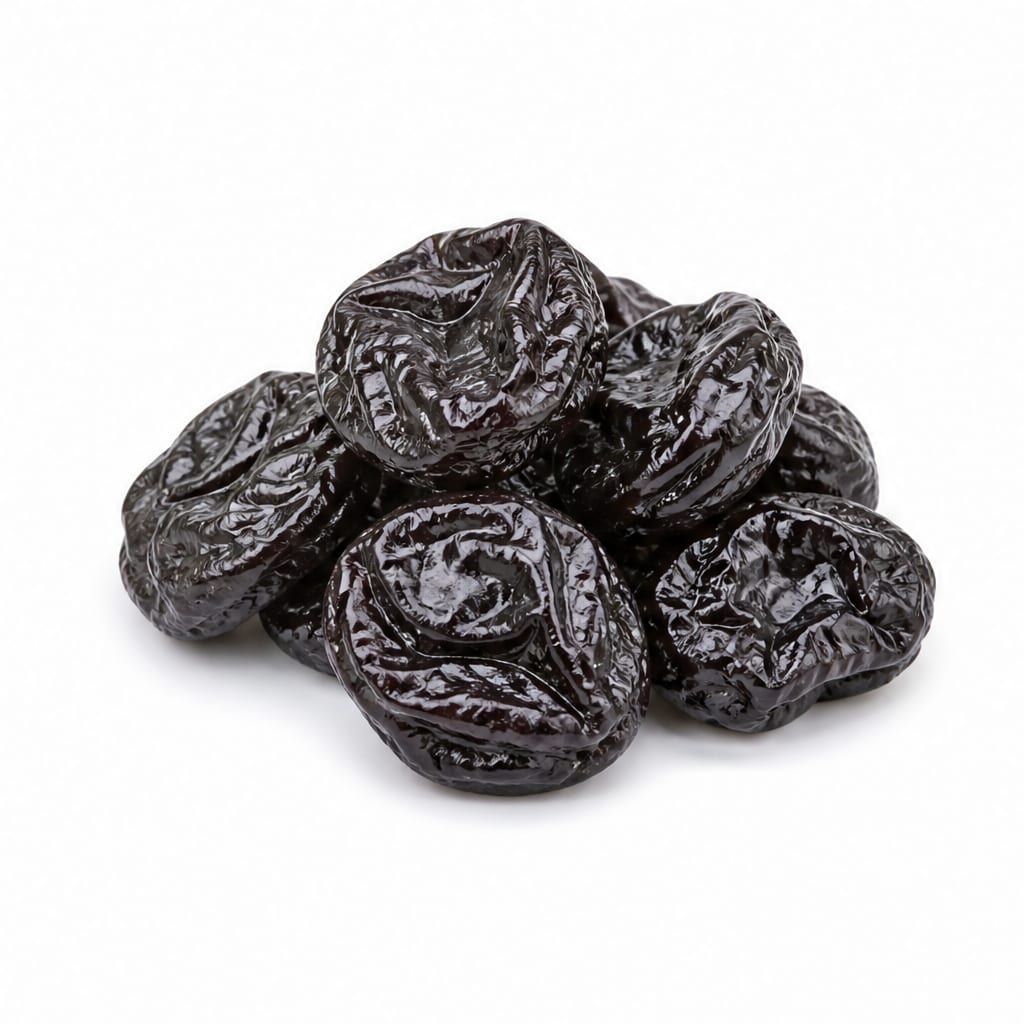
Compare with
Prune
Prunes are higher in fiber and have a milder sweet flavor, while tamarind is more tart and lower in calories.
Tamarind is lower in calories than prunes, but prunes are slightly better for digestion and satiety due to higher fiber content.
This food
Tamarind
VS65% alike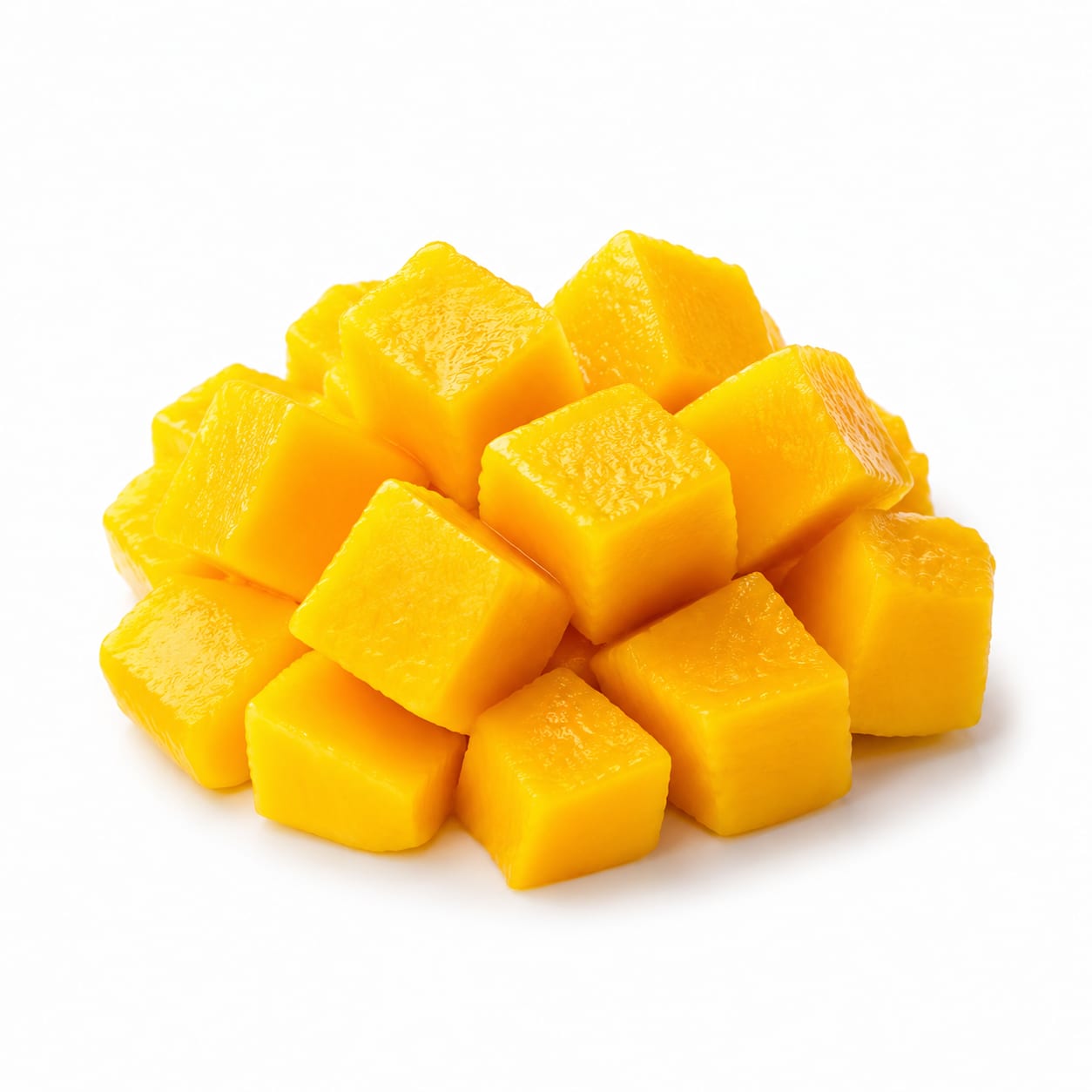
Compare with
Mango
Mango is less energy-dense and lower in sugar per gram, while tamarind is much more concentrated in flavor and carbohydrates.
Mango is lower in calories and sugar than tamarind, making it a better everyday fruit choice, while tamarind is best used as a flavor accent.
This food
Tamarind
VS60% alike
Compare with
Lime
Lime is extremely low in sugar and calories, functioning purely as a flavoring agent, while tamarind adds both sweetness and sourness.
Lime provides sour flavor with almost no calories or sugar, whereas tamarind adds a sweet-sour punch but brings significant carbs.
This food
Tamarind
VS75% alike
Compare with
Fig
Figs are sweeter and softer, while tamarind has a more pronounced tartness and a denser nutritional profile per gram.
Tamarind is lower in sugar than figs, but figs are sweeter and provide a softer texture for snacking and quick energy.
This food
Tamarind
VS55% alike
Compare with
Pomegranate
Pomegranate is lower in sugar and higher in water content, while tamarind is more concentrated in carbohydrates and fiber.
Pomegranate is significantly lower in calories and sugar than tamarind, making it a better choice for everyday snacking and weight management.
This food
Tamarind
VS50% alike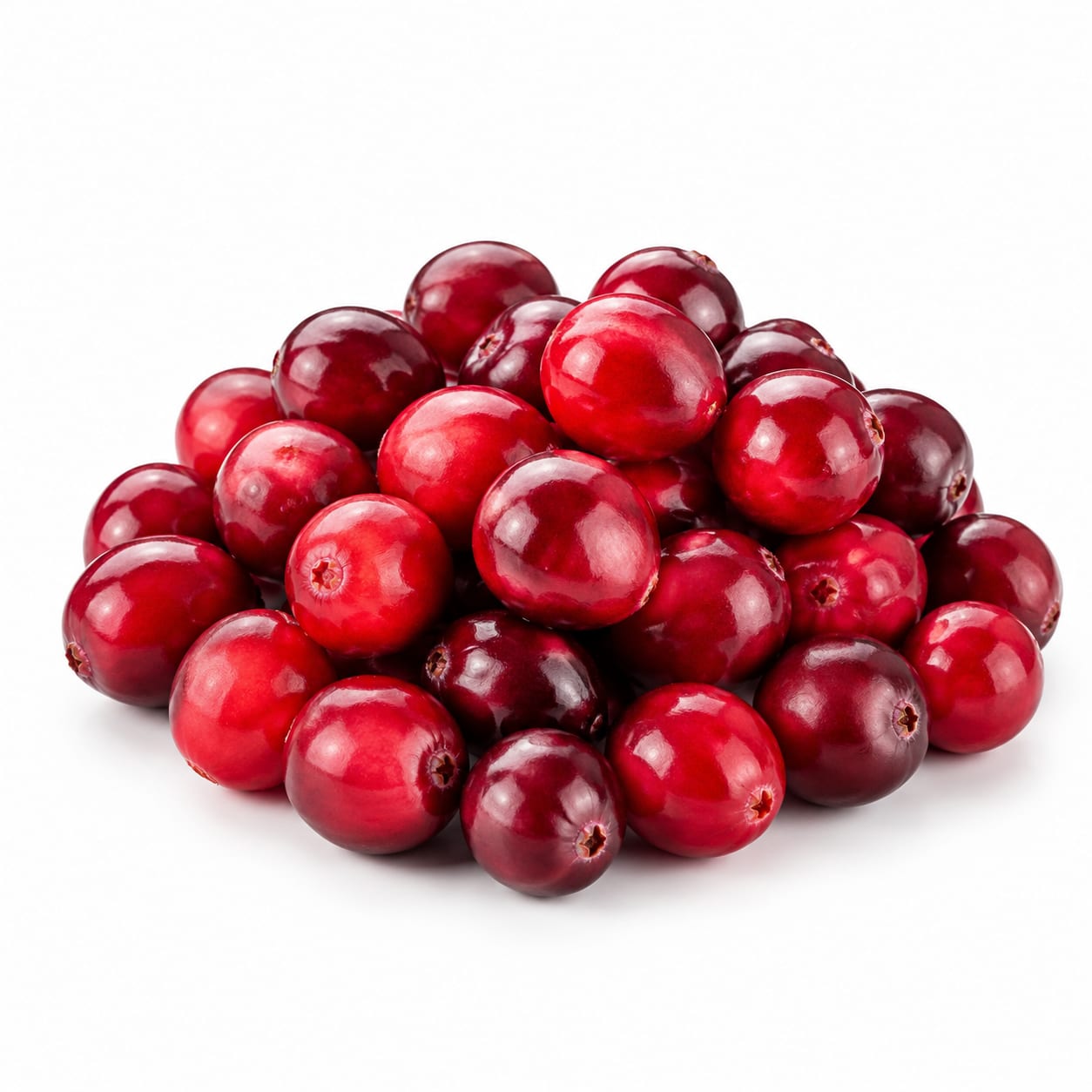
Compare with
Cranberry
Fresh cranberries are extremely low in sugar, whereas tamarind is naturally very high in sugar.
Fresh cranberries are vastly lower in sugar than tamarind, though both are usually consumed with added sweeteners to balance their tartness.
This food
Tamarind
VS60% alike
Compare with
Apricot
Apricots are much lower in calories and sugar, making them a more diet-friendly fruit, while tamarind is more fiber-dense.
Apricots are lower in calories and sugar than tamarind, offering a lighter option for snacking, while tamarind provides more concentrated fiber.
This food
Tamarind
VS95% alike
Compare with
Tamarind Paste
Whole tamarind has no added ingredients, while commercial paste often contains added sugars, preservatives, and less fiber.
Whole tamarind is better than commercial paste, which often adds extra sugar and preservatives, though paste is more convenient for cooking.
Common questions
FAQ
Answers aligned with how people search for this food.
Is tamarind good for weight loss?
Tamarind is not ideal for weight loss because it is highly calorie-dense and contains over 57 grams of sugar per 100 grams. It is best used in small amounts for flavor rather than as a diet snack.
Can diabetics eat tamarind?
Diabetics can eat tamarind in very small quantities. While it has a low glycemic index, its extremely high sugar content means large portions will significantly raise blood sugar levels.
Is tamarind high in sugar?
Yes, tamarind is very high in sugar. A 100-gram serving of tamarind pulp contains approximately 57 grams of sugar, which is more than most fresh fruits.
Does tamarind help you poop?
Yes, tamarind contains dietary fiber and natural compounds that act as a mild laxative, helping to stimulate bowel movements and relieve constipation.
What is the difference between sweet and sour tamarind?
Sour tamarind is harvested earlier and is highly acidic, commonly used in savory cooking and sauces. Sweet tamarind is fully ripe, softer, and eaten as a snack or dessert.
Is tamarind a fruit or a nut?
Tamarind is a tropical fruit that grows in pods on the tamarind tree. The edible pulp surrounds hard seeds, which are discarded, giving it a texture that some might confusingly compare to a nut.
How much tamarind should I eat daily?
A safe daily portion is about 1 to 2 tablespoons (15-30 grams) of the pulp. This provides flavor and digestive benefits without excessive sugar or calorie intake.
Is tamarind paste healthy?
Commercial tamarind paste often contains added sugars, preservatives, and artificial colors. Whole tamarind pods are healthier, but unsweetened pure paste retains much of the fruit's natural benefits.
Transparency
Data confidence
Estimated confidence for nutrition data, interpretation, safety notes, and comparisons.
Nutrition data
Health analysis
Food safety
Comparisons