
Nutrition comparison
Tamarind vs Tamarind Paste: Which Is Healthier and When to Use Each
Compare whole tamarind and tamarind paste on nutrition, additives, fiber, sodium, and convenience. Learn which form is better for your health and cooking needs.
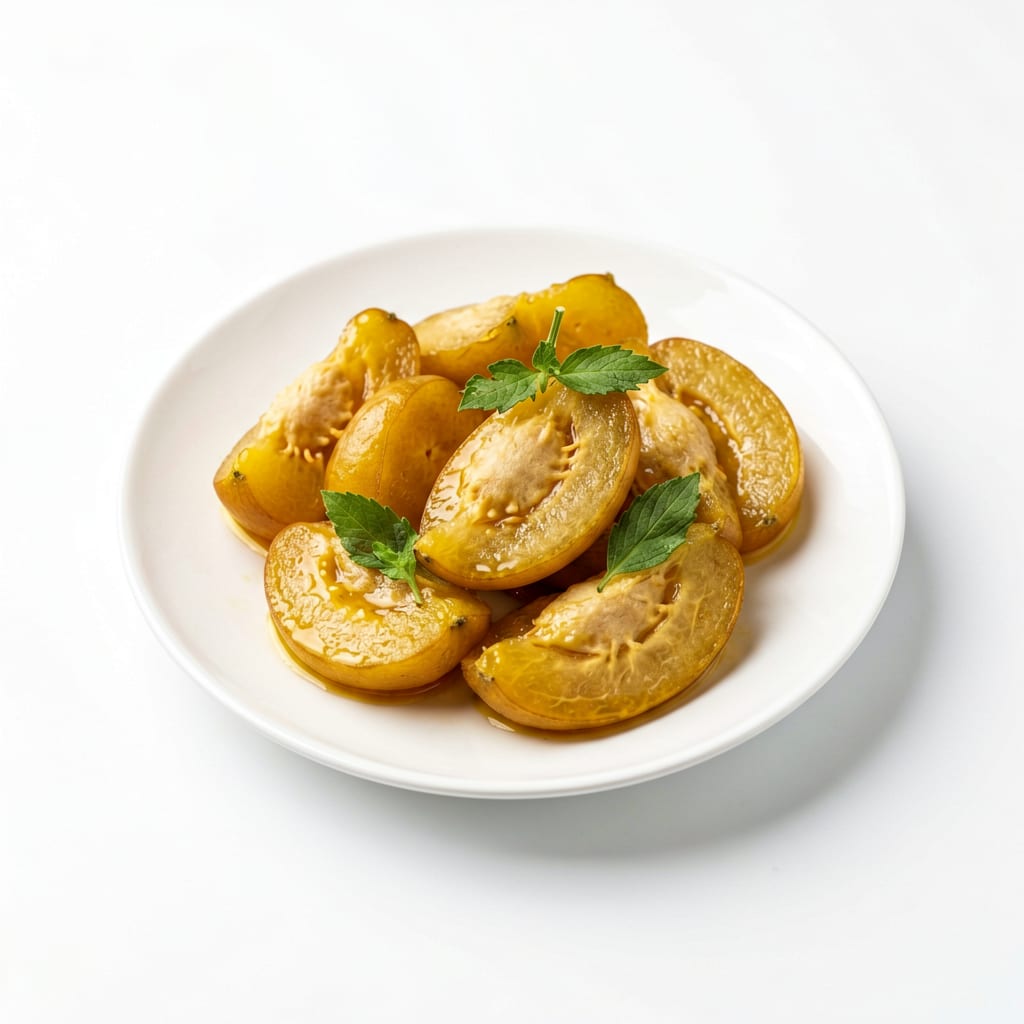
Tamarind
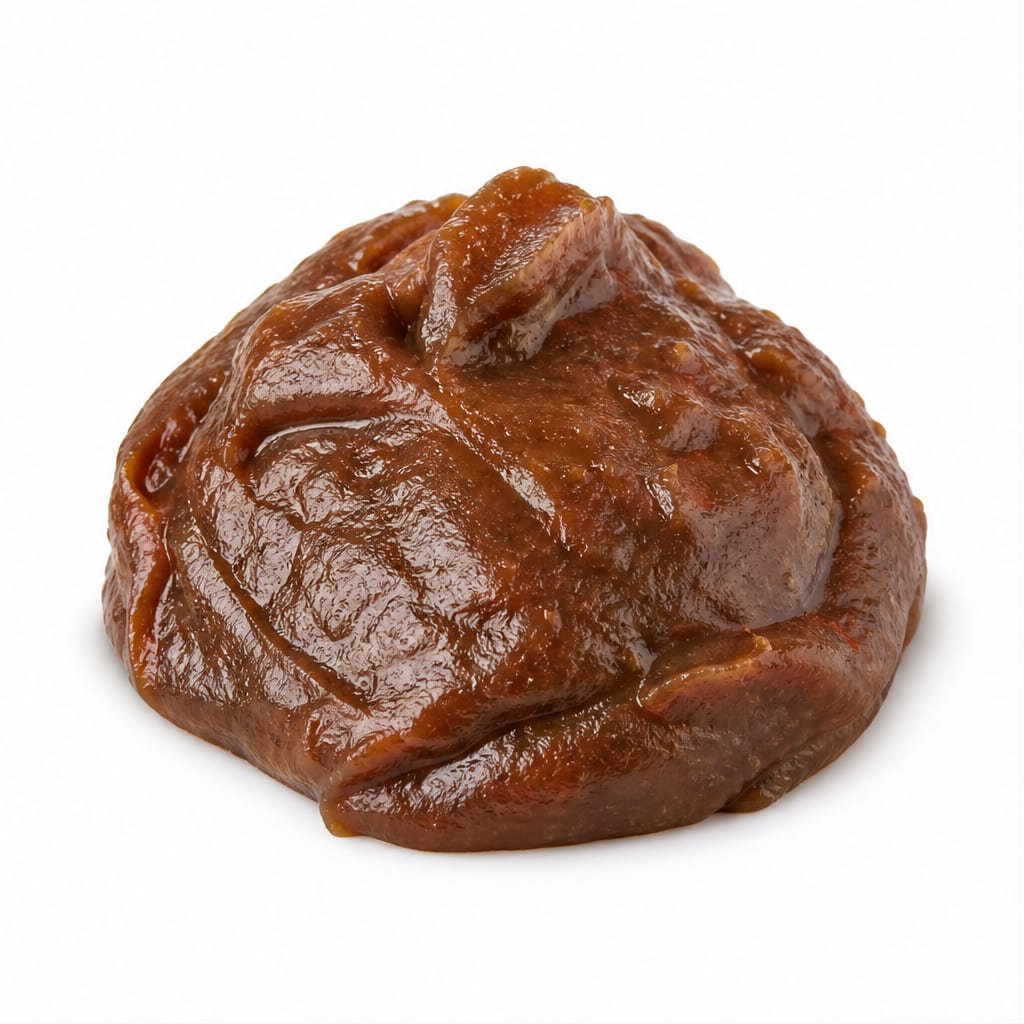
Tamarind Paste
Whole tamarind wins on nutrition and purity, but tamarind paste wins on everyday usability. The right choice depends on whether you value what goes into your body or what fits your schedule.
Whole tamarind scores higher for health and naturalness, but tamarind paste closes the gap significantly through convenience and accessibility. The 8-point difference reflects that most people will realistically choose paste more often, even if whole tamarind is nutritionally superior.
You trade fiber, zero additives, and slower sugar absorption for convenience, longer shelf life, and ready-to-use simplicity.
At a glance
Executive summary
Overall
It depends
Healthier
Tamarind
More practical
Tamarind Paste
Daily use
It depends
Key comparison lenses
Processing level and additive exposure
Tamarind paste often contains preservatives, added sodium, or sulfites that whole tamarind avoids entirely
Convenience vs naturalness tradeoff
The primary reason people choose paste is convenience, but this comes with processing compromises
Fiber retention and blood sugar impact
Whole tamarind retains natural fiber that slows sugar absorption, while paste loses much of it during processing
Shelf life and storage practicality
Paste lasts far longer and requires no prep, making it the default for most home cooks
Sodium and hidden additive load
Many commercial tamarind pastes contain surprising amounts of sodium and preservatives users rarely expect
Best choice for
Tamarind
- Health-conscious cooks who want zero preservatives
- People managing blood sugar who benefit from natural fiber
- Anyone avoiding sodium or sulfites
- Those who use tamarind occasionally and value purity over speed
Tamarind Paste
- Busy home cooks who need quick meal prep
- People who cook Indian, Thai, or Latin dishes frequently
- Anyone with limited access to fresh tamarind pods
- Those who prioritize consistent flavor and portion control
Least suitable for
Tamarind
- People short on time who find pod preparation tedious
- Anyone unfamiliar with extracting tamarind pulp from shells
- Those living in regions where whole pods are hard to find
Tamarind Paste
- People strictly avoiding preservatives or added sodium
- Those sensitive to sulfites or benzoates
- Anyone seeking maximum fiber and whole-food nutrition
Deep comparison
Dimension by dimension
Each lens scores both foods and breaks down who each option suits.
- Dimension 1 · Priority 92Tamarind
Processing & Additive Exposure
Tamarind · 95Tamarind Paste · 45Whole tamarind is a raw fruit with nothing added. Tamarind paste often contains preservatives, stabilizers, and sometimes added salt or sugar.
Tradeoff
You gain shelf stability and convenience but risk consuming sodium benzoate, potassium sorbate, or sulfites that whole tamarind never contains.
Why it matters
Preservative exposure adds up over time, especially if you cook with tamarind paste several times per week.
Real-world impact
Reading the ingredient label on tamarind paste can be surprising. Some brands list only tamarind, while others read like a chemistry experiment.
Tamarind
- Clean-eating lifestyles
- Chemical-sensitive individuals
- Whole-food plant-based diets
Better for
- No meaningful downside beyond shorter shelf life
Worse for
Tamarind Paste
- Situations where spoilage risk is high
- Infrequent users who need long shelf life
Better for
- Daily users accumulating preservative exposure
- Children who eat tamarind-based dishes often
Worse for
- Dimension 2 · Priority 80Tamarind
Fiber Content & Blood Sugar Stability
Tamarind · 82Tamarind Paste · 38Whole tamarind provides significant dietary fiber that slows sugar absorption. Paste loses most fiber during processing and concentration.
Tradeoff
The concentrated paste delivers more sugar per spoonful with less fiber to buffer it, leading to faster blood sugar spikes.
Why it matters
Tamarind is naturally high in sugar. Without fiber to slow digestion, paste hits your bloodstream faster.
Real-world impact
A tablespoon of tamarind paste in a curry delivers concentrated sweetness without the fiber that whole pulp would provide to soften the glycemic impact.
Tamarind
- People with diabetes or insulin resistance
- Anyone monitoring glycemic load
- Those seeking digestive regularity
Better for
- Dishes where fibrous texture is undesirable
Worse for
Tamarind Paste
- Situations where smooth texture matters more than fiber
- Recipes requiring dissolved consistency without pulp
Better for
- Blood sugar management
- Anyone relying on tamarind as a regular fiber source
Worse for
- Dimension 3 · Priority 88Tamarind Paste
Convenience & Preparation Time
Tamarind · 25Tamarind Paste · 95Tamarind paste is ready in seconds. Whole tamarind requires cracking shells, removing fibers, soaking, and straining.
Tradeoff
You save 15 to 30 minutes of prep per use but surrender control over what ends up in your food.
Why it matters
When you are cooking after a long workday, the 25-minute soak time for whole tamarind feels impractical.
Real-world impact
Most people reach for paste on weeknights and save whole tamarind for weekend cooking or special occasions.
Tamarind
- Weekend meal prep when time is available
- Cooking as a mindful or traditional practice
Better for
- Last-minute recipe needs
- Anyone with limited kitchen time
Worse for
Tamarind Paste
- Weeknight dinners under 30 minutes
- Batch cooking where speed matters
- Cooking while traveling or in shared kitchens
Better for
- Situations where ingredient purity is non-negotiable
Worse for
- Dimension 4 · Priority 75Tamarind
Flavor Quality & Authenticity
Tamarind · 88Tamarind Paste · 70Fresh tamarind pulp delivers brighter, more complex tartness with floral notes. Paste tends toward a flatter, more one-dimensional sourness.
Tradeoff
Paste provides consistent flavor every time, while whole tamarind varies by pod ripeness and origin.
Why it matters
Traditional dishes like sambar or pad thai taste noticeably different with fresh pulp versus paste.
Real-world impact
Experienced cooks can taste the difference immediately. Whole tamarind gives a livelier, more rounded sourness that paste struggles to replicate.
Tamarind
- Traditional recipes where authenticity matters
- Slow-cooked dishes where depth develops over time
Better for
- Inexperienced cooks who struggle with variable tartness
Worse for
Tamarind Paste
- Recipes needing precise, repeatable tartness
- Commercial or batch cooking where consistency is critical
Better for
- Discerning palates seeking complex flavor
Worse for
- Dimension 5 · Priority 72Tamarind Paste
Shelf Life & Storage
Tamarind · 40Tamarind Paste · 90Tamarind paste lasts months or years unopened. Whole pods spoil within weeks at room temperature and require refrigeration after opening.
Tradeoff
Stocking paste means less waste and fewer grocery trips, but you are trading freshness for longevity.
Why it matters
If you cook tamarind-based dishes once a month, whole pods may spoil before you finish them.
Real-world impact
A jar of paste in your fridge door is always ready. A block of whole tamarind might grow mold if forgotten.
Tamarind
- Frequent cooks who use tamarind weekly
- People with reliable access to fresh pods
Better for
- Hot, humid climates where spoilage accelerates
- Small households that cook infrequently
Worse for
Tamarind Paste
- Occasional users who need pantry stability
- Meal preppers who stock staples monthly
Better for
- People concerned about preservative longevity effects
Worse for
- Dimension 6 · Priority 65Tamarind
Sodium Load
Tamarind · 95Tamarind Paste · 40Whole tamarind contains virtually no sodium. Many commercial pastes add salt as both flavor enhancer and preservative.
Tradeoff
That convenient spoonful of paste may deliver 100 to 200 milligrams of sodium you did not plan for.
Why it matters
If you have hypertension or cook multiple tamarind-based dishes per week, paste sodium accumulates silently.
Real-world impact
A single curry with tamarind paste can contribute 10 to 15 percent of your daily sodium limit before you even add salt to taste.
Tamarind
- Low-sodium diets
- Blood pressure management
- Kidney-conscious eating
Better for
- No meaningful sodium downside
Worse for
Tamarind Paste
- Situations where slight salt enhances flavor balance
Better for
- Anyone tracking sodium for heart or kidney health
- Children who already exceed daily sodium limits
Worse for
Timeline
Health impact over time
Short-term
Hours to days
Tamarind
- Soaking and straining whole tamarind takes time but delivers clean, additive-free pulp
- Natural fiber supports digestion and prevents the sugar rush that paste can cause
- No risk of sulfite headaches or preservative reactions
Tamarind Paste
- Quick flavor addition to meals without prep delay
- Possible mild blood sugar spike due to concentrated sugars without fiber buffer
- Sensitive individuals may react to preservatives like sodium benzoate or sulfites
Long-term
Months to years
Tamarind
- Consistent fiber intake supports gut health and cholesterol management
- Zero preservative exposure reduces cumulative chemical burden
- Natural tartaric acid may support antioxidant intake without additives
Tamarind Paste
- Regular preservative consumption from daily paste use may affect gut microbiome diversity
- Higher cumulative sodium intake contributes to blood pressure concerns over years
- Sugar concentration without fiber may worsen insulin sensitivity with frequent use
Risk profile
Safety & processing
Whole tamarind is a fruit you crack open and soak. Tamarind paste is an industrial product that may contain preservatives, added sodium, and stabilizers. The gap is significant but varies by brand. Some premium pastes contain only tamarind and water, while budget options include a long list of additives.
Tamarind
Mold growth on stored pods
mediumWhole tamarind spoils within weeks if not refrigerated. Mold can produce mycotoxins that survive cooking. Inspect pods before use and discard any with visible mold or off smells.
Seed contamination in prepared pulp
lowImproper straining can leave seed fragments that pose a choking hazard or damage teeth.
Tamarind Paste
Sulfite sensitivity reactions
mediumSome tamarind pastes contain sulfur dioxide as a preservative. Sulfite-sensitive individuals may experience headaches, hives, or breathing difficulty.
Sodium benzoate concerns
lowWhen combined with ascorbic acid, sodium benzoate can form benzene, a known carcinogen. Risk is low in typical home cooking but worth noting for heavy users.
Heavy metal contamination in unregulated brands
mediumSome imported tamarind pastes from unverified sources have tested positive for lead or other heavy metals. Choose brands with third-party testing or recognized certifications.
Who wins for whom
Audience fit
Same foods, different winners depending on your goal.
children
TamarindChildren benefit from the fiber and face zero preservative exposure with whole tamarind. Paste additives and sodium are unnecessary for developing bodies.
daily consumption
TamarindDaily use amplifies the impact of preservatives and sodium in paste. Whole tamarind is safer for frequent consumption.
diabetes
TamarindThe fiber in whole tamarind slows sugar absorption, making it gentler on blood glucose than concentrated paste.
elderly
It dependsWhole tamarind supports digestion and blood sugar control, but paste is easier to handle for those with limited dexterity or kitchen stamina.
muscle gain
It dependsNeither food is relevant for muscle gain. Both are condiment ingredients with minimal protein.
weight loss
TamarindWhole tamarind provides more fiber and fewer calories per serving of actual fruit content, helping you feel more satisfied with less.
Your move
Decision guide
Choose Tamarind
- You cook tamarind-based dishes at least weekly and have time for prep
- You are avoiding preservatives, added sodium, or sulfites
- Blood sugar management is a priority for you or your family
- You want the most authentic flavor in traditional recipes
- You are willing to soak and strain pulp for cleaner ingredients
Choose Tamarind Paste
- You cook with tamarind occasionally and need long shelf life
- Weeknight speed matters more than perfect ingredient purity
- You cannot easily find whole tamarind pods where you live
- You need consistent, predictable tartness for recipe repeatability
- You choose a brand with minimal ingredients, ideally just tamarind and water
Either works if
- You are making a one-time dish where the nutritional difference is negligible
- You found a premium paste brand with no additives, making it nearly equivalent to whole pulp
Avoid both if
- You have a tamarind allergy, which is rare but serious
- You are on a very low-sugar diet, as both forms contain significant natural sugars
Final recommendation
Keep both in your kitchen. Use whole tamarind when you have time and care about purity. Use a clean-ingredient paste for busy nights. The real danger is not choosing paste occasionally, it is choosing a heavily preserved paste daily without reading the label. If your paste ingredient list is longer than two items, find a better brand.
Practical
Consumer tips
- 1
Read every tamarind paste label. The best brands contain only tamarind and sometimes water. Avoid any with sodium benzoate, potassium sorbate, or added sugar.
- 2
Soak whole tamarind in warm water for 20 minutes, then squeeze and strain through a fine mesh. Freeze extra pulp in ice cube trays for future quick use.
- 3
If switching from paste to whole tamarind, use roughly twice the volume of soaked pulp to match paste concentration.
- 4
Store whole tamarind pods in the refrigerator in a sealed bag. They last several weeks. Paste lasts months in the fridge after opening.
- 5
Look for tamarind paste in glass jars rather than plastic, which reduces microplastic exposure and usually indicates higher quality.
- 6
Avoid tamarind paste that looks unnaturally dark or uniform. Real tamarind paste has slight color variation and a textured consistency.
- 7
If you use tamarind paste daily, consider making a large batch from whole pods and freezing portions. You get convenience without additives.