
Nutrition comparison
Tamarind vs Pomegranate: Which Tart Fruit Is Healthier for You?
Compare tamarind and pomegranate on antioxidants, sugar, digestion, and heart health. Learn which fruit fits your goals and when to choose each one.
Overall winner · Pomegranate

Tamarind
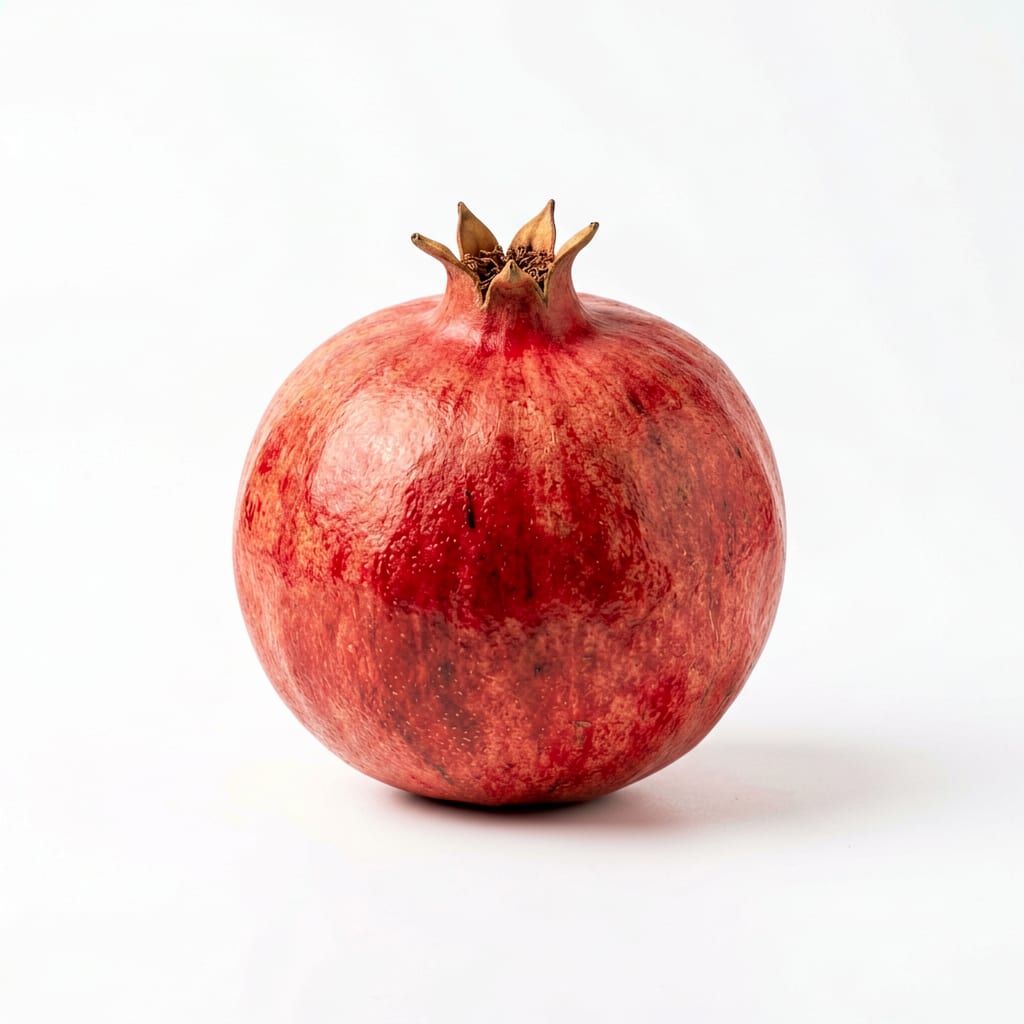
Pomegranate
Pomegranate wins for most health goals thanks to superior antioxidants and lower sugar, but tamarind excels for digestion and cooking applications.
Pomegranate scores higher primarily due to its exceptional antioxidant profile, lower sugar density, and stronger evidence for cardiovascular benefits. Tamarind remains valuable for digestion and flavor but its high sugar content and limited fresh-eating convenience pull its score down.
Pomegranate gives you more antioxidant power with less sugar impact; tamarind gives you stronger digestive action and a unique sweet-sour depth that nothing else replicates.
At a glance
Executive summary
Overall
Pomegranate
Healthier
Pomegranate
More practical
Pomegranate
Daily use
Pomegranate
Key comparison lenses
antioxidant and anti inflammatory benefits
Both are prized for medicinal properties, but pomegranate's punicalagins are among the most potent fruit antioxidants studied
blood sugar and diabetes management
Tamarind is significantly sweeter and more sugar-dense, making glycemic impact a critical differentiator
digestive health and gut effects
Tamarind has notable laxative properties while pomegranate seeds provide gentle fiber with astringent effects
heart health and cardiovascular protection
Pomegranate has strong clinical evidence for blood pressure and arterial health; tamarind has emerging but weaker data
culinary versatility and daily practicality
Tamarind is typically used as an ingredient while pomegranate arils are eaten fresh as a snack or topping
Best choice for
Tamarind
- People seeking natural digestive relief or mild laxative support
- Home cooks making curries, chutneys, or Mexican candies
- Anyone needing a sweet-sour flavor that no other fruit provides
- Those wanting B-vitamin support especially thiamin
Pomegranate
- People prioritizing heart health and blood pressure management
- Anyone watching sugar intake but craving something sweet-tart
- Snack lovers who want a fresh, hydrating fruit option
- People seeking top-tier antioxidant protection
Least suitable for
Tamarind
- People managing diabetes or strict low-sugar diets
- Anyone prone to loose stools or sensitive digestion
- Those taking blood thinners or aspirin regularly without medical guidance
Pomegranate
- People who dislike dealing with seeds or find them irritating
- Anyone on a very tight budget where pomegranate is expensive
- Those seeking a cooking ingredient rather than a fresh snack
Deep comparison
Dimension by dimension
Each lens scores both foods and breaks down who each option suits.
- Dimension 1 · Priority 92Pomegranate
antioxidant_power
Tamarind · 55Pomegranate · 95Pomegranate is one of the most antioxidant-rich fruits on the planet. Tamarind has antioxidants but far fewer and less studied.
Tradeoff
You would need to consume significantly more tamarind to approach the antioxidant intake from a single pomegranate, but that also means consuming far more sugar.
Why it matters
Antioxidants protect cells from damage, reduce inflammation, and support long-term disease prevention. This is where pomegranate truly shines.
Real-world impact
Eating pomegranate regularly is like giving your cells extra armor. Tamarind offers some protection but not at the same level.
Tamarind
- Getting some antioxidant benefit alongside cooking applications
Better for
- Lower total antioxidant capacity per serving
- Less clinical evidence for disease prevention
Worse for
Pomegranate
- Maximum cellular protection from oxidative stress
- Reducing chronic inflammation over time
- Supporting skin health and aging gracefully
Better for
- Antioxidants are concentrated in the juice and peel, so wasting the seeds reduces benefit
Worse for
- Dimension 2 · Priority 88Pomegranate
blood_sugar_impact
Tamarind · 35Pomegranate · 70Tamarind is surprisingly sugar-heavy. A quarter cup of tamarind paste packs around 20 grams of sugar. Pomegranate arils are sweeter than they taste because the tartness masks it, but the glycemic load is still lower.
Tradeoff
Tamarind's sugar content can spike blood glucose noticeably, while pomegranate's fiber-rich seeds slow sugar absorption significantly.
Why it matters
For anyone watching blood sugar, managing diabetes, or trying to avoid energy crashes, this difference is substantial.
Real-world impact
A pomegranate snack won't give you the afternoon crash that a tamarind-based treat might.
Tamarind
- Quick energy when you actually need the sugar hit
Better for
- Can trigger sugar cravings after the initial spike wears off
- Risky for anyone insulin resistant
Worse for
Pomegranate
- Steadier energy without the spike and crash
- Safer choice for prediabetes or diabetes management
- Better for intermittent fasting windows where you want minimal insulin response
Better for
- Still contains meaningful sugar, so portion control matters
Worse for
- Dimension 3 · Priority 85Tamarind
digestive_health
Tamarind · 85Pomegranate · 65Tamarind is a well-known natural laxative that stimulates bowel movements effectively. Pomegranate seeds provide fiber but have a mild astringent, binding effect instead.
Tradeoff
Tamarind actively moves things through your digestive tract. Pomegranate supports gut health more gently through fiber and anti-inflammatory compounds.
Why it matters
If constipation is your issue, tamarind is the clear winner. If you have loose stools or IBS-D, pomegranate may be the safer choice.
Real-world impact
Tamarind paste in warm water is a traditional remedy that actually works for constipation relief within hours.
Tamarind
- Natural constipation relief without pharmacy products
- Stimulating bile production for better fat digestion
- Traditional digestive tonic in Ayurvedic and Latin American medicine
Better for
- Can cause diarrhea if you overconsume
- Not suitable before travel or important events where bathroom access is limited
Worse for
Pomegranate
- Gentle fiber support without the urgency
- Better tolerated for sensitive or irritable digestive systems
- Prebiotic effects that feed beneficial gut bacteria over time
Better for
- Seeds can be irritating for diverticulitis sufferers
- Less effective if you need immediate constipation relief
Worse for
- Dimension 4 · Priority 80Pomegranate
heart_health
Tamarind · 50Pomegranate · 88Pomegranate has strong clinical evidence for improving blood pressure, reducing arterial plaque, and protecting LDL cholesterol from oxidation. Tamarind shows some promise but with far less research.
Tradeoff
Pomegranate is a heart-health powerhouse with multiple mechanisms of action. Tamarind may help modestly through fiber and potassium but cannot match the evidence base.
Why it matters
Cardiovascular disease remains the leading cause of death globally. Food choices that actively protect your heart matter enormously.
Real-world impact
Drinking pomegranate juice daily has been shown in studies to improve blood pressure within weeks. Tamarind cannot make similar claims yet.
Tamarind
- Provides potassium which supports healthy blood pressure modestly
Better for
- High sugar content may counteract some cardiovascular benefits
- Limited human clinical trial data
Worse for
Pomegranate
- Reducing systolic blood pressure naturally
- Slowing progression of arterial plaque buildup
- Protecting cholesterol from oxidative damage
- Supporting overall cardiovascular function long-term
Better for
- Benefits require consistent consumption over weeks to months
Worse for
- Dimension 5 · Priority 70It depends
vitamin_and_mineral_density
Tamarind · 72Pomegranate · 70Tamarind wins on B vitamins, magnesium, and iron. Pomegranate wins on vitamin C, vitamin K, and folate. They serve different nutritional niches.
Tradeoff
Tamarind is better for energy metabolism support through thiamin and iron. Pomegranate is better for immune function and blood clotting through vitamins C and K.
Why it matters
Your micronutrient priorities should match your health situation: anemia and fatigue favor tamarind, immune support and bone health favor pomegranate.
Real-world impact
If you feel sluggish and run-down, tamarind's iron and B-vitamin content might help more. If you catch every cold going around, pomegranate's vitamin C is your friend.
Tamarind
- Iron support for those prone to anemia
- Thiamin for energy metabolism
- Magnesium for muscle and nerve function
Better for
- Very low vitamin C content
- Minimal vitamin K
Worse for
Pomegranate
- Vitamin C for immune defense and iron absorption
- Vitamin K for bone density and proper blood clotting
- Folate which is especially important during pregnancy
Better for
- Lower iron content
- Less thiamin per serving
Worse for
- Dimension 6 · Priority 75It depends
culinary_versatility_and_convenience
Tamarind · 68Pomegranate · 72Tamarind is an irreplaceable cooking ingredient across Asian, African, and Latin American cuisines. Pomegranate is more versatile as a fresh food but less essential in cooked dishes.
Tradeoff
Tamarind transforms dishes but is rarely eaten alone. Pomegranate is delightful fresh but does not have the same depth as a cooking ingredient.
Why it matters
A food you actually enjoy and use consistently beats a theoretically superior option that sits in your fridge.
Real-world impact
Tamarind paste lives in your pantry for pad thai and curry nights. Pomegranate arils go on your morning yogurt or salad.
Tamarind
- Essential for authentic Thai, Indian, and Mexican recipes
- Sweet-sour depth that no other ingredient replicates
- Long shelf life as paste or concentrate
Better for
- Rarely eaten as a standalone snack
- Requires preparation to use in most recipes
- Can be messy and sticky to work with
Worse for
Pomegranate
- Ready to eat fresh with zero preparation beyond opening
- Beautiful garnish that elevates any dish visually
- Juice is refreshing on its own or in smoothies
Better for
- Seasonal availability and high cost in many regions
- Extracting arils can be time-consuming and stain clothing
Worse for
Timeline
Health impact over time
Short-term
Hours to days
Tamarind
- Can stimulate bowel movements within a few hours
- Provides a noticeable sugar energy boost
- May cause stomach discomfort if consumed in large amounts
- Tart flavor can increase salivation and appetite
Pomegranate
- Provides refreshing hydration from high water content
- Mild blood sugar rise without the sharp crash
- Seeds create physical fullness and satiety
- Tart flavor can satisfy sweet cravings with less sugar damage
Long-term
Months to years
Tamarind
- Regular use may support digestive regularity
- High sugar intake from frequent consumption could contribute to insulin resistance
- Potassium and magnesium support steady blood pressure over time
- Traditional medicine suggests liver-protective effects but evidence is limited
Pomegranate
- Consistent consumption linked to improved cardiovascular markers
- Anti-inflammatory compounds may reduce chronic disease risk
- Antioxidants support skin health and cellular aging protection
- Fiber intake supports a healthier gut microbiome over months and years
Risk profile
Safety & processing
Fresh pomegranate is eaten straight from the fruit with minimal intervention. Tamarind is most commonly sold as paste, concentrate, or block, which involves processing that can include added sodium, preservatives, or sulfites. Whole tamarind pods are the least processed form but are harder to find and use.
Tamarind
added_sulfites_in_processed_forms
mediumCommercial tamarind paste may contain sulfites as preservatives, which can trigger reactions in sensitive individuals, especially asthmatics.
high_sugar_load
mediumThe concentrated sugar content can be problematic for blood sugar management and dental health if consumed frequently.
potential_medication_interactions
lowTamarind may increase absorption of certain medications like ibuprofen and aspirin, potentially amplifying their effects.
Pomegranate
pesticide_residue_on_peel
mediumPomegranate peel can retain pesticide residues, though the arils inside are protected. Choosing organic reduces this concern.
seed_related_digestive_issues
lowThe seeds can aggravate diverticulitis or be uncomfortable for people with dental work, though most people tolerate them well.
juice_adulteration
lowCommercial pomegranate juice is sometimes diluted with cheaper juices. Buying whole fruit eliminates this concern entirely.
Who wins for whom
Audience fit
Same foods, different winners depending on your goal.
children
PomegranateKids enjoy picking out pomegranate arils as a fun snack, and the lower sugar density is better for their developing metabolism. Tamarind candies are popular but are essentially concentrated sugar.
daily consumption
PomegranatePomegranate can be eaten daily as a fresh fruit without sugar concerns. Tamarind's high sugar and laxative effects make daily consumption riskier.
diabetes
PomegranatePomegranate has a lower glycemic load and more fiber per sugar gram, making it significantly safer for blood sugar management.
elderly
PomegranatePomegranate's cardiovascular benefits, anti-inflammatory properties, and easier digestion make it more appropriate for older adults. Tamarind's laxative effect can be unpredictable.
muscle gain
It dependsNeither is a protein source. Tamarind provides slightly more magnesium for muscle recovery, but the difference is not meaningful enough to matter.
weight loss
PomegranatePomegranate arils provide more volume and satiety per calorie, with significantly less sugar density than tamarind.
Your move
Decision guide
Choose Tamarind
- You struggle with constipation and want a natural remedy that works
- You cook Thai, Indian, or Mexican food regularly and need authentic flavor
- You want iron and B-vitamin support, especially for fatigue
- You are looking for a cooking ingredient, not a snack food
Choose Pomegranate
- Heart health and blood pressure are top priorities for you
- You want a satisfying fresh snack with powerful antioxidants
- You are watching your sugar intake but still want something delicious
- You need a daily fruit that supports long-term disease prevention
Either works if
- You want anti-inflammatory benefits from whole food sources
- You are looking for potassium-rich foods to support hydration
- You enjoy tart flavors and want variety in your fruit rotation
Avoid both if
- You are on a strict very-low-carb or ketogenic diet
- You have severe fructose intolerance or malabsorption
- You are taking blood thinners without medical supervision for dietary changes
Final recommendation
Keep both in your life but for different purposes. Stock pomegranate for daily snacking, salad toppings, and antioxidant protection. Keep tamarind paste in your pantry for cooking and occasional digestive support. If you must choose only one for health, pomegranate is the stronger daily ally.
Practical
Consumer tips
- 1
Buy whole tamarind pods when possible to avoid added sulfites and sodium found in many commercial pastes
- 2
Soak tamarind pulp in warm water and strain it yourself for the purest flavor and fewest additives
- 3
Choose whole pomegranates over pre-packaged arils to save money and ensure freshness
- 4
Tap pomegranate halves with a spoon over a bowl to quickly release arils without staining your clothes
- 5
Freeze pomegranate arils on a baking sheet then transfer to a bag for months of convenient use
- 6
Check tamarind paste labels for added sugar and sodium, which are common in cheaper brands
- 7
If you have diabetes, limit tamarind to cooking amounts rather than eating it as a snack
- 8
Pomegranate juice retains most antioxidants but loses the fiber benefit of whole arils