
Nutrition comparison
Tamarind vs Dates: Sugar, Calories, and Which One Is Actually Healthier
Tamarind and dates are both natural sweet fruits, but their sugar content, calorie density, and health impacts differ dramatically. Learn which one fits your goals.

Tamarind
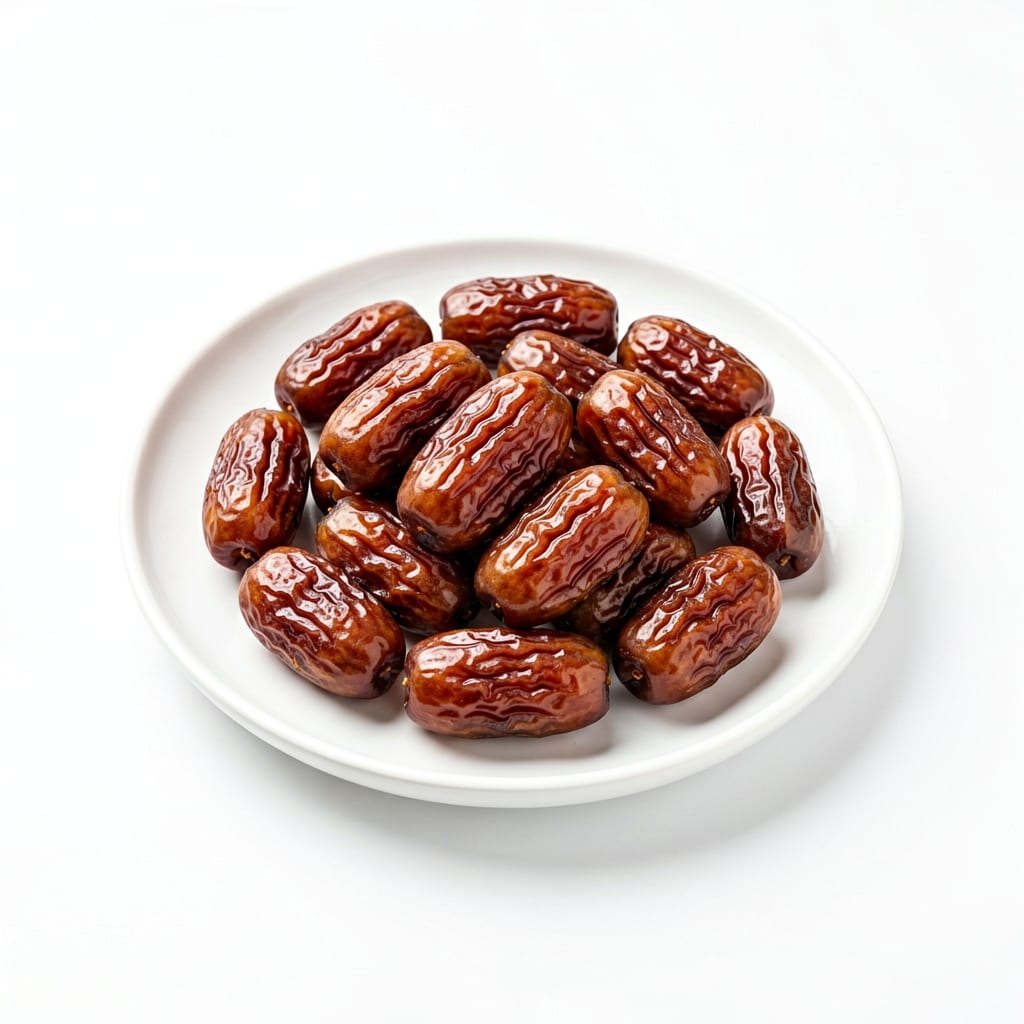
Date
Tamarind wins for flavor with minimal sugar cost; dates win for portable energy and natural sweetness. They serve entirely different purposes.
Tamarind scores higher primarily because its typical consumption pattern — small amounts as a flavoring — limits sugar and calorie exposure while delivering unique nutrients. Dates lose ground due to extreme sugar density and overeating risk, despite being nutrient-rich and convenient.
Dates deliver concentrated calories and sugar in a convenient snack package, while tamarind offers bold flavor and beneficial compounds with a fraction of the sugar load.
At a glance
Executive summary
Overall
It depends
Healthier
Tamarind
More practical
Date
Daily use
Tamarind
Key comparison lenses
sugar load and diabetes risk
Both are naturally sweet fruits with dramatically different sugar densities, making blood sugar impact the most critical decision factor
calorie density and weight management
Dates are extremely calorie-dense for their volume, while tamarind is typically consumed in small amounts as a flavoring
digestive health and gut tolerance
Tamarind has notable laxative properties and tartaric acid, while dates offer soluble fiber that bulks stool differently
culinary role and portion control
These foods serve completely different kitchen roles — one is a condiment, the other is a snack — which drastically affects how much you actually eat
antioxidant and anti inflammatory value
Both contain unique phytochemicals but through different mechanisms and with different practical impacts
Best choice for
Tamarind
- Adding tangy depth to curries, chutneys, and sauces without excessive sugar
- People managing blood sugar who still want complex flavor in meals
- Those seeking digestive stimulation or mild natural laxative effects
- Getting tartaric acid and unique polyphenols not found in sweeter fruits
Date
- Quick pre-workout or hiking fuel when you need fast-acting carbohydrates
- Replacing refined sugar in smoothies, baking, or energy balls
- Children and elderly who need calorie-dense, easy-to-chew nutrition
- Breaking fasts during Ramadan or other prolonged fasting periods
Least suitable for
Tamarind
- People on blood-thinning medications due to potential interactions
- Those with acid sensitivity or GERD triggered by sour foods
- Anyone looking for a sweet, satisfying standalone snack
- Children who find the sour taste unappealing
Date
- People with diabetes or insulin resistance trying to limit sugar spikes
- Anyone actively losing weight who struggles with portion control
- Those on low-carb or ketogenic diets
- People prone to sugar cravings triggered by sweet foods
Deep comparison
Dimension by dimension
Each lens scores both foods and breaks down who each option suits.
- Dimension 1 · Priority 95Tamarind
sugar_load_and_blood_sugar_stability
Tamarind · 78Date · 32Tamarind delivers far less sugar per typical serving. A tablespoon of tamarind paste has roughly 5g of sugar, while a single Medjool date packs 16g.
Tradeoff
Dates provide rapid energy that athletes may want, but that same sugar hit causes sharper glucose spikes in sedentary contexts.
Why it matters
For anyone watching blood sugar — which includes prediabetics, the overweight, and people with afternoon energy crashes — this difference is decisive.
Real-world impact
Eating three dates as a snack means consuming nearly 50g of sugar. The same flavor impact from tamarind in a curry adds maybe 5-8g.
Tamarind
- Steadier blood sugar after meals
- Lower risk of sugar-triggered cravings an hour later
- More forgiving for prediabetic or insulin-resistant individuals
Better for
- Not useful when you genuinely need fast-acting carbohydrates
- May feel unsatisfying if you are craving something sweet
Worse for
Date
- Fast glycogen replenishment after intense exercise
- Quick energy during endurance activities like hiking
- Useful for reversing hypoglycemic episodes
Better for
- Post-snack energy crash within 60-90 minutes if sedentary
- Can trigger cravings for more sweet foods
- Risky portion control — dates are easy to eat by the handful
Worse for
- Dimension 2 · Priority 88Tamarind
calorie_density_and_portion_control
Tamarind · 74Date · 38Dates are calorie bombs in tiny packages. A single Medjool date runs 66-70 calories, and nobody eats just one. Tamarind is used in quantities that add maybe 15-30 calories per dish.
Tradeoff
That calorie density makes dates excellent for weight gain scenarios and terrible for weight loss. Tamarind's strength is that you naturally stop eating it quickly.
Why it matters
Most people underestimate how many calories they consume from dried fruit. Five dates is 350 calories — the same as a full meal for some people.
Real-world impact
Someone snacking on dates while working at their desk can easily consume 300+ calories without feeling full. Tamarind in a sauce adds flavor satisfaction with minimal caloric cost.
Tamarind
- Flavor enhancement without significant calorie addition
- Natural portion control due to intense sour taste
- Easier to fit into calorie-restricted eating patterns
Better for
- Inadequate if you need concentrated calories in a small volume
- Not a standalone energy source for physical exertion
Worse for
Date
- Efficient calorie intake for underweight individuals
- Compact energy source for backpacking or travel
- Useful for athletes needing to refuel quickly between events
Better for
- Very easy to overconsume without realizing it
- Does not trigger fullness signals proportionally to calories consumed
- Can silently derail calorie deficits
Worse for
- Dimension 3 · Priority 82It depends
digestive_health_and_gut_tolerance
Tamarind · 72Date · 70Both support digestion but through opposite mechanisms. Tamarind stimulates bowel movements through tartaric acid and mild laxative action. Dates provide soluble fiber that adds bulk and feeds gut bacteria.
Tradeoff
Tamarind can tip toward loose stools if overconsumed, while dates can cause constipation if eaten without adequate water intake.
Why it matters
Your gut situation determines which is helpful. Sluggish digestion benefits from tamarind. Irregular bowel habits may benefit more from date fiber consistency.
Real-world impact
A tamarind-based curry can reliably get things moving by the next morning. A couple of dates with water can help form more consistent stools over time.
Tamarind
- Relieving occasional constipation naturally
- Stimulating digestive enzyme activity before heavier meals
- People who need gentle, predictable bowel stimulation
Better for
- Can cause loose stools or diarrhea in sensitive individuals
- The sourness may aggravate acid reflux or GERD
- Not ideal if you already have frequent loose stools
Worse for
Date
- Building consistent daily fiber intake for gut health
- Feeding beneficial gut bacteria through prebiotic fiber
- Supporting regular bowel habits without urgency
Better for
- Can cause constipation if eaten without sufficient water
- High sugar may feed undesirable gut bacteria if overconsumed
- Sticky texture can be problematic for dental work or dry mouth
Worse for
- Dimension 4 · Priority 76Tamarind
nutrient_density_per_calorie
Tamarind · 75Date · 62Tamarind delivers more micronutrients per calorie consumed, particularly magnesium, iron, B vitamins, and unique compounds like tartaric acid. Dates offer potassium and copper but at a much higher caloric cost.
Tradeoff
Dates have broader mineral content in absolute terms if you eat enough of them, but the sugar payload required to get those nutrients is substantial.
Why it matters
If you are choosing foods for their vitamin and mineral contribution relative to their calorie cost, tamarind is more efficient.
Real-world impact
Getting your daily iron from dates would require eating hundreds of calories of sugar. A few tablespoons of tamarind paste in a meal contribute meaningful iron with minimal caloric impact.
Tamarind
- Higher iron and magnesium per calorie consumed
- Tartaric acid supports antioxidant activity uniquely
- More B-vitamin density relative to sugar load
Better for
- Virtually no protein content
- Not a significant source of healthy fats
- Nutrient amounts are small because serving sizes are small
Worse for
Date
- Higher absolute potassium per serving
- Better copper and manganese content
- Contains some protein, unlike tamarind which has virtually none
Better for
- Nutrients come attached to a large sugar burden
- Calorie-to-nutrient ratio is less favorable
- Mineral content is offset by glycemic cost
Worse for
- Dimension 5 · Priority 74It depends
culinary_versatility_and_enjoyment
Tamarind · 72Date · 70Tamarind transforms savory dishes with complex sweet-sour depth. Dates excel in sweet applications and energy snacks. They rarely substitute for each other.
Tradeoff
Tamarind is a flavor enhancer that elevates meals. Dates are a convenience food that satisfies sweet cravings directly.
Why it matters
Your cooking style determines which is more valuable. If you cook Indian, Thai, or Mexican food frequently, tamarind is indispensable. If you meal-prep energy snacks, dates are essential.
Real-world impact
Tamarind paste in pad thai or sambar creates a flavor you cannot replicate. Dates blended into energy balls create a snack you can eat on the go without preparation.
Tamarind
- Creating complex savory flavor profiles in cooking
- Making chutneys, sauces, and marinades from scratch
- Replacing vinegar or lemon juice with more nuanced acidity
Better for
- Rarely eaten alone as a satisfying snack
- Requires cooking knowledge to use well
- Not a convenient grab-and-go food
Worse for
Date
- Making no-bake energy snacks and protein balls
- Natural sweetener for smoothies and oatmeal
- Standalone satisfying snack requiring zero preparation
Better for
- Limited to sweet applications — cannot enhance savory dishes
- Can make homemade snacks overly sweet if not measured carefully
- Sticky texture is messy for on-the-go eating
Worse for
- Dimension 6 · Priority 80Tamarind
overeating_and_craving_risk
Tamarind · 82Date · 35Tamarind's intense sourness creates natural portion control. Dates are sweet, chewy, and extremely easy to overeat — a classic trigger food for many people.
Tradeoff
What makes dates enjoyable — their honey-like sweetness and satisfying chew — is exactly what makes them dangerous for binge-prone eaters.
Why it matters
The best healthy food is one you can keep in your pantry without it controlling you. For many, dates fail this test.
Real-world impact
An open bag of dates rarely stays partially eaten. A jar of tamarind paste sits in the fridge for months because you only need a spoonful at a time.
Tamarind
- Self-limiting due to intense sour flavor
- Does not trigger sweet-tooth cravings for more food
- Easy to keep in the house without overconsumption risk
Better for
- Not relevant — overeating tamarind is rare due to taste intensity
Worse for
Date
- Satisfies sweet cravings in a less processed way than candy
- Can replace worse junk food choices if portioned deliberately
Better for
- Very high hedonic reward — hard to stop eating once started
- Triggers desire for more sweet foods after consumption
- Calories accumulate rapidly before fullness signals register
Worse for
Timeline
Health impact over time
Short-term
Hours to days
Tamarind
- Mild stimulatory effect on digestion within hours of consumption
- Possible sour stomach or heartburn in acid-sensitive individuals
- Blood sugar remains relatively stable after typical culinary amounts
Date
- Rapid blood sugar elevation within 15-30 minutes of eating
- Quick energy boost followed by potential crash if eaten without fat or protein
- Immediate satisfaction of sweet cravings, which may reduce junk food seeking
Long-term
Months to years
Tamarind
- Consistent antioxidant intake from tartaric acid and polyphenols may support cardiovascular health
- Regular digestive stimulation can maintain bowel regularity
- Potential medication interactions with blood thinners require monitoring over time
Date
- Regular high-sugar intake from frequent date consumption may worsen insulin sensitivity
- Consistent fiber intake supports gut microbiome diversity if portions are controlled
- Potassium contribution supports blood pressure management when not offset by excess sugar
Risk profile
Safety & processing
Both foods are whole or minimally processed in their standard forms. Tamarind paste may contain added sodium or preservatives in commercial brands, so check labels. Whole dried dates are typically just the fruit with no additions, though some brands add sulfites or glucose syrup for moisture retention.
Tamarind
Medication interaction with blood thinners
mediumTamarind may increase absorption of aspirin, ibuprofen, and anticoagulants, potentially thinning blood more than expected. Consult a doctor if on these medications.
Added sodium in commercial tamarind paste
lowSome packaged tamarind concentrates contain significant added salt. People watching sodium should check labels or use whole tamarind pods.
Dental enamel erosion from acidity
lowFrequent consumption of concentrated tamarind may contribute to enamel wear over time due to tartaric acid content, similar to citrus.
Date
Sulfite sensitivity in some dried dates
mediumCertain commercially processed dates contain sulfites as preservatives, which can trigger asthma or allergic reactions in sensitive individuals. Choose unsulfured varieties.
Added glucose syrup in some brands
lowLower-quality date products sometimes include glucose syrup to maintain softness and sweetness, adding refined sugar to what appears to be a whole food.
Mold and mycotoxin contamination in poorly stored dates
mediumDates are moist and sweet, creating favorable conditions for mold growth if stored in warm or humid conditions. Always inspect for white spots or fermented smell.
Who wins for whom
Audience fit
Same foods, different winners depending on your goal.
children
DateMost children enjoy the sweet taste and chewy texture of dates, making them an easy calorie and nutrient source. Tamarind's sourness is often rejected by kids.
daily consumption
TamarindSmall amounts of tamarind in cooking can be used daily without sugar or calorie concerns. Daily date consumption adds significant sugar and calories that most people do not need.
diabetes
TamarindTamarind's low sugar content per serving makes it far more compatible with blood sugar management. Even one date can cause a meaningful glucose spike.
elderly
DateDates are soft, easy to chew, calorie-dense, and provide potassium for blood pressure — all valuable for older adults with diminished appetite or dental concerns.
muscle gain
DateDates provide fast carbohydrates useful around workouts, supporting glycogen replenishment and training performance. Tamarind contributes negligible calories or protein.
weight loss
TamarindTamarind adds flavor satisfaction with minimal calories and no overeating risk. Dates are calorie-dense and easy to overconsume, making weight loss harder.
Your move
Decision guide
Choose Tamarind
- You want bold flavor in cooking without adding sugar to your diet
- You are managing blood sugar, insulin resistance, or trying to lose weight
- You struggle with portion control and need foods that naturally limit themselves
- You experience occasional constipation and want a food-based solution
- You cook Indian, Thai, Mexican, or Middle Eastern dishes regularly
Choose Date
- You need portable, calorie-dense fuel for hiking, running, or long workdays
- You are underweight or have poor appetite and need easy calorie intake
- You want to replace refined sugar with a whole-food sweetener in recipes
- You are an athlete needing quick carbohydrate recovery after training
- You are breaking a fast and need gentle, immediate energy
Either works if
- You want natural, minimally processed foods instead of artificial flavorings or refined sweeteners
- You are looking for potassium-rich whole foods to support blood pressure
- You value traditional foods with long cultural histories of use
Avoid both if
- You are on a strict very-low-carb or ketogenic diet — both contain significant carbohydrates
- You have severe fructose intolerance or malabsorption issues
- You are on blood thinners and have not consulted your doctor about tamarind interactions
Final recommendation
Keep both in your kitchen but use them differently. Tamarind is your flavor ally — a small amount transforms savory dishes with almost no metabolic cost. Dates are your energy tool — useful before or after exercise, but dangerous as a casual snacking habit. If you must choose one for health, tamarind wins because its consumption pattern naturally aligns with moderation. If you must choose one for practical daily fuel, dates win but require strict portion discipline.
Practical
Consumer tips
- 1
Buy tamarind as whole pods or block paste rather than thin sauces, which often contain added sugar and sodium
- 2
Soak whole tamarind in warm water and strain for the purest, most controllable form
- 3
Freeze date portions in small bags of 2-3 to prevent mindless eating from a large container
- 4
Pair dates with a handful of nuts or a spoonful of nut butter to slow sugar absorption and increase satiety
- 5
Choose Medjool dates for eating raw and Deglet Noor for cooking — they have different sugar concentrations
- 6
Check tamarind paste labels for added sodium if you are salt-sensitive — some brands contain 200mg+ per tablespoon
- 7
Store dates in the refrigerator to prevent mold and fermentation, especially in warm climates
- 8
If tamarind is too sour for your taste, mix a small amount with honey rather than switching entirely to dates