
Nutrition comparison
Tamarind vs Cranberry: Nutrition, Health Benefits & Sugar Comparison
Compare tamarind and cranberry to see which tart fruit is better for your health goals. Discover the differences in sugar, UTI benefits, and culinary uses.
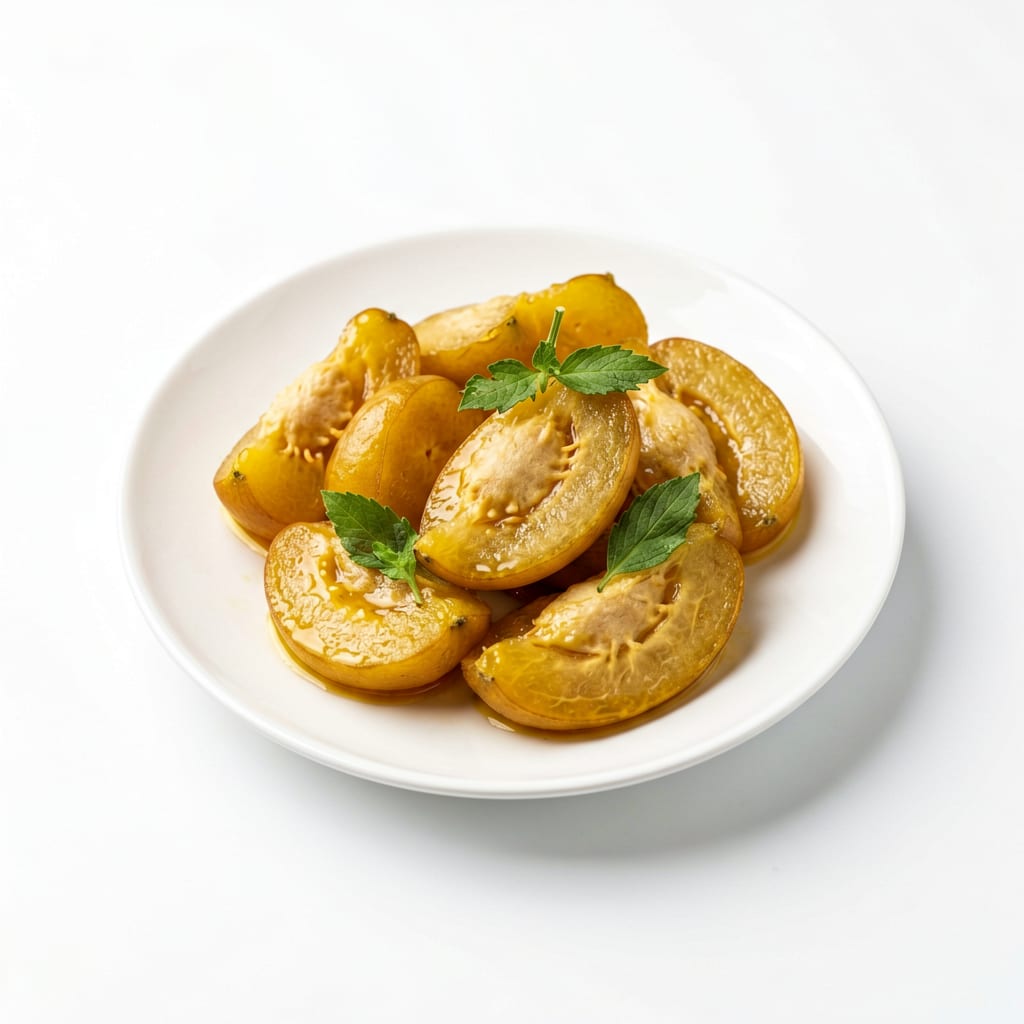
Tamarind
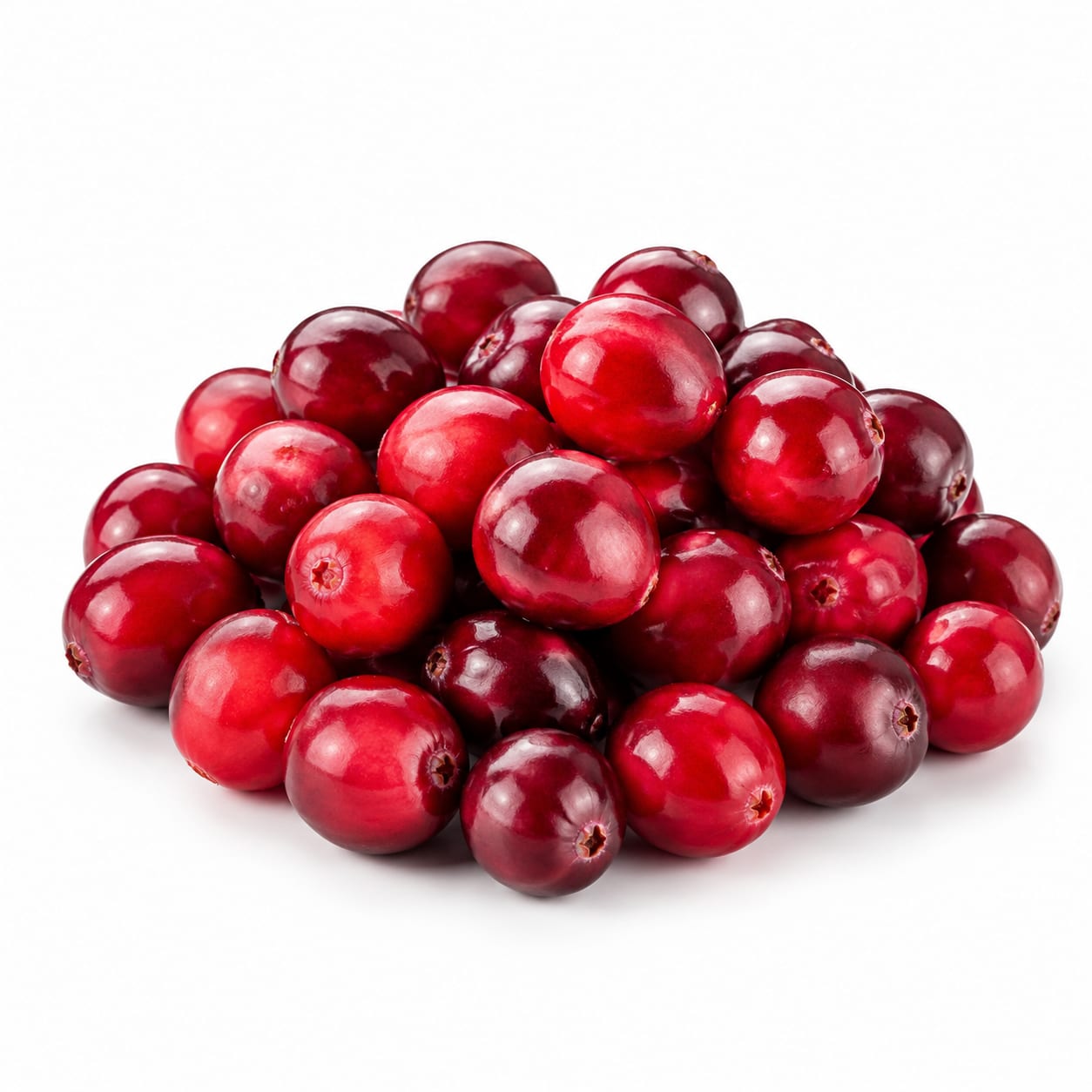
Cranberry
Tamarind is a mineral-rich, digestion-friendly cooking staple, while cranberry is a low-calorie, UTI-fighting powerhouse—provided you eat it fresh and not dried with sugar.
Cranberry scores higher primarily due to its low calorie count and targeted urinary benefits, but tamarind remains valuable for cooking and minerals. The scores reflect fresh forms; dried cranberries with added sugar would score significantly lower.
Tamarind brings more natural calories and carbs for energy, whereas cranberry offers targeted health benefits with almost zero calories if you can handle the tartness without adding sugar.
At a glance
Executive summary
Overall
It depends
Healthier
Cranberry
More practical
Tamarind
Daily use
Cranberry
Key comparison lenses
Sugar and calorie impact
Tamarind is naturally high in sugar and calories, while fresh cranberries are extremely low in both, making this a critical differentiator for daily snacking.
Targeted health benefits
Cranberry is famous for urinary tract health, whereas tamarind is known for digestive support and mild laxative effects.
Culinary practicality and added sugar risk
Tamarind integrates easily into savory cooking without added sweeteners, but cranberries are so tart they almost always require added sugar to be palatable.
Antioxidant diversity
Tamarind offers tartaric acid, while cranberries provide proanthocyanidins, giving them entirely different antioxidant strengths.
Best choice for
Tamarind
- Adding depth to savory dishes without refined sugar
- Supporting digestion and relieving occasional constipation
- Getting a natural boost of magnesium and iron
Cranberry
- Preventing urinary tract infections
- Low-calorie snacking and blood sugar management
- Boosting vitamin C intake
Least suitable for
Tamarind
- Strict low-carb or keto diets
- People managing severe blood sugar spikes
- Those watching caloric intake closely
Cranberry
- People prone to kidney stones due to oxalates
- Anyone buying heavily sweetened dried versions
- Those seeking a high-energy snack
Deep comparison
Dimension by dimension
Each lens scores both foods and breaks down who each option suits.
- Dimension 1 · Priority 92Cranberry
Blood Sugar & Calorie Control
Tamarind · 35Cranberry · 90Fresh cranberries are extremely low in sugar and calories, while tamarind is calorie-dense and naturally high in carbohydrates.
Tradeoff
You get sustained energy from tamarind's carbs, but cranberries keep your blood sugar steady and barely dent your daily calorie budget.
Why it matters
If you are watching your weight or managing glucose, tamarind requires strict portion control, whereas fresh cranberries are almost free to eat liberally.
Real-world impact
Eating tamarind by the handful will spike your calorie intake quickly, but a handful of fresh cranberries is a light, crunchy snack that won't cause an afternoon energy crash.
Tamarind
- Providing quick pre-workout energy
- Adding calorie density to underweight meals
Better for
- Keto and very low-carb lifestyles
- Late-night snacking
Worse for
Cranberry
- Managing diabetes and insulin resistance
- Reducing daily caloric intake effortlessly
Better for
- Recovering from intense exercise where carbs are needed
- Situations requiring quick calorie replenishment
Worse for
- Dimension 2 · Priority 88It depends
Targeted Health Benefits
Tamarind · 80Cranberry · 85Cranberry excels at urinary tract health, while tamarind shines for digestive regularity and liver protection.
Tradeoff
Cranberry fights bacteria in the urinary tract, whereas tamarind stimulates bowel movements and provides unique antioxidants like tartaric acid.
Why it matters
Choosing between them depends on whether your body needs digestive support or urinary protection.
Real-world impact
If you are prone to UTIs, cranberry is a daily must-have. If you struggle with sluggish digestion, tamarind in your meal will get things moving comfortably.
Tamarind
- Relieving occasional constipation
- Supporting liver health
- Reducing muscle soreness post-exercise
Better for
- Those with chronic loose stools
- Irritable bowel syndrome flare-ups
Worse for
Cranberry
- Preventing recurrent UTIs
- Fighting H. pylori stomach bacteria
- Supporting gum health
Better for
- People with a history of oxalate kidney stones
Worse for
- Dimension 3 · Priority 85Tamarind
Culinary Versatility & Added Sugar Risk
Tamarind · 82Cranberry · 55Tamarind naturally fits into savory, sweet, and sour dishes without needing added sugar, while cranberries almost always require sweetening to be edible.
Tradeoff
Tamarind is easier to use in healthy cooking naturally, but cranberry's extreme tartness often leads to consuming it as juice or dried fruit loaded with added sugar.
Why it matters
The healthiest fruit is the one you can eat without turning it into a dessert.
Real-world impact
You can stir tamarind paste into a healthy curry or dressing easily. With cranberries, making a sauce or smoothie usually requires adding a sweetener to make it palatable.
Tamarind
- Creating sugar-free savory sauces and marinades
- Adding complex flavor to one-pot meals
Better for
- Eating raw straight from the pod as a quick snack
Worse for
Cranberry
- Making refreshing, tart beverages
- Baking into holiday treats
Better for
- Enjoying raw without wincing at the sourness
- Finding commercially available unsweetened options
Worse for
- Dimension 4 · Priority 78Tamarind
Micronutrient Density
Tamarind · 85Cranberry · 70Tamarind packs significantly more minerals like magnesium, potassium, and iron per serving compared to cranberries.
Tradeoff
Tamarind offers a broader mineral profile that supports muscles and energy, while cranberry focuses heavily on vitamin C.
Why it matters
If your diet lacks essential minerals, tamarind provides a meaningful boost, whereas cranberry is better for immune support.
Real-world impact
Adding tamarind to a meal helps you hit your daily magnesium and potassium goals, which helps with sleep and muscle cramps. Cranberry gives you a quick vitamin C immune bump.
Tamarind
- Replenishing electrolytes naturally
- Supporting muscle function and sleep quality
Better for
- Those needing strict sodium restriction if using salted pastes
Worse for
Cranberry
- Boosting collagen production
- Fighting off common colds
Better for
- Correcting mineral deficiencies
Worse for
Timeline
Health impact over time
Short-term
Hours to days
Tamarind
- Provides a quick burst of energy from natural carbs
- Can stimulate a bowel movement within hours due to mild laxative effect
Cranberry
- Offers very light, non-sugary snacking that won't cause a crash
- May cause stomach upset if eaten in large quantities due to high acidity
Long-term
Months to years
Tamarind
- Consistent use supports digestive regularity
- Overconsumption can contribute to weight gain due to high calorie density
Cranberry
- Regular consumption significantly lowers UTI recurrence
- Drinking cranberry juice long-term may contribute to kidney stones in susceptible individuals
Risk profile
Safety & processing
Both are whole foods in their natural state, but cranberry is rarely consumed fresh due to its extreme tartness. Most cranberry products like juices and dried cranberries contain high amounts of added sugar or artificial sweeteners, making additive concern higher for cranberry. Tamarind is usually sold as a simple paste or whole pod with minimal interference.
Tamarind
Lead contamination
mediumSome imported tamarind candies and pastes have been found to contain lead from packaging or processing, so sourcing matters.
High natural sugar load
mediumWhile natural, the dense sugar content can be problematic for metabolic health if portions are not controlled.
Cranberry
Oxalate accumulation
mediumCranberries contain oxalates, which can bind with calcium and increase the risk of kidney stones in prone individuals.
Added sugars in processed forms
highDried cranberries and cranberry juice cocktails are notoriously packed with added sugar, negating many of the natural health benefits.
Who wins for whom
Audience fit
Same foods, different winners depending on your goal.
children
TamarindTamarind's sweeter, more complex flavor is usually more appealing to kids than the intense sourness of fresh cranberries, and it provides essential minerals for growth.
daily consumption
CranberryIt is easier to consume small amounts of fresh cranberries daily without overconsuming calories or sugar compared to tamarind.
diabetes
CranberryFresh cranberries have a minimal impact on blood sugar, whereas tamarind's high carbohydrate content requires careful insulin management.
elderly
CranberryCranberry's ability to prevent UTIs is highly beneficial for older adults, who are more susceptible to these infections.
muscle gain
TamarindTamarind provides more carbohydrates for energy and more magnesium and potassium, which support muscle function and recovery.
weight loss
CranberryFresh cranberries are extremely low in calories and sugar, making them a much safer choice for weight management than calorie-dense tamarind.
Your move
Decision guide
Choose Tamarind
- You want a natural digestive aid to relieve constipation
- You are cooking savory dishes like curries, stews, or tangy marinades
- You need a natural source of magnesium, potassium, and iron
Choose Cranberry
- You are prone to urinary tract infections
- You want a low-calorie, low-sugar fruit to snack on
- You are focusing on immune support and vitamin C intake
Either works if
- You want to add a bold, tart flavor profile to your meals
- You are looking to diversify your antioxidant intake beyond standard fruits
Avoid both if
- You are on a strict low-oxalate diet for kidney stone prevention
- You have severe acid reflux and are sensitive to highly acidic or tart foods
Final recommendation
Let your immediate health goals decide. If you want low-calorie UTI protection, choose fresh or unsweetened cranberry. If you need a digestion-friendly flavor booster for cooking that provides real minerals, choose tamarind. Just avoid the processed versions of both—skip the tamarind candies and the sweetened dried cranberries.
Practical
Consumer tips
- 1
If buying cranberry, always opt for fresh or 100% pure juice; check labels to avoid cranberry juice cocktails loaded with high fructose corn syrup.
- 2
When buying tamarind, whole pods are the safest bet to avoid potential lead contamination found in some imported pastes or candies.
- 3
If fresh cranberries are too tart, try blending them into a smoothie with a naturally sweet fruit like banana instead of adding refined sugar.
- 4
Tamarind paste is a fantastic secret ingredient for salad dressings and marinades; a little goes a long way.
- 5
Soak whole tamarind pods in warm water and strain to make your own pure, additive-free tamarind concentrate.