
Nutrition comparison
Tamarind vs Prune: Which Is Better for Digestion, Sugar, and Bone Health?
Compare tamarind and prune for digestive health, sugar content, bone benefits, and daily practicality. Find out which dried fruit fits your health goals better.
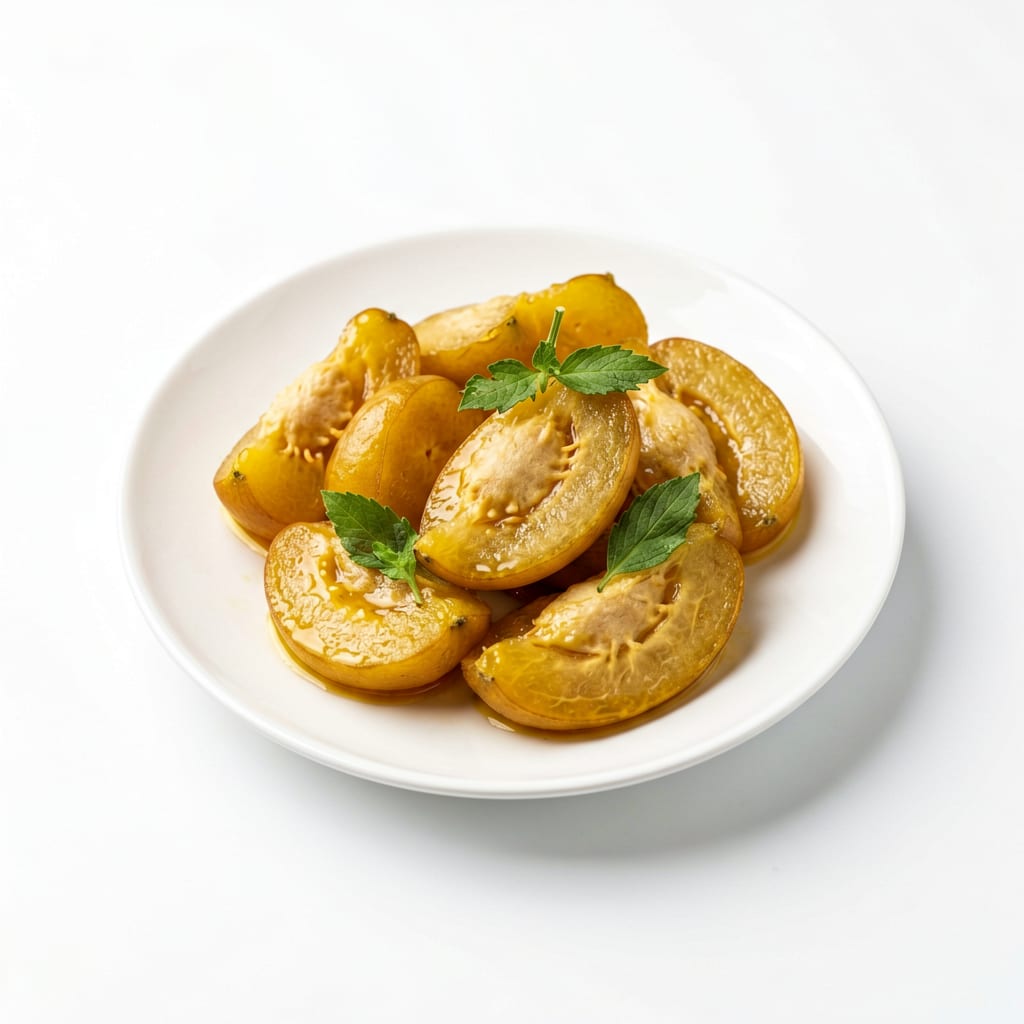
Tamarind
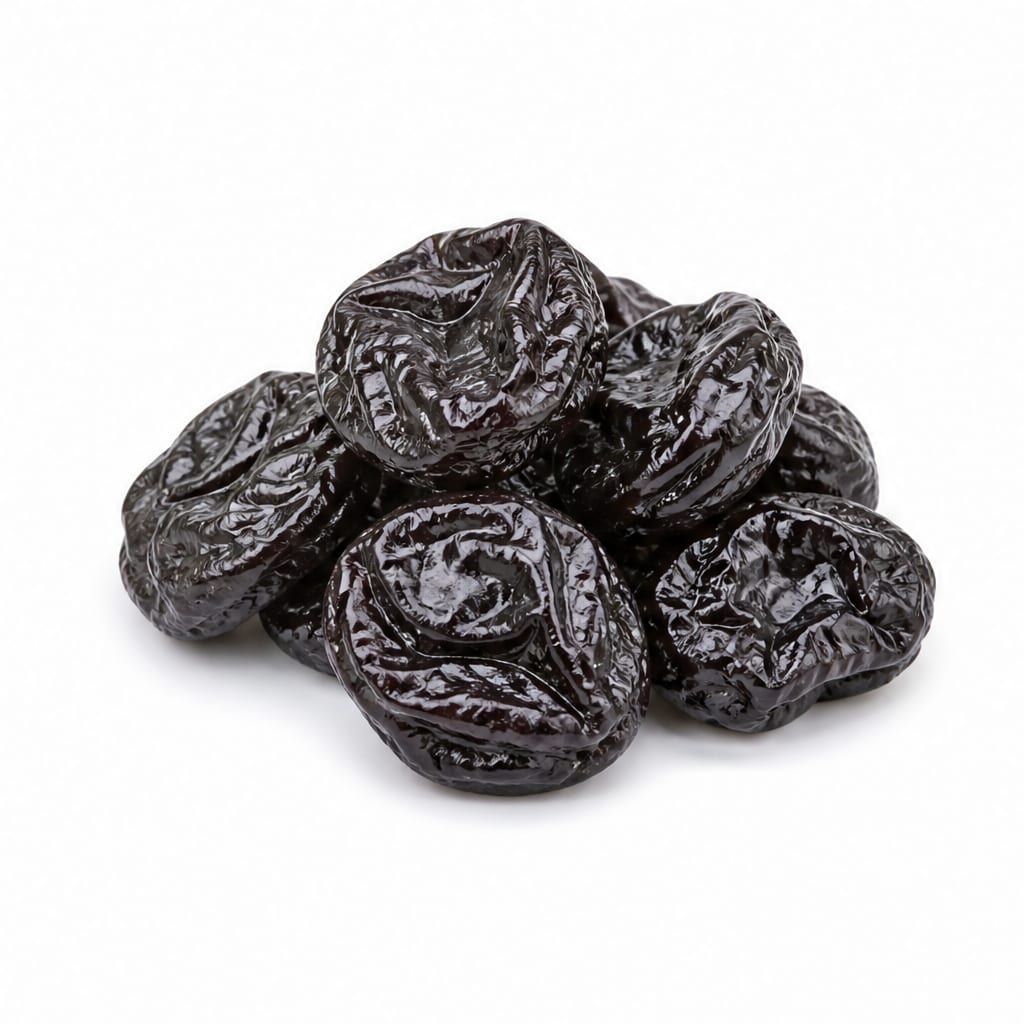
Prune
Prunes win for convenient daily snacking and bone health; tamarind wins for lower sugar, unique antioxidants, and culinary versatility.
Prunes edge ahead due to daily convenience, bone health evidence, and standalone snackability. Tamarind stays competitive with lower sugar and richer mineral content but loses points for practicality.
Prunes offer easier daily use and proven bone benefits but pack more sugar. Tamarind delivers bold flavor with less sugar but requires more effort to incorporate.
At a glance
Executive summary
Overall
It depends
Healthier
It depends
More practical
Prune
Daily use
Prune
Key comparison lenses
digestive health and constipation relief
Both foods are legendary for digestive regularity but work through different mechanisms
sugar and blood sugar management
Prunes are concentrated dried fruit with high sugar; tamarind is tart with less sugar per serving
antioxidant and anti inflammatory benefits
Tamarind's tartaric acid and prunes' phenolic compounds offer distinct antioxidant profiles
bone health support
Prunes have emerging evidence for bone density; tamarind lacks this specific benefit
everyday practicality and versatility
Prunes are grab-and-go snacks; tamarind usually requires preparation or cooking
Best choice for
Tamarind
- People watching their sugar intake
- Home cooks wanting bold flavor with health benefits
- Those seeking magnesium and iron support
- Anyone needing a lower-calorie digestive aid
Prune
- Older adults concerned about bone density
- People wanting a no-prep digestive remedy
- Post-workout natural energy recovery
- Anyone needing portable, shelf-stable nutrition
Least suitable for
Tamarind
- People on blood-thinning medications without doctor approval
- Those wanting a grab-and-go snack
- Anyone unfamiliar with cooking with tropical ingredients
Prune
- People strictly limiting sugar or carbs
- Those prone to overeating dried fruit
- Diabetics who struggle with portion control
Deep comparison
Dimension by dimension
Each lens scores both foods and breaks down who each option suits.
- Dimension 1 · Priority 95Prune
digestive_effectiveness
Tamarind · 78Prune · 92Both foods get things moving, but prunes are the more reliable and studied option for constipation relief.
Tradeoff
Tamarind stimulates digestion through tartaric acid and fiber; prunes use sorbitol, fiber, and a well-documented laxative effect that's more predictable.
Why it matters
If you're reaching for either food primarily for regularity, prunes deliver more consistent results with a clearer dosing pattern.
Real-world impact
3-4 prunes before bed often produces results by morning. Tamarind works too, but the effect is less predictable and harder to dose.
Tamarind
- Mild digestive sluggishness
- People who find sorbitol causes gas
Better for
- Unpredictable dosing for constipation
- Less clinical evidence for laxative effect
Worse for
Prune
- Chronic constipation
- Predictable, repeatable relief
- Older adults with slower motility
Better for
- Sorbitol can cause bloating in sensitive people
- Overconsumption easily leads to diarrhea
Worse for
- Dimension 2 · Priority 88Tamarind
sugar_and_blood_sugar_impact
Tamarind · 74Prune · 55Tamarind has significantly less sugar per typical serving, making it easier on blood sugar.
Tradeoff
Prunes concentrate natural sugars through drying. A small handful delivers quick energy but also a notable sugar hit. Tamarind's tartness comes with less sugar burden.
Why it matters
For anyone monitoring glucose or trying to reduce sugar cravings, this difference matters daily.
Real-world impact
Four prunes deliver about 18g of sugar. A tablespoon of tamarind paste has roughly 5g. That gap adds up over a week.
Tamarind
- Blood sugar management
- Reducing overall sugar intake
- Keto-adjacent eating styles
Better for
- Not a quick energy source
- Too tart to eat in quantity anyway
Worse for
Prune
- Quick pre-workout energy
- Recovering from intense exercise
- Hikers needing compact calories
Better for
- Easy to overeat sugar without realizing
- Can spike blood sugar if eaten alone in large amounts
Worse for
- Dimension 3 · Priority 82It depends
antioxidant_profile
Tamarind · 80Prune · 82Prunes rank among the top antioxidant fruits overall. Tamarind offers unique tartaric acid antioxidants not found elsewhere.
Tradeoff
Prunes provide broader antioxidant coverage with proven oxidative stress reduction. Tamarind delivers a rarer antioxidant compound that may have distinct anti-inflammatory benefits.
Why it matters
Both support cellular health, but through different pathways. Variety between them could be more valuable than choosing just one.
Real-world impact
Eating prunes regularly is linked to lower oxidative markers in studies. Tamarind's tartaric acid research is promising but less established in humans.
Tamarind
- Unique tartaric acid antioxidant benefits
- Anti-inflammatory potential from polyphenols
- Dietary variety in antioxidant sources
Better for
- Less human clinical evidence
- Smaller body of research overall
Worse for
Prune
- Proven reduction in oxidative stress markers
- Higher total antioxidant capacity per serving
- Better studied in human trials
Better for
- Antioxidant benefits partly offset by high sugar content
Worse for
- Dimension 4 · Priority 78Tamarind
mineral_density
Tamarind · 83Prune · 72Tamarind packs more magnesium, iron, and potassium per calorie. Prunes lead in boron and vitamin K.
Tradeoff
If you need iron or magnesium support, tamarind is surprisingly mineral-rich. Prunes excel specifically for bone-related minerals.
Why it matters
Many people are deficient in magnesium and iron. Tamarind can contribute meaningfully to closing that gap.
Real-world impact
A quarter cup of tamarind paste provides about 20% of your daily magnesium needs. That's a meaningful contribution from a condiment.
Tamarind
- Iron deficiency support
- Magnesium intake for muscle and sleep
- Potassium for blood pressure management
Better for
- Not a significant vitamin K source
- Less researched for bone outcomes
Worse for
Prune
- Boron for bone metabolism
- Vitamin K for bone and blood clotting
- Postmenopausal bone protection
Better for
- Lower iron and magnesium per calorie
- Mineral benefits require eating more sugar to obtain
Worse for
- Dimension 5 · Priority 75Prune
bone_health
Tamarind · 45Prune · 88Prunes have emerging clinical evidence for preserving bone density, especially in postmenopausal women. Tamarind has no specific bone health data.
Tradeoff
This is a clear win for prunes. The boron, vitamin K, and polyphenol combination appears to slow bone loss in ways tamarind hasn't demonstrated.
Why it matters
For older adults, this single benefit may outweigh all other considerations.
Real-world impact
Studies show 5-6 prunes daily can help maintain bone mineral density over a year. That's a practical, food-based intervention.
Tamarind
- General mineral support that indirectly aids bones
Better for
- No clinical evidence for bone outcomes
- Minerals alone don't replicate prune's bone effect
Worse for
Prune
- Postmenopausal bone preservation
- Osteopenia management alongside other treatments
- Long-term bone density maintenance
Better for
- Bone benefits require consistent daily intake
- Sugar load increases with the 5-6 prune dose
Worse for
- Dimension 6 · Priority 70Prune
practicality_and_versatility
Tamarind · 55Prune · 85Prunes are ready to eat, portable, and require zero prep. Tamarind usually needs processing, cooking, or diluting.
Tradeoff
Prunes fit effortlessly into daily routines. Tamarind rewards effort with culinary depth but demands more from you.
Why it matters
The best healthy food is the one you actually eat consistently. Convenience drives consistency.
Real-world impact
Throwing prunes in a bag takes two seconds. Making tamarind water or paste takes planning and cleanup.
Tamarind
- Cooking savory dishes with health benefits
- Making beverages and chutneys
- Adding complexity to sauces and marinades
Better for
- Rarely eaten as a standalone snack
- Requires recipe integration for most people
- Less familiar to Western palates
Worse for
Prune
- Zero-prep snacking
- Travel and office nutrition
- Emergency low-blood-sugar fuel
Better for
- Limited culinary versatility beyond snacking and baking
- One-note sweetness
Worse for
Timeline
Health impact over time
Short-term
Hours to days
Tamarind
- Tart flavor can stimulate saliva and digestive enzymes quickly
- Mild laxative effect within 6-12 hours for some people
- Tartaric acid may cause mouth irritation if eaten in large quantities
Prune
- Reliable bowel movement stimulation within 8-12 hours
- Quick blood sugar boost from concentrated natural sugars
- Sorbitol may cause gas or bloating within the first hour
Long-term
Months to years
Tamarind
- Consistent magnesium and iron intake supports energy and muscle function
- Polyphenols may reduce chronic inflammation markers
- Potential interaction with blood thinners requires monitoring over time
Prune
- Daily consumption linked to preserved bone mineral density in older adults
- Antioxidant intake associated with reduced oxidative stress over months
- Regular high sugar intake from dried fruit may affect insulin sensitivity if portions aren't controlled
Risk profile
Safety & processing
Both foods are whole or minimally processed. Tamarind paste sometimes contains added sugar or preservatives, so check labels. Prunes are typically just dried plums with no additives, though some brands add potassium sorbate.
Tamarind
Medication interaction
mediumTamarind may increase bleeding risk with blood thinners like warfarin and amplify effects of diabetes medications. Consult a doctor if on these drugs.
Added sugars in commercial paste
lowSome tamarind pastes and concentrates add significant sugar or sodium. Read ingredient lists carefully.
Dental erosion
lowHigh acidity from tartaric acid can weaken enamel if consumed frequently in concentrated form.
Prune
Acrylamide formation
lowDried fruits including prunes can contain trace acrylamide from the drying process, though levels are generally low and not a major health concern.
Sulfite sensitivity
lowSome prunes contain potassium sorbate as a preservative. True sulfite sensitivity is rare but possible.
Overconsumption digestive distress
mediumEating too many prunes at once can cause significant diarrhea, cramping, and bloating from sorbitol overload.
Who wins for whom
Audience fit
Same foods, different winners depending on your goal.
children
PrunePrunes are sweet, easy to chew, and familiar. Tamarind's sourness is off-putting for most kids unless hidden in cooking.
daily consumption
PrunePrunes have a clearer dosing pattern and more convenient format for daily use. Tamarind works best as an occasional ingredient.
diabetes
TamarindLower sugar content and higher tartness make tamarind easier to fit into carb-controlled eating. Prunes can work in small portions but require discipline.
elderly
PruneThe combination of constipation relief, bone density support, and easy chewing makes prunes nearly ideal for older adults.
muscle gain
PrunePrunes provide quicker post-workout carbohydrates for glycogen replenishment along with boron, which may support testosterone levels.
weight loss
TamarindTamarind's lower sugar and calorie density per serving makes it easier to incorporate without exceeding daily limits. Prunes are easy to overeat.
Your move
Decision guide
Choose Tamarind
- You're watching your sugar intake closely
- You enjoy cooking and want health benefits from condiments
- You need magnesium or iron support
- You find prunes too sweet or too likely to trigger overeating
- You're on a lower-carb eating plan
Choose Prune
- Bone health is a priority, especially post-menopause
- You want a no-prep daily digestive aid
- You need portable energy for hiking or exercise
- You're older and want a simple, evidence-backed health food
- You struggle with constipation and want predictable relief
Either works if
- You want natural digestive support without supplements
- You're looking to diversify your fruit intake beyond common options
- You value whole-food antioxidants over pills
Avoid both if
- You have severe fructose intolerance
- You're on blood thinners without medical guidance
- You're strictly limiting all fruit sugar for a ketogenic diet
Final recommendation
Keep both in your kitchen but use them differently. Prunes are your daily driver for digestion and bone health. Tamarind is your secret weapon for adding flavor and minerals to meals without sugar overload. If you must pick one, prunes win on consistency and evidence, but tamarind deserves more attention than it gets.
Practical
Consumer tips
- 1
Start with 2-3 prunes daily and increase gradually to avoid bloating from sorbitol
- 2
Choose tamarind paste with no added sugar for the healthiest option
- 3
Soak tamarind in warm water to make a refreshing drink that's easier to consume than eating it straight
- 4
Don't eat more than 5-6 prunes at once unless you want an urgent bathroom trip
- 5
Freeze prunes for a chewy, candy-like texture that slows down eating
- 6
Add tamarind to salad dressings and marinades for a mineral boost without thinking about it
- 7
If you're on warfarin or similar blood thinners, talk to your doctor before making tamarind a regular habit
- 8
Mix both into a trail mix with nuts to blunt the sugar impact of prunes while getting tamarind's tartness