
Nutrition comparison
Tamarind vs Fig: Nutrition, Digestion, and Health Comparison
Compare Tamarind and Fig to see which is better for digestion, blood sugar, and snacking. Discover the unique benefits of tartaric acid versus fig fiber.
Overall winner · Fig

Tamarind
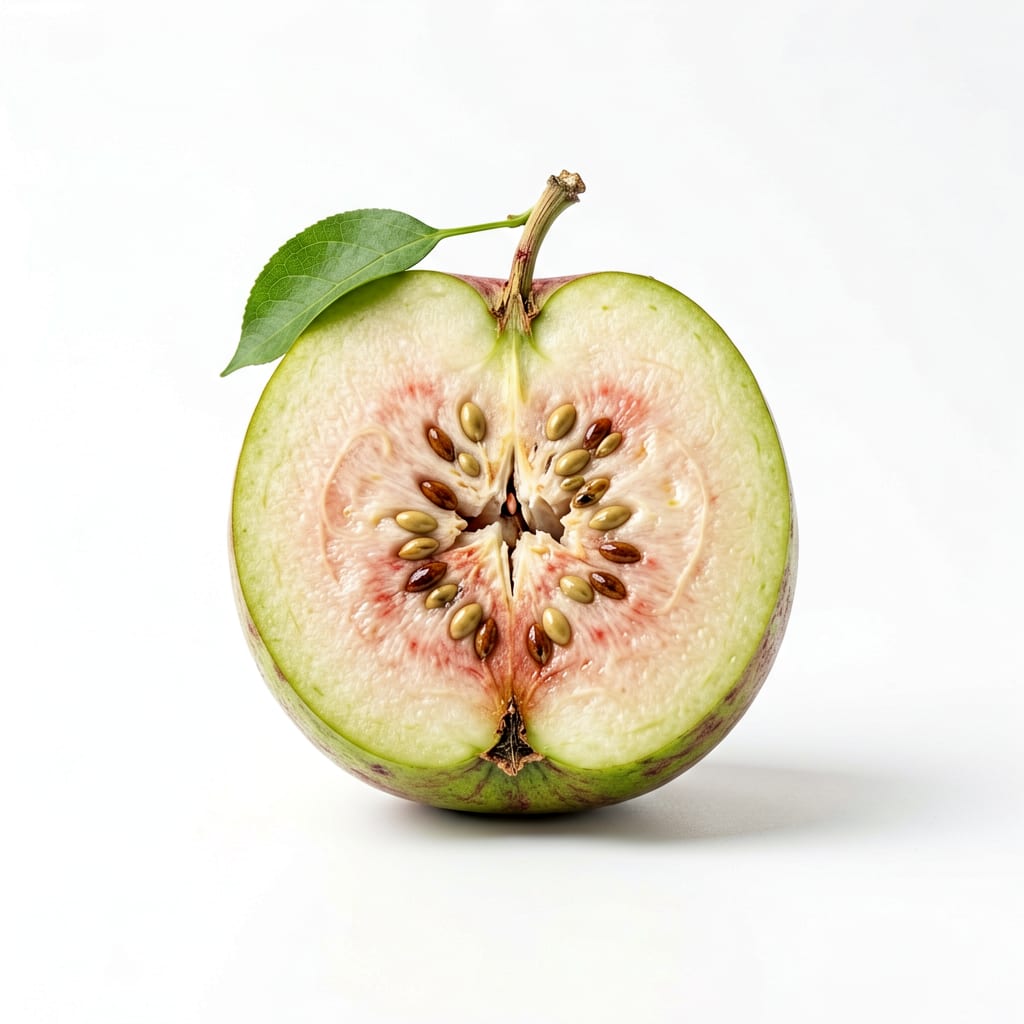
Fig
Figs win as a convenient, fiber-rich snack, while Tamarind excels as a flavor-enhancing ingredient with unique digestive benefits.
Figs score higher due to superior convenience and standalone snackability, but Tamarind holds strong value as a functional flavoring agent.
You are trading the easy, sweet snackability of Figs for the intense, sour flavor complexity and tartaric acid benefits of Tamarind.
At a glance
Executive summary
Overall
Fig
Healthier
Fig
More practical
Fig
Daily use
Fig
Key comparison lenses
Digestive health and regularity
Both are famous natural remedies for constipation and gut motility, but they achieve this through different mechanisms.
Blood sugar impact and sugar density
Both can be surprisingly high in sugar, especially when dried or processed, making glycemic load a primary concern.
Culinary role and snackability
Tamarind is primarily a souring agent in cooking, while Figs are a standalone sweet snack, changing how people actually consume them.
Antioxidant diversity
Tamarind offers unique tartaric acid antioxidants, while Figs provide polyphenols, making their health benefits structurally different.
Best choice for
Tamarind
- Adding depth to savory dishes and marinades
- Those seeking a natural laxative via tartaric acid
- Flavor enthusiasts who prefer sour over sweet
Fig
- A satisfying whole-food sweet treat
- Boosting daily dietary fiber effortlessly
- Quick, portable pre-workout energy
Least suitable for
Tamarind
- People avoiding added sodium or preservatives often found in tamarind paste
- Those wanting a quick, mess-free snack
- Anyone sensitive to very acidic foods
Fig
- Strict low-carb or keto dieters
- People managing severe blood sugar spikes
- Those who need savory flavors
Deep comparison
Dimension by dimension
Each lens scores both foods and breaks down who each option suits.
- Dimension 1 · Priority 85Tamarind
Blood Sugar & Sweetness Management
Tamarind · 65Fig · 55Tamarind's intense sourness naturally limits how much you eat, whereas the sweet taste of Figs makes it very easy to overconsume.
Tradeoff
Figs offer immediate pleasing sweetness but carry a higher overeating risk, while Tamarind's tartness acts as a built-in portion control.
Why it matters
Sugar density dictates whether a food supports steady energy or causes a crash.
Real-world impact
Eating a handful of dried Figs can spike blood sugar quickly, but you will likely stop after a small amount of Tamarind because of the acidity.
Tamarind
- Built-in portion control due to sourness
- Slower gastric emptying from tartaric acid
Better for
- Often paired with added sugars in candies or syrups
Worse for
Fig
- Quick energy replenishment after exercise
- A more satisfying sweet tooth fix
Better for
- High sugar density when dried
- Very easy to overeat
Worse for
- Dimension 2 · Priority 90It depends
Digestive Health & Regularity
Tamarind · 82Fig · 85Both are excellent for digestion, but Figs rely on high fiber bulk while Tamarind uses tartaric acid to stimulate gut motility.
Tradeoff
Figs provide gentle, fiber-based regularity, whereas Tamarind offers a more aggressive, stimulant-based laxative effect.
Why it matters
Choosing the wrong digestive aid can mean the difference between gentle support and urgent bathroom trips.
Real-world impact
A Fig a day keeps you comfortably regular; a heavy dose of Tamarind paste might clear you out much faster than expected.
Tamarind
- Stronger, faster relief for acute constipation
- Stimulates bile production for better fat digestion
Better for
- Can cause loose stools if overconsumed
Worse for
Fig
- Gentler, more predictable daily maintenance
- Feeds beneficial gut bacteria via prebiotic fiber
Better for
- Less effective for acute, stubborn constipation
Worse for
- Dimension 3 · Priority 80Fig
Convenience & Snackability
Tamarind · 40Fig · 90Figs are a grab-and-go dream, while raw Tamarind is messy, sticky, and requires preparation or processing.
Tradeoff
You sacrifice culinary versatility for pure eating convenience with Figs.
Why it matters
A healthy food only works if you actually reach for it when hungry.
Real-world impact
Tossing a Fig in your bag is effortless; carrying a Tamarind pod means sticky fingers and dealing with seeds and shells.
Tamarind
- Long shelf life as a concentrated paste
Better for
- Sticky and messy to eat raw
- Shells and seeds require spitting or straining
Worse for
Fig
- No prep required for fresh or dried versions
- Clean, portable, and office-friendly
Better for
- Fresh Figs are highly perishable and crush easily
Worse for
- Dimension 4 · Priority 70Tamarind
Micronutrient Density & Antioxidants
Tamarind · 85Fig · 70Tamarind packs a heavier punch of minerals and unique antioxidants, while Figs offer solid but more common nutrients.
Tradeoff
Tamarind provides therapeutic levels of magnesium and tartaric acid, but you consume it in smaller quantities than Figs.
Why it matters
Unique antioxidants provide targeted anti-inflammatory benefits you cannot get from standard fruits.
Real-world impact
Tamarind's tartaric acid helps protect against oxidative stress and aids mineral absorption, while Figs mainly offer standard polyphenols and calcium.
Tamarind
- Exceptional magnesium and potassium levels
- Unique tartaric acid antioxidant profile
Better for
- Nutrient intake limited by small serving sizes
Worse for
Fig
- Good source of bioavailable calcium for bone health
- Higher volume consumption means more total nutrients
Better for
- Less mineral density per gram compared to Tamarind
Worse for
Timeline
Health impact over time
Short-term
Hours to days
Tamarind
- Quick relief from constipation
- Potential stomach upset if eaten in large amounts due to high acidity
Fig
- Rapid energy boost from natural sugars
- Immediate feeling of fullness from fiber
Long-term
Months to years
Tamarind
- Improved mineral status from high magnesium and potassium
- Better liver protection from tartaric acid antioxidants
Fig
- Improved bone density from calcium and vitamin K
- Better long-term gut health from consistent fiber intake
Risk profile
Safety & processing
Fresh Figs are entirely whole foods, while Tamarind is most commonly consumed as a processed paste or concentrate that often contains added sodium or preservatives.
Tamarind
Added sulfites or sodium in processed paste
mediumCommercial Tamarind paste often contains sodium benzoate or high salt to preserve color and freshness, which can trigger sensitivities.
Heavy metal contamination in shells
lowTamarind shells can sometimes absorb environmental contaminants, so always ensure the inner fruit is cleanly separated.
Fig
Sulfite sensitivity from dried versions
mediumMany commercially dried Figs are treated with sulfur dioxide to preserve color, which can trigger asthma in sensitive individuals.
High sugar concentration promoting tooth decay
mediumDried Figs are sticky and sugar-dense, easily adhering to teeth and feeding cavity-causing bacteria if not rinsed.
Who wins for whom
Audience fit
Same foods, different winners depending on your goal.
children
FigFigs are sweet, easy to chew, and lack the intense sourness that typically puts kids off, making them a far more realistic snack for children.
daily consumption
FigFigs are gentler on the stomach and easier to incorporate daily as a snack, while daily Tamarind can become too acidic or sodium-heavy if using paste.
diabetes
TamarindTartaric acid in Tamarind slows starch digestion and gastric emptying, offering better blood sugar modulation than the dense sugars in Figs.
elderly
FigFigs offer gentle, predictable fiber for slowing digestion and provide easily absorbed calcium for bone health without the harsh acidity of Tamarind.
muscle gain
FigFigs provide quick-digesting carbohydrates ideal for post-workout glycogen replenishment, along with more calories to support mass building.
weight loss
TamarindTamarind's intense sour flavor limits consumption, and its hydroxycitric acid content may mildly suppress appetite, whereas sweet Figs are easy to overeat.
Your move
Decision guide
Choose Tamarind
- You need a powerful digestive reset for constipation
- You are cooking savory dishes, curries, or marinades
- You want a sour flavor hit without consuming massive sugar
Choose Fig
- You want a convenient, sweet, whole-food snack
- You need quick energy before or after a workout
- You want to gently increase your daily fiber intake
Either works if
- You are looking for natural alternatives to processed sweets
- You need help with digestive regularity
- You want to increase potassium in your diet
Avoid both if
- You are on a strict low-carb or ketogenic diet
- You are managing severe fructose intolerance
Final recommendation
Keep Figs in your pantry for easy, sweet snacking and daily fiber, but stock Tamarind paste in your fridge for cooking and occasional digestive rescue. Use Figs for fuel, and Tamarind for flavor and function.
Practical
Consumer tips
- 1
If buying Tamarind paste, check the label for added sodium and preservatives; block Tamarind is usually more natural.
- 2
Soak dried Figs in water overnight for a gentler effect on digestion and to reduce the sugar concentration per bite.
- 3
If you have a sweet tooth, try replacing sugary syrups with diluted Tamarind concentrate for a tangy, lower-sugar alternative.
- 4
Brush your teeth after eating dried Figs to prevent the sticky fruit from adhering to your enamel and causing decay.