
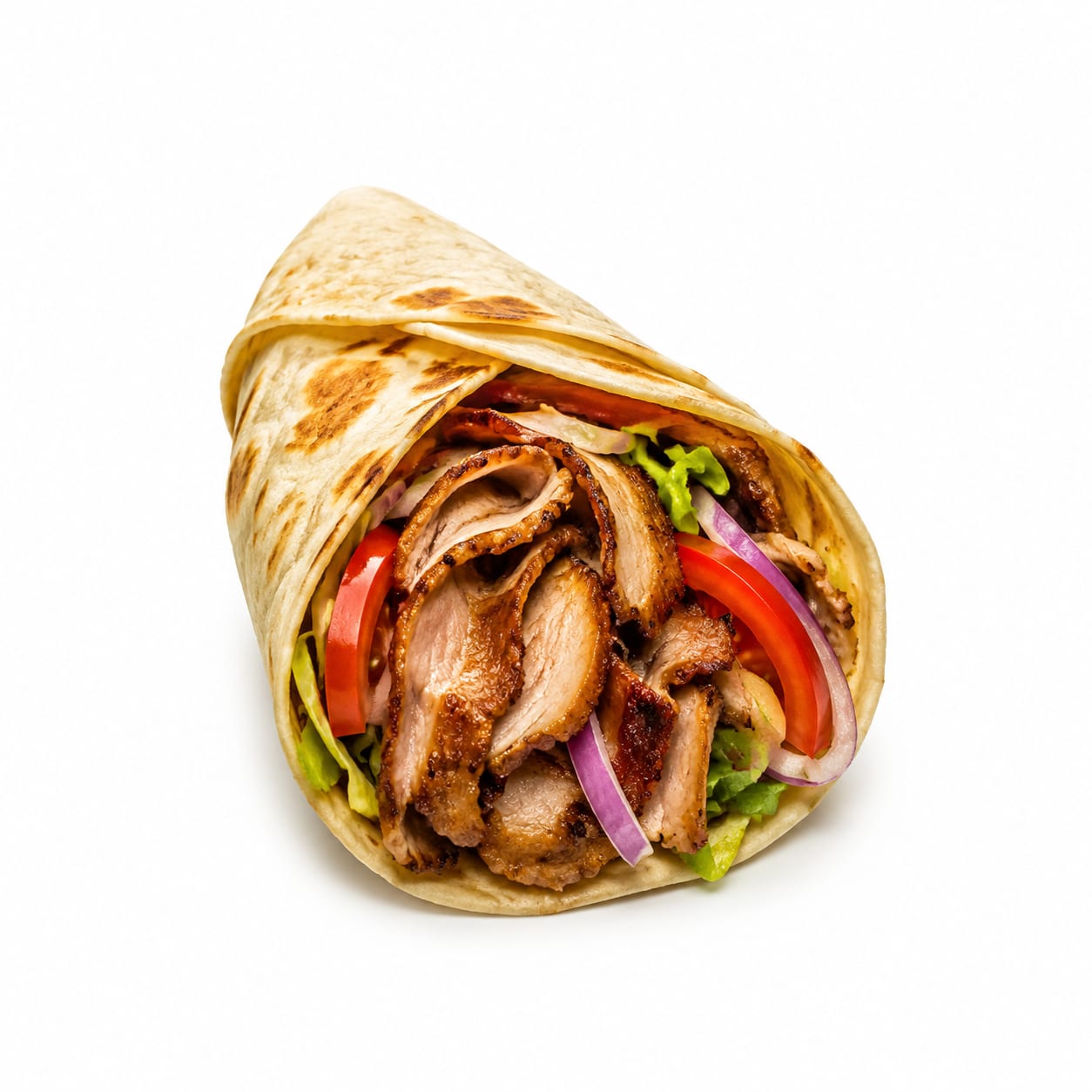
Meat dish
Shawarma
A Middle Eastern dish of seasoned, vertical-roasted sliced meat, typically served in a flatbread wrap.
Shawarma is a popular Middle Eastern street food consisting of thinly sliced cuts of seasoned meat that are stacked in a cone-like shape and slowly roasted on a vertical rotisserie. The outer layer is shaved off and served in a pita or flatbread with various condiments and vegetables.
protein and fat-dense marinated meat
Typical serving · 150g
Common varieties · chicken shawarma, beef shawarma, lamb shawarma, turkey shawarma, mixed meat shawarma
Overall context score across nutrition, safety, and diet fit
At a glance
Quick facts
Simple indicators based on nutrition, processing, and diet fit.
The story
What makes it unique
Shawarma meat is marinated in a complex blend of spices, acids, and fats, which tenderizes the protein and enhances moisture retention during prolonged heat exposure. Digestion is slowed by the high protein and fat matrix, resulting in prolonged satiety. The macronutrient profile is heavily skewed toward protein and fat, with negligible carbohydrates in the meat itself, though commercial preparations may include binders or starches that slightly alter the profile.
Varieties: chicken shawarma · beef shawarma · lamb shawarma · turkey shawarma · mixed meat shawarma
Per 100g
Nutrition breakdown
Macro balance and key metrics at a glance.
Energy
Density 2.30 kcal/g
Protein
Carbs
Fat
Fiber
Sugar
2 g
Sodium
520 mg
Potassium
310 mg
Glycemic index
15
Glycemic load
1
Water content
60%
Standout compounds
Nutrient highlights
Protein
highSupports muscle growth, tissue repair, and satiety
Sodium
highMaintains fluid balance but easily consumed in excess
Niacin (Vitamin B3)
moderateConverts food into energy and supports cellular function
Iron
moderateEssential for oxygen transport in the blood
Saturated Fat
moderateProvides dense energy but should be moderated for heart health
Wellness map
Health scores & processing
NOVA processing scale
moderate · Whole food
Traditional shawarma is processed culinary ingredient food (NOVA 3) using whole meat cuts, spices, and marinades. However, commercial or fast-food versions often include added starches, soy protein, and phosphates, pushing them into NOVA 4 ultra-processed territory.
Diet compatibility
- Weight loss
- Muscle gain
- Diabetes
- Gut health
- Low carb
- High protein
- Heart health
Relative standing
Food rankings
Qualitative ranks compared to similar whole foods.
- Satietygood
- Blood sugarexcellent
- Nutrient densitymoderate
- Fitness fuelgood
- Processing qualitymoderate
Eat with confidence
Food safety profile
The primary safety concern with shawarma is the vertical rotisserie cooking method. If the meat cone is too large, the inner layers may not reach safe temperatures, while the outer layers can overcook. Proper rotation and temperature monitoring are essential to prevent pathogen survival.
Evidence confidence 80%
- Pesticideslow
- Antibioticsmoderate
- Heavy metalslow
- Contaminationmoderate
Watch for
- salmonella
- campylobacter
- listeria
Safer choices
Freshly sliced shawarma from high-turnover restaurants with visible health inspections, or homemade shawarma baked in the oven.
Prep tips
Ensure the meat is steaming hot when served. At home, marinate meat in the refrigerator rather than at room temperature to prevent bacterial growth.
Vertical rotisserie holding temperatures can vary; improper temperature control may allow bacterial growth in the interior meat layers.
Deep dive
Health analysis
How this food may fit different goals and preparation choices.
Weight loss
The high fat content from dark meat and oils used in marinades makes shawarma calorie-dense, which can hinder weight loss if portion sizes are not strictly controlled.
Blood sugar
The meat itself has a minimal impact on blood sugar due to near-zero carbohydrates. However, eating it wrapped in a large pita or with sweet sauces will significantly raise the glycemic load.
Fitness & energy
Excellent source of complete protein necessary for muscle repair and growth. The fat content provides sustained energy, though it may sit heavy if consumed immediately before intense exercise.
Gut health
Lacks dietary fiber, which is essential for gut microbiome health. The high fat and spice content may trigger acid reflux or indigestion in sensitive individuals.
Processing quality
Highly variable. Traditional preparations use whole cuts and natural spices, while cheap commercial versions often use meat glue, fillers, and artificial flavorings.
Food safety
The slow-roasting vertical spit presents a risk if the meat cone is not rotated properly or if leftover meat is kept at unsafe temperatures overnight.
Common mistakes
Assuming all shawarma is low-carb while ignoring the thick pita bread, garlic sauce (toum), and sweet pickles that accompany it, which drastically increase calories and carbs.
Best preparation
Homemade oven-baked shawarma using lean chicken breast, minimal oil, and a spice rub, served with a low-carb wrap or salad.
Practical guide
Best use cases
When and how this food fits real eating patterns.
Post-workout recovery meal
The high protein content supports muscle protein synthesis after heavy lifting, though the fat content may slow digestion slightly.
Keto diet lunch
When ordered without pita or sweet sauces, shawarma meat provides an excellent high-fat, moderate-protein, low-carb meal option.
High-volume flavor addition
A small amount of shaved shawarma meat can add intense flavor and protein to a large, low-calorie salad bowl.
Balance sheet
Pros & cons
Upsides
- Excellent source of high-quality complete protein
- Very low carbohydrate content in the meat itself
- Rich in essential micronutrients like B vitamins and iron
- High satiety keeps you full for hours
- Contains beneficial spices like turmeric and cumin with anti-inflammatory properties
Trade-offs
- High sodium content from marinades and brining
- Calorie-dense due to high fat content from oils and dark meat
- Often served with high-calorie pita and heavy garlic sauce
- Commercial versions may contain fillers and artificial binders
- Spit-roasting method can pose food safety risks if temperatures are mismanaged
Fit check
Who is it for?
Great match
- keto and low-carb diets
- post-workout muscle recovery
- high-protein meal prep
- flavor-seeking food enthusiasts
Consider alternatives
- low-sodium or heart-healthy diets
- strict calorie-counting for weight loss
- people with acid reflux sensitive to rich spices
- those avoiding processed meats
Side by side
How it compares
Open the full head-to-head analysis for nutrition, safety, and practical tradeoffs.
This food
Shawarma
VS90% alike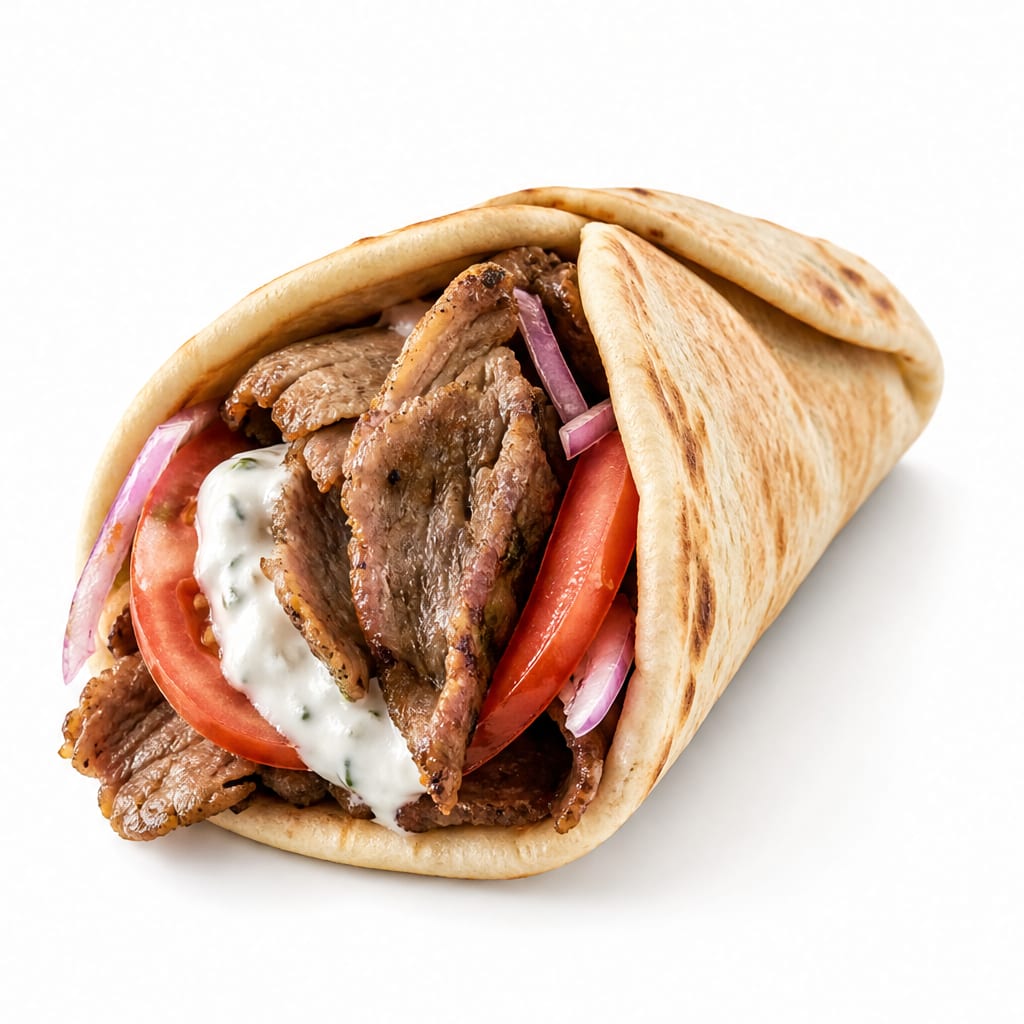
Compare with
Gyro
Gyro is typically made from a processed meat loaf of pork or beef/lamb, while shawarma uses whole sliced meats with Middle Eastern spices.
Shawarma usually uses whole marinated meats making it slightly less processed than gyro, which is often a formed meat loaf. Both are high-protein, high-sodium options.
This food
Shawarma
VS95% alike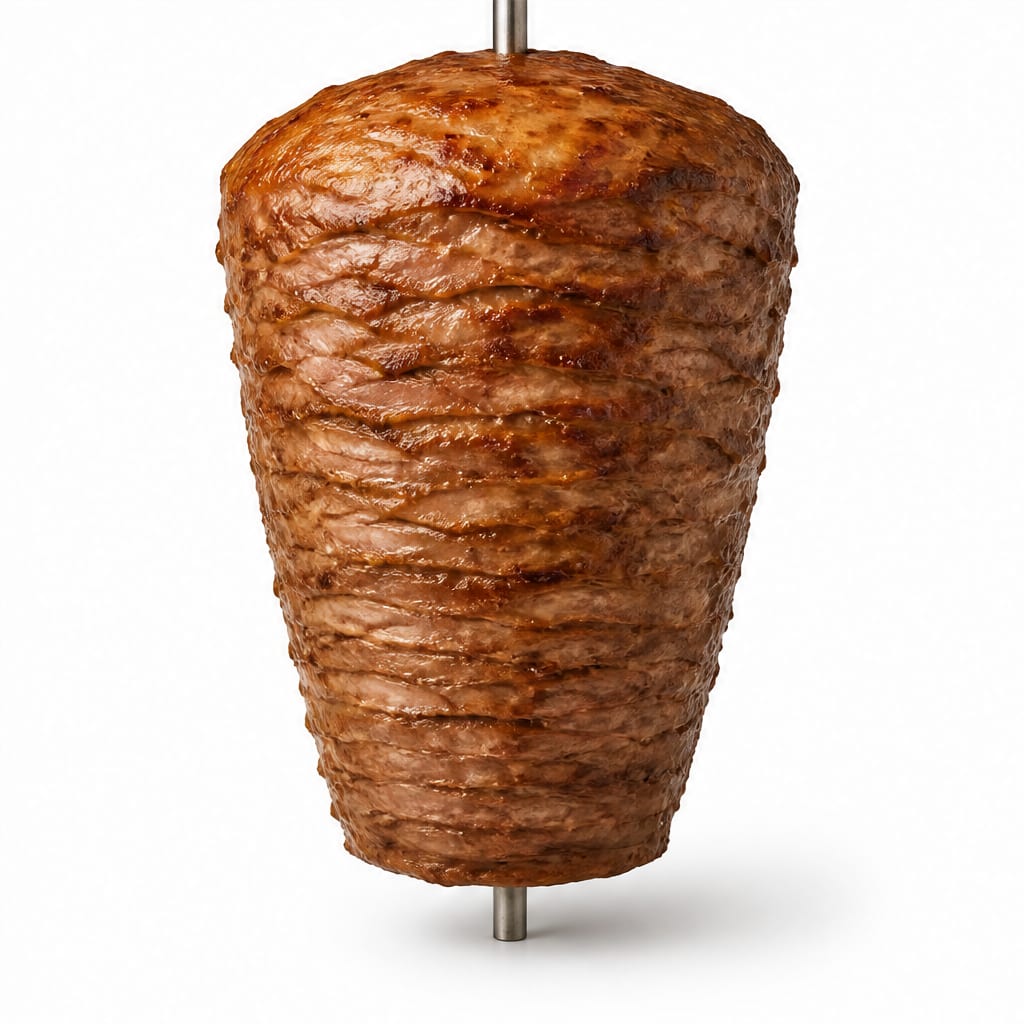
Compare with
Doner Kebab
Doner kebab and shawarma are nearly identical in cooking method, but doner often uses different spice blends and is frequently served with different condiments.
Shawarma and doner kebab are nutritionally almost identical, as both are marinated rotisserie meats. The health difference depends entirely on the meat cut and sauces used.
This food
Shawarma
VS75% alike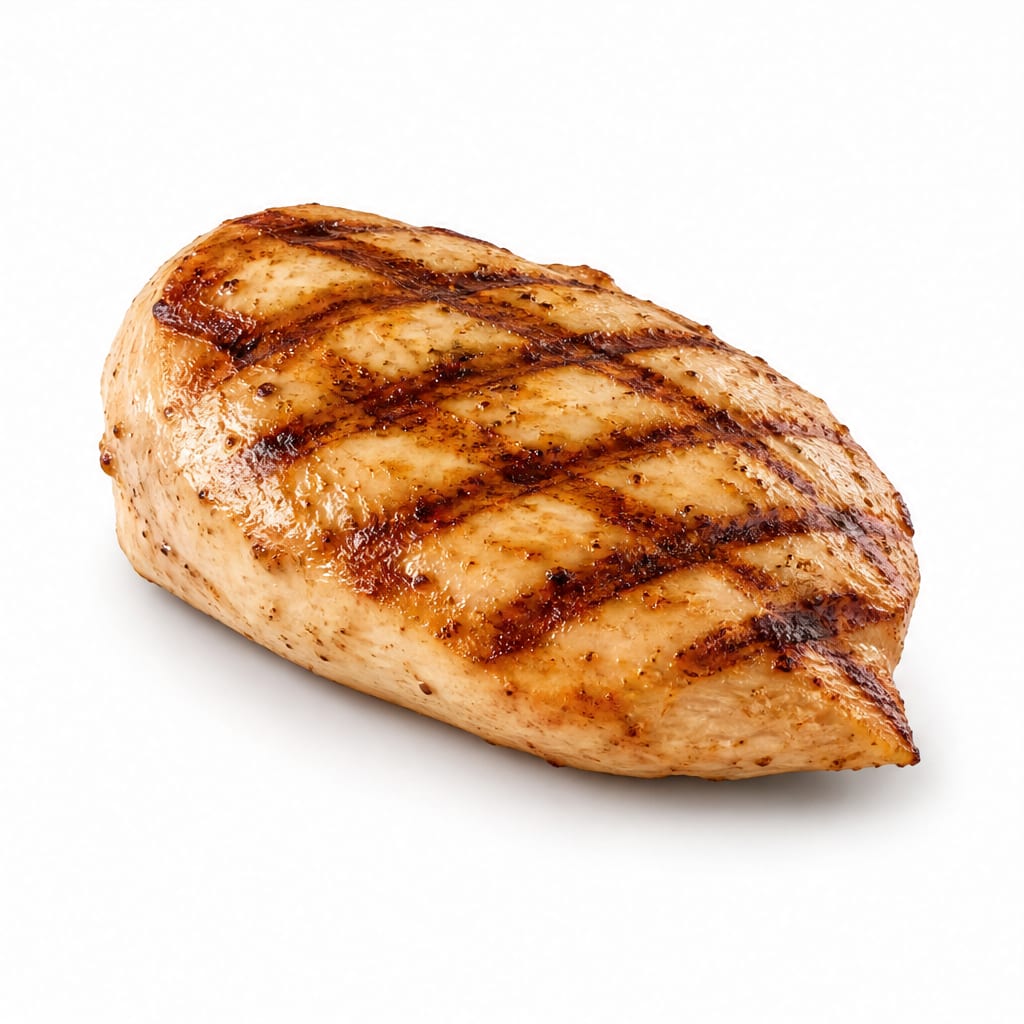
Compare with
Grilled Chicken Breast
Grilled chicken breast is much lower in fat and sodium compared to the marinated and oiled shawarma preparation.
Grilled chicken breast is far lower in calories and fat than chicken shawarma, making it better for weight loss, while shawarma provides richer flavor and slightly higher satiety from its fat content.
This food
Shawarma
VS60% alike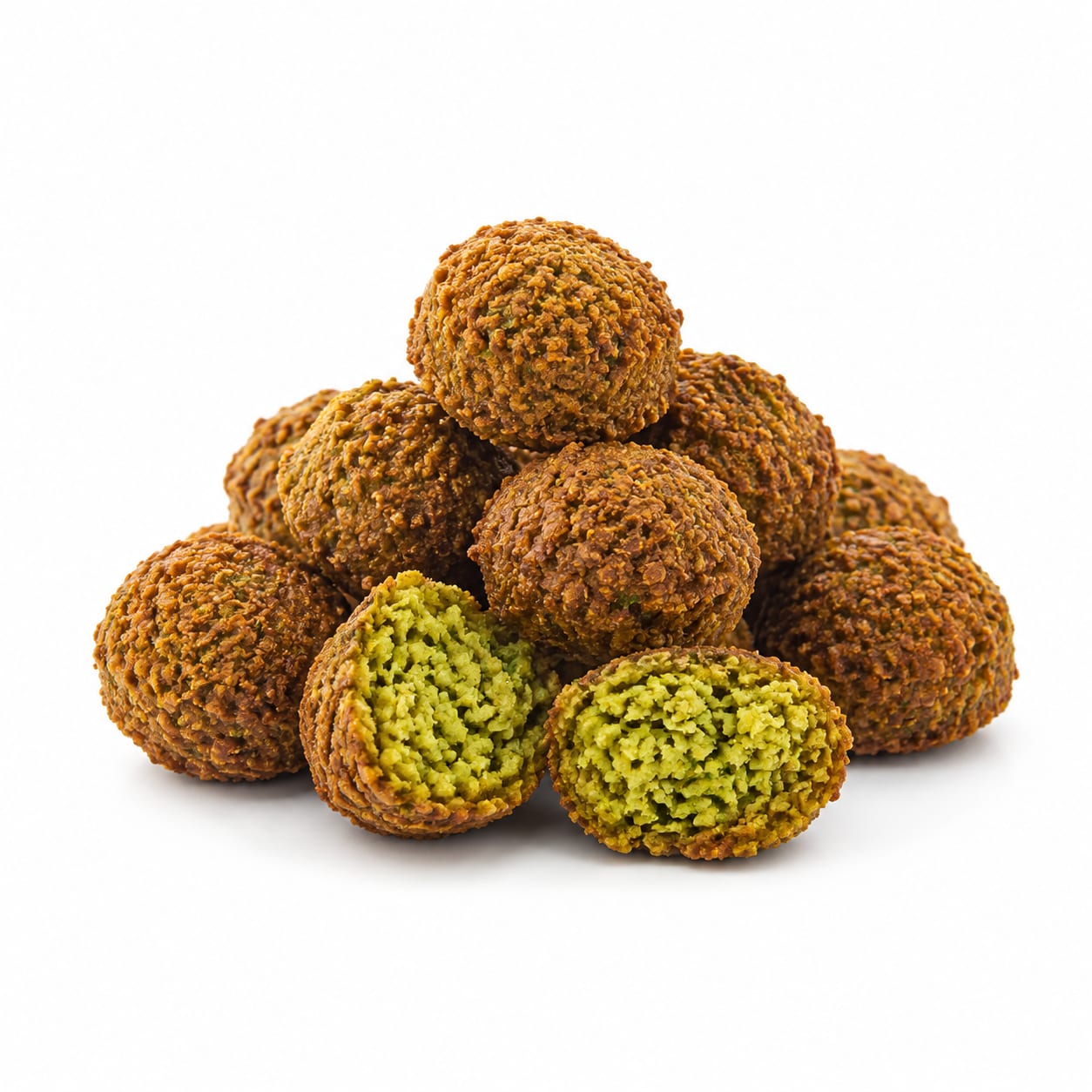
Compare with
Falafel
Falafel is a deep-fried chickpea fritter, making it higher in carbs and fiber but lower in protein compared to shawarma.
Shawarma provides significantly more protein and fewer carbs than falafel. Falafel offers more fiber but is deep-fried, making shawarma the better choice for blood sugar control and muscle building.
This food
Shawarma
VS85% alike
Compare with
Beef Shawarma
Beef shawarma is typically higher in iron and saturated fat compared to chicken shawarma, with a similar calorie density.
Chicken shawarma is generally leaner and lower in saturated fat than beef shawarma, making it better for weight loss, while beef offers slightly more iron and satiety.
This food
Shawarma
VS80% alike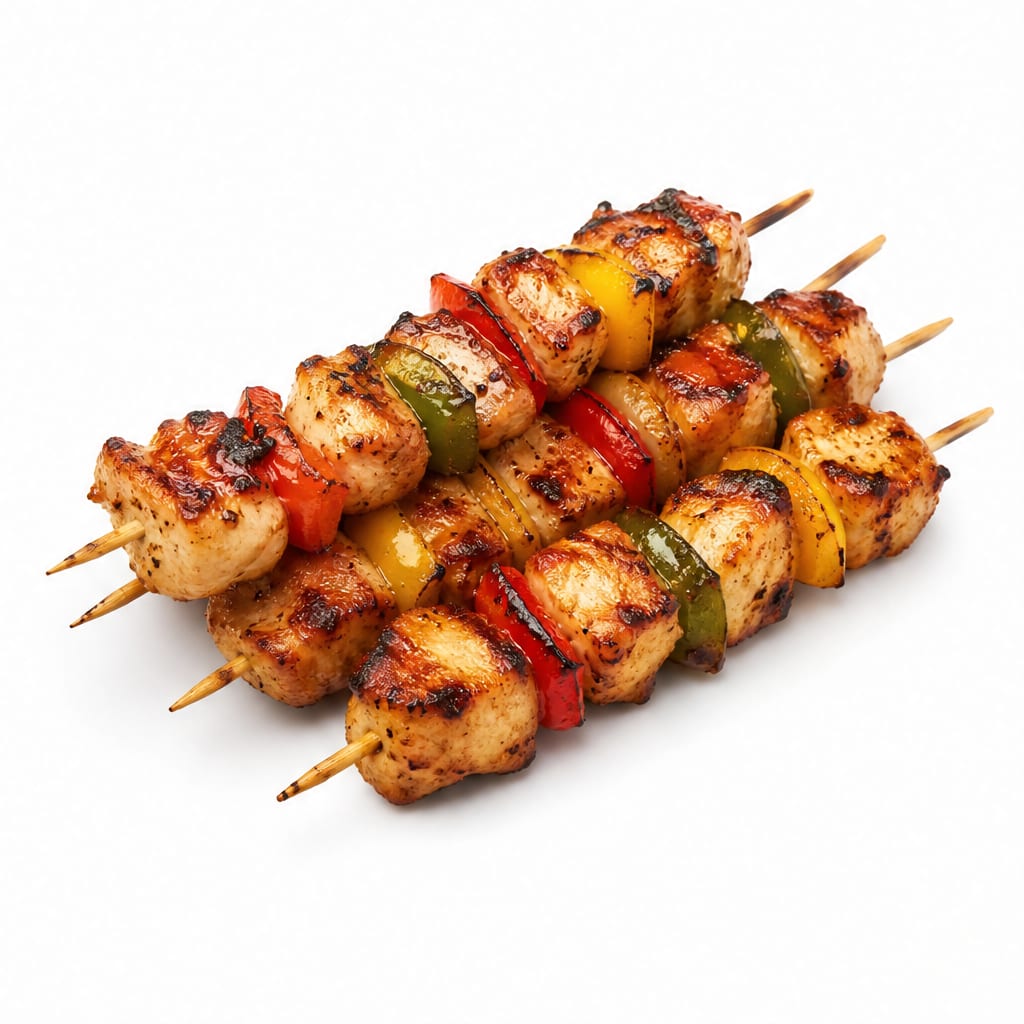
Compare with
Chicken Kebab
Kebabs are grilled on skewers, allowing fat to drip away, whereas shawarma cooks in its own fat on a vertical spit.
Chicken kebabs are usually leaner than chicken shawarma because the grilling process allows excess fat to drip off, whereas shawarma bastes in its own fat, making kebabs better for cutting calories.
This food
Shawarma
VS75% alike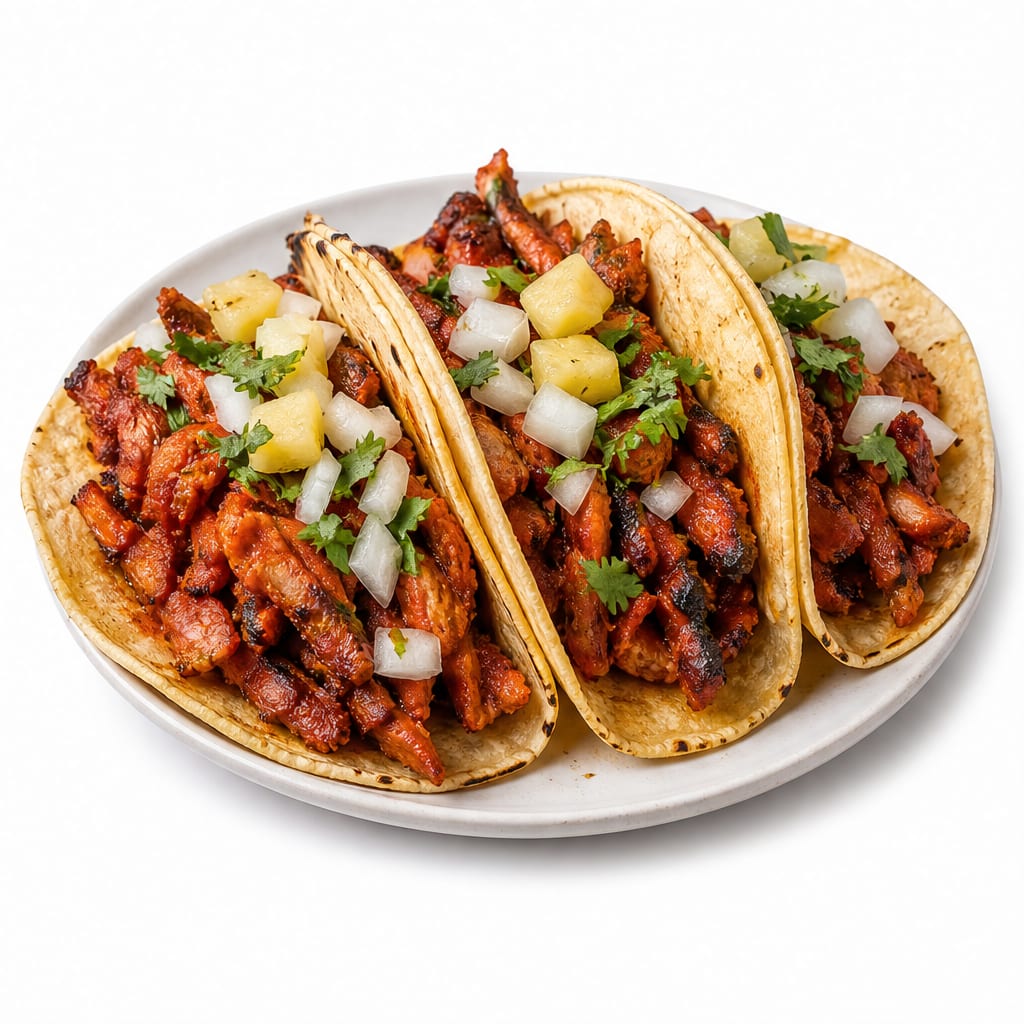
Compare with
Tacos al Pastor
Al pastor uses pork and pineapple, introducing more sugar and carbs compared to standard shawarma.
Shawarma is lower in carbohydrates and sugar than tacos al pastor, which often includes pineapple and corn tortillas. Both provide excellent protein, but shawarma is more keto-friendly.
This food
Shawarma
VS65% alike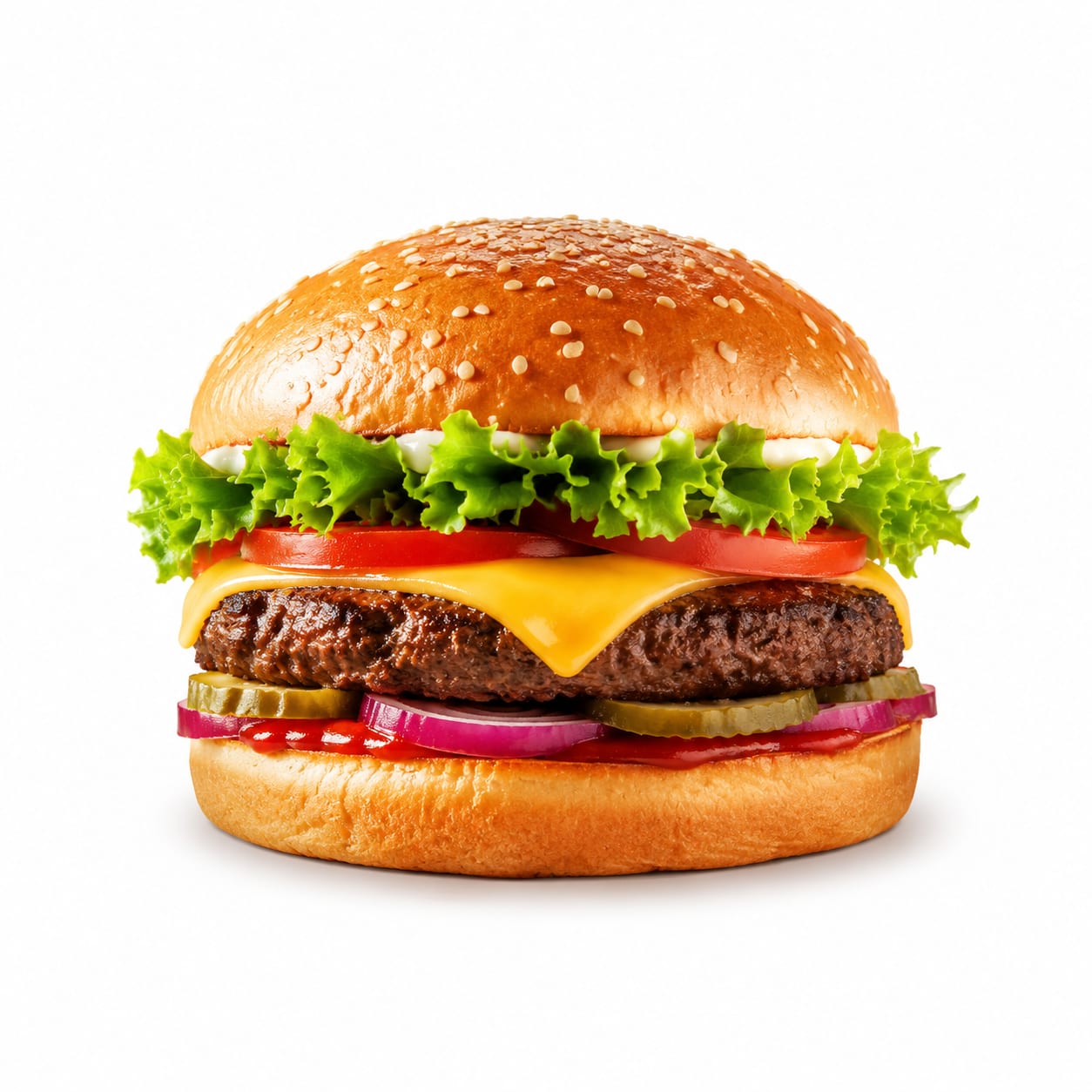
Compare with
Burger
A plain burger patty is similar in macros to shawarma, but fast-food burgers often come with refined carb buns and sugary condiments.
Shawarma meat is generally less processed than a fast-food burger patty and contains fewer additives. Without the bun or pita, shawarma offers a better blood sugar and fitness profile.
This food
Shawarma
VS70% alike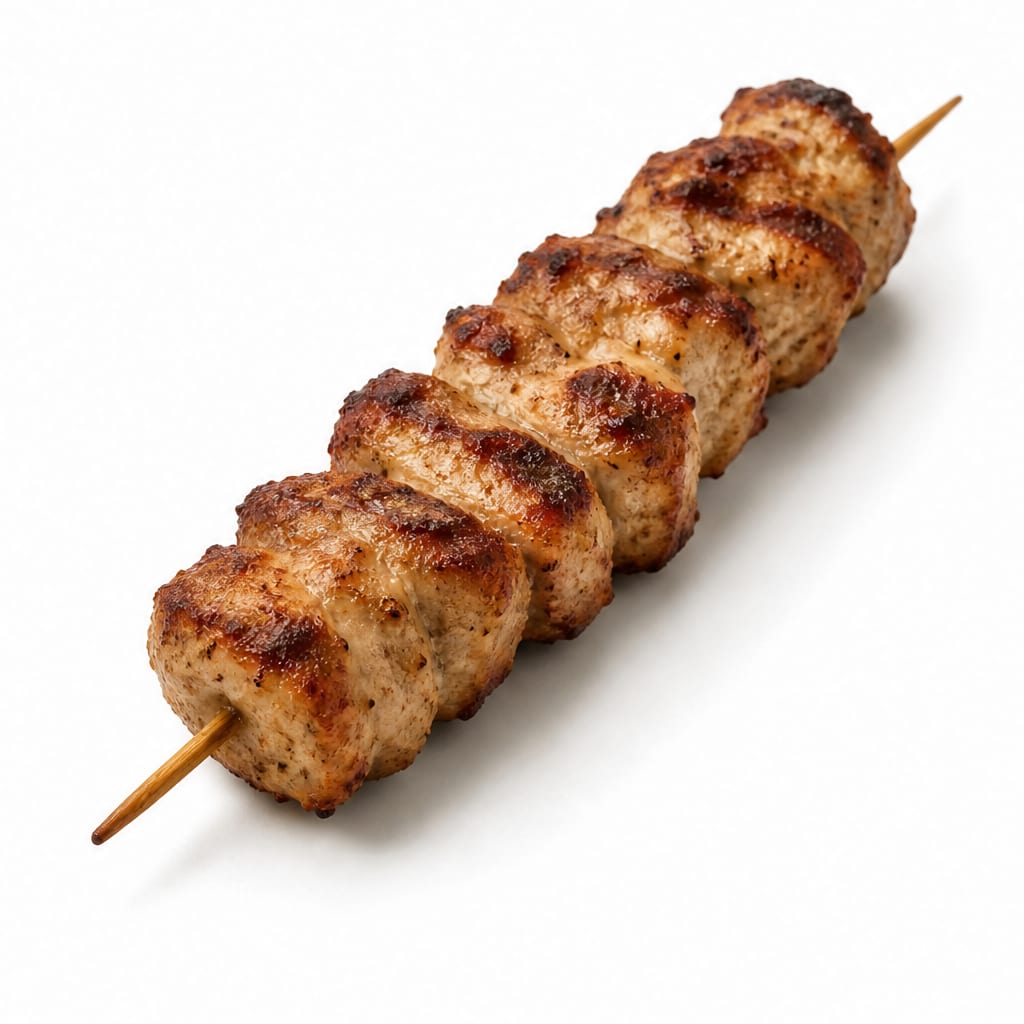
Compare with
Souvlaki
Souvlaki is typically grilled rather than rotisserie-roasted, resulting in a leaner final product with less fat retention.
Souvlaki is usually grilled, making it leaner and lower in calories than shawarma, which marinates in fat. Souvlaki is better for weight loss, while shawarma offers richer flavor from the fat.
This food
Shawarma
VS65% alike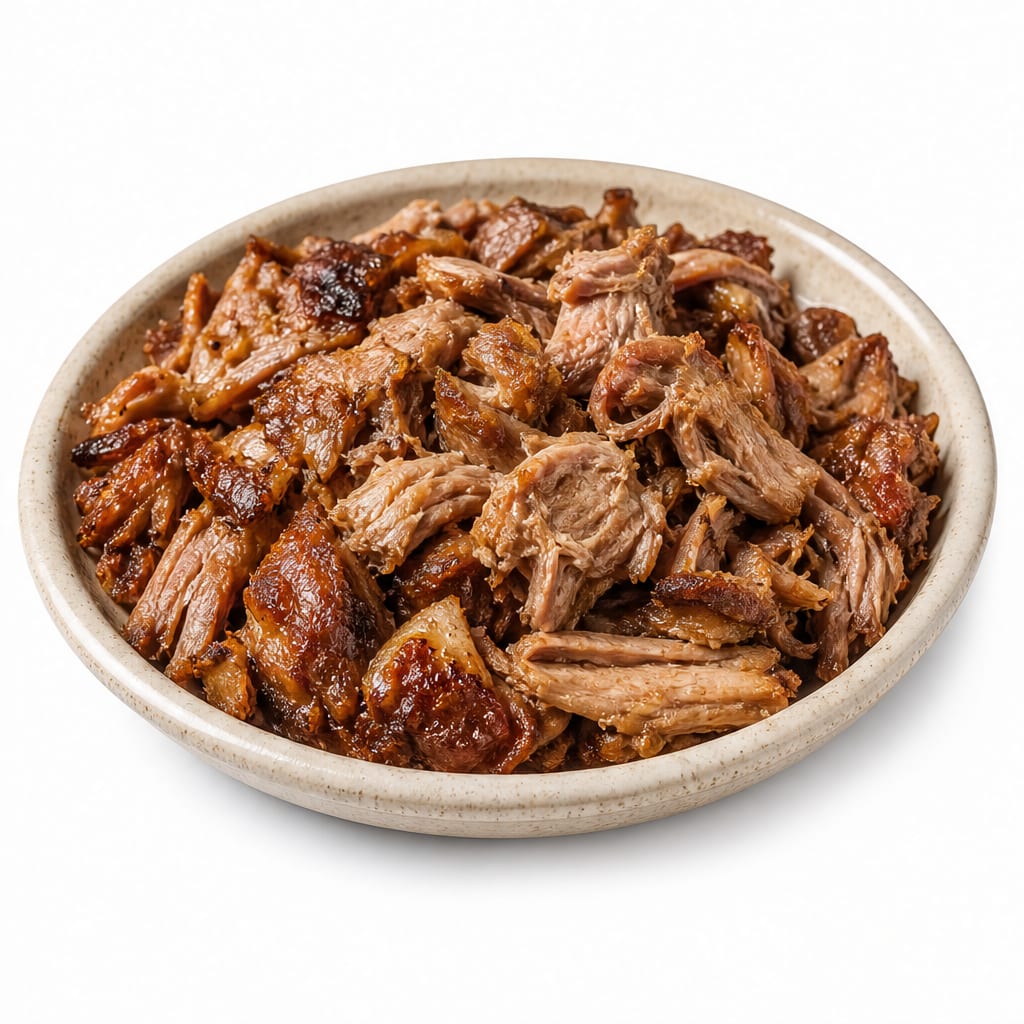
Compare with
Carnitas
Carnitas is braised and then fried, making it extremely high in fat, whereas shawarma slowly roasts and bastes in its own juices.
Carnitas is typically higher in fat and calories than chicken shawarma due to the braising and frying process. Shawarma provides a slightly leaner, higher-protein option for fitness goals.
Common questions
FAQ
Answers aligned with how people search for this food.
Is shawarma good for weight loss?
Shawarma meat is high in protein but also high in fat and calories, especially when served in a pita with garlic sauce. For weight loss, skip the bread and sauces, and opt for a smaller portion of lean chicken shawarma over a salad.
How many calories are in a chicken shawarma wrap?
A typical restaurant chicken shawarma wrap contains between 500 and 800 calories, largely depending on the size of the pita, the amount of meat, and heavy additions like garlic sauce (toum) or hummus.
Is shawarma keto-friendly?
The meat in shawarma is keto-friendly due to its high protein and fat content and near-zero carbs. However, you must order it as a plate or salad without the pita bread, and avoid sweet marinades or sauces.
What is the difference between shawarma and gyro?
Shawarma is a Middle Eastern dish typically made with marinated chicken, beef, or lamb with warm spices like cardamom and turmeric. Gyro is a Greek dish usually made with pork or chicken mixed with beef, seasoned with Mediterranean herbs like oregano and rosemary.
Is shawarma high in sodium?
Yes, shawarma is generally high in sodium. The meat is heavily brined and marinated with salt and spice blends, which can easily contribute over 500mg of sodium per 100g serving.
Can diabetics eat shawarma?
Diabetics can safely eat shawarma meat, as it contains almost no carbohydrates and will not spike blood sugar. The key is to avoid the pita bread and sweet condiments, opting instead for a low-carb wrap or salad.
Is shawarma considered processed meat?
Traditional shawarma uses whole cuts of meat and is considered minimally processed. However, some commercial fast-food shawarma uses processed meat logs containing fillers, binders, and soy protein, which are highly processed.
What meat is traditional for shawarma?
Lamb or mutton was the original traditional meat for shawarma. Today, chicken and beef are the most widely consumed varieties globally due to cost and availability.
Why is shawarma so high in fat?
Shawarma is high in fat because it traditionally uses fattier cuts of meat like lamb or dark-meat chicken, and the marinade relies heavily on oil or fat to keep the meat moist during the long rotisserie cooking process.
Is shawarma safe to eat?
Shawarma is safe when cooked and held at proper temperatures. The main risk comes from vertical rotisseries where the inner meat may not reach a safe temperature, or when leftover meat is spun again the next day without proper refrigeration.
Transparency
Data confidence
Estimated confidence for nutrition data, interpretation, safety notes, and comparisons.
Nutrition data
Health analysis
Food safety
Comparisons