
Nutrition comparison
Shawarma vs Falafel: Which Street Food is Healthier?
Compare Shawarma vs Falafel to discover which is better for protein, weight loss, and heart health. Learn the nutritional tradeoffs between these popular Mediterranean foods.
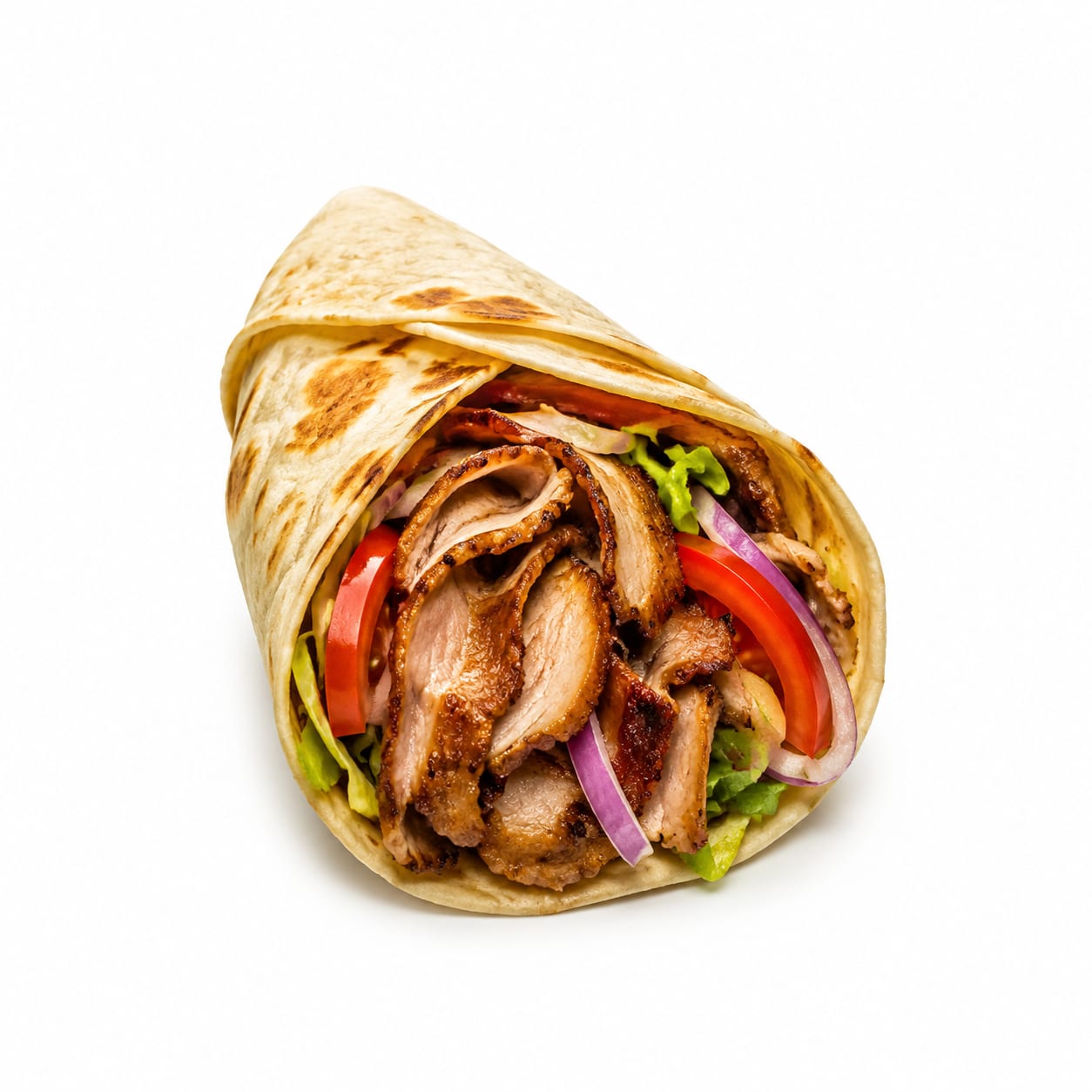
Shawarma
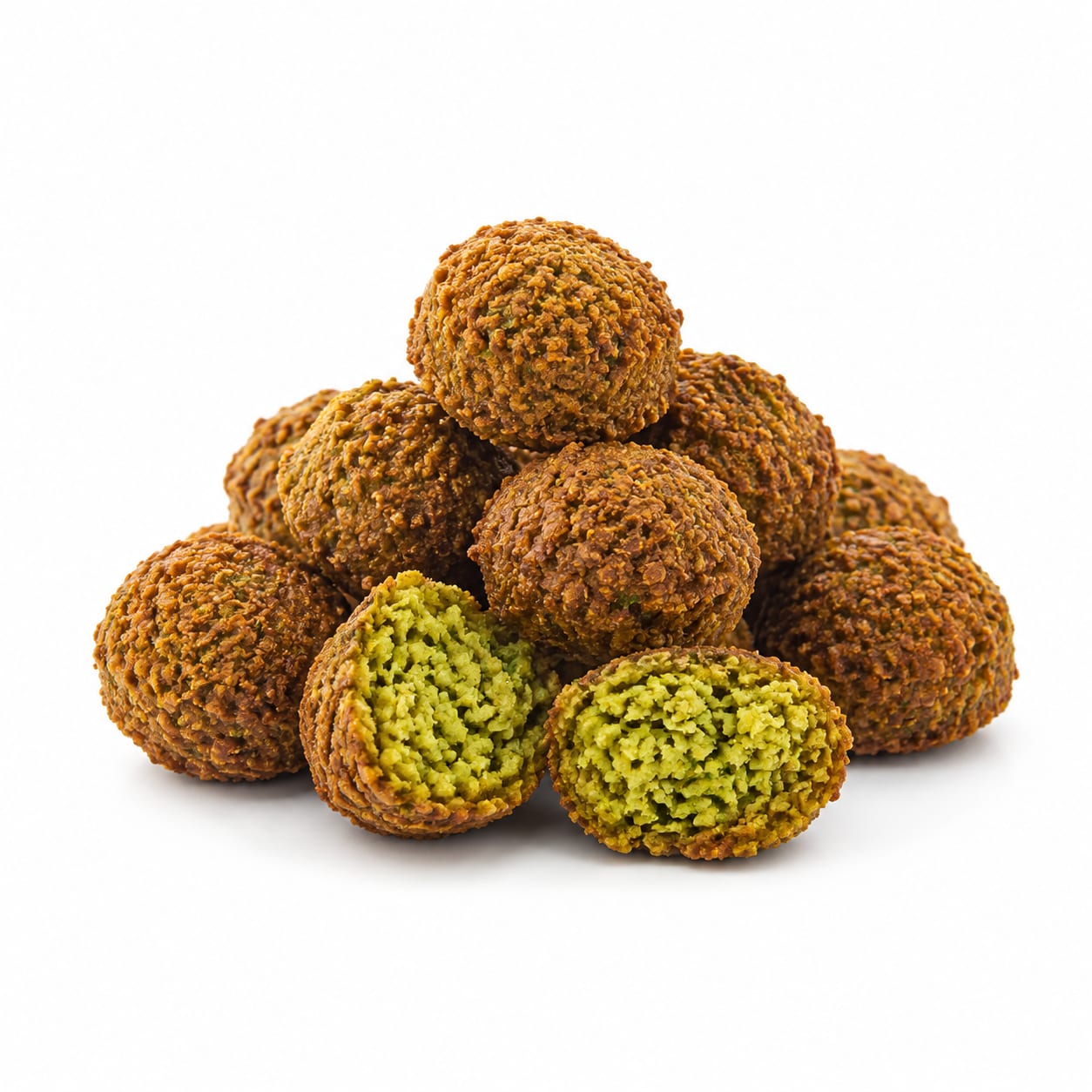
Falafel
Shawarma wins on protein and satiety for meat-eaters, while Falafel wins on fiber and plant-based appeal, though both can be heavy, sodium-laden street foods.
Falafel scores slightly higher due to its fiber content and lack of cholesterol, but both lose points for being typical street foods high in sodium and added fats.
High-quality animal protein and fuller feeling from Shawarma versus the fiber-rich, cholesterol-free but deep-fried profile of Falafel.
At a glance
Executive summary
Overall
It depends
Healthier
Falafel
More practical
It depends
Daily use
Falafel
Key comparison lenses
Animal vs Plant Protein Tradeoff
Shawarma delivers complete meat protein while Falafel offers plant-based protein from chickpeas, a key deciding factor for many eaters.
Sodium and Heart Health Impact
Shawarma marinades are notoriously high in salt, making sodium a major differentiator compared to Falafel.
Cooking Fat Quality
Shawarma relies on animal fat drippings, whereas Falafel is deep-fried in oil, presenting two very different fat profiles.
Fiber and Digestive Satiety
Falafel provides substantial fiber from chickpeas, while Shawarma is virtually fiber-free unless paired with vegetables.
Best choice for
Shawarma
- Post-workout muscle recovery
- High-protein low-carb diets
- Iron deficiency anemia support
Falafel
- Vegetarian and vegan diets
- Boosting daily fiber intake
- Heart-health focused eaters watching cholesterol
Least suitable for
Shawarma
- People watching sodium intake
- Vegetarians and vegans
- Those avoiding saturated fat
Falafel
- People sensitive to deep-fried foods
- Low-carb or keto dieters
- Those watching calorie density
Deep comparison
Dimension by dimension
Each lens scores both foods and breaks down who each option suits.
- Dimension 1 · Priority 90Shawarma
Protein Quality & Muscle Building
Shawarma · 88Falafel · 55Shawarma provides complete, high-quality protein essential for muscle repair, whereas Falafel's plant protein is incomplete and lower per serving.
Tradeoff
You get superior muscle-building amino acids from Shawarma but take on animal saturated fat, while Falafel offers a lighter protein load with zero cholesterol.
Why it matters
Protein quality dictates how well your body recovers from exercise and maintains lean mass.
Real-world impact
After a heavy gym session, Shawarma will leave your muscles more satisfied, while Falafel might leave you reaching for a protein snack sooner.
Shawarma
- Athletes
- Weightlifters
- Older adults preventing muscle loss
Better for
- Vegans
- Those avoiding red meat
Worse for
Falafel
- Vegans
- People lowering cholesterol
Better for
- High-protein dieters
- Keto followers
Worse for
- Dimension 2 · Priority 85Falafel
Fiber & Digestive Health
Shawarma · 15Falafel · 90Falafel is packed with chickpea fiber that feeds gut bacteria and steadies digestion, while Shawarma is virtually fiber-free.
Tradeoff
You sacrifice digestive bulk with Shawarma, requiring you to add vegetables to the wrap, whereas Falafel naturally delivers a fiber punch alongside its carbs.
Why it matters
Fiber keeps you regular, stabilizes blood sugar, and prevents energy crashes.
Real-world impact
A Falafel wrap will keep your digestion moving and energy steadier through the afternoon, while a Shawarma wrap might sit heavier and slower in your stomach.
Shawarma
- Those needing digestive regularity
Worse for
Falafel
- People with constipation
- Blood sugar management
- Gut health focus
Better for
- People on a strict low-fiber diet
Worse for
- Dimension 3 · Priority 80Falafel
Sodium & Heart Health
Shawarma · 25Falafel · 60Shawarma marinades and seasonings are notoriously sodium-heavy, whereas Falafel, while salted, generally contains less salt per bite.
Tradeoff
The intense savory flavor of Shawarma comes at a cost to blood pressure, while Falafel offers a milder sodium load but still isn't a low-sodium food.
Why it matters
High sodium intake leads to bloating and elevated blood pressure over time.
Real-world impact
Eating Shawarma might leave you feeling puffy and thirsty the next morning, whereas Falafel is a bit gentler on your water balance.
Shawarma
- Salt-sensitive individuals
Worse for
Falafel
- People with hypertension
- Those prone to bloating
Better for
- Dimension 4 · Priority 75It depends
Fat Source & Cooking Method
Shawarma · 50Falafel · 45Shawarma fat comes from animal drippings and saturated fat, while Falafel fat comes from deep-frying oil, which can be inflammatory if reused.
Tradeoff
Shawarma offers natural animal fats but with cholesterol, while Falafel is cholesterol-free but carries the risks of deep-fried oils.
Why it matters
The type of fat you eat impacts inflammation, heart health, and how you feel after eating.
Real-world impact
Shawarma can feel heavier and greasier from meat fat, while Falafel can leave an oily residue in your mouth if the frying oil isn't fresh.
Shawarma
- Those avoiding seed oils
Better for
- People managing cholesterol
Worse for
Falafel
- People managing cholesterol
- Plant-based eaters
Better for
- Those with gallbladder issues
- People avoiding fried food
Worse for
Timeline
Health impact over time
Short-term
Hours to days
Shawarma
- High satiety from protein and fat
- Potential bloating from high sodium
- Energy boost from B-vitamins and iron
Falafel
- Steady energy from complex carbs and fiber
- Possible indigestion if fried in old oil
- Feeling full without heaviness
Long-term
Months to years
Shawarma
- Risk of elevated blood pressure from sodium
- Potential increase in LDL cholesterol from saturated fat
- Maintained muscle mass from high protein
Falafel
- Improved gut health from fiber
- Better heart health markers from zero cholesterol
- Potential weight gain if eaten frequently due to calorie density from frying
Risk profile
Safety & processing
Shawarma relies on heavily seasoned marinades that may include preservatives, while Falafel is typically a simple mix of ground chickpeas, herbs, and spices, making it closer to a whole-food base despite the frying.
Shawarma
Undercooked meat
mediumSpit-cooked meat can sometimes be sliced too close to the raw center, posing a bacterial risk.
Cross-contamination
mediumStreet vendors might use the same utensils for raw and cooked meats.
Falafel
Oxidized frying oil
mediumFalafel is deep-fried, and reused oil in street food stalls can contain harmful free radicals.
Acrylamide formation
lowFrying carb-rich chickpeas at high temperatures can create small amounts of acrylamide.
Who wins for whom
Audience fit
Same foods, different winners depending on your goal.
children
ShawarmaShawarma is easier for kids to chew and offers iron and B12 crucial for development, though sodium should be monitored.
daily consumption
FalafelFalafel's plant-based profile and fiber make it a more sustainable daily choice, whereas Shawarma's sodium and saturated fat make it better as an occasional meal.
diabetes
FalafelThe fiber in chickpeas slows down sugar absorption, leading to steadier blood sugar levels compared to the carb-heavy wraps often paired with Shawarma.
elderly
FalafelFalafel is easier to digest, lower in cholesterol, and the fiber helps prevent constipation, a common issue in older adults.
muscle gain
ShawarmaShawarma provides complete, high-quality protein with all essential amino acids needed for muscle repair and growth.
weight loss
FalafelFalafel's high fiber content helps control appetite longer with fewer calories from fat compared to meat-heavy Shawarma, provided it isn't swimming in oil.
Your move
Decision guide
Choose Shawarma
- You need a high-protein meal after a workout
- You are anemic and need iron and B12
- You want a meal that sticks with you for hours
Choose Falafel
- You follow a vegetarian or vegan diet
- You want to improve your digestion and fiber intake
- You are watching your cholesterol levels
Either works if
- You need a quick, satisfying street-food lunch
- You are loading up on carbs for endurance training
Avoid both if
- You are on a strict low-sodium diet
- You have severe IBS and cannot tolerate garlic, onions, or heavy spices
Final recommendation
Choose Shawarma when your body craves protein and iron, and pick Falafel when you want a fiber-rich, plant-based meal that is gentler on your heart. For everyday eating, Falafel is the easier choice to sustain, while Shawarma is best reserved for days you need the extra protein punch.
Practical
Consumer tips
- 1
Ask for your Shawarma to be sliced well-done from the outer edges to avoid undercooked meat.
- 2
Order Falafel from stalls with high turnover to ensure the frying oil is fresh and not reused all day.
- 3
Skip the heavy garlic sauces and mayo-based dressings on both to save hundreds of calories.
- 4
Load your wrap with extra pickles and veggies to add crunch, fiber, and volume without the fat.
- 5
If choosing Shawarma, opt for chicken or turkey instead of beef/lamb for a leaner protein profile.